Kyoto by e-bike feels like a cheat code. This half-day ride pairs famous sights like Kinkakuji with quieter temple grounds and calm side streets that feel a world away from the busiest areas. You’ll cover classic Kyoto, then shift into spaces most people skip.
I love the mix of stops plus storytelling, especially the way guides connect what you see to Zen and temple etiquette. I also like the practical setup: foldable rental e-bikes, a helmet, and water are included for a smooth start. The only real drawback to plan for is that you still have multiple temple stops and some pause-and-listen moments, so it’s less of a pure pedal-only experience.
In This Review
- Key highlights worth knowing
- Starting at NORU: Bikes, helmets, and a smooth first hour
- Kinkakuji and Daitoku-ji: famous places, with breathing room
- Kitano Tenmangu, Koto-in, and Zuihoin: turning corners into calm
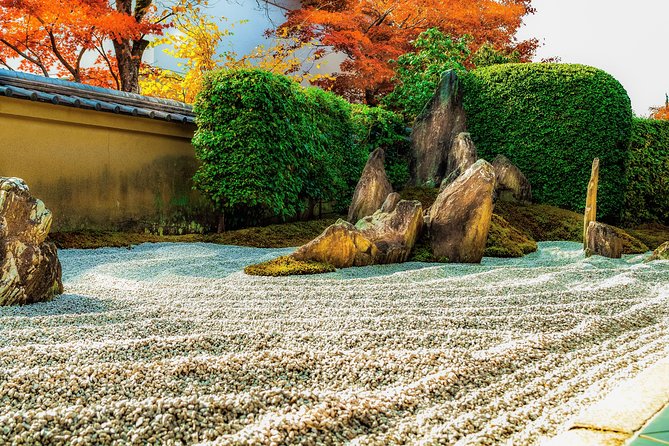
- Zen gardens and backstreets: the part that makes the tour feel local
- E-bikes and hills: making Kyoto rideable if you’re not a cyclist
- The tea break and the guide’s storytelling style
- Timing, group size, and how long you’ll actually be moving
- Price and value: what $116 buys you here
- Weather: what to do if Kyoto decides to rain
- Who should book this Hidden Kyoto e-bike tour
- Should you book it or skip it?
- FAQ
- How long is the Hidden Kyoto E-Biking tour?
- What sites do we visit?
- Is the ride difficult?
- What’s included in the price?
- Where do I meet the group?
- What should I know about weather and timing?
Key highlights worth knowing
- Small group pace (max 8) so you can actually hear the guide and move calmly
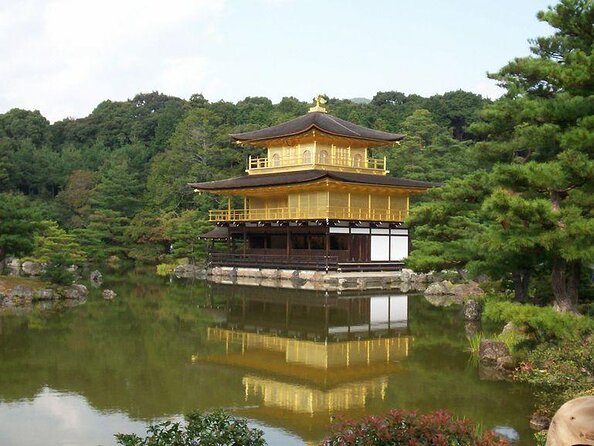
- Major UNESCO stop first with Kinkakuji before you head for quieter lanes
- E-bike help on hills makes Kyoto’s grades feel manageable
- Temple and shrine stops including Daitoku-ji, Kitano Tenmangu, Koto-in, and Zuihoin
- English route coordinator with strong explanations of Shinto/Buddhist ideas and customs
Starting at NORU: Bikes, helmets, and a smooth first hour
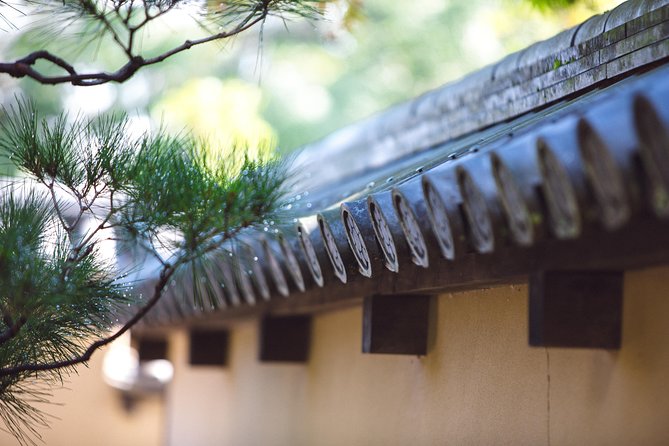
Your tour starts at NORU Kyoto Bike Tours in Kamigyo Ward (429-22 Takigahanachō). It’s near public transportation, which matters because Kyoto mornings can be a puzzle if you’re relying on taxis. You’ll check in, get your bike, and pick up a helmet before you roll.
The bike setup is the whole point of doing this early in your trip. You’ll get training that’s clear enough for first-timers, and the e-assist makes the ride easier than regular cycling in Kyoto. If you’re worried about steep streets, that worry usually drops fast once you try the bike.
You’ll also want to show up 15 minutes early. The tour departures run at 8:30, 9, 12:30, and 1pm, and late arrival means you can miss the tour with no refund. That rule is strict, but it keeps groups from clogging the start area and slowing everyone down.
You can also read our reviews of more tours and experiences in Kyoto.
Kinkakuji and Daitoku-ji: famous places, with breathing room
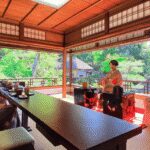
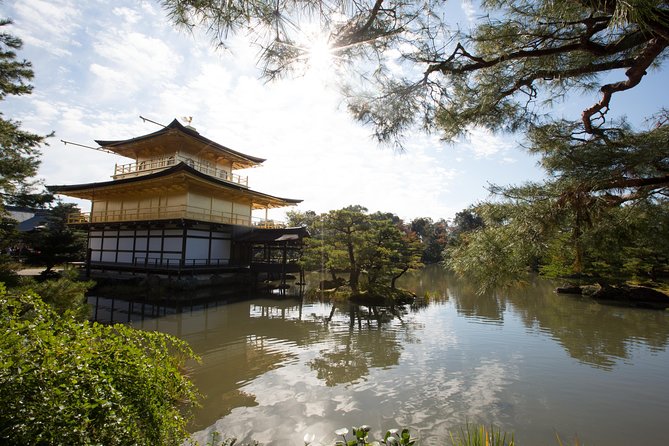
The first stop is Kinkakuji Temple, the iconic golden pavilion site. It’s UNESCO-listed, so you get a real anchor point for your Kyoto visit, not just a random assortment of streets. Expect to do it at a bike-tour pace rather than a long queue-and-shuffle pace.
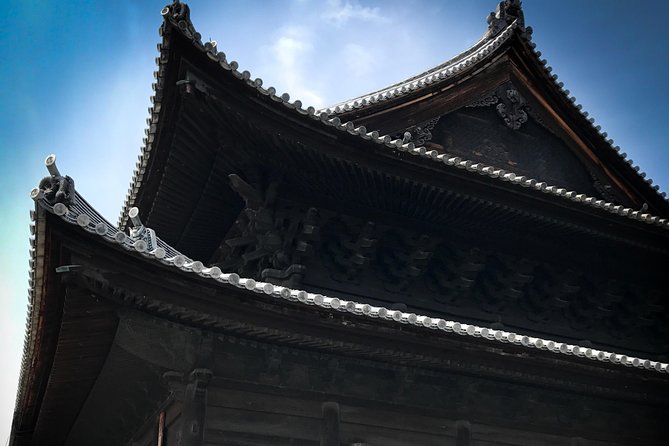
Then you head to Daitoku-ji Temple Complex. This is where the tour’s tone shifts from landmark sightseeing to quiet observation. Instead of rushing in and out, you pause to take in the feel of the temple spaces while your guide explains what you’re looking at.
From the experience descriptions, the best part here is the context. Guides talk about Shinto and Buddhism in a way that helps you read the little details, like why people behave a certain way at religious sites. If you’ve ever felt lost in Kyoto’s mix of shrines and temples, this is exactly the kind of structure that helps.
Kitano Tenmangu, Koto-in, and Zuihoin: turning corners into calm
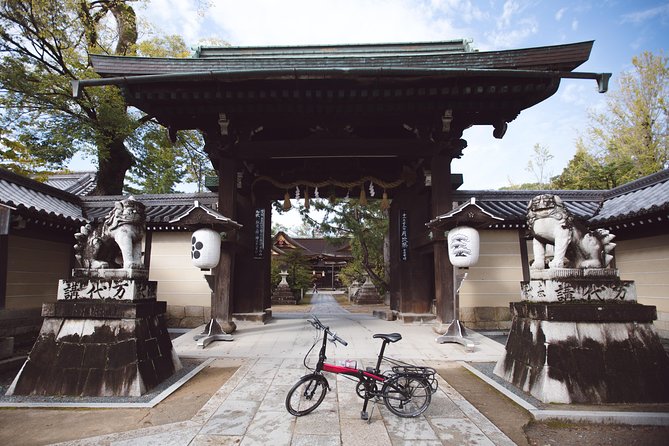
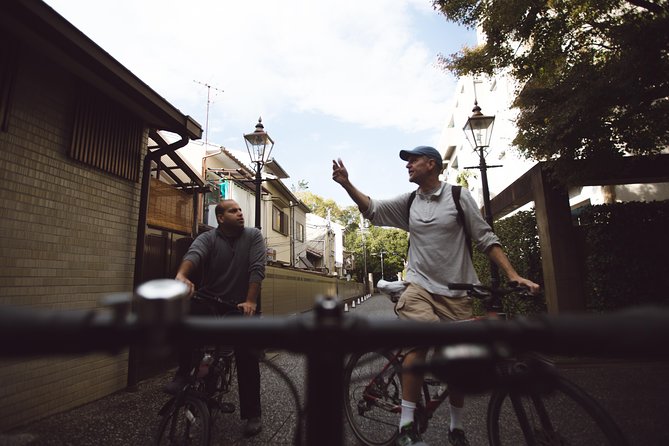
Next comes Kitano Tenmangu Shrine. It’s a major shrine stop, but the route planning is what keeps it from feeling like a theme-park circuit. You’re moving through Kyoto, not just walking a checklist.
After that, you visit Koto-in and then Zuihoin. These stops are smaller, quieter, and more intimate than the big spectacle sites. That’s the whole idea of the Hidden Kyoto concept: you see important locations, but you also get the softer parts people miss.
The difference shows in how these stops feel. Your guide’s explanations tend to be tied to what you can notice on-site, like the mood of the gardens and why visitors slow down. It makes the time spent at each place feel useful rather than like a quick photo stop.
Zen gardens and backstreets: the part that makes the tour feel local
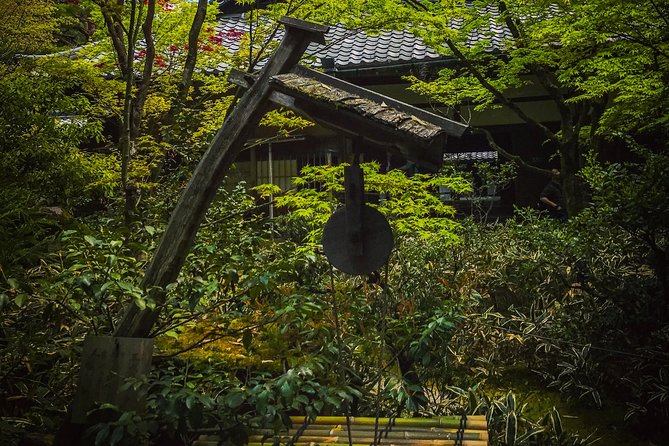
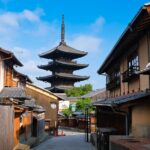
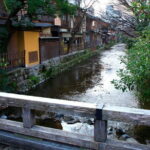
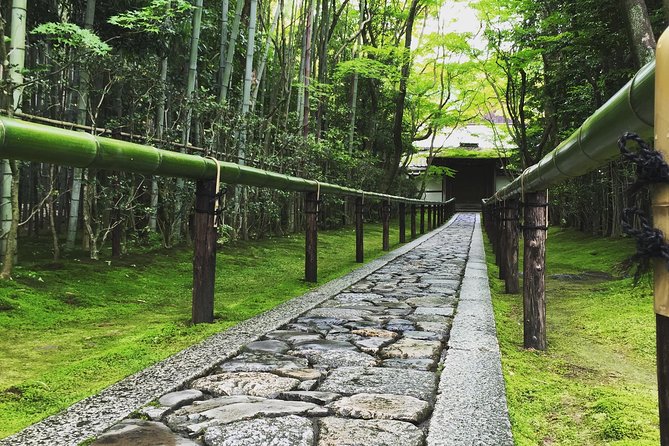
The route is designed to help you escape the densest tourist flow. You’ll cycle past Kyoto’s quiet side streets and slip into calmer pockets where you can actually hear yourself think. In practice, that changes your whole perception of the city.
The ride covers roughly 4.3 to 4.9 miles (about 7 to 8 kilometers) in the morning or afternoon route format. The distance stays reasonable, but what you really get is variety: temple clusters, residential lanes, and those peaceful stretches that feel more like daily Kyoto than postcard Kyoto.
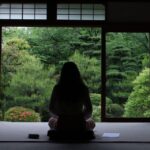
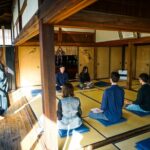
Some guides also add small moments of Zen-focused reflection at the end, which many people find a nice counterweight after busy sightseeing. Even if you’re not a ritual person, it gives you a moment to reset before you head back into town.
E-bikes and hills: making Kyoto rideable if you’re not a cyclist
This tour stands or falls on how the bikes work, and here the e-assist is the key. Reviews point out that the bikes are easy to use and that the electric power handles steep sections with far less effort than you’d expect on a standard bicycle.
People mention feeling safe on the ride, with back streets that are manageable for beginners. That’s important because Kyoto’s roads can be narrow and full of surprises, especially around busy temple areas. A good e-bike setup plus a route coordinator makes the whole thing feel controlled.
One practical tip: wear comfortable shoes with good grip, even if the ride sounds easy. Temple entrances can mean uneven ground and short walking segments, and you don’t want to be thinking about foot fatigue when you should be looking around.

The tea break and the guide’s storytelling style
A big part of the tour’s value is the route coordinator’s English narration. Guides like Yuta (often pronounced Utah), Michael, Sean, Henry, and Shizuka show up in the experiences, and the common thread is that they connect history and belief systems to what you see in front of you.
Shinto vs. Buddhism comes up often, along with temple and shrine etiquette tips that make your visits more respectful and more meaningful. You’ll also hear cultural background that helps explain details that normally fly over heads, like the difference in how religious spaces are approached.
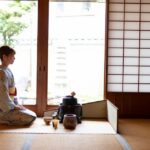
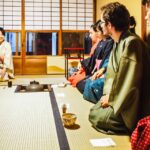
There’s also a tea stop that people describe as charming, with a story attached to the place. One group specifically mentioned a tea stop with a 1025-year lineage and a connection through generations, which is exactly the kind of Kyoto detail that makes a bike tour feel different from a standard sightseeing walk.
Timing, group size, and how long you’ll actually be moving
The tour duration is about 3 hours 45 minutes. That includes biking time plus several stops for temples and a bit of listening time while you gather context. If you prefer constant movement, you should know this isn’t an all-pedal sprint.
The group size is small, with a maximum of 8 travelers. That matters because it keeps the guide’s pacing realistic and gives you room to ask questions without the group getting split up. It also helps your photos and timing, since you’re not constantly swallowed by a crowd.
There’s an important nuance from experience-style feedback: one person felt the guide’s storytelling ran long for a shorter tour. That doesn’t mean the tour is too slow, but it does tell you to come in with the mindset of a guided experience, not just sightseeing from a seat.
Price and value: what $116 buys you here
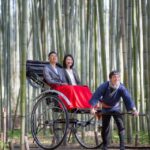
At $116 per person, you’re paying for more than bike rental. You get an English-speaking route coordinator, a rental bike (with helmet and e-assist), and water—plus guided access to multiple major religious sites without having to plan a route yourself.
That’s where the value shows up. Kyoto is a tough city to self-navigate on a bike if you want to hit Kinkakuji and also reach quieter backstreets without guessing. This tour hands you a plan and keeps you from wasting your energy on logistics.
You’re also not just buying a list of stops. You’re buying context—Shinto vs Buddhism, temple customs, and the meaning behind what you’re seeing—plus the comfort of a small-group ride. For many people, that turns the time into something they actually remember.
Food and drinks aren’t included unless specified, so plan for your own meal afterward. A tea stop is part of the experience rhythm, but don’t assume it replaces lunch.
Weather: what to do if Kyoto decides to rain
This tour requires good weather. If it gets canceled due to poor weather, you’ll be offered a different date or a full refund. That’s reassuring because temple days in rain can turn miserable fast, especially for photos and walking.
If rain happens, some guides are prepared to help with rain gear and cooler-weather items. Still, I wouldn’t rely on that as your only plan. Bring a poncho or small rain jacket and consider packable waterproof gloves if you get cold easily.
Also note that the ride is designed to work at an easy, safe level for riders age 13+. You don’t need athletic training, but you should be comfortable enough to mount, pedal, and brake reliably.
Who should book this Hidden Kyoto e-bike tour
This tour is a strong match if you want a balanced Kyoto day. It’s great for first-timers who want major sites like Kinkakuji and Kitano Tenmangu without spending the entire day in the busiest areas. It’s also a smart choice for returning visitors who already know the obvious highlights and want quieter streets and gardens.
It’s especially good for people who like structure. The guide builds connections between the religious places and the city’s culture, so your visit feels guided rather than scattered.
The tour is best for you if you’re okay with scheduled stops and short pauses for explanations. If you dislike sitting still at temples, you might want to choose a more walking-heavy option or a self-guided bike rental for maximum pace. The e-bike helps, but it won’t turn the tour into a nonstop ride.
Should you book it or skip it?
Book this tour if you want Kyoto at two speeds: famous sights up front, then calm backstreets and Zen gardens once the crowds thin. For me, the biggest selling point is the combination of e-bike ease plus an English guide who explains etiquette and belief systems instead of just rattling facts.
Skip it only if you want maximum walking freedom, minimal stopping, or you’re uncomfortable cycling even with e-assist. Also, be honest about timing: arrive early and be ready for a guided experience that includes a few listen-and-observe moments.
If you’re traveling with a teen, the minimum age is 13, and the ride is described as easy and safe with minimal effort. That makes it one of the more family-friendly ways to cover Kyoto’s highlights while still feeling like you found the quieter side.
FAQ
How long is the Hidden Kyoto E-Biking tour?
The tour runs about 3 hours 45 minutes (approx.).
What sites do we visit?
The tour includes Kinkakuji Temple, Daitoku-ji Temple Complex, Kitano Tenmangu Shrine, Koto-in, and Zuihoin.
Is the ride difficult?
The ride is described as easy, safe, and fun with minimal effort, and it’s for anyone over age 13.
What’s included in the price?
You get an English-speaking route coordinator, a rental bike, a rental helmet, and water.
Where do I meet the group?
You meet at NORU Kyoto Bike Tours at 429-22 Takigahanachō, Kamigyo Ward, Kyoto, 602-8336, Japan. It’s near public transportation, and the tour ends back at the meeting point.
What should I know about weather and timing?
The experience requires good weather. If it’s canceled due to poor weather, you’ll be offered a different date or a full refund. You also need to arrive 15 minutes prior to departure since late arrivals can miss the tour and won’t be refunded.