REVIEW · KYOTO
Kyoto: Ninja Weapon Forging Experience
Book on GetYourGuide →Operated by Kendo Experience · Bookable on GetYourGuide
Ninja metal in Kyoto feels real. You start with a samue outfit and work real steel, heated inside an 800°C furnace, close to Hieizanguchi Station. It is the kind of class where the craft is the star, not a performance.
I love that the work is hands-on all the way through: hammering and shaping, then refining with a belt sander, and finishing with kanji engraving and a protected, display-ready look. You also leave with your weapon in a beautiful box, ready to cherish.
One drawback to plan for: some weapon choices cost extra, and if you fly home, you can take the weapon only in checked luggage (not carry-on).
In This Review
- Key things to know before you go
- Finding the Studio Near Hieizanguchi Station
- Suit Up in Samue and Tenugui Before You Forge
- Pick Your Shuriken or Kunai (Know the Extra Fee)
- Forging at 800°C: The Moment Your Weapon Takes Shape
- Grinding, Sharpening, and Clean Lines With a Belt Sander
- Engraving Kanji: Your Personal Signature in Metal
- Blackening Steel and Final Polish for Rust-Resistant Style
- The Ninja Knowledge Session That Adds Meaning
- Photos, Videos, and How the Staff Help You Capture It
- Timing, Comfort, and Who This Suits Best
- Price and Value: Is $148 Worth It?
- Bringing Your Weapon Home: Checked Luggage Only
- Replica Swords in the Studio Shop
- Should You Book This Kyoto Ninja Weapon Forging Experience?
- FAQ
- How long is the Kyoto Ninja Weapon Forging Experience?
- What weapons can I make in this class?
- Is there an extra fee if I make a kunai?
- What is included in the price?
- Where is the meeting point?
- Do they offer the class in English?
- Can I take photos and videos during the workshop?
- Can I bring the weapon home on a flight?
- Can I buy replica swords at the studio?
- Can I cancel or pay later?
Key things to know before you go
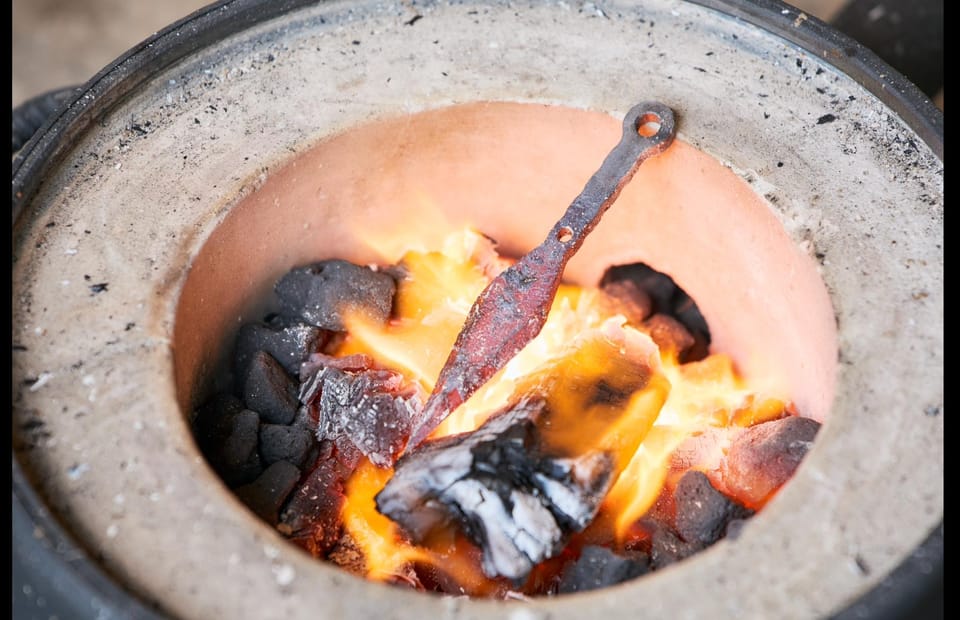
- Real steel forging with a glowing 800°C furnace, not a demo you watch from a chair
- You engrave a personal kanji signature that turns the tool into your souvenir
- Multiple weapon styles to choose (three shuriken options or a kunai, with possible add-ons)
- Blackening + final polish give a dramatic, rust-resistant finish you can actually display
- Quick access: about a one-minute walk from Hieizanguchi Station, up a hill with a red postbox
Finding the Studio Near Hieizanguchi Station
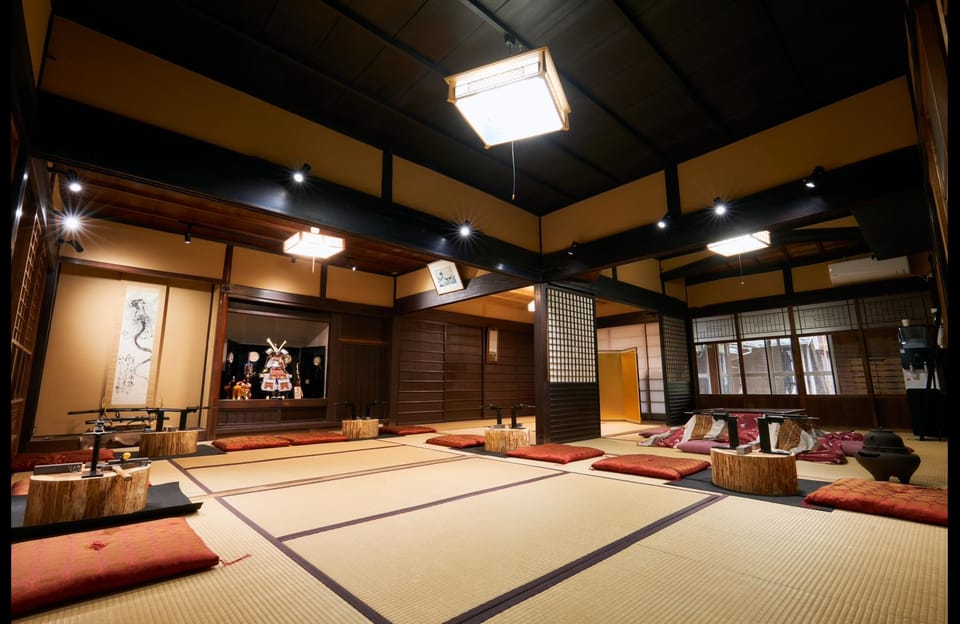
This class is easy to locate once you know the landmark. The meeting point is a one-minute walk from Hieizanguchi Station. Go up the hill where you’ll see a red postbox in front of the station.
That small detail matters. Kyoto stations can look similar, and the “up the hill” part helps you avoid wandering. Also, this is one of those activities where getting there a few minutes early helps your nerves. You will be in a working studio setting, not a quick desk check-in.
If you are the type who likes to arrive early, do it. You’ll have time to settle in, get your bearings fast, and be ready when they start fitting you for the uniform.
You can also read our reviews of more tours and experiences in Kyoto.

Suit Up in Samue and Tenugui Before You Forge
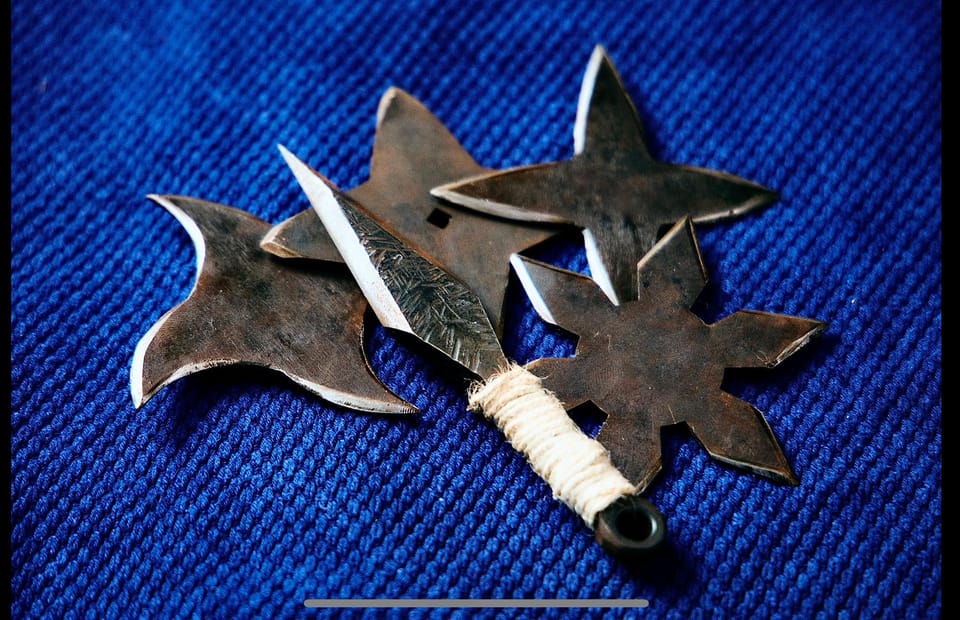
The experience begins with dressing like a blacksmith. You change into samue, the traditional work attire worn by Japanese artisans, and add a head covering with a tenugui.
This is not just for photos. It sets the tone. Once you are suited up, the workshop feels more disciplined and focused, and you’re more likely to stay present during the tool work. The class also tends to be structured step-by-step, so wearing the right clothing makes it easier to follow along safely.
You’ll also be able to take photos and videos while you craft. Just be mindful around hot metal and equipment. The staff guide you, so you can capture the key moments without getting in the way.
Pick Your Shuriken or Kunai (Know the Extra Fee)
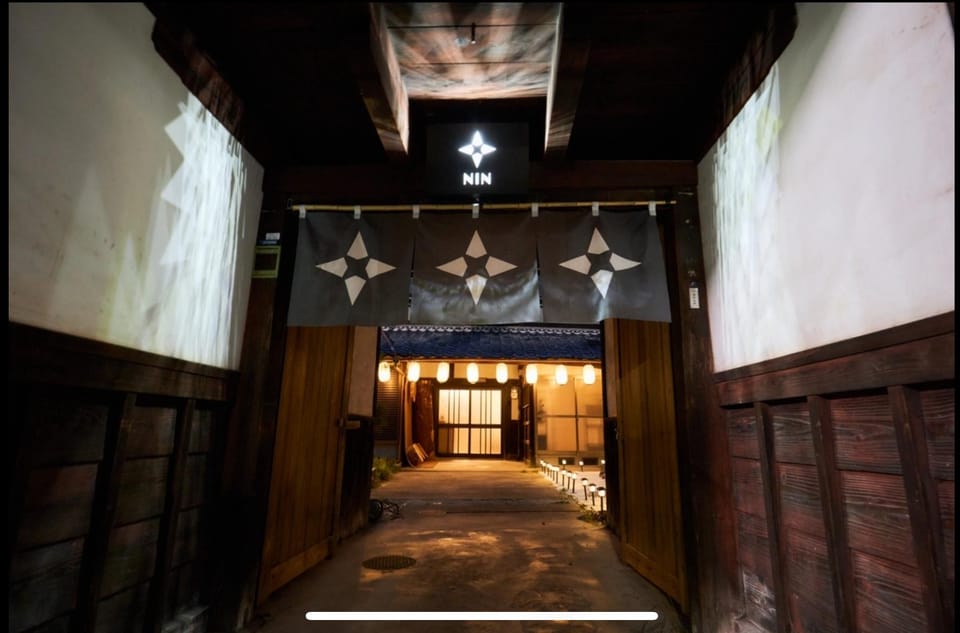
You choose your weapon at the start, just like you would choose what you want to work on in a real shop. The options include three shuriken styles or a kunai.
If you want the kunai, there is an additional ¥3,000 fee. The class also notes that some weapon types may require extra costs, depending on what you select.
Here’s how I’d think about your choice:
- Choose shuriken if you want a classic, compact build that still goes through the full process: heat, hammering, shaping, sharpening, engraving, and finishing.
- Choose kunai if you want the more iconic knife form and you’re comfortable budgeting the extra fee.
Either way, the price you pay at checkout makes more sense because the tool becomes your take-home project. You are not just paying to try the first step and then watch the rest.
Forging at 800°C: The Moment Your Weapon Takes Shape
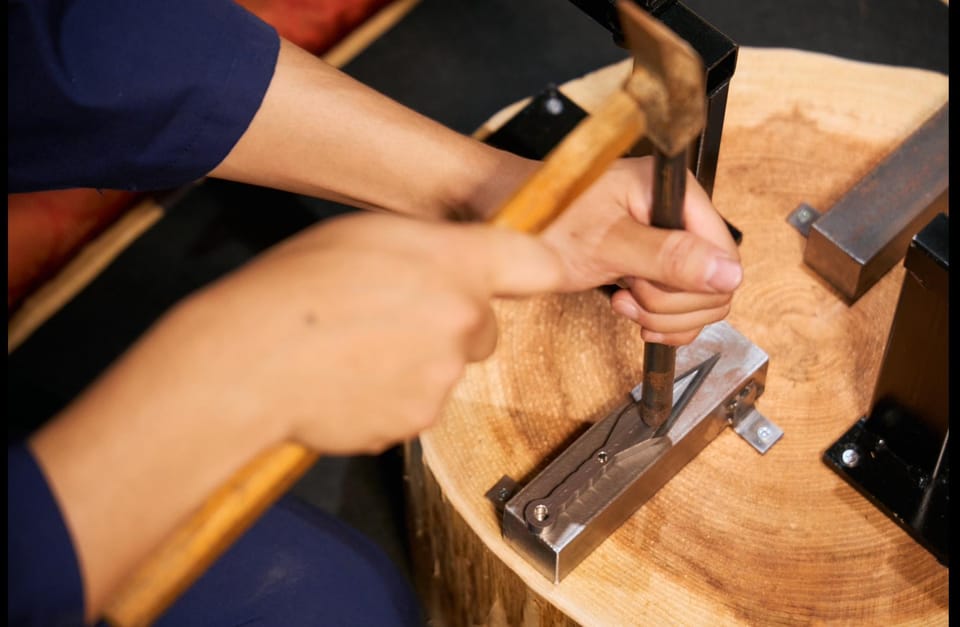
This is the headline moment. You watch steel glow inside an 800°C furnace, then you strike heated metal with a hammer under expert guidance. Sparks fly. The air feels charged.
What makes this practical, not just dramatic, is the pacing. You do not guess. You get instructions for how to handle the metal while it’s hot and how to hit with purpose. Your job is to help shape the weapon while the artisans keep you on track.
Even if you’ve never held a hammer before, the class is designed so you can participate. The staff show what to do, then guide you as you do it. That matters because forging can look simple in videos, but getting the shape right takes feedback.
If you’re nervous about safety, take comfort in the way the workshop is set up: you’re working in a studio with tools and instructors who keep the process moving in an orderly way. The environment is built for learning, not risk.
Grinding, Sharpening, and Clean Lines With a Belt Sander
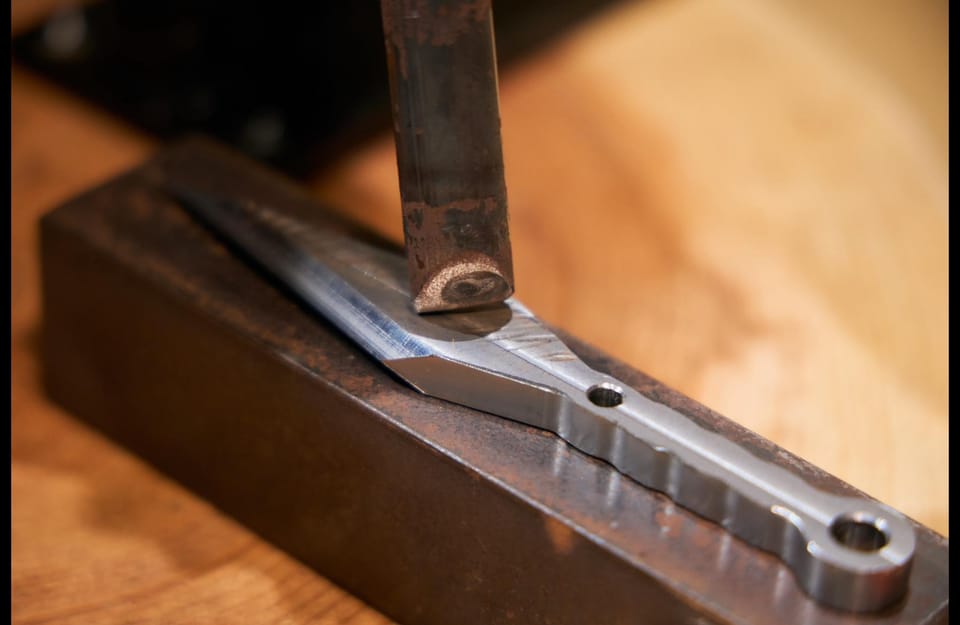
After the forging stage, it shifts from heat to precision. You use a professional belt sander to refine the blade. This is where the weapon starts to look finished instead of rough.
You’ll feel the difference quickly. The grinding is physical and focused. It turns your hammer-shaped work into cleaner edges and lines, and it helps you correct any unevenness that happens during the earlier steps.
Depending on the exact setup, you may also be able to adjust how sharp you want the final result. That’s a smart option because it changes what the weapon feels like at the end, and it can matter for how you plan to store or display it.
Also pay attention during this step. Sanding is where your eyes catch detail. The guides help you get to a good look without rushing you.




Engraving Kanji: Your Personal Signature in Metal
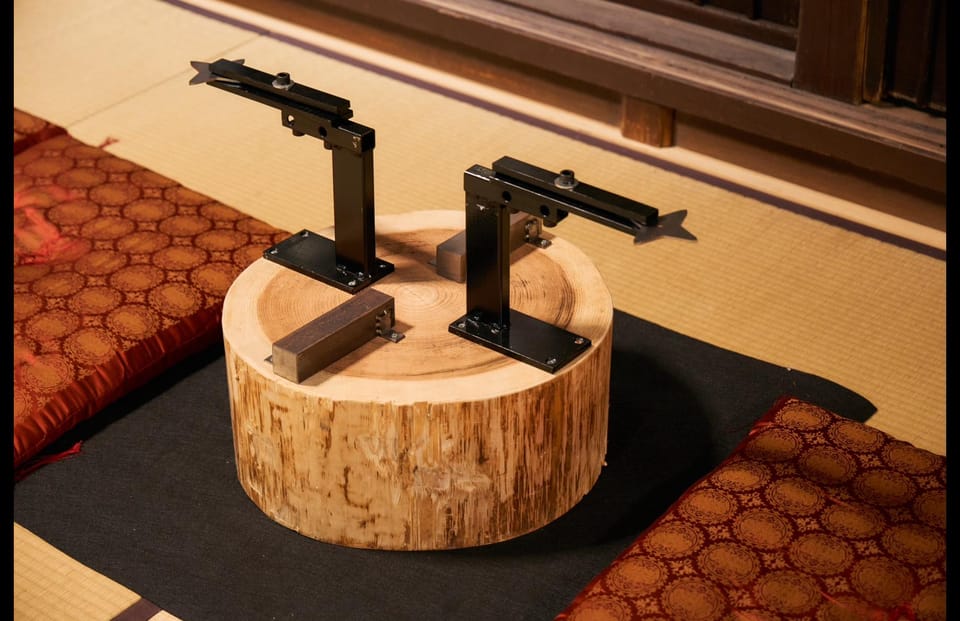
Once shaping is done, the souvenir becomes yours in a very literal way: kanji engraving.
You choose a kanji character that inspires you, and the staff engrave it with meticulous precision. This isn’t just a stamp. It’s part of what turns the weapon from a made object into a personal keepsake.
I like this step because it gives you control over meaning. A shuriken or kunai is already a cool Japan craft story, but adding your character makes it a memory you can read (and explain) later.
If you want a smoother decision, pick the kanji ahead of time using something you actually connect with. Then you can focus during engraving instead of trying to decide on the spot.
Blackening Steel and Final Polish for Rust-Resistant Style
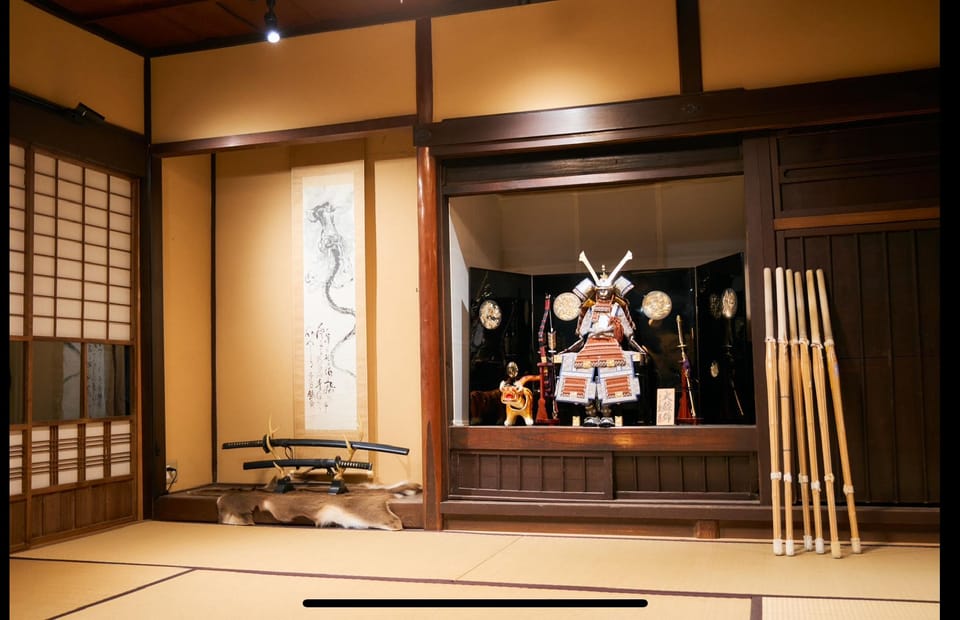
After engraving, the metal gets darkened. A special solution is applied to blacken the steel and help protect it from rust. It also gives that dramatic, stealthy look people associate with ninja-era tools.
Then comes the final polish. This is the step that makes the piece feel complete. The surface goes from utilitarian to display-ready, with a finish that looks intentional rather than purely functional.
This combination matters for value. A lot of craft souvenirs look good for a day and then disappoint later. Here, the blackening and protective finish help the weapon stay looking sharp as a keepsake.
And because you take it home in a beautiful box, it’s easier to keep safe immediately after the workshop. You’re not scrambling for packaging while the metal is still new to you.
The Ninja Knowledge Session That Adds Meaning
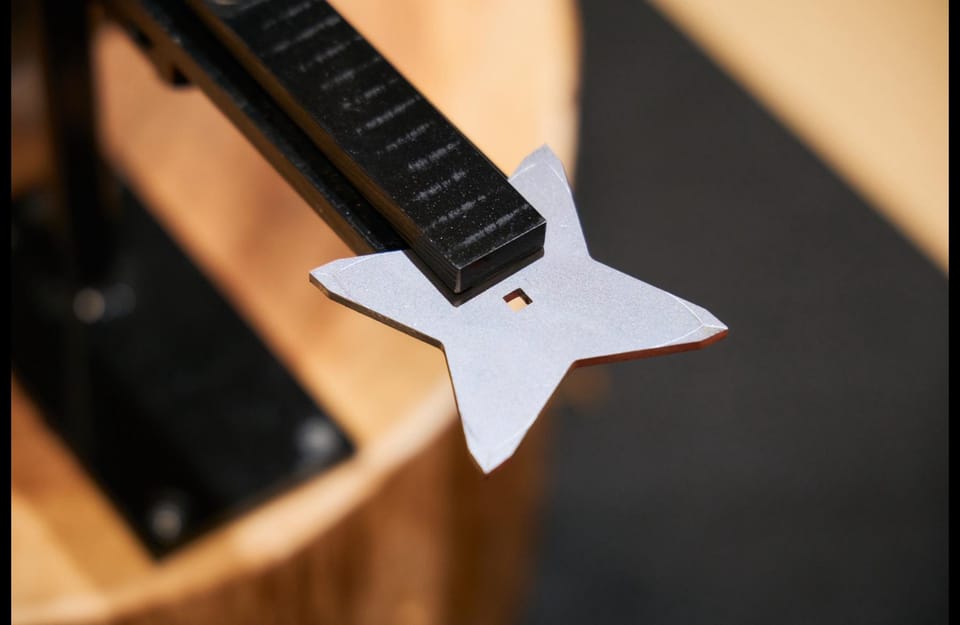
Between the hands-on craft steps, you get a ninja knowledge session. You learn about the history, symbolism, and hidden techniques behind the craft.
I think this part is what separates this from a basic hobby workshop. You still get your hands working, but the story makes the object more than a novelty. It gives you language to explain what you made and why certain choices were made in the forging and finishing process.
This is also where the guides’ energy helps. Names that come up often include Taka leading with high energy, along with teammates like Mits, Ako, and Yok, who support the group through different steps. In practice, it means you get both process help and context, and you’re less likely to feel lost when switching from one tool stage to the next.
Photos, Videos, and How the Staff Help You Capture It
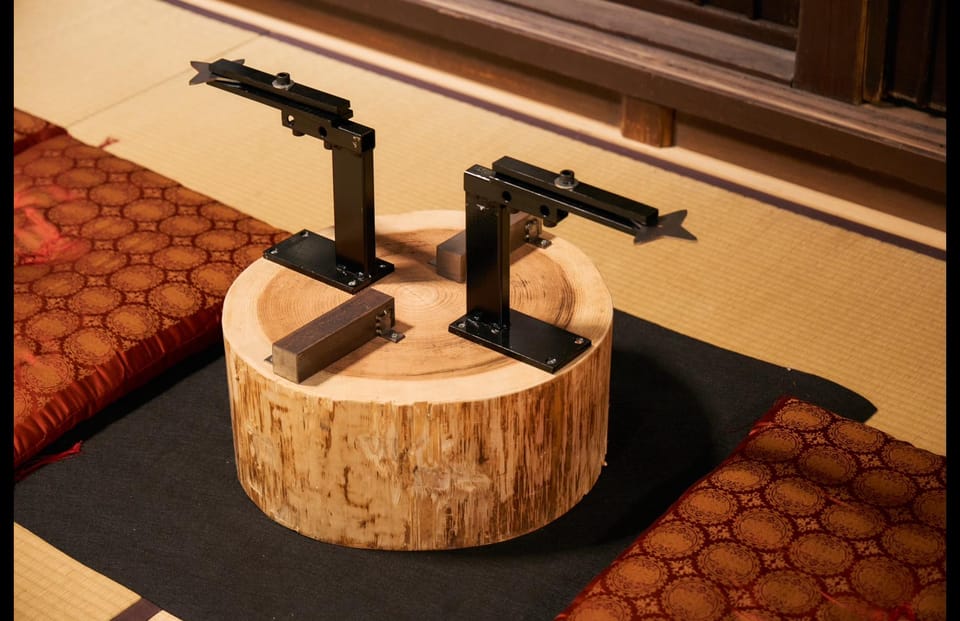
You’re encouraged to capture memories with photos and videos of your crafting experience. That matters because forging is hard to describe later. Light, sparks, and the moment the metal changes shape are visual moments.
The workshop also tends to be collaborative about filming. I’ve seen people get guidance so they can record without getting in the way of others. It helps if you bring your camera and keep it ready during the furnace and hammering parts.
Tip: take a few wide shots first, then switch to close-ups during engraving and finishing. The craft details show up best when the piece is stationary and polished.
Timing, Comfort, and Who This Suits Best
The class runs 150 minutes. That’s long enough to do real work, not just a quick “try it” session. You’ll go through the major stages: uniform up, choose your weapon, forge and shape, refine, engrave, blacken, and polish.
This works well for:
- First-time hands-on learners who want a structured, guided activity
- Families with kids, since the process is taught step-by-step and the studio environment is kept safe
- Solo travelers who want a social activity with staff support
- Anyone who likes crafts and wants a take-home item with a real personal story
What you should consider: you’ll be standing and using tools for parts of the session. If you have mobility issues, it’s worth keeping that in mind and letting the staff know so they can guide you comfortably through each step.
Also, the area is a little off the main flow of Kyoto sightseeing. People like that because it feels like a working neighborhood rather than a staged attraction.
Price and Value: Is $148 Worth It?
At $148 per person for a 150-minute, instructor-led forging workshop, the value comes from what’s included and what’s created.
Included:
- Instructor
- Weapon-making class
- Uniform
- Tools
- The weapon you make to take home
That bundle adds up quickly. You’re not only learning; you’re producing a finished metal souvenir with multiple steps and a protective finish. Plus, the kanji engraving turns it into something personal, not generic.
The one real cost uncertainty is weapon add-ons. The kunai has a ¥3,000 extra fee, and some weapon types can require additional charges. If you’re strict about budget, check your weapon choice early so you’re not surprised.
Still, even with possible add-ons, the experience has a lot going on for your time: forge time, shaping time, sharpening or refinement, engraving, and finishing. You end with a real crafted keepsake in a box.
Bringing Your Weapon Home: Checked Luggage Only
This is important if you’re flying. The class info is clear: you can bring the weapon home on your flight, but only in checked luggage, not carry-on.
That means you should plan how it fits in your suitcase and how you’ll keep it protected. The workshop provides a beautiful box, which is exactly what you want to use for travel.
One practical extra step: declare it if required by customs rules. Some people report smooth travel when they declared properly. It’s worth doing the safe thing and not trying to sneak it through.
If you’re also worried about damage, consider keeping the box intact and wrapping the box with extra protection inside your luggage.
Replica Swords in the Studio Shop
The studio also sells replica swords. If what you really want is the look of Japanese weaponry but you’re not planning to ship or travel with a forged item, this can be a helpful fallback.
It doesn’t replace the forging experience, but it gives you another souvenir option while you’re there.
Should You Book This Kyoto Ninja Weapon Forging Experience?
I’d book it if you want a hands-on Kyoto activity with real steel, clear step-by-step instruction, and a souvenir that feels personal. The process—from forge to engraving to blackening and polish—gives you a lot of craft moments for your time, not just one highlight.
Skip it if you have zero flexibility for add-on fees, if you strongly dislike workshops involving tools and metalwork, or if flying with the item sounds like too much hassle for your comfort.
If you do book, bring your camera, pick your kanji thoughtfully, and choose your weapon with the fee structure in mind. This is one of those Kyoto experiences where you leave with something you can hold and explain for years.
FAQ
How long is the Kyoto Ninja Weapon Forging Experience?
The experience lasts 150 minutes.
What weapons can I make in this class?
You can choose from three shuriken styles or a kunai.
Is there an extra fee if I make a kunai?
Yes. Making a kunai includes an additional fee of ¥3,000.
What is included in the price?
The included items are the instructor, the weapon-making class, uniform, tools, and the weapon you make to take home.
Where is the meeting point?
Meet at a location 1-minute walk from Hieizanguchi Station, going up the hill where there is a red postbox in front of the station.
Do they offer the class in English?
Yes. The instructor speaks English.
Can I take photos and videos during the workshop?
Yes. You can capture memories with photos and videos of your crafting experience.
Can I bring the weapon home on a flight?
You can bring it home only in checked luggage, not as carry-on luggage.
Can I buy replica swords at the studio?
Yes. The studio sells replica swords for a fee.
Can I cancel or pay later?
You can cancel up to 24 hours in advance for a full refund, and you can reserve now & pay later (you pay nothing today).