REVIEW · KYOTO
Kyoto: Tea Ceremony Ju-An at Jotokuji Temple
Book on GetYourGuide →Operated by Tea Ceremony Juan · Bookable on GetYourGuide
Tea rituals can be the best antidote to Kyoto crowds. At Jotokuji Temple, you slow down, admire the grounds, and step into a traditional matcha ceremony led in English.
I especially love how structured and hands-on it is. You get a proper walk-through first, then the tea master guides you through each step, including making your own cup, with help from hosts such as Kate (and Yaki is mentioned as well) during the experience.
One key consideration: the tearoom has three steps, and the floor seating isn’t for everyone. Good news: if you are not comfortable sitting on the floor, stools are available, but the activity is not suitable for wheelchair users.
In This Review
- Quick hits before you go
- Jotokuji Temple: the calm start at the main gates
- Red benches, purification fountain, and a temple atmosphere you can feel
- Grand Tearoom etiquette: shoes off, floor seating, and stools
- Meet the tea master: what the matcha workshop actually includes
- 70 minutes in Kyoto: a short ceremony with real substance
- Value check: is $29 fair for the experience you get?
- Finding Tea Ceremony Juan and not getting lost
- Who should book this tea ceremony (and who should skip it)
- Tips to get more out of your matcha ceremony
- Should you book this Kyoto tea ceremony at Jotokuji Temple?
- FAQ
- How long is the Kyoto tea ceremony?
- How much does the experience cost?
- How big is the group?
- Is the instruction available in English?
- What’s included in the ticket?
- Are meals included?
- Do I need to rent a kimono?
- Is the tearoom wheelchair accessible?
- What if I’m not comfortable sitting on the floor?
- Where is the meeting point?
- Can I get a refund if my plans change?
- Is there a pay-later option?
Quick hits before you go
- Small group limit of 10 keeps the pacing calm and questions possible
- Purification ritual happens early, setting a respectful tone
- Grand Tearoom etiquette means shoes off and careful seating
- Matcha workshop is interactive, not just watching
- Rain back-up plan lets you wait under cover or inside nearby spaces
- English instruction with a guide and a tea master leads step-by-step
Jotokuji Temple: the calm start at the main gates
This tea ceremony doesn’t feel like a quick stop inside a busy attraction. It starts at the main gates of Jotoku-ji, where you’re guided to the right spot before you even reach the tearoom. You’ll walk through the temple grounds with time to notice details that most people miss when they’re rushing from one temple photo to the next.
Here’s what you should look for right away: as you enter, you pass the entrance to the Grand Tearoom on your left and a parish shop nearby. Then you meet your guide at the red benches nearby, which is a simple but helpful way to keep the group together without fuss.
If you’re the type who likes a gentle warm-up, this part works well. The schedule gives you more than one moment to slow down, including a weather-dependent break near the benches.
You can also read our reviews of more tours and experiences in Kyoto.
Red benches, purification fountain, and a temple atmosphere you can feel
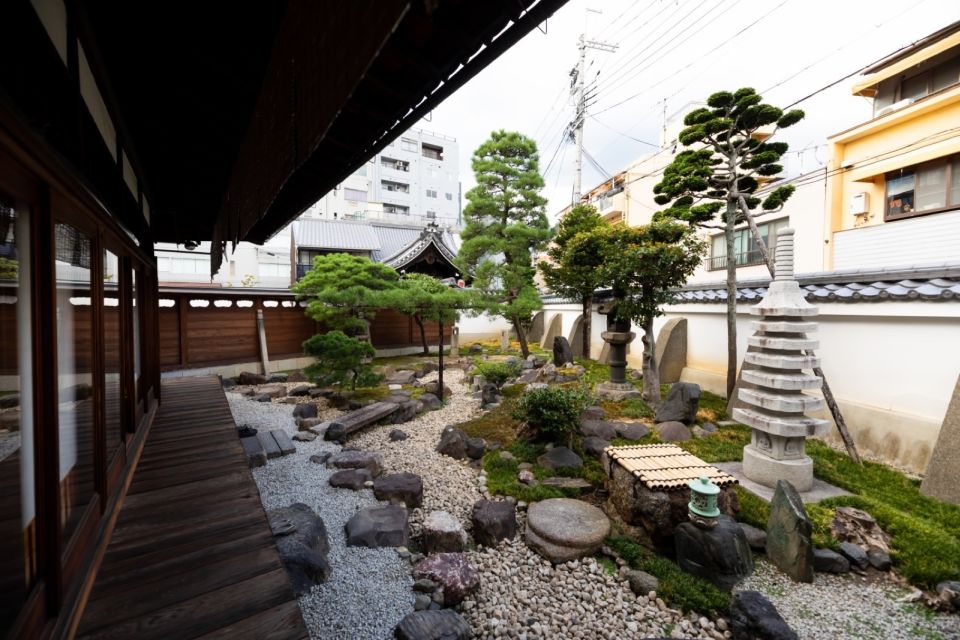
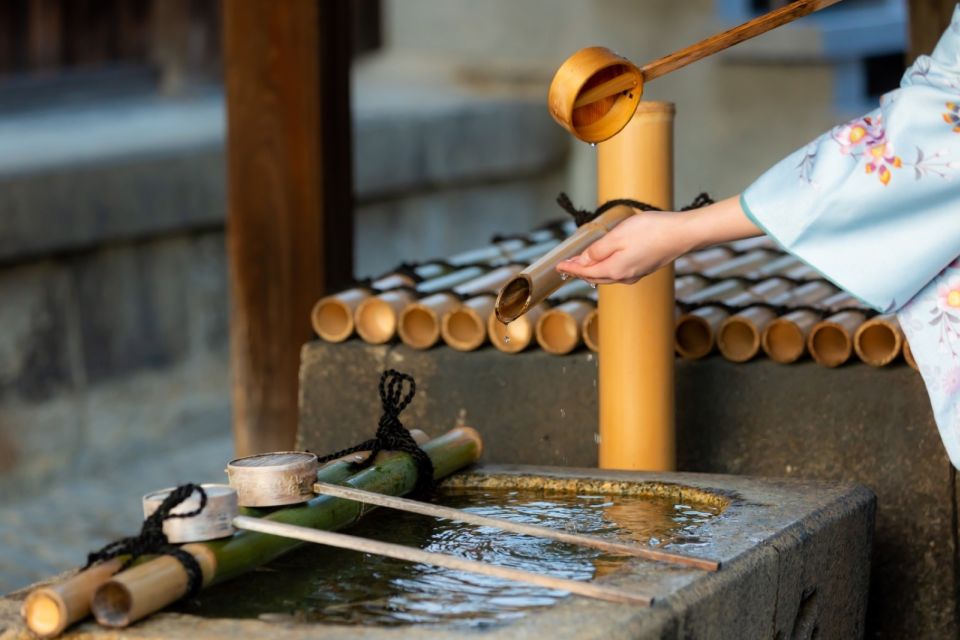
Before you enter the Grand Tearoom, the experience gives you a traditional start: a purification ritual. For me, that’s one of the most meaningful parts because it explains how the ceremony begins before the tea ever reaches your bowl.
Along the way, you can stand by the purification fountain and take in the surroundings. The temple architecture is part of the show, in the best way—meant to be noticed slowly, not treated like background scenery.
Timing also matters. If the weather cooperates, you can sit at those red benches for a break. If it rains, you don’t get stuck outside with nowhere to go. You’ll either stand under the gable of the shop or wait inside the Grand Tearoom area until it’s time to proceed.
Grand Tearoom etiquette: shoes off, floor seating, and stools
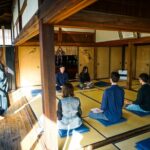
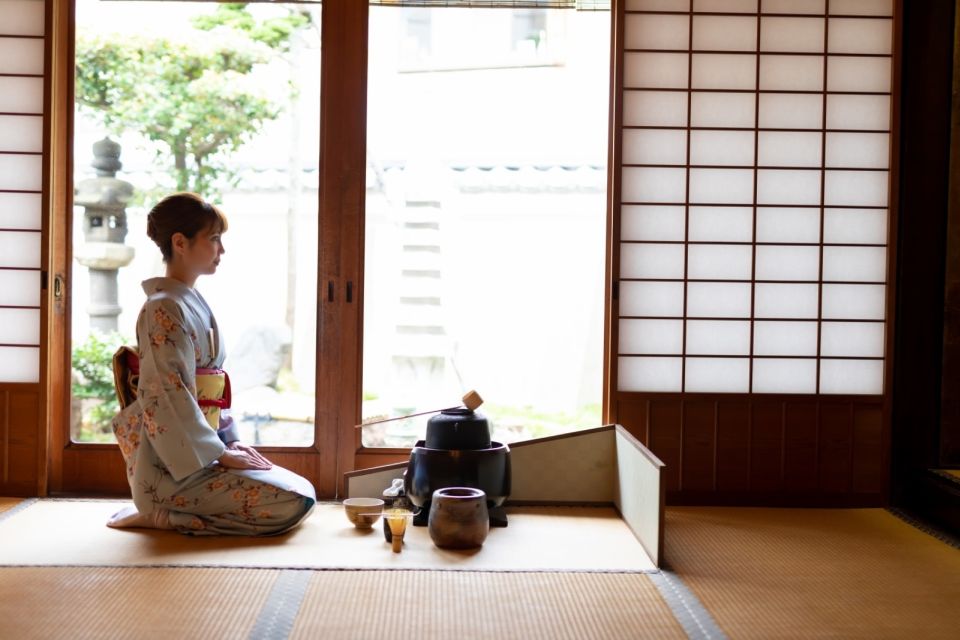
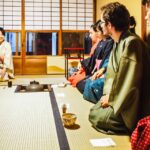
Once you’re ready, you move into the Grand Tearoom. You remove your shoes at the entrance, and your group heads in together to take your seats. This is one of those practical moments where you learn by doing—and it sets expectations for the quiet, careful way the ceremony is carried out.
The tearoom has three steps, so it is not set up for wheelchair users. The temple itself is wheelchair accessible, but the tea space isn’t, so plan accordingly. If you’re not sure you can comfortably sit in the traditional position, ask for the stool option. Seats and stools are available for people who aren’t comfortable sitting on the floor.
I also like how this is handled in a no-stress way. It’s respectful to the tradition, but it’s not so rigid that you’re forced into discomfort. That makes it easier to focus on what matters: the tea.
Meet the tea master: what the matcha workshop actually includes
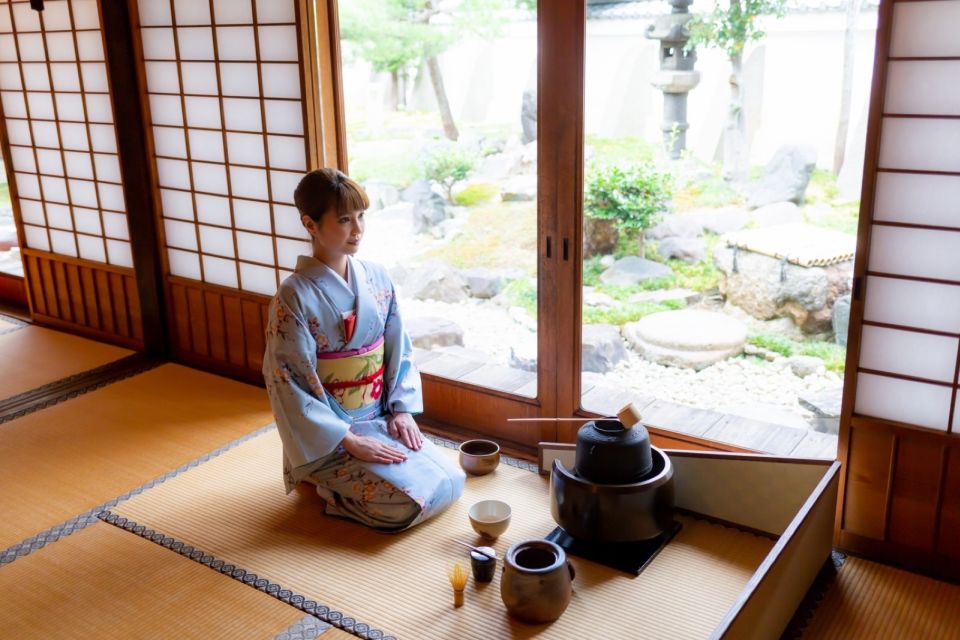
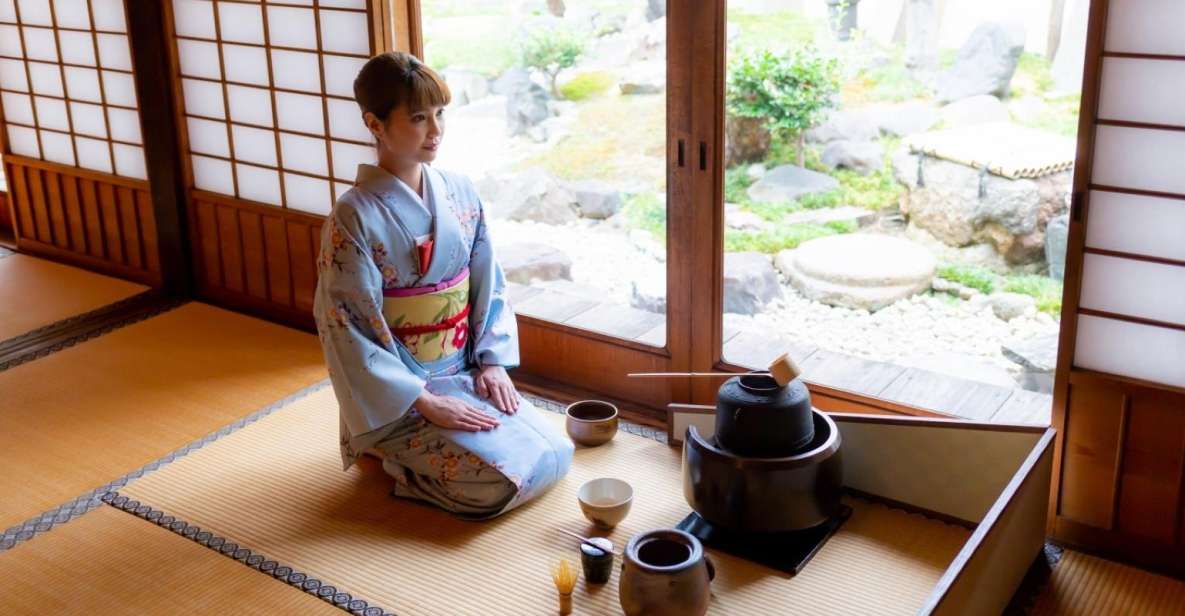
Inside, you’ll meet your instructor and tea master. The tea master demonstrates the process, and then you get a chance to participate—so you’re not stuck only watching. This is the key difference between a ceremony you just observe and one that actually sticks with you.
You’ll learn matcha preparation step by step and the fine art of drinking it. The focus is not just on the movements; you’ll also learn why the ceremony is done the way it is. That “why” shows up repeatedly: in the order of steps, in the way you handle utensils, and in the mindset behind the routine.
You’ll also get to sample matcha at its best. And yes, the ceremony includes sweets—small, simple pairings that help the flavor land in a gentle, balanced way. It’s not a meal, but it makes the tasting feel complete.
From the way hosts explain things, one theme comes through clearly: they’re patient and they take time with each step. Names like Kate and Yaki show up in what people remember most, especially for clear instruction and calm guidance while you prepare your own tea.
70 minutes in Kyoto: a short ceremony with real substance
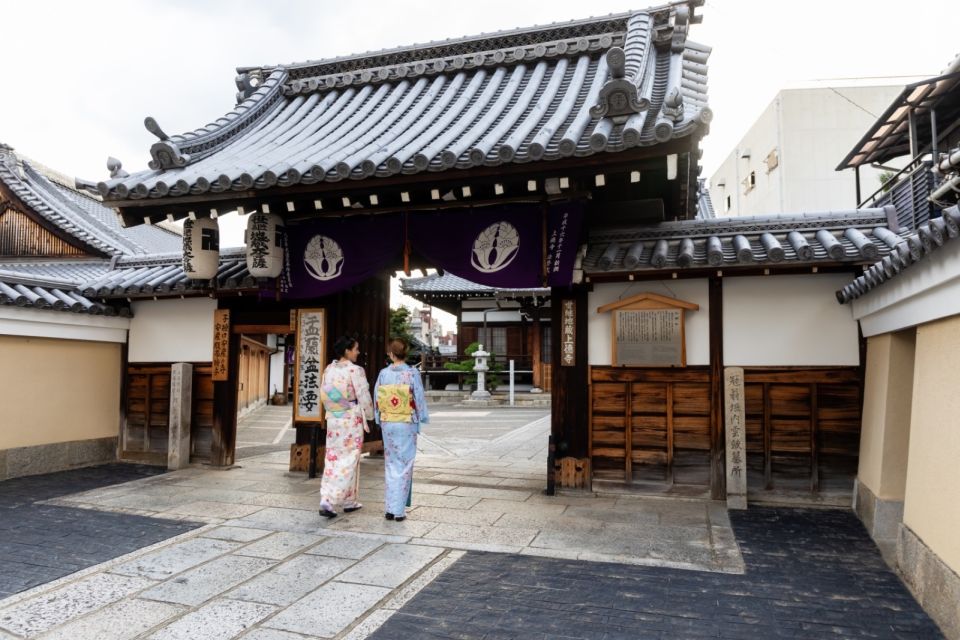
Some long tea experiences can run for hours. This one is 70 minutes, which is a smart length for real life in Kyoto. You still get the full flow: temple entry, purification, entering the tearoom, and the guided matcha experience—without needing to clear half your day.
That’s a practical advantage for you if you’re trying to see multiple neighborhoods. Kyoto is full of things that look great on a map, but your energy is the limit. Seventy minutes gives you a concentrated cultural reset that doesn’t wreck your schedule.
The pacing also tends to feel friendly rather than rushed, thanks to the small group size (limited to 10). When you’re learning a ritual with hand movements and tasting, smaller groups matter. It helps the tea master keep an eye on everyone and helps you ask questions without shouting.

Value check: is $29 fair for the experience you get?
At $29 per person for a 70-minute Chanoyu workshop, this is strong value in a city where many “cultural experiences” can be more about theater than participation. Here, your ticket buys more than entry—it supports a guided introduction, a tea master demonstration, and your own hands-on moment.
Also, the included pieces matter. You get a tour guide plus the tea ceremony workshop itself. You’re not just paying for matcha; you’re paying for learning the process and understanding the steps.
A few things are not included, so you can budget honestly:
- Meals are not included.
- Kimono is not included (but can be rented separately).
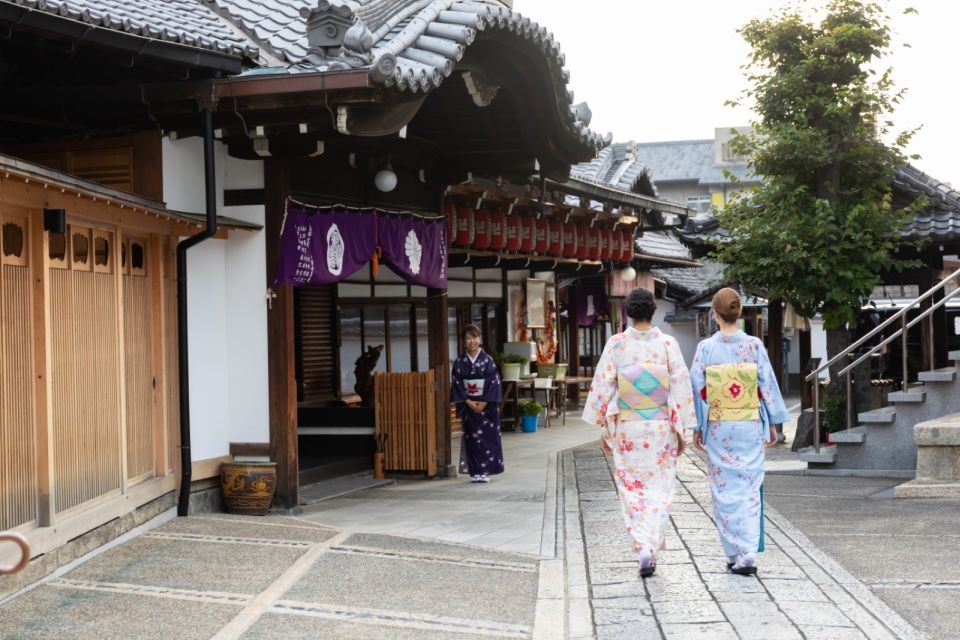
If you want the full look, renting a kimono can add to your day, but it isn’t required to enjoy the ceremony. The focus stays on the tea and the etiquette.
Finding Tea Ceremony Juan and not getting lost
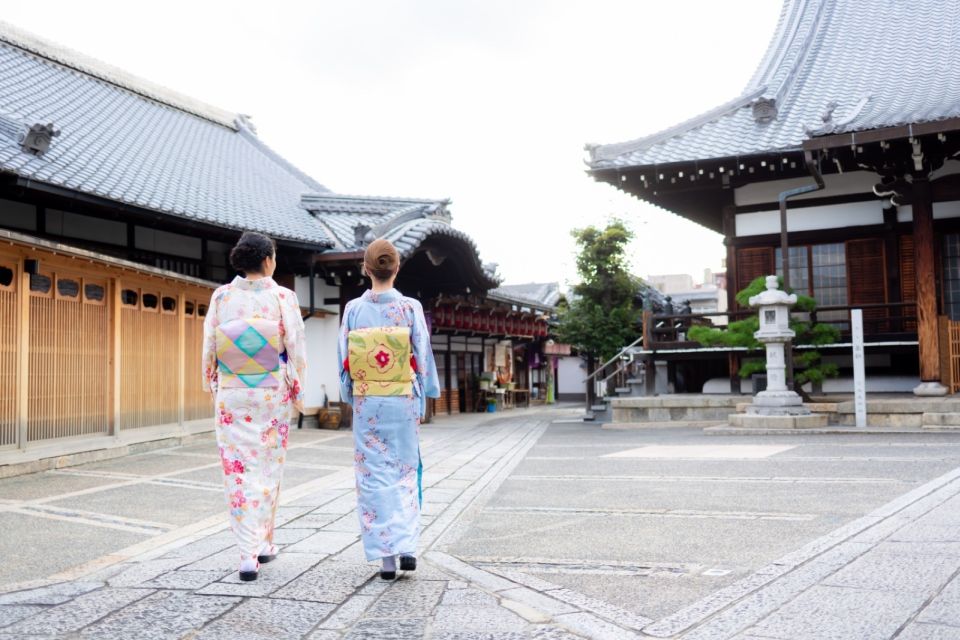
Your meeting point is at Tea Ceremony Juan: 556, Gojo-sagaru, Tominokoji Dori, Shimogyo-Ku, Kyoto. From there, the experience brings you into the temple flow with a clear rendezvous point once you’re inside.
There’s also a helpful orientation tip for when you’re already at the temple: once inside, face the Main Hall. Look to the left, and you’ll see steps that give access to the tea room. That detail can save time if you get turned around during your walk through the grounds.
If you like arriving early, do it. Not because you need time for a line, but because a calm arrival makes the whole ceremony feel more natural.
Who should book this tea ceremony (and who should skip it)
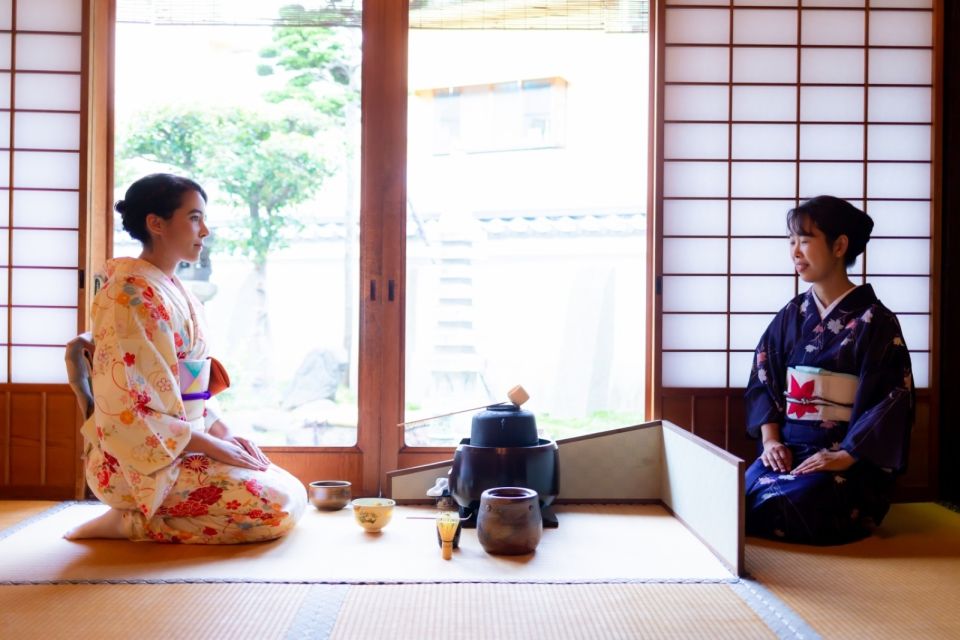
This is a great fit if you want something authentic but not exhausting. If you enjoy small-group cultural learning, and you like the idea of watching and then doing, you’ll likely feel satisfied.
It’s also a strong choice if you want a break from typical sightseeing. A tea ceremony in a temple setting changes the tempo of your day. People describe it as peaceful and restorative, and the structure supports that: walking, purification, then sitting in a quiet room focused on matcha.
You may want to skip it—or plan carefully—if you need wheelchair access to the tearoom. The temple is accessible, but the tea room isn’t because of the three steps. It also isn’t recommended if you cannot sit on the floor and don’t want to use the stool option.
Tips to get more out of your matcha ceremony
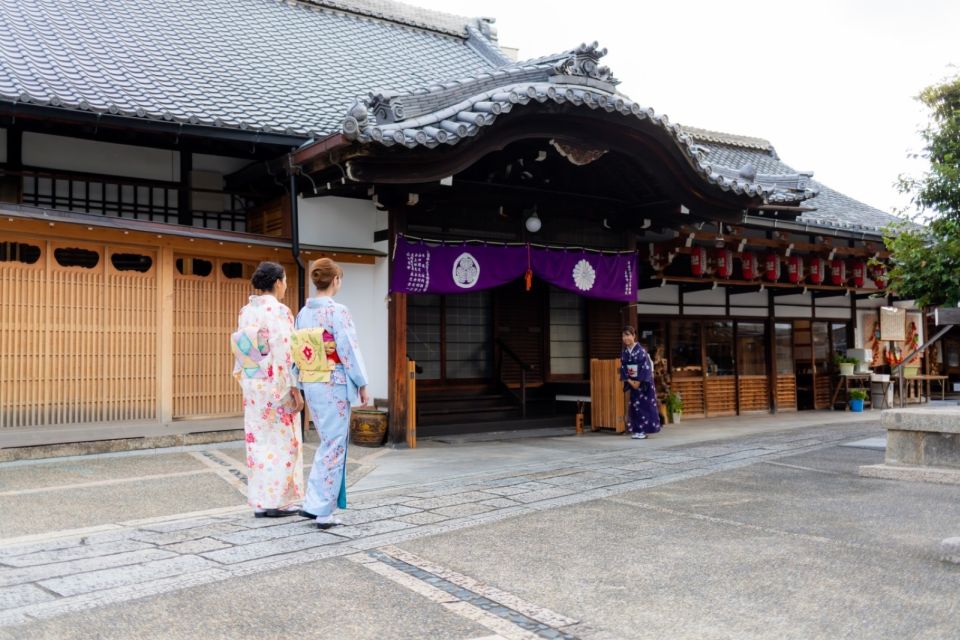
You’ll get the most value if you treat this like a class, not a show. Listen for the order of steps and the reasons behind them. Even small details—how you handle the tools and when you pause—are part of what makes the ceremony feel cohesive.
A few practical tips:
- Wear clothing that lets you sit comfortably on the floor or on a stool.
- Expect shoes off once you reach the tearoom entrance.
- Keep your questions ready. The pace is small-group friendly, so asking how something works or why it matters is usually part of the experience.
- If it’s raining, don’t worry—there’s a place to wait under cover or inside nearby areas.
And if you’re the type who reads labels and studies utensils in museums, you’ll probably enjoy this. The ceremony rewards attention.
Should you book this Kyoto tea ceremony at Jotokuji Temple?
I think you should book if you want a real, guided matcha experience in a temple environment, with a small group and hands-on participation. The $29 price makes sense because you’re paying for teaching, not just entry, and the 70 minutes fit Kyoto without stealing your whole day.
Skip or choose differently if you need wheelchair access in the tearoom, since the tea space has steps. If you can sit and you’re open to etiquette and quiet, this is one of the better ways to experience Kyoto beyond the loud parts of town.
If you want one cultural activity that makes you slow down and actually learn something practical, this one is an easy yes.
FAQ
How long is the Kyoto tea ceremony?
The duration is 70 minutes.
How much does the experience cost?
The price is $29 per person.
How big is the group?
It’s a small group, limited to 10 participants.
Is the instruction available in English?
Yes. The instructor teaches in English.
What’s included in the ticket?
The tour guide and the Chanoyu workshop ceremony are included.
Are meals included?
No, meals are not included.
Do I need to rent a kimono?
Kimono is not included, but it can be rented separately.
Is the tearoom wheelchair accessible?
The temple is wheelchair accessible, but the tearoom is not because there are three steps.
What if I’m not comfortable sitting on the floor?
Seats and stools can be provided for those who are not comfortable sitting in the traditional position.
Where is the meeting point?
Tea Ceremony Juan: 556, Gojo-sagaru, Tominokoji Dori, Shimogyo-Ku, Kyoto. Once inside the temple and facing the Main Hall, look to the left for the steps to access the tea room.
Can I get a refund if my plans change?
Yes. You can cancel up to 24 hours in advance for a full refund.
Is there a pay-later option?
Yes. You can reserve now and pay later.