REVIEW · KYOTO
Kyoto: Ramen Cooking Class at a Ramen Factory with Souvenir
Book on GetYourGuide →Operated by Factory Alliance · Bookable on GetYourGuide
Ramen making turns hands-on fast. This Kyoto class is one of the best short activities I’ve found because you learn the full chain: noodles from flour and finishing a bowl with real choices like miso, salt, or soy.
What I like most is how the class stays focused. In about 90 minutes you go from dough to a bowl you can actually eat, with an instructor guiding every step and helping you build your flavor.
One practical heads-up: this is a basement setup near Demachiyanagi, and the entrance isn’t always obvious from Google Maps-style directions. Plan a minute or two to find the stairs, and you’ll be fine.
In This Review
- Key Points That Matter
- Kyoto Ramen in 90 Minutes: What Makes It Worth the Time
- Finding the Ramen Factory Near Demachiyanagi (Basement Entrance Included)
- The Class Flow: Apron On, Video Watch, Then Real Work
- Making Noodles From Flour: The Skill You’ll Actually Remember
- Chicken, Broth Choices, and the Sauce Tasting Moment
- Building Your Bowl: Toppings, Egg, and Condiments
- Food Etiquette Meets Real Fun: How the Guides Run It
- Dietary Options: What You Can Request (And What to Do)
- The Recipe Email: Your Ticket Back to Home Cooking
- Price and Value at $127 Per Person
- Who Should Book This Ramen Class
- Should You Book This Kyoto Ramen Cooking Class
- FAQ
- How long is the Kyoto ramen cooking class?
- Where do I meet for the class?
- What is included in the price?
- Are drinks included?
- Can you accommodate dietary restrictions?
- What languages are used during the class?
- Will I be photographed or filmed during the class?
Key Points That Matter
- Noodles from scratch: you work the dough through the steps until it becomes proper ramen noodles.
- 3 sauce styles: you taste and mix miso, salt, and soy sauce variations for your final bowl.
- You leave with instructions: the full recipe is sent to you by email to cook again at home.
- Guides are genuinely engaging: names you may hear include Sakura, Fuku, Moeka, Akemi, Maya, and more.
- Dietary options are possible: you can request alternatives after booking (for example, tofu/fish broth has been offered).
- Your meal is part of the show: you make the bowl, then enjoy it while you look back at what you did.
Kyoto Ramen in 90 Minutes: What Makes It Worth the Time
Kyoto can be relentless. Temples, lines, stairs, repeat. This ramen class gives your day a reset because it’s one clear activity with a finish line: you leave full, with skills you can use later.
You also get something more useful than a cooking demo. Instead of watching someone else knead, you’ll actually mix, punch, knead, drain, and shape noodle dough. The class highlights that ramen is meticulous, like folding the noodle dough over 100 times. That detail matters because it explains why good ramen has the right feel and bounce.
And yes, you still get fun. The energy in the room often comes from instructors who keep things upbeat. In recent sessions, people named Sakura and Fuku were repeatedly praised for being engaging and funny without turning the class into chaos.
You can also read our reviews of more tours and experiences in Kyoto.

Finding the Ramen Factory Near Demachiyanagi (Basement Entrance Included)
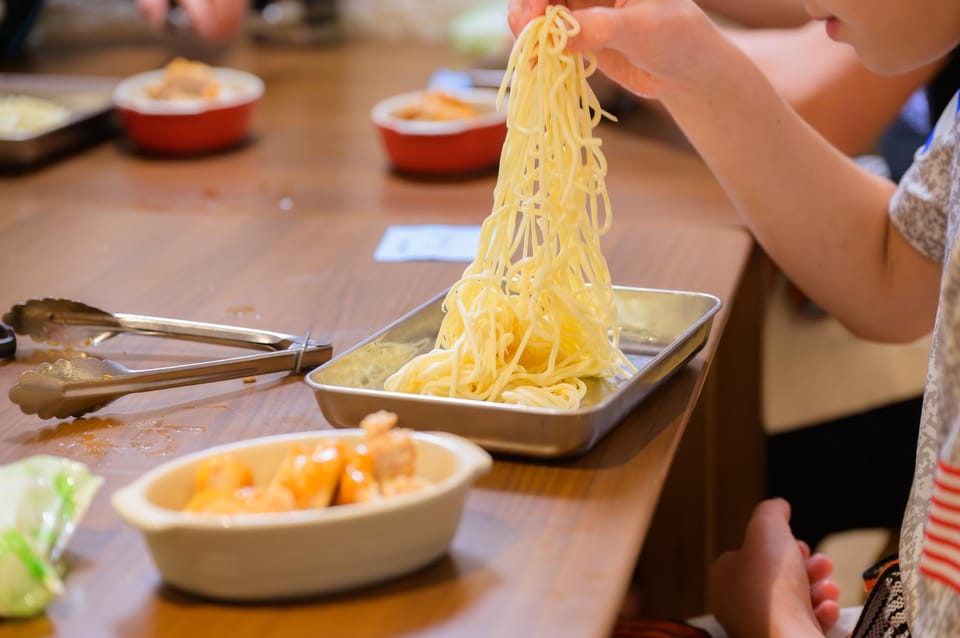
Meeting point is close to Demachiyanagi Station on the Keihan line. If you can find that station, you’re already winning.
When you arrive, take the staircase to the right of the supermarket and go down to the basement floor. One review warning sticks out for me: the entrance can differ from what you’d expect from map directions. So I’d treat this like a scavenger hunt you can complete quickly—just don’t assume the street entrance matches what you see online.
Why this matters: if you’re arriving after a busy morning, getting stuck at the entrance costs time and patience. Showing up a bit early makes the class feel smooth from the first minute.
The Class Flow: Apron On, Video Watch, Then Real Work
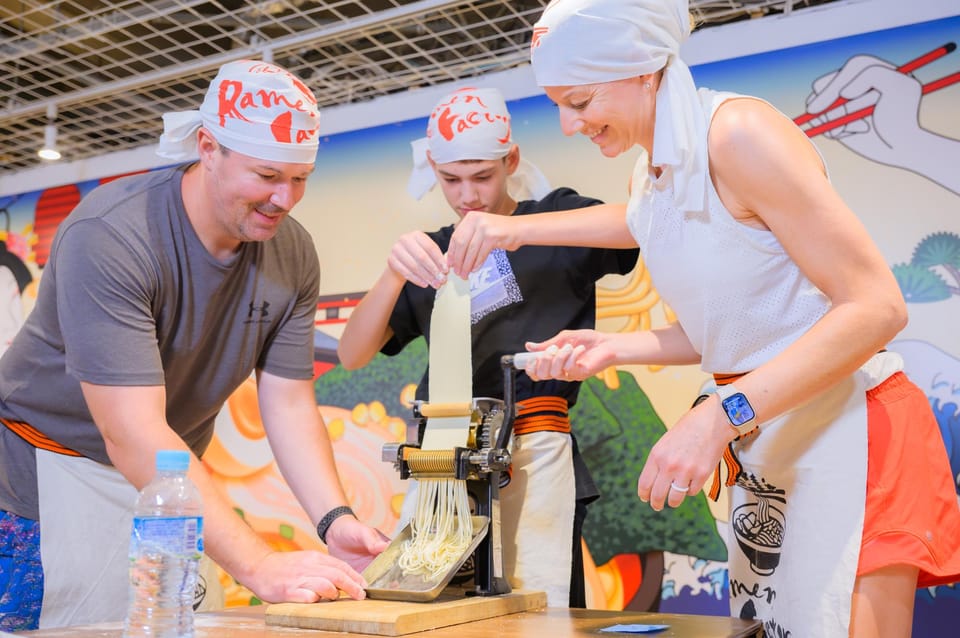
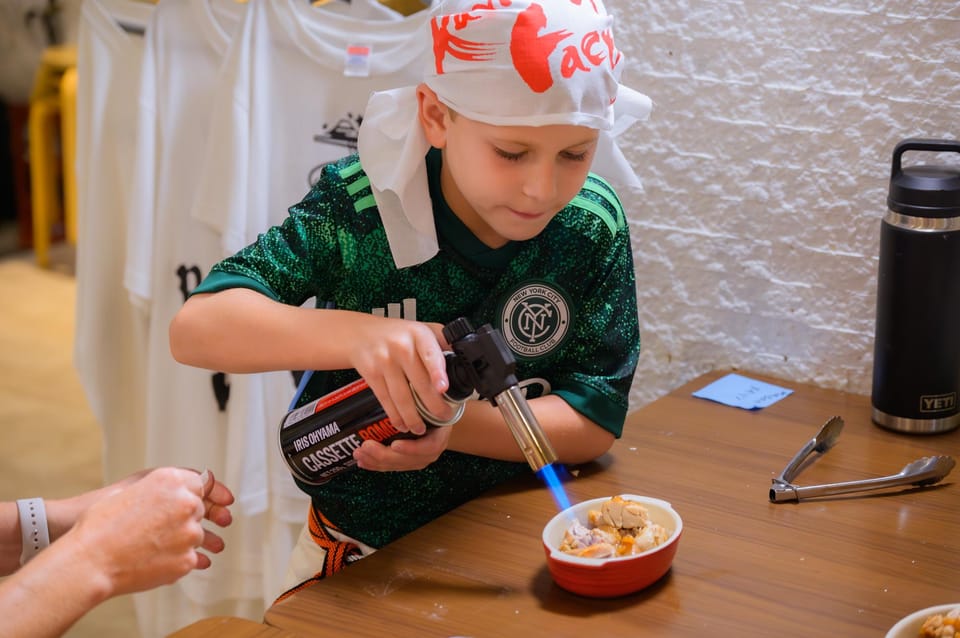
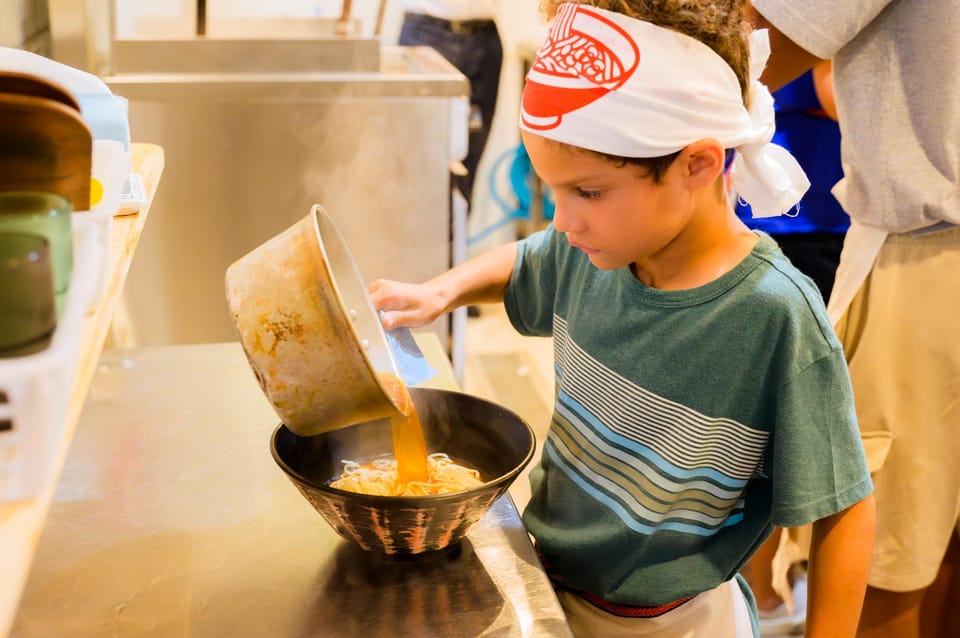
Your 90 minutes starts with basics that help you settle in. You’ll wear a ramen apron and headscarf, which sounds silly until you realize it helps everyone stay in the same mindset: cooking mode.
Then you watch an overview video about the process. This is practical. It gives you the sequence before your hands get busy, so you’re not guessing what comes next.
After that, the class runs as a step-by-step system. You’ll flavor chicken with seasonings, and you’ll work the noodle process from flour to dough. The pace is organized, with staff positioned to keep the class moving so you can focus on doing each step correctly.
Making Noodles From Flour: The Skill You’ll Actually Remember
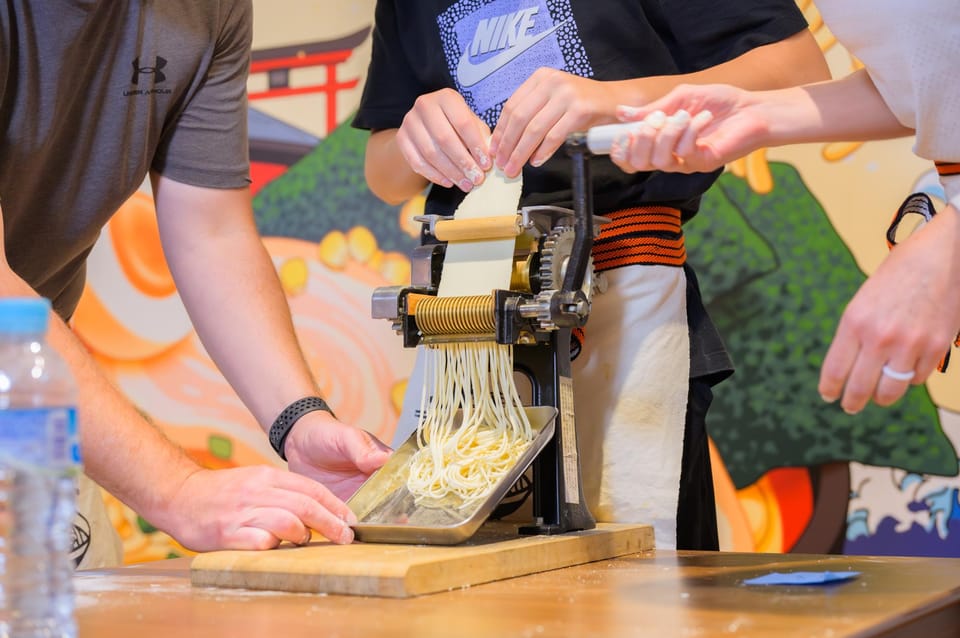
Here’s the star of the show: you make the noodles starting with flour. You’re not just assembling a bowl. You’re learning the texture and handling that make ramen ramen.
The class emphasizes the physical process—steps like folding the dough over 100 times and then moving through shaping steps. If you’ve only ever eaten ramen, this is the moment that makes it feel real. You see how technique shapes results.
And because it’s hands-on, you get a clear takeaway for home cooking. Once you understand how the dough behaves through kneading and folding, you stop treating ramen like a mysterious restaurant product. You start treating it like something with repeatable steps.
You’ll also notice how staff manage timing. Reviews consistently mention clear instructions and efficient teamwork behind the scenes. Even if you’re not a confident cook, you’re set up with equipment and guided prompts so you don’t need to improvise.
Chicken, Broth Choices, and the Sauce Tasting Moment
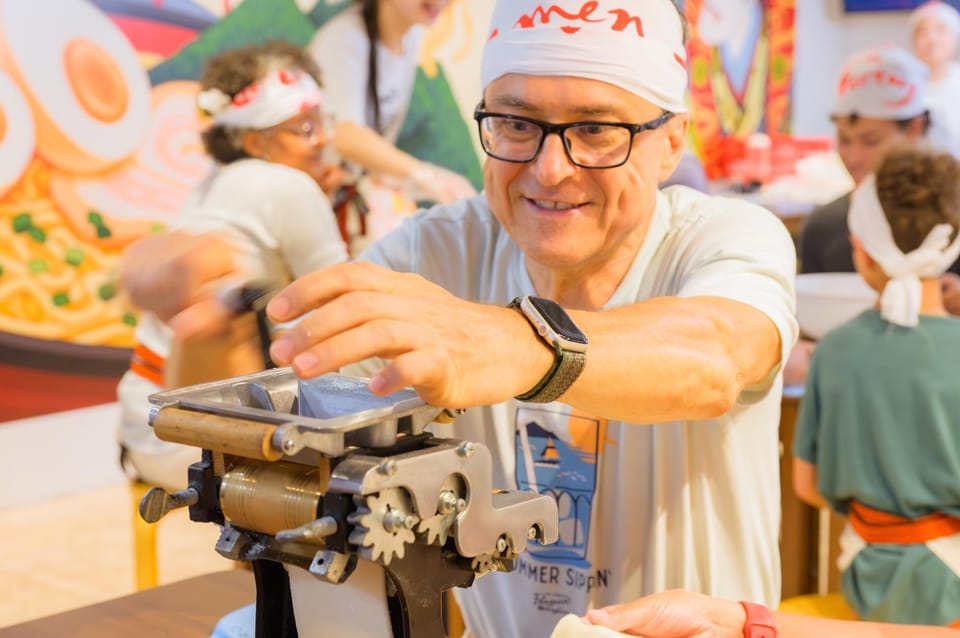
Ramen isn’t just noodles. It’s broth and seasoning balance. This class handles that in two ways: you work on chicken seasoning, and you build your bowl around soup base and oil choices.
The sauce part is especially memorable. You taste and mix three featured sauces—miso, salt, and soy. That matters because it trains your palate. You learn what each profile feels like, instead of only picking based on a label.
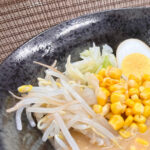
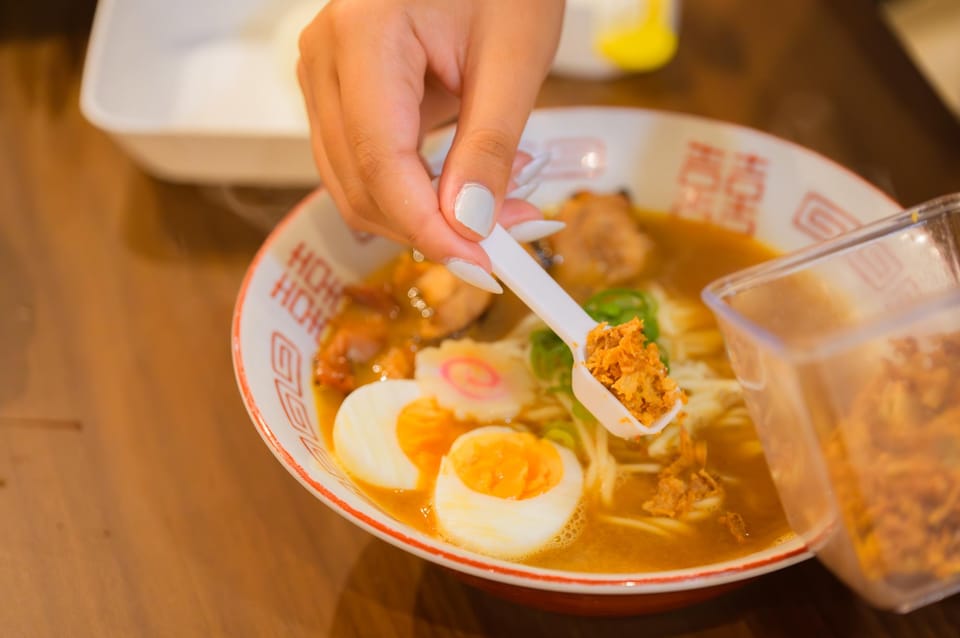
Then comes the bowl decision. You choose a soup base and combine it with your selected sauce. You’ll display your ramen bowl with toppings, egg, and condiments according to your preferences.
This is where the class feels different from most food tours. You’re not just learning how to cook. You’re learning how to choose flavors like someone who understands what they’re doing.


Building Your Bowl: Toppings, Egg, and Condiments
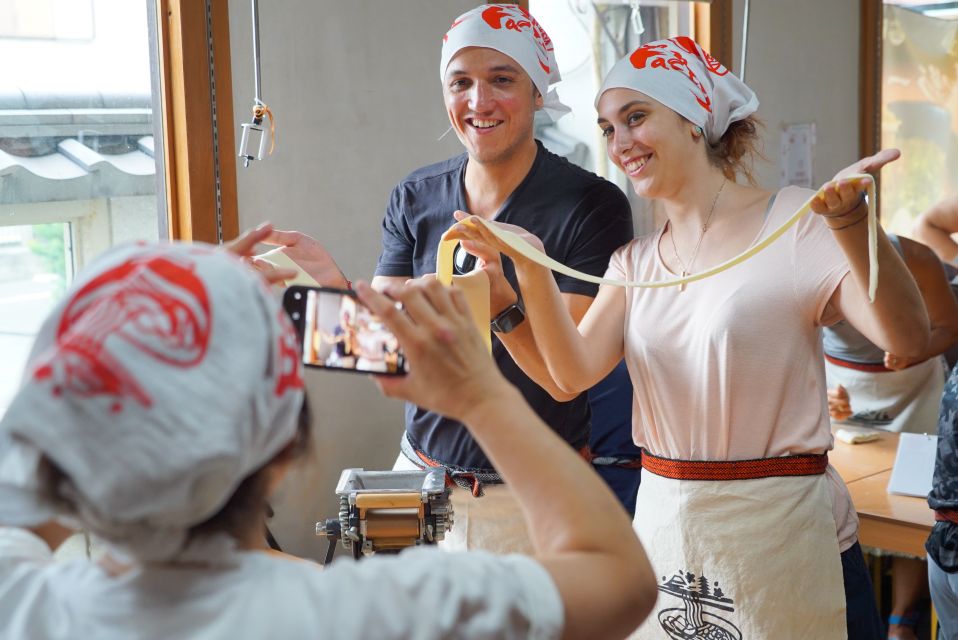
The class guides you as you assemble your final bowl. You’ll add toppings, egg, and condiments based on your taste.
I like this part because it reinforces the idea that ramen is personal. Yes, there are classic pairings. But the class makes room for you to adjust. That’s why even a picky eater can leave happy.
One practical note: you should be ready for a filling meal at the end. Reviews mention how satisfying the end result is, and since you’re making the noodles yourself, you’ll likely be extra hungry by the final tasting.
Food Etiquette Meets Real Fun: How the Guides Run It
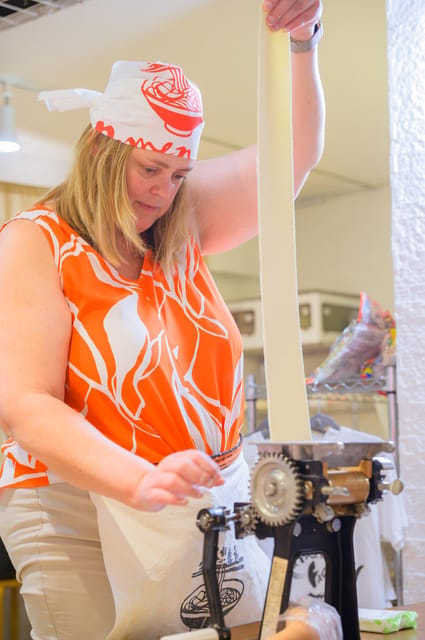
The tone in this class is a big part of the value. Many reviews highlight lively instructors and staff who are organized while still entertaining.
Names that come up again and again include Sakura and Fuku, with others like Moeka, Akemi, Maya, Hama, and Kazuki also mentioned. The pattern is consistent: the staff guide the steps, keep things clear, and help with the memories.
A sweet detail from reviews: staff help take photos and videos during the class. Some people even mention printed photos or certificates. Those extras aren’t the main course, but they make the experience feel like more than just eating ramen.
If you’re traveling with kids or a group, this kind of structured fun is exactly what you want. Reviews call out that families loved it, and that it works as a hands-on activity rather than a sit-and-watch event.
Dietary Options: What You Can Request (And What to Do)
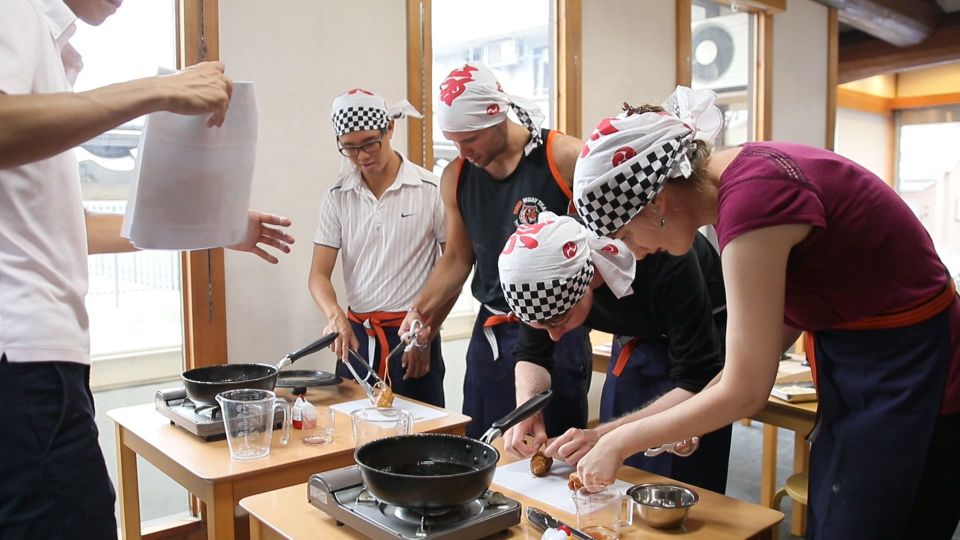
The data is straightforward: if you want a dietary option, you need to get in touch with the local supplier after booking.
In real recent classes, people report accommodations like tofu and fish broth for pescatarians, and vegan options being catered to at the individual level. That suggests the kitchen can adjust, but you shouldn’t wait until the day-of to ask.
My advice: message your needs right after booking. Keep it simple: what you eat, what you avoid, and whether you can handle eggs/dairy. That gives the team time to set you up.
Also plan for drinks. Drinks are not included, so if you want something besides water, you’ll need to arrange it on your own.
The Recipe Email: Your Ticket Back to Home Cooking
One of the biggest reasons I consider this class a smart purchase is the payoff after you return home.
You get the full recipe sent by email. That’s the difference between a fun experience that fades and a skill you can repeat. And because ramen is technical, having the written steps later helps you recreate the feel, not just the flavor.
In reviews, some people mention getting recipes through QR codes too, so even if the format varies slightly, the point stays the same: you leave with a guide, not just a memory.
Price and Value at $127 Per Person
$127 is not “cheap eats.” But for what you get, it can be good value—especially in Kyoto where paid food experiences often either limit you to a tasting or turn hands-on into a short, symbolic step.
Here’s what you’re paying for:
- 90 minutes of instruction to make noodles from flour and assemble a complete bowl
- active flavor work, including tasting and mixing sauces like miso/salt/soy
- meal included (you eat what you make)
- a souvenir chosen at the end
- recipe sent to you by email so you can cook again
If you compare it to a normal ramen lunch plus a generic experience, the math shifts. This is a skill-building class with a full meal attached. You’re not just paying for taste—you’re paying for technique.
The only drawback on cost is the usual one: you’ll want to take it seriously enough to savor every step. If you’re just looking to snack and wander, this may feel like a lot. But if you like cooking, food experiments, or learning cultural processes, it feels like a fair trade.
Who Should Book This Ramen Class
I think this works best for:
- Ramen lovers who want to understand what makes the noodles and broth click
- Beginner cooks who want clear, guided steps rather than guesswork
- Families looking for a hands-on Kyoto activity that ends with a satisfying meal
- Solo travelers who want a friendly atmosphere and structured conversation
It’s also a great “small side trip” option from nearby tourist hotspots because it’s only 90 minutes. You can fit it into a day that already has temple time and shop time without feeling like you lost half a day to transit.
And if you’re the kind of person who remembers the best travel moments by what your hands did, not just what you took photos of, you’ll probably love this.
Should You Book This Kyoto Ramen Cooking Class
If you want a Kyoto experience with a clear payoff—skills, a great bowl, and a recipe you can use later—then yes, I’d book it.
Just go in with two expectations: (1) you’ll be cooking for real, so arrive ready to focus, and (2) the entrance is in a basement near Demachiyanagi, so take a quick moment to find the stairs.
If you’re on the fence because of price, treat it like a paid workshop plus a meal. That’s how it performs when everything clicks: you leave fed, entertained, and able to cook ramen at home with more confidence than you had this morning.
FAQ
How long is the Kyoto ramen cooking class?
The class lasts 90 minutes.
Where do I meet for the class?
The location is a five-minute walk from Demachiyanagi Station on the Keihan line. It’s on the basement floor; when you arrive, take the staircase to the right of the supermarket and go down to the basement.
What is included in the price?
Included is the 90-minute chef course ramen making and a selective souvenir.
Are drinks included?
No. Drinks are not included.
Can you accommodate dietary restrictions?
You can request a dietary option by contacting the local supplier after booking. If you have needs, reach out after you reserve.
What languages are used during the class?
The instructor uses English and Japanese.
Will I be photographed or filmed during the class?
You may be filmed or photographed as part of professional video productions, photo shoots, or 360-degree camera recordings. Media may be used worldwide for coverage and promotion.