Quiet can be taught. This 2-hour Zen experience at Jusho-in pairs zazen instruction with matcha tea in a calm temple setting away from Kyoto’s biggest crowds.
I particularly like the fact that you sit with the 16th generation abbot, Eitetsu Nishida, and you’re guided through practice with patience and real explanations. I also like the matcha-and-wagashi section, which connects Zen ideas to something you can taste and do slowly.
One consideration: zazen involves sitting upright for stretches of time, and while chairs are available, you’ll still want to plan for a slightly uncomfortable posture if you’re not used to it.
In This Review
- Key things that make this Kyoto Zen session special
- Jusho-in at Myoshin-ji: why the setting matters
- Getting oriented: meeting point, walk-in pace, and etiquette
- Two rounds of zazen with Eitetsu Nishida: what you’re actually practicing
- Posture help you’ll be glad exists
- Rinzai Zen context: quick, practical background before you sit
- Tea, sweets, and matcha: Zen you can taste
- The 400-year garden: where your mind goes while you sit
- The photographer keepsake: why it’s included and how to use it well
- Is $109 good value for Kyoto Zen practice?
- Weather, rules, and comfort details that affect your experience
- Who this Kyoto Zen experience suits best
- After the tour: use your time inside Myoshin-ji wisely
- Should you book this Kyoto Zen and matcha tour?
- FAQ
- How long is the experience?
- Who guides the zazen meditation?
- Is the experience suitable for beginners?
- What does the zazen schedule look like?
- Is matcha included, and is there food as well?
- Do you receive photos from the tour?
- Will the tour run if it rains?
- Is wheelchair access available?
- What should I wear or bring?
- What items are not allowed?
- Is there a refund if I cancel?
Key things that make this Kyoto Zen session special
- Zazen with Eitetsu Nishida, the 16th generation abbot at Jusho-in
- Two structured rounds of 20-minute meditation, not just a vague sit-and-wait
- Matcha instruction with seasonal sweets, linking Zen and tea beyond presentation
- Tea time in a garden attributed to Eitoku Kano, unchanged since its creation
- A photographer follow-up so you can focus on the practice instead of your camera
- A small, quiet setting inside the Myoshin-ji complex, away from the loudest sightseeing routes
Jusho-in at Myoshin-ji: why the setting matters
Kyoto can feel like nonstop motion. This experience is built as a reset button. You start at the north gate of Myoshin-ji, then walk to Jusho-in, one of 46 sub-temples inside Japan’s largest Zen temple complex.
Jusho-in was founded in 1599, and the gardens and temple spaces are part of what makes the practice feel real. Zen training isn’t meant to be performative. It’s meant to make your attention steadier—so the “where” matters as much as the “what.”
You can also read our reviews of more tours and experiences in Kyoto.
Getting oriented: meeting point, walk-in pace, and etiquette
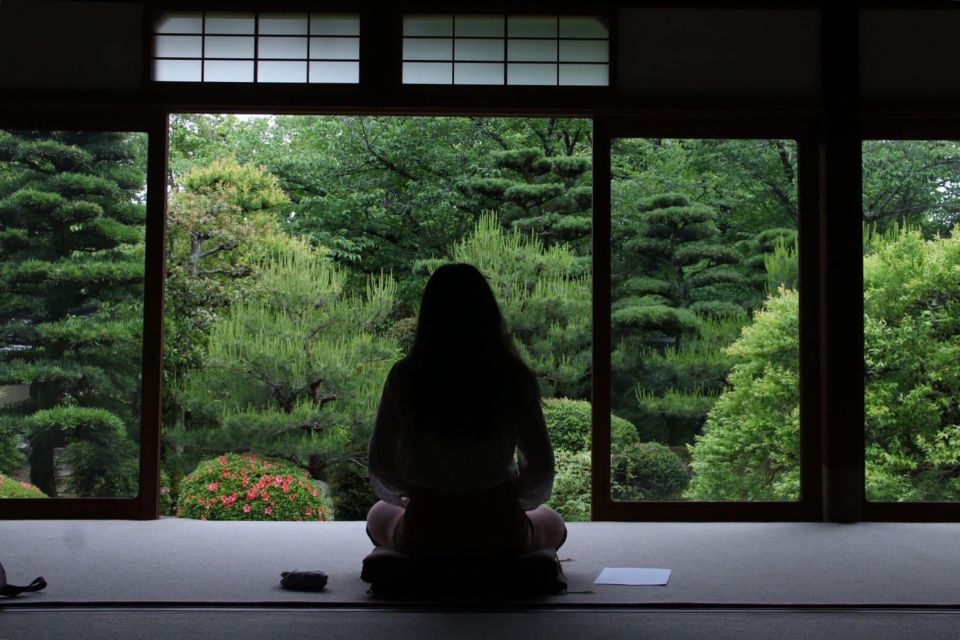
You’ll meet at the north gate of Myoshin-ji (or one of the listed starting points at 18 Taniguchisonomachi), then head to Jusho-in with a guide. Plan on a simple, quiet pace. This tour isn’t about getting pulled toward photo ops—it’s about arriving in the right mood.
Once you’re inside, you’ll also get the practical basics: where to sit, what to do during zazen, and how to behave respectfully in the temple space. Seating is assigned in the order of reservations, so if you’re hoping for a specific spot (closer or easier visibility), don’t leave it to the last minute.
If you’re wearing a rented kimono, you might find sitting comfortably is difficult. The tour notes that it can be hard to meditate in a kimono, so if you have the choice, wear something that lets you sit and adjust naturally.
Two rounds of zazen with Eitetsu Nishida: what you’re actually practicing
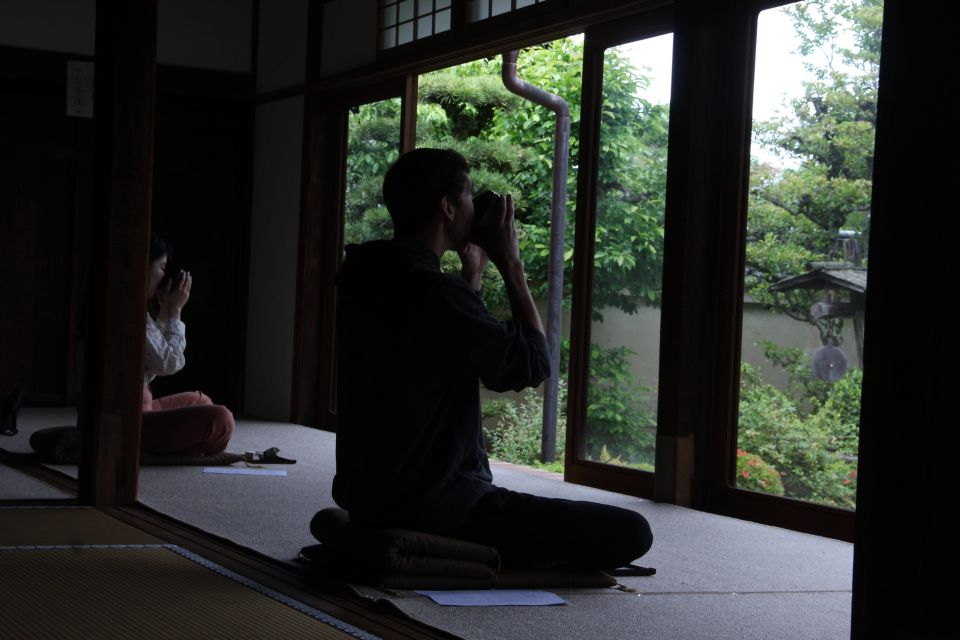
The core of the tour is meditation instruction with Eitetsu Nishida, the 16th generation abbot of Jusho-in. He’s also described as cheerful and warm, with a background that includes working as a national public servant for 10 years before becoming a monk. That mix of discipline and approachability shows in how the practice is taught.
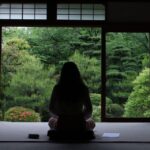
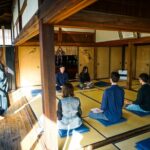
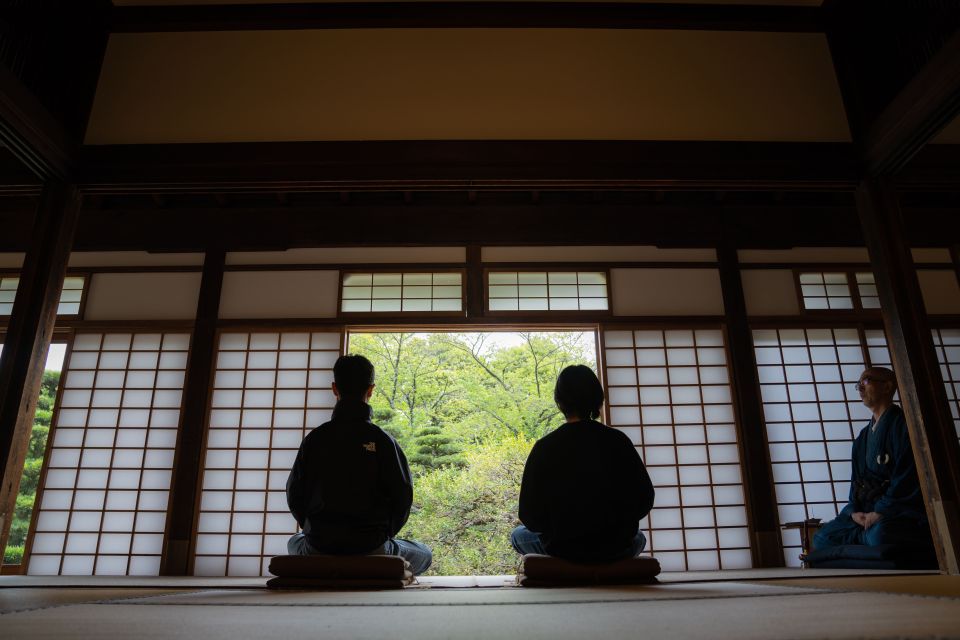
You do two sets of 20-minute zazen. Between the sessions, you’ll have a break with time to ask questions, and the whole thing runs about 2 hours total, including explanations and tea. For many people, the hardest part of meditation isn’t the timer—it’s the expectation that you should feel calm right away.
Here’s what makes this tour useful even if you’re a first-timer: it frames zazen as direct experience, not as a performance of emptiness. Zen (including Rinzai Zen) is known for emphasizing practice over religious texts, and for pursuing sudden insight (often described as satori) through focused training. You’re not there to memorize doctrine. You’re there to learn how to sit and pay attention.
Posture help you’ll be glad exists
Zazen can be physically demanding if your body isn’t used to it. The tour provides chairs for those who need assistance during meditation. That’s a big deal for value and comfort, because it means you won’t have to choose between “participate” and “be in pain.”
Also note that the experience runs rain or shine. One review mentioned doors opened to the garden in cold weather with blankets offered, so layers and a calm attitude help.
Rinzai Zen context: quick, practical background before you sit
If you’ve read about Zen online, you’ve probably seen big ideas: silence, emptiness, enlightenment, all that. This tour gives just enough context so those ideas make sense in your body.
You’ll learn that Zen is a branch of Mahayana Buddhism that emphasizes zazen and direct experience more than texts. With Rinzai Zen in particular, the tradition is associated with intense training and the possibility of sudden insight. The point of this context on the tour isn’t to sound academic—it helps you understand why the practice is structured the way it is: sit, breathe, notice what the mind does, and return again.
In other words, the tour helps you stop treating meditation like a thinking exercise.

Tea, sweets, and matcha: Zen you can taste
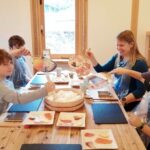
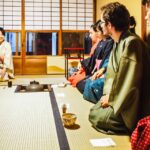
After zazen, you shift into matcha. This part is not an afterthought. You get a guided explanation from Eitetsu Nishida on how to enjoy matcha, including its history and the small etiquette that makes the act feel intentional.
Then you actually drink it with traditional seasonal sweets. The tour focuses on the connection between Zen and tea: both are about attention, patience, and how you show up in the moment. Tea becomes a physical reminder that calm isn’t just something you chase during meditation—it’s something you practice, one action at a time.
A few details matter here:
- Matcha is served with sweets chosen for the occasion and season.
- You’ll slow down instead of rushing through something that looks pretty.
- You leave with something you can try again at home, because you understand the basic rhythm and mindset.
The 400-year garden: where your mind goes while you sit
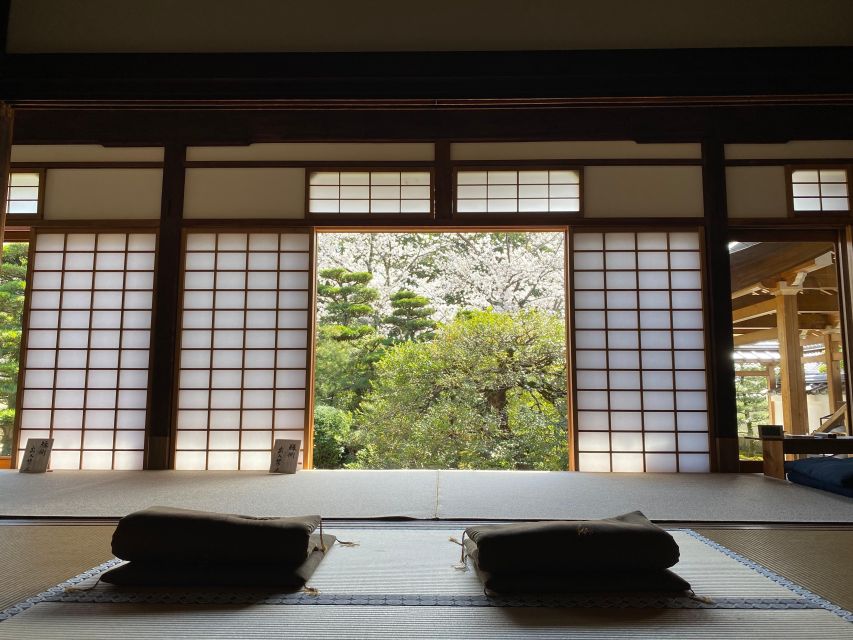
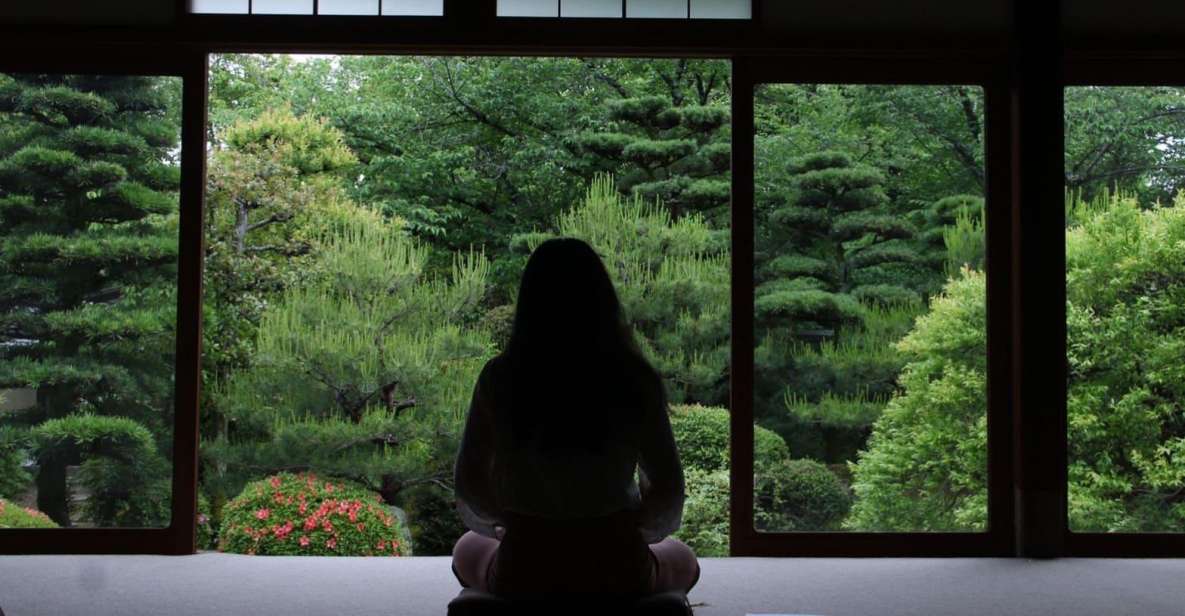
Your meditation and tea experience happen with views of the temple garden. The garden is attributed to Eitoku Kano, a renowned 16th-century painter, and it’s described as unchanged since its creation. That kind of continuity is part of why the experience feels steadier than most cultural stops.
The tour notes seasonal beauty across the year: cherry blossoms in spring, fresh greenery in summer, autumn leaves, and snow in winter. Even if you can’t control the season, the important part is that the garden isn’t random decoration. It’s an ongoing backdrop to the practice.
In practice, that means your attention has a gentle anchor. When your mind wanders (it will), the garden helps you return to the present.
The photographer keepsake: why it’s included and how to use it well
You’ll have moments photographed during the experience by a photographer using a single-lens reflex camera. After the tour, you’ll receive the photo data within a few days.
This is smart design. If photos weren’t included, you’d either ignore photography altogether (and worry you’ll forget the day) or you’d pull focus during something meant to be quiet. With the photographer handled, you can stay with the moment.
Practical tip: don’t treat photo time like a sprint for poses. Let the photographer catch your calm moments. You’ll enjoy the photos more because you’ll feel present when they were taken.
Is $109 good value for Kyoto Zen practice?
At $109 per person for about 2 hours, the price might sound high at first—until you break down what’s included.
You’re paying for:
- Temple entry
- The chief priest’s sermon (not just a generic explanation)
- Zazen instruction with the abbot
- Tea and seasonal sweets
- A guided matcha experience
- A photographer keepsake
When you compare that to typical Kyoto add-ons—where you pay for an activity plus you still have to book separate cultural extras—this bundles the most important parts: instruction, practice space, and a tea ritual that ties directly to Zen habits.
The “value” isn’t only the price. It’s the feeling of being guided through something that’s easy to do wrong on your own.
Weather, rules, and comfort details that affect your experience
This tour runs rain or shine, so you’ll want clothing that handles damp air and quick temperature shifts. The experience is in a temple environment, so you’ll also want to follow the rules.
Not allowed:
- Weapons or sharp objects
- Alcohol and drugs
The format is also built for calm. Seating is assigned by reservation order, and the tour isn’t wheelchair accessible. If you use a wheelchair, you should check ahead before booking. If mobility is limited in other ways, note that chairs are available for zazen.
Finally, if you’re tempted to make this a full “Kimono day,” remember the warning: rented kimono can make meditation uncomfortable.
Who this Kyoto Zen experience suits best
This tour fits you if you want something quieter than the standard Kyoto checklist. It’s ideal when you:
- Want a serious introduction to zazen, not a surface-level demo
- Prefer a small-group feeling inside a major temple complex
- Like hands-on cultural practices, especially tea
- Are traveling near Kyoto and want a calm morning or break from crowds
It also works if you’re flexible about understanding Zen concepts. The explanations are meant to be accessible, and you get time for questions.
If you’re someone who’s physically uncomfortable sitting on the floor, don’t skip it—because chairs are available. If you know you struggle with cold, bring layers. Even in winter, the experience may open to the garden view, and blankets can help.
After the tour: use your time inside Myoshin-ji wisely
Once you’re done, you’re already in Myoshin-ji. If you have time, you can continue exploring the complex at your own pace. One review mentioned adding stops like the dragon on the ceiling (with a note that photos aren’t allowed there) and the Bell of Good Connections. Another mentioned an extra fee for the interior viewing.
This isn’t part of the core Zen lesson, but it pairs nicely: you get your guided practice, then you keep the calm going with more temple atmosphere.
Should you book this Kyoto Zen and matcha tour?
If you’re trying to choose between another shrine photo day and a real practice session, I’d lean toward booking. This is one of the more focused experiences available around Kyoto: you learn the practice, you do it in a temple space, and you follow it with matcha and sweets in the same spirit.
Book this if you want:
- Guided zazen with the abbot
- A calmer Kyoto moment with a proper ritual afterward
- A small-group feel and a photo keepsake
Skip it only if you’re unwilling to sit for 20-minute stretches even with chair support, or if you expect a casual, sightseeing-first tour.
If your goal is to leave Kyoto with something quieter inside your head—and a matcha memory you can repeat at home—this one is easy to recommend.
FAQ
How long is the experience?
It lasts about 2 hours, including explanations for zazen and the matcha tea experience.
Who guides the zazen meditation?
The zazen meditation is practiced with Eitetsu Nishida, the 16th generation abbot of Jusho-in.
Is the experience suitable for beginners?
Yes. The session is designed for learning the basics of zazen meditation, and you can ask questions during the break.
What does the zazen schedule look like?
You do two sets of 20-minute zazen meditation sessions.
Is matcha included, and is there food as well?
Yes. You’ll have a guided matcha experience with traditional seasonal sweets.
Do you receive photos from the tour?
Yes. A photographer takes photos during the experience, and you receive the photo data a few days after the tour.
Will the tour run if it rains?
Yes. The experience takes place rain or shine.
Is wheelchair access available?
No. The experience is not wheelchair accessible, but chairs are available for those who need assistance during zazen.
What should I wear or bring?
No special requirements are listed, but if you’re considering a rented kimono, it can be difficult to sit and meditate comfortably. Wear clothing that lets you sit comfortably.
What items are not allowed?
Weapons or sharp objects, and alcohol or drugs are not allowed.
Is there a refund if I cancel?
Full refunds are available if you cancel up to 24 hours before the tour. After that point, refunds aren’t offered.