REVIEW · BANGKOK
Bangkok: Longtail Boat Canal Tour to Wat Arun
Book on GetYourGuide →Operated by TripGuru Thailand · Bookable on GetYourGuide
Bangkok’s canals are best seen from a longtail boat. This 3-hour Bangkok longtail boat canal tour to Wat Arun pairs classic river transport with two temple visits, including Wat Paknam Phasi Charoen’s standout pagoda and Bangkok’s most photogenic river temple, Wat Arun. I especially like how the boat time turns the city into moving scenery instead of traffic, and how the temples are explained with real context, not just names and dates.
My second favorite part is the pace: enough time for Wat Paknam Phasi Charoen and a focused visit to Wat Arun, without burning your whole day. The one drawback to plan for is that the Wat Arun entrance fee (200 THB per person) is not included, and the boat ride can be a bit wet or loud depending on wind and water conditions.
In This Review
- Key things to know before you go
- Longtail Boats and Bangkok’s Khlongs: What You’re Really Seeing
- Tha Tian Pier to Khlong Bang Luang Artist House: Starting in the Right Place
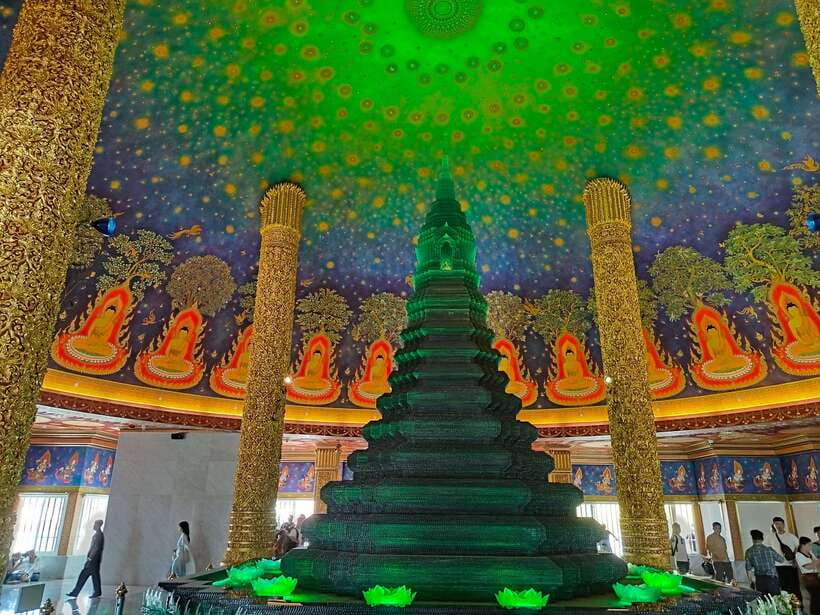
- Wat Paknam Phasi Charoen and the Emerald-Glass Pagoda
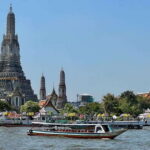
- The Scenic Cruise to Wat Arun: Temple Views From the Water
- Wat Arun Temple of Dawn Visit: What to Focus On
- Guides, Group Size, and the Kind of Conversation You’ll Get
- Price and Value: What $28 Covers (and What You’ll Pay Separately)
- Practical Tips: Shoes, Cash, Sun, and That Wet-Boat Possibility
- Who This Tour Is Best For (and Who Should Skip It)
- Should You Book This Bangkok Longtail Boat Canal Tour to Wat Arun?
- FAQ
- Where does the tour start?
- How long is the tour?
- Is Wat Arun entrance included in the price?
- What’s included in the tour price?
- What should I bring for the boat and temple stops?
- Is there a dress code?
- What kind of group size should I expect?
- Is the tour suitable for everyone?
Key things to know before you go

- Longtail boat klongs: You’ll cruise the canals plus parts of the Chao Phraya River for a true water-level view.
- Wat Paknam Phasi Charoen’s emerald-glass pagoda: A striking top layer that’s made for photos.
- Giant Golden Buddha photo stop: One stop you’ll probably want to circle back to with better light.
- Wat Arun from the river: You get the temple framed by water before you ever enter.
- English-speaking guide: The best guides bring temple meaning to life as you walk.
- Small group feel: Max group size is 12, plus a GSTC-certified, lower-impact approach from the operator.
Longtail Boats and Bangkok’s Khlongs: What You’re Really Seeing
Bangkok’s klongs (canals) used to be the city’s main highways. Even if you’ve seen the big rivers on photos, there’s a different kind of Bangkok magic at water level: buildings crowd closer, you notice daily routines, and you understand why this city grew the way it did. On this tour, the longtail boat isn’t just transportation. It’s your moving viewpoint.
I like that the route keeps you away from the “temple in one place, then back to traffic” pattern. You’ll see temples and river life in the same window, which makes the day feel tighter and more connected. You also get the practical benefit of fewer stops and less navigating on your own.
One thing to mentally prepare: longtail boats are loud. The engine noise can make it hard to hear details, especially if you’re sitting far from your guide. If that’s a concern, you can simply lean in during key explanations and let the boat sounds fade into background for the rest.
You can also read our reviews of more tours and experiences in Bangkok.


Tha Tian Pier to Khlong Bang Luang Artist House: Starting in the Right Place
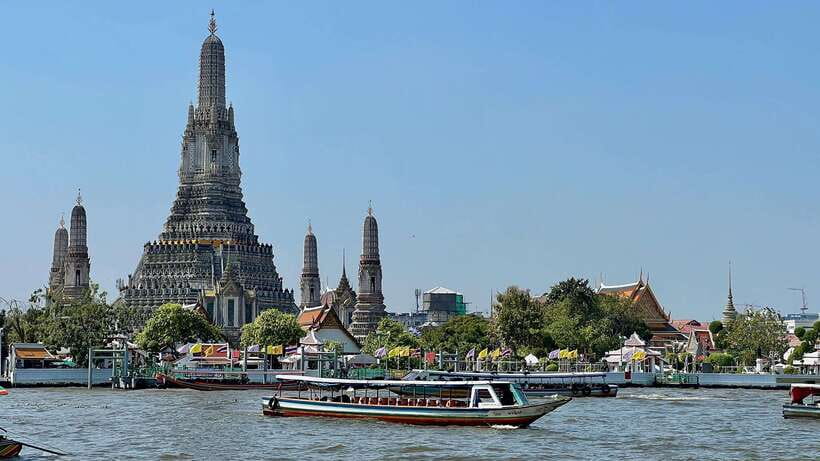
Your day begins at Tha Tian Pier (ท่าเรือท่าเตียน). This matters more than you might think, because many Bangkok tours start too far from the real canal access. Starting here helps you get into the water route quickly instead of spending your first hour fighting the city to reach the boats.
From there, you’ll head toward the Khlong Bang Luang Artist House area on the boat. This is a good “warm-up” segment. You’re already on the water, so you start seeing canal-side life right away, and your guide can set the stage for what you’re going to notice at the temples later.
A small reality check: canal neighborhoods change over time. One guide-style theme that comes through in the experience is that you may spot stretches where old canal houses feel fewer than in decades past. The boat ride still works because you’re watching the living city, not a theme park.
Wat Paknam Phasi Charoen and the Emerald-Glass Pagoda
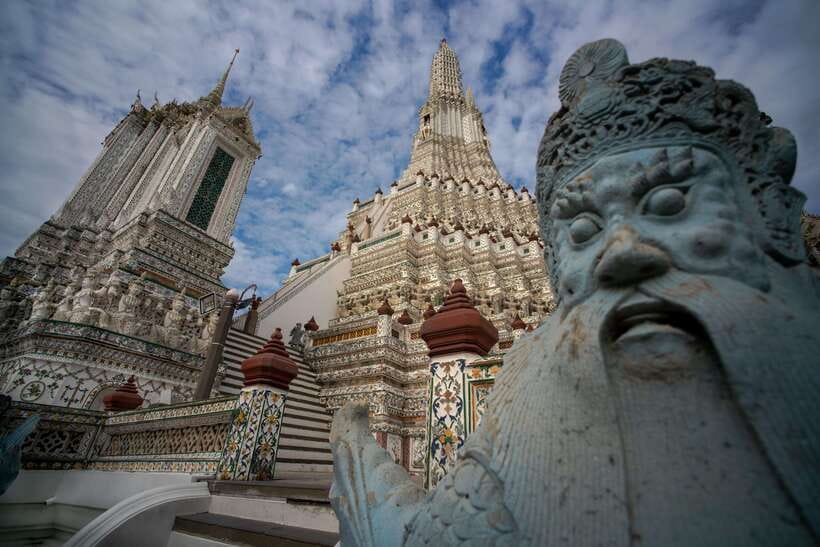
This tour’s most visually dramatic stop is Wat Paknam Phasi Charoen. You’ll spend about an hour here with a guide, and it’s a temple you’ll remember even if you only love photos when they look like real places, not postcards.
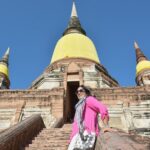
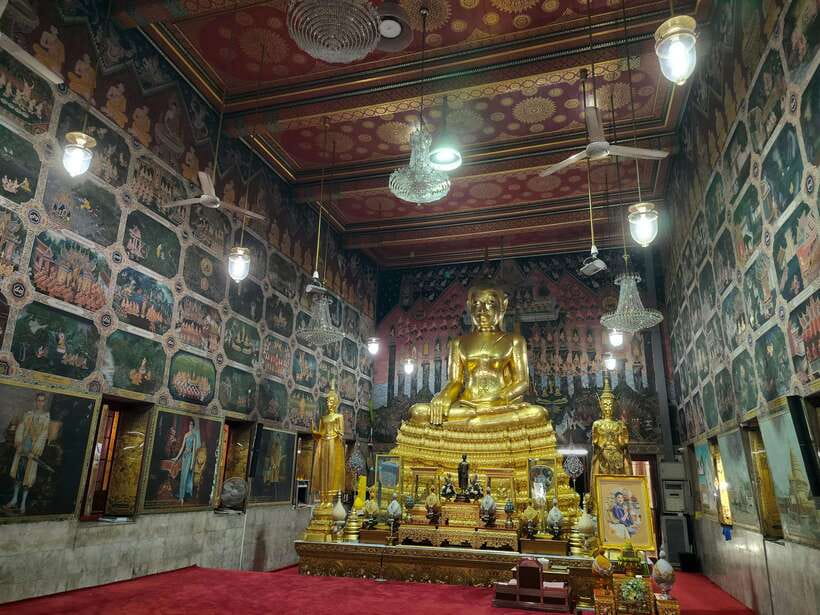
What makes this stop special is the way it layers meaning into architecture. The standout is the temple’s impressive multi-floor grand pagoda, capped by an emerald-glass pagoda at the top containing Buddha relics. That top tier is the kind of detail that turns a quick glance into a slower look, because your eyes keep finding new angles as you move.
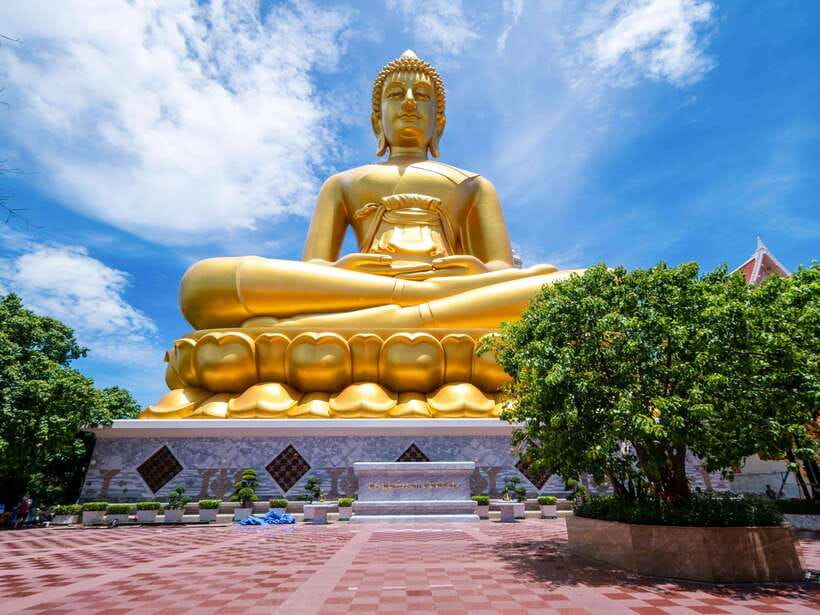
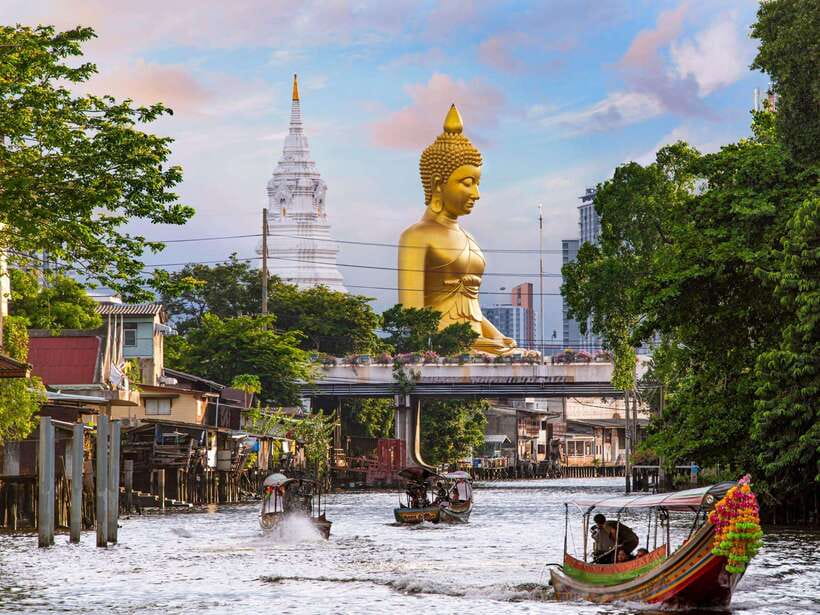
Then there’s the Giant Golden Buddha. It’s not just big for the sake of big. It gives you a clear visual anchor for the visit, and it’s often where you’ll take your best wider photos after you’ve walked around the grounds.
Practical note: this is a walking-and-standing kind of temple visit. Wear comfortable shoes. You’ll want your camera ready for quick shifts in light, especially if the sky opens up.
And yes, guides can make a difference here. If you end up with a guide who brings history and religion into plain language—names like Jack or Nancy come up in the style of guides people remember—you’ll get more out of each platform, doorway, and statuary cluster. The difference is simple: you understand what you’re looking at while you look at it.
The Scenic Cruise to Wat Arun: Temple Views From the Water
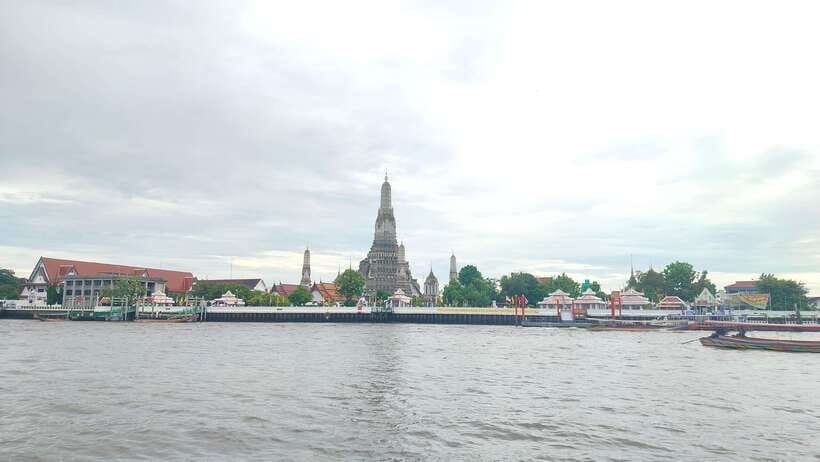
After Wat Paknam Phasi Charoen, you’ll re-board the boat and cruise again, with sights along the Chao Phraya River banks as the scenery shifts from canal life toward the bigger river setting. This part is where you feel like you’re actually traveling through Bangkok, not checking boxes.
One smart advantage: you’ll likely see Wat Arun from the river before you go inside. That’s a big deal for photos and for understanding the temple’s scale. The riverside perspective helps you appreciate why Wat Arun looks the way it does from land but hits differently from water.
Also, this is where the “low drama” comfort comes in. You’re not switching modes every few minutes, and the boat ride adds a sense of glide that keeps the day from feeling rushed. If your schedule is tight, this is one of the best ways to get a lot of Bangkok in 3 hours without doing the usual sprint.
Potential drawback: weather. If it’s windy or the water’s choppier, you might get splashed more than you expected. A light scarf or extra layer that you’re allowed to wear inside temples can help with both sun and sudden spray.
Wat Arun Temple of Dawn Visit: What to Focus On
Wat Arun (Temple of Dawn) is the headline, and the timing works well. You’ll have about 40 minutes inside or in the temple area with your guide. That’s enough to see the major points without spending the whole day in a line.
What you should focus on:
- The temple’s river-facing presence. Even before you go deep, the structure’s details look different as you change your viewpoint.
- How the guide explains the symbolism behind temple design. With a good English-speaking guide, you’ll start noticing patterns instead of just looking at beauty.
- Photo angles around the main river frontage. If you’re serious about photos, move slightly instead of just standing in one spot. Tiny shifts change everything.
Important: Wat Arun entrance fees are not included. Plan 200 THB per person in cash. Having it ready keeps the visit smooth, and it reduces the chance you’ll be searching for an ATM mid-day.
Dress code is also strict enough to matter. You’ll need to avoid shorts and sleeveless shirts. Plan for covered shoulders and knees. A scarf is useful because it can also protect you from sun without looking like a last-minute costume.




Guides, Group Size, and the Kind of Conversation You’ll Get
This is a small group experience (max 12). That’s not just a comfort perk. It affects how much your guide can talk with you instead of broadcasting over everyone’s heads. It also makes it easier to hear explanations when the boat is quieter or when the group pauses near a viewpoint.
The guides tend to be the reason people rate this trip so high. Names that come up in the memorable guide styles include Aoi, Jack, Surin, Ty, and Nancy. Not every guide will have the same personality, but the consistent theme is clear: you get explanations that link temples to Thai life and beliefs, plus help with logistics so you don’t feel left behind.
One more detail I appreciate: strong guides manage pacing. A couple of guide stories include extra attention to helping people get back smoothly and not getting stuck wandering after the temple visit. That kind of calm, helpful energy is hard to measure in a description, but you’ll feel it during the day.
If you want the trip to be more than a photo stop, pick this tour and lean into the conversation when the guide shares stories. It’s the fastest way to turn your 3-hour window into real understanding.
Price and Value: What $28 Covers (and What You’ll Pay Separately)
At $28 per person, you’re paying for:
- A 3-hour longtail boat tour
- An English-speaking guide
- Insurance
- A route that includes both Wat Paknam Phasi Charoen and Wat Arun, plus cruising Bangkok’s canals and river banks
Is it a bargain? It can be, because you’re not paying separately for the biggest pieces: guide interpretation and the water transport between sights. If you were to DIY this, you’d spend time figuring out piers, boat logistics, and the best order for minimal backtracking.
The main extra cost is simple and stated: Wat Arun entrance fee (200 THB). Since it’s only one temple, it’s easier to plan than tours that charge entry fees at multiple sites.
To judge value for yourself, ask: do you want a guided explanation while you walk? If yes, this price tends to work well for the time you save. If no, you could DIY temples, but you’ll lose the “why this matters” part that makes Wat Arun and Wat Paknam Phasi Charoen more than scenery.
Practical Tips: Shoes, Cash, Sun, and That Wet-Boat Possibility
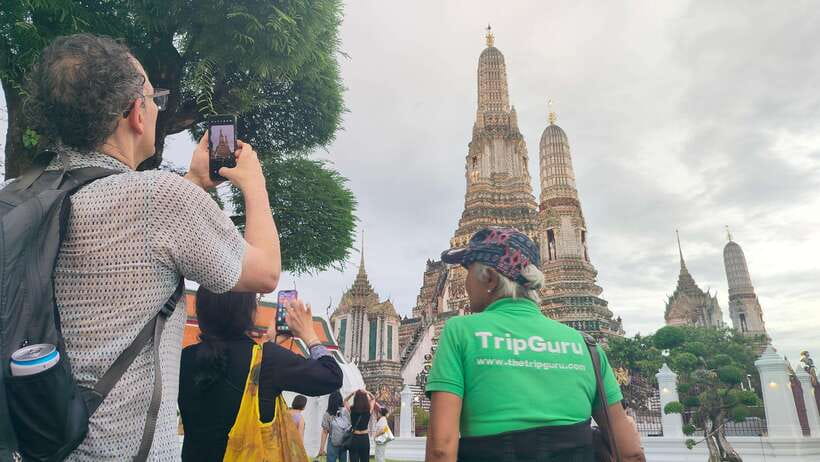
Do a little preparation and the day feels effortless.
Bring:
- Comfortable shoes (temple steps and walking add up)
- Sunglasses, hat, sunscreen (Thai sun is not subtle)
- Insect repellent (especially near water)
- Camera and a way to keep it protected if you get splashed
- Cash for the Wat Arun fee
- Scarf for sun coverage and to help meet the temple dress code
Dress:
- Avoid shorts and sleeveless shirts. Covering up is part of being respectful and also helps with sun.
During the boat ride:
- Longtail boats can get a bit wet. If you dislike surprises, bring a thin layer you don’t mind getting damp.
- The boat can be loud, so don’t expect every whispered detail from far away.
One fun wild-life angle: guides often point out animals along the water. You might spot water monitor lizards sunbathing during the cruise, especially when the boat pauses or moves slowly near certain stretches.
And yes, vendors can appear during the ride. If you see someone selling drinks or small items, it’s often part of canal life rather than a staged stop. If you plan to buy anything, keep small bills ready.
Who This Tour Is Best For (and Who Should Skip It)
This tour is a great fit if:
- You want a short, high-impact day in Bangkok (3 hours instead of a half-day maze)
- You care about history and religion explained in plain English
- You like photos from the water, especially for Wat Arun
- You prefer small-group pacing and a guided route that avoids navigation headaches
It’s also family-friendly in the sense that it’s not an all-day grind and the boat component keeps kids (and adults) engaged. That said, the temples are still temples: walking, stairs, and sun are part of it.
It may not be a good choice if you have mobility limitations, are pregnant, or have heart or respiratory issues. The combination of boat movement and temple walking may be harder than it looks from a brochure.
Should You Book This Bangkok Longtail Boat Canal Tour to Wat Arun?
Book it if you want Bangkok in two forms at once: klongs by longtail boat plus temple visits that actually make sense when you’re standing there. For the price, the biggest win is that you’re not just sightseeing—you’re getting guided context while moving through the city the way locals used to travel.
Skip it if you hate boats, you’re extremely sensitive to sun or noise, or you don’t want to pay the 200 THB Wat Arun entrance fee. Also, if you only care about one temple and nothing else, you might prefer a shorter, single-site plan.
My practical bottom line: this is a strong choice for first-timers and time-crunched visitors because it stacks the right sights in a tight window and delivers a canal viewpoint you can’t replicate from the street.
FAQ
Where does the tour start?
It starts at Tha Tian Pier (ท่าเรือท่าเตียน). Your guide will meet you there and depart shortly after meeting.
How long is the tour?
The tour is about 3 hours.
Is Wat Arun entrance included in the price?
No. Wat Arun entrance fees are extra, and you should budget 200 THB per person.
What’s included in the tour price?
You get the longtail boat tour, an English-speaking guide, and insurance.
What should I bring for the boat and temple stops?
Bring comfortable shoes, sunglasses, a hat, sunscreen, insect repellent, cash for entrance fees, and a scarf. A camera is also a good idea.
Is there a dress code?
Yes. Shorts and sleeveless shirts are not allowed.
What kind of group size should I expect?
This is a small group tour, with a maximum of 12 people.
Is the tour suitable for everyone?
It’s not suitable for pregnant women, people with mobility impairments, people with heart problems, or people with respiratory issues.