REVIEW · KYOTO
Kyoto: Private Tour with Local Licensed Guide
Book on GetYourGuide →Operated by JGA Inc. · Bookable on GetYourGuide
Kyoto makes sense with a real local guide. This private walking tour pairs you with a nationally licensed guide-interpreter so famous places like Fushimi Inari and Kinkaku-ji come with context, not just photos. I really like that you can customize your route to match your pace and interests.
Second, the day is built around practical planning, so you spend less time guessing and more time seeing. Guides are praised for clear English and smooth logistics, like Kazuo handling complex transit decisions or Yuri showing history in a hand-made guidebook.
One consideration: this is a walking day in rain or shine, and entrance fees, meals, and in-between transport costs are not included. If you hate walking or want everything fully paid up front, budget a little extra and plan your stamina.
In This Review
- Key highlights at a glance
- How a private guide turns Kyoto into a route you can actually follow
- Starting in the right place: pickup, walking, and moving between sites
- Fushimi Inari-taisha and the torii corridor: what you’ll learn while you walk
- Choosing Nijo Castle and Kyoto’s power story (if you add it)
- Kiyomizu-dera and the veranda views: why timing matters
- Gion after Kiyomizu: shops, streets, and dinner suggestions that feel local
- Kinkaku-ji Golden Pavilion: how the guide helps you get the shot and the meaning
- If you choose Nishiki Market: shopping with context, not chaos
- Adding Kyoto Imperial Palace or major neighborhoods for balance
- Other temple picks you can mix in: Ginkaku-ji, Nanzenji, Toji, and more
- If you add Arashiyama and Togetsukyo Bridge: planning for time and mood
- How long should your day be? Matching 4, 6, or 8 hours to your style
- Price and value: $106 per person for a licensed guide day
- Who this tour suits best (and who should rethink it)
- Should you book this Kyoto private walking tour?
- FAQ
- What is the tour duration?
- How many places can we see in each time option?
- Is this tour private?
- What languages are offered?
- What’s included in the price?
- Are entrance fees included?
- Are food and drinks included?
- Do we need to pay for transportation during the tour?
- Does the tour run in bad weather?
- How does cancellation work?
Key highlights at a glance
- Nationally licensed guide-interpreter for cultural context and accurate explanations
- 4, 6, or 8 hours with a realistic number of stops (2–3, 3–4, or 4–6)
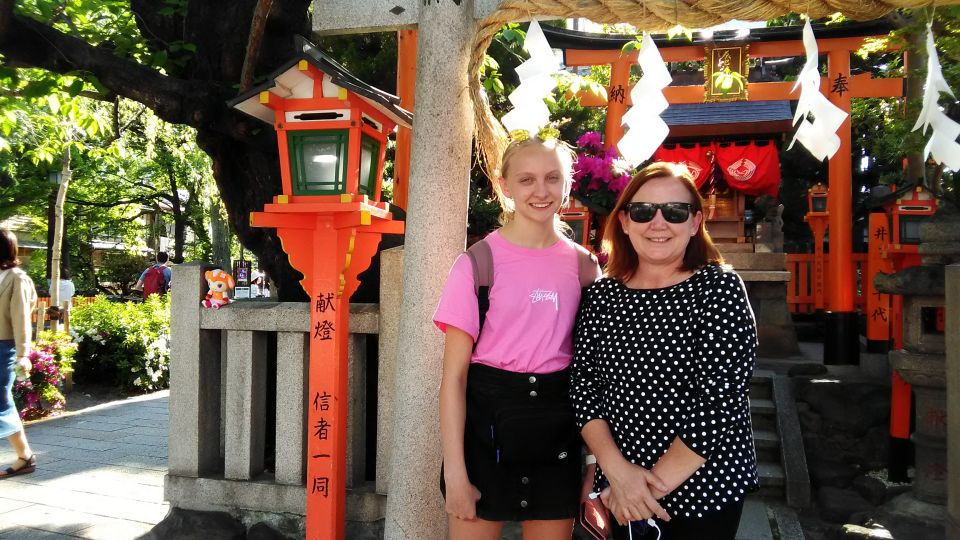
- Fushimi Inari’s torii corridor with explanations of how the shrine is approached
- Kinkaku-ji’s Golden Pavilion with strong photo viewpoints and mountain backdrops
- Kiyomizu-dera to Gion walking, shopping, and guided dining picks
- Flexibility to manage crowds and adjust timing on the fly
How a private guide turns Kyoto into a route you can actually follow
Kyoto is one of those cities where the big landmarks are obvious, but the order matters. With a private guide, you get a plan that makes sense—how long you’ll walk between areas, where it’s smarter to arrive, and what to pay attention to at each stop. You’re not just collecting stamps. You’re building a mental map.
This tour is also structured to keep the day enjoyable. You choose a duration (4, 6, or 8 hours), and the number of places is matched to that time. That means you’re less likely to feel the classic Kyoto scramble where everyone crowds into the same highlight at the same moment with no time to look around.
And since it’s private, you can talk. Want more time at shrines, less at museums? Prefer photo breaks? Guides in this program have a reputation for adjusting schedules based on comfort—one guide was even praised for adding a coffee break when it was requested, and another for being gentle and accommodating with seniors and kids.
You can also read our reviews of more tours and experiences in Kyoto.
Starting in the right place: pickup, walking, and moving between sites
Pickup is included on foot if your accommodation is within a reasonable distance. The guide meets you in the hotel lobby or the train station area you request, about 10 minutes before the pickup time.
The tour is walking-focused, not a chauffeured car day. Between sites, you may use public transportation or local taxis, and transportation costs aren’t included. You’ll want Japanese yen available for those transfers, and the exact costs can be discussed after your reservation is finalized.
If you’re thinking, I just want a car the whole time, you can request a private vehicle arrangement—but those private vehicles must be booked at least 5 days in advance. For most people, the combo of walking + short transit segments is the sweet spot. You see more streets, you cut down on dead time, and your guide can steer the pace.
Fushimi Inari-taisha and the torii corridor: what you’ll learn while you walk
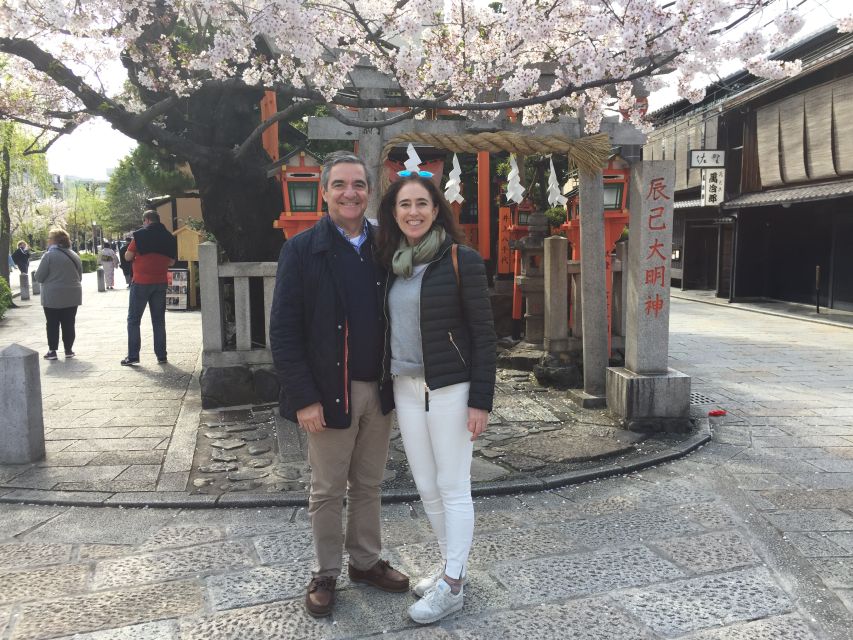
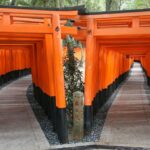
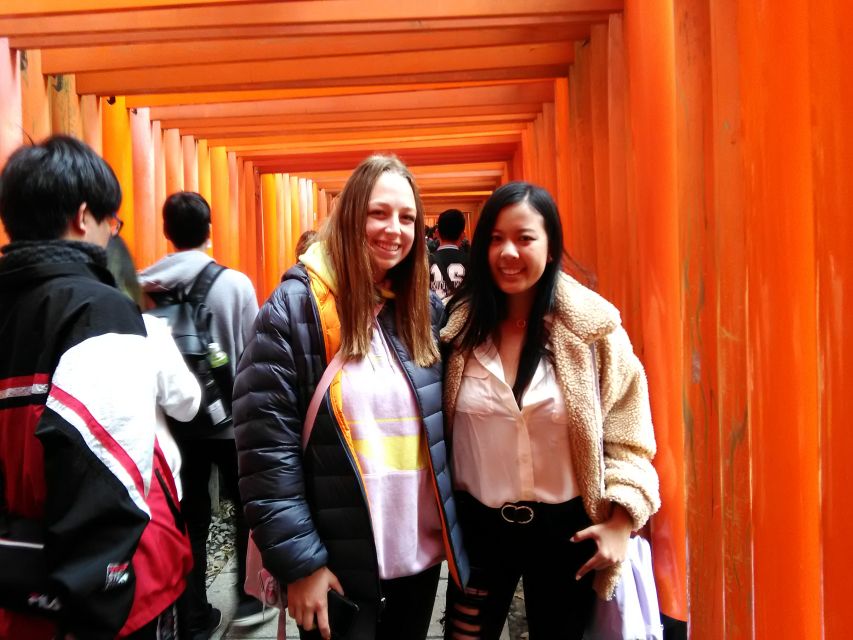
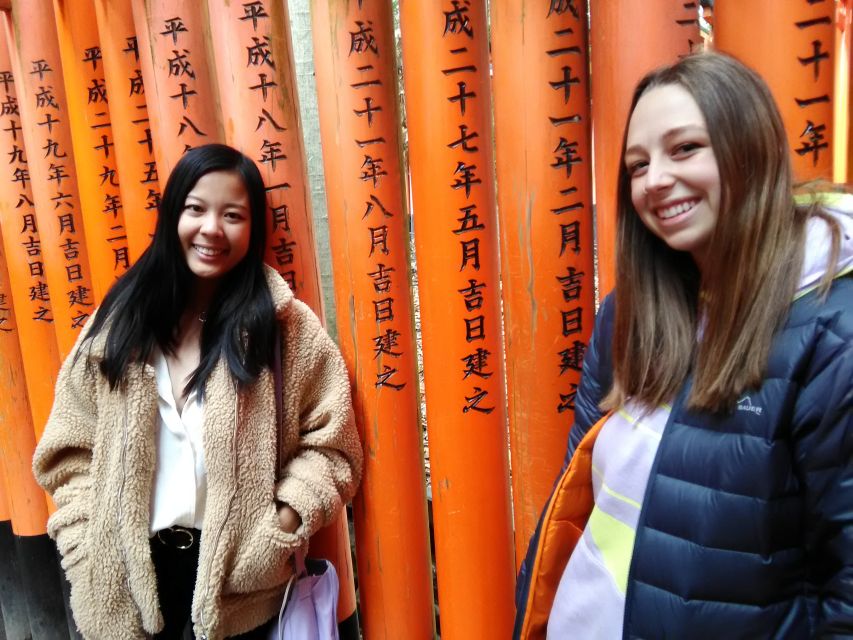
Fushimi Inari-taisha is the start of many Kyoto first-timers’ lists for a reason. The torii gates form a corridor you walk through, and it’s visually intense in the best way. The guide adds the layer that makes it stick: how the shrine is approached, and what the corridor means beyond the scenery.
The tour description also highlights a movie-filming connection to Memoirs of a Geisha, which helps explain why some sections feel extra cinematic—crimson tones, deep atmosphere, and that sense of moving from one world to another. Your guide will walk you through the shrine corridors that function as symbolic continuation gates between the world you live in and the world inhabited by the gods.
Practical tip: if you pick Inari, treat it like a core stop. It’s one of the few places in Kyoto where you’ll still feel the experience even if you’re tired, because the corridor itself slows you down naturally.
Choosing Nijo Castle and Kyoto’s power story (if you add it)
If you’re adding Nijo Castle, you’re stepping into Kyoto’s role as a seat of authority. Even if you’ve seen castles before, a licensed guide helps you notice details that guidebooks often leave out—how the spaces are organized and what you’re meant to understand while you walk.
For a 4-hour tour, pairing Inari with Nijo Castle is a solid way to balance shrine vibes with a more structured, historic site. For longer tours, it works as a transition anchor before heading into more street-level areas like Nishiki or Higashiyama.
Kiyomizu-dera and the veranda views: why timing matters
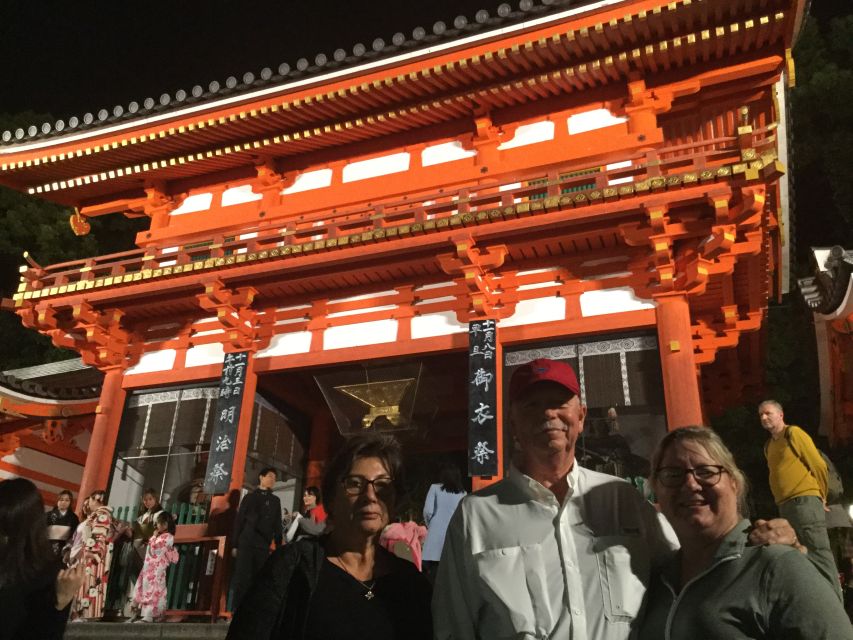
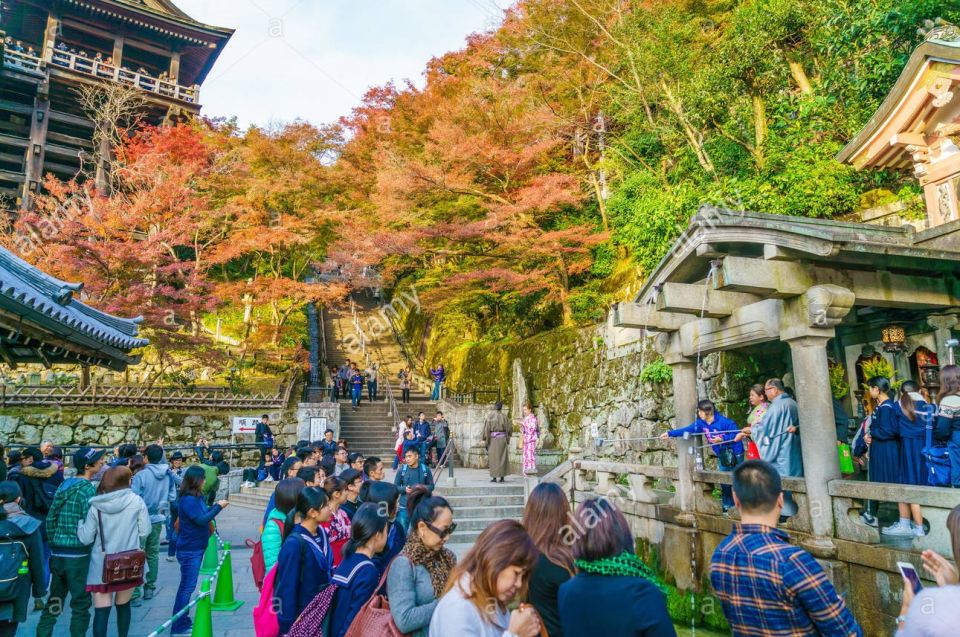
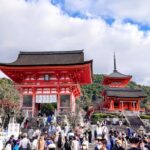
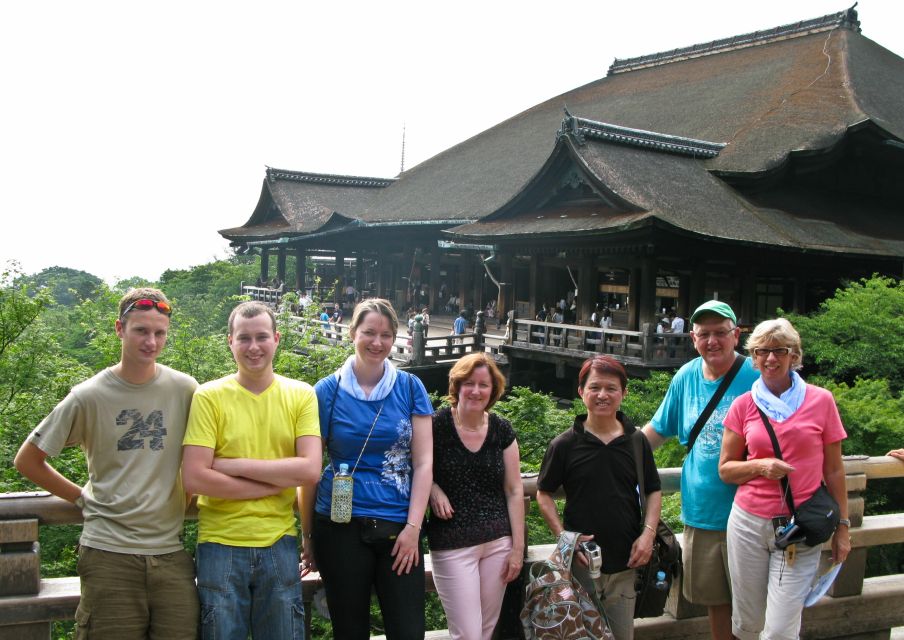
Kiyomizu-dera is famous for a reason, but what really helps during a guided visit is knowing where to stand and when to move. The temple’s large veranda is built for panoramic views, and your guide will steer you toward the angles that make sense for your time and camera setup.
This is also where your day starts shifting from temples-only into Kyoto neighborhoods. The tour includes a walk from the temple area toward Gion, and that stretch is where Kyoto’s charm shows up in real life: side streets, traditional-feeling pathways, and shops selling Kyoto-style souvenirs.
Practical tip: Kiyomizu-dera can be crowded depending on the hour. If your guide is flexible, ask them to plan around crowd levels. Several guides in this program have been praised for adjusting routes to avoid unnecessary time in line and traffic.
Gion after Kiyomizu: shops, streets, and dinner suggestions that feel local
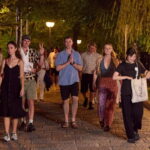
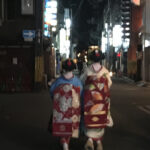
Walking from Kiyomizu-dera toward Gion isn’t just transit. It’s the atmosphere part of Kyoto. Along the way, you’ll find Kyoto-esque shops filled with unique souvenirs, which is exactly the kind of browsing that feels better when someone explains what you’re looking at.
The tour also includes a natural transition into food. In Gion, you can grab a snack or enjoy dinner, and your guide will offer recommendations. That’s valuable for two reasons: Kyoto restaurant menus can be intimidating if you don’t read the language, and the area has plenty of choices where timing and location matter.
In the reviews, guides were praised for personal meal picks—one guide ended a day with a ramen recommendation that people described as among the best they had in Japan. Another added extra time in their favorite part of Gion after the main route, which is a great reminder: with a private format, your guide can go beyond a checklist.
Kinkaku-ji Golden Pavilion: how the guide helps you get the shot and the meaning
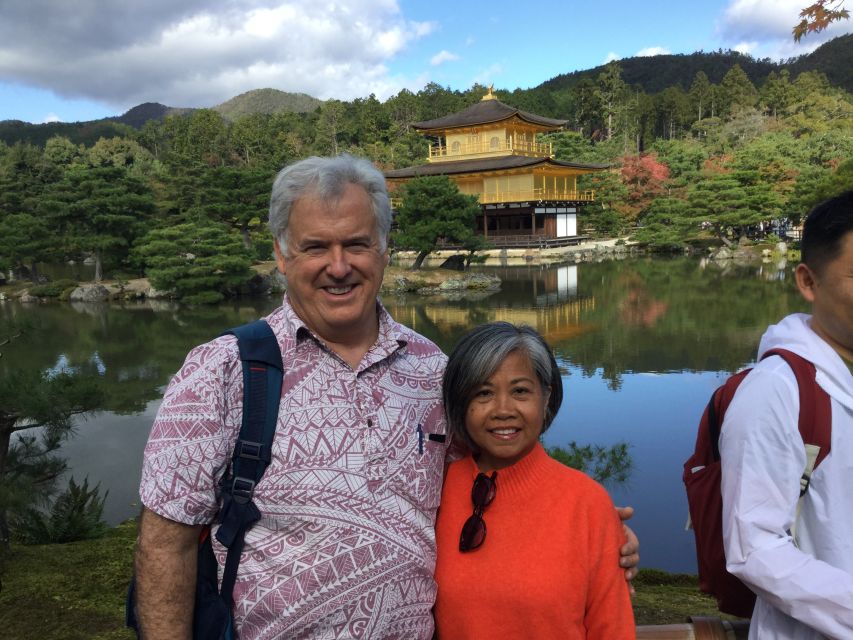
Kinkaku-ji, the Golden Pavilion, is simple on the outside and big on the inside. The name comes from the golden color of its reliquary hall, and seeing it in person is different from seeing it in photos because your perspective changes as you move.
A guide’s job here is to help you slow down just enough. You’ll also get help reading the view: the pavilion’s bold structure set against mountain scenery is the visual hook, and understanding what you’re seeing helps it land emotionally instead of just impressing your camera.
If your time is short, choose Kinkaku-ji early enough to breathe. It’s one of those stops where arriving with a plan keeps you from rushing and missing the best angles.
If you choose Nishiki Market: shopping with context, not chaos
Nishiki Market Shopping District is a great “Kyoto senses” stop. It’s food-focused, it’s energetic, and it’s easy to spend more time than you planned—so this is where a private guide helps you keep it enjoyable.
In a shorter tour, Nishiki works as a quick win: pick a few items to try, do a tight loop, and then move on. In longer tours, it becomes a relaxed break between temple areas and evening districts like Pontocho.
One review even praised a guide for pairing Inari with Nijo Castle and Nishiki, with good pacing through packed areas. That’s the real value here: you get structure without losing the fun of wandering.
Adding Kyoto Imperial Palace or major neighborhoods for balance
Not every Kyoto day should be all shrines and all temples. If you include Kyoto Imperial Palace, you’re balancing the day with a site that feels more formal and ceremonial in its layout.
The tour also offers choices like Ginkaku-ji (Silver Pavilion) and Higashiyama Ward, which are strong complements to Fushimi Inari and Kiyomizu-dera. Even if you don’t know what each site is before booking, a guide can help you connect the dots while you’re there, so the day feels coherent.
For example, Higashiyama Ward is ideal if you want street character and traditional atmosphere. And if you choose Pontocho, you get another distinct side of Kyoto—more of an evening-feeling neighborhood vibe.
Other temple picks you can mix in: Ginkaku-ji, Nanzenji, Toji, and more
Your route can include a lot of named options from the program list. Here’s a practical way to think about them:
- Ginkaku-ji and Ninna-ji: good for temple-focused hours when you want calmer pacing and more time to look closely
- Nanzenji Suirokaku: a memorable temple complex stop that can break up the day if you’re doing multiple shrine/temple visits
- Toji: a strong addition if you want to widen beyond the classic eastern circuit
- Daitoku-related options like Ryōan-ji (from the list): helpful if you want another historic flavor beyond the most photographed sites
- Nanzenji / Ginkakuji style picks also work well when you want your day to feel less like a highlight sprint
One thing I like about this tour format: you’re not stuck with a rigid “all temples, all day” schedule. You can shape the mix.
If you add Arashiyama and Togetsukyo Bridge: planning for time and mood
Arashiyama is on the list, and it’s a worthy add if you want the western Kyoto feel. If your itinerary includes Togetsukyo Bridge and Bamboo Forest Street, your guide will help you decide how much time to spend where the crowds are heaviest.
In practice, this stop can be magical when you time it well, and frustrating when you arrive too late. That’s why the private guide angle matters: guides in this program have been praised for adjusting plans to escape crowds and keep walking efficient.
For longer days, you can extend with options like Tenryu-ji or Okochi Sanso Garden, depending on how gardens vs temples vs scenic walks fit your style.
How long should your day be? Matching 4, 6, or 8 hours to your style
Think of the duration as your appetite.
4-hour tour: best for first-timers who want the “Kyoto headline” version without exhaustion. A realistic plan often means choosing about 2–3 places. Inari + Kiyomizu-dera + one neighborhood stop (or Nijo Castle paired with Inari and a quick market walk) can fit if your guide keeps transitions tight.
6-hour tour: this is the most popular sweet spot for many people because it allows about 3–4 places. You can cover a major shrine/temple pair (like Inari + Kiyomizu-dera), add Gion for the atmosphere, and still have room for one more highlight.
8-hour tour: for people who like depth without rushing. You can typically fit 4–6 places, which is enough to build a meaningful circuit—classic eastern sights plus an added neighborhood or western Kyoto area.
In the reviews, guides were repeatedly praised for getting a lot done while still leaving time to breathe at each stop. That’s exactly what you want if you’re short on Kyoto time.
Price and value: $106 per person for a licensed guide day
At $106 per person, this tour can feel like a lot or a steal depending on your travel style.
Here’s how I judge value:
- You’re paying for a licensed local guide who helps you interpret sites, not just follow a map.
- You’re buying convenience: pickup coordination, route planning, and help between distant stops.
- You’re also buying sanity. Kyoto transit can be confusing, and a guide who plans the logistics saves real time and stress.
Because entrance fees and food aren’t included, you’ll still spend a bit more depending on your choices. But the core experience—getting your route right, understanding what you’re looking at, and getting recommendations for timing and meals—is where the money goes.
For solo travelers, couples, and small groups, private guidance often beats doing a frantic DIY day where you pay for taxis anyway and still miss context.
Who this tour suits best (and who should rethink it)
This is a great fit if:
- You want a private walking format without a vehicle day
- You’re visiting Kyoto for the first time and want a smart highlights mix
- You like asking questions and getting cultural explanations while you walk
- Your group has different interests and you want the itinerary to bend
It may be less ideal if:
- You want strictly car-only travel
- You dislike walking long distances or standing for viewpoints
- You’d rather handle everything solo with a phone guide and paid entrance tickets
One more note: the tour can be personalized. That matters if you’re traveling with kids, seniors, or anyone who needs a gentler pace.
Should you book this Kyoto private walking tour?
Yes, if you want Kyoto to feel like a coherent story instead of a pile of landmarks. The biggest reason to book is the guide-interpreter angle: you’re not just walking through famous places, you’re learning how they fit into Japanese culture while you’re there.
Book this tour if your priorities include:
- Getting the most out of limited time (4, 6, or 8 hours)
- Choosing exactly which sites matter to you from the list
- Having someone handle the route logic and timing so you can slow down at the stops you care about
Skip it if your dream Kyoto day is completely low-effort, or if you’re not interested in paying for guided interpretation. In that case, a self-guided route might suit better.
FAQ
What is the tour duration?
You can choose a 4, 6, or 8 hour private walking tour, depending on availability.
How many places can we see in each time option?
An average 4 hour tour includes 2–3 places, a 6 hour tour includes 3–4 places, and an 8 hour tour includes 4–6 places.
Is this tour private?
Yes. It’s a private group format with a maximum of 7 passengers.
What languages are offered?
The live tour guide is available in English and Japanese.
What’s included in the price?
Included are the private, personalized walking tour, a licensed local guide, and pickup on foot if you’re within a reasonable distance.
Are entrance fees included?
No. Entrance fees are not included.
Are food and drinks included?
No. Food and drinks are not included, but your guide can suggest places to eat in areas like Gion.
Do we need to pay for transportation during the tour?
Transportation costs during the tour are not included. Public transportation or taxis may be used between sites, and you should have Japanese yen available for those costs.
Does the tour run in bad weather?
Yes. The experience takes place rain or shine.
How does cancellation work?
Free cancellation is available up to 24 hours in advance for a full refund.