Gion tells stories with every lantern. This 2-hour Kyoto walk focuses on the Gion district and the world of Geiko and Maiko, with stops that mix temple calm, preserved streetscapes, and practical local guidance. It’s an easy way to make sense of a neighborhood that can feel confusing if you just wander.
I like two things most about this tour. First, you get real context for geisha culture and how it fits into Kyoto today, not just a photo hunt. Second, the route is built around meaningful sights plus off-the-walkway photo moments, so you leave with both understanding and pictures.
One consideration: this is a lot of walking, and the tour isn’t suitable for people with mobility impairments or wheelchair users. Also, the itinerary is timed for evening atmosphere, so bring layers—one guest called out the cold and wished for a warm break.
In This Review
- Quick Take
- Why Gion at walking speed makes geisha culture click
- The 2-hour pacing: built for atmosphere, not sprinting
- Where you meet: Hotel Alza Kyoto and the red parasols
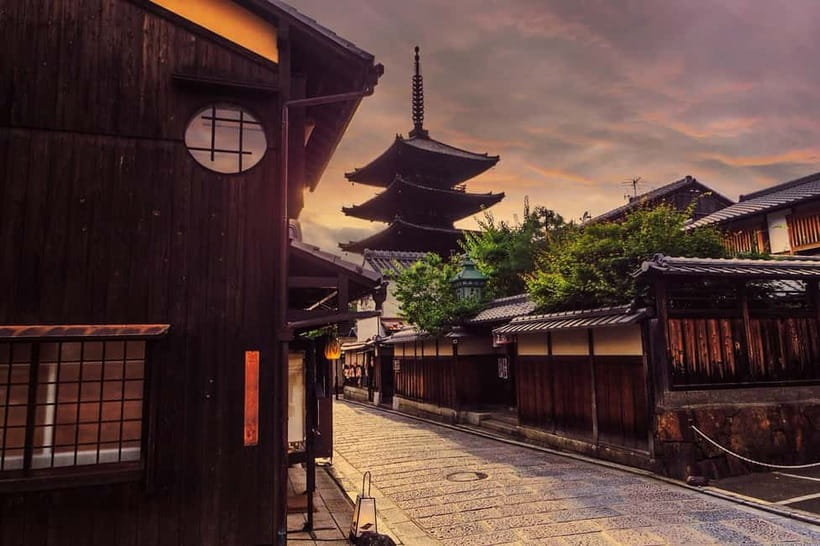
- Gion streets, preserved machiya, and tea-house lanes
- Hōkan-ji Pagoda: a small stop that anchors big context
- Kennin-ji Temple serenity: oldest Zen in Kyoto
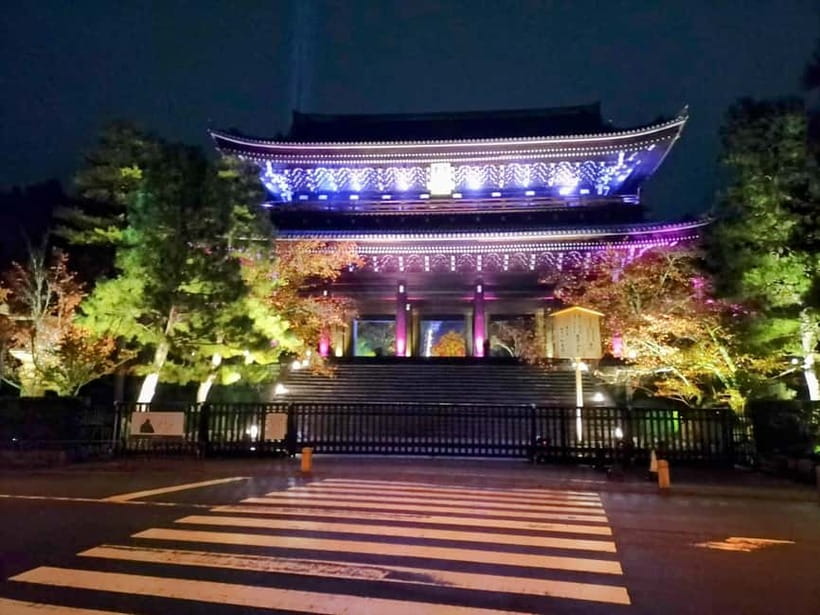
- Chion-in Temple and its national treasures
- How you actually spot Geiko and Maiko (and how to handle it)
- Photo strategy: where the best shots come from
- Guide value: stories, clarity, and restaurant tips that extend the night
- Price and value: why $25 feels fair for Kyoto
- Who this tour suits best (and when to choose your slot)
- Should you book this Kyoto Geisha Walking Tour?
Quick Take
- Gion focus for 2 hours: you get concentrated sights without trying to cover all of Kyoto
- Geiko and Maiko sightings: you have chances to spot Geiko/Maiko as they head to appointments
- Temple stops that anchor the story: Kennin-ji and Chion-in add depth beyond Gion streets
- Photo-friendly side stops: you’ll visit off-the-beaten-path angles for better shots
- Guide-led local recommendations: you’ll leave with tried-and-trusted ideas for meals and more
- English live guide: groups move at a comfortable walking pace with room for questions
Why Gion at walking speed makes geisha culture click
Gion is one of those places where you can see the details only if you slow down. This tour keeps you moving on foot through the district’s classic lanes and teahouse area, where the atmosphere helps explain why Geiko and Maiko are such a Kyoto symbol. You’re not just looking at buildings—you’re learning how the district functioned historically and how it still works today.
I also like that the guide’s job is more than pointing. You’ll get history and origins of geisha culture, plus how the tradition sits in modern society. That kind of framing changes how you interpret what you see on the street.
You can also read our reviews of more tours and experiences in Kyoto.
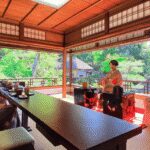
The 2-hour pacing: built for atmosphere, not sprinting
The tour is 2 hours long, and that matters. In a place like Gion, the difference between 90 minutes and 2 hours is the difference between rushing past details and actually catching patterns—street layout, temple sightlines, and where people gather.
Pace is also a big reason so many bookings felt worthwhile. Multiple guests described the walk as not rushed and said the stops felt meaningful. And on at least one departure, the group became small enough to feel close to private, which naturally makes Q&A easier.
What to plan for: comfortable shoes and a willingness to walk. If you’re sensitive to cold, dress for it, especially if you’re going at a time when lanterns come up.
Where you meet: Hotel Alza Kyoto and the red parasols
Meeting is simple, if you know what to look for. You’ll meet on a side street next to Hotel Alza Kyoto. Look for the red parasol/umbrellas with marble seats underneath.
This is the kind of meeting point that can save time in Kyoto, where a few blocks can feel like a lot. If you’re arriving early, I’d give yourself a few extra minutes to find the umbrellas and settle in.
Gion streets, preserved machiya, and tea-house lanes
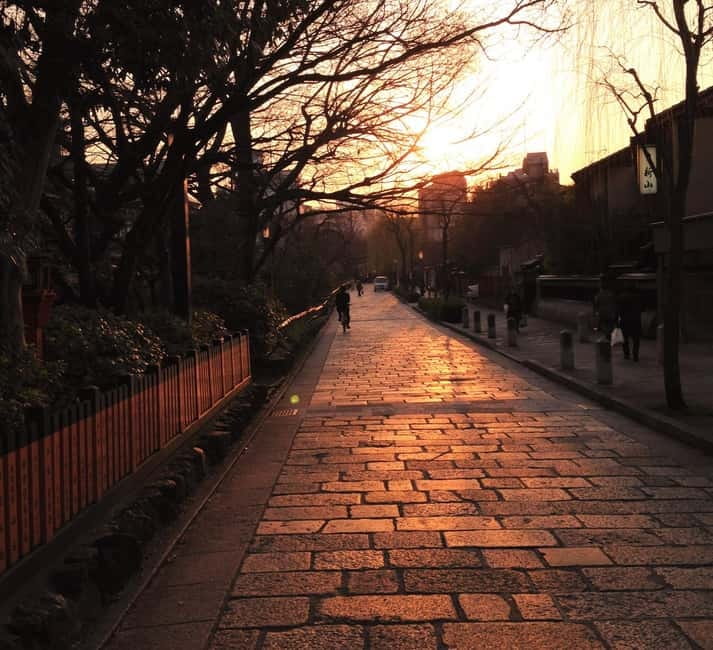
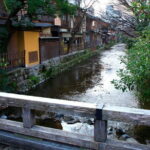
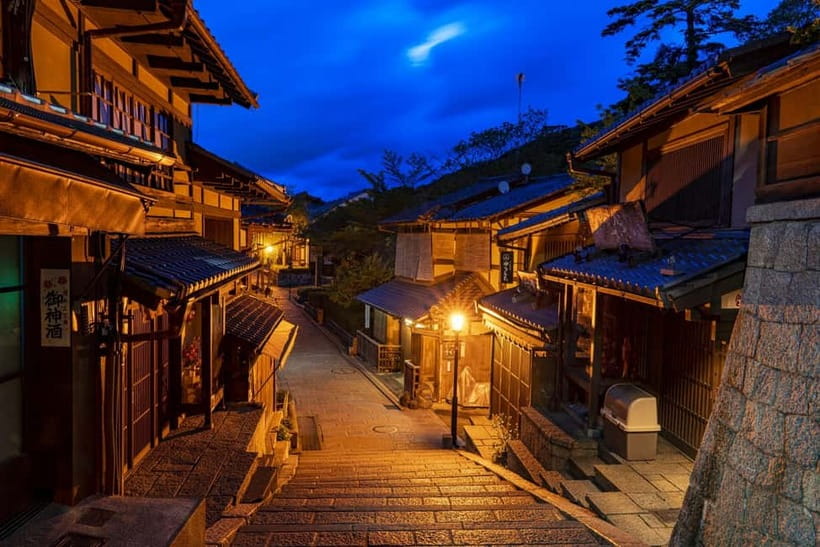
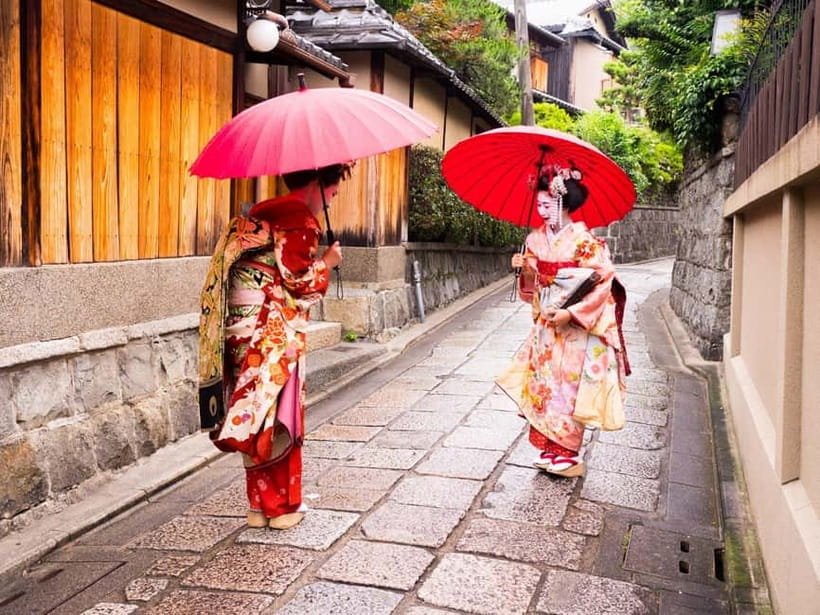
The core of the experience is a guided walk through Gion’s historic district. You’ll stroll cobblestone streets lined with teahouses, and the feeling is almost like stepping into a curated old-world neighborhood—except it’s real, lived-in Kyoto.
A key highlight is the chance to see preserved machiya townhouses along the way. Those wooden townhouses explain the district’s old urban form, and they help you understand why Gion’s streets work the way they do.
You also visit quieter tea-house areas where Geiko and Maiko make their exclusive private performances for wealthy clientele. Even if you never see a performance directly, it helps you connect the dots between the appointments you may observe and the etiquette around where and how entertainment happens.
Hōkan-ji Pagoda: a small stop that anchors big context
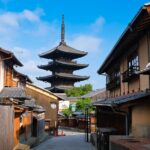
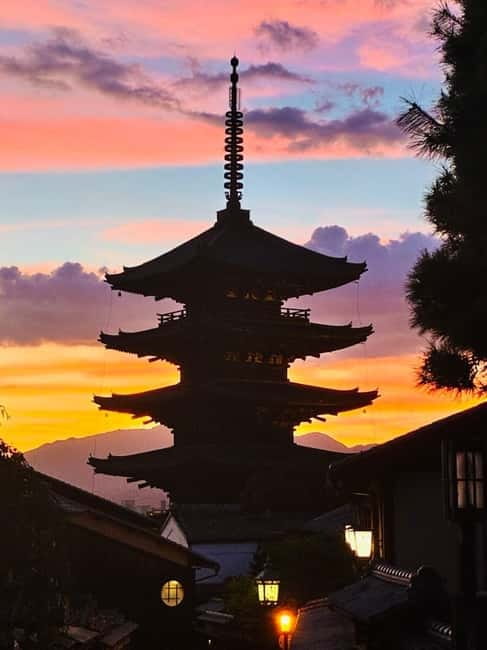
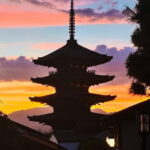
You’ll also visit the Hōkan-ji Pagoda, described as a symbol of Kyoto’s cultural heritage. Even when you’re not a temple-architecture expert, having a landmark like this helps you orient yourself and remember what you learned.
In practice, this kind of stop works because it gives you a visual anchor in the middle of a walking route. Instead of only thinking about streets and fashion, your brain gets a physical reference point that ties the district together.
Kennin-ji Temple serenity: oldest Zen in Kyoto
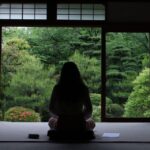
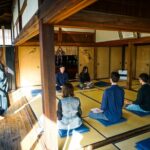
Another major stop is Kennin-ji Temple, noted as the oldest Zen temple in Kyoto. This shift—from Gion’s lively teahouse lanes to temple calm—is part of what makes the tour worth doing.
It also gives you better context for geisha culture. Geiko and Maiko weren’t just street characters; they lived in a world of ritual, aesthetics, and the same Kyoto traditions you’ll see in temples. A Zen stop makes that connection feel tangible.
If you enjoy architecture and quiet spaces, this is likely your favorite “pause” moment in the route.
Chion-in Temple and its national treasures
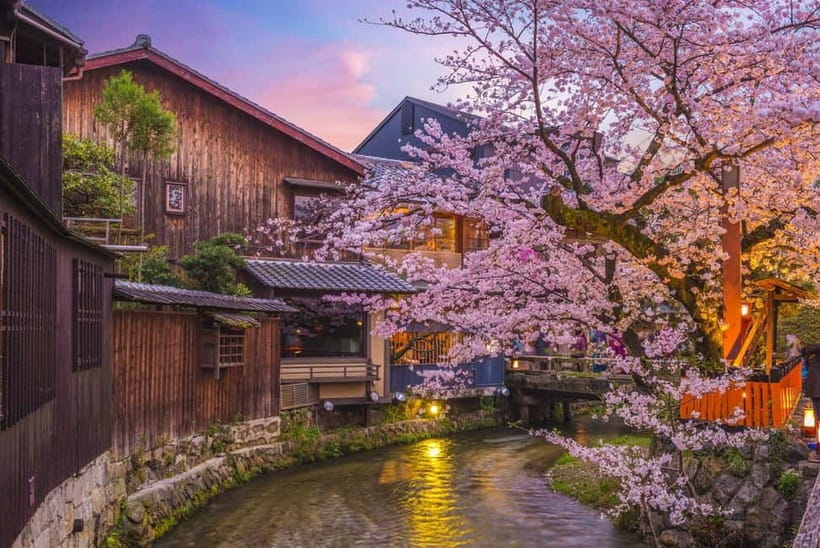
The tour includes Chion-in Temple, highlighted as an often-overlooked stop with three designated national treasures on site. That’s a big deal, and it changes the tone of the walk: you go beyond “pretty district” and into a deeper layer of Kyoto’s protected heritage.
What I like about adding a temple with national treasure status is that it gives you something concrete to remember. You can picture the grounds as part of the larger Kyoto story, not only as a backdrop for nightlife.
How you actually spot Geiko and Maiko (and how to handle it)
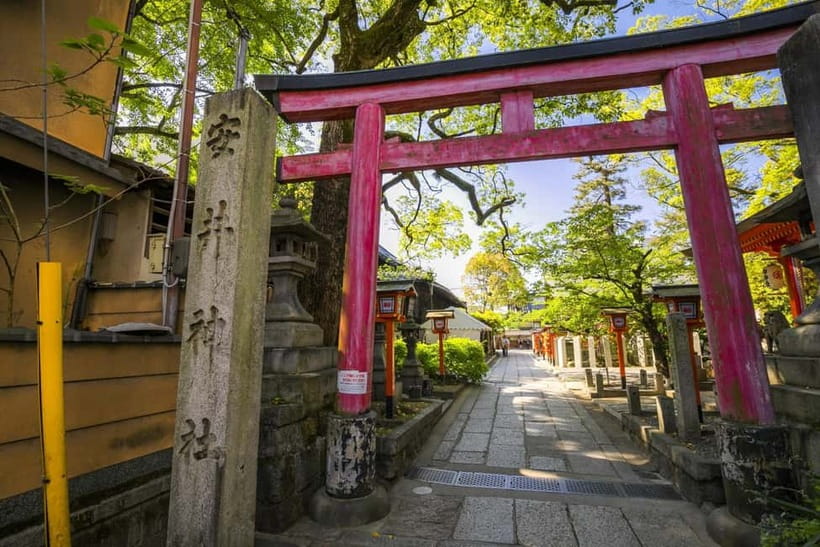
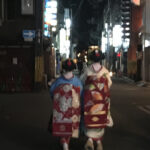
You’ll have the opportunity to spot Geiko and Maiko as they make their way to appointments. In reality, sightings can vary—one guest mentioned they weren’t lucky enough to see a Geisha, while others said they did.
So here’s the practical mindset I’d use: treat the sightings as a bonus, not a guarantee. The tour’s real value is what you learn so that when you do spot someone, you understand what you’re seeing and why it matters.
Also, keep it respectful. If you see someone in traditional attire, give them space and let your guide manage where you pause. A couple of seconds of good manners can save you from awkward moments.
Photo strategy: where the best shots come from
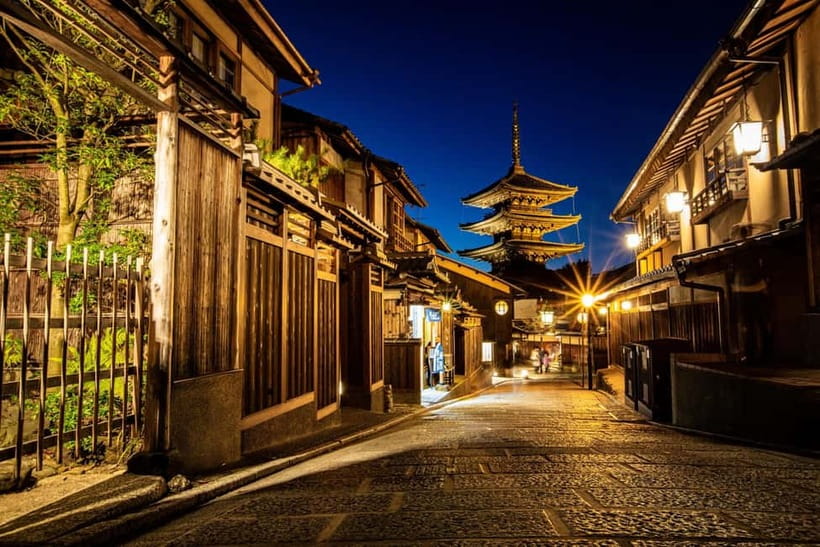
This tour is built with photo moments in mind, including opportunities to take stunning photos at off-the-beaten-path locations. The goal isn’t just to get a pretty image—it’s to help you photograph Gion in a way that matches what makes the district special: details, light, and street character.
Timing helps. The description notes that as evening falls, Gion shifts into lantern-lit streets, which is prime for atmospheric photos. One guest even called out a specific departure time—6pm worked well because the area was quieter, which makes photography easier and more comfortable.
If you’re coming during daylight, it can still be great, but I’d plan your shots around the time your guide expects the mood to turn.
Guide value: stories, clarity, and restaurant tips that extend the night
The biggest reason this tour scores high is the guide’s storytelling. Many bookings name a guide—often Michael—as passionate, friendly, and clear in how he explains history and the cultural significance of Gion. Other guides also come up in confirmed bookings, including Yuri, Anton, and Ikuro.
One extra detail that stood out: Michael was noted in a review as speaking English, French, Japanese, and some Arabic. That kind of language range can make it easier to ask questions without feeling lost.
The tour also ends with a practical payoff. Your guide will share tried-and-trusted recommendations: restaurants, bars, shops, and other ideas for the rest of your trip. That matters because Kyoto can be overwhelming after your first few temple photos. You’ll get a ready-to-use shortlist for what to do next.
Price and value: why $25 feels fair for Kyoto
At $25 per person for a 2-hour guided walk, the value is strong for three reasons.
First, you’re paying for more than a route. The guide ties Gion’s streets, teahouses, and temple stops to the origin and development of geisha culture, so the time turns into understanding, not just sightseeing.
Second, you get focused logistics. The meeting point is clearly defined (and easy to spot with the red umbrellas), and the route is built around major sights plus lesser-seen angles for photos.
Third, the restaurant and nightlife recommendations effectively extend the tour’s value. If the list helps you eat well and avoid a couple of wrong turns, that’s worth a lot more than the ticket price.
Who this tour suits best (and when to choose your slot)
This is a good fit if you want a guided introduction to Gion and geisha culture without getting lost in lore. It’s also a nice choice if you’re the type who likes asking questions and learning how to read a neighborhood.
It may feel less ideal if you prefer minimal walking. And it’s not suitable for wheelchair users or people with mobility impairments, based on the activity’s stated limitations.
When to pick your time: if you can, aim for a slot that lets you experience the shift toward lantern-lit streets near evening. One guest specifically mentioned that 6pm felt perfect because the area was quieter and easier for photos and questions.
Should you book this Kyoto Geisha Walking Tour?
Book it if you want a guided, story-led introduction to Gion that includes temple stops, a real explanation of geiko/maiko culture, and practical next-step ideas for food and nightlife. The $25 price looks fair because the guide’s context and recommendations are part of the product, not just the sightseeing.
Skip it (or choose something else) if you can’t do a walking-focused 2-hour experience, or if you only care about guaranteed Geisha sightings. This tour gives you opportunities, but Kyoto isn’t a theme park—and your best results come from learning the culture so sightings, if they happen, feel meaningful.
If you do book, plan warm layers for evening, wear shoes you trust, and keep your camera ready—but save your loud behavior for home. Kyoto notices.