REVIEW · KYOTO
Kyoto: Tea Ceremony in 100-year-old Kyo-Machiya Townhouse
Book on GetYourGuide →Operated by Kyoto Kimono Rental Yumeyakata · Bookable on GetYourGuide
A quiet room, a bowl of matcha, and real etiquette. This Kyoto experience pairs a 100-year-old machiya townhouse with hands-on matcha preparation under a tea master. I like that you learn the meaning behind the gestures, not just the steps, and I also like that you get to choose a kimono first (when you book that option). One thing to consider: it’s a group format with quiet rules, so you’ll need to match the mood.
Timing is half the trick. If you pick a starting time on your voucher, the ceremony itself begins two hours later, which gives you time to get dressed at Gojo Shop and settle into the day. The venue is also calm and traditional, so seating may be on the floor for some parts (though small chairs are available).
Before you go, plan for socks. They’ll ask for socks (no sandals/flip-flops), and the session is strictly about quiet behavior and no flash photography.
In This Review
- Key Highlights That Matter
- Gojo Shop Kimono Pickup: choosing a look that fits your day
- Yumeyakata Oike Bettei: stepping into a 100-year-old machiya
- The Tea Ceremony Timeline: from history to your bowl of matcha
- Making matcha yourself: the part you’ll remember
- Sweets and matcha: what you actually taste
- Etiquette for a smooth session: quiet rules that keep it real
- Machiya Moment Add-on: a short townhouse tour plus photo time
- After tea: wearing your kimono and returning it by 5:30
- Price and value: what $31 buys you in real terms
- Who should book this, and who should skip it
- Should you book Kyoto tea ceremony in a 100-year-old machiya?
- FAQ
- Where do I pick up the kimono?
- When does the tea ceremony start?
- What if I book only the tea ceremony (no kimono)?
- What should I wear or bring?
- Can I sit on a chair instead of the floor?
- Is this a private experience?
- Are photos allowed?
Key Highlights That Matter
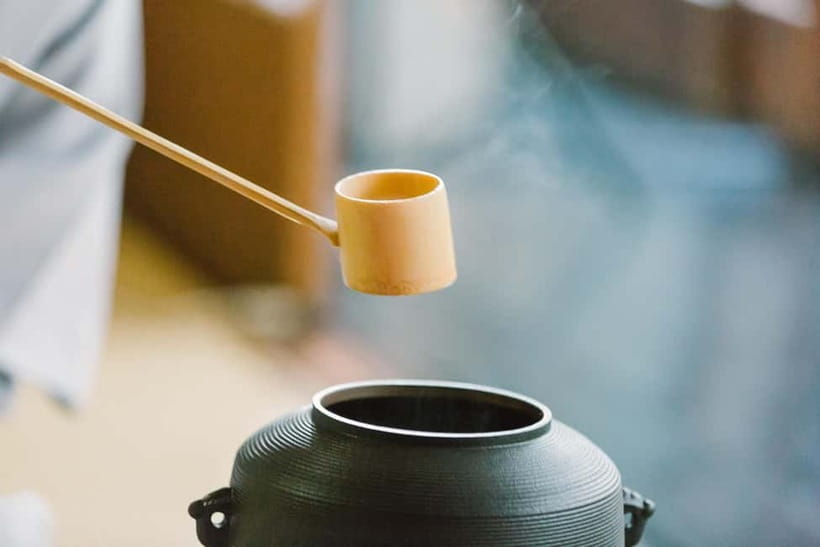
- Hands-on matcha making while the tea master supervises, so you’re not just watching
- A 100-year-old machiya townhouse setting that feels like Kyoto lived-in, not staged
- Clear etiquette coaching: bowing, greetings, sweets, and how to appreciate the tea bowl
- Kimono rental option so you can wear what you pick and stroll Kyoto after
- Tea master plus interpreter support (English and Japanese), with room for questions at the end
- Optional Machiya moment add-on: a short townhouse tour plus selfie/photo time
Gojo Shop Kimono Pickup: choosing a look that fits your day
If you book the kimono option, you start at the Gojo Shop at the time shown on your voucher. You pick a kimono from different colors and designs, and you’ll be sized for fit. This part matters because it sets the pace for the rest of your experience. You’re not rushing through the doorway and then trying to get comfortable once the ceremony starts.
After you choose the kimono, you head out to the tea-house location, and the ceremony begins two hours after your selected starting time. For example, if your voucher time is 11:00 AM, plan for the tea ceremony to start at 1:00 PM. That gap is helpful. You can slow down, get your socks on correctly, and be ready to follow instructions calmly.
If you add the upgrade option, the experience can include women’s hairstyling and makeup, plus an upgrade from casual kimono to a more formal style (Houmongi). Some people also mention that the look makes the photos feel more authentic, not like a costume you wore for 10 minutes and forgot.
A small practical note: the kimono day has rules. Shoes and casual footwear don’t work the way you might expect, so make your life easy by wearing socks you’re comfortable walking in.
You can also read our reviews of more tours and experiences in Kyoto.
Yumeyakata Oike Bettei: stepping into a 100-year-old machiya
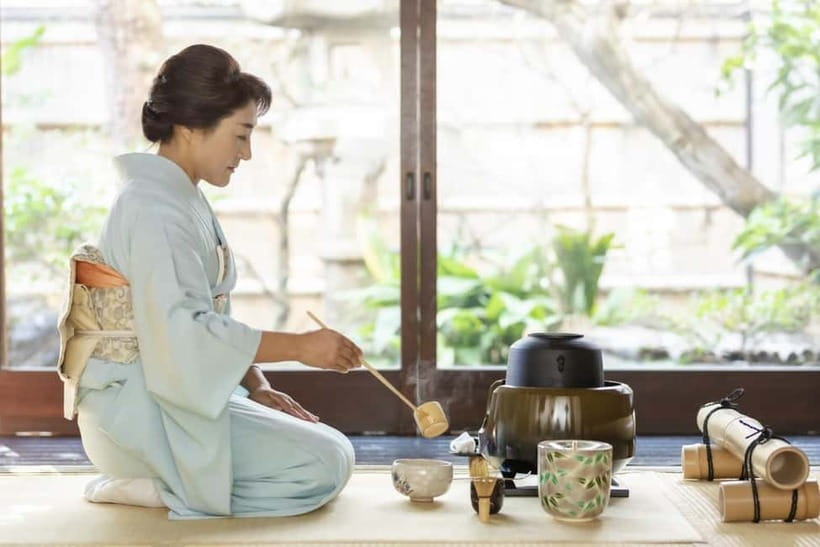
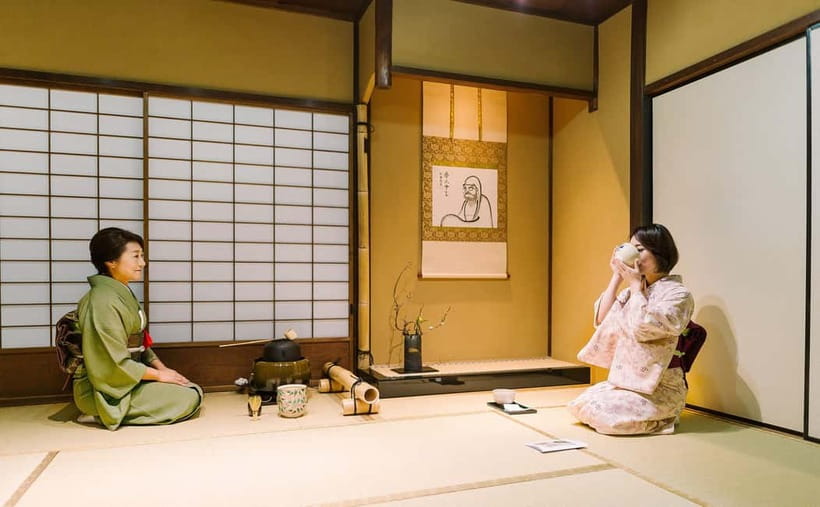
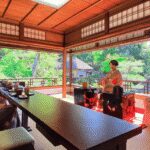
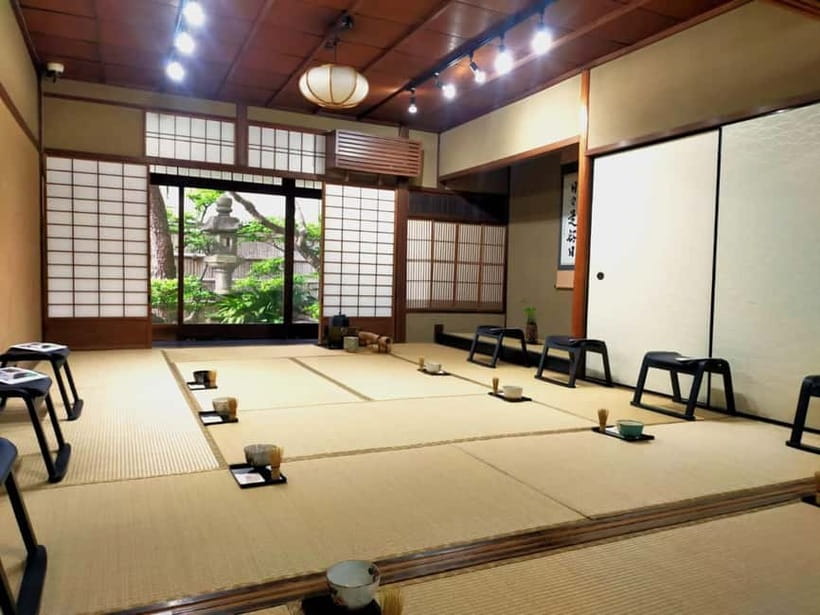
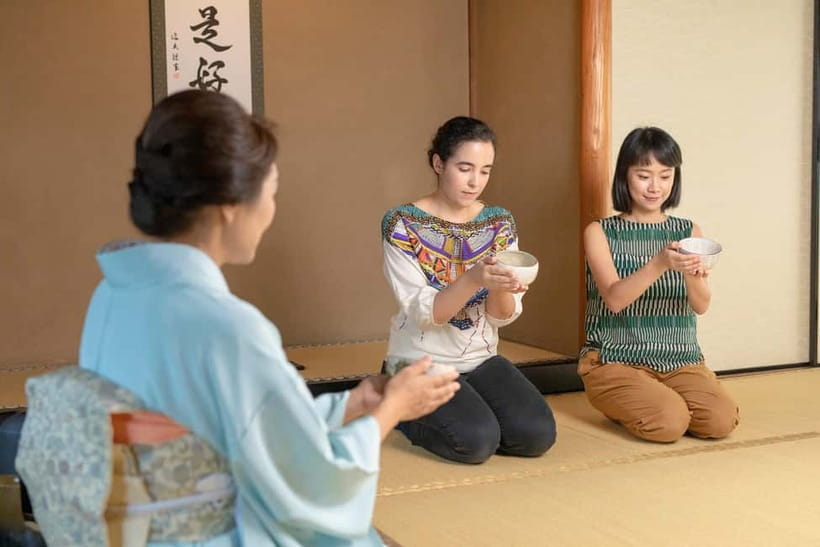
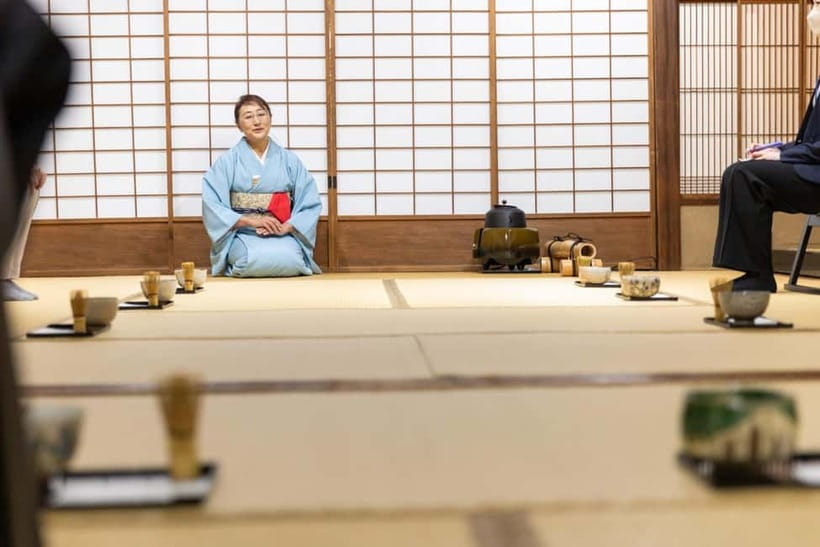
The ceremony happens at a traditional machiya townhouse described as about 100 years old. Think tatami-style flooring, wooden structure, and paper-screen calm. This isn’t just atmosphere for photos. The room is designed to keep the pace slow, which is exactly what tea culture asks for.
You’ll be guided to the correct seating. If you prefer not to sit on the floor, you can use a small chair. That option is useful, especially if you have knee stiffness or you simply want to focus on the ritual instead of your posture.
The group size can be up to 20, and the room can vary depending on how many people are in the session. That means the layout might feel different from one day to another. Still, the expectation is the same: quiet attention. The rules aren’t there to ruin fun. They’re there so you can actually experience the ceremony without competing voices.
The Tea Ceremony Timeline: from history to your bowl of matcha
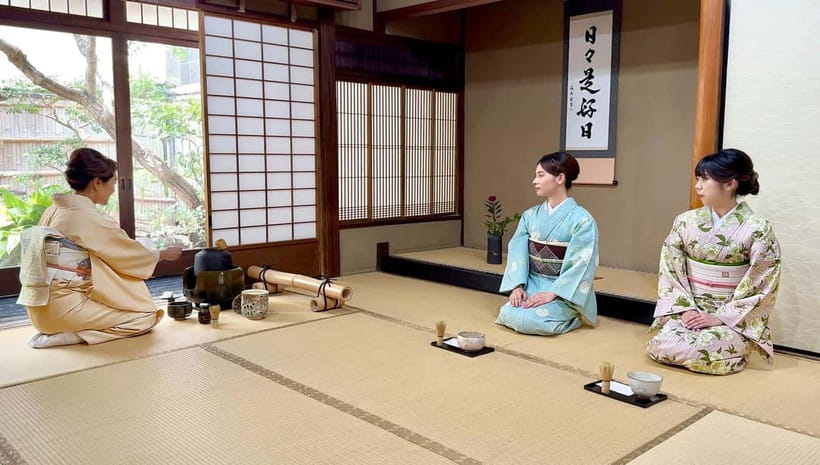
Even when it’s your first time with tea, the session is built like a guided story. It starts with an introduction to the history of tea ceremony in Japan, including its arrival from China about 1,200 years ago, and how the modern Japanese Way of Tea took shape.
Then you move into the practical etiquette. You’ll learn the right way to bow and use greeting words, plus how to handle the sweets and then drink the tea. You’ll also be shown how to observe and appreciate the tea bowl, which is one of those parts people sometimes skip when they think tea ceremony is only about the taste. Here, the bowl matters. The moment matters.
The tea master brings the items into the room and prepares the first serving for a guest. This is a good model to watch because you get to see the flow before you do it yourself. After that first service, you prepare the tea under the master’s supervision. That hands-on segment is one of the top reasons this experience gets such strong marks.
At the end, the tea master closes the ceremony and you’re welcome to ask questions before you leave. Several participants highlight how approachable the teaching feels, and that matters. Tea ceremony can feel intimidating on paper. In practice, the best sessions make you feel guided rather than judged.
Making matcha yourself: the part you’ll remember
The ceremony isn’t only passive. You’ll actually make your own matcha while the tea master oversees you. That’s the difference between a quick cultural show and a real skill practice.
In many sessions, the tea master’s teaching style shows up in small moments. People have specifically mentioned hosts like Lim and Maki (with strong translation support) and described the teaching as friendly, patient, and easy to follow. Even if your Japanese is basic, you’re not left guessing. There’s an interpreter included, and English instruction is part of the experience.
What you’re learning is the rhythm: how to follow the sequence, how to handle the bowl properly, and how to keep your attention on the act rather than speed. You’ll also get a chance to ask questions after you’ve had your tea, which turns the experience into something you can take home with you, not just something you walked through.
Sweets and matcha: what you actually taste
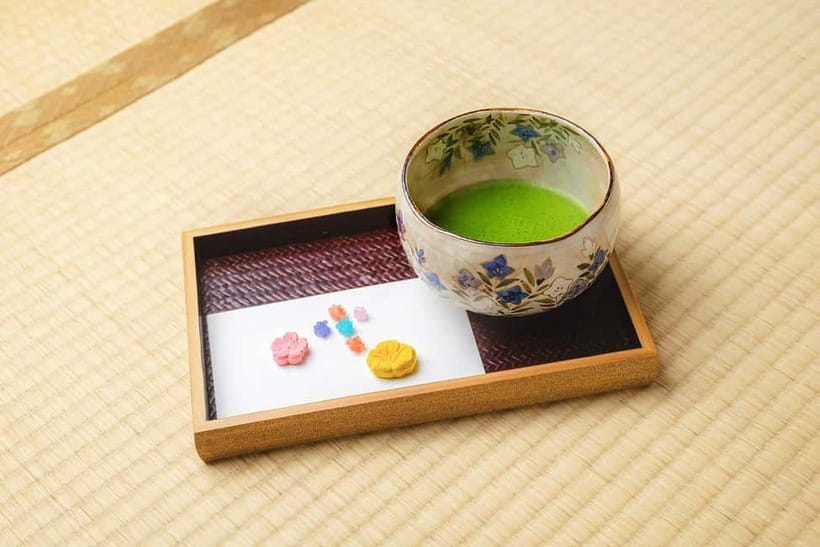
The session includes matcha tea and traditional Japanese sweets. Several people call out that the matcha is excellent and that it feels high quality, not weak or overly sweet. The sweets are there for a reason: they balance the flavor and give you a gentle pace before the tea.
Also, because the host explains how you’re meant to eat the sweets and then drink the tea, you’ll notice the ceremony is about more than taste. It’s about order, attention, and respect for the materials in front of you—the tea bowl, the tools, and the shared moment.
If you’re the type who likes to understand what you’re eating, this part is satisfying. You don’t just get a snack. You get a small cultural lesson that makes the flavors feel connected to the ritual.



Etiquette for a smooth session: quiet rules that keep it real
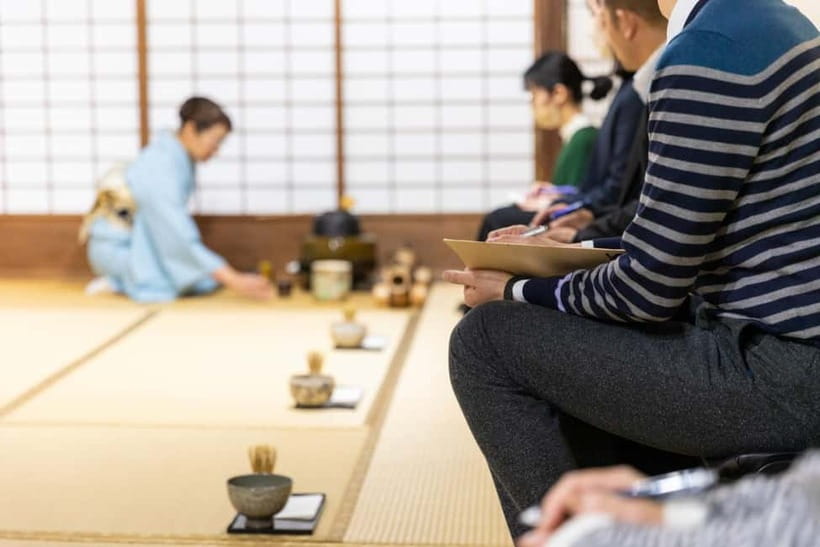
This is a group activity, and it demands a quiet atmosphere. Disruptive behavior can mean you’ll be asked to leave. That sounds strict, but it’s also what protects the core experience.
No flash photography is allowed, and noise indoors is discouraged. The rules also say no smoking indoors, no food and drinks, and no pets. In a place where the design is meant for stillness, these rules make sense. You’re there to hear guidance and feel the pacing.
One more practical thing: people can record or take photos during the ceremony in a way that fits the environment, but flash is out. So bring a phone and keep it in your pocket until the host signals what’s okay.
Machiya Moment Add-on: a short townhouse tour plus photo time
If you choose the add-on, right after the tea ceremony you can join a Kyo-Machiya (Kyoto townhouse) tour. It’s described as a 30-minute Machiya moment, with 20 minutes of touring and 10 minutes of selfie time.
This part adds a different angle. The tea ceremony is about conduct and taste. The Machiya moment is about architecture and how people used these houses day to day. You’ll walk through the traditional architecture and hear about history, cultural significance, architectural details, and hidden functions of these Kyoto homes.
The location is also tied to Kyoto Gosho, the Kyoto Imperial Palace area, which has long been an aristocratic and court-centered cultural hub. Next door is mentioned as the former residence of Nijō Yoshimoto (1,320–1,388), a high-ranking court noble from the Nanboku-chō period (14th century) linked to the founding figures of renga (linked verse poetry) culture. That kind of detail gives the room context. It’s no longer just old wood and paper screens—it’s part of how culture worked.
Some participants mention photo moments that include props like a katana and an umbrella during this photo time. If that’s your kind of fun, the add-on turns the day into both learning and memorable visuals.
After tea: wearing your kimono and returning it by 5:30
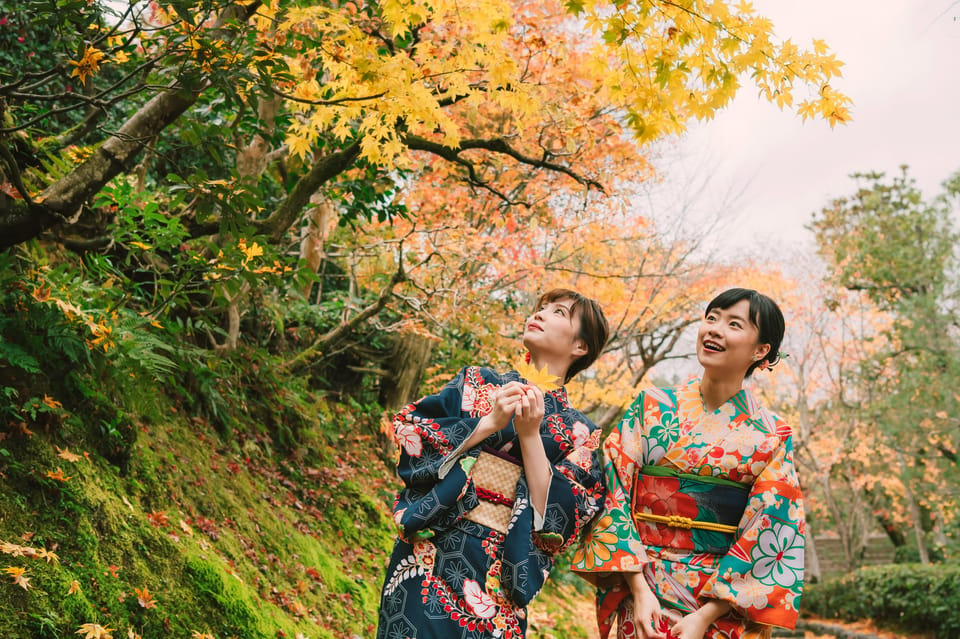
If you book the kimono rental, you can wear it around Kyoto after the ceremony. The instruction is straightforward: return the kimono to the Yumeyakata Gojo Shop by 5:30 PM the same day.
That’s a big quality-of-life perk. You aren’t stuck with a kimono that you wear only for the ceremony. You get time to experience Kyoto with that look on, which changes how you notice streets, temple approaches, and quiet lanes. Even if you only do a short stroll, you’ll feel like your day has a thread running through it.
Make a plan that keeps you close to the Gojo area so you’re not sprinting back at the end. Kimono logistics aren’t hard, but they’re not the moment for last-minute chaos either.
Price and value: what $31 buys you in real terms
At about $31 per person, this is priced like a cultural activity, not like a private lesson. The value comes from the mix:
- You get a tea ceremony session with a tea master and interpreter support
- You receive matcha and traditional sweets
- You learn etiquette, not just how to drink matcha
- You get a leaflet explaining the tea ceremony
- If you select the kimono plan, you also get kimono rental, and possibly (with add-ons) hairstyling and an upgrade to Houmongi
Even without the kimono option, the “make your own tea” piece is a strong driver of value. A lot of tea experiences end at watching. This one builds in supervised participation.
The best value tends to go to people who want:
- A first real introduction to tea ceremony
- A calm, structured cultural lesson
- A chance to practice under guidance
- Optionally, a kimono day that extends beyond the ceremony room
Who should book this, and who should skip it
This experience fits best if you’re comfortable with quiet rules and sitting posture guidance. The minimum age is 10, and it’s not suitable for children under 10.
It’s not listed as suitable for pregnant women, wheelchair users, or people over 200 cm (6 ft 6 in). There’s also a weight limit of 95 kg (209 lbs). It’s not suitable for people with visual impairments, and babies under 1 year are not included.
If you can handle group settings and you’re ready to follow respectful etiquette, this can be a satisfying Kyoto highlight. If you need a high-energy, talk-at-loud-volume kind of activity, this probably won’t feel like your speed.
Also, wear socks and plan for limited casual comfort during the ceremony. You can sit on a small chair, but the room is still a traditional setup.
Should you book Kyoto tea ceremony in a 100-year-old machiya?
Yes, if you want a real introduction to tea culture with hands-on participation. The biggest reason to book is simple: you don’t just watch matcha happen. You learn the etiquette, you taste the sweets and matcha, and you get supervised practice under a tea master.
I’d especially book it if:
- You like structured cultural experiences that explain meaning, not only motions
- You want a kimono experience that lasts beyond the ceremony room
- You enjoy calm, respectful environments where you can ask questions afterward
Skip it if you’re uncomfortable with quiet group settings, have difficulty with the sitting format, or need accessibility support beyond what’s listed.
If you match the vibe, this is the kind of Kyoto moment that sticks. Not because it’s loud or flashy, but because you walk out knowing how the ceremony works, and you understand why people still do it this way.
FAQ
Where do I pick up the kimono?
If you book the kimono option, you visit Gojo Shop at the starting time shown on your voucher to choose your kimono. You’ll return the kimono to the Yumeyakata Gojo Shop by 5:30 PM the same day.
When does the tea ceremony start?
The tea ceremony begins two hours after your selected starting time on the voucher. For example, 11:00 AM on the voucher means the ceremony starts at 1:00 PM.
What if I book only the tea ceremony (no kimono)?
For the tea ceremony only option, you should visit Oike Bettei 5–10 minutes before the starting time stated on your voucher.
What should I wear or bring?
Bring socks. Sandals or flip-flops are not allowed.
Can I sit on a chair instead of the floor?
Yes. Even though the setting is traditional, those who prefer not to sit on the floor can sit on a small chair.
Is this a private experience?
No. It’s a group session and can accommodate up to 20 people. A quiet atmosphere is required.
Are photos allowed?
Flash photography is not allowed. The rules also say no noise indoors, so keep your phone use respectful during the ceremony.