REVIEW · KYOTO
Kyoto: 45-Minute Tea Ceremony Lesson Experience
Book on GetYourGuide →Operated by Tea Ceremony Koto · Bookable on GetYourGuide
Matcha can be a quiet kind of adventure. This Kyoto tea ceremony lesson is built around traditional thin-tea rules taught by a licensed tea master from Urasenke, and you’ll sit on tatami for the full flow—watch, then do.
What I like most is that you’re not stuck on the sidelines. You learn the steps, make tea yourself, and taste two flavors of Japanese green tea plus traditional sweets. One thing to consider: the whole experience runs on a tight 45-minute schedule, and a few people find the start and end can feel a bit rushed.
In This Review
- Key highlights I’d plan around
- Kyoto Tea Ceremony Koto: what you’re really paying for
- Finding the place near Kinkakuji (easy with one solid tip)
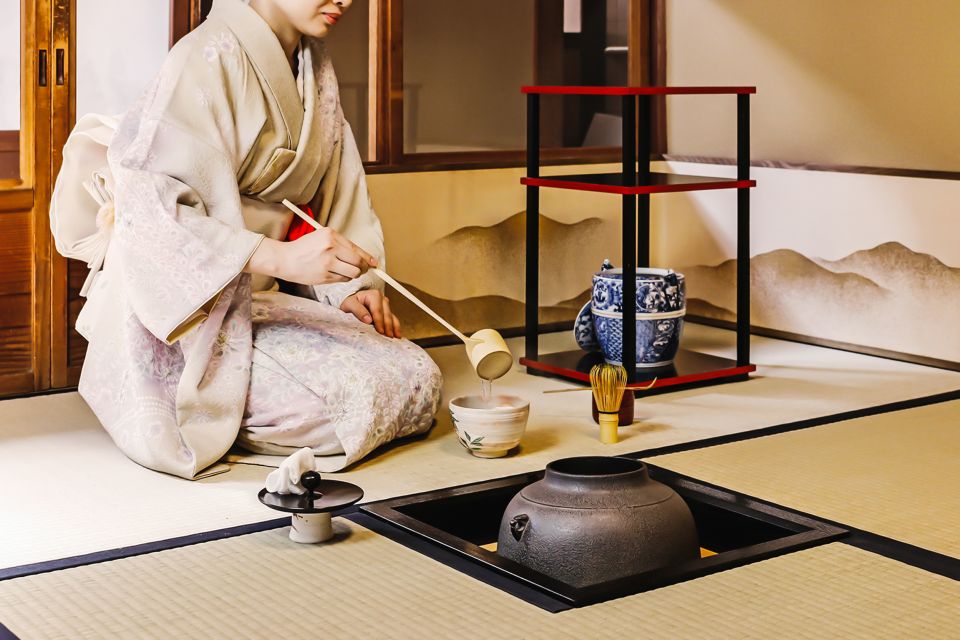
- Inside the tatami: watch, learn the rules, then make matcha
- The tea master’s matcha preparation
- Your turn: making tea according to the ceremony rules
- The two teas and the sweets: why the flavors matter
- Private vs public vs candlelight: choosing the right Kyoto mood
- Public ceremony: small group, beginner-friendly pacing
- Private ceremony: quiet, close attention
- Candle light ceremony: old Kyoto atmosphere after sunset
- Kimono add-on and the Nishijin textile photo moment
- Etiquette and the small rules you must not skip
- Price and value: $22 for a real lesson, not a demo
- Best ways to fit it into your Kyoto day
- Should you book Tea Ceremony Koto?
- FAQ
- FAQ
- How long is the Kyoto tea ceremony lesson?
- How much does it cost?
- Where is the meeting point?
- Do I need to be picked up at my hotel?
- What languages are available during the ceremony?
- What’s included in the experience?
- Can I wear a kimono?
- If I book kimono, when do I need to arrive?
- Is video recording allowed?
- What if I can’t sit on the floor comfortably?
Key highlights I’d plan around
- A licensed Urasenke host guides the ceremony using proper school-style customs
- You make matcha yourself after the tea master demonstrates preparation
- Two matcha flavors + sweets help you connect technique to taste
- Rule-focused etiquette coaching keeps the ceremony calm and respectful
- Private, public, or candlelight options change the vibe in real ways
- Kimono add-on + photo time adds Kyoto style without turning it into a costume show
Kyoto Tea Ceremony Koto: what you’re really paying for
At $22 for 45 minutes, you’re buying something more specific than a generic Kyoto activity: you’re buying instruction in how Japanese people actually perform tea. That matters, because tea ceremony basics aren’t just about fancy utensils. They’re about rhythm, respect, and tiny choices that change the cup.
This is a lesson where the tea master (English and Japanese) sets the pace and the standards. You’ll see the ceremonial preparation of matcha—powdered green tea—then you’ll get your hands involved and make tea following the rules. After that, you slow down with Japanese sweets and a final photo moment.
If you want a fast, forgettable photo-op, skip it. If you want a calm ritual with structure, this is a strong use of time in Kyoto.
You can also read our reviews of more tours and experiences in Kyoto.
Finding the place near Kinkakuji (easy with one solid tip)
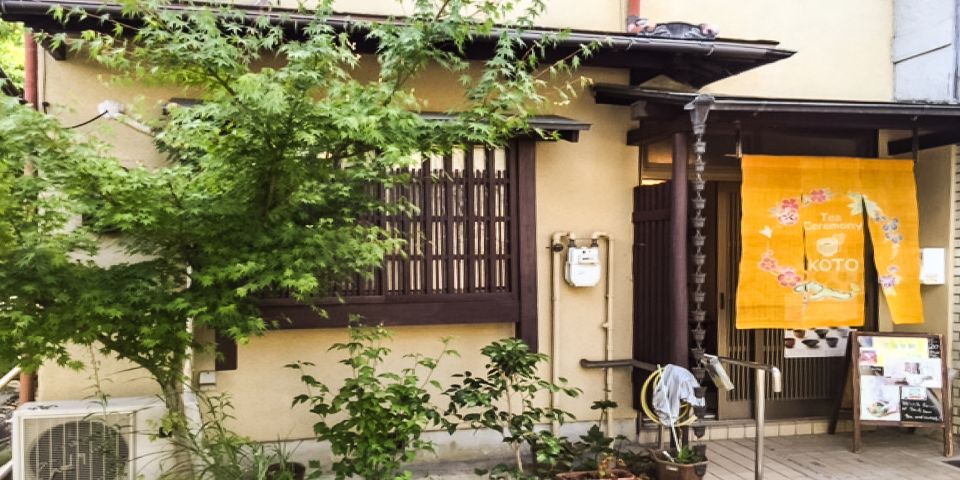
You meet at Tea Ceremony Koto by entering through the sliding door with the orange curtain. The location is close to Kinkakuji Temple, which is handy because you can treat this like part of a walking day instead of a separate mission.
Here’s the simple logistics:
- It’s about a 1-minute walk from the Kinkakuji-Michi city bus stop
- It’s roughly 10–15 minutes by bus 204 or 205 from Kitaoji subway station or JR Enmachi
- It’s also about a 1-minute walk from the gate of Kinkakuji-temple, with bicycle parking near the area
Practical tip: if you’re doing the kimono add-on, plan extra buffer. The experience requires you to arrive 20 minutes early for dressing, so you’ll want to build time for getting oriented without stress.
Inside the tatami: watch, learn the rules, then make matcha
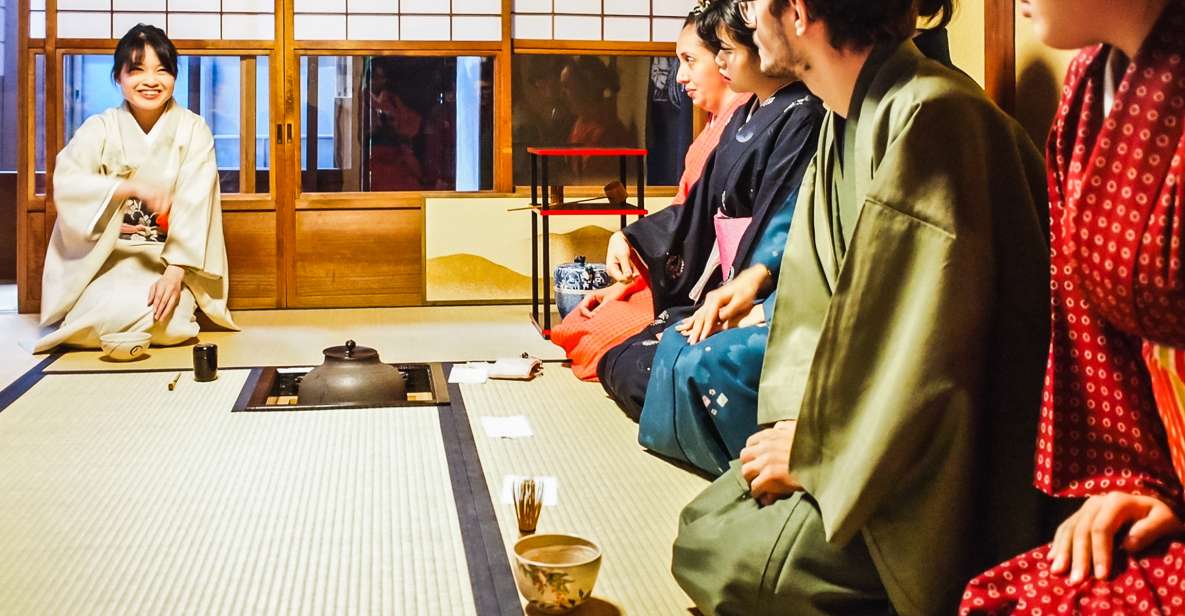
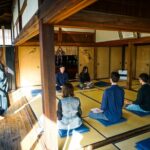
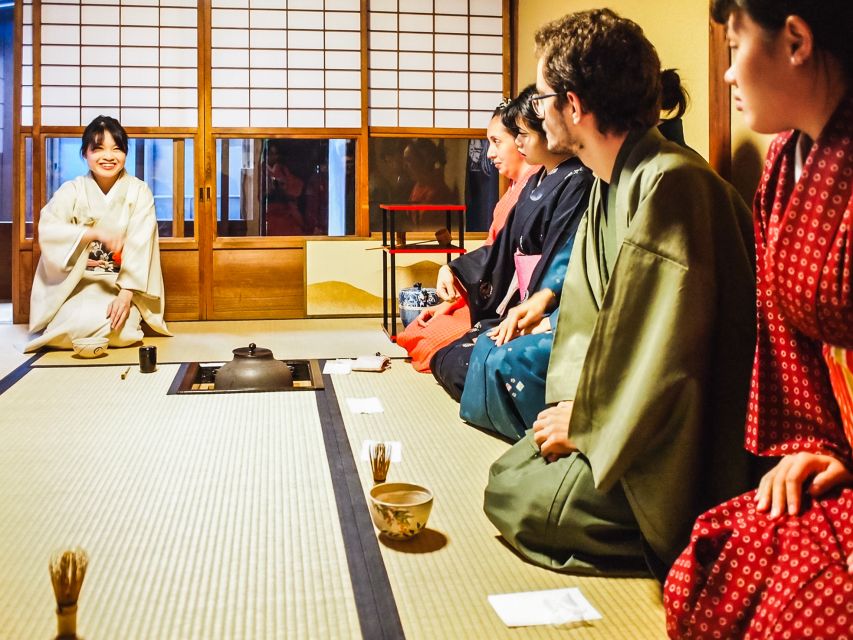
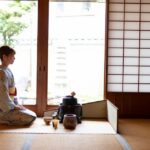
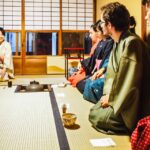
The ceremony starts with you placed on the tatami floor mats, where you’re met by your host. From there, it follows the classic rhythm: demonstration first, then your turn.
The tea master’s matcha preparation
You’ll begin by watching the host carry out matcha preparation in a ceremonial way. This isn’t just the how—it’s the why. The tea master explains the history and the spiritual role of the tea ceremony, and also talks about how different tea-making methods affect flavor.
That’s a big part of why this experience works. Tea ceremony can sound like a performance, but the structure is practical: each movement supports taste and respect in the same package.
Your turn: making tea according to the ceremony rules
Then it’s your job. You’ll learn how to make tea in line with the ceremony rules—so you’re not merely observing a finished product. You’ll follow the correct steps, and you’ll get feedback through the flow of the lesson.
You’ll also be tasting along the way. Included in the experience are two flavors of Japanese green tea, so you can compare the results instead of just memorizing steps.
One consideration: this lesson is 45 minutes. That’s long enough to learn, but short enough that you’ll want to listen closely during transitions. If you’re the type who asks tons of questions, keep the main ones ready so you don’t lose time.

The two teas and the sweets: why the flavors matter
After the main tea-making portion, you’ll enjoy traditional Japanese sweets. This matters more than it sounds. In tea ceremony, sweets aren’t random snacks—they’re part of the balance. They help set your palate so you can notice the tea’s character.
You’ll be offered 2 flavors of Japanese green tea as part of the lesson. The tea master also explains how each method affects taste, so you’ll understand what you’re experiencing instead of just thinking matcha is matcha.
If you usually find matcha bitter, don’t panic. People in the group have noted that the tea can be enjoyable even if they don’t normally love bitterness—often because the matcha quality and the way it’s prepared change the result.
Private vs public vs candlelight: choosing the right Kyoto mood
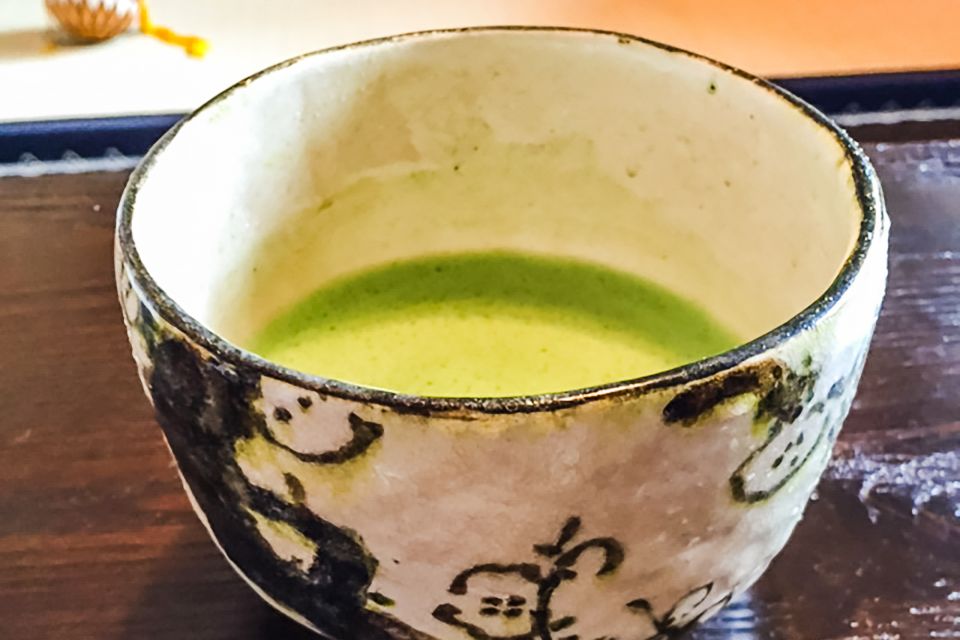
Tea Ceremony Koto offers three main session styles, and which one you pick can totally change the feel.
Public ceremony: small group, beginner-friendly pacing
The public option is designed for a social but still respectful experience. You join a small group and learn together, similar to how Japanese beginners might practice the basics.
This is a good choice if you want a little human energy in the room and don’t mind sharing attention with other learners.
Private ceremony: quiet, close attention
If you choose private, it’s just for your group. That’s ideal when you want close guidance and a slower rhythm—especially for couples, families, or anyone who prefers conversation-free focus.
Candle light ceremony: old Kyoto atmosphere after sunset
The candlelight option is built for evening calm. The goal is a peaceful ambiance in the spirit of old Kyoto, and it’s a unique way to experience the ceremony once the day cools down.
If you’re trying to design a Kyoto evening, candlelight can be the anchor activity. It also tends to suit people who want atmosphere over interaction.
Kimono add-on and the Nishijin textile photo moment
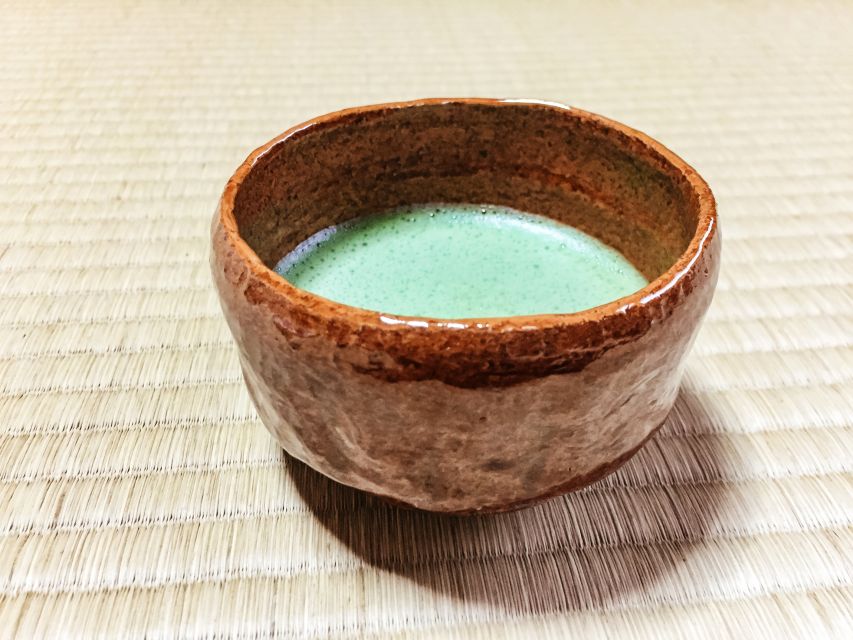
Want the full Kyoto look? You can add a kimono option during booking. If you do, you also get extra photo time and examples of woven textiles from Nishijin district after the ceremony.
A few practical points:
- There is no dress code for the basic activity
- Kimono is optional as an add-on
- If you reserve kimono, you must arrive 20 minutes early
- Photos are allowed after the ceremony, but video recording isn’t
Kimono can be a nice memory-maker in Kyoto, but I like it best as an add-on rather than the main event. Here, it supports the ceremony instead of replacing it.
Etiquette and the small rules you must not skip
This tea experience is “thin tea” style, and it’s the real deal rather than a watered-down version made for tourists. That means they take rules seriously—and you’ll have a better time if you show up already knowing the basics.
Before you go, check the Do’s and Dont’s info here:
10 online lessons to check before joining Japanese Tea Ceremony
You’ll also find short videos on what not to do during the tea ceremony. If you watch them, you’ll feel more relaxed on arrival because you won’t be guessing.
Also note:
- Video recording is not allowed
- If sitting on the floor is hard for you, tell the supplier ahead of time—chairs can be provided
If you’re nervous about etiquette, this is actually a good sign. A ceremony that’s rule-based gives you a clear script for respect.
Price and value: $22 for a real lesson, not a demo
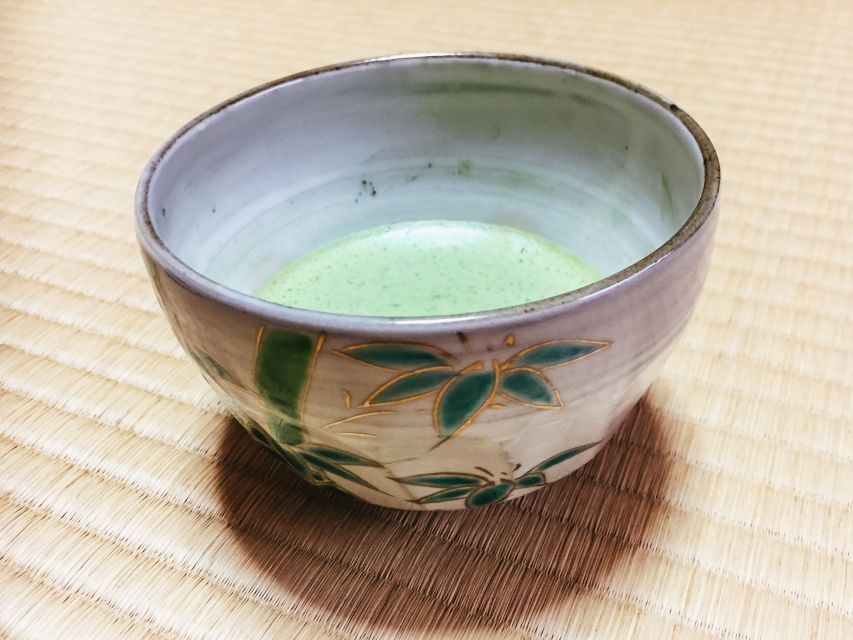
Let’s talk value without pretending $22 buys perfection. It buys a short but structured lesson with a licensed tea master, including:
- Two flavors of green tea
- Traditional Japanese sweets
- A watch-then-participate format
- Optional kimono and photo moments (if you pay the add-on)
The experience is 45 minutes, which is important. In Kyoto, you don’t always want an activity that eats half your day. This is designed for people who want culture with good pacing.
Also, you’ll be getting the proper thin-tea format rather than a simplified version. That’s the kind of difference that can make this feel like a bargain—especially when the host is guiding the ceremony carefully and you’re actively making tea yourself.
Best ways to fit it into your Kyoto day
Because it’s near Kinkakuji, this works well when you’re already planning a stop in that area. It’s easy to build a half-day around it:
- morning or afternoon sightseeing at Kinkakuji
- tea ceremony later when your schedule allows
- if doing candlelight, shift it toward early evening
Candlelight sessions after sunset can be a smart choice if you want one Kyoto activity that feels like a throwback. And private sessions can also work well when your day includes a lot of walking—less group time stress, more instruction time.
If you’re juggling multiple Kyoto stops, treat the tea ceremony like the one thing that should not become optional. Arrive on time. Listen closely. You’ll get more out of it.
Should you book Tea Ceremony Koto?
Book it if you want:
- a real Kyoto tea ceremony lesson with rules, not a performance with no participation
- instruction from a licensed Urasenke tea master
- the chance to make matcha yourself and taste two matcha flavors plus sweets
- a calm activity that doesn’t require rushing through ten things
Skip it if you:
- only want the cheapest photo opportunity
- hate sitting on the floor and didn’t plan for possible chair support
- need a long, open-ended experience with lots of free time and spontaneous pacing
If you want one Kyoto cultural activity that feels grounded and teachable, this is a solid pick. Plan a little buffer, watch the do’s and don’ts first, and you’ll walk away with more than a souvenir cup—you’ll understand the ceremony’s logic.
FAQ
FAQ
How long is the Kyoto tea ceremony lesson?
It lasts 45 minutes.
How much does it cost?
It costs $22 per person.
Where is the meeting point?
You enter from the sliding door with the orange curtain at the building. It’s about a 1-minute walk from the gate of Kinkakuji-temple and near the Kinkakuji-Michi city bus stop.
Do I need to be picked up at my hotel?
No, hotel pick-up is not included.
What languages are available during the ceremony?
The instructor speaks English and Japanese.
What’s included in the experience?
You’ll receive two flavors of Japanese green tea and traditional Japanese sweets.
Can I wear a kimono?
Yes, kimono can be selected as an add-on during booking. There is no dress code if you choose not to.
If I book kimono, when do I need to arrive?
You need to arrive 20 minutes early if you reserve the kimono add-on.
Is video recording allowed?
No, video recording is not allowed.
What if I can’t sit on the floor comfortably?
If you might have difficulty sitting on the floor, inform the supplier and they can provide chairs.