REVIEW · KYOTO
Kyoto Gion Cultural Walk & Geisha Show with Dining Options
Book on Viator →Operated by Ken's Tours Kyoto · Bookable on Viator
Kyoto’s Gion feels different after dark. This 3-hour cultural walk blends Gion highlights with a maiko (apprentice geisha) dance show and Q&A, led by a guide so you don’t wander in circles. I love how the stops teach you what you’re actually seeing—kabuki origins, Shinto shrines, and Zen temples—so the district clicks fast. One thing to watch: if you choose the dining add-on, set expectations early since meal value can feel hit-or-miss versus the overall price.
This is built for small groups (max 9), which matters in a place where space is tight and etiquette is real. Guides such as Ken, Akari, and Kenta are repeatedly praised for clear explanations and for making time for questions during the meeting and performance. If you’re hoping for a relaxing, very slow stroll with lots of seating, this may feel more active than you want.
In This Review
- Key points that make this tour worth your time
- Walking Gion With a Guide Who Explains What You’re Seeing
- Statue of Izumo-no-Okuni: Kabuki’s Surprisingly Feminine Start
- Minamiza Theater: Old Architecture and a Theater Story You Can Picture
- Gion Shirakawa and Hanamikoji Street: Seeing the District’s Real Shape
- Tatsumi-jinja Shrine and the Shinto Lens (8 Million Gods, Real Atmosphere)
- Kennin-ji Temple: Zen Buddhism Built in 1202
- Zenkyoan (Marishitendo) and the Boar Guardians for Luck and Safety
- The Maiko Meeting and Geisha Show: Dance, Q&A, and Real Etiquette
- Price and Dining Options: When It’s a Great Value vs. When to Be Careful
- Who Should Book This Kyoto Gion Walk (and Who Might Skip)
- Should You Book This Kyoto Gion Cultural Walk & Geisha Show?
- FAQ
- How long is the Kyoto Gion Cultural Walk and Geisha Show?
- Where does the tour start?
- Where does the tour end?
- What’s included in the tour?
- Is the geisha show a performance only, or is there Q&A?
- Do I need to pay entry fees at all stops?
- Is there a limit on group size?
- Is the tour near public transportation?
- Is the tour suitable for people with leg problems?
- Can I cancel for a full refund?
Key points that make this tour worth your time
- Small group size (up to 9) keeps Gion viewing and Q&A from feeling rushed
- Guide-led context turns landmarks into real cultural meaning, not just photos
- Maiko meeting plus 45-minute show with conversation time you can actually use
- Gion Shirakawa + Hanamikoji Street give you the classic Kyoto streetscape look
- Stops tie culture together (kabuki roots, Shinto, Zen, and Gion traditions)
- Temple admissions are limited: some sites are free, while Kennin-ji and Zenkyoan may cost extra
Walking Gion With a Guide Who Explains What You’re Seeing
Gion is one of those Kyoto areas where you can easily “do the sightseeing” and still miss the point. This tour fixes that with a guided route that links everyday street details to big cultural ideas. You’ll spend the main walking chunk in Gion and nearby landmarks, and the guide keeps the pace friendly while still covering a lot of ground.
What I like most is that the commentary is not just trivia. You get the why behind the visuals: why the theater world connects to geiko culture, what Shinto practices look like in the landscape, and how Zen thinking shows up in temple spaces. When you understand even a few threads, Gion stops feeling like a themed zone and starts feeling like a living district with layered history.
You’ll also benefit from the basic practical structure. The route includes major photo-worthy areas like Gion Shirakawa and Hanamikoji Street, but you’re not left to guess where to go next. The guide handles that, which is a huge relief when you’re trying to enjoy Kyoto instead of solving it.
You can also read our reviews of more tours and experiences in Kyoto.
Statue of Izumo-no-Okuni: Kabuki’s Surprisingly Feminine Start
The walk begins at the Statue of Izumo-no-Okuni, and that’s a smart choice. It’s not just a random statue stop. You get a quick lesson on kabuki’s origin story—specifically the early involvement of women in theater performance.
This matters because many visitors assume the final modern form was always the standard. Instead, you learn that the beginnings were different, and that tradition in Japan often evolves rather than arriving fully formed. If you’ve only ever seen kabuki as a male-only world, this stop gives you a clean baseline before you even look deeper into the geiko/geisha ecosystem.
This stop is also listed as ticket-free and short, so it doesn’t eat into the walking time you actually came for.
Minamiza Theater: Old Architecture and a Theater Story You Can Picture
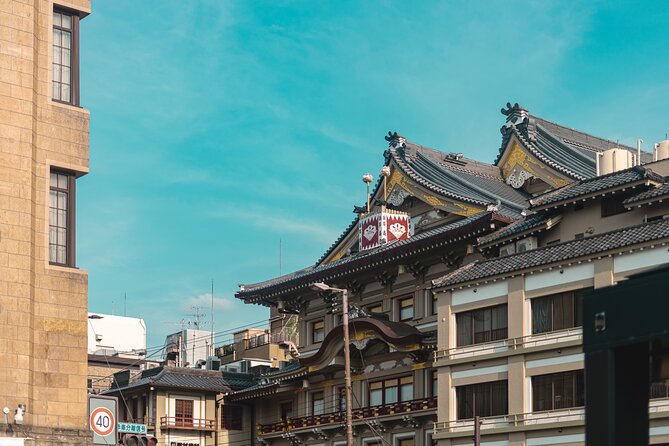
Next is Minamiza Theater, where you’re nudged to look at the building itself. The point here isn’t a museum-style lecture. It’s learning to notice how theater architecture signals importance—space, materials, and the overall feel of performance culture.
The tour description also mentions a connection between VR and kabuki, which tells you the guide will likely bridge old and new in a way you can grasp while you stand in front of an actual historic stage environment. Even if you’re not a tech person, the connection is useful: it’s a reminder that performance traditions keep finding new ways to reach audiences.
Another plus: this stop is short and ticket-free, so you’re not waiting around for long entries. You’re moving, learning, and keeping the evening’s momentum.
Gion Shirakawa and Hanamikoji Street: Seeing the District’s Real Shape
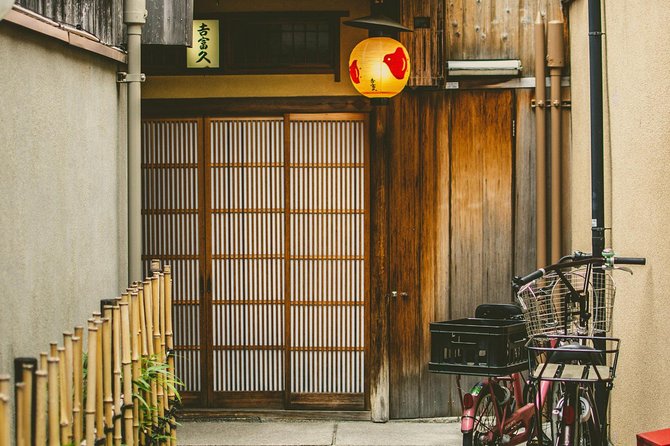
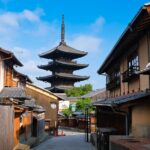
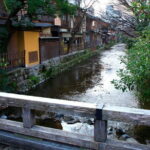
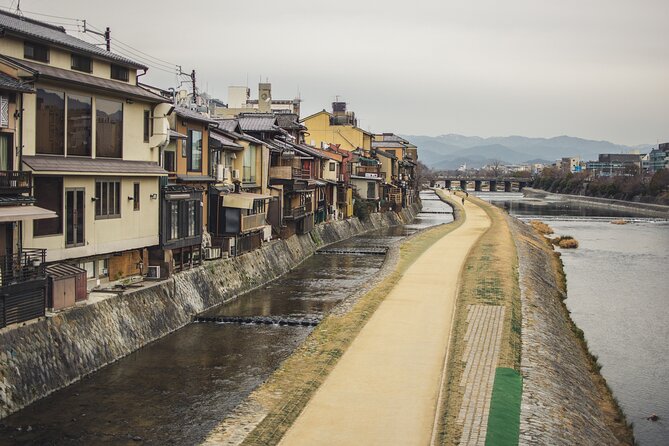
Now you get the Kyoto you came for. Gion Shirakawa is described as the largest geisha district area, and it’s also framed as the most beautiful stretch—old-fashioned streets, traditional buildings, and a riverside vibe. In practical terms, this is where the lighting, angles, and scenery often look best, especially as the light fades.
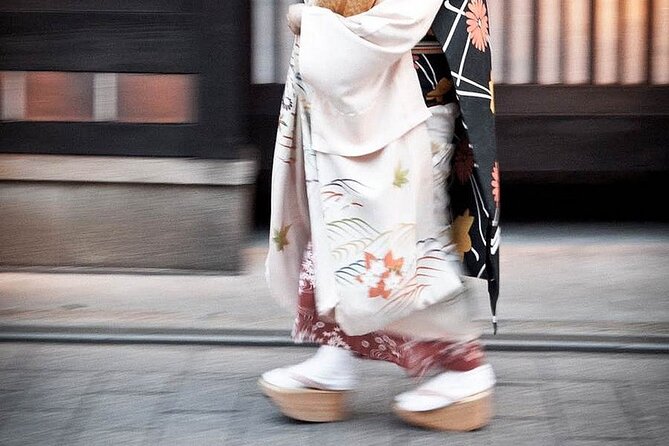
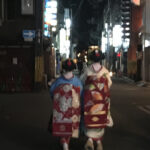
Then you hit Hanamikoji Street, the main artery of Gion. This is the place where you might spot geisha walking around if you’re lucky. More importantly, you learn what you’re looking at: how the street’s layout and shopfront choices relate to the district’s role in nightlife, performance culture, and social life.
Here’s the practical mindset I’d use: don’t treat this as a hunt. You’re walking with a guide who controls timing and keeps you on appropriate paths, which is the respectful way to enjoy the street. If you do catch sight of someone in traditional attire, you’ll be able to appreciate what you’re seeing because you’ve already been taught the basics of the culture behind the look.
Both of these street stops are also short and ticket-free, so they work well as “high impact” moments early in the tour.
Tatsumi-jinja Shrine and the Shinto Lens (8 Million Gods, Real Atmosphere)
The route then pivots to religion, and that’s where this tour gets more interesting than the average Gion walk. At Tatsumi-jinja Shrine (Tatsumi Dai-myojin), the guide explains Shinto in a very Kyoto way—native Japanese religion, grounded in shrines and the feeling that the world is full of presence.
The shrine stop notes the idea that Japan has 8 million gods. You don’t need to memorize the number to benefit from the concept. It’s a way to understand why shrines matter even when they look small or quiet. They’re not just decorative; they’re part of a belief system woven into daily life.
This stop also fits the pacing. It’s long enough to absorb the atmosphere (15 minutes), but short enough that you still feel the tour building toward the evening’s highlight.
Kennin-ji Temple: Zen Buddhism Built in 1202
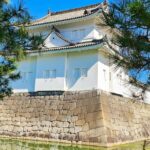
After Shinto, you step into Zen Buddhist space at Kennin-ji Temple. The tour notes Kennin-ji was built in 1202, which gives you an instant anchor for scale. This isn’t “old as in Instagram,” it’s old as in, someone has been practicing and building community here for centuries.
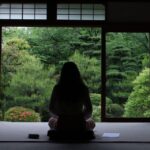
The guide discusses Zen Buddhism, which helps you understand why temples feel calm in a way that’s not accidental. Even if your brain doesn’t fully grasp Zen concepts on a first night in Kyoto, you’ll at least walk away with better language for what Zen aims to cultivate: disciplined mind, simplicity, and attention.
One practical note: this stop is listed as admission ticket not included. So if you’re sensitive to extra costs, keep a little buffer. It’s also why I like having a guided route—someone else is handling the flow so you can just decide on the spot whether the entry is worth it for you.
Zenkyoan (Marishitendo) and the Boar Guardians for Luck and Safety
From Kennin-ji you move to Zenkyoan, a Kennin-ji subtemple in Gion. This is the kind of stop that rewards paying attention. The description calls out boar guardians, luck, and safety—details that make the temple feel like it has specific character rather than being “yet another temple.”
Marishitendo is a named site here, and boar guardian imagery is often memorable because it’s not generic. You leave with a clear sense that Japanese religious spaces can be playful, protective, and visually specific at the same time.
Like Kennin-ji, this stop lists admission ticket not included. So again, expect possible on-the-day fees. The tradeoff is that subtemple stops like this tend to feel more personal and less crowded than big headline temples.
The Maiko Meeting and Geisha Show: Dance, Q&A, and Real Etiquette
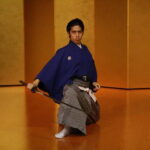
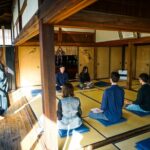
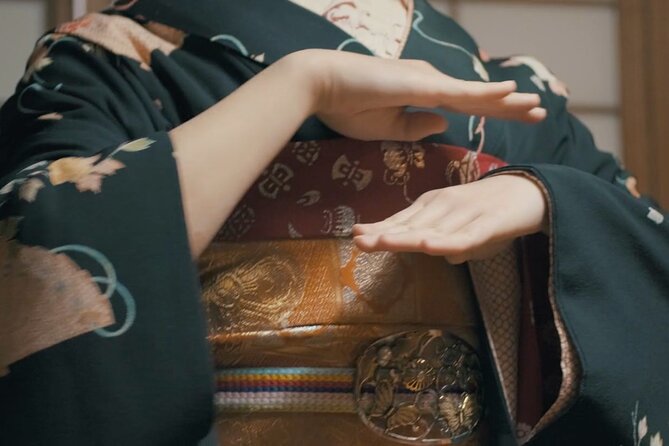
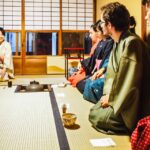
The finale is the reason most people book: the 45-minute geisha meeting and show with an apprentice geisha (maiko). You’ll watch a dance performance with one or two songs, and you’ll have Q&A time. That question time is the difference between seeing a performance and actually learning how the system works.
In a small group (max 9), the Q&A tends to feel more like conversation than a lecture. This is also where your guide’s role matters. Good guides help you frame questions respectfully and translate what’s being said so you get the meaning, not just the surface words.
If you’re hoping to meet and talk with an apprentice geisha, this is the format that makes that possible. Just remember that this is cultural practice, not a stage-managed selfie moment. Being calm, polite, and ready to listen will make your experience better.
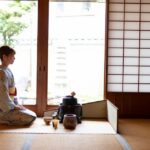
A couple more practical details based on what’s been described by guests: tea is often part of the meeting moment, and photos may be subject to requests. In other words, be ready to enjoy the moment with your eyes first and treat posting images as a possible no-go.
Price and Dining Options: When It’s a Great Value vs. When to Be Careful
At about $121.37 per person for a 3-hour guided evening, this is not a budget activity. The value comes from combining three things that are usually separate purchases: a guided Gion walk, a structured cultural education, and a dedicated maiko meeting + dance show.
So what makes it worth the money?
- You’re not just walking. The stops are chosen to connect theater (kabuki) with cultural traditions (Shinto and Zen).
- You get guided navigation through Gion’s busiest streets.
- You get a show and Q&A focused on apprentice geisha life, not just a quick performance glance.
- The group stays small, which is the “quiet luxury” factor here.
What makes it potentially frustrating is the dining add-on. The experience name includes dining options, and guests have described both a family-style meal with multiple choices and, in at least one case, disappointment about how filling it felt for the added cost. My advice: if dining is important to you, treat the meal as an add-on bonus, not your guaranteed “big dinner.” If you’re a hearty eater, plan a proper snack before the tour or have a backup plan after.
In Kyoto, you can often find great food everywhere, so don’t let one meal choice lock your whole night.
Who Should Book This Kyoto Gion Walk (and Who Might Skip)
This is a strong pick if you:
- Want a structured, guided introduction to Gion and the geiko/geisha world
- Like context—why shrines and temples matter, not just where they are
- Enjoy Q&A and short guided cultural talks instead of free-time chaos
- Prefer small groups (max 9) in busy areas
It might be less ideal if you:
- Have leg problems or mobility limits. The route is a walking experience and is not recommended for travelers with leg issues.
- Want a relaxed, sit-down-only evening. The tour is active, and the schedule is built around multiple stops plus a show.
Also, if you’re traveling during the kind of evening where crowds are heavy, the guided flow helps. You’ll spend less time stuck and more time learning.
Should You Book This Kyoto Gion Cultural Walk & Geisha Show?
I’d book it if your goal is cultural understanding plus a real chance to ask questions during a maiko meeting. The combination of Gion streets (Gion Shirakawa and Hanamikoji), cultural teaching stops (kabuki origin, Shinto, Zen), and then a dedicated dance show with Q&A makes this feel like a complete evening, not a quick sightseeing checkbox.
I’d think twice if dining is the main reason you booked. Choose the tour for the walk and the maiko show first, and treat meals as a bonus that may vary in how satisfying it feels for your appetite.
If the weather looks sketchy, also keep an eye on plans—this experience requires good weather, and it can be shifted or refunded if the day can’t safely run.
In short: for most Kyoto visitors, this is a standout “Gion with meaning” experience.
FAQ
How long is the Kyoto Gion Cultural Walk and Geisha Show?
The tour runs about 3 hours.
Where does the tour start?
It starts at the Statue of Izumo-no-Okuni in Kawabatacho, Higashiyama Ward, Kyoto.
Where does the tour end?
It ends in a different location than the start point.
What’s included in the tour?
You get 1.5 to 2 hours of guiding in Gion and a 45-minute geisha meeting and show with an apprentice geisha.
Is the geisha show a performance only, or is there Q&A?
There is both a dance performance and a Q&A portion during the meeting.
Do I need to pay entry fees at all stops?
Some stops are listed as free admission, while Kennin-ji and Zenkyoan note that admission tickets are not included.
Is there a limit on group size?
Yes. The tour has a maximum of 9 travelers.
Is the tour near public transportation?
Yes, it is near public transportation.
Is the tour suitable for people with leg problems?
No. It is not recommended for travelers with leg problems.
Can I cancel for a full refund?
You can cancel for a full refund if you cancel at least 24 hours in advance. If you cancel less than 24 hours before the experience starts, the amount paid is not refunded. If the tour is canceled due to poor weather, you’ll be offered a different date or a full refund.