REVIEW · KYOTO
Private Kyoto Tour with Licensed Guide & Vehicle (Max 15 persons)
Book on Viator →Operated by Japan Guide Agency · Bookable on Viator
Kyoto can feel like a maze when you are rushing. This private tour gives you door-to-door transfers and a licensed English guide, so you can hit several top sights in one smooth day. I love the flexibility to pick your 3–4 stops, and I love how short drives replace tricky subway-and-bus routes. The trade-off: entrance fees and lunch are on you, so you’ll want a plan (and a little cash).
The best part is how fast the day turns into real Kyoto: torii gates at Fushimi Inari, tea-and-temple vibes around Higashiyama, and a change of scenery whenever you want. Just keep expectations realistic—most stops are brief, so this is more about “see the highlights your way” than slow wandering.
In This Review
- Key things I like about this private Kyoto setup
- Private Kyoto day trips: why the vehicle saves your energy
- Price and value: what $634.72 per group really buys you
- How the licensed English guide shapes your day (in a good way)
- Your 6-hour flow: what 3–4 short stops feels like
- East Kyoto icons: Fushimi Inari, Nijo Castle, and the imperial side
- Fushimi Inari-taisha Shrine (typical short guided stop)
- Nijo Castle (UNESCO, built for Tokugawa Ieyasu)
- Kyoto Imperial Palace (Kyoto’s former imperial residence)
- Shugakuin Imperial Villa (upper, middle, lower villa)
- Higashiyama vibe day: Gion, Nishiki Market, Kiyomizu-dera, Pontocho
- Gion (Geisha district alleyways)
- Nishiki Market (Kyoto’s Kitchen)
- Kiyomizu-dera (popular temple; guided 1-hour portion)
- Pontocho (dining alley by the Kamogawa River)
- Higashiyama Ward (historic district)
- Kennin-ji Temple (near Hanamikoji and Shijo)
- Temple and zen stop picks: Ginkakuji, Nanzenji, Tofukuji, Toji
- Ginkakuji (Silver Pavilion)
- Nanzenji Suirokaku (spacious Zen grounds)
- Tofuku-ji (Zen temple; famous for autumn colors)
- Toji (East Temple; early Heian period roots)
- Northern and famous-name classics: Kinkakuji, Ninna-ji, and Ryoanji’s rock garden
- Kinkakuji (Golden Pavilion)
- Ninna-ji (UNESCO World Heritage; Shingon head temple)
- Ryoan-ji (Japan’s most famous rock garden)
- Arashiyama and Sagano: Tenryuji, Katsura Imperial Villa, Daikakuji
- Arashiyama (western outskirts; long Heian-era appeal)
- Tenryuji (world heritage; top Zen temple in Arashiyama)
- Katsura Imperial Villa (garden and architecture design)
- Daikakuji (detached palace of Emperor Saga)
- Northern mountains in miniature: Kibune River and Kurama-dera
- Kibune River (forested valley; Kifune Shrine link)
- Kurama-dera (temple plus hot spring connection)
- Small add-on stops that work as “time fillers”
- Who this tour fits best (and who should be cautious)
- Should you book this private Kyoto tour?
- FAQ
- What’s included in the tour?
- Are entrance fees and lunch included?
- How long is the private tour?
- Can I choose which places we visit?
- Is this tour only for my group?
- What is the cancellation window?
Key things I like about this private Kyoto setup
- Private vehicle first, so you avoid the I-didn’t-realize-that-bus-is-not-this-bus feeling
- Licensed English guide, with enough local context to make temples and streets click
- Pick 3–4 sites, instead of getting locked into one big fixed route
- Vehicle parking help, which matters a lot in crowded, narrow areas
- A day that fits multiple moods, from markets to formal imperial settings
- Real crowd awareness, since some of the biggest sights (like Kinkaku-ji) can be packed
Private Kyoto day trips: why the vehicle saves your energy
Kyoto is beautiful, but it can also be stressful. The subway and local bus system can be confusing for first-timers, and even when you know what you want to see, timing matters. This tour is built around a private vehicle and a licensed guide, so the “how do I get there?” question disappears. You also get pickup offered and mobile ticketing, which helps the day feel organized from the first minute.
In practice, that means you spend your limited time on temples, markets, and historic streets—not figuring out transfers. You’ll also get more control over pacing. One family can enjoy photo stops; another might want fewer stairs or more breaks. The tour is designed to be adjusted around your preferences, not around a rigid group schedule.
The other energy-saver: since the guide travels with you, you get context during transit and at each stop. That makes the sights feel connected, not like a checkbox list.
You can also read our reviews of more tours and experiences in Kyoto.
Price and value: what $634.72 per group really buys you
The price shown is $634.72 per group (up to 2) for about 6 hours. On paper, that can sound steep. But you are not paying for a long bus ride and a scripted walking loop. You’re paying for a private vehicle, a licensed English guide, and a focused day route where you choose 3–4 sites.
Here is the value angle that tends to matter most:
- If you’re traveling as two people, you usually feel less “splitting cost” pressure than a group tour.
- You reduce wasted time between far-apart areas. Kyoto’s top sights are not clustered like some European cities.
- Your guide handles the practical details—where to stand, what order makes sense, and what to prioritize in the time you have.
One honest catch: entrance fees are not included, and lunch is not included. If you pick several paid temples/castles, that cost will add up. Another consideration: the guide entry fees are only covered for sights in the core set you choose, so if you add extra paid areas beyond those, expect additional tickets.
How the licensed English guide shapes your day (in a good way)
A private guide can be hit-or-miss anywhere. Here, the standout theme is that guides vary by personality, but the best ones are active problem-solvers. Some guides keep things lively and funny. Others are detail-heavy and photo-focused. Many are flexible with pacing.
You can see this range in guide examples from the experience team: Michi, Noriko, Yuka, Haru, Hiroko, Olive (Miwako), Ken, Chiyuki, Kaori, and Shuji have all been mentioned by name. The common thread is practical help—tailoring the day, guiding you through crowded areas, and answering questions without making you feel rushed.
One review-style detail that matters for you: one guide even stayed past the scheduled end to help with lunch food preferences. Another guide helped plan a route for someone who wanted less walking and fewer stairs. That tells you this tour can adapt when you communicate what you need.
Still, there is one possible drawback: if you and the guide are not aligned early, the day can feel less customized than you hoped. I’d treat this as a simple planning step: tell your guide your must-sees and your no-thanks the moment the day starts.
Your 6-hour flow: what 3–4 short stops feels like
Most stops on this kind of tour are relatively short. Expect quick guided viewing, walking through key areas, and time for photos—often around 15 minutes per stop, with a couple of shorter options (like 5 minutes at certain spots). That’s why this works so well for a first visit: you get a wide snapshot without spending half the day in transit.
It also helps you choose what kind of Kyoto day you want:
- “Icon sights” day: Fushimi Inari + Kinkaku-ji + Kiyomizu-dera type picks.
- “Neighborhood Kyoto” day: Gion + Nishiki Market + Pontocho + Higashiyama.
- “Zen and gardens” day: Ginkakuji + Nanzenji + Ryoanji + Tenryuji (depending on your picks and time).
East Kyoto icons: Fushimi Inari, Nijo Castle, and the imperial side
If you want the Kyoto people think about first, start here. This cluster tends to be where the tour delivers its wow factor fast.
Fushimi Inari-taisha Shrine (typical short guided stop)
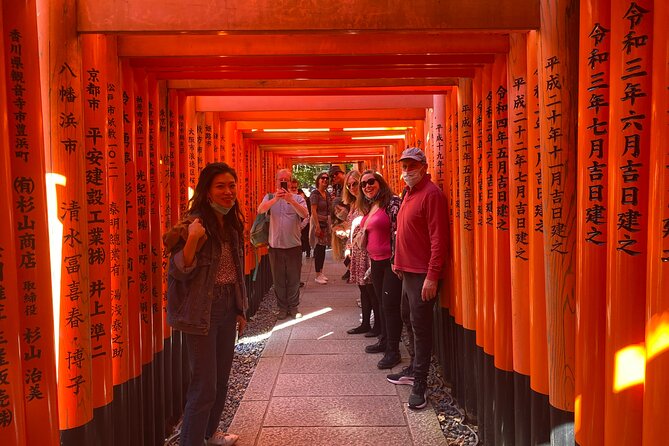
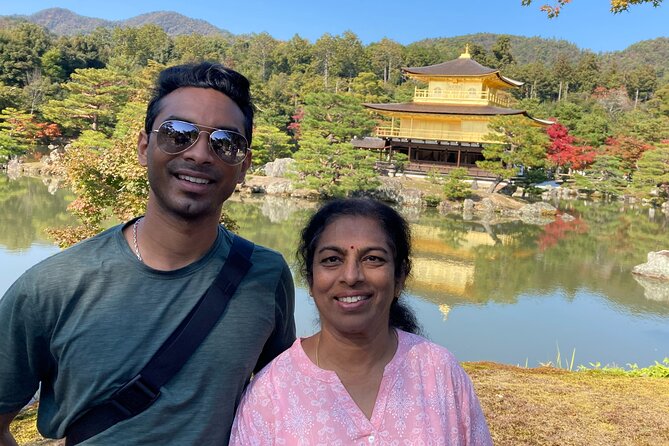
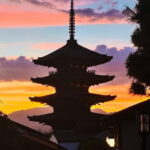
Fushimi Inari is the torii-gate Kyoto everyone recognizes, but the tour’s pitch includes something extra: you can see an area described as off-limits to ordinary tourists. Even if you only have a short window, this stop is a strong use of time because it is visually iconic and easy to understand quickly with a guide.
What to watch for: it’s still a popular shrine, so narrow paths and photo pauses can slow a group. A guide helps keep your timing smart.
Nijo Castle (UNESCO, built for Tokugawa Ieyasu)
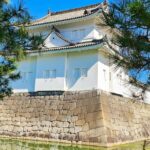
Nijo Castle is described as a UNESCO World Heritage site and was built in 1603 as the Kyoto residence of Tokugawa Ieyasu, linked to the Edo Period. This stop gives you “Kyoto as power center,” not just pretty temples.
The practical drawback: tickets are not included, so add time and cost budgeting into your plan. Also, since the stop is short, prioritize what you want most—exterior pacing versus interior viewing.
Kyoto Imperial Palace (Kyoto’s former imperial residence)
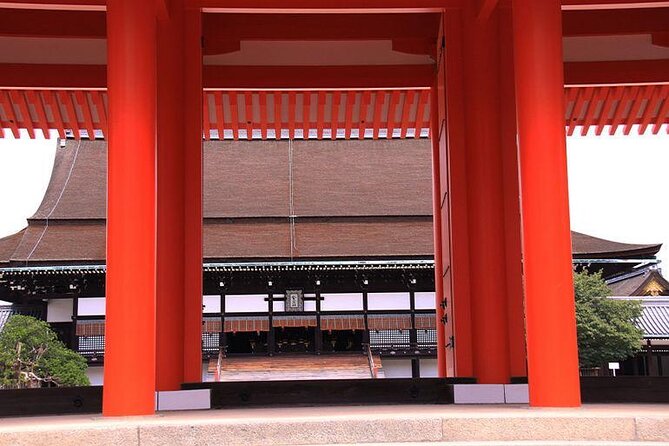
The Kyoto Imperial Palace is tied to Japan’s imperial household history and the era before the capital moved from Kyoto to Tokyo in 1868. If you’re tired after too many temple steps, this kind of site can feel more spacious and formal.
Like other major paid stops, expect additional tickets not included. But the payoff is a different angle on Japanese history than you get from shrine alleys.
Shugakuin Imperial Villa (upper, middle, lower villa)
This is a more “imperial gardens” style stop. The villa is described as having Upper, Middle, and Lower Villa areas and being managed by the Imperial Household Agency. If you like calm, landscaped spaces over market chaos, this can be a great contrast.
Trade-off: because it’s not always a quick stroll, it can eat into your “3–4 sites” time if you choose it without considering how many other paid stops you want.
Higashiyama vibe day: Gion, Nishiki Market, Kiyomizu-dera, Pontocho
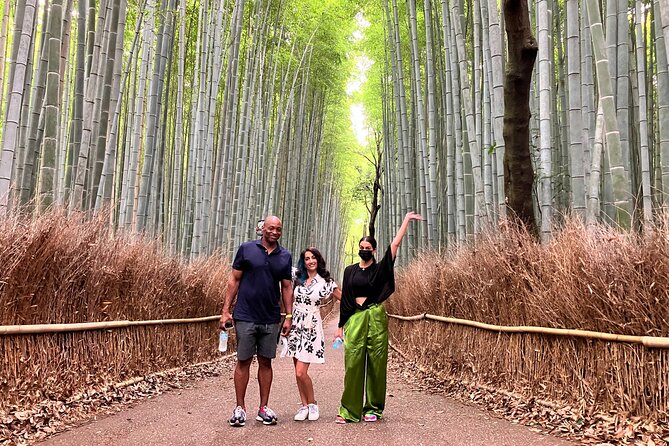
This is the Kyoto day most people picture: alleyways, snack stops, and temples on the slope.
Gion (Geisha district alleyways)
Gion can be daunting to navigate on your own because it’s easy to wander in circles. With a guide, you get help finding your way and spotting what matters in the short time you have. The stop is described as exploring narrow alleys of the Geisha District.
One consideration: Gion is visually small-scale and crowded at peak times, so short visits work best. If your goal is long, slow strolling, you might feel slightly “time boxed.”
Nishiki Market (Kyoto’s Kitchen)
Nishiki Market is described as a narrow five-block shopping street with more than one hundred shops and restaurants, often called Kyoto’s Kitchen. This stop is ideal when you want Kyoto to feel like a place you could actually live in—food smells, quick bites, and lots to look at.
Tickets are not required here (so it’s a good way to keep entrance fee costs down). The main downside is that it is lively, so if you’re sensitive to crowds, time your shopping for when you are ready to push through.
Kiyomizu-dera (popular temple; guided 1-hour portion)
Kiyomizu-dera is described as one of Kyoto’s most popular temples, and the tour information includes a guided tour portion of about 1 hour. That extra time matters because it gives you a better chance to actually understand what makes the site special, not just walk past it.
Entrance is not included, so budget for tickets. Also, because it’s popular, expect busy conditions in many seasons. A guide can help you get to the key viewpoints efficiently.
Pontocho (dining alley by the Kamogawa River)
Pontocho is described as an atmospheric dining area: a narrow alley running from Shijo-dori to Sanjo-dori, one block west of the Kamogawa River. Even in daylight, it’s a fun change of pace between temples and markets.
This is a perfect “photo and atmosphere” stop. The only drawback is that it’s more of a street experience than a ticketed attraction, so if you want a lot of structured viewing, pair it with a major temple.
Higashiyama Ward (historic district)
Higashiyama is described as one of Kyoto’s best preserved historic districts along the lower slopes of the eastern mountains. This is where the tour helps you see that “old Kyoto” feeling without spending your whole day figuring out the right lanes.
It is also a good base area for a walking-forward itinerary. The flip side is that walking can add up. If you have limited mobility, tell your guide early so they can shape your stop choices.
Kennin-ji Temple (near Hanamikoji and Shijo)
Kennin-ji is described as near the bustle of Hanamikoji and Shijo streets, with expansive, pleasant grounds and dry landscape gardens. It’s a helpful stop when you want something calmer without going too far out.
This one tends to work well as a short “breather,” especially if your day already includes busy market and street areas.
Temple and zen stop picks: Ginkakuji, Nanzenji, Tofukuji, Toji
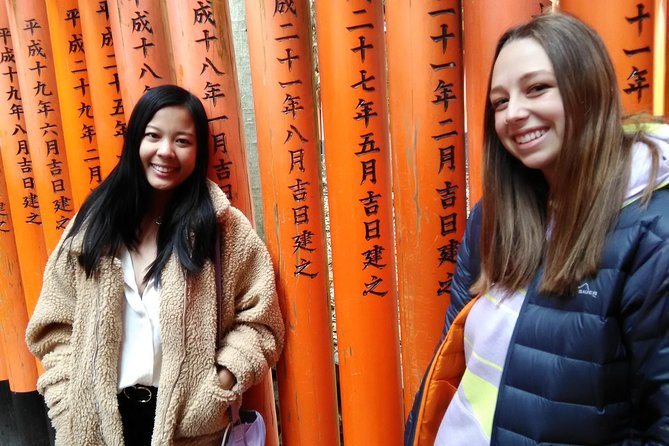
If you care about Buddhist architecture and garden design, this stretch is for you.
Ginkakuji (Silver Pavilion)
Ginkakuji is described as a Zen temple in Higashiyama, sometimes called the Silver Pavilion. It’s also tied to shogun Ashikaga Yoshimasa, with a villa-style origin and modeling after Kin—meaning it has that “paired aspiration” story with nearby golden counterparts.
Entrance fees are not included, so budget accordingly. Time is also tight in a 6-hour day, so focus on what you most want to see rather than trying to check everything.
Nanzenji Suirokaku (spacious Zen grounds)
Nanzenji Suirokaku is part of Nanzenji’s broader setting at the base of the forested Higashiyama mountains. It’s described as one of Japan’s most important Zen temples and a head temple of one of its Zen lineages.
This is a great contrast stop if you’ve had your fill of narrow streets. The caution: you’ll want your guide’s pacing help so the grounds don’t feel like they swallowed your time.
Tofuku-ji (Zen temple; famous for autumn colors)
Tofuku-ji is described as a large Zen temple in southeastern Kyoto and particularly famous for autumn colors. Even outside peak foliage, it can still offer a more “proper temple complex” feel than a quick alley stop.
Again: ticket cost is not included. Also, because it’s a larger temple, a short visit can feel like tasting rather than seeing.
Toji (East Temple; early Heian period roots)
Toji was founded around the early Heian Period after Kyoto became the capital in the late 700s, and it’s described as a large temple. This is a classic Kyoto anchor when you want a sense of long continuity.
This stop is free of entrance fees in the provided pricing context, which helps keep your day’s cost under control.
Northern and famous-name classics: Kinkakuji, Ninna-ji, and Ryoanji’s rock garden
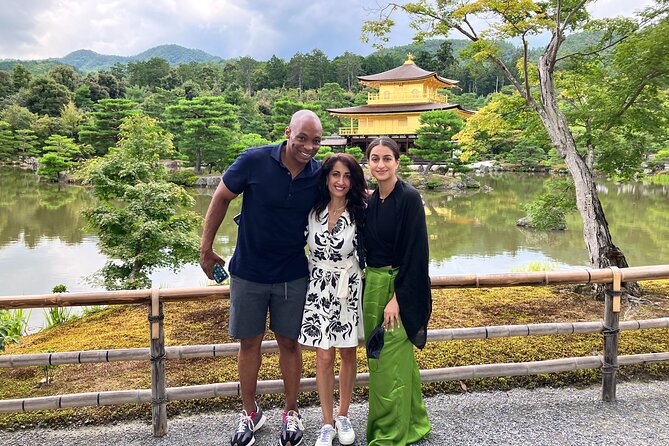
These are the names people remember. If you pick them, you’re choosing big impact.
Kinkakuji (Golden Pavilion)
Kinkakuji is described as a Zen temple whose top floors are covered in gold leaf. It’s the retirement villa of shogun Ashikaga, and it’s one of the most recognizable Kyoto sights.
The big consideration is crowding. One example noted Kinkakuji was very crowded because of school-organized tours. A guide can still help you time photos and keep your experience from turning into a slow shuffle.
Entrance fees are not included, so expect an additional cost.
Ninna-ji (UNESCO World Heritage; Shingon head temple)
Ninna-ji is described as a World Heritage site and the head temple of the Omuro School of the Shingon sect, founded in 888. If you like the “temple as institution” angle, this is a strong pick.
Ticket cost is not included. The short time means you’ll want to listen closely when your guide explains what to notice.
Ryoan-ji (Japan’s most famous rock garden)
Ryoan-ji is famous for Japan’s rock garden, with hundreds of visitors every day. It started as an aristocrat’s villa and was converted into the rock garden site people come for.
This is the kind of place where atmosphere matters more than rushing. If crowds bother you, it’s a place to rely on your guide’s timing and positioning.
Entrance fees are not included.
Arashiyama and Sagano: Tenryuji, Katsura Imperial Villa, Daikakuji
This is where Kyoto expands outward into riverside and garden country.
Arashiyama (western outskirts; long Heian-era appeal)
Arashiyama is described as a pleasant, touristy district on Kyoto’s western outskirts, popular since the Heian Period when nobles enjoyed the natural setting. It’s not “off-the-beaten-path,” but it is a classic for a reason.
If you’re choosing only one west-side stop in a short day, Arashiyama works well as a quick “big scenery” hit.
Tenryuji (world heritage; top Zen temple in Arashiyama)
Tenryuji is described as the most important temple in Arashiyama and registered as a World Heritage site. It was ranked first among Kyoto’s five great Zen temples.
Entrance fees are not included. Because it’s a major name, crowds are common, so your guide’s route planning helps you avoid wasting time.
Katsura Imperial Villa (garden and architecture design)
Katsura Imperial Villa is described as one of the finest examples of Japanese architecture and garden design, with its present form completed in 1645. If you love garden design, this can be a very different experience than the gold or rock-garden stops.
Tickets not included, so it’s a cost decision as much as a sightseeing decision. In a 6-hour day, it’s best paired with one or two other strong picks, not stacked with too many paid sites.
Daikakuji (detached palace of Emperor Saga)
Daikakuji is described as a large temple in Sagano’s northern part, originally built in the early 800s as a detached palace for Emperor Saga. This gives you “imperial leisure space” through a temple lens.
Tickets not included. Short time means you’ll want your guide to point out what’s most important on your visit.
Northern mountains in miniature: Kibune River and Kurama-dera
If you want that forest-valley Kyoto feeling without losing the day, these are good options.
Kibune River (forested valley; Kifune Shrine link)
Kibune is described as a small town in a forested valley in northern Kyoto, developed around Kifune Shrine. There’s also a legend about a goddess traveling by boat from Osaka to the area.
Entrance fees are not included. This can be a calming break from the busiest central neighborhoods.
Kurama-dera (temple plus hot spring connection)
Kurama is described as a rural town less than one hour from the city center, known for Kurama-dera and a hot spring. If your Kyoto day needs a quieter, more nature-leaning rhythm, this can deliver.
Tickets not included. As with other mountain-area stops, it’s worth trusting your guide’s timing because weather and road flow can affect how quickly you reach each spot.
Small add-on stops that work as “time fillers”
Some stops are shorter, but they can still make your day feel more layered.
- Yoshimine-dera: Tendai sect temple in Kyoto’s western mountains, built along a slope (you get a quick taste of the mountain-temple vibe).
- Toji and Kennin-ji: Useful when you want variety without committing to a major-ticket time sink.
- Nishiki Market and Pontocho: Great for atmosphere and food without paying a ticket.
Who this tour fits best (and who should be cautious)
This private Kyoto day tour is ideal if:
- you want top sights with less transportation stress,
- you like having a guide explain what you’re seeing,
- you’re traveling with family or a mixed group and want flexible pacing,
- you’re short on time and want a strong first-visit overview.
Be cautious if:
- you want a slow, deep experience at only one site (this tour is built for multiple highlights),
- you dislike crowds at major landmarks like Kinkakuji,
- you don’t want to pay separate entrance fees on top of the tour price.
Should you book this private Kyoto tour?
If you are doing Kyoto for the first time and want to maximize a single day without turning it into a transit math problem, I think this booking makes sense. The value comes from the private vehicle + licensed English guide pairing with a pick-your-own 3–4 stop plan. It’s a smart way to control your day when Kyoto’s public transport feels like a puzzle.
My practical advice: choose one “big ticket” highlight (like Kinkakuji or Kiyomizu-dera), add one neighborhood vibe stop (like Gion or Nishiki), and then round it out with one history or zen angle (like Nijo Castle, Ginkakuji, or Ryoan-ji). You’ll end up with a day that feels distinctly Kyoto, not generic.
FAQ
What’s included in the tour?
You get a licensed local English-speaking guide, a private vehicle, and a customizable walking tour with your choice of 3–4 sites from the available set of options. Pickup is offered, and you receive a mobile ticket.
Are entrance fees and lunch included?
Entrance fees are not included, and lunch is also not included. You’ll want to budget for tickets at the sites where admission applies.
How long is the private tour?
The experience runs about 6 hours.
Can I choose which places we visit?
Yes. Your guide helps build your plan from a list of possible stops, with the day designed around 3–4 sites.
Is this tour only for my group?
Yes. It is a private tour/activity, and only your group participates. The overall vehicle capacity is up to 15 persons, but your group stays private.
What is the cancellation window?
Free cancellation is available up to 24 hours before the experience start time for a full refund.