REVIEW · KYOTO
Kyoto and Nara Day Trip from Kyoto
Book on Viator →Operated by JTB Global Marketing & Travel Inc. · Bookable on Viator
Gold glints, then giant Buddha rocks your day. I love that you get a guided run-through of Kyoto’s top icons like Nijo Castle and Kinkaku-ji early on, with just enough context to make the sights click. The one drawback to plan around is the tight schedule: some parts of Nara can feel rushed, and you can end the day with extra walking.
This tour makes the logistics easy. You ride in an air-conditioned bus, admissions are handled, and you’ll carry a mobile ticket instead of hunting paper vouchers, then finish back near Kyoto Station.
In This Review
- Key things I’d bet on before you go
- Why This Kyoto and Nara Route Works in One Long Day
- Nijo Castle: The Shogun’s Power, Hidden Behind Carved Calm
- Kinkaku-ji Golden Pavilion: The Photo Stop That’s Actually Worth It
- Kyoto Imperial Palace Grounds: Ceremonies and Palace-Scale Context
- Kasuga Grand Shrine Lanterns and Why Nara Feels Different
- Todai-ji and the Great Buddha Hall: When “Impressive” Means Big
- Timing, Pace, and Where the Day Can Feel Long
- Comfort and Inclusions: What You’re Paying For (and What It Saves You)
- Lunch Choices: Included Only If You Pick the Option
- Price Check: Is $194.85 Good Value for This Day?
- Who Should Book This Tour (and Who Might Not Love It)
- Should You Book It?
- FAQ
- What is the duration of the Kyoto and Nara day trip?
- What are the main places you visit on this day trip?
- Is admission included?
- Is lunch included, and what kind is it?
- What happens if Kyoto Imperial Palace is closed?
- What happens if Nijo Castle is closed?
- Where do you meet, and where does the tour end?
- Is there a group size limit?
Key things I’d bet on before you go
- World Heritage focus all day: Nijo Castle, Kinkaku-ji, Imperial Palace grounds, Todai-ji, and Kasuga Shrine.
- A licensed English guide who keeps it lively: names like KC, Momo, Yuki, Yoshito, Keicy, Etsuko, and Tammy came up in guide feedback for clear explanations and humor.
- Air-conditioned, between-site transport saves your legs for the temples instead of the transit headaches.
- Shoe rules and walking time matter: you’ll change from “tour mode” to “feet-on-stone mode” more than once.
- Kasuga lanterns plus deer time gives you the perfect Kyoto-to-Nara emotional shift: formal shrines, then park chaos (the cute kind).
Why This Kyoto and Nara Route Works in One Long Day
Kyoto and Nara are both temple-heavy, but they’re not the same kind of day. Kyoto rewards your eyes and patience: gardens, gold leaf, palace architecture, and shogun-era power. Nara hits you with scale and symbolism: the Great Buddha, lanterns, and the deer that make the park feel like it’s alive.
What I like about this format is that it front-loads Kyoto’s heavy hitters, then shifts south to Nara before you’re too drained. The stops are spaced so you’re not hopping around on your own trying to solve train times, station transfers, and ticket lines while you’re already tired.
The flip side is that you’re trading “slow travel” for “big coverage.” If you want to linger for hours inside every hall, you’ll feel the pressure. This is best as an efficient first introduction or a “greatest hits” day.
You can also read our reviews of more tours and experiences in Kyoto.
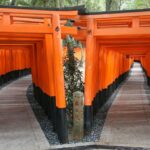
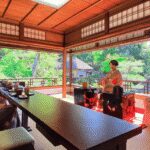
Nijo Castle: The Shogun’s Power, Hidden Behind Carved Calm
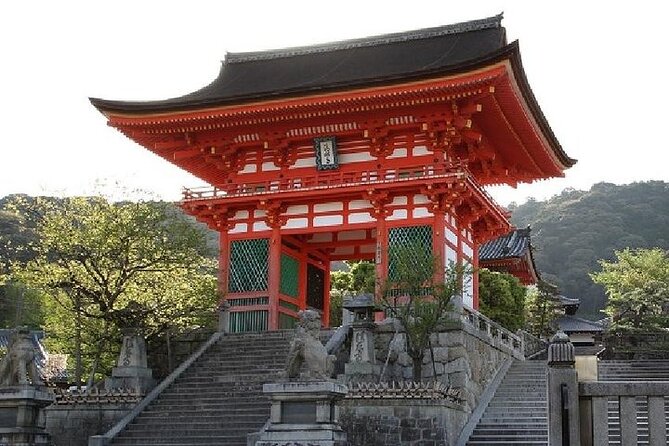
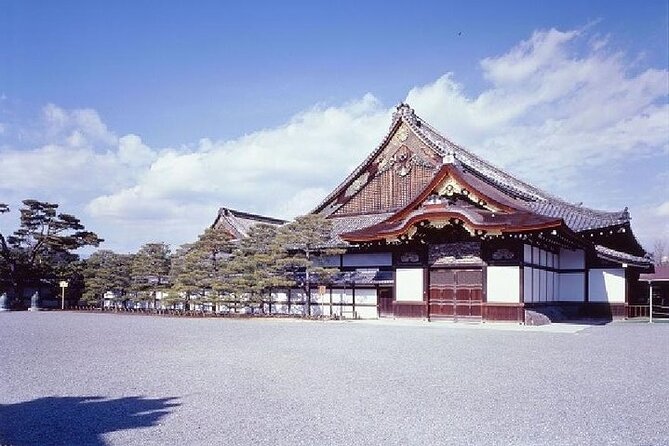
Nijo Castle is where the day starts feeling serious. You’ll tour the complex completed in 1626, built as lodging for the Tokugawa shogun and as a kind of protective presence for Kyoto’s imperial court.
What makes Nijo worth your attention is the contrast. Outside, it reads solemn and controlled. Inside, the details turn intricate, almost like the building is whispering status through carvings and screens. You don’t need to be a Japan-history buff either. A good guide helps you connect what you’re seeing to what was happening politically when the shogun’s world overlapped with the emperor’s.
Practical note: plan for a little “ritual mode.” One common detail people mention is that you’ll have to take your shoes off at Nijo Castle. So bring socks you’re happy to wear all day, and don’t count on long bathroom breaks between stops.
Time-wise, you’re looking at about 50 minutes here. That’s enough for the highlights tour but not enough to wander with zero plan. If you’re the type who needs to read every sign slowly, you may end up wanting one more visit another day.
Kinkaku-ji Golden Pavilion: The Photo Stop That’s Actually Worth It
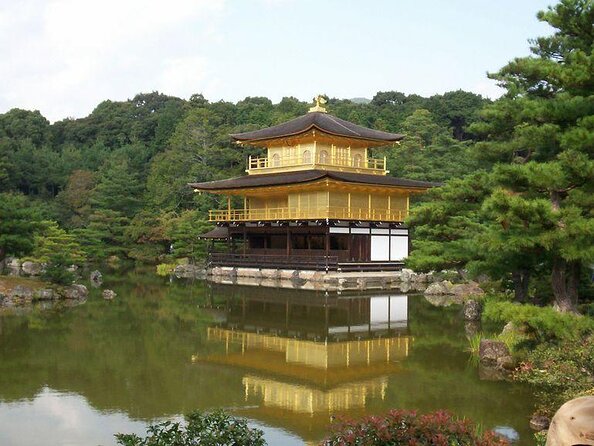
Next comes Kinkaku-ji, the one temple most people already know from pictures. But in person, it lands differently. The pavilion is covered in thin layers of gold leaf and sits beside a pond—so the views change as the light shifts and as you move around the waterline.
The biggest win here isn’t just the “wow.” It’s that Kinkaku-ji is also a story about religion and aesthetics—how elaborate design can feel peaceful, not showy. A guide helps you notice what you’d miss on your own, like how the building’s layered look is part of the spiritual message, not just decoration.
You’ll have around 45 minutes at Kinkaku-ji. That means you can get photos, walk the perimeter paths, and still arrive at the next stop on time without sprinting. If you hate crowds, go in with a strategy: arrive ready to shoot quickly from a few angles, then enjoy the rest at a slower pace.
Kyoto Imperial Palace Grounds: Ceremonies and Palace-Scale Context
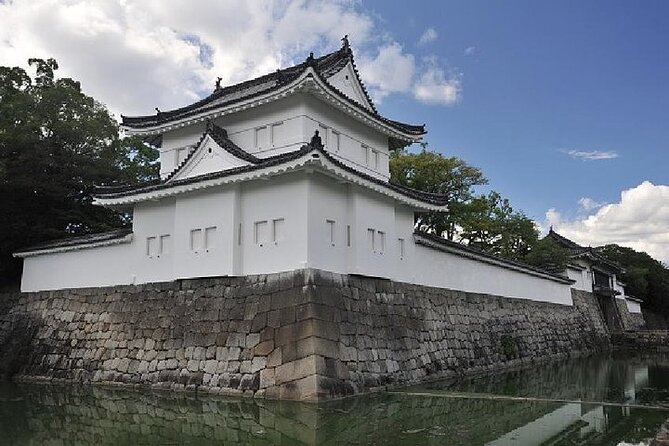
After the temples, the day pivots to the Kyoto Imperial Palace area. This was the emperor’s residence until roughly 150 years ago, so it’s part of the “how power worked” story that Kyoto tells so well.
Your stop focuses on the palace grounds and the Shishin-den, described as a key site for important state ceremonies. Even if you’re not sure what those ceremonies involved, the scale of the grounds gives you something useful: you start to understand how political life was structured around space, access, and controlled movement.
Important practical consideration: the palace has closure rules. If it’s closed on that day (often Mondays, plus other event-based closures), the tour doesn’t cancel the day—it switches to Kitano Tenmangu Shrine instead. If the closure date is the 25th, it may switch to Nishi Hongan-ji Temple.
If you care about seeing the specific palace hall area, check the day you’re booking. But honestly, the tour’s fallback plan keeps you from losing the whole slot to “oops, it’s closed.”
Kasuga Grand Shrine Lanterns and Why Nara Feels Different
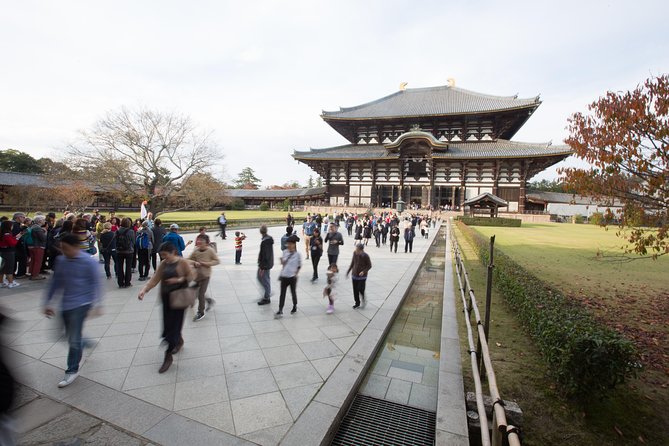
Once you hit Nara, the mood changes. Kyoto can feel refined and measured. Nara swings more symbolic and immediate, and the deer turn everything into street theater.
Kasuga Grand Shrine is known for the more than 3,000 lanterns lining its interior. That’s not just an impressive number—it’s a sensory shift. You’ll feel like you’re stepping into a softly lit space designed to guide attention inward.
This stop also includes entry into the Main Sanctuary special visit area when possible. If access can’t happen due to events or operations, the tour substitutes with the Kasuga Taisha Museum or Todai-ji Museum.
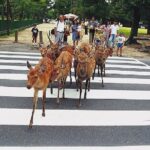
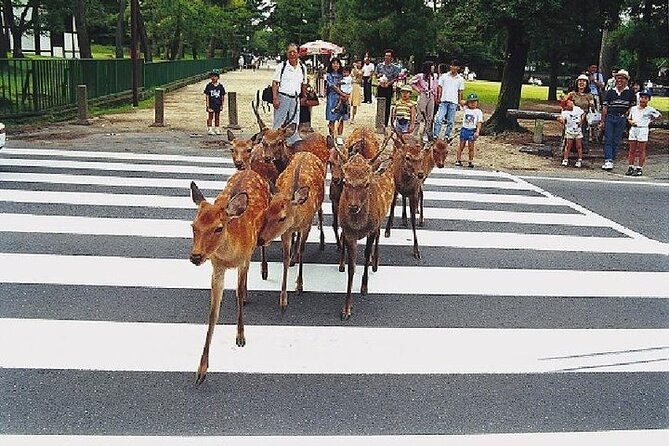
Then comes the part people remember: Nara Park’s deer. The deer aren’t just cute. They can get pushy if you feed or approach them the wrong way, and having a guide’s reminders helps you avoid messy moments. In a good day, it stays fun and safe: watch, take a photo, keep distance, and let the deer do their deer thing.
Kasuga gets around 1 hour, which is plenty to absorb lanterns and still make it to the deer park before the day gets too late.

Todai-ji and the Great Buddha Hall: When “Impressive” Means Big
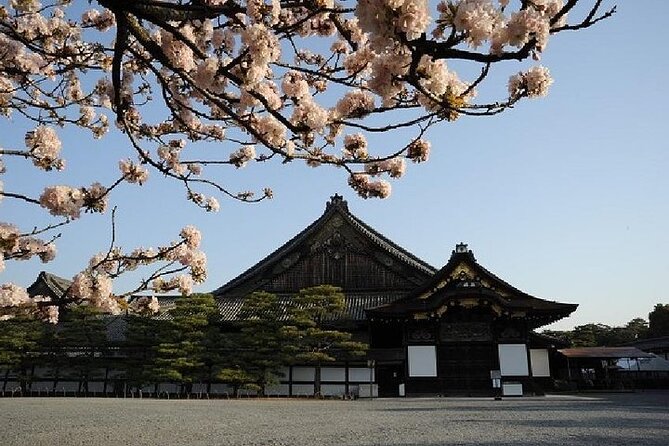
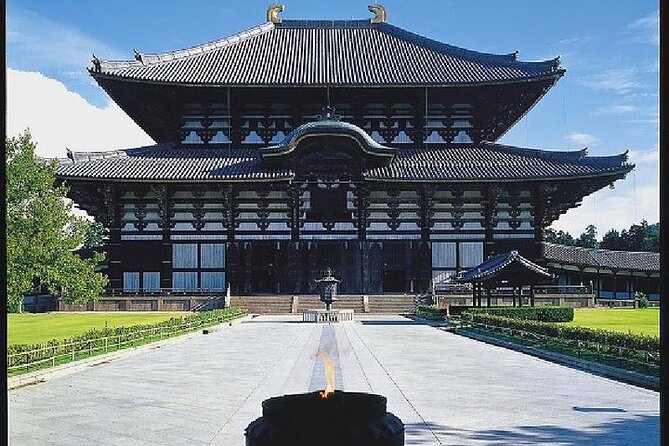
Todai-ji is the Nara stop that changes your sense of scale. You’re visiting one of the most iconic complexes in the city, known for housing one of the world’s largest Buddha statues—housed in the Great Buddha Hall.
The hall itself matters. This isn’t a small, delicate shrine moment. You’re walking into one of the largest wooden-structure experiences tied to the Nara period, and it can feel almost unreal the first time you see it.
Your time here is about 1 hour 10 minutes, which is a workable balance between entry, moving through the complex, and still soaking in the main points. If you love architecture and religious art, you’ll probably wish you had longer, but you’ll still get the “this is why people travel for it” effect.
Timing, Pace, and Where the Day Can Feel Long
This is a 10 to 11 hour day trip, and it can feel like it. The tour is designed to hit five main stops plus driving time, and the order may shift based on road conditions and congestion. So even when everything goes smoothly, you should expect a packed timeline.
The pace can also shape your enjoyment. Some people want more free time in Nara, especially at the end when you’re near the bus pick-up zone. There can be a longer walk connecting the park area back toward the meeting point, so comfortable shoes are not optional.
Also note that seats may not be designated, so you might end up wherever the group balances out. If you care about front-row comfort (for photo-freezing mornings or less neck strain), arrive prepared to settle in quickly when you board.
Best approach: treat the tour as a “see and learn” day, then plan a separate day to slow down and revisit any single place that really grabs you.
Comfort and Inclusions: What You’re Paying For (and What It Saves You)
At $194.85 per person, you’re buying more than ticket entries. You’re paying for a licensed English guide, guided time at each major site, and transport that does the heavy lifting between Kyoto and Nara.
The tour includes:
- Licensed English guide interpreter
- Admission fees and transportation costs
- Air-conditioned transport between sites
- Lunch only if you select a lunch option
The air-conditioned bus is a quiet lifesaver, especially if you’re traveling in warmer months or you hate arriving sweaty at sacred sites. And the guide makes the difference between seeing objects and understanding why they mattered.
Group size matters too. The tour caps at 40 travelers, which keeps it from feeling like a moving warehouse line, but it’s still big enough that you won’t have a private experience. You’ll rely on the guide for timing and group flow, not on personal pacing.
Mobile ticket convenience is another small but real help. It reduces the hassle of printing and rechecking papers.
Lunch Choices: Included Only If You Pick the Option
Lunch depends on what you booked. If you choose a “with lunch” option, the tour includes a set meal. The details are different by lunch style:
- Western-style set menu (vegetarian requests can be made if you inform them at reservation time)
- Indian thali set menu designed for vegetarians (with items like multiple curry options, pakora, naan or roti, rice, salad, yogurt, and a non-alcoholic drink)
Important limits: halal, gluten-free, and other meal requests aren’t available. And if you didn’t select lunch, you’ll have free time to eat on your own around Kyoto Station area instead.
If you have strict dietary needs, I’d treat this as a “plan ahead” item. Make sure your reservation notes are accurate, because you may not get same-day swaps.
Price Check: Is $194.85 Good Value for This Day?
For many visitors, $194.85 feels high until you compare it to the alternative: tickets, guide cost, and the cost/time of getting between Kyoto and Nara efficiently.
Here, you’re getting:
- Multiple paid admissions baked in
- A licensed English guide to connect the dots
- Air-conditioned transport
- A full-day structure that prevents time loss to transfers
So the value hinges on whether you want a guided “greatest hits” day without the logistical burden. If you’re the kind of traveler who likes to plan trains and ticket stops, you could DIY part of this cheaper. But you’d likely pay with time, stress, and shorter temple enjoyment because you’ll be fighting transit schedules.
For first-timers in Kansai, this is often the sweet spot: you come away with context and a shortlist of places you’ll want to revisit at your own pace.
Who Should Book This Tour (and Who Might Not Love It)
This day trip fits best if you:
- Want a structured introduction to Kyoto and Nara
- Prefer guided context in English
- Like seeing major sites in one go, even if you can’t linger forever
- Appreciate air-conditioned transport on a long day
You might reconsider if you:
- Need lots of free time at each site
- Hate shoe-off rules and tighter indoor schedules
- Want a slow, reflective temple day with minimal walking
- Have very specific dietary needs beyond what’s listed for the lunch options
It’s also a good choice for your first visit to Japan, since it covers major religious and political landmarks without you needing to build the puzzle yourself.
Should You Book It?
If you want a no-drama day that hits the best-known UNESCO highlights and makes sense of them, I’d book this. The biggest strength is the combination of guided explanations and included transport and admissions, which turns a potentially complex day into a manageable one.
Just go in knowing it’s packed. Wear comfortable shoes, set your expectations for shorter temple time blocks, and use the guide’s reminders to keep the deer park (and your feet) from becoming a problem.
If you’re the type who can only do one day in Kyoto and one day in Nara, this tour is a strong way to get your bearings fast and pick your favorites for a return visit.
FAQ
What is the duration of the Kyoto and Nara day trip?
The tour runs about 10 to 11 hours.
What are the main places you visit on this day trip?
You visit Nijo Castle, Kinkaku-ji, Kyoto Imperial Palace grounds (or an alternate shrine/temple if closed), Todai-ji, and Kasuga Grand Shrine, plus Nara Park and the deer area.
Is admission included?
Yes. Admission fees and transportation costs are included as part of the tour.
Is lunch included, and what kind is it?
Lunch is included only if you select the With Lunch option. You can choose a Western-style set menu or an Indian thali set menu (vegetarian). If you select No Lunch, you’ll have time to eat on your own around Kyoto Station.
What happens if Kyoto Imperial Palace is closed?
If Kyoto Imperial Palace is closed on the day of your tour, the stop switches to Kitano Tenmangu Shrine. If the closure date is the 25th, it switches to Nishi Hongan-ji Temple.
What happens if Nijo Castle is closed?
If Nijo Castle is closed (on certain days/times listed by the operator), the tour visits Ryoan-ji Temple instead. No refunds are issued for these alternate stops.
Where do you meet, and where does the tour end?
You start at the JTB SUNRISE TOURS DESK KYOTO near Kyoto Station (Avanti). The tour ends at Kyoto Station around 6:30pm, and there is no hotel drop-off.
Is there a group size limit?
Yes. The tour has a maximum of 40 travelers.