REVIEW · KYOTO
Kyoto: Tea Ceremony in a Traditional Tea House in Kiyomizu
Book on GetYourGuide →Operated by SAKAGUCHIAN · Bookable on GetYourGuide
Kyoto can feel loud. Then you step through a gate and it gets quiet fast. This tea ceremony pairs matcha instruction with a peaceful Japanese garden setting in Sannenzaka, just a short walk from Kiyomizu-Dera.
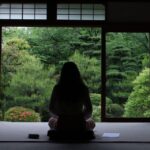
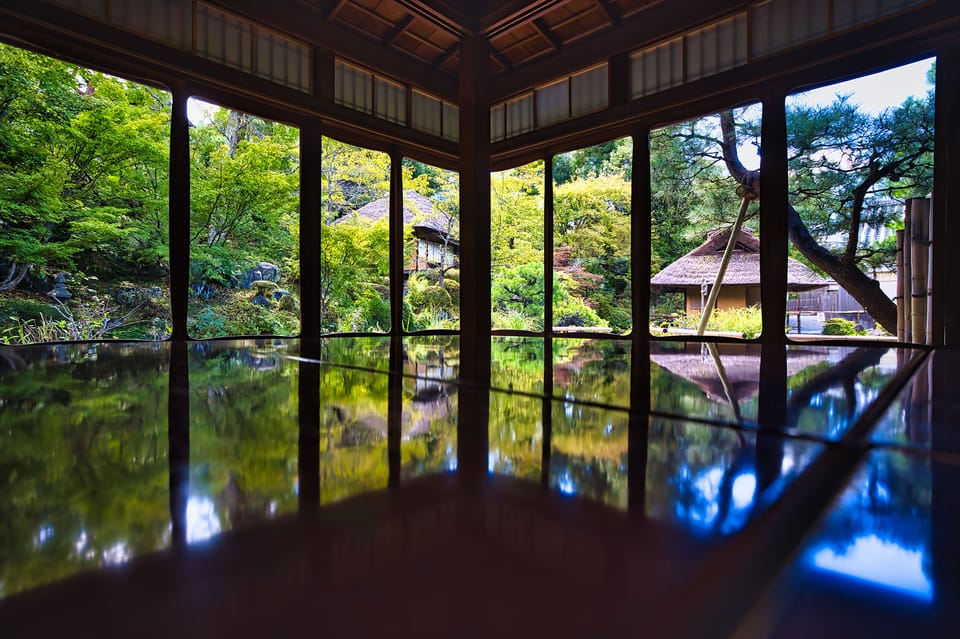
What I like most is the sequence: you watch a tea master perform the ritual, then you get hands-on and brew your own matcha. Second, the garden matters. The tea house sits inside a properly designed space created by landscape artist Ogawa Jihei VII, so the calm isn’t an accident.
One thing to consider: this is a short, 45-minute experience and it runs rain or shine, so you’ll want to time it between your temple sights and street-wandering. Also, no large bags or luggage.
In This Review
- Key things that make this tea ceremony worth your time
- Finding the calm in Sannenzaka, steps from Kiyomizu-Dera
- What happens in those 45 minutes (and why the pacing works)
- 1) Welcome and a look at the garden
- 2) Watch the tea master perform the preparation
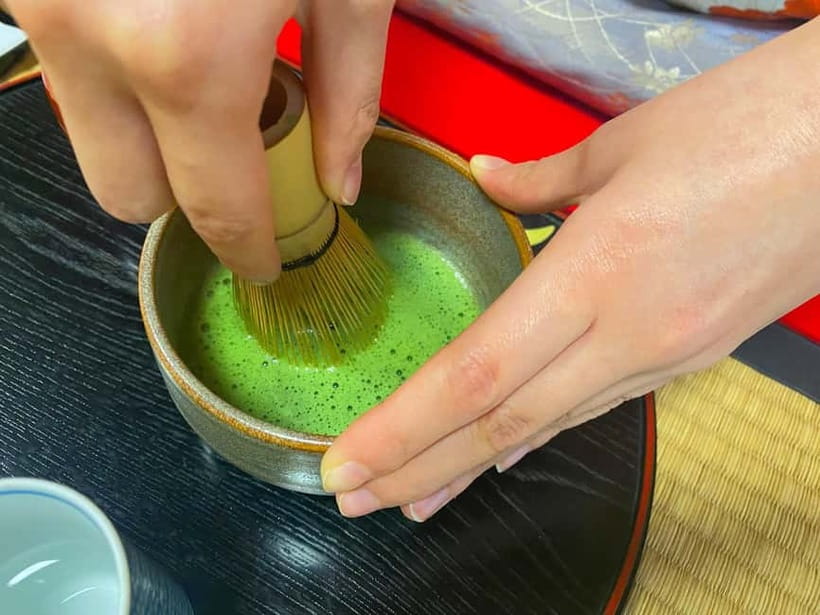
- 3) Learn how to brew your own matcha
- 4) Sip matcha, eat a sweet, and get the photo moment
- Garden design and tea etiquette: the little details that change everything
- Price and value: is $49 actually fair?
- English instruction and the small-group feel
- Who should book this Kyoto tea ceremony, and who might skip it
- Tips to have a smoother ceremony day
- Should you book? My honest take
- FAQ
- FAQ
- Where exactly is the meeting point near Kiyomizu-Dera Temple?
- How long is the Kyoto tea ceremony?
- Is the tea ceremony taught in English?
- What’s included in the price?
- Do I get to make my own matcha?
- Is kimono rental included?
- Is this activity held rain or shine?
- Are luggage or large bags allowed?
- Is this experience suitable for young children?
- What if I need to cancel?
- Can I reserve without paying immediately?
Key things that make this tea ceremony worth your time
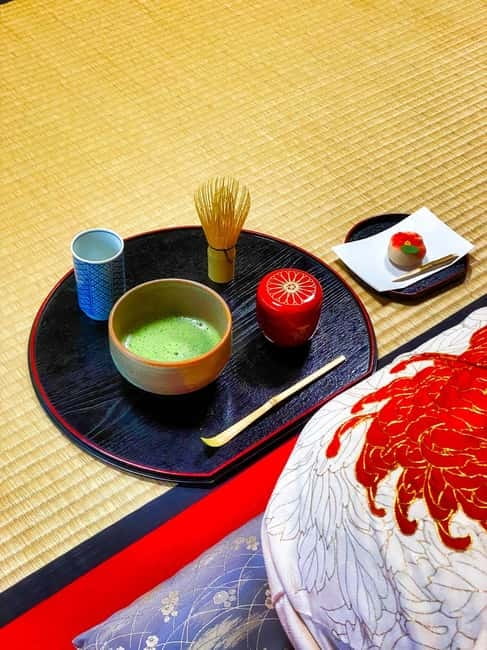
- Ogawa Jihei VII garden views from inside the tea house, so you’re not just drinking tea, you’re in a designed calm space
- Watch first, then make: you see the tea master’s movements and then brew your own matcha
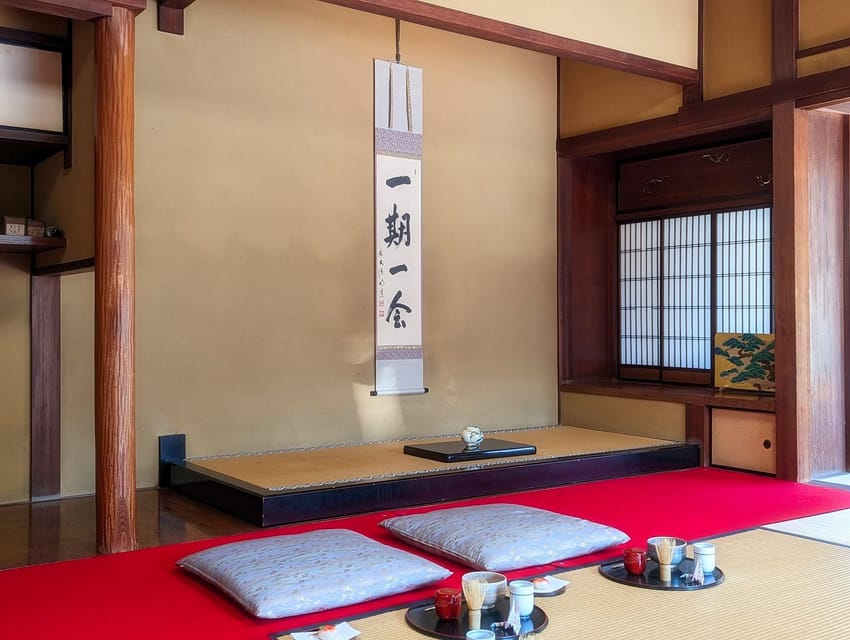
- Learn the basics and the purpose with an intro that includes the ceremony’s 500-year history
- Small-group feel often around 8 to 10 people, which makes it easier to ask questions and follow along
- Two cups of matcha + a traditional sweet and a group photo to mark the moment
Finding the calm in Sannenzaka, steps from Kiyomizu-Dera
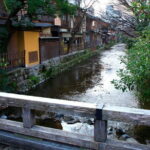
This tea ceremony is in Sannenzaka, in the Honshu, Japan Kyoto area—right where tourists and locals mix near Kiyomizu-Dera Temple. The good news is you don’t need a long plan or a long ride. You just need to find the tea house.
The meeting point is near Sanneizaka close to Kiyomizu-Dera Temple. Walk about 50 meters downhill on Sanneizaka and enter through the large gate on the right. If you can see the garden after you pass the gate, you’re on track. Then go straight for about 10 meters, and look for the white gate on your left to find Sakaguchian.
If you’re arriving by cab, tell the driver to aim for Kodaiji Temple, and get off at the intersection of Sanneizaka and Ishin-no-michi. From there, it’s a walk.
Tip: Sannenzaka is lively. Give yourself a few extra minutes. The tea house entrance is set back, and you’ll want your brain switched on before the ceremony starts.
You can also read our reviews of more tours and experiences in Kyoto.
What happens in those 45 minutes (and why the pacing works)
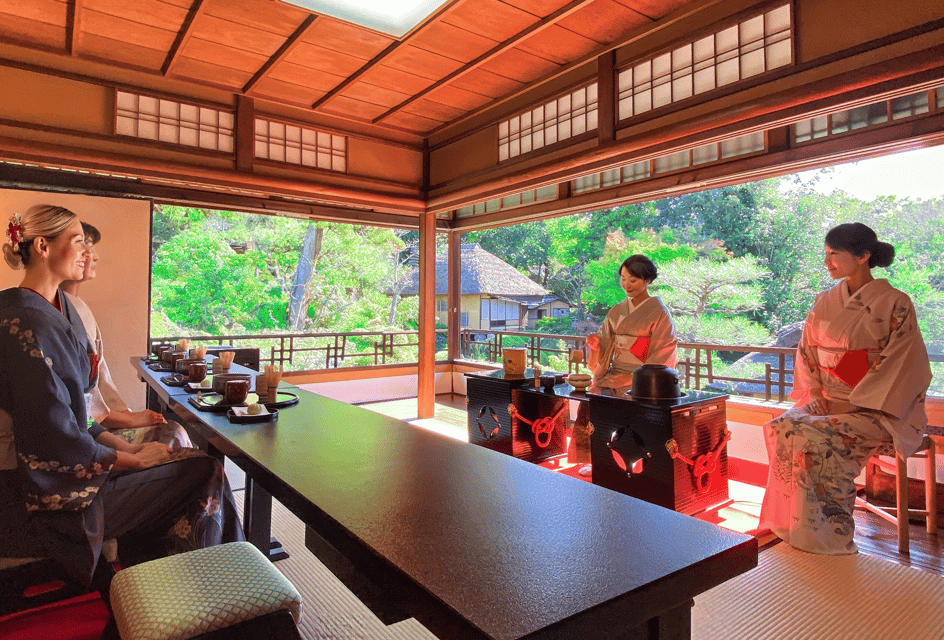
The experience is designed like a short lesson you can actually finish without rushing. Total time is 45 minutes, rain or shine. That timing matters in Kyoto, because you’ll otherwise bounce between crowded streets and big temples and feel like you never fully reset.
Here’s the flow you can expect:
1) Welcome and a look at the garden
You’ll be greeted by your instructor and brought to the tea house garden area. This is the moment where the setting sets the tone. The grounds were created by Ogawa Jihei VII, and you’ll feel that “designed quiet” right away.
You also get a brief introduction before the main ritual. You’ll learn about the ceremony’s long tradition—there’s mention of a 500-year history—plus the basic approach behind the movements.
Why this matters: if you’ve only seen tea ceremony clips online, it can look like choreography. The intro helps you understand it as etiquette, attention, and a real mindset, not a staged performance.
2) Watch the tea master perform the preparation
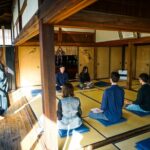
Next, you’ll see an experienced tea master demonstrate the art of preparing tea. This part is more than watching someone pour. You’re observing the steps and the care behind them.
The master’s presence tends to get mentioned a lot in guests’ comments because the motions are precise and calm. One detail that comes up repeatedly: people find the tea master incredibly graceful and focused.
Practical thought: during this phase, stay seated and watch. Don’t talk over the guide. It’s the easiest way to show respect and also to catch the steps you’ll copy later.
3) Learn how to brew your own matcha
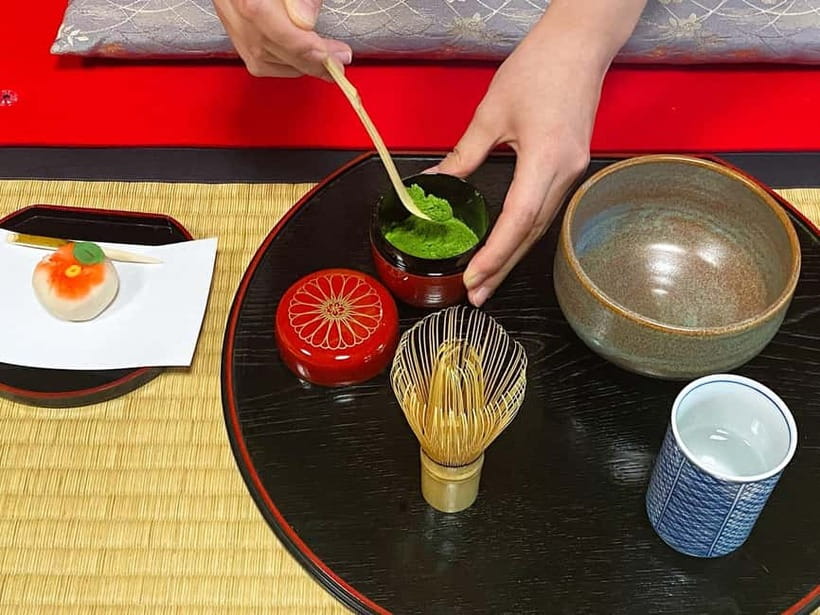
After the demonstration, it’s your turn. You learn how to brew your own matcha and participate in the preparation process.
This is where the 45 minutes becomes more than a show. If you’ve ever tasted matcha and wondered why it tastes different at different places, this gives you the basics that affect flavor and texture.
Expect to use the techniques you were just shown, under instruction. Even if you’re not a food-nerd type, you’ll come out with something real: the confidence to repeat the process at home.

4) Sip matcha, eat a sweet, and get the photo moment
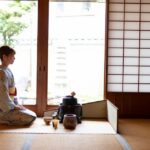
When your tea is ready, you sip. The experience includes 2 cups of matcha, so it’s not just one taste.
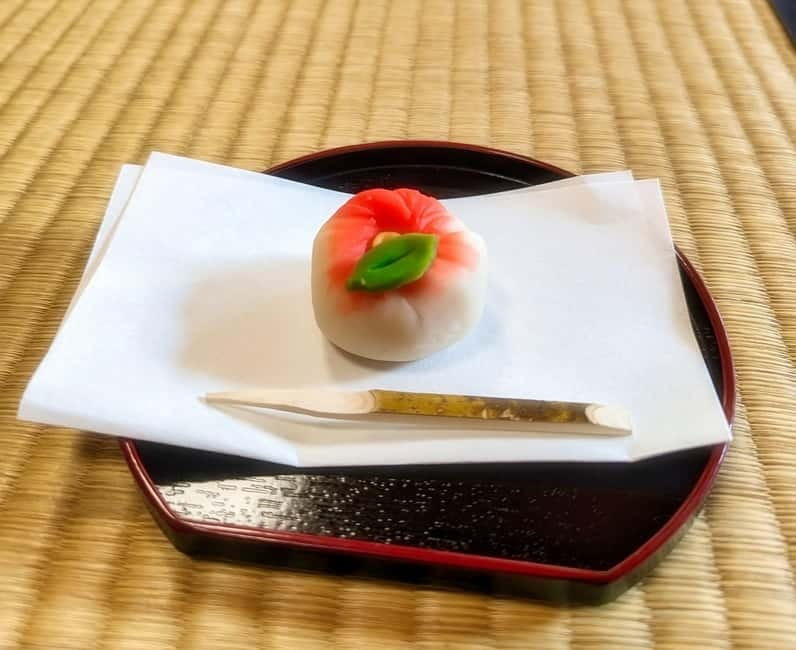
Then you also get a customary Japanese sweet with the tea. The sweet acts like a palate reset and balances the tea’s character.
Finally, you’ll pose for a photo with your group. The garden gives you a clean, green backdrop that looks far less chaotic than the nearby street scenes.
Garden design and tea etiquette: the little details that change everything
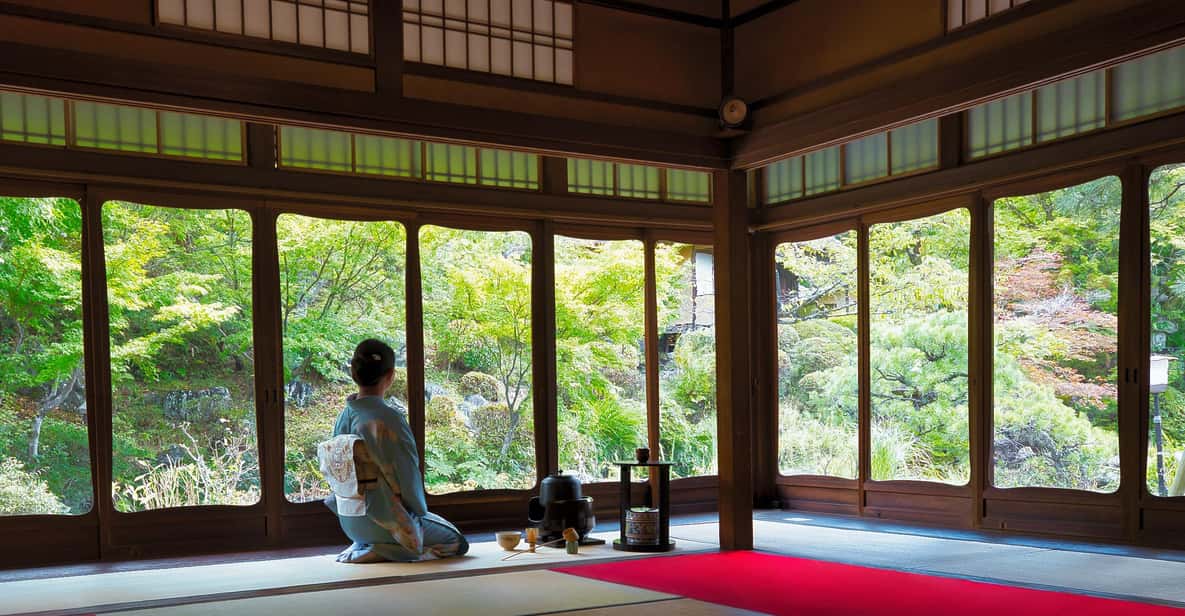
A Kyoto tea ceremony is partly about tea, but the bigger idea is attention. This particular setting helps because the tea house looks into the established garden, not outward onto traffic.
I also like that the ceremony doesn’t feel like it requires special costumes. Kimono rental is not included, so you can keep your travel clothes and still feel like you’re inside the tradition. (If you do rent a kimono separately, that’s a personal choice, not a requirement for understanding.)
Tea etiquette tip from the vibe of the experience:
- Keep your voice low during the ceremony.
- Don’t wander while others are serving/receiving tea.
- Save your questions for the moments your instructor invites them.
It’s respectful, and it makes the whole thing calmer for everyone.
Price and value: is $49 actually fair?
At $49 per person for 45 minutes, this isn’t the cheapest thing you’ll do in Kyoto. But here’s the value case.
You’re paying for:
- A traditional tea ceremony in a real tea house setting (not a quick tasting counter)
- A tea master demonstration
- Your own matcha preparation time and instruction
- Two cups of matcha
- Traditional Japanese sweets
- A group photo included
- English instruction
If your day includes big sights and you want one cultural experience that feels special without taking half your day, this fits well. Kyoto can be exhausting. This is the opposite: a planned pause where you actively learn something.
The “worth it” answer depends on you. If you love hands-on cultural activities, you’ll likely feel it’s well priced. If you only want a tiny taste with zero instruction, you might feel it’s pricier than necessary—but then you’re picking the wrong format.
English instruction and the small-group feel
This ceremony includes an instructor who speaks English. That matters because you’re not just watching gestures—you’re learning what the steps mean and how to do them.
Group size appears to be relatively small in practice (often mentioned around 8 to 10 people). Smaller groups help in two ways:
1) You can actually follow the guide while you’re brewing.
2) You get a chance to ask questions without the session turning into a rush-job.
One more nice point from the experience style: the welcoming part is usually warm and easy to follow, so you’re not left guessing what to do with your hands or your cup.
Who should book this Kyoto tea ceremony, and who might skip it
This tea ceremony is a great match for:
- First-timers to Japanese tea culture who want the real steps, not just a quick tasting
- People who like quiet, structured experiences as a break from Kyoto crowds
- Couples and solo travelers who want something memorable without needing a full afternoon
- Families with older kids (it is not suitable for children under 7)
You might consider skipping if:
- You want a long, slow activity. This is 45 minutes.
- You’re expecting kimono rental as part of the experience. It’s not included.
- You’re traveling with large luggage—this activity does not allow luggage or large bags.
Tips to have a smoother ceremony day
These are simple, practical choices that make the ceremony go well:
- Arrive a few minutes early so the meeting point doesn’t turn into a mini scavenger hunt.
- Bring only what you need in your pockets or small day bag. Large items are not allowed.
- If it’s raining, you’re still going. Plan for wet streets in Sannenzaka and keep your outer layer ready.
- Eat beforehand if you’re the type who gets hungry quickly. You will have tea and a sweet, but it’s still a short session.
And one etiquette reminder: focus on the ceremony when it’s happening. Your experience improves when you’re not multitasking.
Should you book? My honest take
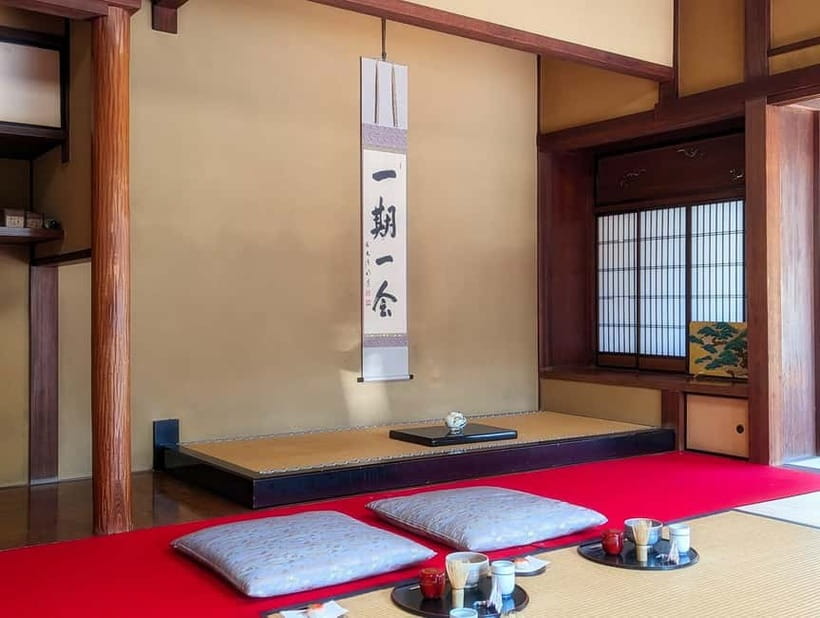
If you’re in Kyoto and want one short activity that feels genuinely traditional, this is a strong choice. For me, the biggest selling point is that you’re not just watching: you’re learning how to brew matcha and then drinking it right there in the garden setting.
Book it if you want:
- A calm reset in the middle of sightseeing
- A hands-on cultural experience with clear English guidance
- Two cups of matcha plus a sweet, all within 45 minutes
Skip it if you need a long, independent exploration time, or if you’re traveling with big luggage, or if you’re only after a casual taste.
FAQ
FAQ
Where exactly is the meeting point near Kiyomizu-Dera Temple?
Go down Sanneizaka near Kiyomizu-Dera Temple, walk about 50 meters, and enter a large gate on the right. From that gate you can see the garden. After passing through, go straight about 10 meters and enter through the white gate on your left to find Sakaguchian.
How long is the Kyoto tea ceremony?
The duration is 45 minutes.
Is the tea ceremony taught in English?
Yes. The instructor provides English instruction.
What’s included in the price?
The experience includes the tea ceremony, 2 cups of matcha, traditional Japanese sweets, and a photo.
Do I get to make my own matcha?
Yes. You’ll watch the tea master first, then learn how to brew your own matcha.
Is kimono rental included?
No. Kimono rental is not included.
Is this activity held rain or shine?
Yes. The ceremony takes place rain or shine.
Are luggage or large bags allowed?
No. Luggage or large bags are not allowed.
Is this experience suitable for young children?
It is not suitable for children under 7 years.
What if I need to cancel?
You can cancel up to 24 hours in advance for a full refund.
Can I reserve without paying immediately?
Yes. You can reserve now and pay later to keep plans flexible.