REVIEW · KRABI
Krabi: Elephant Care House Guided Tour with Hotel Transfers
Book on GetYourGuide →Operated by Krabi Elephant Care House · Bookable on GetYourGuide
Elephants in the jungle, not a ride. This Krabi experience is built around gentle, close interaction in Khao Phanom Bencha National Park, where the focus is on elephants that roam freely and can disengage when they want. It’s a rare kind of visit: you’re not there to be entertained by tricks. You’re there to be quiet, attentive, and respectful.
What I like most is the chance to walk with elephants along a stream and then see them enjoy a muddy bath at their own pace. I also like the hands-on moments like cleaning their skin and feeding them pineapples and bananas, all with staff guiding you and a guide translating (English and Chinese, plus Thai support).
One thing to weigh: the total tour time is 4 hours, but the actual time in the water and with the elephants may feel shorter once pickup, briefing, and refreshment time are added. Also, English clarity can vary by guide, so come ready with patience.
In This Review
- Key things I’d mark on your shortlist
- Krabi Elephant Care House: why this jungle setting feels more human
- Hotel transfers and timing: getting there without wasting your day
- The safety briefing: where the rules actually help
- Stream walk and muddy bath: the most vivid part of the program
- Scrubbing, skin cleaning, and bathing: what the “hands-on” moments really mean
- Feeding pineapples and bananas: simple food, natural behavior
- The 1-hour sightseeing and welcome refreshments: time for context
- Who this tour suits best in Krabi
- Packing tips that save your day (and your phone)
- So, is it worth $57 for a 4-hour Krabi elephant tour?
- Should you book Krabi Elephant Care House with hotel transfers?
- FAQ
- How long is the Krabi Elephant Care House guided tour?
- What activities are included during the tour?
- Is hotel pickup and drop-off included?
- What should I bring for the experience?
- Are you allowed to ride the elephants?
- What languages are the guides?
Key things I’d mark on your shortlist
- Free-roaming, elephant-choice interaction: elephants can opt out of touch and contact
- Stream walk plus muddy bath: expect real jungle terrain and splash
- Hands-on cleaning and bathing: you’re not just watching from a distance
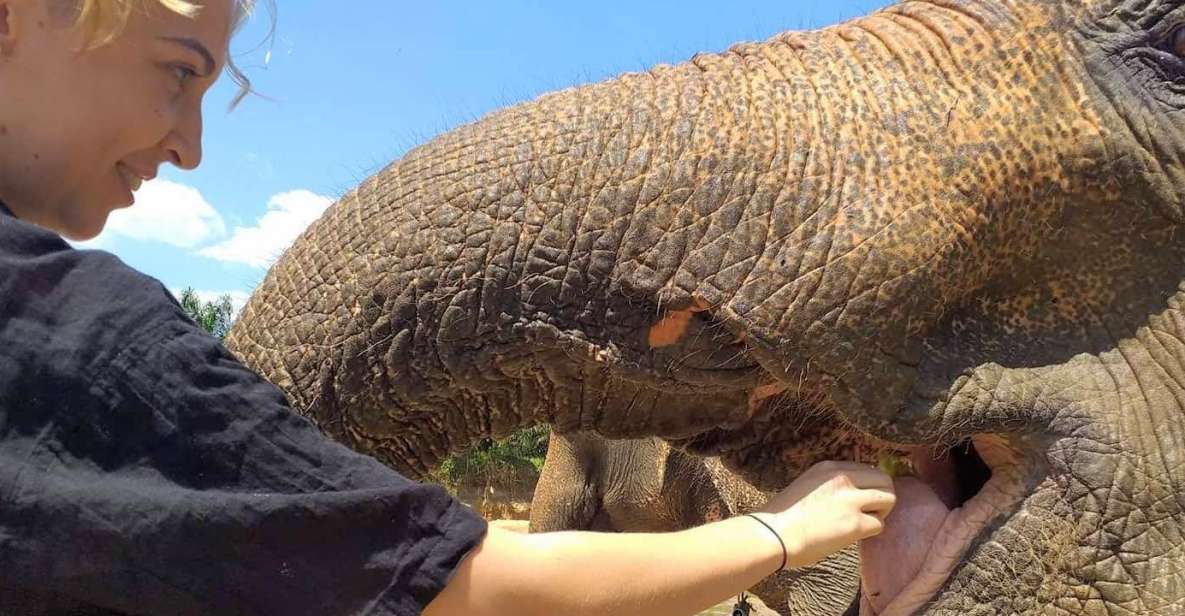
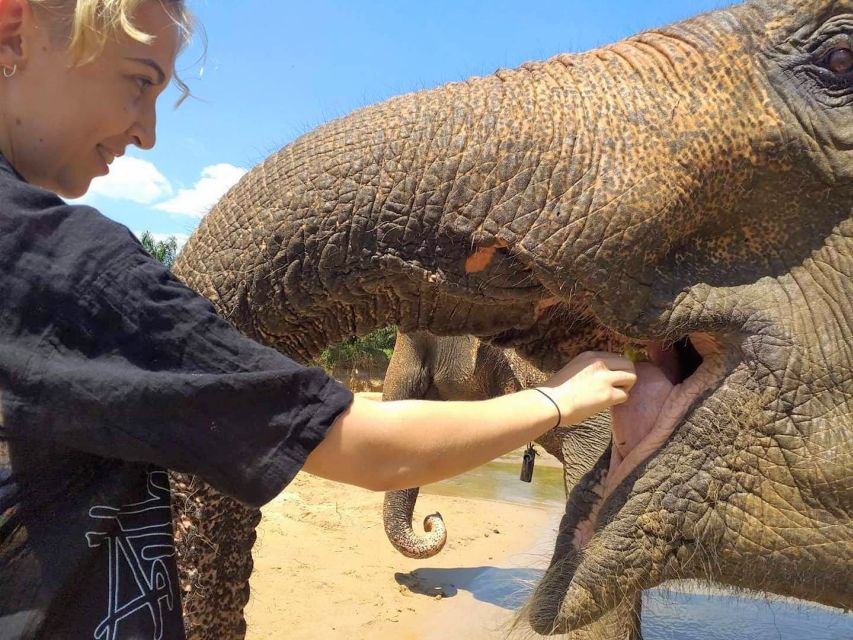
- Feeding pineapples and bananas: simple, satisfying, and very memorable
- Small-group energy (when available): more calm time and easier photos
- Hotel transfers included: you don’t have to figure out the route to a national-park area
Krabi Elephant Care House: why this jungle setting feels more human
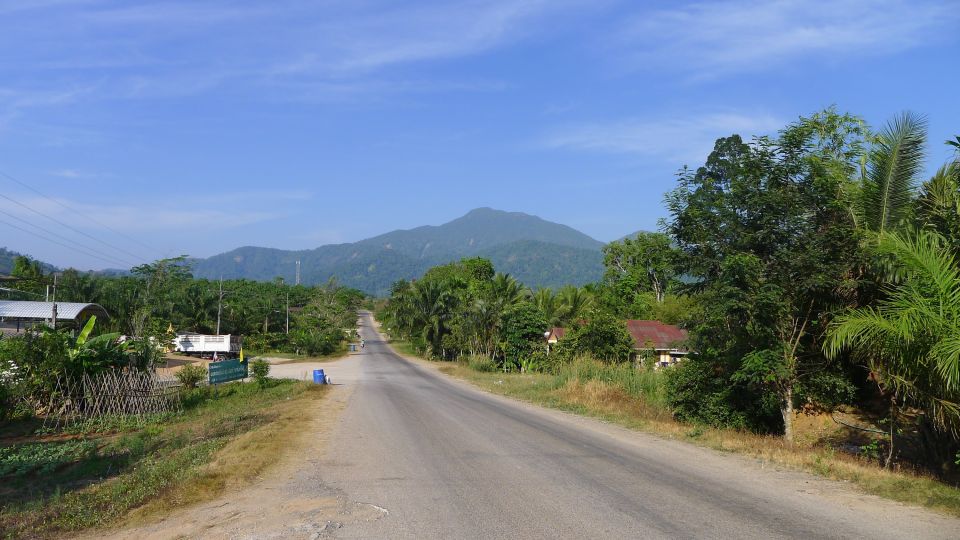
This isn’t an urban animal show. The Elephant Care House sits inside Khao Phanom Bencha National Park, with untouched forest and mountain scenery close to Krabi Town. The park area reaches 1,397 meters above sea level, so even when it’s hot in Krabi, you often feel like you’re stepping into a greener, cooler world.
The elephant setup is the main reason people get emotional about this tour. The elephants are treated like locals’ family members, and the program’s philosophy is built around human-elephant interaction—but with a big rule: elephants can disengage from contact at will. That changes the whole vibe. You’re not “forcing” an experience. You’re participating when it feels right for the animal.
Also, this matters for your photos and your comfort. When staff allow the elephants to choose, you’re less likely to see frantic handling and more likely to see calm, curious behavior. That’s what makes the experience feel intimate instead of hectic.
You can also read our reviews of more tours and experiences in Krabi.



Hotel transfers and timing: getting there without wasting your day
You’ll usually start with a hotel pickup, and the tour is designed for convenience. Round-trip transfers are included from Ao Nang, Krabi Town, Ao Nam Mao, Klong Muang, and Tubkaek Beach. If you’re in Railay, you meet the pickup from the boat ticket office at Ao Nam Mao Pier (a short longtail boat ride from Railay East). If you’re at Tonsai Beach, you head to the Phra Nang Inn reception in Ao Nang.
Expect pickup times to be confirmed by email after booking, so I suggest checking your inbox the day before and keeping your phone charged. One small practical note: a few people reported that the driver can be hard to identify, so if you’re waiting outside, watch for your vehicle and guide details rather than assuming you’ll easily spot it.
The tour says 4 hours, which is true on paper. But you should plan your mindset around where that time goes. You’ll spend about 15 minutes on a safety briefing, then roughly 45 minutes on a walk, plus shorter camp activities. There’s also a 1-hour stretch for sightseeing and welcome refreshments. Driving time is included in the overall experience, and some visitors noted the total time on elephants can feel shorter than they expected.
The safety briefing: where the rules actually help
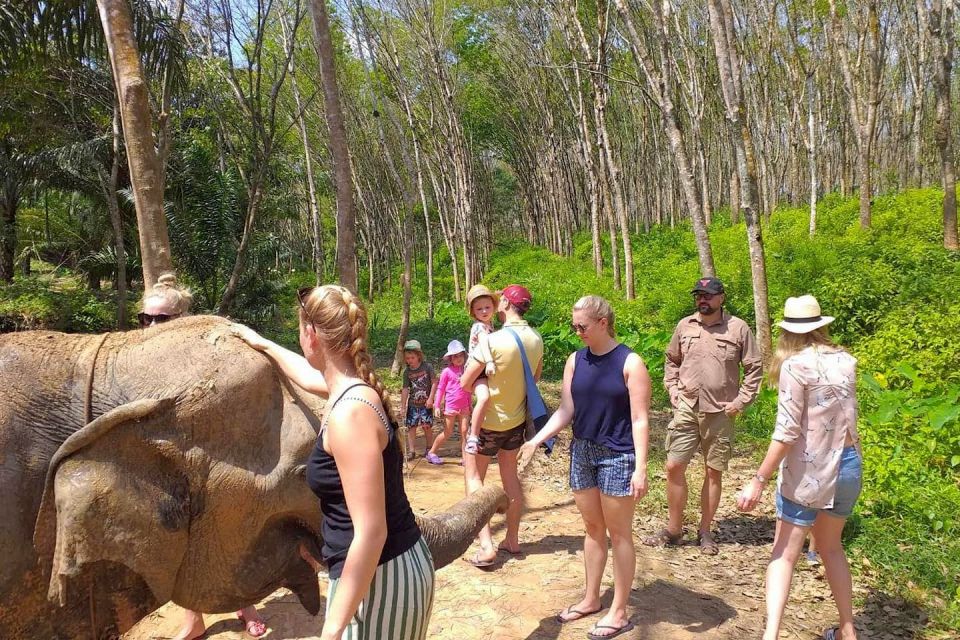
Before you touch or approach anything, you’ll get a safety briefing (around 15 minutes). This is where the staff set expectations so you know what’s allowed and how to behave around the elephants.
Two key points are already built into the program:
- No riding the animals.
- Elephants can disengage when they want, and staff will respond to that.
This is good for you, because you can stop thinking like this is a “ride-and-go” stop. Instead, you can focus on being calm, following instructions, and using slow movements. Jungle plus elephants means you want fewer sudden gestures and more listening.
If you’re visiting with kids, this briefing is also your reality check. The experience includes bathing and getting wet. So if your group hates water or mud, plan on adjusting expectations early.
Stream walk and muddy bath: the most vivid part of the program
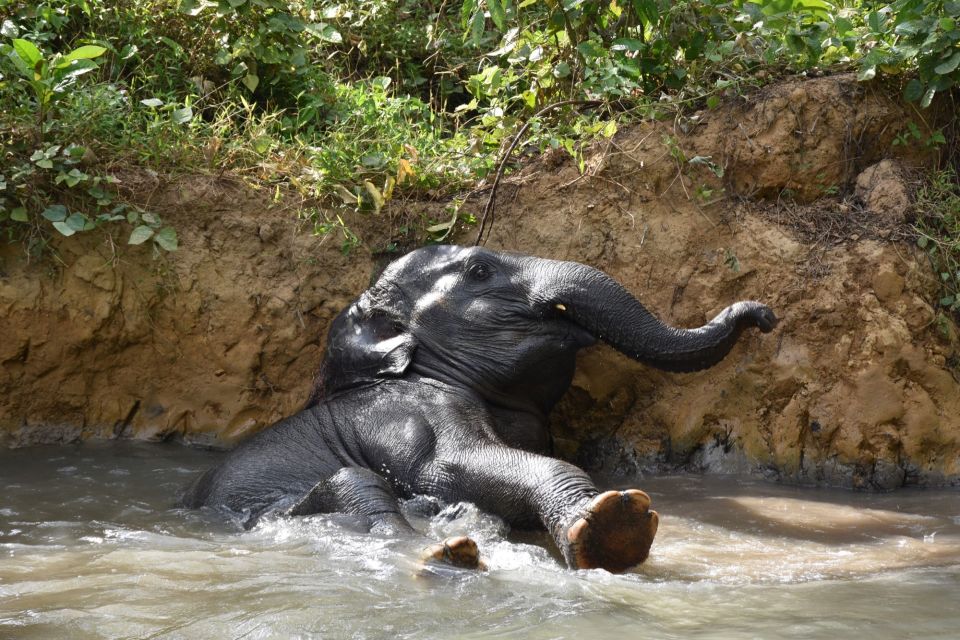
The walk is about 45 minutes, and it’s one of the main highlights for good reason. You’ll go along a stream in the jungle with elephants, moving at the pace that fits the group and the animal.
This is where you learn how different it feels when an elephant isn’t pressured. You watch them step, pause, and react naturally to the environment. It’s also where photos can work best if you’re ready for movement. The elephants don’t perform on your schedule, so aim to keep your camera accessible but don’t expect perfectly still moments the entire time.
Then comes the muddy bath observation. You’ll see them enjoy mud, which isn’t just messy fun—it’s part of how elephants handle comfort and skin care. For you, it means water-resistant clothing choices matter. Even if you think you’ll stay dry, you probably won’t.
Practical tip: wear comfortable clothes that can handle getting splashed, and keep your phone protected. People who brought waterproof phone cases (or phone bags) tended to have a much easier time capturing photos without stress.
Scrubbing, skin cleaning, and bathing: what the “hands-on” moments really mean
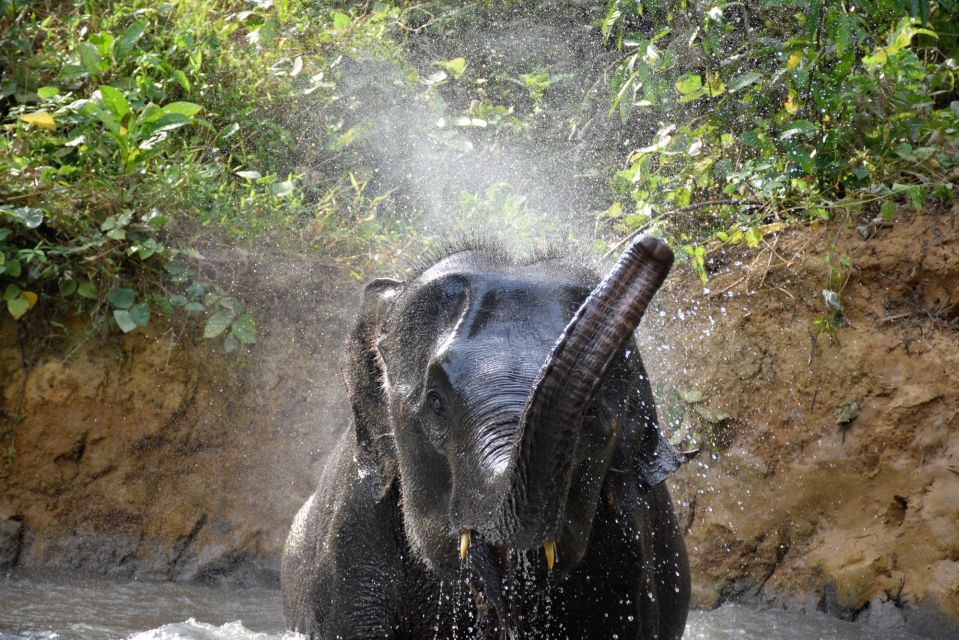
After the walk, you’ll join camp activities (about 15 minutes). This is when the experience shifts from watching to participating: you clean the elephant’s skin and you can take a bath with them.
In other words, this isn’t a “touch for a second” situation. People report getting time to scrub, bathe, and feed with staff supervising the pace. That hands-on time is a big part of why the tour rates so highly.
Yes, it can get messy. Thailand rain can happen fast, and even when it’s dry you’ll be around water and mud. One visitor mentioned that raincoats were provided when heavy rain hit, so keep an eye on the sky during the day and go in expecting at least some wet weather.
There’s also the joy-and-chaos factor of real animals. I’m not trying to ruin your vibe—just being honest. One review noted elephants pooped while someone was swimming. If you’re a bit squeamish, mentally label bathing as an experience in nature, not a spa.





Feeding pineapples and bananas: simple food, natural behavior
Feeding is exactly what it sounds like: you’ll feed elephants pineapples and bananas. This is one of the most emotionally satisfying parts, because it links you to something practical—food, patience, and animal behavior—rather than staged poses.
Also pay attention to what staff do before feeding. A good program doesn’t rush contact. The elephant should look calm and willing, and you should follow instructions on where to stand and how to offer food. Since elephants can disengage, you’re not entitled to contact if the elephant doesn’t want it.
A few visitors also mentioned a short step where they prepared food (like food balls) before feeding. You might see that on your session too, depending on timing and group flow. The key is to stay flexible and treat it as part of the learning process.
The 1-hour sightseeing and welcome refreshments: time for context
After the core elephant interaction, you’ll have time for sightseeing and welcome refreshments (about 1 hour). This is more than just snacks. It’s a chance to reset your body after water time and ask questions while the day is still fresh.
This is also where the guide’s role matters. Guides are listed as professional and multilingual (English and Chinese, with Thai support). You should expect explanations about elephant care and the general rules of interaction, plus practical help with photos.
One thing to note from real-world experiences: guide English can vary in clarity. If you’re sensitive to accents or fast speech, it helps to arrive with a few simple questions prepared in advance, like how the elephants choose contact or what to do if an elephant steps away.
Who this tour suits best in Krabi
This is a strong fit if you want a hands-on elephant encounter that’s gentle, guided, and connected to a natural environment. If you care about elephant welfare and you prefer an interaction model where animals aren’t ridden, you’ll likely feel at home here.
It’s also a great match for photographers who want more than postcard moments. When groups are small, you tend to get better time and fewer bottlenecks. Some recent visitors described small group sizes, including situations with just a few people, which makes it easier to keep your distance when needed and still get good photos.
Family-friendly can also work well, as long as everyone is willing to get wet. This tour includes swimwear and change of clothes for a reason.
If your dream is a high-adrenaline elephant activity or animal riding, this isn’t that. The program explicitly doesn’t allow riding the animals, and it’s built around elephant choice.
Packing tips that save your day (and your phone)
Bring what the day requires, not what looks good in your bag.
What you should pack:
- Swimwear
- A change of clothes (real change, not just fresh socks)
- Sun hat and sunglasses
- Sunscreen
- Comfortable clothes (that can get wet)
- Camera
- Insect repellent
- Optional but smart: swim shoes
If you want the best photos with the least stress, protect your phone. People specifically recommend waterproof phone cases or waterproof pockets because there’s splashing and plenty of water around the elephants.
Also, bring a towel if you have one. The experience includes bathing, so you’ll want to warm up after, especially if clouds roll in or it gets breezy.
So, is it worth $57 for a 4-hour Krabi elephant tour?
At around $57 per person, what you’re paying for is not just the elephant encounter. You’re paying for:
- round-trip hotel transfers
- a guided experience in English/Chinese
- water and fruit included
- accident insurance included
- and most importantly, time in a natural setting with real interaction moments like walking, bathing, and feeding
Where it can feel like less value is when you compare the total tour length to the time you personally spend in the water with elephants. Since pickup and a 1-hour refreshments/sightseeing block take time, it’s wise to view this as a half-day outing, not a “2 hours of elephants only” deal.
My advice: treat this as a serious bucket-list day. If you go in expecting calm, guided interaction (and you pack for mud), it holds up well as a fair price for what’s included.
Should you book Krabi Elephant Care House with hotel transfers?
If your heart is set on a close, respectful elephant experience in Krabi, this is one of the better-structured options. The big reasons to book are the no-riding rule, the elephant ability to disengage, and the hands-on moments: walking, skin cleaning, bathing, and feeding pineapples and bananas.
Book if:
- you’re okay getting wet and muddy
- you like guided animal interactions with clear rules
- you want hotel convenience without worrying about transport
Think twice if:
- you hate water and mud (this is part of the experience)
- you’re expecting a long, uninterrupted stretch purely with elephants (driving and refreshment time count)
- you’re relying on highly clear English at all moments (some sessions may vary)
FAQ
How long is the Krabi Elephant Care House guided tour?
The duration is listed as 4 hours in total, including pickup, briefing, elephant activities, and sightseeing/refreshments time.
What activities are included during the tour?
You’ll walk with elephants along a stream, watch them take a muddy bath, clean their skin, take a bath with them, and feed them pineapples and bananas.
Is hotel pickup and drop-off included?
Yes. Round-trip hotel transfers are included from Ao Nang, Krabi Town, Ao Nam Mao, Klong Muang, and Tubkaek Beach. Pickup details differ for Railay and Tonsai Beach as described by the operator.
What should I bring for the experience?
Bring sunglasses, a sun hat, swimwear, a change of clothes, a camera, sunscreen, comfortable clothes, and insect repellent.
Are you allowed to ride the elephants?
No. Riding the animals is not allowed on this tour.
What languages are the guides?
The guide support is listed as professional English and Chinese speaking, with Thai also available.