REVIEW · DA NANG
Da Nang Coffee Making Workshop
Book on GetYourGuide →Operated by HOI AN FOOD TOUR · Bookable on GetYourGuide
Vietnamese coffee is a science project you can drink. In Da Nang, this workshop turns phin coffee into a hands-on lesson, and you’ll make four styles with Jane guiding the whole thing. I also like how clean and well-run the setup feels, so you’re not stuck watching. The main catch: the menu uses eggs and milk, and if you drink everything you make, that’s a lot of caffeine at once.
I went in curious about how Vietnamese coffee stays both strong and smooth, and I left with a clear sense of why it tastes the way it does. You’ll learn the techniques, not just the recipes, so you can repeat the results at home without special machinery. Expect a relaxed pace, real tasting, and plenty of laughs in the room.
There are three ways to do it: a short coffee class (about 90 minutes), coffee plus lunch (about 2.5 hours), or coffee plus cooking (up to about 5 hours). With an overall rating of 4.9 from 500+ bookings, the vibe is consistently practical, friendly, and very drink-focused.
In This Review
- Key takeaways for your Da Nang coffee session
- Why Vietnamese coffee tastes different in the first sip
- Meet Jane and the clean setup that makes hands-on easy
- The 90-minute coffee class: what you do start to finish
- Egg coffee: the creamy texture lesson (and the part people worry about)
- Salt coffee and coconut coffee: when savory-sweet makes sense
- Phin coffee: mastering the brew style behind the flavor
- Tasting strategy: how to enjoy four coffees without getting overwhelmed
- Coffee plus lunch: when your class turns into a full meal
- Coffee plus cooking class: Quang noodles, pho, and the day-by-day menu
- Price and value: is $17 fair for four coffees and tools?
- Who should book this Da Nang coffee workshop (and who should rethink it)
- Small group, English instruction, and the practical details that matter
- Should you book Da Nang coffee in Da Nang?
- FAQ
- FAQ
- What types of Vietnamese coffee will I learn?
- How long is the coffee workshop?
- What times does the coffee-making class start?
- What’s included if I choose coffee making and lunch?
- What’s included in the coffee making and cooking class?
- Is the workshop taught in English?
- Do I get pick-up and drop-off?
- Does the menu include eggs or milk?
- Do I get anything to take home?
- Is there flexibility with booking and cancellation?
Key takeaways for your Da Nang coffee session
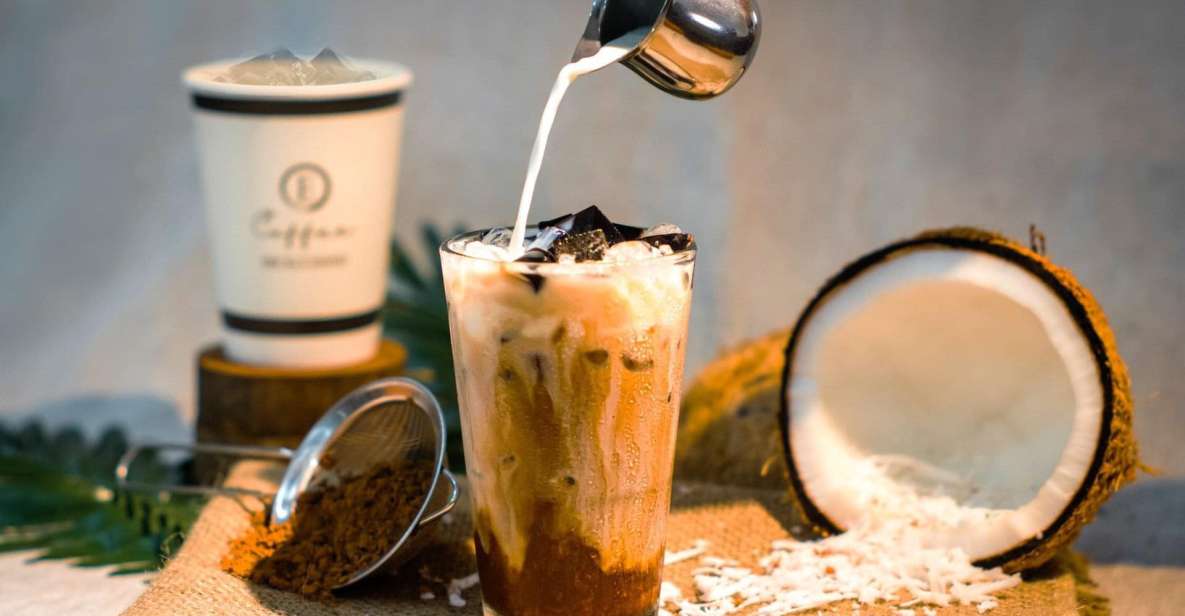
- You learn four signature Vietnamese brews (egg, salt, coconut, and phin coffee), not just one.
- Jane’s teaching style is a big part of the value: clear steps, humor, and cultural context.
- You get tools and guidance in a clean, modern learning space, so the process feels doable.
- Coffee tastings add up fast—plan for a caffeine hit, especially if you keep going to the end.
- You can take the instructions home via a PDF recipe at the end of the class.
Why Vietnamese coffee tastes different in the first sip
Vietnamese coffee has a reputation for being bold, but the real story is balance. It’s not only about strong beans; it’s about the brew style, the way sweetness and texture get built, and how different ingredients change the mouthfeel.
In this class, you’ll get a practical explanation for what makes Vietnamese coffee work: the process behind phin coffee (the drip filter that slows the brew), and how milk, egg, salt, or coconut each shift flavor in a predictable way. That’s what I love for first-timers—everything feels like a method you can repeat, not a mystery.
And yes, you’ll taste what you make. That matters more than people think. If you can taste the difference between styles side by side, you start learning faster—then you’re not just collecting recipes.
You can also read our reviews of more tours and experiences in Da Nang.



Meet Jane and the clean setup that makes hands-on easy
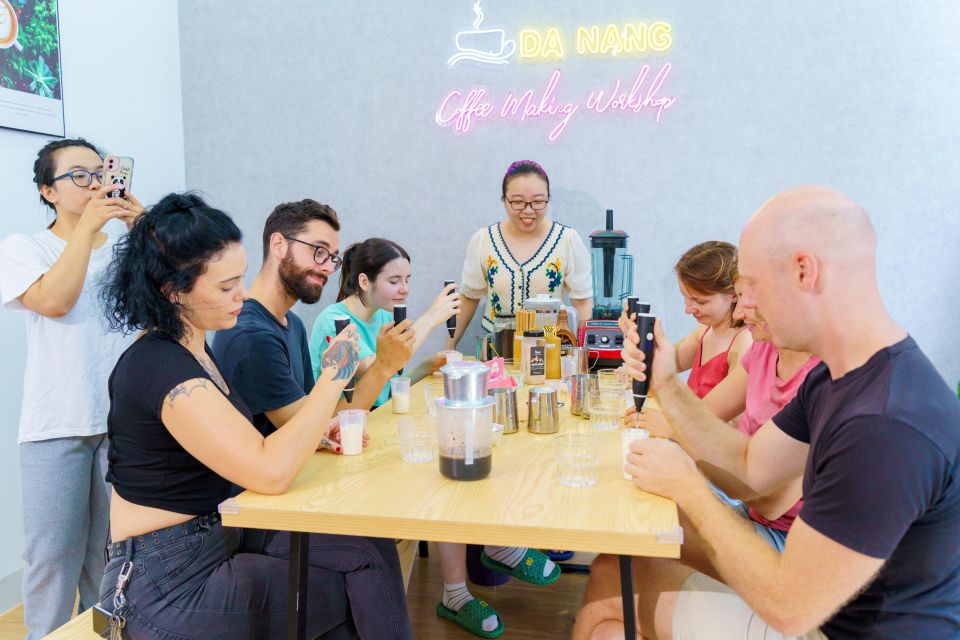
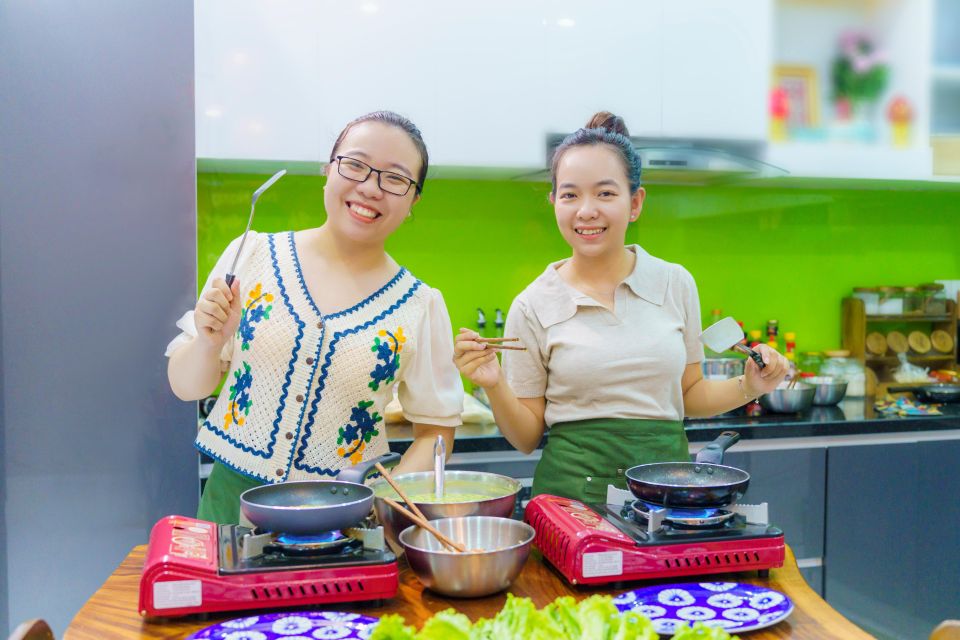
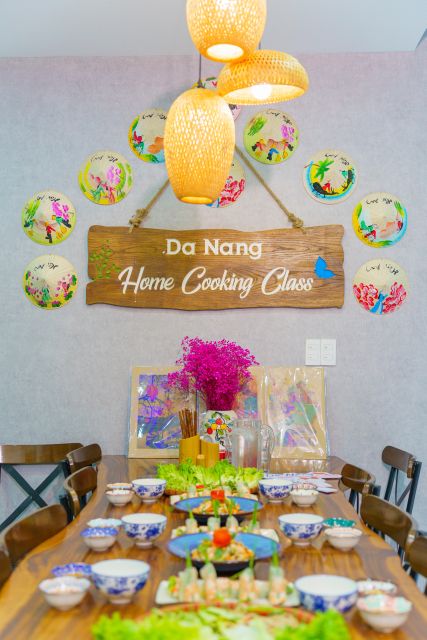
The workshop runs like a small classroom, not a rushed show. Your instructor and English-speaking guide (Jane is commonly mentioned as the guide) walks you through the steps, and the tools are ready to use.
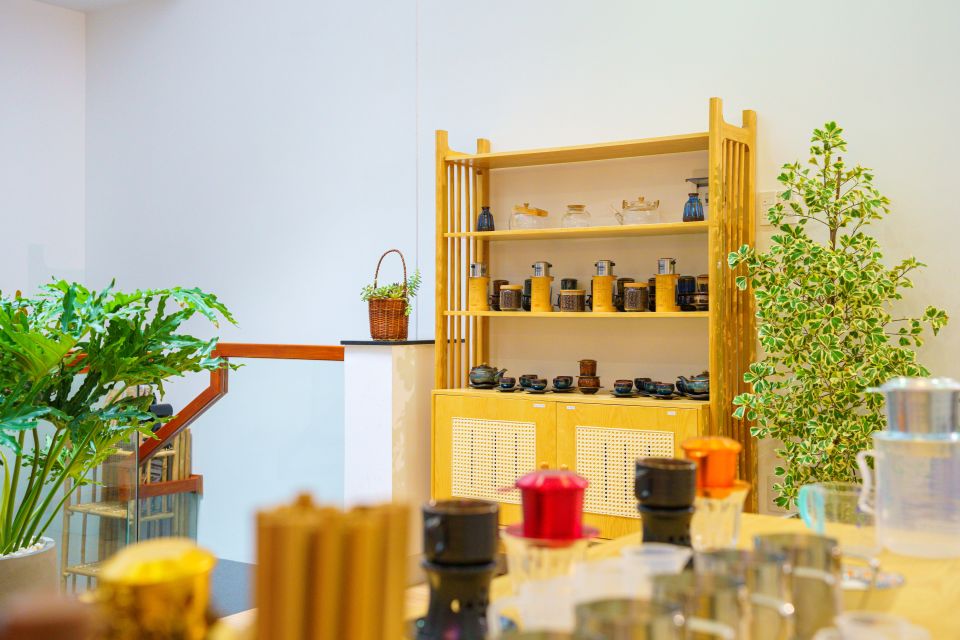
From the way participants describe the experience, two things stand out: the place feels clean and modern, and the class atmosphere stays calm even though you’re making multiple drinks. That combination reduces stress. You don’t have to multitask your way through the learning curve.
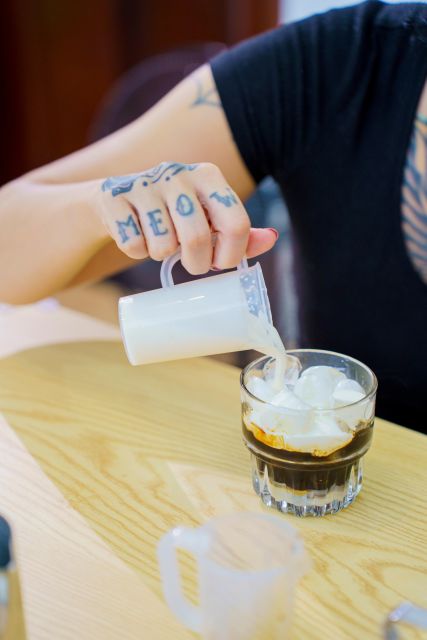
A simple but important detail: you’re not just tasting. You’ll be preparing the coffee yourself—so the instructions need to be clear, and they are. People repeatedly highlight that the steps are easy to follow, with a sense of humor that keeps the room light.
The 90-minute coffee class: what you do start to finish
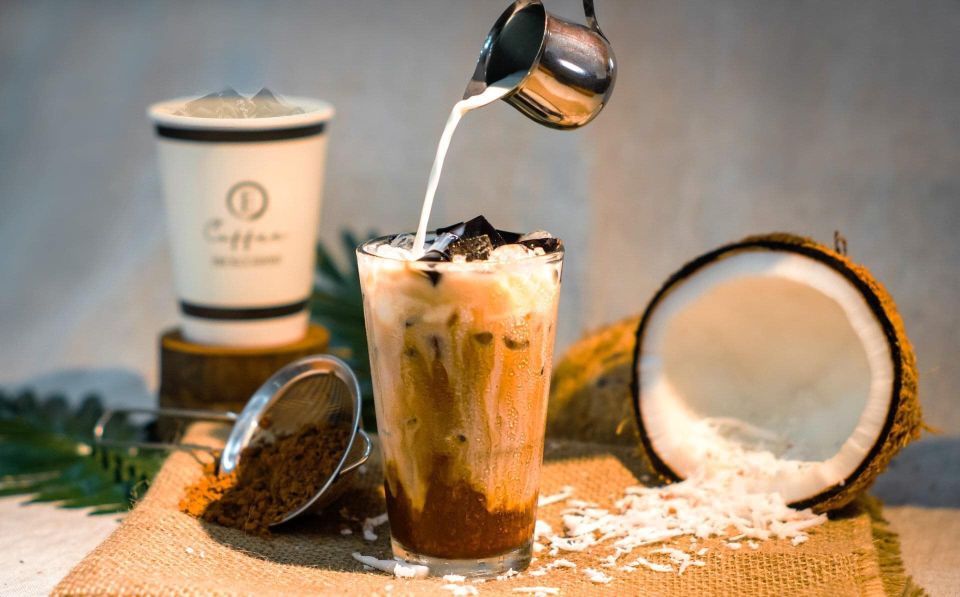
If you pick the coffee-only option, you’ll typically be in the room for about 1.5 hours. Common start times are 10:00 am, 1:00 pm, or 3:30 pm.
Here’s the flow you can expect:
- Coffee culture + what makes it Vietnamese
You’ll get context on how Vietnamese coffee became what it is, plus how the brew method shapes flavor.
- Hands-on setup with the tools
You’ll be guided through using the filter and brewing steps in a way that doesn’t require prior experience.
- Make and taste multiple styles
The class teaches you four coffees—egg coffee, salt coffee, coconut coffee, and phin coffee. You’ll prepare them and taste them during the workshop.
- Go-home instructions
A PDF with instructions is provided, which helps you recreate the drinks later.
One note from the experience itself: some sessions emphasize that you make enough coffee to enjoy fully during the class time, but portions and pacing can vary. Either way, you’ll leave with more than a sip—you’ll understand the process behind the flavor.
Egg coffee: the creamy texture lesson (and the part people worry about)
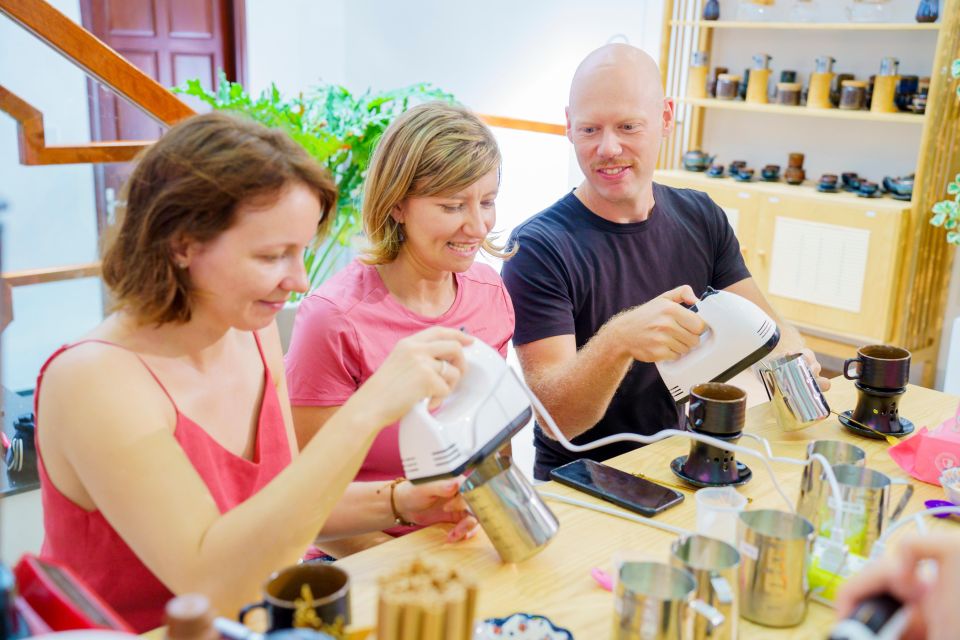
Egg coffee is one of the most iconic Vietnamese styles, and it can sound strange if you’ve only had regular latte foam. The class helps you understand it as technique and texture, not as a gimmick.
During the workshop, you’ll learn how the drink gets its signature smooth creaminess—something like a sweet, custardy topping that turns into a layered, velvety cup when served properly. The important part is that you’re taught how to make it step by step.
Because this menu includes eggs and milk, egg coffee is naturally part of that. If eggs are a problem, plan ahead. If you’re okay with eggs, this is usually the easiest way to see how Vietnamese coffee turns familiar ingredients into a distinct style.
Salt coffee and coconut coffee: when savory-sweet makes sense
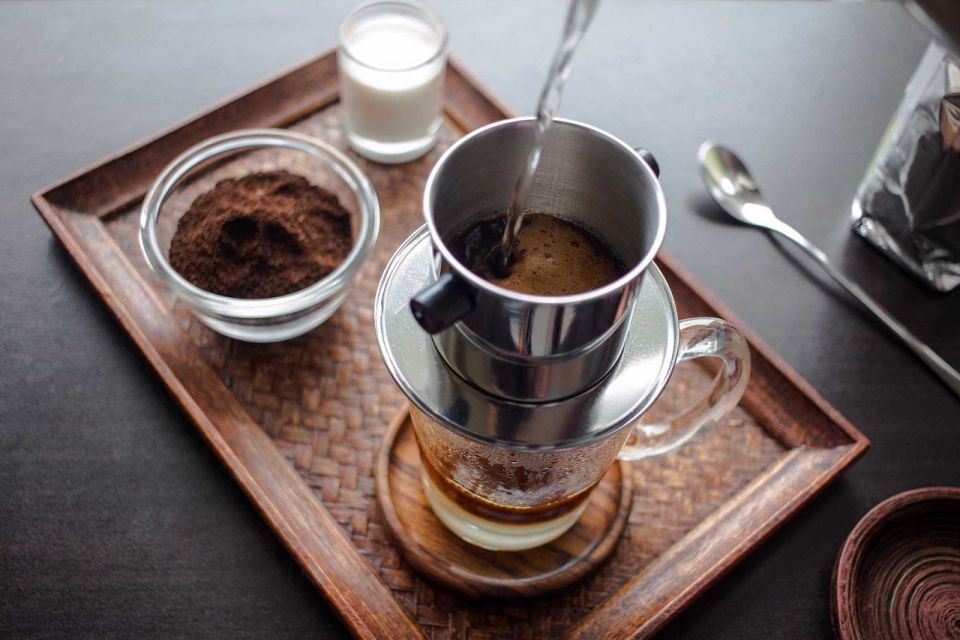
Two of the most memorable parts of Vietnamese coffee for many people are salt coffee and coconut coffee. They sound unusual at first, but the workshop approach is practical: you learn what ingredient is doing what job.
Salt coffee often gets described as a surprise hit. The salt doesn’t make the drink taste like food—it changes how sweetness and bitterness balance out. In the workshop setting, you can actually taste the effect, then understand why it works instead of just accepting a strange recipe.
Coconut coffee has its own logic. Coconut adds aroma and a slightly different sweetness profile, and it changes the overall texture you notice in your cup. When you compare it directly to the egg style and to phin coffee, you start hearing the differences in flavor structure, not just sweetness level.






Phin coffee: mastering the brew style behind the flavor
If you want one skill you can take home and use right away, focus on phin coffee. This is where Vietnamese coffee’s identity becomes clear.
In simple terms, the phin drip filter forces slower extraction. That slower pace changes how the coffee tastes—often making it feel heavier and smoother at the same time. In the class, you’ll learn the method so you can recreate the strength and body without fancy equipment beyond what you’re taught to use.
This matters because a lot of coffee mistakes come from brewing speed and water contact time. Once you understand that, Vietnamese coffee stops being random. It becomes a method.
And you’ll taste phin coffee as part of the lineup, so you can connect the technique to the result immediately.
Tasting strategy: how to enjoy four coffees without getting overwhelmed
This class makes it easy to keep going, and caffeine adds up fast. One participant noted that if you drink all the coffees you make, it can be equivalent to around six shots of coffee. That’s not a reason to skip. It’s a reason to plan.
Here’s how I’d handle it:
- Eat something before you go, especially for afternoon sessions.
- Slow down your sips so you can taste changes across the styles, not just chug everything.
- If you’re sensitive to caffeine, you can always pace yourself during tastings rather than treating it like a race.
The workshop is set up for enjoyment, but the drinks are real coffee. A little pacing makes the experience better.
Coffee plus lunch: when your class turns into a full meal
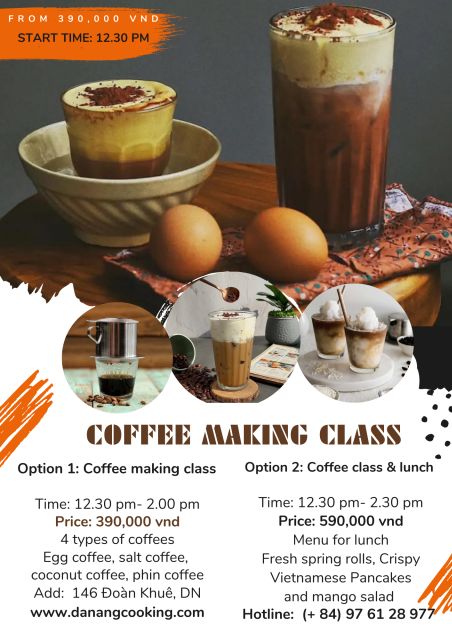
If you choose coffee making plus lunch, your duration is about 2.5 hours. Typical meet times are 12:00 noon or 2:30 pm.
You’ll have lunch before the coffee making class. The menu includes:
- Fresh spring rolls
- Crispy Vietnamese pancakes
- Mango salad with shrimp and pork
And there’s a vegetarian option available.
This is good value if you’re hungry when you arrive. It also helps with caffeine control because lunch smooths out the jolt. The food items are practical picks, not complicated tasting menus, so you get fed while still keeping your focus on the coffee lesson.
Coffee plus cooking class: Quang noodles, pho, and the day-by-day menu
For the longer experience (about 4 hours), you start around 9:30 am. This option adds a cooking class to the coffee training.
Your cooking menu changes by day:
- Mon, Wed, Fri: Quang noodle; fish sauce chicken wing; green papaya salad with shrimp; deep-fried spring rolls
- Tue, Thur, Sat, Sun: beef noodle soup (pho); crispy Vietnamese pancakes (banh xeo); green mango salad with shrimp; fresh spring roll
Why this combination works: it pairs beverage culture with food culture. Coffee in Vietnam isn’t a separate hobby—it’s tied to daily meals and social life. Learning a noodle dish or pho right after you learn brewing technique helps the whole day feel cohesive.
One more practical point: if you’re the type who likes structure, the cooking class adds momentum. You don’t just taste and repeat coffee steps—you also get a full hands-on meal component.
Price and value: is $17 fair for four coffees and tools?
The price listed is $17 per person for the coffee workshop. That number makes a lot more sense when you look at what’s included: coffee making tools, making four types of coffees, and an English-speaking instructor/guide. For many visitors, that’s exactly what they want—an organized, guided way to learn without guessing your way through ingredients and equipment.
You’re also paying for time and clarity. Coffee technique takes practice, and the workshop setting gives you feedback while you work. Add the fact that you leave with a recipe PDF, and you’re not only paying for the drinks you taste—you’re paying for a repeatable skill.
Downside on value: you won’t be getting round-trip transportation, so plan to reach the meeting point on your own. If you factor that into your day, the pricing still holds up well for what you learn and taste.
Who should book this Da Nang coffee workshop (and who should rethink it)
This workshop is a strong match if you:
- Love coffee and want a hands-on Vietnamese method, not just a tasting
- Want a fun morning or afternoon activity with an English guide
- Like having recipes and instructions to use later
I’d think twice if you:
- Can’t do eggs or milk (the menu includes both)
- Hate caffeine or are very sensitive to strong coffee
- Prefer purely scenic tours and minimal tasting
The small group format helps too. Even if you’re traveling solo, the class structure makes it easy to interact without feeling crowded or lost in a crowd.
Small group, English instruction, and the practical details that matter
A few things that affect your day-to-day comfort are clear from the setup:
- English instruction is part of the experience.
- It’s described as wheelchair accessible.
- There’s a small group size, which supports hands-on participation.
- Pick-up and drop-off are not included, so you’ll handle your own logistics.
If you want the easiest experience, show up on time and have a light snack beforehand. That single step improves how you feel through all the tastings.
Should you book Da Nang coffee in Da Nang?
If your trip needs one activity that’s both fun and useful, I’d book it. You’ll learn four Vietnamese coffee styles—egg, salt, coconut, and phin—plus the brewing technique behind the flavor. You also get clear instruction and take-home recipes, so it’s not just an afternoon you forget.
Book it especially if you’re the kind of traveler who likes learning by doing. This workshop gives you a repeatable skill, not just photos.
FAQ
FAQ
What types of Vietnamese coffee will I learn?
You’ll learn to make egg coffee, salt coffee, coconut coffee, and phin coffee.
How long is the coffee workshop?
The coffee-making class runs about 90 minutes to 1.5 hours. The longer options last about 2.5 hours (coffee and lunch) or 4 hours (coffee and cooking).
What times does the coffee-making class start?
Common meet-up times for the coffee class are 10:00 am, 1:00 pm, and 3:30 pm.
What’s included if I choose coffee making and lunch?
You get lunch before the coffee class. The lunch menu includes fresh spring rolls, crispy Vietnamese pancakes, and mango salad with shrimp and pork, with a vegetarian option available.
What’s included in the coffee making and cooking class?
You’ll learn coffee-making plus cooking. The cooking menu changes by day, and it can include dishes like Quang noodles or pho, plus other Vietnamese sides and spring rolls.
Is the workshop taught in English?
Yes. The instruction is English with an English-speaking guide/instructor.
Do I get pick-up and drop-off?
No. Pick-up and drop-off are not included.
Does the menu include eggs or milk?
Yes. The menu contains eggs and milks.
Do I get anything to take home?
A PDF with instructions/recipes is provided at the end.
Is there flexibility with booking and cancellation?
There is free cancellation up to 24 hours in advance for a full refund, and the option to reserve now and pay later is available.