REVIEW · KYOTO
Kyoto Samurai Experience
Book on Viator →Operated by Kyoto Samurai Experience · Bookable on Viator
Handle a katana in a real Kyoto house. This Kyoto Samurai Experience is built around hands-on training—you practice sword basics with an instructor, then add the calm contrast of Zen meditation in the same historic setting. It’s a different kind of Kyoto stop: less sightseeing, more doing.
What I like most is the mix of practical technique and cultural context. You don’t just pose in costume—you follow a guided flow that includes kimono try-on and explanations of Bushido, so the swords make sense in the bigger picture.
The main thing to consider is effort and expectations. You should be ready for a moderate physical activity session (comfortable shoes matter), and the location is described as a bit out of the way—so plan your transit time like you mean it.
In This Review
- Key highlights you’ll feel fast
- A Kyoto meeting point in the Waraku samurai-house area
- Kimono try-on: the class officially starts here
- Bushido philosophy: why the sword lesson isn’t just about swinging
- Swordsmanship basics with a real training katana
- Zen meditation: the calm after the cut
- Price and value: what $119.38 buys in real terms
- Logistics that actually affect your experience
- Who should book this samurai class (and who might skip it)
- Should you book Kyoto Samurai Experience?
- FAQ
- How long is the Kyoto Samurai Experience?
- Do they offer morning and afternoon departures?
- What activities are included?
- Where does the tour meet?
- How big is the group?
- Is there a fitness requirement?
Key highlights you’ll feel fast
- Small-group size (max 14) means more personal attention during sword practice
- Kimono changing is part of the class, not a quick photo stop
- Bushido and sword philosophy gives context behind the movements
- Training sword work lets you handle a martial arts-style katana safely and clearly
- Zen meditation helps you cool down after physical practice
- Staff care on cold/hot days includes comfort touches like tea and warming support
A Kyoto meeting point in the Waraku samurai-house area
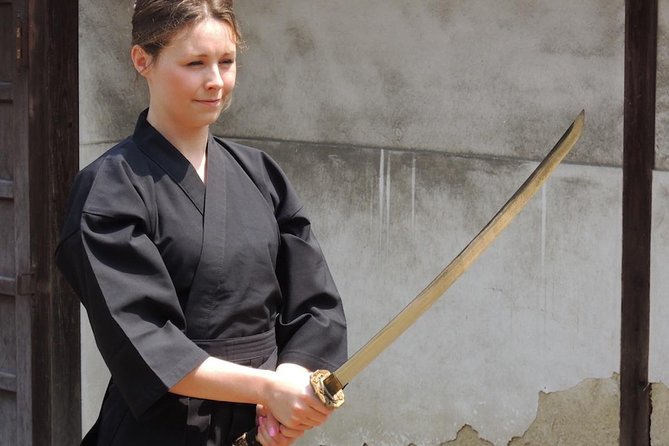
Your experience starts at Kyoto Samurai Experience / Waraku, 111 Inabachō, Nakagyo Ward, Kyoto (604-8803). The good news: it’s near public transportation, so you’re not stuck in a car-only zone. Still, Kyoto is big on “short walk” that somehow turns into “long walk,” so give yourself a little buffer.
This matters because the class rhythm depends on arriving on time. You’ll get your group check-in, change into the kimono, and settle into the session flow. If you arrive flustered, you’ll feel it fast—kimono + sword basics is not a great match with a sprint.
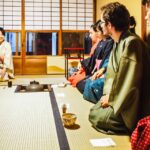
The setting also plays a role in the value. Multiple reviews highlight the historical samurai house as part of the payoff, not just a backdrop. Even if you’re mainly there for the sword, the building tone changes how you experience the lesson.
You can also read our reviews of more tours and experiences in Kyoto.
Kimono try-on: the class officially starts here
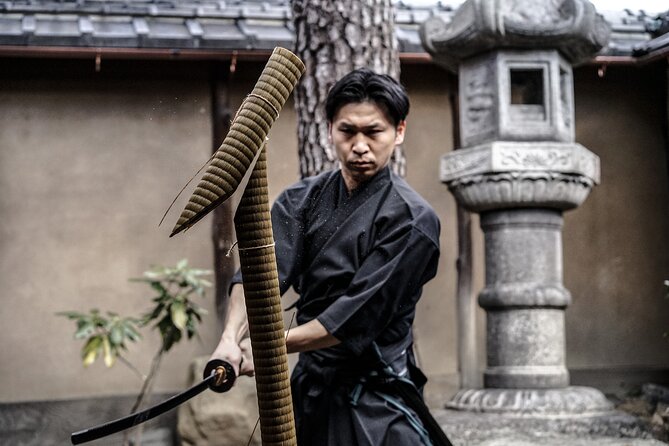
After meeting your guide and group, the session shifts right away into traditional dress. You’ll change into a kimono, which helps the whole experience click into place. It’s not only for pictures; it sets the pace and reminds you that this lesson is about tradition, etiquette, and a different kind of movement.
What to wear matters more than you’d think. Plan for comfortable clothes and appropriate footwear for an athletic activity. Even though you’re wearing a kimono, you’ll still be doing physical practice steps. Tight shoes or stiff outfits can make you feel awkward while you focus on form.
You should also expect some practical comfort support depending on the season. One review specifically called out cold-day care like hot tea and warming help during an outdoor moment of the program. Another mentioned heat-day support like water, wet cloths, and electrolyte candies while people took their turns. So yes, conditions change—but the staff seem prepared to keep you steady.
Bushido philosophy: why the sword lesson isn’t just about swinging
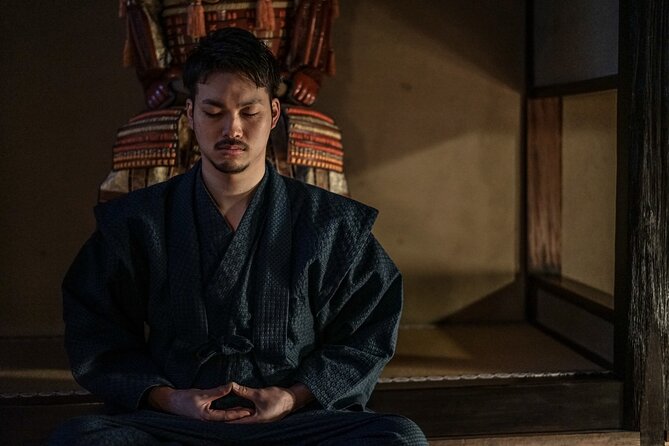
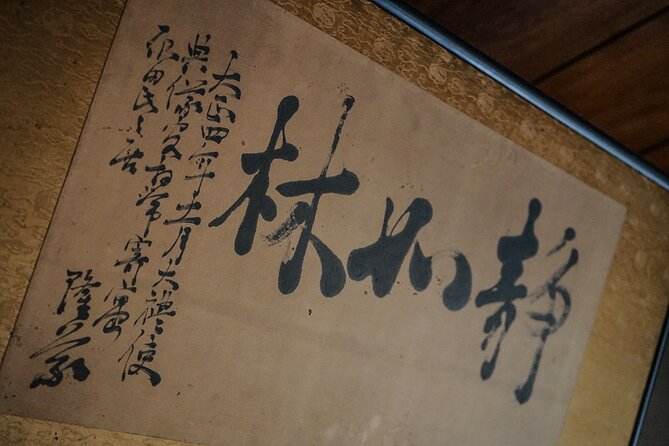
Once you’ve settled in, the instruction includes the culture behind the training. You’ll learn about samurai life and the philosophy of Bushido, the way of the warrior. This is one of the most valuable parts for most first-timers, because it turns the experience from novelty into understanding.
Here’s how this helps your trip: Kyoto has lots of temples and museums where “samurai” can feel like an exhibit. This class connects that theme to real training logic—why a person would practice discipline, control, and mindset. The guide explains dress and behavior too, so you’re not just copying motions. You’re being taught what the motions mean.
You’ll also hear a structured explanation of how the session works. That sounds basic, but it’s a big deal when you’re handling a weapon-shaped training tool. Clear steps reduce confusion and help you enjoy the time instead of worrying you’re doing it wrong.
Swordsmanship basics with a real training katana
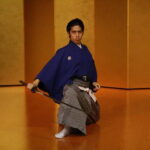
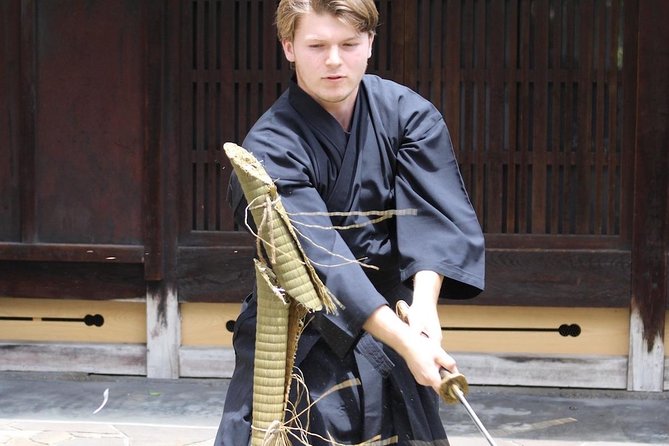
The center of the class is sword practice. With guidance, you’ll learn basic techniques and handle a martial arts training sword. You’re not expected to become a swordsman in an hour and change, but you should leave with a working feel for the fundamentals: stance, safe handling, and basic movement patterns.
This is where the small-group format (max 14) really earns its keep. In larger classes, you get rushed, and the instructor’s attention gets scattered. In a smaller group, you’re more likely to get corrected on posture and grip, so your practice improves instead of becoming just a photo moment.
Moderate physical fitness is recommended. That doesn’t mean “athlete only,” but plan for standing, controlled movement, and repeating steps while you wait for your turn. Wear clothes you can move in, and don’t wear footwear that will make you slide or trip.
Safety also feels built into the format. The session is taught by a sword instructor, and the structure is meant to make handling the weapon-shaped tool understandable and controlled. You’ll get the explanation you need before you try.
A few reviews mention instructor quality in strong terms—patients, kind, and clearly skilled. That aligns with what you’d hope for in a sword class: the difference between performing sword tricks and teaching technique.
Zen meditation: the calm after the cut
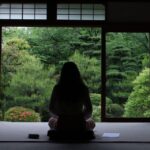
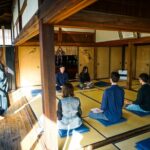
After the physical work, the program includes a Zen meditation session. This timing is smart. It gives your mind somewhere to land after all the focus on form and movement.
Meditation also changes how you remember the class. If all you did was sword practice, you’d leave with adrenaline and a handful of poses. With meditation included, you leave with something quieter and more reflective—which matches the samurai theme surprisingly well. Discipline and awareness aren’t separate from training; they’re part of it.
Reviews praise how the meditation works as a wind-down. Some mention the staff guiding it in a way that feels thoughtful rather than rushed. A couple of comments also mention additional atmosphere like music or sound moments. That kind of element can help the transition from active practice to stillness.
Even if you’ve never meditated before, you should be able to follow along because the class flow is structured. The goal isn’t spiritual perfection. It’s learning the rhythm: focus, settle, and then return to everyday life with a calmer brain.

Price and value: what $119.38 buys in real terms
At $119.38 per person, this isn’t the cheapest Kyoto activity. So the key question is value: what are you getting for that money?
You’re paying for four things that are hard to fake:
- A historic setting (a preserved samurai house atmosphere)
- Instruction from a sword teacher with hands-on practice
- Multiple cultural components: kimono try-on, Bushido context, Zen meditation
- Small-group attention (max 14), which affects how much coaching you actually receive
If you compare it to “costume + quick photo” style experiences, the price looks more reasonable because you’re spending real time practicing and learning. The class is about 1 hour 45 minutes. That’s a decent chunk of time for a single-ticket experience in Kyoto.
Also, reviews heavily favor organization and pacing—nothing felt rushed or overly commercial. That matters, because for paid experiences, time quality is everything. A long line and a short lesson is disappointing. Here, the structure is designed to keep you moving through steps without feeling lost.
The one caution is that expectations can clash with reality in any activity that has strong promo videos and photos. One review complained that their experience didn’t match what they saw online, and another called it expensive compared to value. That doesn’t mean the experience is usually disappointing, but it’s worth saying plainly: if you’re booking mainly for cinematic sword visuals, you might want to temper expectations toward technique and guidance rather than constant action shots.
Logistics that actually affect your experience
This is a mobile-ticket activity, and you should get confirmation at booking. After that, the main logistical tasks are simple:
- Arrive at the meeting point on time
- Bring comfortable, athletic footwear
- Wear clothes that can handle physical practice
- Plan for weather since the session can include outdoor time in some conditions
One review noted care on both cold and hot days. That’s a helpful sign that the staff think about comfort, not just the lesson plan. Still, don’t rely on luck. Bring layers, especially in shoulder seasons, and don’t assume you’ll be indoors the whole time.
Also, you’re dealing with an activity that includes both clothing changing and physical practice. So if you want a Kyoto day that stays smooth, schedule some breathing room before and after. Think of this as a core activity, not something you slot between fast train connections.
Who should book this samurai class (and who might skip it)
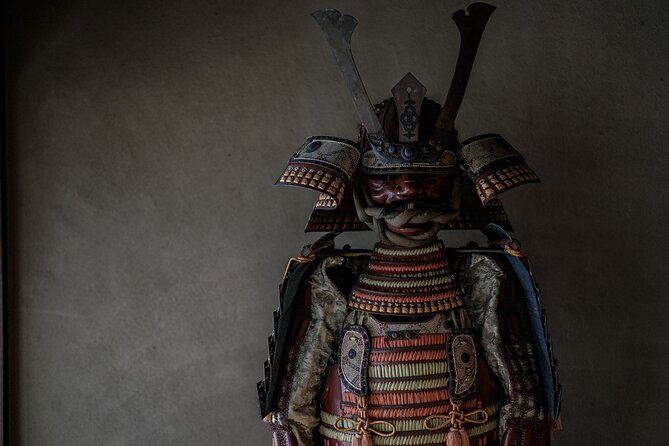
This tour fits best if you want a hands-on cultural activity and you like learning by doing.
You’ll likely enjoy it if:
- You want a non-cookie-cutter Kyoto experience that goes beyond temple photos
- You like structured instruction and clear steps
- You’re curious about samurai culture through Bushido and Zen, not just costumes
- You’re traveling with family—reviews mention adults and children having a good time when they can follow the guidance
You might consider skipping or adjusting expectations if:
- You’re not interested in any physical component at all
- You hate cold or heat and you’re booking in harsh weather without planning for it
- You want a “spectacle only” experience rather than a technique-and-mindset class
Minors must be accompanied by an adult. If you’re traveling with a child, this is a good option as long as they can participate comfortably with the group flow.
Should you book Kyoto Samurai Experience?
My take: yes, if you want hands-on samurai culture. The combination of kimono try-on, sword training basics, Bushido context, and Zen meditation gives you more than a single-theme activity. The small-group limit helps too, because it supports real coaching instead of watching from the sidelines.
I’d book it now if:
- This is your top pick for samurai-themed time in Kyoto
- You’ll appreciate the pacing and cultural explanations
- You’re okay with moderate physical movement and weather comfort
I’d think twice if:
- You’re price-sensitive and want maximum “bang” in pure sightseeing
- You’re expecting nonstop cutting action or a video-style performance the whole time
In short, this is a smart choice for travelers who like to learn culture with their hands and their head, not just their camera.
FAQ
How long is the Kyoto Samurai Experience?
The session is approximately 1 hour 45 minutes.
Do they offer morning and afternoon departures?
Yes. You can choose either a morning or afternoon departure time based on your itinerary.
What activities are included?
You’ll change into a kimono, learn about Bushido, practice swordsmanship basics using a training sword, and take part in a Zen meditation session.
Where does the tour meet?
The meeting point is Kyoto Samurai Experience / Waraku at 111 Inabachō, Nakagyo Ward, Kyoto, 604-8803, Japan.
How big is the group?
The tour/activity has a maximum of 14 travelers.
Is there a fitness requirement?
Travelers should have a moderate physical fitness level, and you should wear comfortable clothes and appropriate footwear for athletic activity.