REVIEW · SIEM REAP
Siem Reap: Angkor Wat Private Tuk-Tuk Tour
Book on GetYourGuide →Operated by Siem Reap Experiences · Bookable on GetYourGuide
Sunrise over Angkor Wat is a different kind of wow. This private tuk-tuk day is built around timing, comfort, and seeing the big names plus the quieter stonework that makes Angkor feel human. You can shape the day—start time, pickup spot, and even add stops—while an English-speaking driver keeps you moving smoothly.
I especially like how private transport lets you choose your own pace, and I love the way the route aims for the best sunrise position so you’re not wandering in the dark. The day also gives you time to actually look, not just pose and race to the next photo spot.
One consideration: it’s still a long, hot 8–9 hours of temples, and by late morning you’ll feel it if you’re not ready for Cambodia’s heat and stone-dust.
In This Review
- Quick Takes: What Makes This Tuk-Tuk Day Work
- Sunrise Over Angkor Wat, Built for Timing Not Traffic
- Angkor Wat: A Self-Guided Walk That Still Feels Orchestrated
- Angkor Thom and Bayon’s Carved Faces: When Scale Becomes Personal
- Ta Prohm: Coffee, Breakfast, and Jungle-Claimed Stones
- Banteay Kdei: The Monks’ Cells and the Cotton Tree Root Web
- Ta Keo: The Unfinished Pyramid That Alters Your Angle
- Tuk-Tuk Logistics: Transfers That Keep the Day Comfortable
- Price and Value: Paying $20 for a Private Day (What’s Extra)
- What to Wear and Bring So You Don’t Get Stopped
- Who This Tour Suits Best (And Who Should Rethink It)
- Should You Book This Siem Reap Angkor Wat Private Tuk-Tuk Tour?
- FAQ
- What is the price for this tour?
- How long is the tour?
- Is hotel pickup and drop-off included?
- Are Angkor temple entry tickets included?
- Does the driver guide you inside the temples?
- Is sunrise part of the experience?
- Can I choose a sunset route instead?
- What should I wear and bring?
Quick Takes: What Makes This Tuk-Tuk Day Work
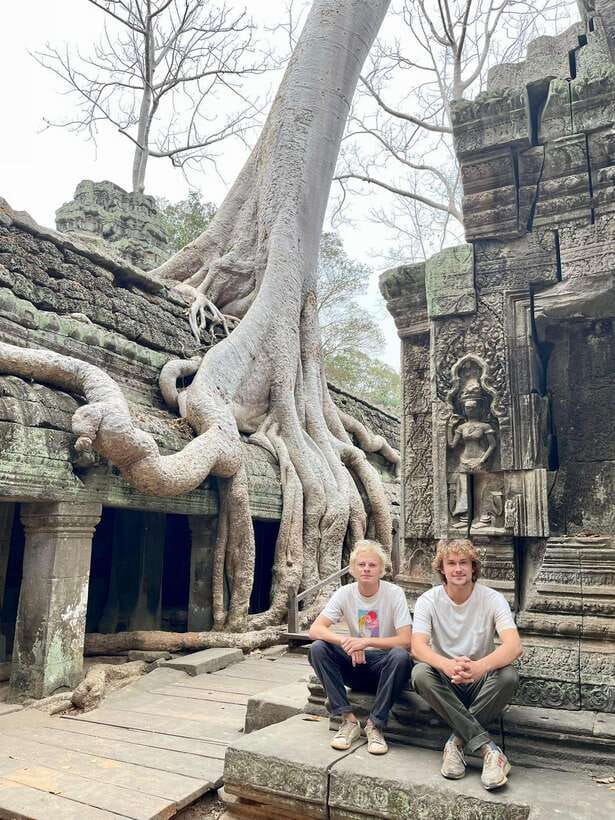
- Private tuk-tuk with flexible timing, so you can start when it suits you and linger where you care
- Sunrise-focused positioning at Angkor Wat, including a planned early arrival window
- Angkor Thom + Bayon faces, where the scale hits you even if you only give it an hour
- Ta Prohm with a real break built in, plus coffee/breakfast time to reset
- Banteay Kdei’s cotton tree roots, one of those sights that feels impossible until you see it
- A less-common stop at Ta Keo, the unfinished pyramid that changes how you read the whole site
Sunrise Over Angkor Wat, Built for Timing Not Traffic
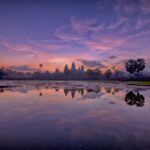
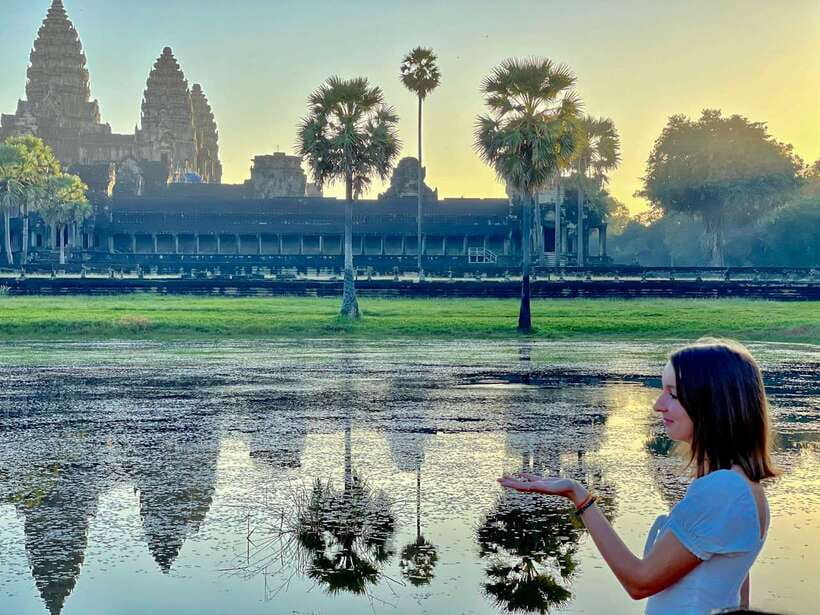
Angkor Wat sunrise is the classic reason people come to Siem Reap. The smart part of this tour is that you’re not treating it like a random early wake-up call. You’re dropped into the right rhythm: early start, time to settle, then a structured period to watch the sky shift and to take in the temple’s changing mood as the light hits the stone.
This matters because Angkor in the morning isn’t just pretty. It’s calmer, cooler, and the temple details pop. You’ll see carvings and structural lines more clearly when the air isn’t already shimmering with heat. Plus, sunrise is the one moment when the whole Angkor Wat complex feels like it belongs to history, not just Instagram.
I also like that you’re not locked into one schedule. If you’re the type who wants to do sunset instead, the tour can be routed that way too, with a loop through the further-out temples and a sunset viewing from Bakheang Mountain (depending on which option you choose).
You can also read our reviews of more tours and experiences in Siem Reap.
Angkor Wat: A Self-Guided Walk That Still Feels Orchestrated
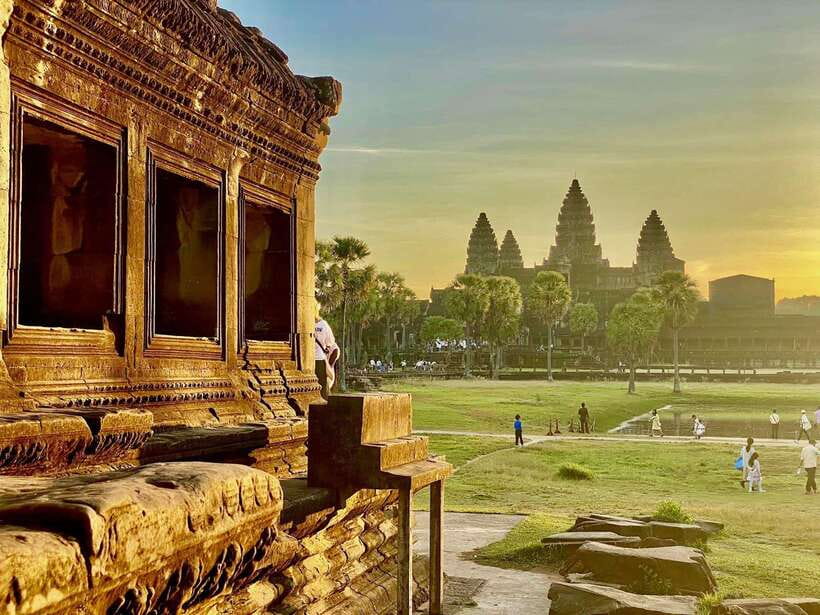
After the morning start, your day centers on Angkor Wat itself—time to wander the main areas and soak in what you’re seeing. You’ll have a self-guided window where you can move at your pace, take breaks, and decide what to revisit.
A private tuk-tuk setup is more than convenience. It changes how you experience Angkor. You’re not herded from one checkpoint to another, and you can spend extra minutes on the areas that catch your eye—like the sheer geometry, the layered terraces, and the way the causeways frame views.
Two small things can make or break the experience inside Angkor Wat: your clothing and your expectations. Dress matters because you’ll be required to follow temple rules (more on that later). And mentally, remember Angkor Wat is huge. If you treat it like a checklist, you’ll miss the feeling. Give yourself permission to slow down.
If you want more interpretation while you walk, this kind of tour arrangement often pairs well with adding an on-site temple guide when you’re at the gates. The driver can help with context at stops, but inside temple interpretation can vary depending on what you choose.
Angkor Thom and Bayon’s Carved Faces: When Scale Becomes Personal
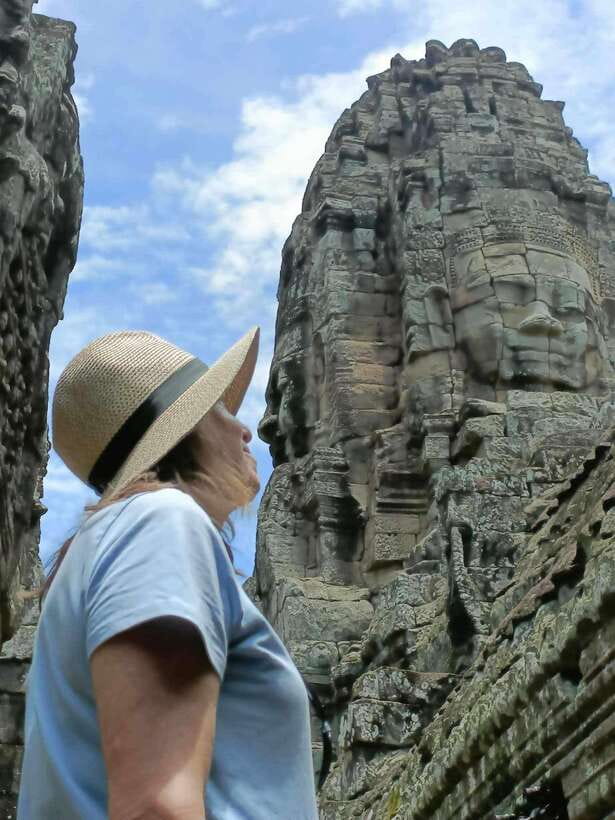
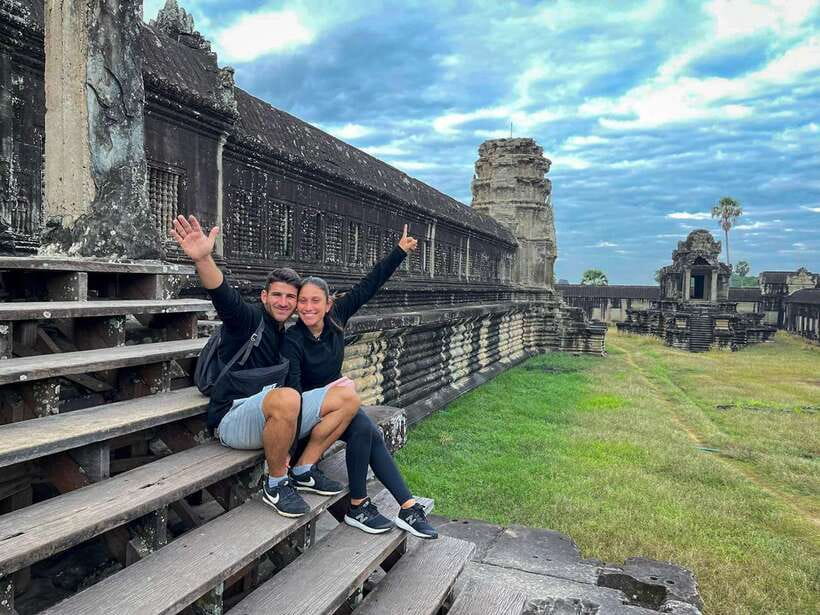
Next comes Angkor Thom—massive, ambitious, and less famous than Angkor Wat, which is exactly why it feels like a find. Bayon Temple sits at the heart of it, and its famous carved faces create a strange, slightly watchful feeling. You’ll spend about an hour walking and sightseeing here, which is a good length for Bayon because it’s dense: you can’t sprint, and you don’t need all day.
Here’s why this stop lands: Bayon doesn’t just look impressive. It changes your sense of scale. The approach and the arrangement make you feel smaller in a way that’s hard to get from photos alone. Once you’re inside, you start noticing how the faces repeat across galleries and how the temple’s layout guides your movement.
If you’re the type who likes learning as you go, this is a great moment to ask your driver questions. Many excellent days on this route come down to the quality of the explanations offered between stops. You want someone who can connect what you’re seeing—Hindu and Buddhist influences, Khmer-era ambition, and later layers of meaning—without turning the whole thing into a lecture.
Ta Prohm: Coffee, Breakfast, and Jungle-Claimed Stones
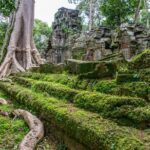
Then you hit Ta Prohm, one of the most beloved temples in the Angkor orbit. This stop is popular for a reason: it’s partially reclaimed by the jungle, so the whole place feels calmer and more “alive” than the perfectly restored sites.
You’ll have a built-in break that includes coffee and breakfast time before more exploring. I like this structure because Ta Prohm is visually intense. Taking a break before going deeper helps you stay sharp for the details—the stone blocks softened by time, the roots gripping surfaces, and the way light filters through trees.
You’ll also get another self-guided sightseeing block here, which helps. Ta Prohm is the kind of temple where you’ll want to circle back and notice different angles. If you’re rushing, you’ll miss how the jungle frames doorways and how the ruin textures shift as you move.
Practical note: Ta Prohm is a favorite for photography, so expect crowds during peak daylight. The private tuk-tuk flow still helps, because your timings can be managed so you’re not stuck waiting around.
Banteay Kdei: The Monks’ Cells and the Cotton Tree Root Web
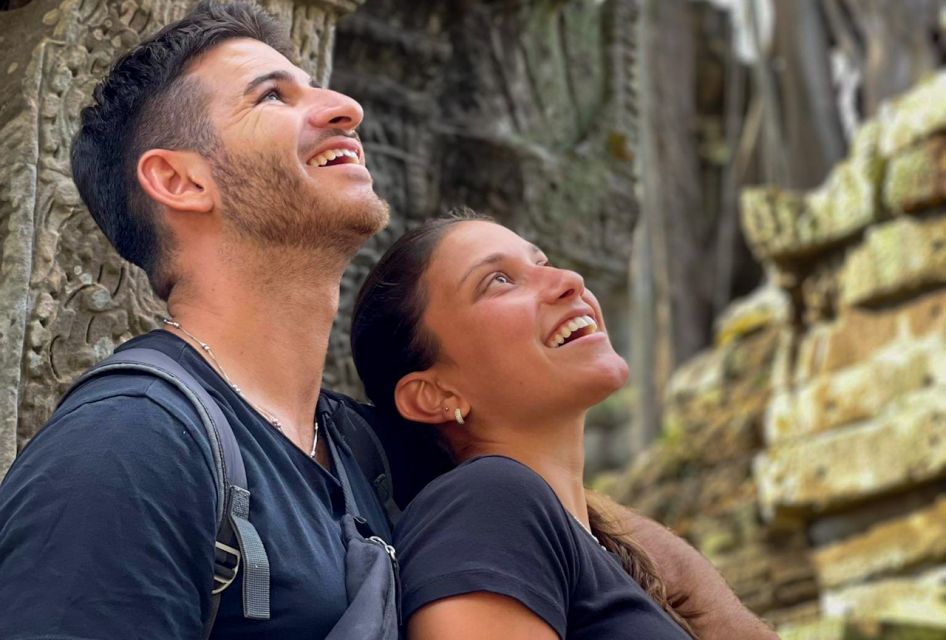
Banteay Kdei is where Angkor starts to feel less like a postcard and more like a place people actually lived and worshipped. It’s often called the citadel of monks’ cells, and the layout gives you a sense of how complex the Khmer temple world could be.
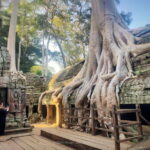
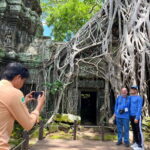
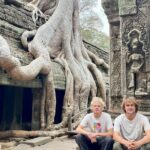
This stop also delivers one of the most memorable natural sights in Angkor: the silky cotton tree roots weaving through the stones. It’s famously beautiful, and seeing it in person changes the way you think about ruins. The roots don’t just look cool; they show you how time works here—gradually, insistently, and with enough space to become part of the design.
You’ll spend about an hour walking and sightseeing. That’s the right amount of time because the root textures and ruined wall lines pull your attention in multiple directions. If you only give it 20 minutes, you’ll take photos but not really absorb the scene.
Also, this is a great stop to slow down and look for patterns. Spend a few minutes at the most photogenic root clusters, then take another pass where you just watch where the light hits the stones and how the greenery frames the edges.

Ta Keo: The Unfinished Pyramid That Alters Your Angle
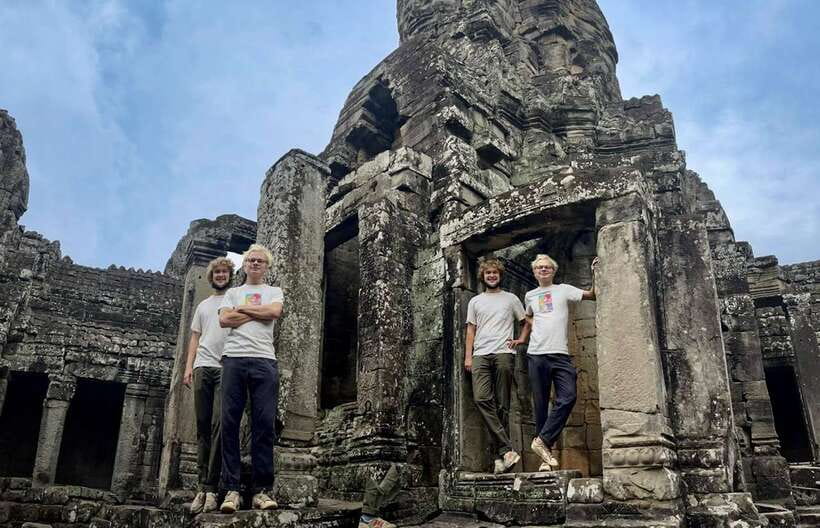
Ta Keo is different from many other Angkor temples because it was never finished. That unfinished quality matters. It makes the temple feel rawer and more abrupt, which changes your reading of Khmer architecture. Instead of smoothing into perfection, it shows the ambition of a project in mid-stream.
You’ll have about an hour here for sightseeing and walking terraces. Climbing the layered pyramid gives you views over the jungle—good when you want a visual reset after earlier dense carving corridors. The climb is also useful psychologically: you’re moving, getting perspective, and stepping away from the near-field textures for a bit.
If you’re sensitive to heat or tired of long stone walks, this stop can be a balancing act. You don’t have to climb to the top to enjoy Ta Keo. Even the lower terraces and approach views often feel dramatic because of the temple’s strong shape.
Tuk-Tuk Logistics: Transfers That Keep the Day Comfortable
A big part of why this tour works is what it doesn’t do. It doesn’t force you to walk between far-flung temples all day. You get short transfers (think around 20–45 minutes depending on the leg), which keeps you from burning energy you’ll need for temple walking.
It also helps that you’ll be picked up and dropped off at your hotel in Krong Siem Reap. That door-to-temple simplicity is worth something in Angkor, where starting points can be confusing and where parking can be its own mini-adventure.
One thing I’d call out from excellent service patterns: many of the best driver experiences include cold bottled water available during the day, not just at the start. In Cambodia heat, cold water isn’t a perk. It’s a survival tool. People also often note strong English communication and a driver who can adjust timing as needed based on how you’re feeling.
If you’re worried about finding your driver at each stop, this kind of private tour tends to stay organized. You’ll be met after each sightseeing block so you can keep moving without long waits.
Price and Value: Paying $20 for a Private Day (What’s Extra)
At $20 per group up to 3 people, this tour can be a strong value compared to paying separately for transport. The price point matters most if you’re traveling as a pair or small group, because private tuk-tuk costs tend to climb fast when you’re on your own.
But do budget smart. Temple entry is not included. You’ll need an Angkor Archaeological Park entry ticket, purchased via the official website: https://www.angkorenterprise.gov.kh/
Food and soft drinks are also not included, so plan for coffee, water, and meals to come from your own budget unless you choose to include them at stops.
The other key cost variable is guides inside the temples. This type of arrangement is described as private with an English-speaking driver and bespoke routes, but it notes that a guide for inside temples is not automatically included unless you select an option. You can often add interpretation on-site if you want more context while you’re inside.
Bottom line: for $20 up to 3 people, you’re paying mainly for private transport, route design, hotel pickup/drop-off, and a smooth day flow. If you already know you’ll want a deeper interpretive guide inside temples, you should plan extra time and budget accordingly.
What to Wear and Bring So You Don’t Get Stopped
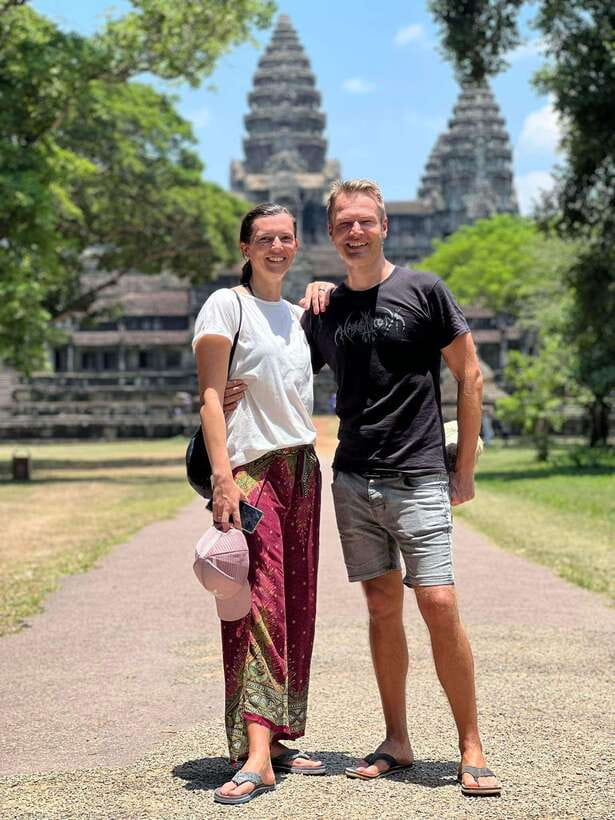
Angkor temple rules are simple, but they can ruin your day if you ignore them. Shorts, short skirts, and sleeveless shirts are not allowed. Wear comfortable clothes that cover you appropriately, and bring something light but respectful. You’ll be walking on uneven stone and dusty paths, so choose breathable fabric with closed shoulders and a length that meets the rules.
Bring sunglasses and sunscreen. In the morning you may feel okay, then the sun will climb and suddenly your skin will remember it. A charged smartphone is useful for photos and for staying in sync with your driver using simple messaging when you’re moving between stops.
And yes: bring water discipline. Even if chilled bottled water is provided, you’ll still want your own small plan—sip often, don’t wait until you feel thirsty.
Who This Tour Suits Best (And Who Should Rethink It)
This tour is ideal if you:
- Want a private tuk-tuk day without the stress of figuring out routes yourself
- Like balancing major highlights with a few stops that feel more textured and less crowded
- Prefer flexibility over a rigid group schedule
- Want sunrise and/or sunset options depending on your mood
It may be less ideal if you:
- Want a full-time professional guide inside every temple by default
- Don’t handle heat well, since it’s still an 8–9 hour day with multiple walking blocks
- Are planning for mobility limitations. The tour notes it’s not suitable for people over 95 years.
Should You Book This Siem Reap Angkor Wat Private Tuk-Tuk Tour?
If you want Angkor Wat with less hassle, more pacing control, and better comfort than a crowded group bus, I think it’s a smart pick. The route hits the essentials—Angkor Wat, Bayon, Ta Prohm, plus the often-lesser-but-fascinating Banteay Kdei and Ta Keo—and it does it with enough time to actually look.
The decision comes down to two things:
1) Are you prepared for the heat and long temple blocks? If yes, you’ll love the flow and flexibility.
2) Are you okay paying separately for the temple pass and potentially for an inside guide if you want deeper interpretation? If yes, $20 for private transport up to 3 people becomes a standout value.
If those match your style, book it. You’ll leave with that rare combo: big-name icons and a few moments that feel like you found Angkor in a quieter, more personal way.
FAQ
What is the price for this tour?
It’s $20 per group for up to 3 people.
How long is the tour?
Plan for about 8–9 hours total.
Is hotel pickup and drop-off included?
Yes. Pickup and drop-off are included at your hotel/guesthouse in Krong Siem Reap.
Are Angkor temple entry tickets included?
No. The Angkor Archaeological Park entry ticket is not included.
Does the driver guide you inside the temples?
You’ll have an English-speaking driver and you can get explanations at stops, but a guide for inside the temples is not included unless selected as an option. You can use on-site guidance if you want.
Is sunrise part of the experience?
Yes. One option focuses on sunrise at Angkor Wat with a morning schedule designed for early viewing.
Can I choose a sunset route instead?
Yes. There’s an alternate route option that loops through further-out temples and finishes with sunset from Bakheang Mountain.
What should I wear and bring?
Wear comfortable clothes that follow temple dress rules (no shorts, short skirts, or sleeveless shirts). Bring sunglasses, sunscreen, and a charged smartphone.