REVIEW · SIEM REAP
Siem Reap: Angkor Wat 2-Day Tour with Sunrise and Sunset
Book on GetYourGuide →Operated by Siem Reap Experiences · Bookable on GetYourGuide
Angkor changes when the day is new. This 2-day tour is built around sunrise at Angkor Wat and a guided route through the key Khmer sites, so you’re not just looking at ruins—you’re following a story. I also like that the English-speaking guides consistently tie architecture to the people who built it.
You’ll get two different styles of temple touring: a morning small group that starts early and keeps the heat lower, then a longer day loop that hits the big sights again, with cooler breaks and chilled bottled water along the way. Guides such as Sary, Sok, Sam, and Pheap show up a lot in customer feedback for clear explanations and for helping you find better photo spots, not just standing in the crowd.
One possible drawback: this is a long, hot walk-and-steps kind of schedule. Plan for lots of sun exposure, and it’s not a great fit for wheelchair users or anyone over 70.
In This Review
- Key things about this tour that I’d plan around
- Why this Angkor Wat 2-day plan feels efficient
- Day 1 Sunrise: Angkor Wat to Ta Prohm before the busiest hours
- Angkor Thom Bayon faces, Ta Keo steps, and the South Gate naga bridge
- Day 2 big-loop temples: Preah Khan, Neak Pean, and sunset pacing
- Price and value: what $34 buys you and what it doesn’t
- Heat, dress code, and comfort details that matter
- Using your 3-day temple pass after you finish day 2
- Who this tour suits best (and who should skip it)
- Should you book this Siem Reap Angkor Wat 2-day tour?
- FAQ
- Do I need to buy an Angkor temple pass for this tour?
- What’s included in the tour price?
- Are meals included?
- What time does day 1 run?
- What time does day 2 run?
- Is sunrise or sunset included?
- What should I bring?
- What clothing is not allowed?
- How long are the days and how hard is it?
- Can I cancel and get a refund?
Key things about this tour that I’d plan around
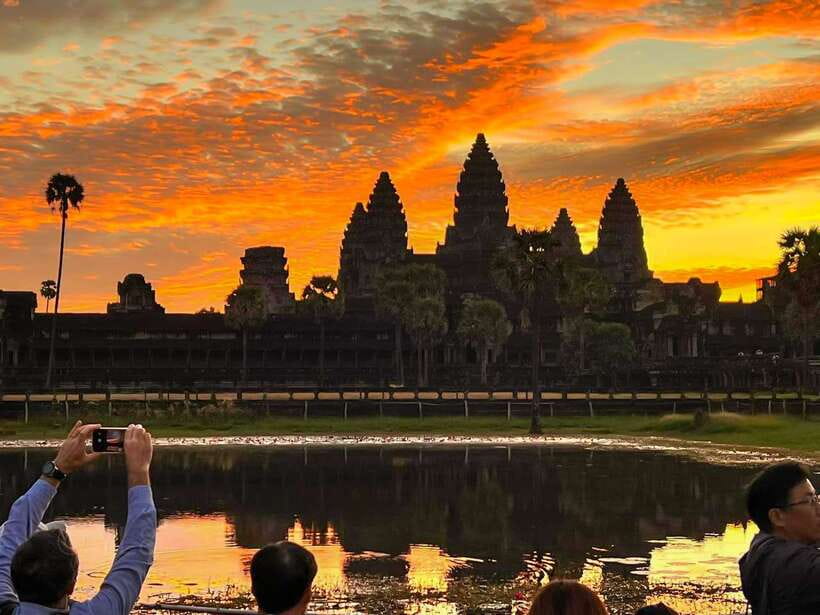
- Sunrise timing at Angkor Wat with a small-group start that helps you see the most famous temple before the busiest crowds.
- Ta Prohm early-arrival feel that tends to mean calmer viewing and a quieter feel around the jungle temple.
- Angkor Thom’s Bayon faces plus Ta Keo steps for variety: smiling towers, then a climb that shifts you between past and present.
- A full second day loop with Preah Khan, Neak Pean, Ta Som, East Mebon, Pre Rup, and Phnom Bakheang.
- AC minibus plus practical comfort stops, including cold water and wipe towels.
- Your own temple pass is required, but the guide helps you manage it so you’re not stuck later.
Why this Angkor Wat 2-day plan feels efficient
Angkor Wat gets all the headlines, but the real magic is how the temples connect to each other across time—religion shifts, rulers change, and the stonework shows it. This tour’s strength is that it doesn’t treat Angkor like a single photo spot. It builds a route that helps you notice patterns: how gateways work, why certain temples sit where they do, and what the symbolism is trying to say.
You also get a rhythm that makes sense for first-timers. Day 1 is a sunrise-to-midday push, so you start with the most iconic moment and then keep going while the air is still easier. Day 2 is longer and later, which works well because many of the sites on that loop reward a slower pace—especially for the quieter temples.
Finally, the guide makes the difference. In customer feedback, names like Sok, Sam, and Pheap come up again and again for steering attention to details most people miss, from the meaning of faces at Bayon to the way different structures were designed for worship and daily life.
You can also read our reviews of more tours and experiences in Siem Reap.
Day 1 Sunrise: Angkor Wat to Ta Prohm before the busiest hours
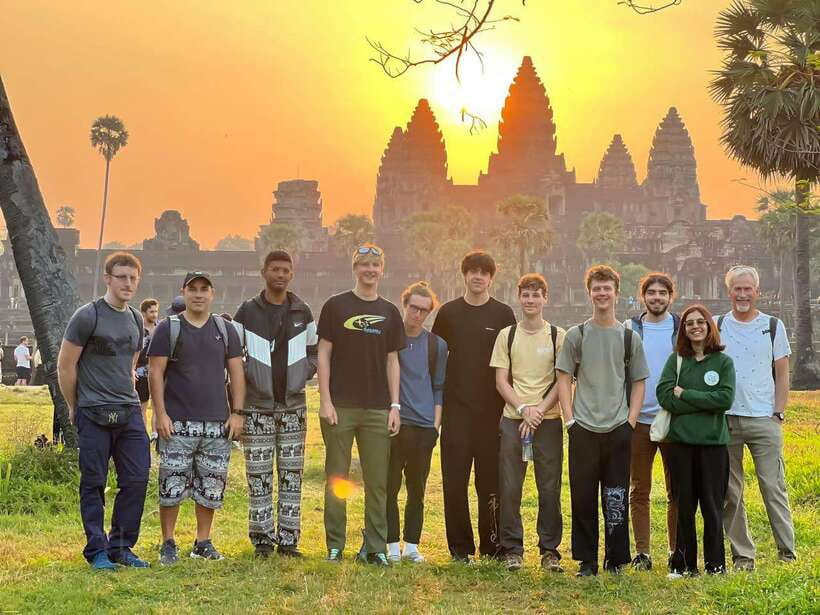
Day 1 is the small tour start, typically 4:30am–1:00pm, with hotel pickup and an English-speaking guide. The big reason to do it this way is simple: sunrise at Angkor Wat is one of those moments that only works early. You’re up before most tour groups arrive, and you get cooler walking conditions for the early part of the day.
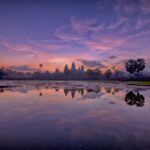
When you reach Angkor Wat at dawn, you’re not just seeing a landmark—you’re seeing it change. The light shifts the long corridors, the reflecting pools, and the temple’s layered geometry. It also sets the tone for the rest of the day: you start with the site everyone thinks they know, and then the guide helps you notice what you never would catch from plain sightseeing.
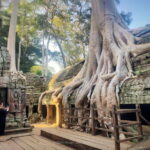
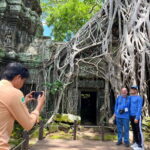
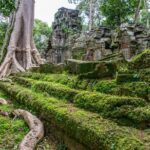
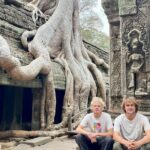
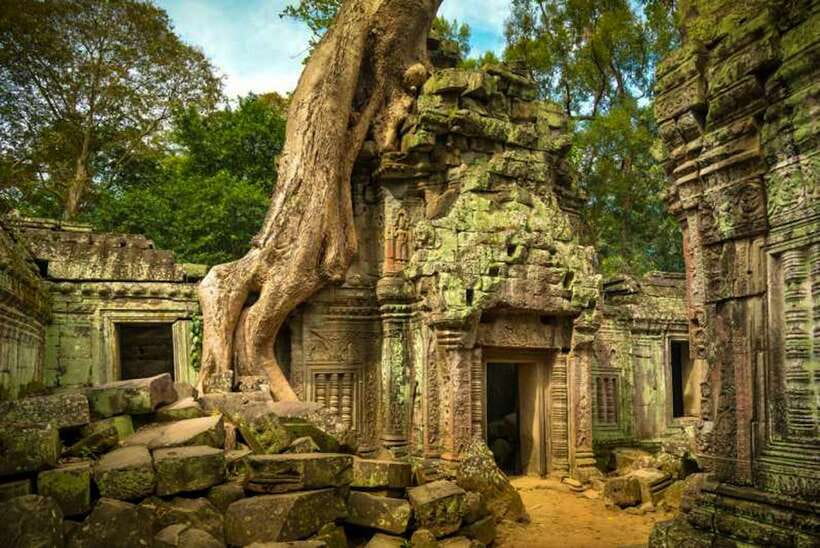
After Angkor Wat, you head to Ta Prohm, the famous jungle temple. The best part here isn’t only the famous trees wrapped around stone. It’s the pacing. The tour aims to arrive earlier than many other groups, so you can take your time and actually look at how the ruins sit in a living landscape.
One more practical advantage: guides are often praised for helping with photo timing and viewpoint choices. Some guides (like Pheap in feedback) are described as knowing sunrise viewpoints at different times, which is a big deal when the sky is doing its own thing. Even if the sunrise isn’t dramatic, you still get strong viewing conditions for photos and orientation.
Then you move into the Angkor Thom area.
Angkor Thom Bayon faces, Ta Keo steps, and the South Gate naga bridge
Day 1 keeps momentum, but it also changes scenery and temple style so you don’t feel stuck in one kind of monument. Next up is Angkor Thom, and within it, Bayon Temple.
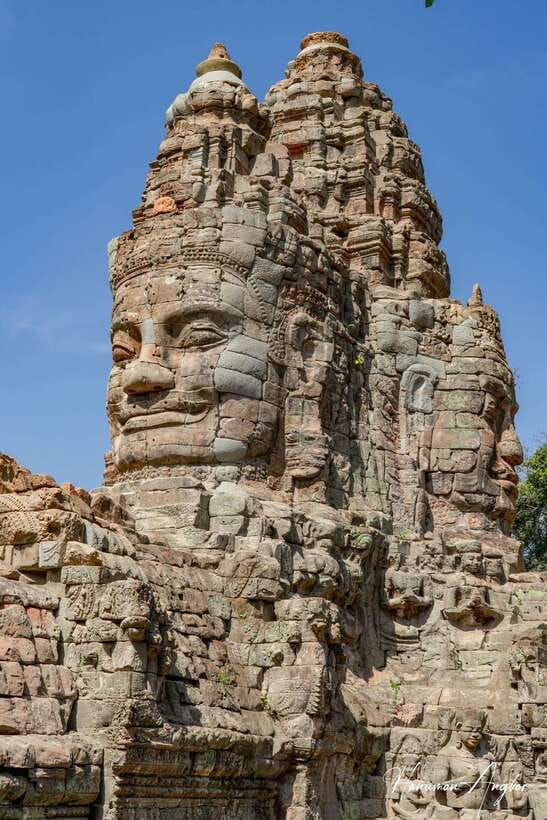
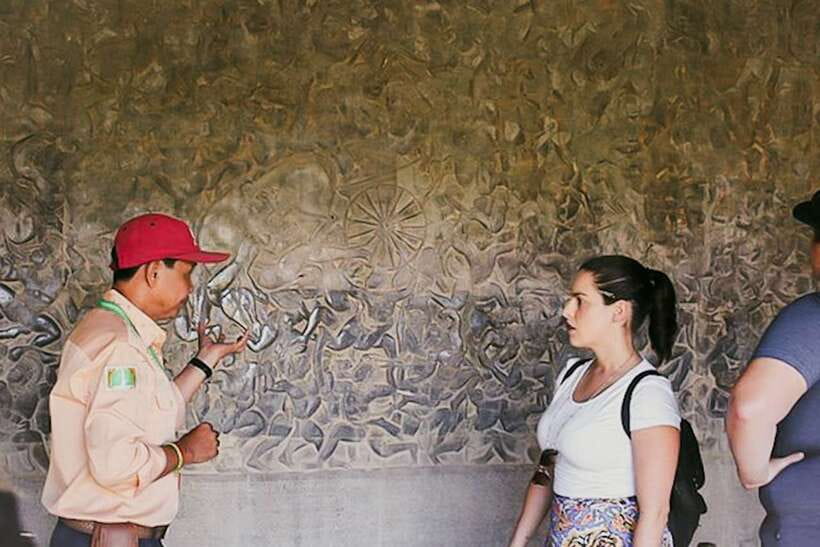
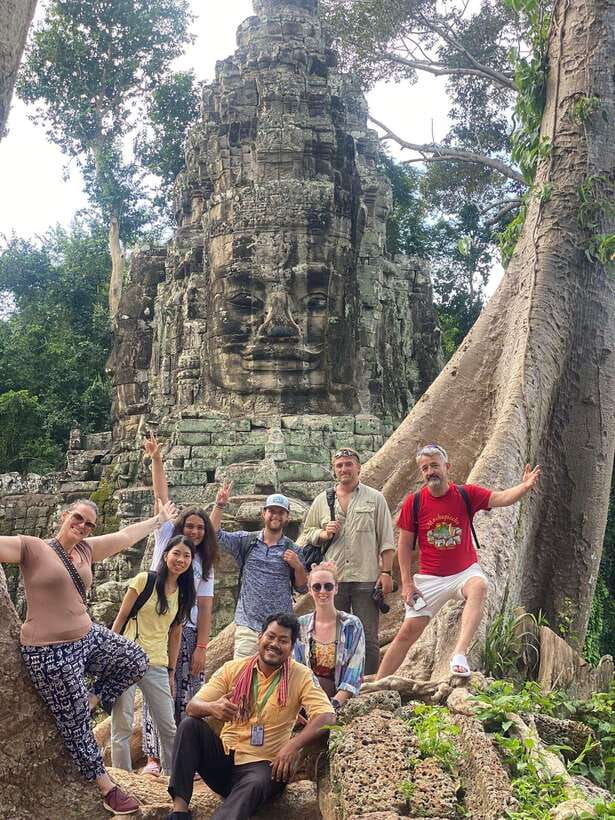
Bayon is the one with the famous large smiling faces. What makes it worth your attention with a guide is the context behind why those faces are there and how the temple functioned during the reign of Jayavarman VII. The guide also helps you spot lesser-known (but still excellent) sections so you aren’t only rushing to the most photographed viewpoints.
From Bayon, you go to Ta Keo, a mountain temple built in the 10th century. Here’s why Ta Keo matters on a 2-day plan: it’s one of the best “effort-to-reward” climbs in the Angkor zone. You’ll be walking up and treading between ancient and modern eras as you climb, which makes the whole site feel more physical than just visual. It also gives you a break from flat temple viewing and lets you see the layers from different heights.
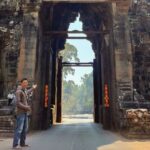
Finally, Day 1 ends with South Gate, part of Angkor Thom. Don’t treat the gateway like a decorative stop. The guide points out the details that make it memorable: the bridge of statues of gods and demons, plus the two rows of figures each carrying a seven-headed naga.
That closing sequence is a strong way to end the first day. You finish with a symbolic scene rather than just another ruin, and it helps Day 2 feel like a continuation instead of a reset.
Day 2 big-loop temples: Preah Khan, Neak Pean, and sunset pacing
Day 2 runs roughly 10:30am–7:00pm on the big tour route. Expect more walking, but also more variety. By starting later, you avoid the earliest hours, and you can settle into Siem Reap life the day before without feeling like you live on a clock.
The loop begins with Preah Khan, which is described as the biggest temple on this circuit. It was built by King Jayavarman VII in honor of his father, and the guide’s job is to connect that political and religious purpose to what you see in the layout. With the right explanation, you start to understand why certain spaces feel arranged for processions and worship rather than just construction for show.
Next is Neak Pean, an island temple. This is a great stop for slowing down, because you’re thinking about how the Khmer used water for health and bathing in the Angkor period. Even though it’s one of those sites people often rank lower than Angkor Wat or Bayon, it’s exactly the kind of temple that becomes satisfying when you’ve had a day of context.
Then comes Ta Som, known for its big tree by the east gate and its many dancer sculptures with long hair. You get a mix here: nature clinging to stone, plus a sculptural style that feels human and expressive. It’s also a good contrast after the larger, more public-feeling areas.
You continue to East Mebon, built for ancestors and originally positioned in the middle of a reservoir. The guide’s interpretations help you picture the water setting that’s changed over time, which is part of what makes the temple feel more alive than a still ruin.
After that, Pre Rup is one of the most interesting stops for symbolism. It was built by the king for himself. The structure looks like a crematorium, and the guide explains how Hindus used the stone space for meditation at the full moon. That meaning matters, because otherwise it’s easy to miss the purpose behind the shape.
Finally, you climb to Phnom Bakheang for the sunset experience. The 33 towers represent the heavens, and the guide ties the message to the Khmer worldview: life on earth has a place in a larger order. The whole end of the day is paced for viewing, so sunset isn’t just another time check—it’s the payoff after hours of architecture and symbolism.
Price and value: what $34 buys you and what it doesn’t
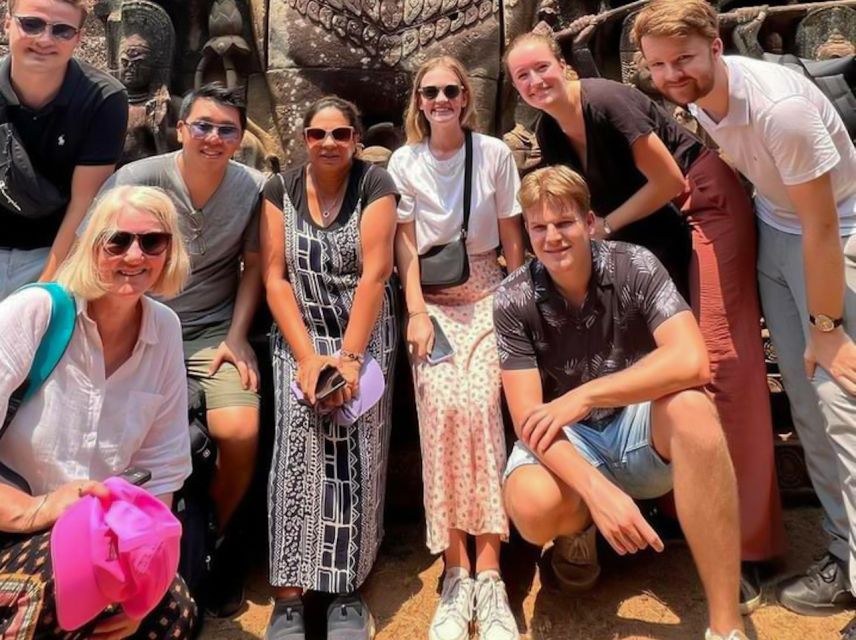
At $34 per person for 2 days, the tour is priced like a practical bundle: transport, guide time, and access help. You’re also getting the structure of seeing the main sites without needing to plan routes across several days.
Here’s what’s important for value-thinking. The temple entry pass is not included, so you’ll still need to buy that separately. The good news is you can purchase it online via the government site, or at the ticket office after the guide collects you from your accommodation. That reduces the hassle of figuring out where to go while you’re already on temple time.
Meals aren’t included either. That matters mostly because these days are long. If you want a specific lunch style or dietary need handled your way, plan ahead.
Still, when you compare what you’d pay for your own guide and transport for two separate days across 11 temple stops, $34 starts to look fair—especially since the tour includes hotel pickup and drop-off plus an air-conditioned minibus. In hot weather, AC isn’t a luxury. It’s recovery.

Heat, dress code, and comfort details that matter
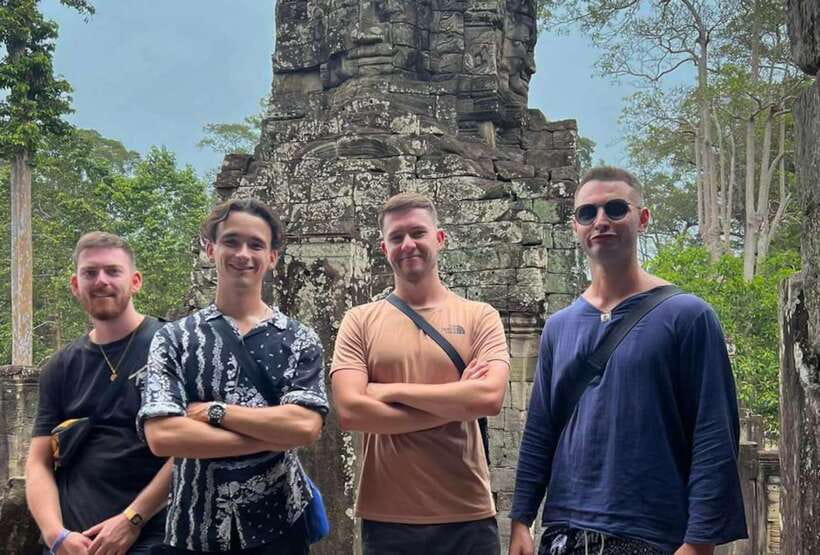
Angkor isn’t just sightseeing. It’s sun, steps, and sweat. That’s why this tour’s comfort details are worth taking seriously.
You’ll bring:
- Sunglasses
- Sunscreen
- Comfortable clothes
- A charged smartphone for photos
You also need to follow the dress rules:
- No shorts
- No short skirts
- No sleeveless shirts
- No alcohol or drugs
If you want to enjoy the temples instead of counting minutes until shade, dress for coverage and cooling. I’d rather you be slightly warm but covered than constantly adjusting clothes that aren’t allowed.
On top of that, the tour includes chilled bottled water and wipe towels at stops. In feedback, this gets called out again and again because it changes how fast the day drains you. Cold water breaks also help you keep your energy for the next temple climb.
One last practical note: the tour days progress with occasional rest and food breaks, but you should still expect a lot of walking. If you know you’re slower on stairs, tell the guide early so they can pace you.
Using your 3-day temple pass after you finish day 2
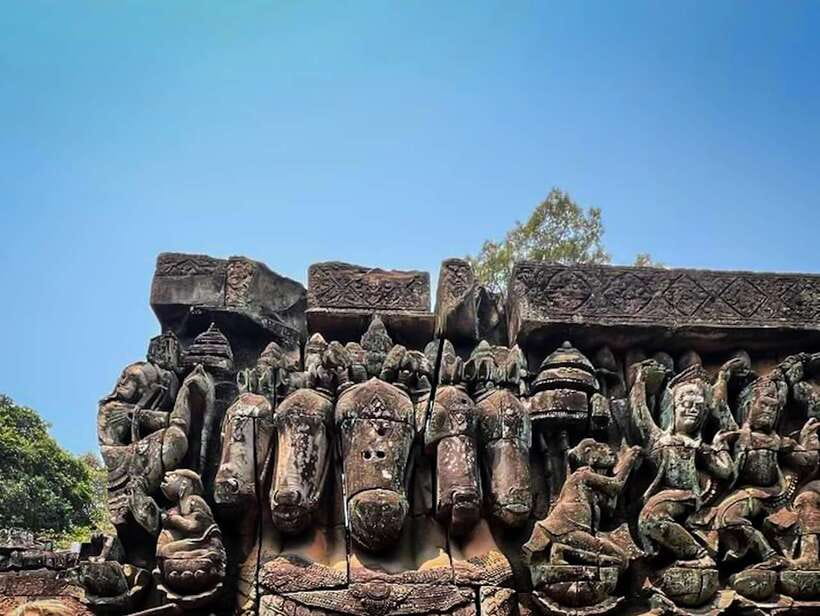
This tour is designed to use your temple pass effectively. You’ll see the key 11 temples (Angkor Wat, Ta Prohm, Bayon, Ta Keo, South Gate, Preah Khan, Neak Pean, Ta Som, East Mebon, Pre Rup, and Phnom Bakheang). After you return, you’ll be positioned to decide what comes next with a clear head.
You have three smart options for day 3:
- Rest and recover in Siem Reap
- Revisit your favorites while you still remember what to look for
- Go out on your own in a private tuk-tuk to round out the region without repeating the whole core route
This is a real value point. A lot of temple tours leave you knowing you saw things, but not remembering what each place actually meant. When you’ve learned the structure and symbolism from the guide, your revisit day becomes more enjoyable instead of more tiring.
Who this tour suits best (and who should skip it)
This is a good match if you:
- Want an organized route through the “must-see” Angkor sites in two days
- Care about the story behind Khmer-era architecture, not just postcard photos
- Prefer early starts that avoid the worst crowd pressure at key moments
- Like having a guide steer you to practical viewpoints and photo angles
It’s also a strong choice for solo travelers who want a small-group setting. In feedback, people describe the tour as well organized and paced, with guides such as Sok and Sam helping the whole group stay moving while still getting enough time at each stop.
Skip this tour if you:
- Are not comfortable with lots of walking and temple stairs
- Need a low-mobility plan. It’s marked not suitable for wheelchair users
- Are traveling with someone over 70, since it’s also marked as not suitable for that age range
Should you book this Siem Reap Angkor Wat 2-day tour?
I’d book it if you want maximum Angkor coverage with minimal guesswork, especially if sunrise and sunset matter to you. The structure is smart: early start on day 1, longer loop on day 2, and a finish that lands on Phnom Bakheang for a real viewing moment.
I wouldn’t book it if you hate early wake-ups, you’re sensitive to heat, or you’re expecting a relaxed pace with lots of free time. Also remember the two big missing pieces: temple pass and meals are on you.
If you’re ready for a full-on Angkor experience—covered clothing, water breaks, and a guide who points out the details—this looks like one of the better ways to spend two days in Siem Reap.
FAQ
Do I need to buy an Angkor temple pass for this tour?
Yes. The temple pass is not included. You can buy it online through the government website in advance, or at the ticket office after your guide collects you from your accommodation.
What’s included in the tour price?
You get hotel pickup and drop-off, an air-conditioned minibus, an English-speaking guide, the 2-day temple tour (split into a small tour and a big tour), visits to 11 temples, sunrise on the day 1 small tour (or sunset on the day 2 big tour), chilled bottled water, wipe towels, and local tax.
Are meals included?
No. Meals are not included, though the day includes occasional rest and food breaks.
What time does day 1 run?
Day 1 is a sunrise-focused small tour, scheduled from about 4:30am to 1:00pm.
What time does day 2 run?
Day 2 is the big tour, scheduled from about 10:30am to 7:00pm.
Is sunrise or sunset included?
You’ll get sunrise on the day 1 small tour. The day 2 big tour is set up for sunset timing.
What should I bring?
Bring sunglasses, sunscreen, comfortable clothing, and a charged smartphone for photos.
What clothing is not allowed?
Shorts, short skirts, and sleeveless shirts are not allowed. Alcohol and drugs are also not allowed.
How long are the days and how hard is it?
It’s a full two days with a lot of walking and temple steps, especially on the climbs. It’s marked not suitable for wheelchair users and people over 70.
Can I cancel and get a refund?
Yes. You can cancel up to 24 hours in advance for a full refund.
Would you like me to tailor the advice for your exact travel dates (and tell you how to plan around the heat and sunrise timing)?