REVIEW · SIEM REAP
Full Day Small Group Tour Guide with Sun rise
Book on Viator →Operated by Siem Reap Experiences · Bookable on Viator
4:30am makes this temple day feel special. Angkor Wat sunrise plus a tightly run route is a smart way to see the biggest sights without wasting hours in the wrong place—and my favorite part is how Sion keeps everything organized from pickup to the final stop. One thing to plan for: temple admission tickets are not included, so your total cost will be higher once you add entry.
I also like the comfort touches: air-conditioned transport, plus cool water and cool towels that actually help during a long day. You’ll be in a small group (max 12), which means the guide can move at a human pace, and pickup/drop-off is included.
In This Review
- Why the 4:30am Sunrise Start Feels Worth It
- Entering Angkor Wat at Sunrise: More Than Just a Photo Moment
- Angkor Thom and Bayon: Khmer Faces, Royal Intent
- Ta Keo: The Sandstone Temple-Mountain
- Ta Prohm’s Tree Roots: The Tomb Raider Fame, Up Close
- Angkor Thom South Gate: Carved Faces and a Causeway Feel
- Banteay Kdei and the Finish Back to Your Hotel
- Price and Logistics: What You Actually Pay for This Angkor Sunrise Tour
- A/C Comfort, Cold Water, and Why Timing Matters
- The Overall Experience: Great for First-Time Angkor Visits
- Should You Book This Angkor Wat Sunrise Small-Group Tour?
- FAQ
- What time does the full-day sunrise tour start?
- How long is the tour?
- Is pickup and drop-off included?
- What is the group size limit?
- Is the temple admission ticket included in the price?
- Does the tour include meals or breakfast?
- What’s included for comfort during the tour?
- Do I get a ticket on my phone?
- Is the guide available in English?
- What if the tour has to be canceled because of weather?
- Is free cancellation available?
Why the 4:30am Sunrise Start Feels Worth It
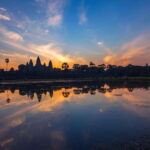
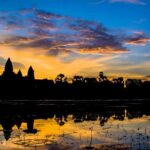
Angkor Wat is impressive anytime, but sunrise gives you a different mood. The tour is designed around that early window so you’re at the temples when the day is just getting started. That timing also lines up with a key advantage: you tend to face fewer crowds than later in the morning, and the heat of midday is less of a factor in your schedule.
The other reason this start works is that it shapes the whole day. When you begin early, you can fit in multiple major sights—Angkor Wat, Angkor Thom and Bayon, Ta Keo, Ta Prohm, and more—without having to rush every stop.
Just be honest with yourself about the trade-off: you’re awake before most of Siem Reap is. If you hate early mornings, this is the part you’ll feel most.
Entering Angkor Wat at Sunrise: More Than Just a Photo Moment
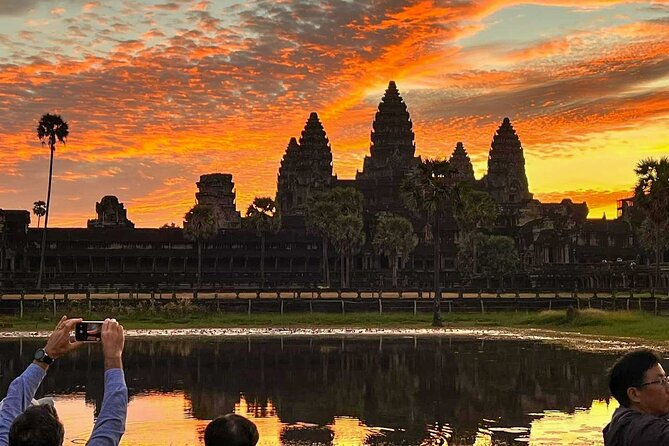
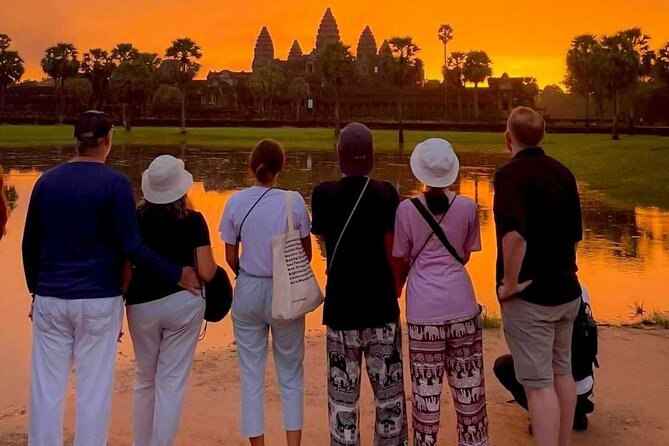
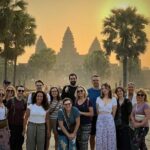
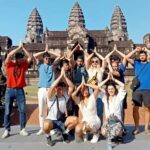
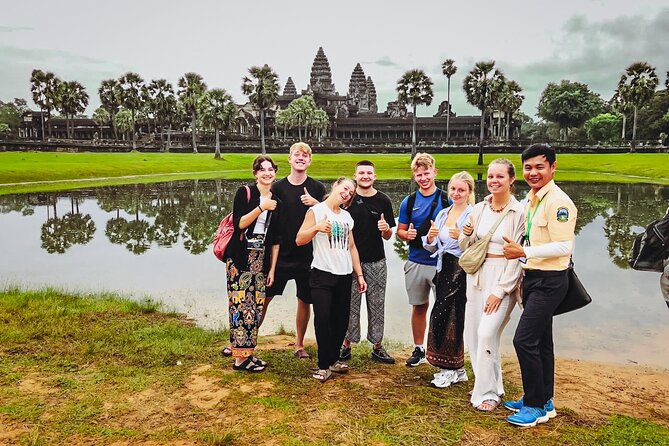
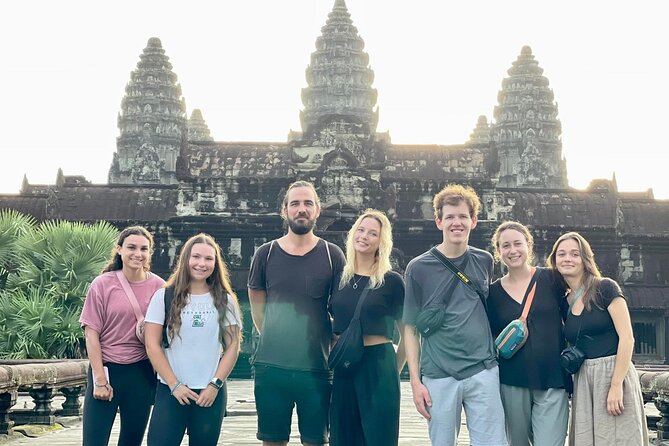
Your first stop is Angkor Wat, the massive temple complex in Cambodia and the largest religious monument in the world, spread across a 162.6-hectare site. Even if you’ve seen pictures before, seeing it in person at dawn adds a slow, ceremonial feeling—light hits stone in a way that’s hard to replicate later.
The tour gives you about 2 hours at this stop. That’s enough time to:
- take in the sunrise atmosphere
- walk through the most important areas without the “30-minute sprint” problem
- reset your bearings before moving to the other temples
A practical tip for this kind of morning: stay flexible. Sunrise tours are sensitive to timing, and the temple crowds can be intense around popular viewpoints. If you’re relying on being exactly somewhere at exactly one moment, build in a little margin.
You can also read our reviews of more tours and experiences in Siem Reap.
Angkor Thom and Bayon: Khmer Faces, Royal Intent
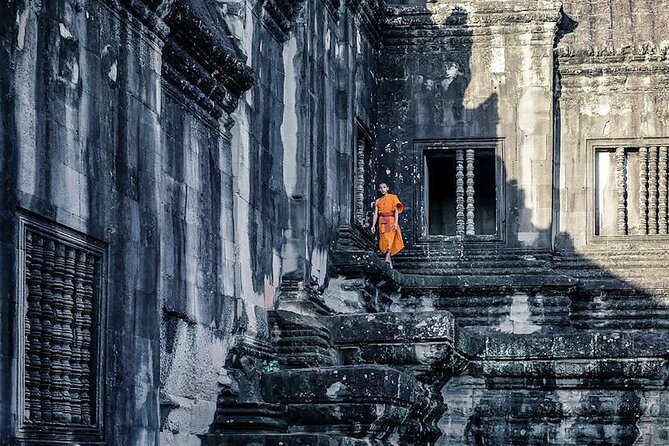
After Angkor Wat, the route moves to Bayon Temple as part of Angkor Thom. Bayon is richly decorated, tied to Buddhism at Angkor in the late 12th to early 13th century, and associated with King Jayavarman VII as his state temple.
What I like about this stop is that it shifts you from a grand opening act into a more detailed, story-driven visit. Bayon is famous for its carved faces—so instead of only admiring scale, you start noticing the craftsmanship and symmetry. With the guide explaining what you’re looking at, you’re less likely to feel like you’re just walking through “more ruins.”
This segment also takes about 2 hours, which matters. Bayon can feel busy, but you’re given time to actually experience it rather than checking it off.
Ta Keo: The Sandstone Temple-Mountain
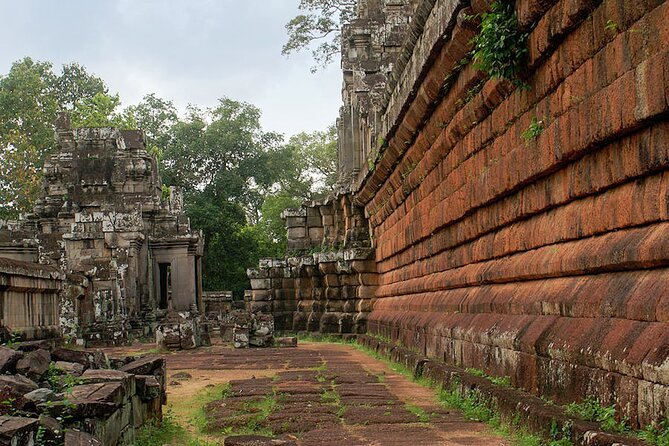
Next up is Ta Keo, a temple-mountain in Angkor. One of the standout details is that Ta Keo is possibly the first temple built entirely of sandstone by the Khmer Empire. That makes it different from other structures around Angkor, which can blend materials and styles.
This stop is around 1 hour. That length is a good match for Ta Keo because it’s more about appreciating the structure and its form than trying to do everything at a sprint.
Potential drawback: if you’re the type who loves long, slow wandering with lots of stops for photos and detours, you might wish Ta Keo had a bit more time. But for most people, an hour is enough to feel the place and keep the day on track.
Ta Prohm’s Tree Roots: The Tomb Raider Fame, Up Close
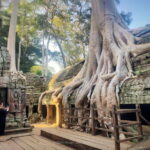
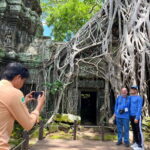
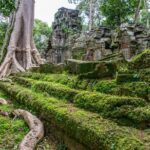
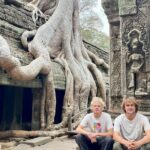
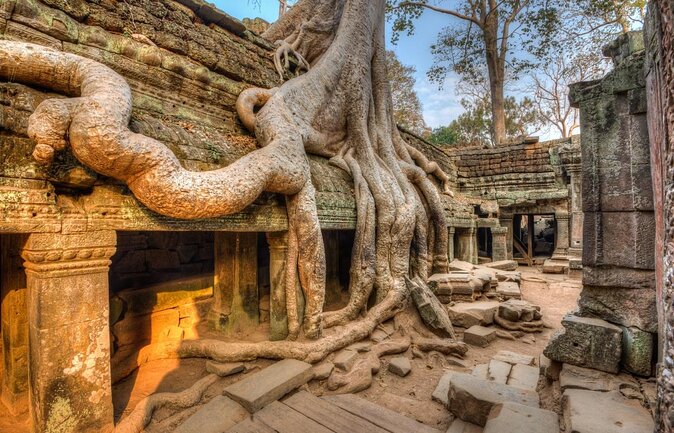
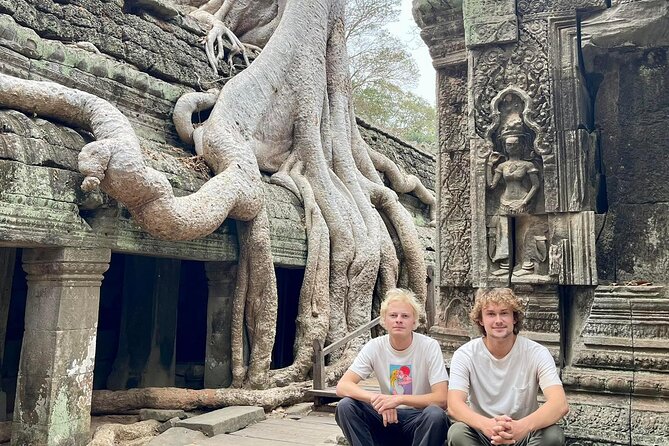
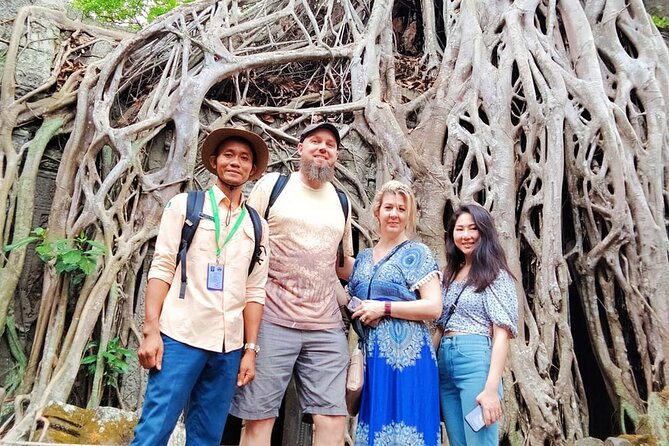
Ta Prohm is next, and it’s the one people often recognize right away, partly thanks to Tomb Raider. This temple is known for the dramatic way massive tree roots grow through and around the structures—so the experience feels like nature and architecture are competing and cooperating at the same time.
The tour allots about 1 hour here. That’s usually enough to:
- see the signature root-and-stone scenes people travel for
- appreciate the way the temple’s layout guides you through the most famous angles
- take a breather before continuing
One honest consideration: Ta Prohm draws attention, and it can feel crowded depending on the day. A small-group pace helps because you’re not stuck behind a wall of tour buses—your guide can help you keep moving and see the best sections without pointless backtracking.
Angkor Thom South Gate: Carved Faces and a Causeway Feel
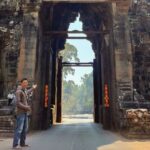
After Ta Prohm, the route includes the Angkor Thom South Gate stop. This is a 12th-century city gate with carved faces, and it’s also lined with stone figures along the causeway. It’s a great “bridge moment” between temples because it reminds you that Angkor Thom wasn’t just a temple site—it was a whole fortified space.
Time here is about 30 minutes. That’s short, but it’s a practical choice because the day is already packed. If you want extra time for gate photos or to linger at the stone figure details, you’ll need to be strategic with your timing.


Banteay Kdei and the Finish Back to Your Hotel
The day rounds out with a stop at Banteay Kdei Temple before returning to your hotel. This final temple visit matters because it helps you avoid the common problem where the last half of the day feels like you’re only chasing the highlights.
By the time you reach Banteay Kdei, you’ve already built context from earlier stops. So instead of treating every structure as a random landmark, you start comparing style, placement, and the way each temple fits into the bigger Angkor story.
From a scheduling standpoint, the total duration is about 7 to 8 hours. With pickup and drop-off included, that keeps this day efficient while still giving you meaningful time at each site.
Price and Logistics: What You Actually Pay for This Angkor Sunrise Tour
The tour price is $14.00 per person. That sounds like a bargain, and the value is real—but you need to understand what that price covers.
Included:
- pickup and drop-off
- an English-speaking tour guide
- air-conditioned vehicle
- cool water and cool towel
- a mini bus style transport
- a mobile ticket
- visits to the main temple stops on the route
Not included:
- meals (breakfast is your own pay)
- temple admission tickets, listed as $37 per person per day
So your practical budget looks like roughly $14 + $37 for tickets, plus breakfast and any extra meals you choose. In exchange, you get a guided, multi-temple route built around sunrise timing, with comfort provided and no need to coordinate transport between widely separated areas on your own.
Max 12 travelers is also part of the value story. With a smaller group, it’s easier for the guide to keep the schedule moving and help you avoid wandering confusion.
A/C Comfort, Cold Water, and Why Timing Matters
This tour is set up as a real day out, not just a quick temple hop. You’ll ride in an air-conditioned vehicle, and you’ll have cool water and cool towels during the morning and early afternoon.
That matters because temple days in Angkor can be long, even when the stops are carefully selected. Comfort supports the experience: when you’re not drained from basic needs, you notice more details and enjoy the guidance.
Timing is also key. Since the day is anchored by a sunrise start (4:30am), punctual pickup matters. If anything runs late, the whole schedule shifts and you can feel it immediately at the first stop.
If you’re the type who hates rushing, plan to be ready for pickup and keep your expectations flexible. This is a morning-structured experience, and the early start is part of why you get the sunrise window and the multi-temple lineup.
The Overall Experience: Great for First-Time Angkor Visits
If this is your first time at Angkor, this kind of route is a strong match. It hits the major names you’ve heard about, and it keeps the day organized so you’re not piecing things together while you’re overwhelmed.
I also think this tour is a good fit if you want:
- a small-group setting (max 12)
- a guide-led explanation as you move between temples
- sunrise timing for Angkor Wat
- a day plan that covers multiple highlights in about 7 to 8 hours
If you’re the kind of traveler who wants total freedom to linger for hours at one temple, then a structured sunrise route might feel tight. But if you want to see a lot while still getting guidance, this is the right style.
One extra note I appreciate: the guide-led organization is repeatedly praised, and the tour’s flow is designed to prevent the common problem of spending time “figuring it out” instead of enjoying the sights. With Sion running the show, the day feels controlled and you know what’s next.
Should You Book This Angkor Wat Sunrise Small-Group Tour?
Book it if you want a guided sunrise start, a small group (max 12), and a complete major-temple day without dealing with transport and timing stress yourself. The included water and cool towel make a real difference, and the route covers Angkor Wat, Bayon, Ta Keo, Ta Prohm, and additional key stops in a way that keeps the day coherent.
Skip or consider another option if $14 looks appealing but you’re not ready for the separate $37 per person temple admission, or if early mornings drain you. Also, sunrise can be crowded at the most popular moments, so don’t choose this tour expecting a quiet, empty temple.
If you can handle a very early start and you’re budgeting for ticket entry, this tour is an efficient, well-run way to experience Angkor’s biggest sights in one day—starting with Angkor Wat as the light comes up.
FAQ
What time does the full-day sunrise tour start?
The tour start time is 4:30am.
How long is the tour?
It runs for about 7 to 8 hours.
Is pickup and drop-off included?
Yes, pickup and drop-off are included.
What is the group size limit?
The tour has a maximum of 12 travelers.
Is the temple admission ticket included in the price?
No. Temple entrance fee is not included, and it’s listed as $37 per person per day.
Does the tour include meals or breakfast?
Meals are not included. Breakfast is your own pay.
What’s included for comfort during the tour?
You get cool water and a cool towel, plus air-conditioned vehicle transport.
Do I get a ticket on my phone?
Yes, the tour includes a mobile ticket.
Is the guide available in English?
Yes, it includes an English-speaking tour guide.
What if the tour has to be canceled because of weather?
The experience requires good weather. If it’s canceled due to poor weather, you’ll be offered a different date or a full refund.
Is free cancellation available?
Yes. You can cancel for a full refund up to 24 hours before the experience start time.