REVIEW · SIEM REAP
Angkor Wat Sunrise or Sunset Tour with Guide from Siem Reap
Book on Viator →Operated by Angkor Wat Travel Tour · Bookable on Viator
4:30am turns into temple magic. This small-group Angkor Wat sunrise or sunset tour gives you an English guide, hotel pickup, and a guided route through the UNESCO sites. I like the sunrise-friendly timing and the way the guide connects what you’re seeing to Cambodia’s story, temple by temple. One thing to plan for: the $18 tour price excludes the $37 Angkor Wat admission, and the early start (for sunrise) means you won’t be rolling out of bed late.
The best part is how the day is managed: maximum 13 guests, an air-conditioned vehicle, and cold water and cold towels at stops so you can focus on photos and details instead of burning out. If you’re the type who likes history that comes with real-world storytelling (and a few laughs), guides such as Mr. T and Indiana Jones (Chanthy) are often described as fitting that bill.
In This Review
- Key Things I Think You’ll Notice
- Early Pickup: why sunrise matters more than you think
- Price and logistics: the $18 tour plus the $37 temple pass
- Stop 1: Angkor Wat and the Terrace of the Elephants (plus a long photo window)
- Stop 2: South Gate of Angkor Thom, Bayon, and Baphuon’s towers
- Stop 3: Ta Prohm, the tree temple, and why the guide helps your photos
- Stop 4: Banteay Kdei to close the day with a slower feel
- Guides, stories, and the difference between seeing and understanding
- Transportation comfort and pacing: air-conditioned vehicles, cold towels, and a small group
- What to do with the crowd factor
- Is this tour right for you?
- Should you book this Angkor Wat sunrise or sunset tour?
- FAQ
- FAQ
- What’s included in the $18 tour price?
- What is the Angkor Wat entrance fee, and is it included?
- How early is pickup for the sunrise tour?
- How many temples do you visit in the day?
- What group size should I expect?
- How long is the tour?
- Can I cancel for free?
Key Things I Think You’ll Notice
- Pickup that’s early enough to matter if you choose the sunrise version (pickup between 4:15–4:40am)
- A tight UNESCO circuit: Angkor Wat, Bayon/Baphuon at the South Gate of Angkor Thom, Ta Prohm, and Banteay Kdei
- Comfort upgrades built into the schedule with cold water and cold towels
- Small group pacing (max 13) that helps you get photo time and ask questions
- Temple admission is separate but bundled: $37 per person for all Angkor temple admission
- Guides who explain and entertain with clear history and humor so the ruins feel understandable
Early Pickup: why sunrise matters more than you think
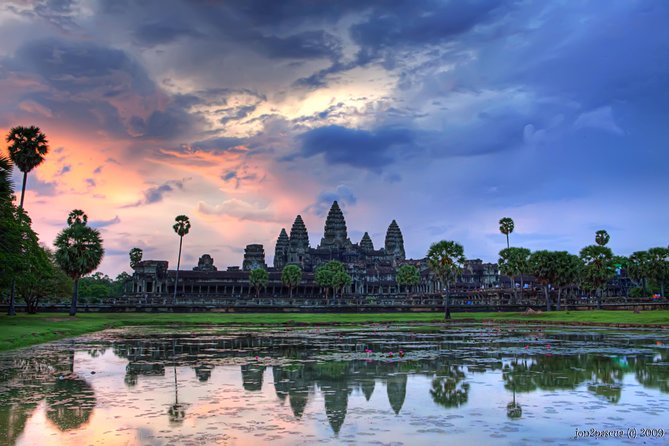
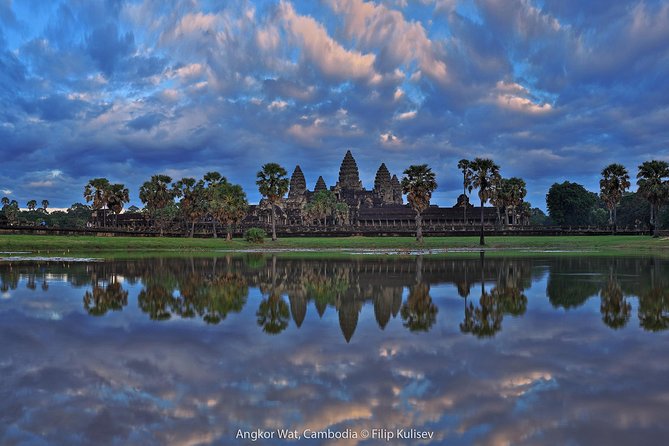
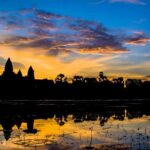
Angkor Wat looks incredible in any light, but sunrise changes the whole mood. For the sunrise option, pickup is between 4:15 and 4:40am from your hotel (the tour uses air-conditioned vehicles). That means you’re already on the way when the air is cooler and the temple grounds feel less like a theme park and more like a real place.
This is also a logistics win. A lot of people try to DIY sunrise and then scramble for tickets, routes, and timing. Here, you’re handed the schedule and the driver gets you there. That reduces stress, which matters because the tour still moves across multiple major sites and you’ll do plenty of walking.
A practical note: since the day starts so early, it helps to treat it like an outing with a mission, not a casual morning stroll. Bring your camera gear the night before. Wear shoes you can walk in for hours. And for sunrise specifically, you’ll want to be ready when the pickup window hits.
You can also read our reviews of more tours and experiences in Siem Reap.
Price and logistics: the $18 tour plus the $37 temple pass
Let’s do the money math plainly.
- Tour price: $18 per person
- Angkor Wat/temple admission: $37 per person (not included)
- Total you should plan for: $55 per person for the core experience
The key detail is what that $37 admission covers. It’s described as covering all the temple admission. So you’re not paying multiple small entry fees for each stop. That’s why the tour cost isn’t just cheap or expensive—it’s the structure that matters. You pay once for the temple access and then the guide moves you between the sights.
Also, the tour includes air-conditioned transport and an English guide, plus cold water and cold towels. Those sound like small perks until you’re out there at dawn, climbing stairs, and waiting while the group lines up. It’s easier to stay patient when your body isn’t roasting.
Stop 1: Angkor Wat and the Terrace of the Elephants (plus a long photo window)
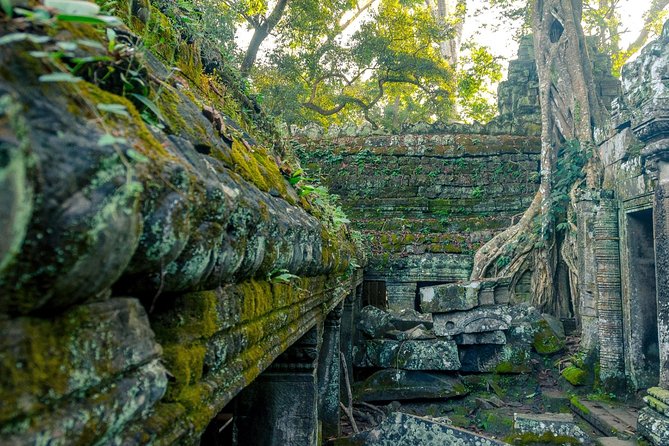
This tour’s first major block is your time at Angkor Wat for about 3 hours. It’s where the day either clicks or feels exhausting. With a guided morning like this, you get two things: a route that makes sense and time to see more than the fastest selfie spots.
You’ll also get to Terrace of the Elephants during the Angkor Wat portion. That area is great for understanding the temple’s layout and how ancient builders used processional spaces—places meant for movement and spectacle, not just contemplation.
A couple of practical expectations:
- You’ll walk. Some paths involve steps and uneven surfaces.
- You’ll want to pace yourself early, because the rest of the day is still full-size temple time.
- Sunrise light can be magical, but cloudy mornings can still look dramatic. The ruins don’t lose their scale just because the sky won’t cooperate.
One potential drawback: since the $37 admission is separate, you need to plan ahead so you’re not stuck at the ticket step while everyone else is already moving. If you’re choosing the sunrise version, being ready matters even more.
Stop 2: South Gate of Angkor Thom, Bayon, and Baphuon’s towers
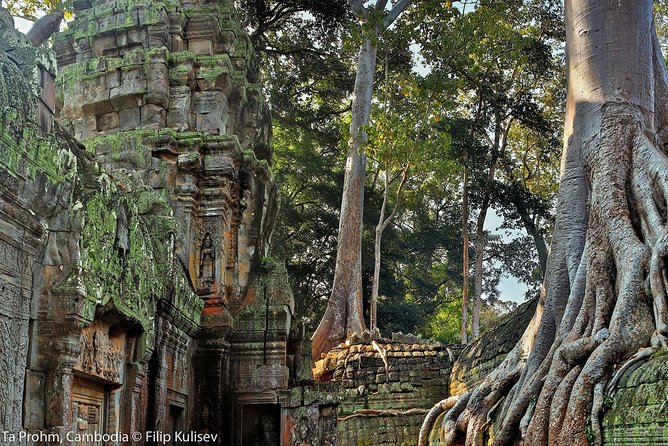
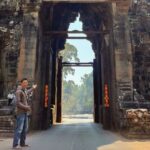
After Angkor Wat, you shift to Angkor Thom, entering through the South Gate. This is the moment where Angkor stops being one massive destination and starts becoming a collection of different architectural worlds.
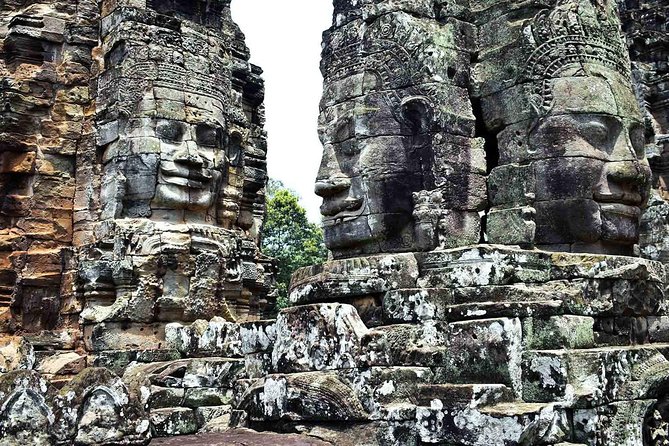
The tour then focuses on Bayon and Baphuon temples, with Bayon known for its 54 towers. If you’ve ever seen photos of the famous stone faces, this is where that visual story becomes real in front of you.
Why this stop is valuable: the South Gate and the Bayon/Baphuon pairing helps you connect the dots between different parts of the Angkor complex. You’re not just repeating the same walk. The guide’s job here is to make the differences readable—what changes from one temple to the next, and why those choices mattered to the people building them.
A timing note: this segment runs about 2 hours. That’s a good length for photos without turning the morning into a marathon. Still, it’s a lot to absorb. If you’re the kind of visitor who likes to sit and study stone carvings for a long time, you’ll need to balance looking closely with keeping the pace.
Stop 3: Ta Prohm, the tree temple, and why the guide helps your photos
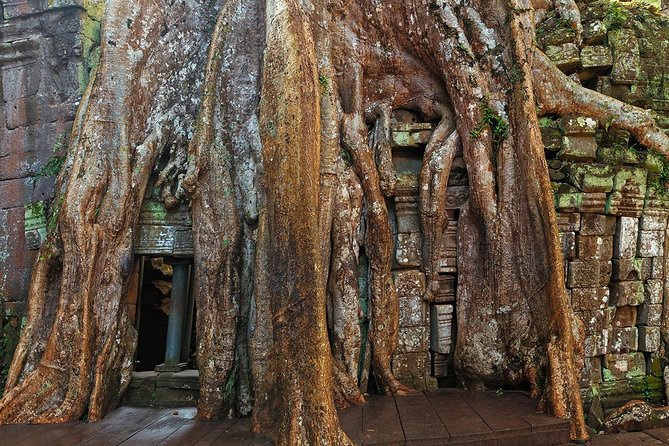
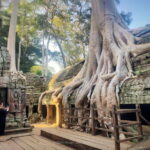
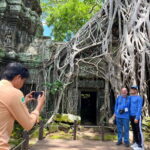
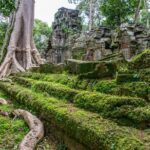
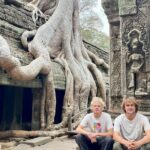
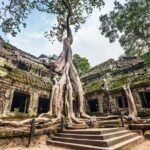
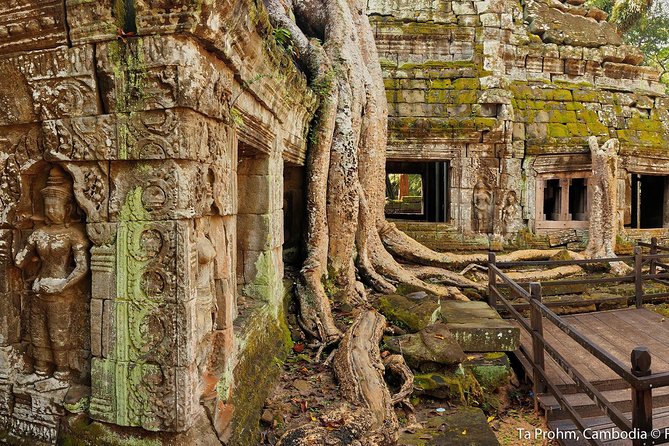
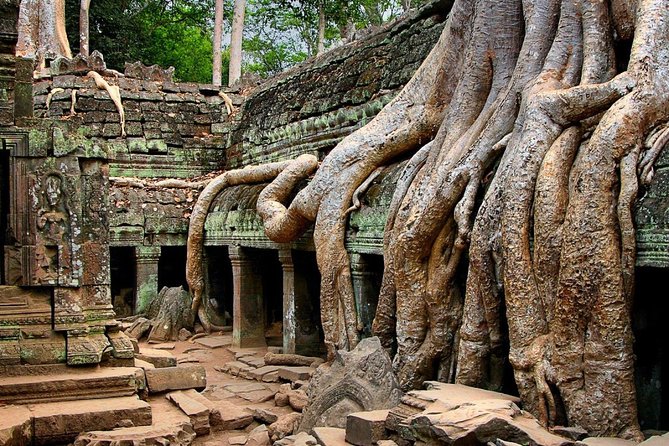
Next is Ta Prohm, often called the jungle temple or tree temple because of the huge roots wrapped around the ruins. This is one of those places where everyone has the same “wow” moment, but not everyone leaves with the same photos.
That’s where your guide matters. Many guests praise guides for timing the group so you get calmer moments away from the most chaotic crowds. It’s not magic, it’s planning: you move through key areas with enough control that your camera gets chances to breathe.
You’ll spend about 2 hours here. That’s typically enough to:
- see the most famous root-and-stone views
- walk the corridors and open courtyards at a comfortable pace
- grab pictures that include context, not just a close-up
One consideration: Ta Prohm is visually busy. If you don’t get any explanation, it’s easy to feel like you’re just walking through a photo backdrop. If your guide is the right fit—like Indiana Jones (Chanthy) or Mr. T—there’s usually a story thread that makes the carvings and structure feel connected instead of random.

Stop 4: Banteay Kdei to close the day with a slower feel
The final stop is Banteay Kdei for about 1 hour. The tour highlights that it was constructed by King Jayavarman VII in the late 12th century. That bit of context helps this temple land differently than just another stop on a checklist.
Banteay Kdei often works well as a closing chapter because you’ve already seen the big name temples. By the time you arrive, you’re more able to notice style differences—how spaces are proportioned, what remains consistent, and what changes.
Since this is the last major temple visit, you’ll want to use your hour efficiently:
- take a few wide shots early for scale
- then look for details in the stonework and doorways
- don’t save all your energy for the final 10 minutes
If you’re prone to overdoing it in the morning, this is where you can pay for it. Drink water and keep your pace steady. The tour’s cold towel routine helps, but your feet still have a vote.
Guides, stories, and the difference between seeing and understanding
This tour is built around an English-speaking guide, and the guide’s personality strongly affects your day. Several guide names show up in guest feedback, including Mr. T, David, Sen, and Indiana Jones (Chanthy). The common thread is not just facts—it’s storytelling.
What I like about that approach: Cambodia’s temple history can feel heavy if it’s just dates and names. When a guide adds humor while still explaining what matters, the ruins stop being a lecture and start feeling human. Guests also mention that guides mix fun stories with sobering realities, and that’s actually a good balance. It makes the experience feel more honest.
I also like that groups often report being kept on schedule without feeling rushed. A good guide helps you move at a pace where you still get time to look up, walk around, and take photos—not just stand in a line.
Transportation comfort and pacing: air-conditioned vehicles, cold towels, and a small group
The tour includes an air-conditioned vehicle and keeps the group size capped at 13 travelers max. That small-group limit isn’t just for comfort. It’s for control. Smaller groups typically mean:
- fewer bottlenecks at key viewpoints
- easier movement between stops
- less time wasted waiting
You’ll also get cold water and cold towels, described repeatedly as part of the experience at the stops. That’s not just a nice extra. In a day that starts before sunrise and involves walking, it helps you stay alert and less irritable. It also makes the day feel more thoughtfully run.
The tour is about 8 hours total. That sounds manageable until you remember how many temple entrances and walking segments are packed in. Plan for a long morning and early afternoon return to the meeting point. Also, most food costs are not included, so build in time to pay for your own lunch or snacks if you need them.
What to do with the crowd factor
Angkor can be packed later in the morning. The biggest advantage of a sunrise tour is that you’re there early, before the biggest waves. Even if you’re not chasing perfect photographs, arriving early helps the place feel spacious.
Another crowd tool is how the guide times your movement. Several guests highlight that their guides managed the schedule to beat heavier crowds and used quieter photo areas when possible. That’s exactly what you want. You shouldn’t feel like you’re being marched only to the most popular angles.
If you hate crowds, choose sunrise. If you’re okay with crowds and just want a highlight day, you might consider sunset. The key is that this tour keeps you moving through multiple sites without turning it into a daily slog where you’re waiting around for hours.
Is this tour right for you?
This experience fits best if you want:
- a guided Angkor day with multiple UNESCO sites
- a small group (max 13) instead of a huge bus crowd
- English commentary that connects architecture to Cambodian history
- sunrise timing or a late-day alternative (the operator runs both versions)
It may not be the best match if:
- you absolutely cannot handle early mornings (sunrise pickup starts between 4:15–4:40am)
- you don’t want to pay a second fee for temple admission
- you’re looking for a super relaxed pace with minimal walking
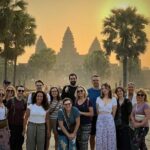
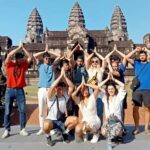
If you’re traveling solo, as a couple, or as a family with kids old enough to walk comfortably, the small group size can feel especially friendly. Reviews also include mentions of families bringing kids, with guides taking photos and keeping the day enjoyable.
Should you book this Angkor Wat sunrise or sunset tour?
Yes, I think it’s a good booking for most first-timers who want real guidance, not just a rides-and-entries day. The value is strong because the tour price covers transport, guide, and comfort extras, while the temple admission is bundled and straightforward. The small-group cap helps you actually experience the sites instead of bouncing between crowded checkpoints.
I’d book it if you can handle the early start for sunrise and you’re ready for a full temple circuit. Pass if you want to sleep in, or if you want an unstructured day where you can linger for hours at one single spot.
FAQ
FAQ
What’s included in the $18 tour price?
The tour includes an air-conditioned vehicle, an English tour guide, and cold water with cold towels.
What is the Angkor Wat entrance fee, and is it included?
Angkor Wat temple admission is not included in the $18 price. The fee listed is $37 per person, and it covers all the temple admission.
How early is pickup for the sunrise tour?
For the sunrise option, pickup is scheduled between 4:15 and 4:40am from your hotel.
How many temples do you visit in the day?
The tour covers Angkor Wat first, then the South Gate of Angkor Thom with Bayon and Baphuon, then Ta Prohm, and finally Banteay Kdei.
What group size should I expect?
The maximum group size is 13 travelers.
How long is the tour?
The duration is approximately 8 hours.
Can I cancel for free?
Yes. Free cancellation is offered up to 24 hours in advance for a full refund.