REVIEW · TOKYO
Tokyo Tsukiji Fish Market Food and Culture Walking Tour
Book on Viator →Operated by Japan Wonder Travel · Bookable on Viator
Tsukiji hits your senses fast. This 3-hour Tsukiji Fish Market Food and Culture Walking Tour starts at Tsukiji Hongan-ji Temple and walks you through seafood stalls where even Michelin-star chefs are the kind of people you might see shopping for the good stuff. You’ll get snack tastings like dashi soup and green tea, plus a sit-down finale with sushi or a seafood bowl.
I especially like that the tour helps you read a place that can feel chaotic on your own. Guides such as Kiyo, Naz, Miky, and Joy are repeatedly praised for guiding groups through the market maze and picking food stops you might not find while wandering.
One big drawback to plan around: this is not a flexible tour if you don’t eat fish. If you can’t eat fish, or you need vegetarian/halal/gluten-free or allergy accommodations, the tour isn’t set up for you.
In This Review
- Quick Reasons This Tsukiji Tour Works
- Meeting at Tsukiji Hongan-ji: Start Smart, Not Stressed
- Tsukiji Jogai Market: The Seafood World Before Lunch
- The Old Tsukiji Market: Snack Stops That Teach You to Order
- Uogashi Mini Wholesale: Where Fresh Looks Serious
- The Final Meal: Sushi or a Seafood Bowl That Feels Like the Point
- What You’ll Eat (And Why It’s a Good Value)
- Guides Make or Break Tsukiji (And This Tour Tries Hard)
- Timing Tips: When to Go and How to Survive the Crowd
- Who Should Book This Tsukiji Tour
- Should You Book This Tsukiji Fish Market Tour?
- FAQ
- How long is the Tokyo Tsukiji Fish Market Food and Culture Walking Tour?
- Where do we meet for the tour?
- Is lunch included?
- What does the tour include for food tastings?
- Is there a drink included, and are there age limits?
- Is the tour suitable for people who don’t eat fish?
- Does the tour accommodate vegetarian, halal, gluten-free, or allergy requests?
- Is Tsukiji Uogashi open every day?
Quick Reasons This Tsukiji Tour Works
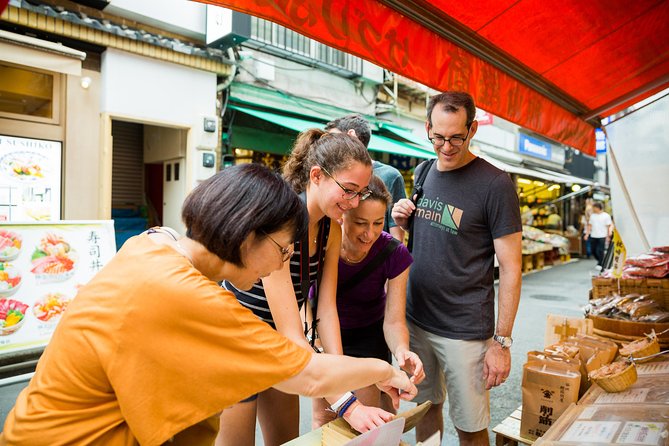
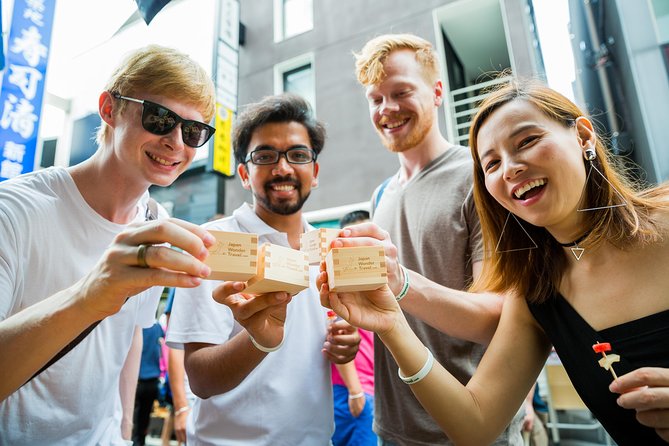
- Tastings that hit different parts of Japanese seafood culture, from quick bites (like fish cakes and omelette) to the final sushi or seafood bowl meal
- Small-group feel (max 20 travelers), which makes it easier to hear your guide and move at market speed
- Real market context, including why top chefs shop here and what certain seafood looks like when it’s fresh
- A guide who can turn your visit into a learning walk, not just a photo stop (history of the area and practical food cues)
- Sushi-or-bowl finale, depending on the day, so you still get a proper meal even when market flow changes
- Smart drink rules (minimum drinking age is 20, and there’s another drink offered for under 20)
Meeting at Tsukiji Hongan-ji: Start Smart, Not Stressed
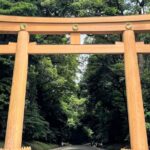
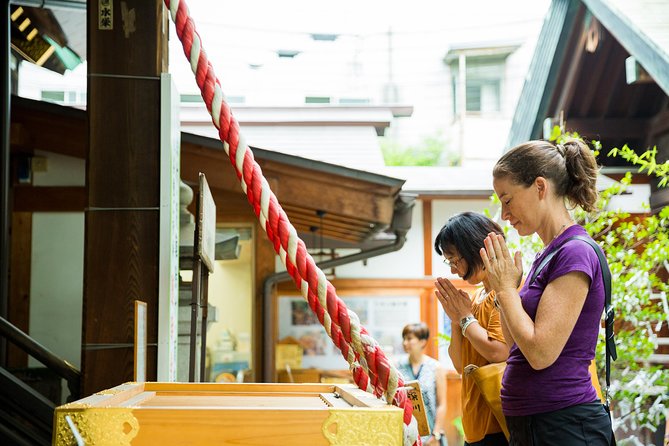
The tour meets at the main gate of Tsukiji Hongan-ji Temple. That detail matters because Google Maps has a tendency to send you to the wrong side of things. The tour leaves on time and the group won’t wait, so aim to arrive a few minutes early and get your bearings at the correct entrance.
Wear comfortable walking shoes. Tsukiji is a working market, which means uneven areas, tight lanes, and standing around while vendors do their thing. If your feet are happy, your brain can focus on the food.
Also, this tour is a mobile-ticket setup. That’s convenient, but don’t treat it like a backup plan—save your ticket and be ready to show it right when you arrive.
You can also read our reviews of more tours and experiences in Tokyo.


Tsukiji Jogai Market: The Seafood World Before Lunch
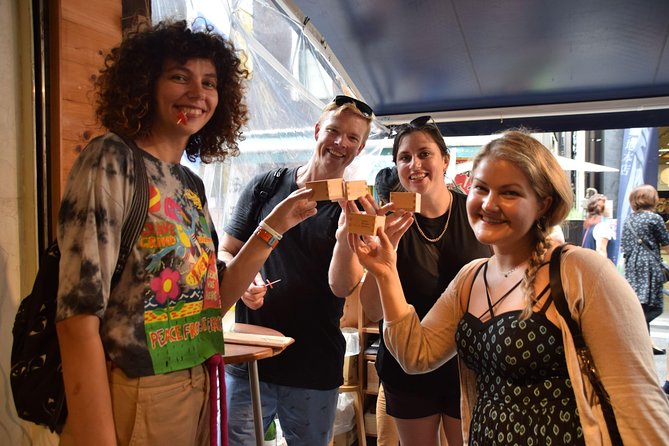
Your walk begins in the Tsukiji Jogai Market, the outer market area. Even if you’ve seen photos, this is one of those places where your body understands first—smells, sounds, and the sheer volume of fish.
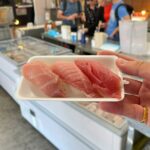
Here’s what I’d use your guide for: translation of the scene. You learn the basics of what Tsukiji is known for and why it draws chefs daily for fresh ingredients. You also get to see the visual language of seafood—things like stacked sea urchin (uni) in neat boxes, vendors carving large cuts (bluefin tuna is one example), and pufferfish floating in tanks when stalls have them on display.
One practical benefit: your guide helps you separate wow from waste. In a market like this, you’ll see plenty of tempting items that aren’t always meant for tourists. A good guide steers you toward foods that are both tasty and typical for the area.
The Old Tsukiji Market: Snack Stops That Teach You to Order
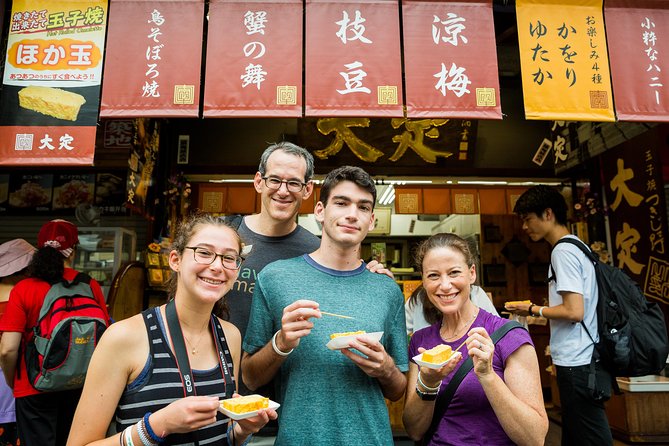
Next comes the Old Tsukiji Market, and this is where the tour shifts from sights to bite-sized education. You’re walking through the older stall layout and sampling along the way.
Expect snacks such as dashi soup and green tea, plus other typical market items. The exact tasting lineup can vary by day, but you may see options like fish cakes and Japanese omelette. One reason I like this structure is that it prevents the classic problem of arriving hungry, taking one look at menus, and then buying something random.
Also, it’s not just about eating. Your guide shares how people shop and what to look for. That context makes your later meal feel smarter, not just louder.
Uogashi Mini Wholesale: Where Fresh Looks Serious
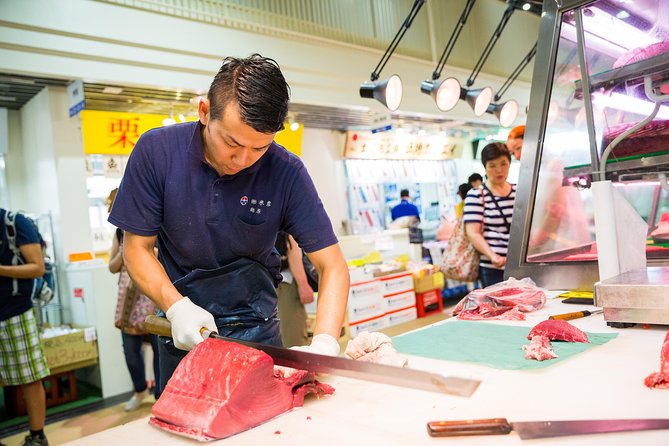
At Tsukiji Uogashi, you get a look at a mini wholesale market area with hundreds of fish types. This is where the market becomes more real. Some of the tastings are connected to what’s moving through the supply chain, and you can see how quickly the focus shifts from public browsing to working commerce.
There’s a key timing heads-up: Uogashi is closed on Wednesdays, Sundays, and other closed market days. If you’re booking around those days, don’t assume the exact tasting menu will match a weekday visit.
The good news: the tour still continues with the market walk and other tastings. The slightly different experience is the trade-off for seeing how Tsukiji operates as an actual market, not a theme park.
The Final Meal: Sushi or a Seafood Bowl That Feels Like the Point
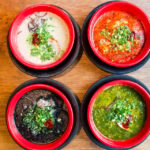
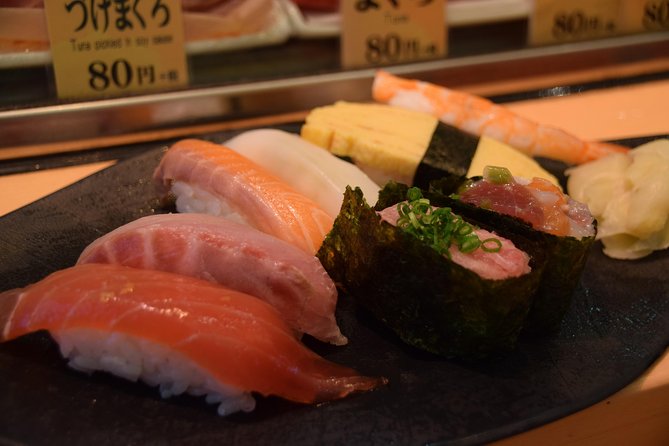
You wrap up at a food stop with a serving of fish bowl or sushi. Which one you get depends on the day, but the intent is consistent: you leave with a proper meal, not just scattered bites.
In many cases, this is also where the tour can feel most memorable. Some groups have mentioned a sushi cutting demonstration or watching fish preparation at the final stop. Even without that extra show, this is typically the moment where everything you saw earlier makes sense—your sushi or bowl isn’t just food, it’s the market’s product line, translated for you.
Because this is a seafood-focused tour, it’s also a good fit if you’re open-minded. If you’re unsure about trying something like uni, you’ll likely understand what it is and how it’s used by the time you’re offered samples.




What You’ll Eat (And Why It’s a Good Value)
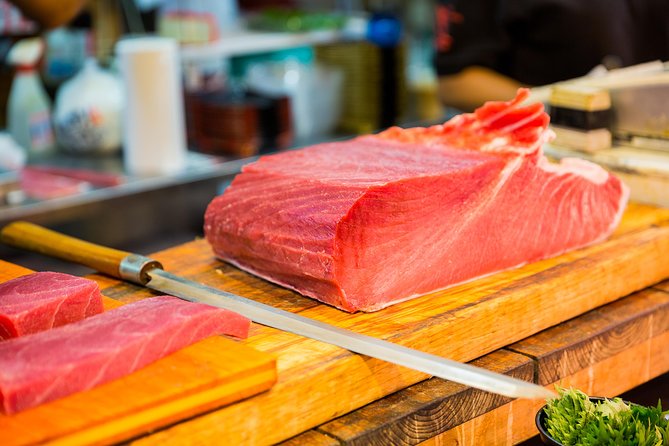
This tour includes lunch and snack. At $99.49 for about 3 hours, the value isn’t just the price tag—it’s that you’re buying access to (1) multiple tastings, (2) guidance through a high-traffic area, and (3) a finished meal that ties the day together.
Based on the food descriptions and the kinds of items guides commonly serve, you should plan for a spread that may include:
- Wagyu beef skewers
- Fresh sushi or a seafood bowl
- Fish cakes
- Japanese omelette
- Seasonal fruit
- Tea, including green tea
- Quick snacks like dashi soup
Even the “small” items matter here. Dashi soup teaches you the base flavors behind Japanese cooking. Fish cake and omelette show how seafood gets turned into comfort-food forms. Then the lunch gives you the clean, direct seafood taste—sushi or bowl style.
One important planning note: on Wednesdays, Sundays, and other closed market days, some items can’t be served because shops are closed—Japanese omelette, fish cake, and fruits are specifically called out as affected. If you’re visiting on one of those days, your best move is to mentally switch from expecting the exact same menu to expecting a still-good lineup.
Guides Make or Break Tsukiji (And This Tour Tries Hard)
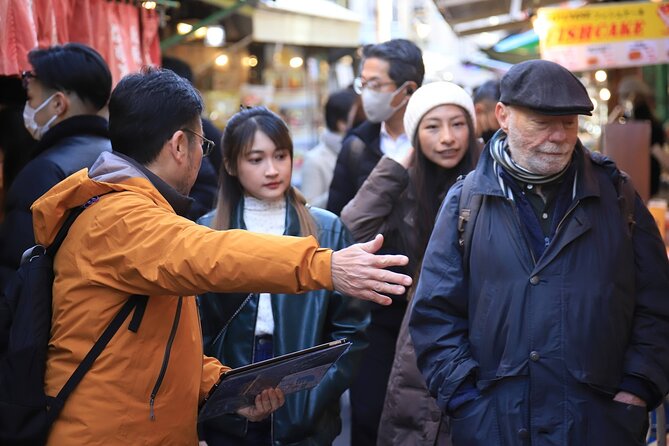
Tsukiji can be overwhelming. The lanes are tight, the crowds change minute by minute, and you’re not just shopping—you’re watching a real industry at work.
That’s where the guide role is huge. Lots of guides are praised for English clarity and for turning market chaos into a guided route. Names that come up often include Masa, Naz, Hanako, Shoko, Yuki, Nick, Joy, and Kiyo. In different ways, they’re credited with:
- helping you navigate without getting stuck
- explaining market history and why chefs shop here
- recommending what to buy or try
- pacing so you don’t spend the whole tour waiting around
There’s a balance to watch for. One negative review note is that a slower pace can happen, or the final stop can feel more tourist-forward than expected for some people. That’s not unique to Tsukiji tours—food experiences can vary with guide style and how a particular day’s market flow works. If you care most about food volume, come ready to eat early and keep your expectations tied to the included lunch plus snacks.
Timing Tips: When to Go and How to Survive the Crowd
Your tour is about 3 hours, and you’re doing real walking. That’s good—it means you see enough to connect the dots between the market parts. But it also means you’ll want the right energy level.
I’d plan your day so this tour is either:
- your main food anchor in central Tokyo, or
- the first big meal moment before you explore Ginza and nearby neighborhoods.
Also, the tour leaves at start time sharp. So set your meeting-point plan like you would for catching a train. If you arrive late, the tour can’t be extended and you can’t count on extra time.
Who Should Book This Tsukiji Tour
This is a great match if you:
- want a Tokyo food tour focused on seafood
- like learning while you eat, not just collecting restaurant names
- enjoy markets and want help navigating hundreds of stalls without getting lost
- are comfortable walking with moderate fitness needs
It’s also worth considering if you want a chance to see high-end ingredients up close—like the kind of seafood and cuts that chefs look for.
Skip it (or pick something else) if you:
- don’t eat fish
- need vegetarian/halal/gluten-free accommodations
- rely on allergy-specific adjustments
Should You Book This Tsukiji Fish Market Tour?
Yes—if you want a structured, food-centered way to experience Tsukiji and you eat seafood. The biggest payoff is the combination of multiple tastings plus a real lunch (sushi or seafood bowl) while a guide translates the market for you. And with a small group size (max 20), you’re more likely to hear the explanations and keep moving.
I’d think twice if your top goal is maximum quantity of food samples or if you’re visiting on a day when the market is closed (Wednesdays and Sundays). Menu items like omelette, fish cake, and fruit may not be available then, and the experience can feel different.
My bottom line: this is a smart way to start your Tokyo day—especially if you want to leave Tsukiji knowing what you ate and why it tastes the way it does.
FAQ
How long is the Tokyo Tsukiji Fish Market Food and Culture Walking Tour?
It lasts about 3 hours.
Where do we meet for the tour?
Meet at the main gate of Tsukiji Hongan-ji Temple (Tsukiji, Chuo City, Tokyo). The tour leaves at the start time, so arrive on time.
Is lunch included?
Yes. Lunch and snack are included.
What does the tour include for food tastings?
You may sample items such as dashi soup, green tea, Wagyu beef skewers, fish cakes, Japanese omelette, sushi or a seafood bowl, and seasonal fruit. What’s served can vary by day.
Is there a drink included, and are there age limits?
Minimum drinking age is 20. If someone is under 20, the tour offers another drink instead.
Is the tour suitable for people who don’t eat fish?
No. If you can’t eat fish, you won’t be able to join the tour.
Does the tour accommodate vegetarian, halal, gluten-free, or allergy requests?
No. Vegetarian, halal, gluten-free requests, and allergy-related requests are not accommodated.
Is Tsukiji Uogashi open every day?
No. Uogashi is closed on Wednesdays, Sundays, and other closed market days.