REVIEW · TOKYO
Shinjuku: Food Tour – 15 Dishes at 4 Eateries
Book on Viator →Operated by Traveling Tokyo · Bookable on Viator
Tokyo can feel like a food maze. This tour gives you a real path through it. You’ll sample 15 dishes across 4 eateries while a guide connects the smells, streets, and etiquette of Shinjuku—starting near Nishishinjuku and working toward Kabukicho with a quick look at the Godzilla Head area. Guides such as Dai and Naruto are known for mixing practical food guidance with neighborhood context, so it’s not just snack-hopping.
I love the format: you get enough variety to understand Shinjuku’s range, not just one type of meal. I also like the small size, capped at 10 travelers, which makes it easier to ask questions and keep the group moving smoothly.
One thing to consider is the pace. This is a walking tour, and if you’re not a strong walker—or if your guide’s pace runs a bit fast—you may feel slightly rushed between stops.
In This Review
- Key highlights to know before you book
- Why this Shinjuku tour works: 15 dishes, 3 hours, zero guesswork
- Kabukicho stop: entertainment-district energy with a local dinner plan
- Omoide Yokocho (Memory Lane): old izakaya vibes in a short stroll
- Nishishinjuku: the local restaurant stop you’ll feel glad you didn’t skip
- Godzilla Head photo moment: a landmark stop that fits the flow
- What you’ll eat and drink: 15 tastings across Japan’s casual styles
- The guides: where the tour turns from meals into a real night out
- Walking pace and keeping up: a fair warning before you commit
- Price and value: is $77.60 a good deal?
- Who this tour suits best (and who should think twice)
- Should you book Shinjuku Food Tour – 15 Dishes at 4 Eateries?
- FAQ
- How many dishes does the tour include?
- How long is the Shinjuku food tour?
- What’s the group size limit?
- Where do we meet, and where does it end?
- Is this tour a mobile-ticket experience?
- Can I cancel for a full refund?
Key highlights to know before you book

- 15 dishes across 4 eateries means variety without needing to research or line up yourself
- Small group (max 10) keeps the experience personal and question-friendly
- Kabukicho + Omoide Yokocho + Nishishinjuku covers both showy and local lanes of Shinjuku
- Food and drink included, so you’re budgeting one fixed total (plus optional gratuity)
- Culture talk built into the route, including neighborhood history and local customs
- Godzilla Head photo moment gives you an easy Shinjuku landmark stop
Why this Shinjuku tour works: 15 dishes, 3 hours, zero guesswork
Shinjuku has over 10,000 restaurants, and it’s also one of the world’s busiest station zones. That can be fun—until you’re hungry and reality sets in. This tour solves the main problem: you don’t have to pick places, translate menus, or worry about which alley looks safe and which one is just chaos.
The sweet spot here is the 15-dish structure in about 3 hours. That ratio matters. If you’ve ever done food tours that feel like a parade of tiny bites with too much standing around, this is set up more like a guided crash course in what people actually eat in the area. Four eateries also helps. You spend less time hopping and more time ordering the good stuff your guide already knows how to navigate.
You’ll also start with a mobile ticket, which keeps the first five minutes from turning into a scavenger hunt. And because the group size is capped at 10, you’re less likely to get lost in the crowd or left behind when the guide explains what to do (like where to stand, when to order, and how to handle the flow inside small restaurants).
You can also read our reviews of more tours and experiences in Tokyo.

Kabukicho stop: entertainment-district energy with a local dinner plan
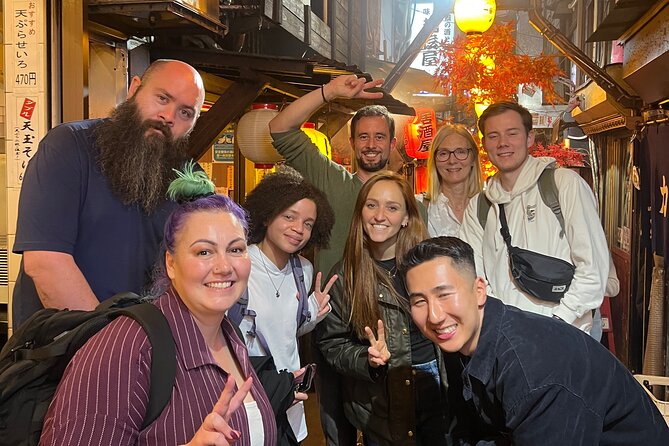
Kabukicho is the part of Shinjuku that gets most of the attention. It’s loud, neon-heavy, and packed with places to eat and drink. On your tour, you’re not just passing through for photos. You’ll visit a local restaurant in the Kabukicho area for one of your tastings, and the guide uses this stop to explain what you’re seeing around you.
Why it’s valuable: guides can turn a touristy district into readable street theater. You learn how nightlife neighborhoods work in practice—how people move, what kinds of spots fit different moods, and how ordering typically goes. Even if you’re not planning to stay out late, this context helps you understand what those signs and alleyways actually mean.
What to expect: this stop includes time to eat, not just a quick walk-by. The tour format keeps it efficient, but you’re still sitting down for part of the experience instead of constantly on the move.
A practical tip for this area: keep your expectations realistic. Kabukicho has plenty of variety, but it also has loud surroundings and dense foot traffic. If you’re sensitive to noise, you’ll still get the value—you just might want to slow your breathing and focus on the meal instead of absorbing every sound at once.
Omoide Yokocho (Memory Lane): old izakaya vibes in a short stroll
From Kabukicho, you’ll head to Omoide Yokocho, often called Memory Lane. This is the classic alley of older-style izakayas—small spaces, strong smells, and a long history of people grabbing drinks and simple plates without making a big event out of it.
On this tour it’s brief—about 15 minutes—and that’s a smart choice. You get the atmosphere without burning time. The guide points out what makes the lanes feel old-school, and you’ll walk through rather than treat it like a museum.
Why I think it works: it’s one of the easiest ways to understand how Japanese casual dining functions. These alleys aren’t about fancy presentation. They’re about convenience, community, and the kind of comfort you only get when a place has been doing the same thing for decades.
What to watch for: since this stop is short, don’t expect a full meal here. You’re there for the setting and the cultural cues that help the rest of the tastings make more sense later on.
Nishishinjuku: the local restaurant stop you’ll feel glad you didn’t skip
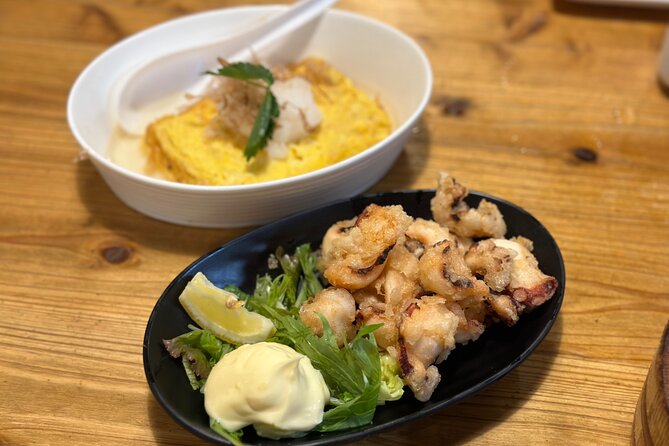
Most first-timers rush to the headline areas. Your tour makes a point of getting you into Nishishinjuku, which is full of local restaurants that many visitors miss. This is where the tour shifts from sightseeing to eating like you actually live in the neighborhood.
You’ll spend about an hour here, with the plan to dine at a local favorite. For me, this is the most strategic part of the whole route. Kabukicho can be overwhelming. Nishishinjuku gives you a calmer, more grounded contrast—still busy, but less like you’re inside a theme park.
What you’ll likely notice at this stop is the difference in restaurant vibe and menu style. Based on the kinds of dishes people highlight from this tour—like pork tonkatsu and seafood plates—the Nishishinjuku meal tends to deliver solid, satisfying comfort food that tastes like it belongs in Japan’s everyday rhythm.
Practical note: because Nishishinjuku is part of the route setup, you’ll likely feel how the tour pacing settles you into the evening. If your walking stamina is limited, this is also a place where the guide’s guidance can help you keep moving without panicking.
Godzilla Head photo moment: a landmark stop that fits the flow
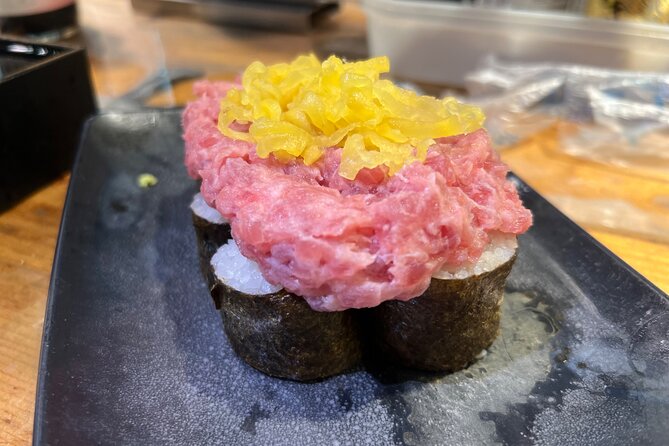
You’ll see the Godzilla Head towering over the Kabukicho area. It’s one of those sights that feels like a movie set because Shinjuku turns the camera on for you.
This is a small stop, but it matters for two reasons:
1) It gives you a clean “I’m really here” landmark moment.
2) It breaks up the walking rhythm so you can reset between meals.
If you like photos, go early in the moment rather than waiting for perfect lighting that never comes. Your group will be moving, and this is one of the easier chances to grab a shot without sprinting down the sidewalk.



What you’ll eat and drink: 15 tastings across Japan’s casual styles
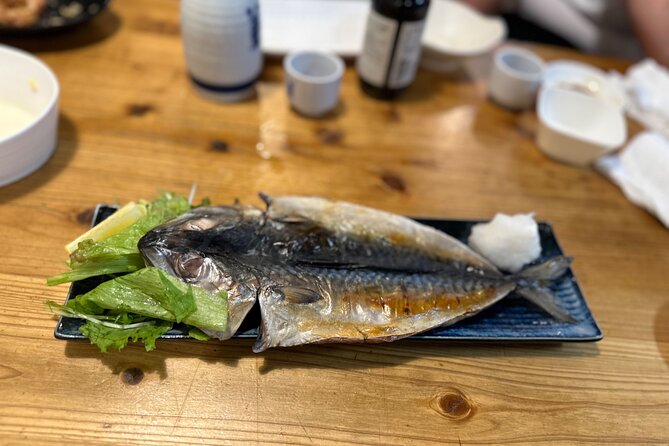
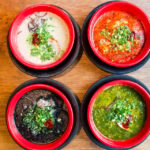
This tour is built around food and drinks included, and the variety is a big part of why people rave about it. One reason the dish count feels generous is that it’s spread across multiple eateries, so you’re not repeating the same texture or sauce style again and again.
From the experience descriptions, you can expect a mix of Japanese casual favorites. Some specific highlights that come up include:
- Sake sours paired with food stops
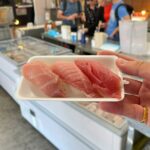
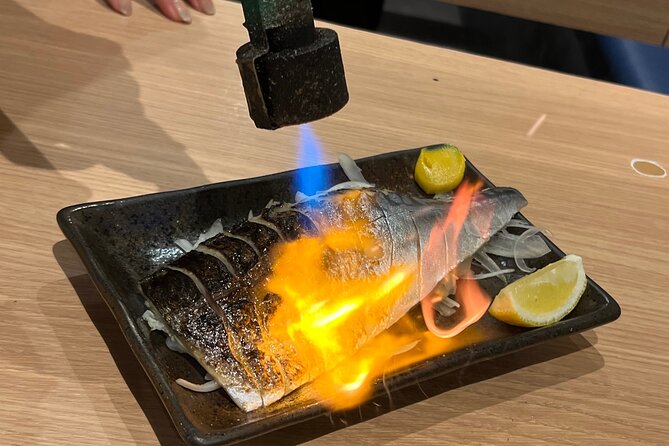
- Seafood tastings and fresh preparations
- Tonkatsu, with some groups calling out how good the pork was
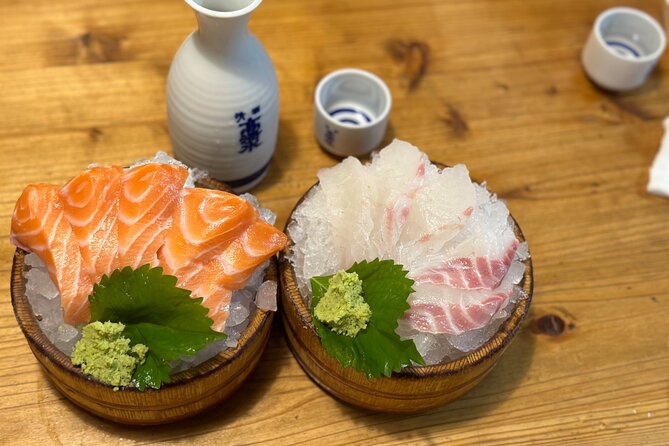
- Sashimi variety, with one group describing a spread of multiple types of sashimi
- Okinawan flavors, which show up as a unique twist rather than the same standard Tokyo menu
That Okinawa detail is important. It’s not just a Tokyo tour wearing a Tokyo costume. Okinawan dishes help you see that Japan’s food culture shifts by region—even when you’re eating in the middle of one city.
One caution: alcohol is included in the sense that drinks are part of the package, but you’re not required to drink. If you skip alcohol, you’ll still eat. Just plan for a little extra time between stops if you want water and a slower pace.
The guides: where the tour turns from meals into a real night out
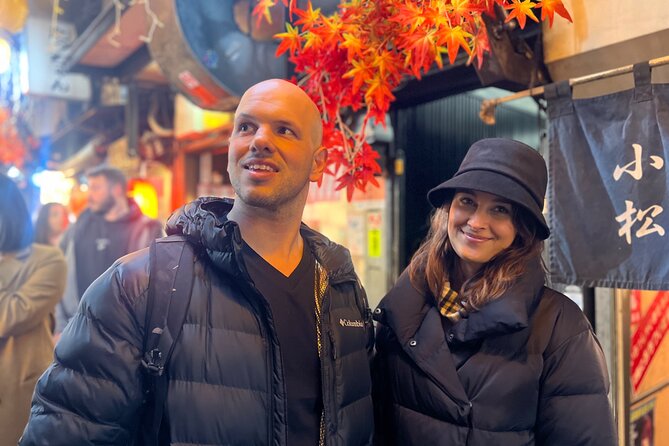
The biggest pattern in the feedback is the guides. Names that show up in praise include Will, Izzy, Dai, Akia, Kaira, Fu, Naruto, Hadyn, and Yota. Different people, same theme: guides who speak strong English and explain what you’re eating, plus what’s going on around you socially.
What to look for in a good guide on this kind of tour is practical clarity:
- how to order
- when to try something specific
- what etiquette to follow in small places
- why certain neighborhoods feel different from each other
People also mention cultural notes, including local history and neighborhood details. Some guides are described as sharing social context about the areas you pass through, and that can be either fascinating or just a bit much depending on your mood.
If you’re the type who wants a straight food-only evening, you may want to keep your expectations tuned to a walking-and-culture blend. But if you like knowing why the alley exists, how locals eat, and what the district’s reputation means on the ground, this is where the tour shines.
Walking pace and keeping up: a fair warning before you commit
This is a walking tour in a dense part of Tokyo. Some people love that it feels like seeing the city on foot. Others mention that walking between stops can add up.
Here’s how to think about it:
- The route includes multiple districts and takes you through compact, busy areas.
- If your shoes aren’t comfortable, you’ll feel it by the second half.
- If your group gets stuck behind slower walkers, you’ll feel the squeeze.
If you’re sensitive to pace, you can help yourself by arriving early, using bathroom breaks when offered, and wearing shoes you’d trust for an all-day city walk. If you’re traveling with someone who gets tired easily, agree upfront that you won’t sprint between stops.
Price and value: is $77.60 a good deal?
At $77.60 per person, you’re paying for more than food. You’re paying for coordination, translation help, and access to restaurants you might not find alone—especially in older lanes and smaller local spots.
Now do the value math the simple way:
- 15 dishes is a lot of food. You’re basically buying several meals worth of sampling.
- 4 eateries means you’re not just grazing at one place.
- Food and drinks included turns the tour into a more predictable spend, which matters in Tokyo.
- Small group up to 10 keeps the guide time more direct.
The only time the price feels less worth it is if you’re the type who wants larger full-course meals rather than sampling. But for most food-focused travelers, the structure is exactly what makes it good value: you get variety and direction, and you don’t waste time sorting out where to go.
Also, gratuity is listed as optional, so don’t let that add confusion to your budget. Just plan to tip in the normal way if you feel the service earned it.
Who this tour suits best (and who should think twice)
This is a strong fit if:
- you want a first-night in Shinjuku kind of experience
- you like trying more than one style of food in one evening
- you want help ordering and navigating small restaurants
- you enjoy neighborhood stories alongside your dinner
It may not suit you as well if:
- you get annoyed by a faster group pace
- you prefer purely food talk with minimal neighborhood context
- you’re expecting a tour that feels slow and romantic instead of efficient and busy
If you’re unsure, think about your goal. If your goal is to eat well while getting oriented fast, this tour makes it easy.
Should you book Shinjuku Food Tour – 15 Dishes at 4 Eateries?
Yes—if you want a structured Shinjuku night with a lot of variety and minimal planning. This tour’s biggest strength is the combination of 15 tastings, included drinks, and a guide who can turn complicated streets into clear, tasty decisions.
I’d book it early in your trip so it can help you plan what to do next. Then you can use the knowledge you pick up—what neighborhoods feel right for you, and what kinds of dishes you want to seek out again.
One practical upside: there’s free cancellation up to 24 hours in advance for a full refund, so you can book with less stress and adjust if your schedule changes.
FAQ
How many dishes does the tour include?
The tour includes 15 dishes across 4 eateries, along with food and drinks as part of the experience.
How long is the Shinjuku food tour?
The duration is about 3 hours.
What’s the group size limit?
This activity has a maximum of 10 travelers.
Where do we meet, and where does it end?
You start at AOKI Shinjukunishiguchi Honten, 1-chōme-8-5 Nishishinjuku, Shinjuku City, Tokyo 160-0023, Japan and the tour ends back at the meeting point.
Is this tour a mobile-ticket experience?
Yes. The tour includes a mobile ticket.
Can I cancel for a full refund?
Yes. You can cancel for a full refund if you cancel at least 24 hours before the experience starts.