REVIEW · TOKYO
Mt. Fuji Heritage Tour: Traditional Villages, Lakes & Shrine
Book on GetYourGuide →Operated by TAIHOU CO,LTD · Bookable on GetYourGuide
Fuji views, saved for one well-paced day. This Mt. Fuji Heritage Tour strings together the most camera-friendly spots around Lake Kawaguchi and adds a cultural layer at Saiko Iyashi no Sato Nenba with its thatched roofs and classic mountain backdrop. You’ll also get seasonal scenery changes based on the time of year, so the day doesn’t feel like one-size-fits-all tourism.
I especially like the built-in “photo-to-walk” rhythm: quick orientation from the guide, time to shoot, then you’re moving before crowds swell. Another big win is the Chureito Pagoda and Arakurayama Sengen Park stop, which is the kind of Fuji composition you plan your whole trip around.
One thing to plan for: lunch isn’t included, and Mt. Fuji visibility can change with weather. That means you’ll want snacks or cash on hand, and a flexible mindset if clouds roll in.
In This Review
- Key things to know before you go
- Ten Hours Around Fuji: the photo-and-culture route that makes sense
- Saiko Iyashi no Sato Nenba: thatched-village photos and street-snack energy
- Lake Kawaguchi parks: Oishi Park vs Maple Corridor in peak autumn
- Arakurayama Sengen Park: stairs, shrine vibes, and the five-story pagoda shot
- Chureito Pagoda timing: how to get the shot without burning time
- Oshino Hakkai: eight ponds, calm reflections, and a low-key finish
- The bus and guide experience: why it feels smooth in practice
- Timing details you should plan around
- Price and value: what $50 buys, and what you’ll pay separately
- Who this tour fits best (and who should skip it)
- Small upgrades you can make the day easier
- Should you book this Mt. Fuji Heritage Tour
- FAQ
- FAQ
- How long is the Mt. Fuji Heritage Tour?
- What’s included in the price?
- Is lunch included?
- What are the main stops on the itinerary?
- Will I definitely see Mt. Fuji clearly?
- Is the tour wheelchair accessible?
Key things to know before you go
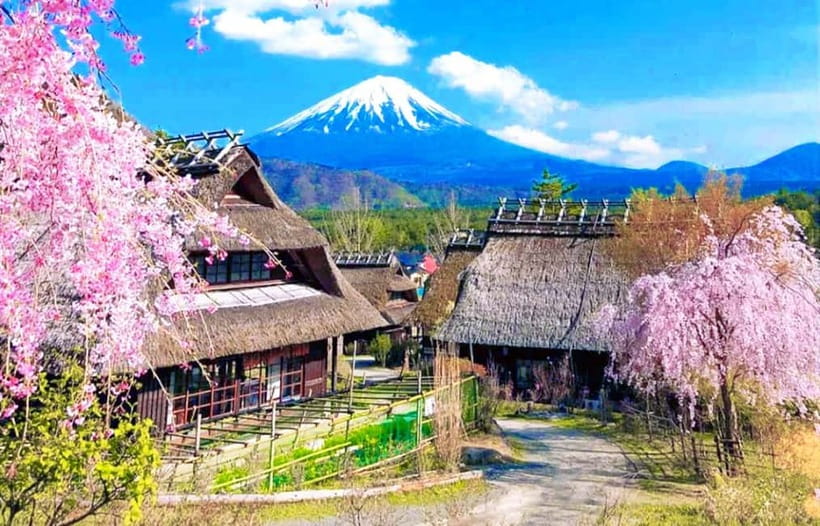
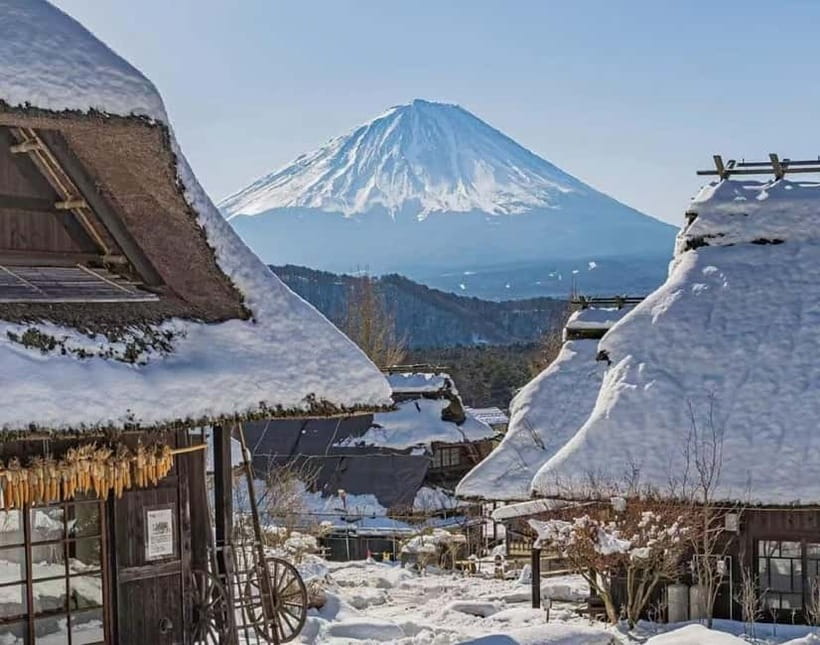
- Saiko Iyashi no Sato Nenba photos with Mt. Fuji framed behind traditional thatched houses
- Oishi Park and Maple Corridor timing matters; during peak foliage (Oct 26–Nov 20) you won’t go to Oishi Park
- Chureito Pagoda photo stop at Arakurayama Sengen Park, plus a chance to visit the shrine area
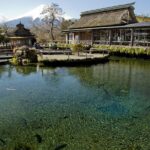
- Oshino Hakkai pond reflections from Mt. Fuji snowmelt, for calm end-of-day sightseeing
- Cash is smart since credit cards aren’t guaranteed at every location
Ten Hours Around Fuji: the photo-and-culture route that makes sense
This is a shared group day trip from Honshu’s Fuji region with a simple goal: give you multiple iconic viewpoints plus a traditional village experience. The route is built around geography, not random stops, so you spend most of your time outside rather than lost on the side of a bus route.
Expect a long day. You’ll start with a substantial bus ride from Tokyo toward the Lake Kawaguchi area, then bounce between viewpoints with short to medium sightseeing windows. It’s the kind of schedule that works best if your priority is getting key sights checked off without needing to hire your own driver or plan transfers.
You can also read our reviews of more tours and experiences in Tokyo.
Saiko Iyashi no Sato Nenba: thatched-village photos and street-snack energy
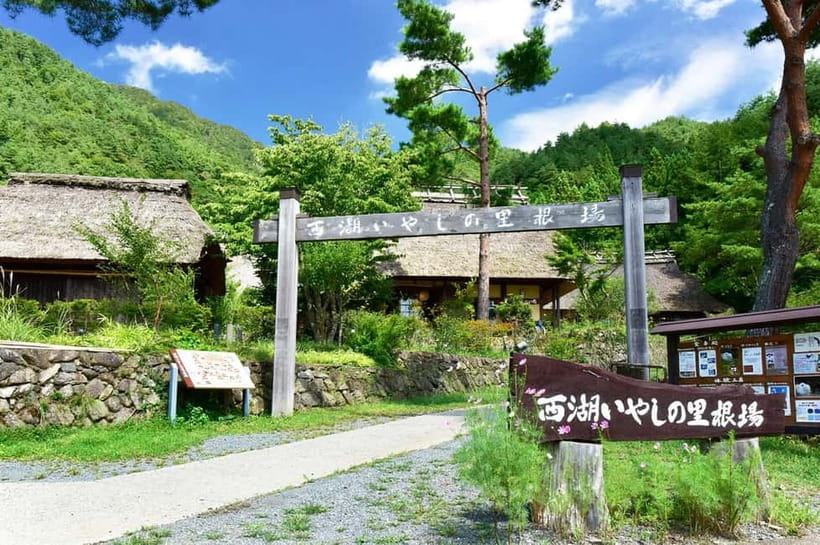
You begin at Saiko Iyashi no Sato Nenba, a traditional thatched-roof village where Mt. Fuji often becomes part of the scene. This is the stop that feels the most “Japan” beyond just scenery—compact lanes, old-style rooflines, and that strong photographic payoff when the mountain is clear.
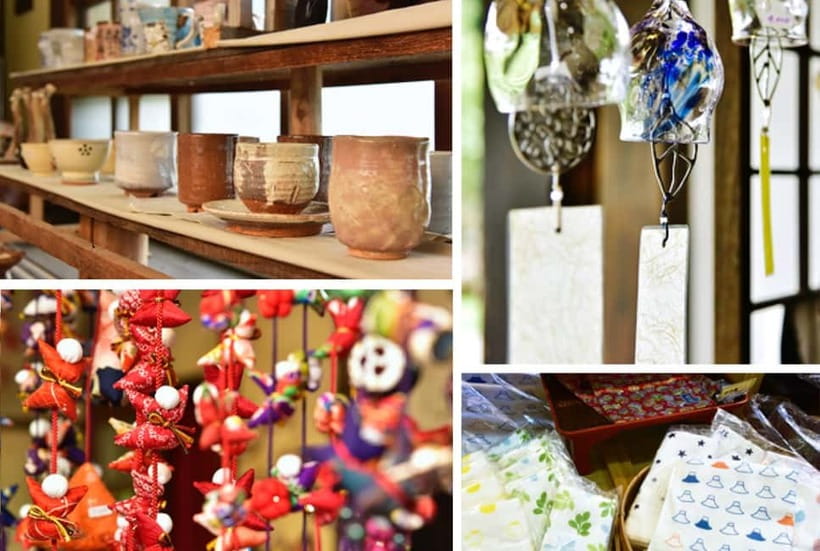
You get a guided visit plus a photo stop, and there’s practical fun right at the entrance. There are Japanese street snacks you can try on site, and if you want something extra for pictures, you can rent a ninja costume (extra cost). It’s not essential, but it’s memorable in a playful way—especially if you’re traveling with kids.
A small consideration: time here is limited, so don’t treat it like an all-day market. I’d focus on where Mt. Fuji lines up with the rooftops, then circle back for souvenirs. Souvenir shops are available, but they operate independently from the tour, so don’t expect a guided shopping circuit.
Lake Kawaguchi parks: Oishi Park vs Maple Corridor in peak autumn
After the village, you head toward Lake Kawaguchi, which is the hub for many of the Fuji photo viewpoints. The tour’s timing depends on season, and this is where you’ll want to pay attention.
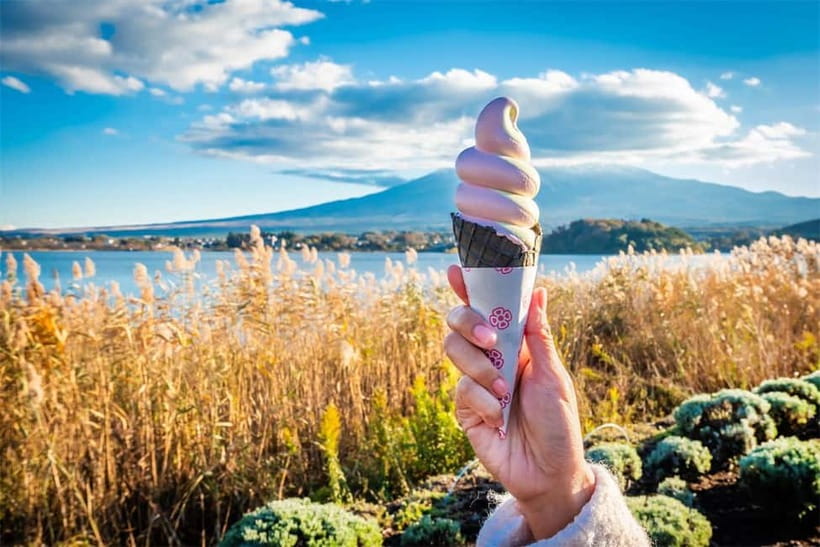
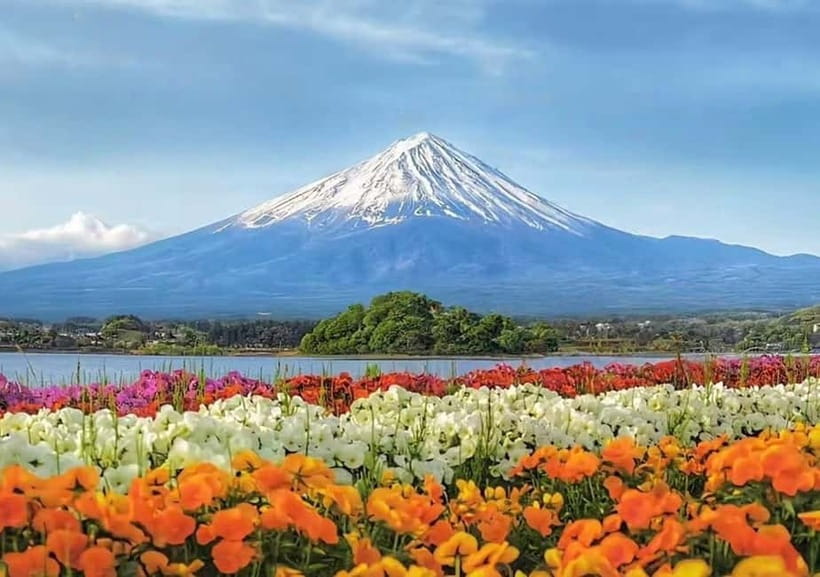
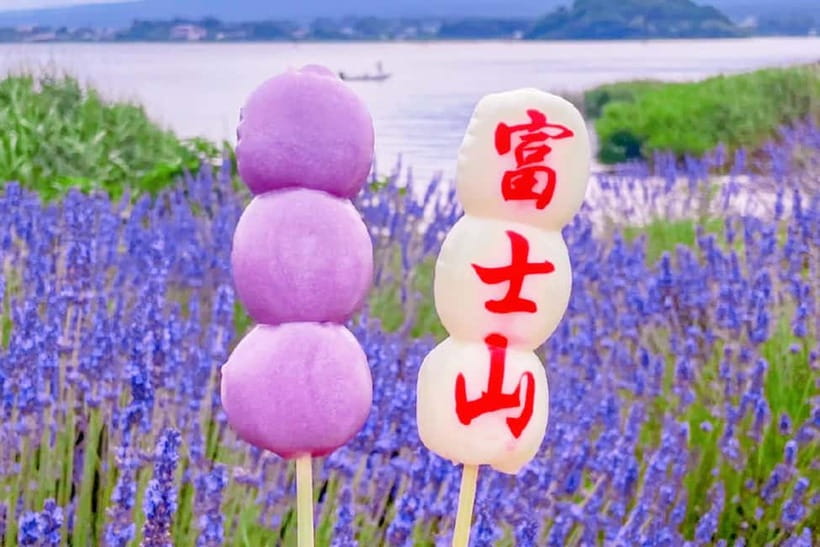
In summer, Oishi Park is described as a field-color experience—lavender is called out specifically. In autumn, it shifts toward fiery colors like red broom grass. But there’s a key heads-up: during peak autumn foliage (Oct 26–Nov 20), the tour doesn’t go to Oishi Park. Instead, the emphasis turns to the Maple Corridor, with peak viewing framed for snow-capped Fuji.
When you’re there during the right window, the Maple Corridor is set up for photos where leaves form a natural frame around the mountain. The tour plan gives you a photo stop and sightseeing time there, so you can walk a bit and still catch the best angles.
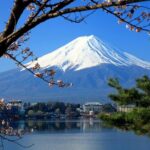
Practical tip: Fuji visibility can change over the day. Even if clouds move in later, you may still catch a clear view from at least one of these stops. One review experience highlighted seeing Mt. Fuji clearly from some locations and even from the bus at one point, so it’s worth keeping your camera ready early and mid-day.
Arakurayama Sengen Park: stairs, shrine vibes, and the five-story pagoda shot
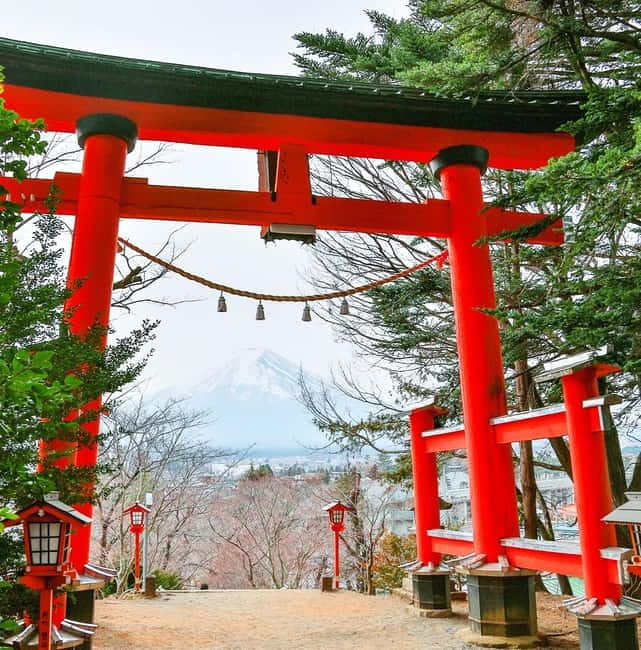
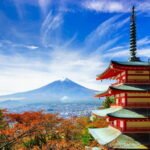
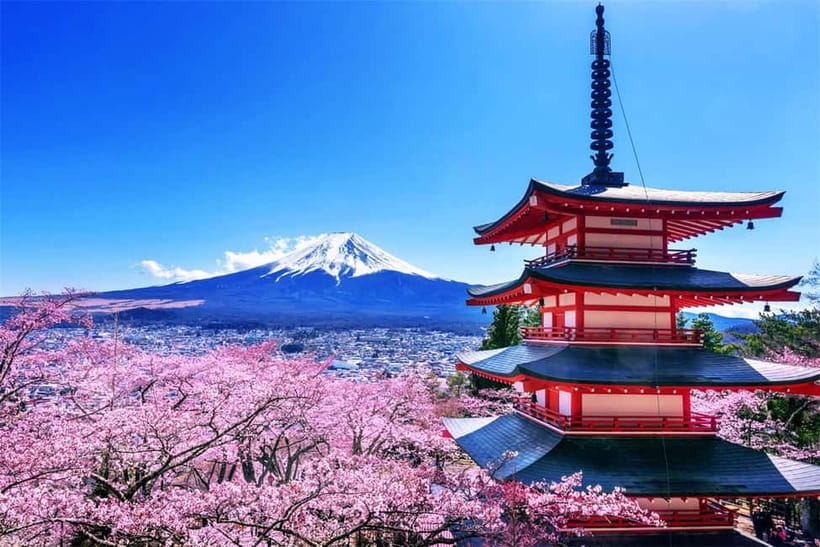
This is the stop most people recognize from the internet: Arakurayama Sengen Park, featuring the five-story pagoda at Chureito Pagoda and the nearby shrine area at Arakura Sengen Shrine. The tour includes a photo stop at the park plus time to visit the shrine area, and there’s a short sequence that makes the viewpoint feel like an experience, not just a roadside stop.
What makes this place special is the way the pagoda is framed for Fuji photos. You’ll climb steps and spend time in the park area looking for the classic composition with Mt. Fuji in the background. If you’re sensitive to walking, this is the only part of the day where your legs will notice—so wear comfortable shoes and take breaks when you need them.
Also, a useful photo-and-memories tip from prior groups: if you want a shrine stamp or goshuin, it helps to handle the process before you climb higher. One past visitor mentioned a waiting time can jump when you’re already on the stairs, so get your book ready and don’t rush up without thinking about that detail.
You’ll usually have time to linger briefly for photos and then move on, and the tour keeps the flow so you’re not spending your whole day waiting in one place.
Chureito Pagoda timing: how to get the shot without burning time
Because Arakurayama is a major attraction, timing matters. The tour plan gives you around a 40-minute block at Arakurayama Sengen Park, plus an additional shrine visit segment. That’s enough time for multiple angles if you manage your walking pace.
Here’s how I’d play it: go up first for the main viewpoint, take your key photos, then come back down slower for secondary angles and shrine details. If you try to do everything at once—stairs, photos, shrine stamp, souvenir browsing—you can end up feeling rushed.
If clouds hit during this stop, you still get the shrine atmosphere and the pagoda structure. It may not be the perfect Fuji-in-frame shot, but the place itself is worth the visit.


Oshino Hakkai: eight ponds, calm reflections, and a low-key finish
The final major sightseeing stop is Oshino Hakkai, a set of eight spring ponds fed by Mt. Fuji’s melted snow. This is one of the best places in the region for quiet scenery that doesn’t depend on big crowds or a single “must-have” view.
The tour gives you a longer sightseeing window here—enough time to slow down and actually enjoy the reflections. Even when the mountain isn’t crystal-clear, the ponds are still the point. The setting feels like a reset button after earlier viewpoint hopping.
This stop also ties the day together thematically. You started with a traditional village and iconic views; now you’re seeing the water system connected to Fuji itself. Finish with a snack or treat nearby if you want something local. The tour notes include local options like rice crackers and even wasabi ice cream around the area—odd-sounding, but that’s often how the best regional flavors work.
The bus and guide experience: why it feels smooth in practice
This tour runs as a shared group with a live guide. Languages offered include English, Japanese, and Traditional Chinese, which matters because the guide isn’t just moving you from stop to stop—they’re also offering explanations so you don’t feel like you’re in a sightseeing line.
In reviews, guides such as Sia, Kazi, Wanting, Alex, Rachel, and Wansing are named as standout parts of the day. The recurring theme is clear communication: the guide gives instructions where to find key spots, where bathrooms are, and when you need to be back at the bus.
There’s also a pattern of problem-solving. One group mentioned the driver and guide handled an issue when a bus broke down, keeping everyone organized and moving. That’s not something you can count on, but it does suggest this operator takes coordination seriously.
You’ll want to arrive early at the meeting point. Late arrivals can lose you the scheduled flow, and the day is tight enough that the tour can’t pause for missed buses.
Timing details you should plan around
The day is structured into short hops:
- A morning bus ride to the Fuji area
- Multiple site stops around Lake Kawaguchi
- Arakurayama Sengen Park and shrine time
- A final longer stop at Oshino Hakkai
- Then the return ride back to Tokyo
Weekend and holiday traffic in Japan can affect return timing, so don’t schedule anything right after the tour ends. If you’re a careful planner, this is the kind of day trip where you should treat your evening as “buffer time,” not “another appointment.”
Weather is the wild card. The tour warns that conditions can prevent a clear Fuji view, and that’s realistic for this region. Still, the route spreads the odds across several photo stops, which increases your chance of at least one good view during the day.
Price and value: what $50 buys, and what you’ll pay separately
At $50 per person for a 10-hour guided outing, this is positioned as value-focused sightseeing. Here’s what’s included:
- Admission to Saiko Iyashi no Sato Nenba
- A tour guide, plus the driver
- Pickup and drop off at two designated meeting points
- Parking fees
Not included:
- Lunch
- Personal expenses
So the value question comes down to: do you want a guided, multi-stop Fuji day without doing the transfers yourself? If yes, the price makes sense because you’re paying for time-saving logistics and an organized itinerary.
But do not assume lunch will be solved for you. Build your day around it. The tour explicitly says lunch isn’t included, and the guidance is to bring your own food, buy lunch at attractions, or follow the restaurant suggestion made by the guide.
Cash is also important. One practical note is that credit cards may not be accepted at certain locations. Having some yen in your pocket keeps you from getting stuck when you want snacks, souvenirs, or small meals.
Who this tour fits best (and who should skip it)
This is a good pick if you:
- Want a one-day route that covers Saiko Iyashi no Sato Nenba, Lake Kawaguchi viewpoints, Arakurayama Sengen Park, and Oshino Hakkai
- Prefer guided explanations so you understand what you’re seeing
- Like photo stops with defined time windows
- Don’t want to plan buses or hire a private driver
It’s less suitable if you need wheelchair access. The tour notes it isn’t suitable for wheelchair users, so plan a different arrangement if mobility is a concern.
If you’re the type who hates group schedules, keep in mind this is a shared tour. The pace is generally described as organized and well-timed, but it’s still a group day, not a private slow stroll.
Small upgrades you can make the day easier
These are the practical moves that help the day feel less stressful:
- Wear comfortable shoes. The steps at Arakurayama are the main leg workout.
- Bring water. You’ll be outdoors for chunks of the day.
- Bring cash, just in case.
- If you’re aiming for the pagoda and shrine area with stamp goals, plan your goshuin timing so you don’t lose time waiting.
- If you’re traveling with kids or multiple ages, stick close to the guide when they’re giving the best photo locations and timing cues—this tour is built to keep everyone together.
Souvenir shopping is available at each attraction, but shops aren’t connected to the tour. That’s normal in Japan, just don’t assume one checkout or guided purchasing stop.
Should you book this Mt. Fuji Heritage Tour
Book it if you want an efficient, high-hit-rate day built around classic Fuji scenery and a traditional village experience. The price-to-coverage ratio is strong for a guided day trip: you get multiple iconic stops, a live guide, and no need to manage transfers yourself.
Skip it (or change your plan) if you need guaranteed Mt. Fuji visibility. Even with good planning, weather can reduce the mountain to clouds. Also, if you hate walking stairs or you need wheelchair accessibility, you’ll be happier choosing a different tour designed for your needs.
If you’re flexible, you like guided structure, and you want your Fuji day to feel like a checklist done right—with time to actually look and photograph—this one is worth your booking attention.
FAQ
FAQ
How long is the Mt. Fuji Heritage Tour?
The tour runs for 10 hours.
What’s included in the price?
Admission to Saiko Iyashi no Sato Nenba, a tour guide, the driver, pickup and drop off at two designated meeting points, and parking fees are included.
Is lunch included?
No. Lunch is not included, and you can bring food, buy lunch at the attractions, or eat at a restaurant suggested by the guide.
What are the main stops on the itinerary?
The tour includes Saiko Iyashi no Sato Nenba, Oishi Park and/or the Lake Kawaguchi Maple Corridor (season-dependent), Arakura Sengen Shrine and the Five-Story Pagoda at Arakurayama Sengen Park, and Oshino Hakkai.
Will I definitely see Mt. Fuji clearly?
No guarantee. Weather conditions can prevent a clear view, so it’s smart to check the forecast before you go.
Is the tour wheelchair accessible?
No. The tour is not suitable for wheelchair users.