REVIEW · OSAKA
Matcha Making Class in Osaka with Authentic Japanese Sweets Set
Book on Viator →Operated by Sushi Making Tokyo Cooking Class in Japan · Bookable on Viator
Matcha gets easier when someone corrects your whisk. This Osaka class turns a fancy drink into a repeatable skill, with hands-on coaching and a calm tea break. I especially like the Japanese sweets that make the pairing feel like a real Japanese moment, not a snack afterthought. One thing to plan for: the meeting spot in Higashishinsaibashi can take a few extra minutes to find, so give yourself buffer time.
You’ll follow a step-by-step flow with friendly, English-speaking hosts, and you can ask questions as you go. There are morning and afternoon classes, so you can match it to your Osaka rhythm without rushing.
Price-wise, $21.89 for about one hour is a solid deal when you’re getting instruction, tools, ingredients, and the tea + sweets included. If you hate crowds, the small group size (up to 6) is also a big plus.
In This Review
- Key Things I’d Bet Your Time On
- Why This Osaka Matcha Class Works in Real Life
- The 60-Minute Flow: What Happens From Start to Finish
- Learning the Real Matcha Technique (Not Just a Recipe)
- Japanese Sweets Pairing: Why It Feels Like a Tea Break
- Morning vs Afternoon Classes: Pick Your Osaka Mood
- Small Group Size in Higashishinsaibashi: What That Changes
- Where to Meet in Osaka (and How Not to Lose Time)
- Price and Value: Is $21.89 a Good Deal?
- What You’ll Get in the Classroom (and What You Should Bring)
- Who This Class Is Best For
- Should You Book This Matcha Making Class in Osaka?
- FAQ
- How long is the matcha making class?
- What’s the group size limit?
- Is the instructor English-speaking?
- What’s included with the ticket?
- Do I need hotel pickup or drop-off?
- Where do I meet for the class?
- Do I need prior experience making matcha?
- Does it run in the morning and afternoon?
- What is the cancellation policy?
- Are service animals allowed?
Key Things I’d Bet Your Time On
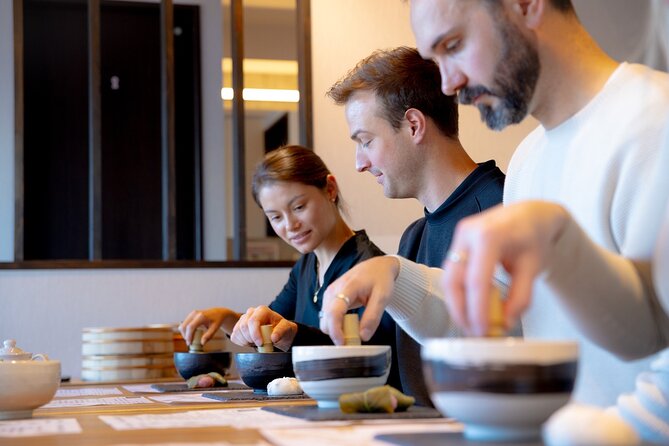
- Small group cap (6 travelers max) means you get real attention, not just a demo
- English-speaking hosts guide you step by step and help with mistakes as they happen
- Hands-on matcha making so you learn the process you can repeat at home
- Morning and afternoon options so you can pick the time that fits your day
- Japanese sweets included to balance matcha’s bitterness and earthiness
- Mobile ticket + near public transportation keeps it low-stress to show up
Why This Osaka Matcha Class Works in Real Life
Osaka is great for street food, big sights, and loud energy. This class is the opposite in a good way: a quiet, focused hour where you learn how to make matcha correctly and actually understand what you’re doing.
The biggest value for me is the mix of practical technique and context. You’re not just taught a recipe; you learn the background and then put it to work with your own hands. The class also calls itself beginner-friendly, and the format matches that: step-by-step guidance, corrections, and a relaxed pace.
This is also a small-group experience (max 6). That matters because matcha isn’t forgiving. The whisking speed, the right amount of powder, and how you avoid bubbles all change the cup you end up with. In a larger group, you’d likely watch and hope. Here, you get feedback.
You can also read our reviews of more tours and experiences in Osaka.


The 60-Minute Flow: What Happens From Start to Finish
The schedule is short on purpose: about 1 hour, then you’re done and back where you started. That makes it easy to slot into an afternoon of shopping around Higashishinsaibashi or a break between Osaka meals.
Here’s what to expect in that hour, based on what the class is built around:
- Welcome and matcha background
You’ll learn about matcha—what it is and how it’s made—using explanations that are designed to be easy to follow. Some hosts also use visuals and quick quiz-style checks to keep it from turning into a lecture.
- Step-by-step matcha making
Then the focus turns practical. You’ll follow the process from start to finish, with your instructor walking you through each step. If something is off, you get corrected during the process, not after.
- You drink what you make
You’ll enjoy the matcha at the time of the class (morning or afternoon). The key point: you’re tasting the result of your own technique, and that feedback loop makes it easier to remember.
- Japanese sweets with your tea
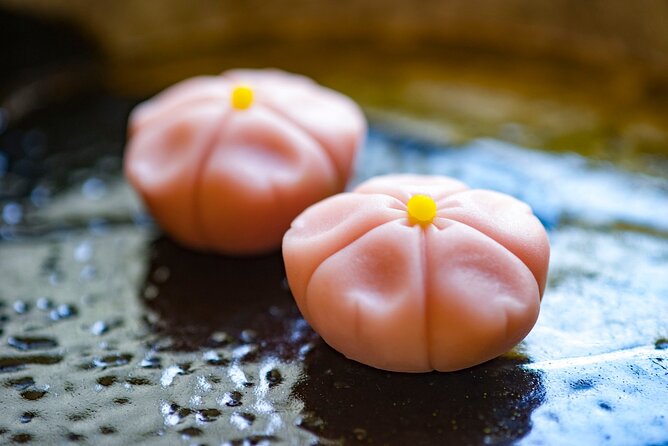
Your matcha comes with Japanese sweets. This isn’t just a food add-on; it’s part of how matcha is meant to be enjoyed. The sweets help balance the tea’s strong, slightly bitter character.
- Photos
You’ll have time to take photos, so you can remember the setting and the gear you used.
For a lot of food experiences, the main lesson is flavor. With this one, you leave with technique.
Learning the Real Matcha Technique (Not Just a Recipe)
If you’ve ever made matcha at home using a cheap whisk or a random spoon method, you know the gap between fine matcha culture and kitchen reality. This class focuses on the difference between an okay cup and a cup that tastes smooth and balanced.
What you should pay attention to during the class:
- How you whisk
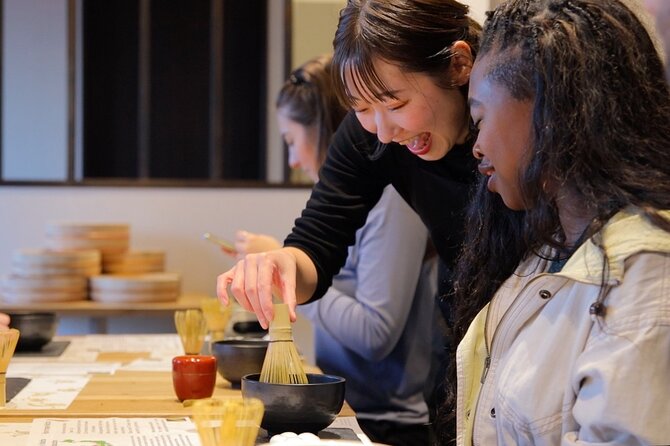
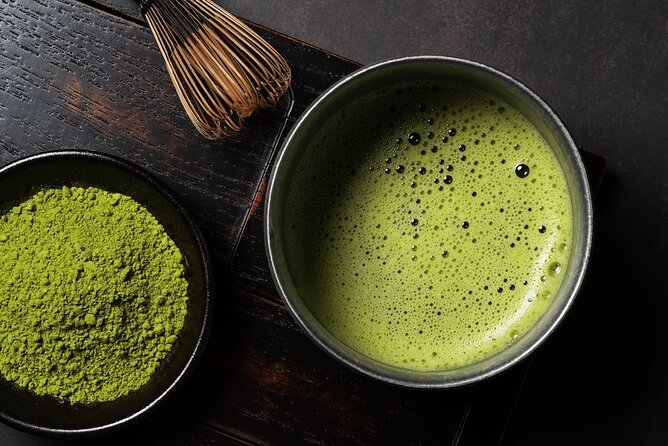
Matcha quality depends heavily on whisking. You learn the correct way to prepare it so you get the right texture and a cup that tastes cohesive, not gritty or watery.
- Getting the powder-to-water approach right
Too much powder can taste harsh; too little can feel weak. The instructor guides you through what to do so you can recreate the ratio later.
- Avoiding common mistakes
The class explicitly offers correction as you go. That’s crucial because the most common matcha problems usually come from small technique errors.
The “learn expert tips and tricks for getting matcha right at home” promise isn’t vague here. The class is designed so you practice the core steps with someone watching, which is exactly what you need if you want results after your trip.
Japanese Sweets Pairing: Why It Feels Like a Tea Break
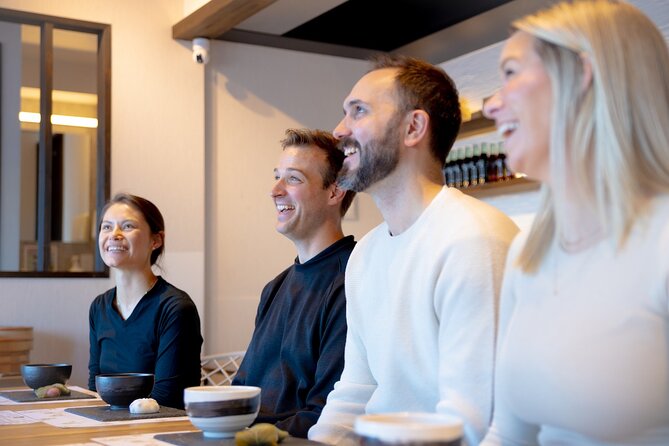
Matcha tastes great alone, but it also pairs naturally with Japanese sweets that can handle its intensity. That’s the point of including sweets in the class.
You’ll get Japanese sweets with your tea, and you’ll be able to taste how the combination changes the experience. Even if you’re not a dessert person, you’ll likely notice this:
- Matcha’s bitterness can feel sharp without something to balance it.
- The sweetness and texture of the sweets smooth the edges.
- Together, it feels more like a ritual than a quick drink.
Also, this matters because you won’t just leave with a “recipe.” You’ll remember how the cup is meant to be enjoyed. That’s the kind of souvenir that actually lasts.
Morning vs Afternoon Classes: Pick Your Osaka Mood
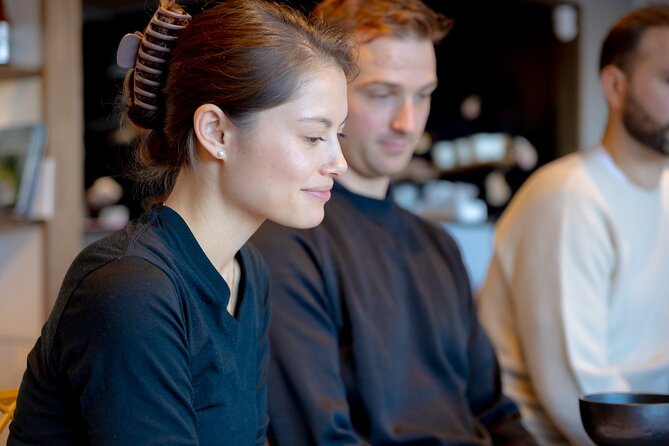
This class offers both morning and afternoon options. That sounds minor, but it affects the whole day you build around it.
- Morning classes fit nicely if you want something calm early, before your Osaka day gets food-parked into snack mode.
- Afternoon classes can work like a reset button if you’ve already been walking and eating and want a quieter moment.
If you’re the type who likes to plan around energy levels, choose the time when you can slow down. Matcha is better when you’re not rushing.




Small Group Size in Higashishinsaibashi: What That Changes
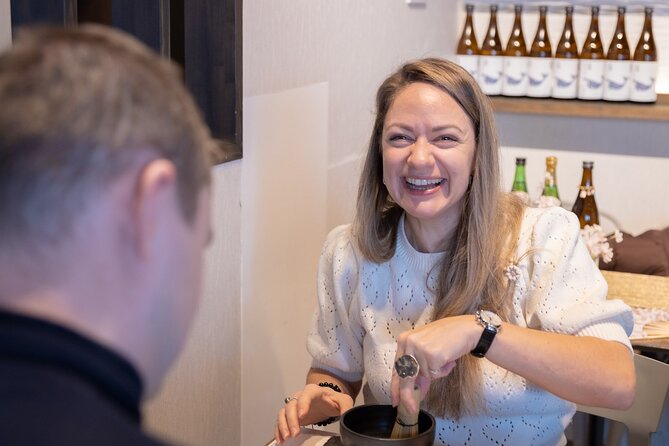
This experience caps at 6 travelers, which is unusually helpful for a technique class. Here’s what that changes for you:
- You can ask questions without waiting your turn.
- Corrections are more personal.
- The instructor can actually notice if your whisking or handling isn’t matching the technique.
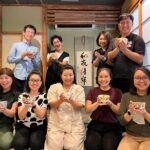
You’ll also be working in a relaxed setting with friendly, English-speaking hosts. That combination is ideal if you want authenticity without needing to decode Japanese instructions.
One more practical detail: the class provides tools and ingredients so you’re not hunting around for gear. That keeps your energy focused on learning.
Where to Meet in Osaka (and How Not to Lose Time)
You meet at Matcha Making Osaka | Cooking Class in Japan, 1-chōme-16-20 Higashishinsaibashi, Chuo Ward, Osaka, 542-0083, Japan. The activity ends back at the same meeting point.
Two things to know before you go:
- It’s near public transportation, so you’re not stuck with taxis.
- The location can take longer than expected. At least one guest tip is to check a short location video beforehand to find the place faster.
My advice: treat arrival like a small errand. Walk in with a little extra time, confirm you’re at the right address, and then relax. You’ll get more enjoyment when you’re not stressed before the tea even starts.
Price and Value: Is $21.89 a Good Deal?
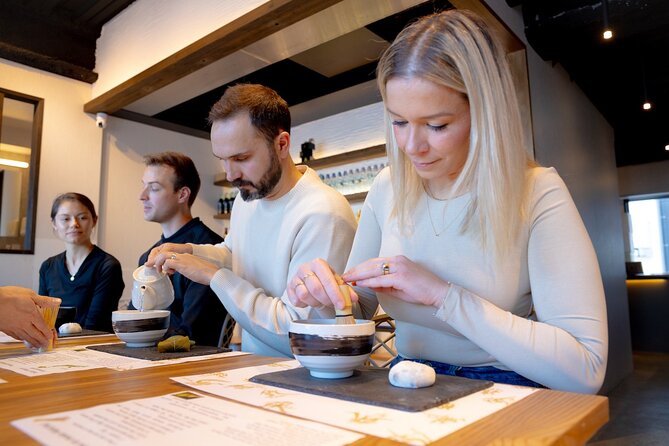
At $21.89 per person for about an hour, this class is priced like an activity, but the value comes from what’s included.
You’re paying for:
- An English-speaking instructor
- Guided, hands-on matcha making support
- Matcha served with Japanese sweets
You’re not paying for a big, long tour, hotel transport, or a day-long itinerary. That’s good for you if you want a high-quality skill lesson without spending half your day commuting.
If your goal is to buy matcha and figure out how to use it later, a class like this often makes more sense than trying to guess from online videos alone. The corrections you get during the hour are exactly what you’d struggle to replicate on your own.
So for the price, I think the value is strong if you genuinely want to learn technique and not just taste matcha once.
What You’ll Get in the Classroom (and What You Should Bring)
A few details help you prep correctly:
- You’ll have a mobile ticket, which keeps the check-in process simple.
- Tools and ingredients are prepared for you, so you don’t need to bring matcha gear.
- You’ll take photos during the experience.
- Hotel pickup and drop-off are not included, so you’ll be responsible for getting to the meeting point.
What I’d personally bring:
- Comfortable shoes. Higashishinsaibashi can be walky.
- A curious attitude. Even if you’re a matcha fan already, you’ll likely pick up better technique.
- If you have a strict tea schedule planned, pick morning or afternoon with that in mind since your matcha is enjoyed during the class time.
Who This Class Is Best For
This class is a great fit if you’re any of these types:
- You love matcha and want to make it properly at home.
- You’re curious about Japanese tea culture but don’t want a huge time commitment.
- You prefer an English-speaking host and step-by-step guidance.
- You want a small-group activity that feels calm and “real,” not just touristy tasting.
It also works if you’re not a matcha convert yet. The format is beginner-friendly, and the pairing with sweets helps make the experience approachable.
If you’re the kind of traveler who wants a souvenir you can use (instead of just a photo and a packet of snacks), this is the kind of class that delivers.
Should You Book This Matcha Making Class in Osaka?
I’d book it if you want a short, high-impact cultural skill lesson. For the time and price, you get more than a drink: you get guidance, technique corrections, and a complete tea break with sweets.
Skip it (or choose another activity) if you’re only looking for a casual matcha tasting and you don’t care about learning how to whisk properly. This class is designed for making, not just sampling.
If you’re in Osaka and want something calm, hands-on, and actually useful after you fly home, this matcha class is a very sensible choice.
FAQ
How long is the matcha making class?
It runs for about 1 hour.
What’s the group size limit?
The class has a maximum of 6 travelers.
Is the instructor English-speaking?
Yes, the class includes an English-speaking instructor.
What’s included with the ticket?
You get matcha and Japanese sweets as part of the experience.
Do I need hotel pickup or drop-off?
No. Hotel pickup and drop-off are not included.
Where do I meet for the class?
Meet at Matcha Making Osaka | Cooking Class in Japan, 1-chōme-16-20 Higashishinsaibashi, Chuo Ward, Osaka, 542-0083, Japan.
Do I need prior experience making matcha?
No prior experience is required.
Does it run in the morning and afternoon?
Yes, there are morning and afternoon class options.
What is the cancellation policy?
You can cancel for free up to 24 hours in advance for a full refund.
Are service animals allowed?
Yes, service animals are allowed.