REVIEW · OSAKA
Osaka: Guided Food Tour of Shinsekai with 15 Dishes
Book on GetYourGuide →Operated by Hungry Osaka · Bookable on GetYourGuide
Street food rules in Osaka’s side streets. This 3-hour Shinsekai food tour is built for maximum taste, with 15 dishes spread across local stalls and restaurants. It’s one of those nights where you get shown around, fed well, and learn how Osaka actually eats.
I love the structure: you start with crunch and skewers, then move through fried chicken, octopus balls, grilled bites, and finally oden and udon. That flow matters, because it keeps your palate curious instead of just overloaded on one style of food.
One thing to think about: the last stretch leans into warm, heavier comfort foods and a standing-bar vibe. If you’re not a fan of oden/udon textures, you’ll want to go easy on the earlier stops.
In This Review
- Key things worth circling on your plan
- Why Shinsekai at night is a smart food choice
- Price and what 15 dishes plus 2 drinks really buys
- Getting oriented: Ebisucho to Dobutsuen-Mae in three hours
- Stop-by-stop: what you’ll eat on the Shinsekai route
- Stop 1: Kushikatsu and a warm start with doteyaki
- Stop 2: Karaage with bold flavor choices
- Stop 3: Takoyaki, with the classic hot-and-gooey texture
- Stop 4: Yakitori and marinated veggie sides
- Stop 5: Oden, udon, and dessert at a standing bar finish
- How the guide shapes the night (and why that matters)
- Pacing, drinks, and how to eat without feeling rushed
- Who should book this tour, and who might want a different plan
- Should you book this Shinsekai food tour?
- FAQ
- How long is the Osaka Shinsekai guided food tour?
- How many dishes and drinks are included?
- Where do I meet, and where does the tour end?
- Is it a small group?
- Can the tour accommodate dietary requirements?
- What is the cancellation policy?
Key things worth circling on your plan
- 15 dishes in about 3 hours so you can compare Osaka favorites without guessing where to go
- Small group (up to 8) keeps the pace human and questions easy for your English guide
- Multiple stop types: izakaya, stall food, and a standing bar, so you experience Osaka’s food culture in different modes
- Classic Shinsekai menu picks like kushikatsu, karaage, takoyaki, yakitori, doteyaki, oden, and udon
- Two drinks included (alcoholic or non-alcoholic), which helps you settle into the evening
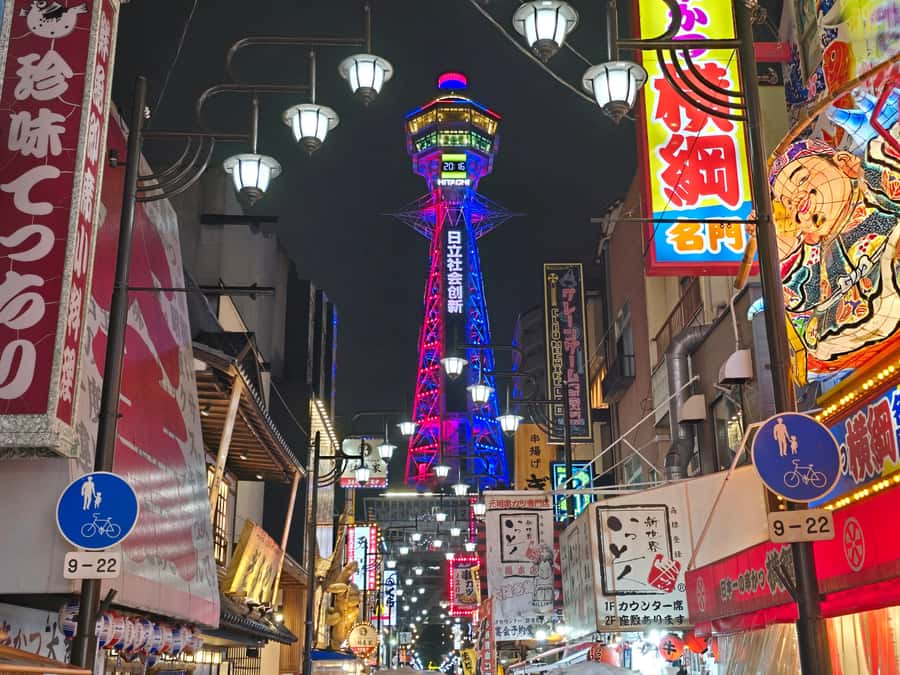
- Short Tsutenkaku orientation so you understand why this neighborhood matters before you start eating
Why Shinsekai at night is a smart food choice
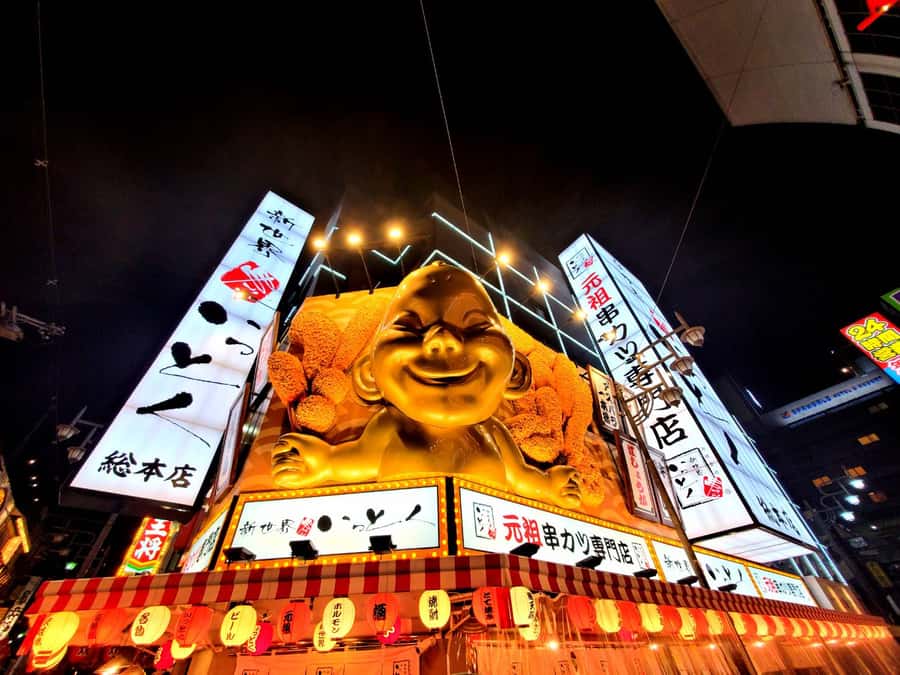
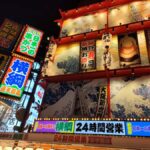
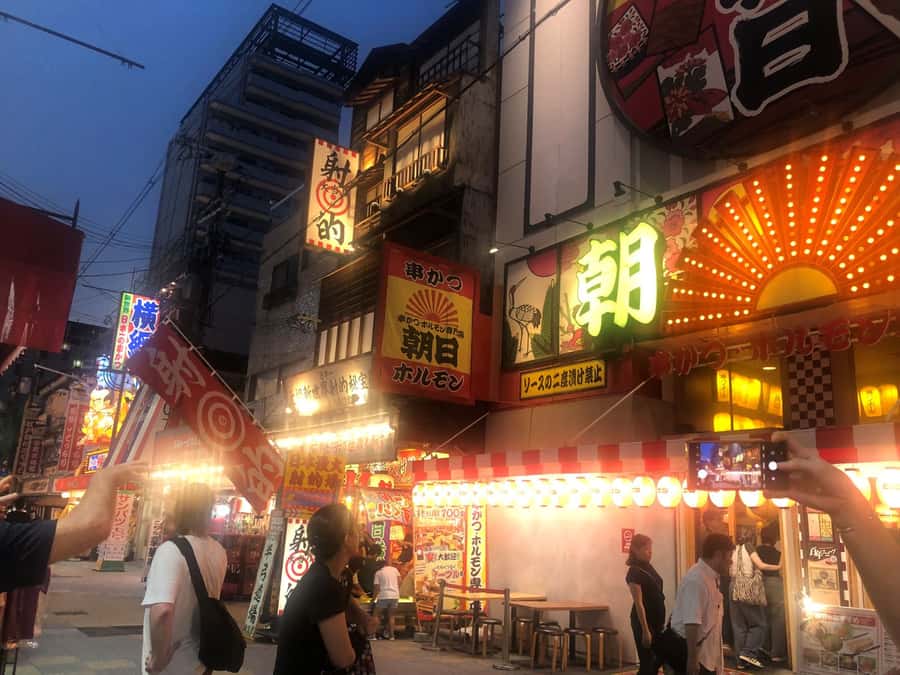
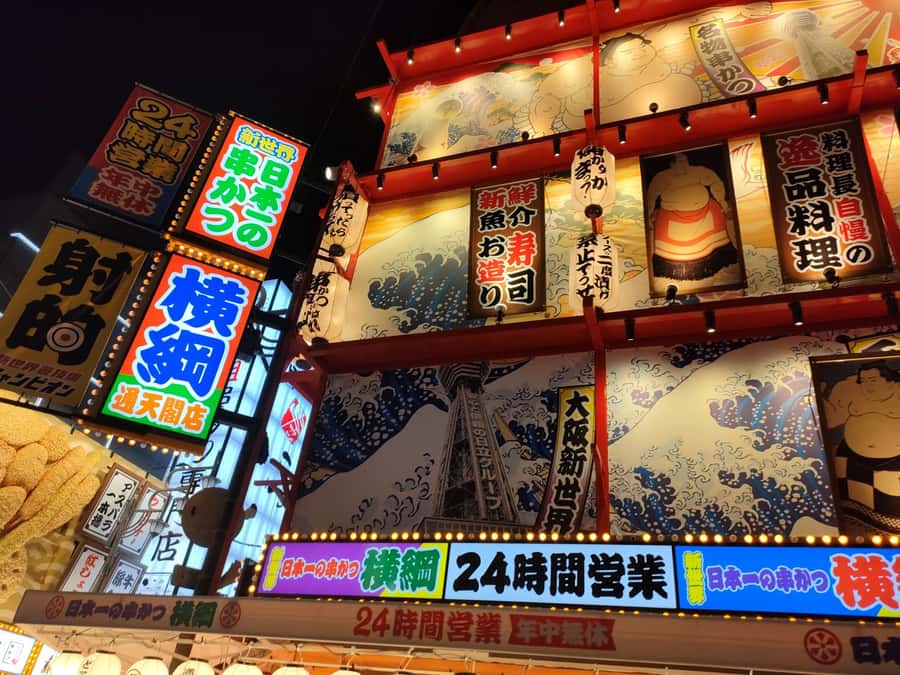
Shinsekai is one of Osaka’s most recognizable areas for street-style eating, and the timing matters. After dark, the neighborhood shifts from daytime “walk-through” energy to something more like a dinner circuit, where lots of locals snack, drink, and chat in between meals.
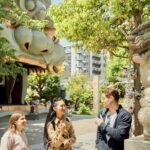
What makes this tour work is that you’re not just tasting food—you’re also getting context for why these dishes show up here. You’ll start with a bit of orientation around Tsutenkaku, then keep moving through Shinsekai’s narrow lanes, where you’d miss plenty on your own.
Also, this is a good match for food people who don’t want the stress of choosing. Your route is already set, and the guide helps you focus on eating instead of hunting menus.
You can also read our reviews of more tours and experiences in Osaka.

Price and what 15 dishes plus 2 drinks really buys
At $91 per person for roughly 3 hours, you’re paying for three things: a guide, a planned sequence of stops, and most of your food costs. If you try to recreate this on your own, you’ll quickly realize how many small purchases you have to string together—skewers here, fried bites there, plus drinks—until it adds up.
The value is strongest because you get a wide spread of Osaka staples rather than repeating one kind of snack. You’re set up to try things like kushikatsu (skewers), karaage (fried chicken), takoyaki (octopus balls), grilled yakitori, and then finish with oden and udon at the end.
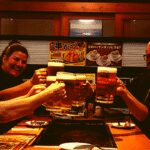
And yes, you get 2 drinks included with options for alcoholic and non-alcoholic. That’s a real budget saver in Japan, where drinks often feel like they cost more than you expect once you factor in each stop.
Getting oriented: Ebisucho to Dobutsuen-Mae in three hours
The tour meets at Ebisucho Station, Exit 3. You’ll want to arrive about 15 minutes early and meet at the top of the stairs at that exit so you don’t miss the group check-in.
The route itself keeps you walking but not sprinting. You’ll get a short guided segment around Tsutenkaku, then multiple food stops across Shinsekai. Toward the end, the itinerary finishes around Dobutsuen-Mae Station, though the activity details also state it ends back at the meeting point—so I’d treat this as a “follow your guide’s final instructions” situation.
Duration is about 3 hours, and it’s designed for a small group of up to 8 participants. That size is key: you’re not swallowed by a herd, and it’s easier to get explanations while everyone eats at a comfortable rhythm.
Stop-by-stop: what you’ll eat on the Shinsekai route
This tour is built around Osaka comfort foods with a street-food twist. You’ll keep sampling, so you get to compare flavors and textures across different cooking styles.
Stop 1: Kushikatsu and a warm start with doteyaki
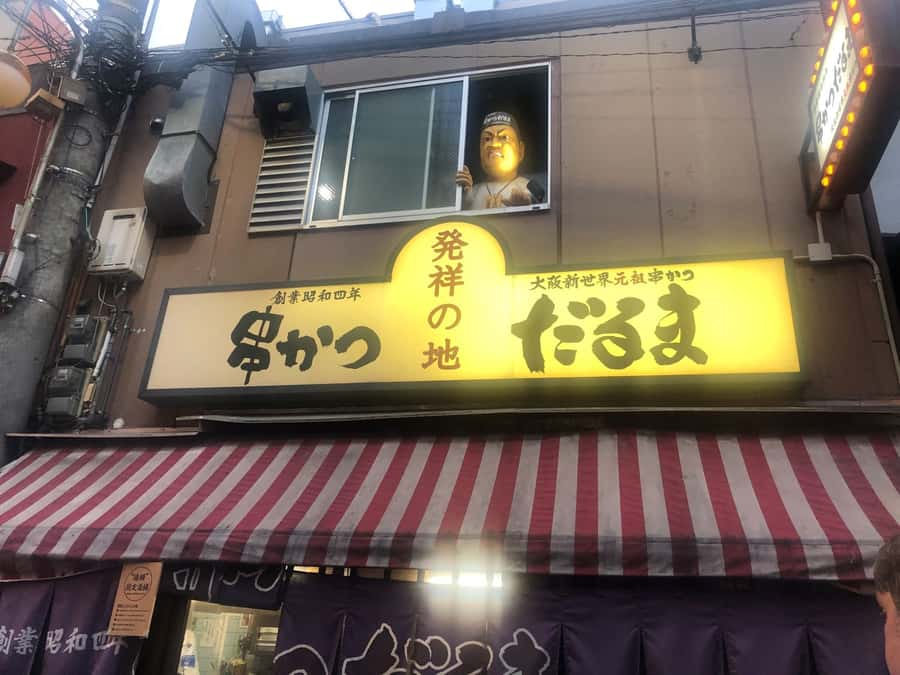
You’ll begin with kushikatsu, the area’s famous skewers that are lightly fried and served bite after bite. The texture is part of the experience—crisp outside, hot inside—so it’s a great opening course when you’re hungry and still excited.
Then you’ll move into doteyaki and roasted garlic cloves. Doteyaki is a slow-simmered beef tendon dish in miso with a sweet sake note, so it tastes deep and stays warm. Garlic cloves are a smart pairing early because they cut through the fried flavor with a roasted, savory punch.
Why I like this start for your first Osaka evening: it hits multiple flavor directions right away—frying, savory-sweet richness, and aromatic garlic—before things get even more indulgent.




Stop 2: Karaage with bold flavor choices
Next comes karaage, Japanese fried chicken coated in potato starch. That starch coating is why it ends up crisp without needing thick breading, and it stays juicy.
You’ll have bold flavor choices here, which matters because karaage can skew simple or punchy depending on seasoning. Even if you don’t consider yourself adventurous, this is one of those dishes that usually clicks fast.
Stop 3: Takoyaki, with the classic hot-and-gooey texture
After the chicken, you’ll hit takoyaki at a standout local spot. These are grilled octopus balls made in special cast-iron molds, so you get that hallmark shape—crispy edge plus gooey center.
You’ll sample different takes and choose your preferred topping. That topping part is where you can steer your experience: sweet sauce, mayo-based richness, or toppings that bring heat. If you’re picky about flavors, this is still a fun stop because you’re actively choosing what you like.
Stop 4: Yakitori and marinated veggie sides
Then it’s time for yakitori at a traditional charcoal-grilled setup, usually served on bamboo skewers. Instead of heavy batter, you get slow heat and smoky char notes that let the meat taste more “straight” and grilled.
You’ll also get marinated vegetable dishes with another round of drinks. This matters for balance. Without these sides, fried foods can blur together.
Stop 5: Oden, udon, and dessert at a standing bar finish
The final stretch is where comfort food wins. You’ll visit a lively standing bar and try oden—a mix of simmered vegetables and meats in seaweed broth. Then you’ll follow with udon, thick wheat noodles in savory broth, prepared Osaka-style.
A dessert shows up at the end, and there may be a chance for one last drink if you feel like extending the night.
One practical note: this is a lot of warm, saucy food at once. If you know you get full quickly, keep your earlier bites a bit smaller so you can enjoy the ending rather than just survive it.
How the guide shapes the night (and why that matters)
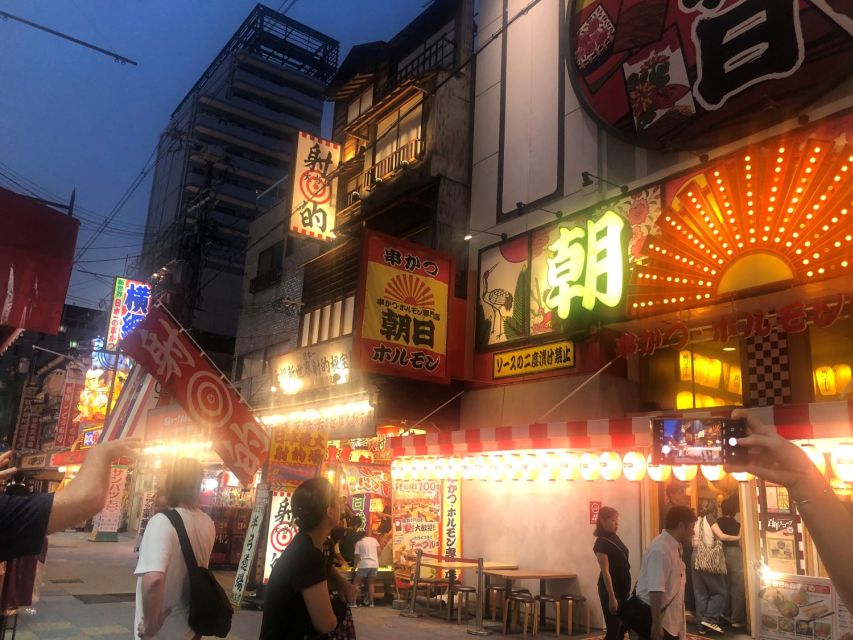
This tour depends heavily on the guide, because Shinsekai can feel confusing if you’re just walking. Your English guide is there to set expectations, explain what you’re eating, and point you toward spots you’d never find just by wandering.
In particular, the guide personality seems to be a big part of why people love this tour. Names you might meet include Tim, Anna, Andy, and Scott, and the common thread is energy plus strong communication with shop owners. That rapport isn’t just friendly—it helps make the stops run smoothly and keeps you from feeling like you’re intruding.
If you like learning while you eat, you’ll also get stories about Shinsekai’s past and direction to hidden backstreets. That turns the walk from “between bites” into part of the experience.
And if you’re traveling with a partner or a small group, the guide also helps keep the vibe easy. In a city where ordering can feel intimidating, that support makes you feel confident fast.
Pacing, drinks, and how to eat without feeling rushed
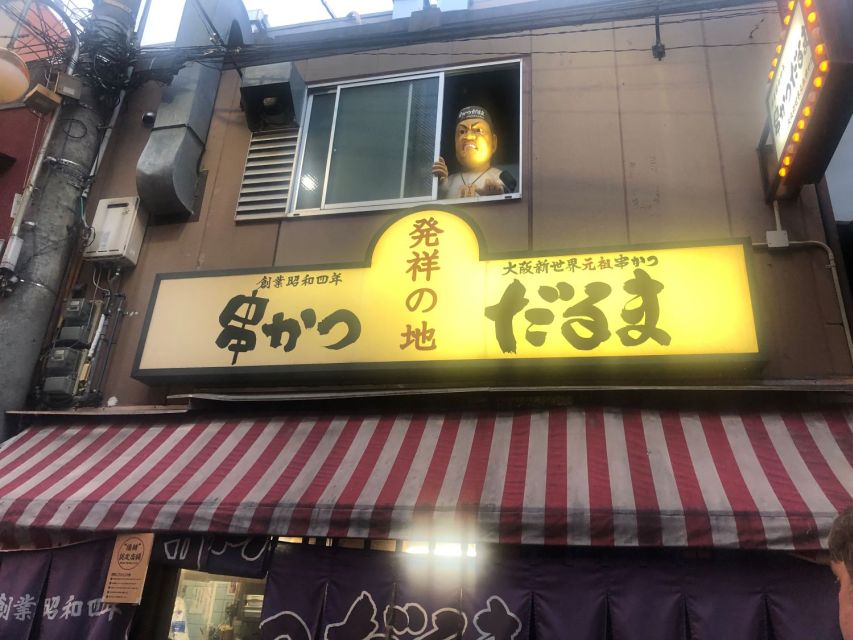
The pacing here is built around repeated sampling, not one giant meal. Expect short hangs at each stop and a moving rhythm through Shinsekai’s streets.
Since you’re eating 15 dishes and not a full set of restaurant courses, you’ll want to treat it like a tasting menu. Focus on texture and flavor: crisp versus chewy, broth versus sauce, smoky versus fried.
The 2 included drinks help you settle into the flow, but they’re also a pacing tool. If you’re drinking alcohol, take small sips between bites so you don’t lose track of what you’re tasting. If you’re doing non-alcoholic drinks, you’ll still get the social rhythm of toasting without needing to switch your focus.
Also, this tour is wheelchair accessible. The small-group size (max 8) helps with that too, because it’s easier to manage movement and wait times between stops.
Who should book this tour, and who might want a different plan
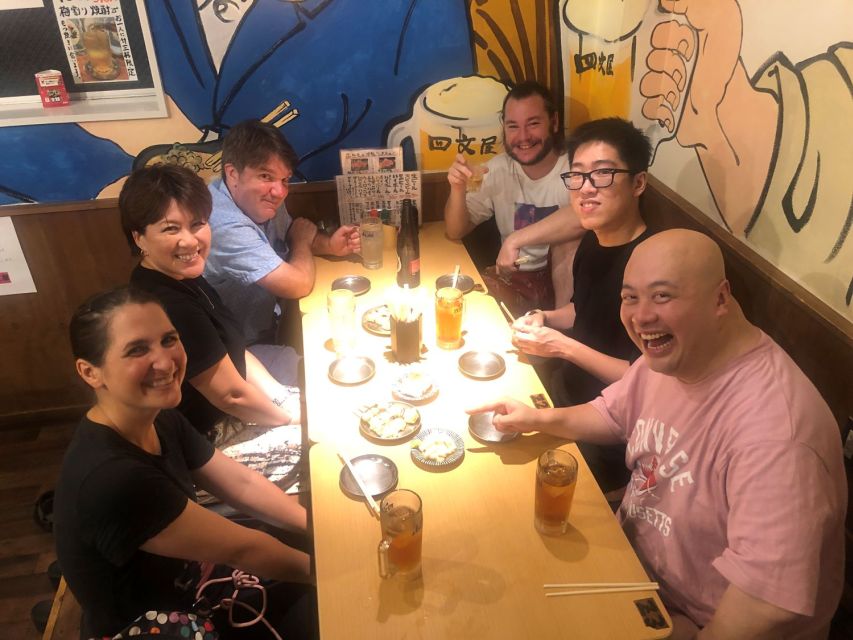
This tour is best for you if you:
- want a set route through Osaka’s street food scene without menu guesswork
- like variety, especially when it jumps from fried snacks to grilled skewers to broth-based comfort foods
- enjoy a guided evening with time to ask questions while you eat
It might be less ideal if:
- you strongly dislike several of the core items, especially oden, udon, or doteyaki
- you’re very sensitive to being on your feet for stretches, especially toward the standing bar finale
The good news is that your tour includes a mix of restaurants and stop styles, so it’s not one long repeat of the same kind of food. Even if one dish doesn’t hit for you, you’re rarely stuck at just one style.
Should you book this Shinsekai food tour?
If you want an easy, well-fed introduction to Osaka, I think this one makes a strong case. For $91, you get guided navigation, up to 15 dishes, and 2 drinks over about 3 hours, which is hard to match if you try to assemble it yourself.
Book it when you’re hungry, open-minded, and okay with finishing in comfort-food mode. Skip it or adjust your expectations if you know you’re not into oden/udon or tendon-style dishes like doteyaki.
Either way, go in with a light lunch and a relaxed mindset. You’ll be walking, tasting, and learning why this neighborhood is such a reliable place to eat after dark.
FAQ
How long is the Osaka Shinsekai guided food tour?
The tour lasts about 3 hours, and starting times vary by availability.
How many dishes and drinks are included?
You’ll have food at multiple stops with up to 15 dishes total, plus 2 drinks. Alcoholic and non-alcoholic drink options are available.
Where do I meet, and where does the tour end?
Meet at the top of the stairs at Exit 3 at Ebisucho Station. The activity information says it ends back at the meeting point, while the route shows it finishing at Dobutsuen-Mae Station, so it’s worth following the guide’s final direction.
Is it a small group?
Yes. The group is limited to 8 participants.
Can the tour accommodate dietary requirements?
If you have specific dietary requirements, contact the provider before booking. Occasionally stops may be closed or fully booked, and you may be taken to alternative locations.
What is the cancellation policy?
Free cancellation is available up to 24 hours in advance for a full refund.