Osaka clicks into place when you see it on foot. This private walking tour mixes famous neighborhoods with quieter corners, all shaped around what you actually want to do. You get a local host who can steer you from department stores and arcades to temples and small rituals, using an online questionnaire to build your day.
I love the custom pacing here. You can choose a shorter sprint or a fuller half-day, and your guide can shift the route as the city unfolds. I also like that the tour isn’t just checkboxes: you’ll walk through places like Namba’s lion shrine area, Hozenji’s water-pouring moment, and Shitennoji, Japan’s oldest official temple. One possible drawback is simple: it’s a walking tour, so the longer options can mean a lot of steps—comfortable shoes matter.
If you want Osaka to feel like a real neighborhood, not a photo stop, this works.
In This Review
- Key highlights (the stuff that really matters)
- Private Osaka walking tour value: why $81 can be a smart spend
- Your day plan: how 2–8 hours changes the feel
- Meeting point and pacing: what to expect before you start walking
- Shopping in Osaka: from department stores to arcades and character finds
- Namba’s lion shrine and Hozenji’s water-pouring ritual
- Shitennoji: stepping into Japan’s oldest official temple
- Amerikamura: American-inspired youth culture in Osaka
- Quiet island park walking: art museums and early 20th-century architecture
- Dotombori canal and neon entertainment atmosphere
- How your host customizes the day (and why guide choice matters)
- Walking logistics: transit help is built into the plan
- Food and entry fees: how to budget without getting stuck
- Who should book this private Osaka walking tour
- Should you book this tour?
- FAQ
- What’s the duration of this private Osaka walking tour?
- How much does the tour cost?
- Is pickup available?
- What’s included in the price?
- Do I need to pay for transit between stops?
- Where does the tour start and end?
- Can I cancel and get a refund?
Key highlights (the stuff that really matters)
- A route built around your interests using a pre-tour questionnaire and real back-and-forth with your host
- Underground shopping in White Umeda plus classic Osaka arcades for everyday finds
- Temple time without the rush at Shitennoji and a quieter Hozenji-side stop
- Namba by day and neon by night areas with a canal-and-entertainment vibe
- Local-style guidance from strong English-speaking hosts, including guides like Maria, Karim, Kai, Taku, Max, Ryan, and Mayura (requested often by name)
Private Osaka walking tour value: why $81 can be a smart spend
At $81.07 per person, this isn’t the cheapest way to see Osaka. But it can be good value because you’re paying for two things that guidebook apps rarely deliver: human judgment and flexible time.
First, you get a private guide for your group only. That matters in Osaka because the city reads differently street by street. A good host helps you move through shopping arcades, temple areas, and back-alley lanes without feeling like you’re wandering in circles.
Second, you’re buying customization. After booking, you answer a short online questionnaire about your interests and must-sees, and your guide personally reaches out to build the route around you. That means you’re not stuck with a single fixed plan that fights your preferences (shopping-heavy day, temple-heavy day, or both).
The tour also avoids common “hidden costs” in a good way. Food, attraction entry fees, and transportation transfers are not included, so you won’t be surprised by a bundled ticket price that doesn’t match your style. Instead, you can choose what fits your budget on the day.
You can also read our reviews of more tours and experiences in Osaka.

Your day plan: how 2–8 hours changes the feel
This tour runs from 2 to 8 hours, with flexible start times. That range is useful, because Osaka can be either efficient or slow depending on your priorities.
If you choose the shorter end, you can expect a tight hit of major areas and a few cultural stops. People have mentioned walking around 15,000 steps on a 4-hour tour and 20,000+ steps on another version—so even the “short” options can feel like an all-day leg workout if you’re not expecting it.
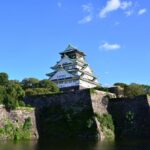
If you choose longer hours, the advantage is breathing room. You’ll have time for slower shopping arcade wandering, extra photo stops, and a more relaxed rhythm at temples. You also have a better chance to tack on a site your group cares about, like Osaka Castle, which has shown up in at least some tour versions based on guide choices.
Practical advice: if you have knee issues or mobility limits, don’t just book a duration. Tell your guide you want more transit segments and fewer long stretches, because public transportation can be used when needed.
Meeting point and pacing: what to expect before you start walking
The meeting point is at DAISO2-chōme-2-17 Nanbanaka, Naniwa Ward, Osaka, 556-0011, Japan. The tour ends back at this same location.
Because it’s a walking tour with no private vehicle included, the early part matters. You’re likely to start by meeting your host, getting a quick sense of the day, and then moving through nearby neighborhoods and transit connections as needed.
One more pacing tip: Osaka has areas where you’ll slow down naturally—temple streets, narrow restaurant lanes, and shopping corridors. Your guide can also shorten detours if your group is tired, or lengthen them if you’re in “keep going” mode.
Shopping in Osaka: from department stores to arcades and character finds
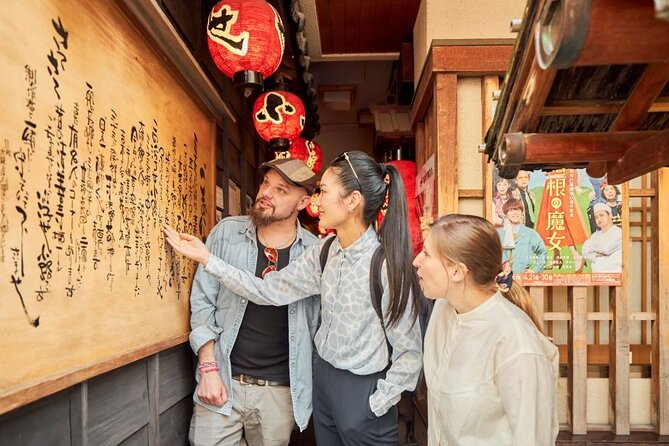
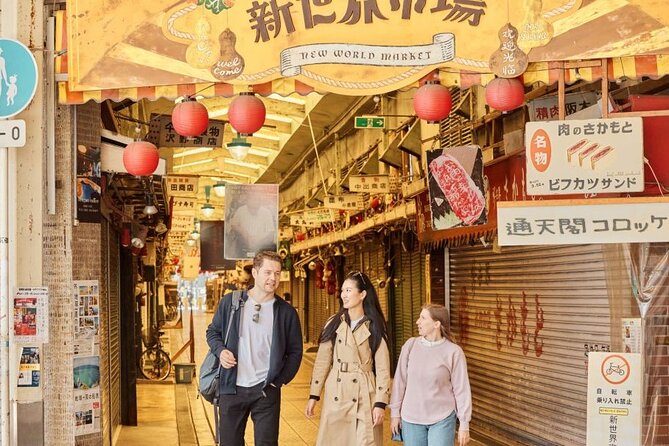
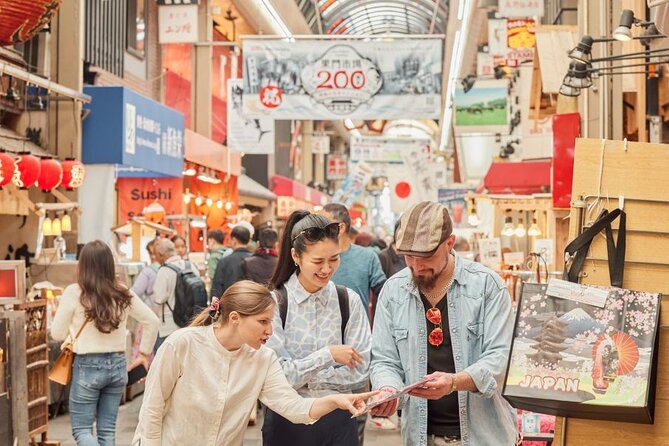
Osaka loves shopping, and this tour uses that energy well. One stop includes a major department store experience, plus time in White Umeda, one of Osaka’s well-known underground shopping malls. The underground setup is handy because it changes the feel of the city—less street noise, more controlled walking, and it’s easier to duck into stores quickly.
You’ll also visit a major shopping arcade packed with shops, cafés, restaurants, and character goods. This is where you can pick up souvenirs that feel like Osaka and not like a generic tourist rack. It’s also a good zone to get ideas for what you want to eat, because menus and snack displays are everywhere.
Small reality check: shopping areas are dense. If your group includes kids, teens, or anyone who gets tired easily, ask your host to group your stops by walking distance. A good guide can keep you from zigzagging across blocks just to chase one store.
Namba’s lion shrine and Hozenji’s water-pouring ritual
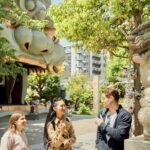
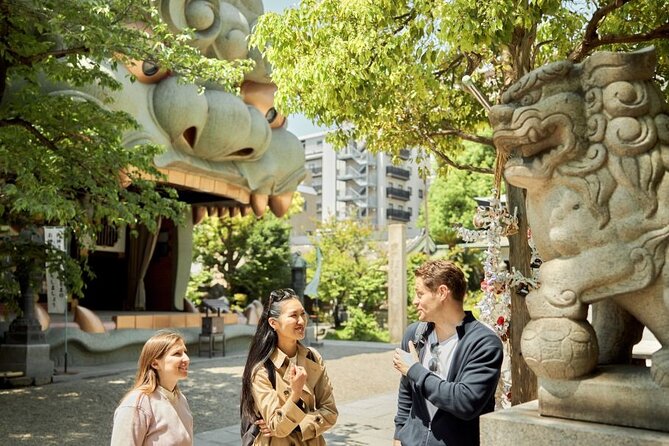
Namba is one of the easiest places to turn into a full-on Osaka experience, mixing everyday life with entertainment district energy. This tour includes a shrine in Namba featuring a massive lion-shaped structure associated with devouring evil spirits and bringing good luck. Even if you’re not super into shrine symbolism, the sheer visual impact is part of why it’s worth the stop.
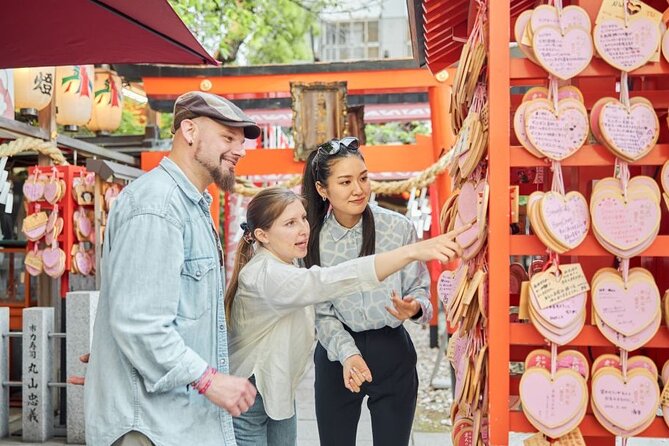
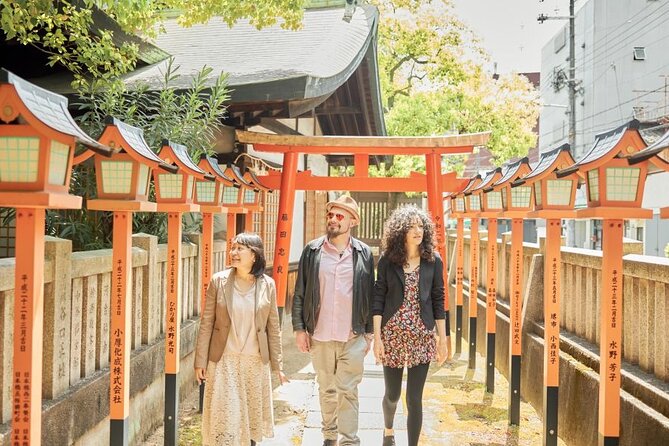
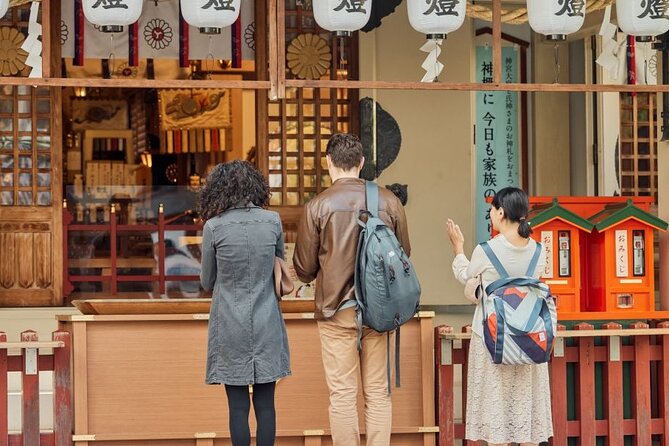
Then you get Hozenji Temple, where one detail stands out: there’s a moss-covered statue of Fudomyoo, and visitors pour water for blessings. This is one of those moments that feels simple but memorable. It’s also a moment where you’ll naturally slow down—people tend to pause, watch what others do, and take a second to understand the ritual instead of treating it as a photo prop.
If you’re the type who likes quiet cultural moments, this is where the tour earns its keep.




Shitennoji: stepping into Japan’s oldest official temple
Shitennoji is the calm counterweight in a day full of streets and shopping. It’s described as Japan’s oldest official temple, founded in 593, and an important site in the introduction of Buddhism to Japan.
What you gain here is perspective. Osaka can feel like a city of commerce and neon, but the temple zone brings the opposite mood: space, stillness, and time to absorb stories that don’t fit neatly into a 30-second walking pace.
If you’re traveling with a mixed-interest group, Shitennoji is often a win. Shopping fans get a break. Culture fans get a real site. And everyone gets a chance to regroup.
Tip: since it’s a walking tour, ask your guide how much time they want to allocate here. Some people prefer a quick walk-through; others want a slower read of the grounds and explanations.
Amerikamura: American-inspired youth culture in Osaka
Amerikamura is where Osaka gets stylish and a little rebellious. This stop is centered on American-inspired youth culture, with indie music vibes, hipster fashion, galleries, and thrift shops.
This isn’t a “museum district.” It’s more like a maze of small shops where you browse and stumble onto things by accident. That’s exactly the kind of place where a guide helps, because they know which streets are worth slowing down on.
If you want street-level Osaka that feels current, this is a strong addition. If you’re traveling with someone who hates shopping, skip it—or ask your guide to shorten time here and use that energy elsewhere.
Quiet island park walking: art museums and early 20th-century architecture
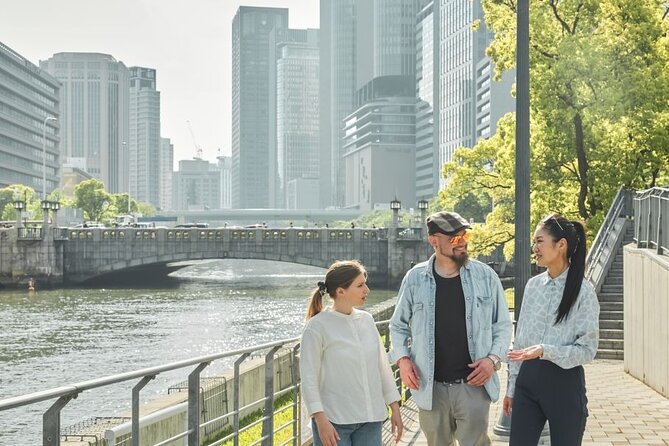
One stop is described as a peaceful island oasis with art museums, early 20th-century architecture, and a park setting. The value here is pacing: after busy commercial areas, you get a calmer walk where you can reset.
You also get a change in scenery. That matters when your day includes both temples and shopping corridors, because without a breather you can end up “collecting sights” instead of experiencing them.
If your group loves photos, this is a good place to ask for a slightly slower pace and a couple of landmarks your guide thinks are worth framing.
Dotombori canal and neon entertainment atmosphere
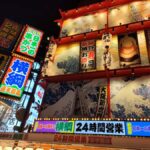
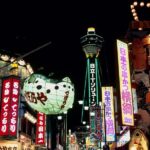
The tour includes time soaking up Osaka’s iconic canal area, illuminated with neon lights, along with Dotombori’s entertainment district atmosphere.
This isn’t just scenery. It’s Osaka identity in one visual layer: bright signs, crowded sidewalks, and that classic canal-side energy that feels built for evening.
Timing tip: if you can, aim to have more of this portion later in the day. Neon hits harder after the light fades, and you’ll enjoy it more than if you arrive in broad daylight with everyone still running on daytime energy.
Also, the entertainment zone tends to be crowded. A private guide is helpful here because you avoid the “everyone is stopping at the same time” chaos.
How your host customizes the day (and why guide choice matters)
The biggest reason people keep booking this type of tour is the host. The experience is designed to be personalized through a pre-tour questionnaire and direct planning with your guide.
In the feedback you provided, certain names come up again and again:
- Maria gets called out for tailoring the tour to exactly what people wanted, with strong English and careful planning.
- Kai is mentioned for detailed history in a short window and even helping with practical transit setup like getting an ICOCA card.
- Taku is described as taking people to local spots they wouldn’t find easily and adjusting the whole plan around the group.
- Max is praised for mixing busier shopping streets with a route that still reaches Osaka Castle areas, plus helping with subway navigation and restaurant recommendations.
- Karim and Ryan are both mentioned for personalized experiences and local insight.
You don’t need to obsess over a guide name, but you can use the names as clues. If you want your day to feel history-forward, or if you want help navigating transit systems, ask for the kind of host who’s been highlighted for that in the experiences you read.
And if you have a specific need—like sore knees, family pacing, or wayfinding help—tell the host early. People have mentioned guides adjusting pacing, using public transport or rides when needed, and staying attentive to different needs.
Walking logistics: transit help is built into the plan
This is a walking tour, so you should expect to walk. But there’s also flexibility. Public transportation or local taxis may be used to transfer between sites, and any transportation costs can be discussed with your host after reservation.
That flexibility matters because Osaka is big. Even within a couple hours, the distances can surprise you. And if you’re traveling with older family members or someone managing mobility issues, this is where the “private” part pays off.
A practical planning move: before the tour, decide whether you want your day mostly on foot or mostly on transit with walking segments. Your guide can then design the route to match your stamina and your photo priorities.
Food and entry fees: how to budget without getting stuck
Food and drinks are not included, and attraction entry fees are not included either. That’s normal for private walking tours, but it does mean you should think about how hungry you’ll be and what you want to try.
In the examples you shared, guests have enjoyed food stops like curry lunches, kushikatsu, hot chocolate, and even a sukiyaki restaurant recommendation close to a major station area. Your guide can point you toward places that match your tastes, but it’s on you to pay at the time.
My advice: if you’re doing a 4–6 hour tour, plan to eat once during the tour. If you skip food, you’ll end up shopping less and enjoying less just because you’re running on empty.
Who should book this private Osaka walking tour
This works best if you want a day that mixes famous areas with calmer, lesser-seen stops—and you want it guided by someone who can adjust as you go.
It’s a great fit for:
- First-time visitors who want a fast, organized introduction without feeling like they’re in a big group
- Families who need pacing and help choosing where to shop and eat
- People who care about both culture and street life, not just one side of Osaka
- Travelers who want transit help, including learning how to use prepaid cards like ICOCA
If you hate walking, or you need a mostly indoor day, this may feel like too much movement. But you can often reduce stress by asking for more transfers during breaks and by choosing a shorter duration.
Should you book this tour?
Yes, if your goal is to feel like you understood Osaka, not just photographed it.
Book it if you want:
- Customization via the pre-tour questionnaire
- A guide who can mix shopping areas like White Umeda and arcades with temple stops like Shitennoji
- Namba time for shrine symbolism and Hozenji’s water-pouring moment, plus Dotombori neon atmosphere
Hold off or choose a shorter duration if you know you’ll struggle with long walks. And do not wait until the first minute to mention your pace needs—this tour works best when your host starts planning with your stamina and interests in mind.
If you want strong results, request a host whose style matches your priorities, such as Maria for detailed planning, Kai for history + practical transit help, or Max/Taku for a mix of local spots and efficient coverage.
FAQ
What’s the duration of this private Osaka walking tour?
The tour duration is listed as 2 to 8 hours, depending on the option you choose and how your host tailors the route.
How much does the tour cost?
The price is $81.07 per person.
Is pickup available?
Pickup is offered if you’re staying in a central location. The experience is a walking tour, so no private vehicle is included.
What’s included in the price?
Included are the private walking tour with a local guide, a personalized itinerary based on your preferences, an online questionnaire after booking, and flexible durations and start times. Food, drinks, attraction entry fees, and transportation costs are not included.
Do I need to pay for transit between stops?
Transportation costs are not included, but public transportation or local taxis may be used to transfer between sites if you request it. The exact costs can be discussed with your host after you reserve.
Where does the tour start and end?
It starts at DAISO2-chōme-2-17 Nanbanaka, Naniwa Ward, Osaka, 556-0011, Japan and ends back at the same meeting point.
Can I cancel and get a refund?
Yes. There’s free cancellation up to 24 hours in advance for a full refund.