REVIEW · OSAKA
Osaka: Sumo Show & Experience w/ Optional Kimono & Hot Pot
Book on GetYourGuide →Operated by Sumo restaurant Ochiizumibeya · Bookable on GetYourGuide
Sumo in Osaka feels playful and up close. This experience pairs a short show with a hands-on sumo moment, plus a kimono haori try-on at Sumo restaurant Ochiizumibeya. I particularly love how interactive it is, so you’re not just sitting and watching.
Two things I like a lot are the photos with the wrestlers and the chance to wear a kimono haori right there. One consideration: the famous chanko nabe hot pot only comes with the food plan, so if you’re skipping meals, don’t expect it to be served.
In This Review
- Key Points at a Glance
- Osaka Sumo Night at Ochiizumibeya: The Real Vibe
- From Doors to Showtime: Timing That Actually Keeps You Sane
- The Sumo Show (About 35 Minutes): Learn the Rules, Then Laugh
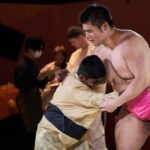
- The Hands-On Sumo Experience (10–15 Minutes): The Part You’ll Remember
- Photo Session With Rikishi: Instant Souvenir Value
- Kimono Haori Try-On (And Optional Premium): Wear the Part
- Chanko Nabe Hot Pot: How to Avoid the Most Common Surprise
- Food Truck Stops and Drinks: What You Can Add On
- Value for $77: When It Feels Worth It
- Getting There From Osaka: A Practical Route You Can Trust
- Who Should Book This Osaka Sumo Experience (And Who Might Not)
- Should You Book It?
- FAQ
- How long is the Osaka sumo show experience?
- What time does the sumo show start?
- What’s included in the ticket?
- Is chanko nabe hot pot included?
- Can I try on a kimono haori and buy a kimono?
- Is the sumo experience guaranteed?
- Are the food truck items and drinks included?
- Is it free for young kids, and is it wheelchair accessible?
Key Points at a Glance
- Interactive sumo format: show first, then a short sumo experience you actually participate in
- Rikishi photo session included: great souvenirs without needing to chase autographs
- Kimono haori try-on included: formal-coat styling plus optional premium upgrade
- On-site shopping: you can buy kimonos and even an Original Can souvenir
- Chanko nabe depends on your meal option: no food plan means no chanko nabe
Osaka Sumo Night at Ochiizumibeya: The Real Vibe
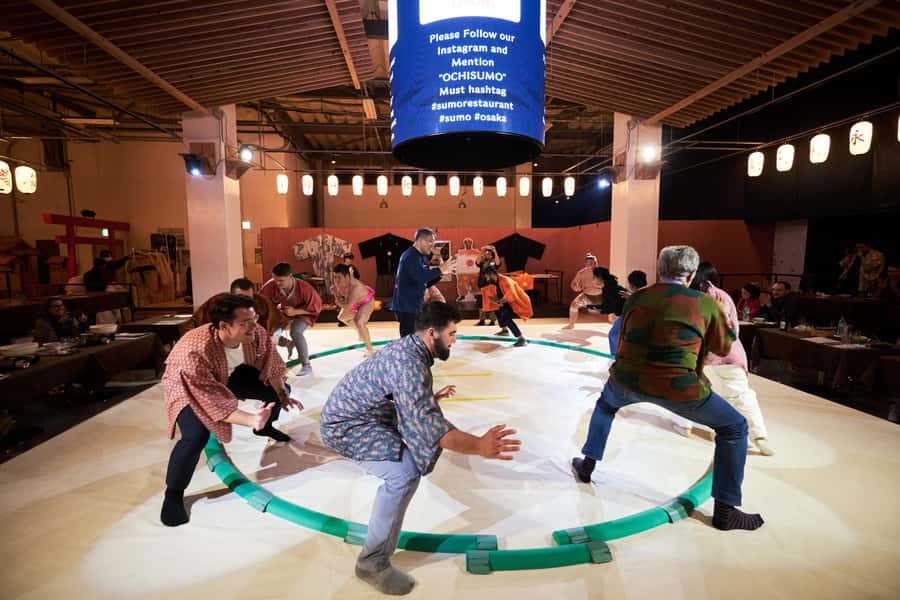
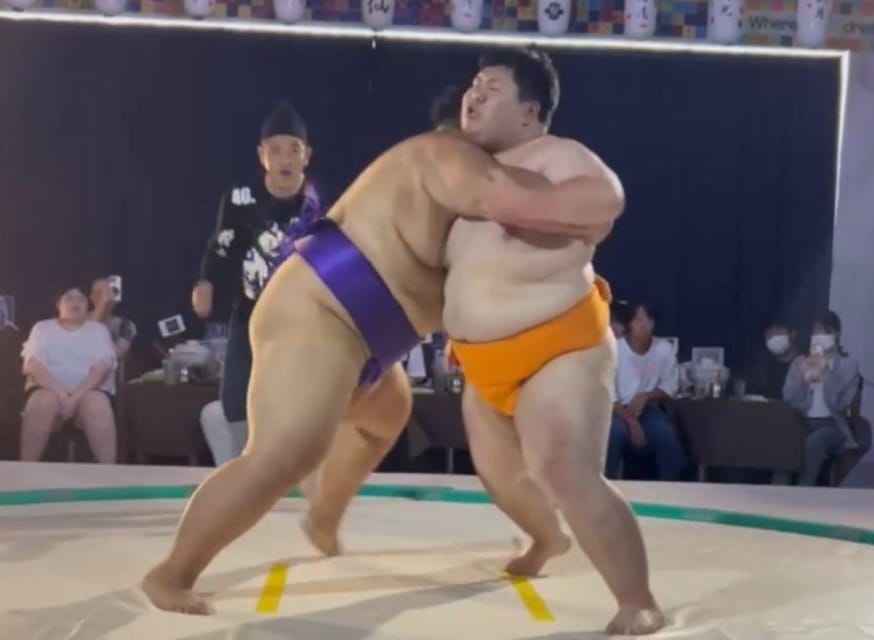
This isn’t a “sit in silence and hope for a good view” kind of evening. The event is built around audience energy. You’ll watch a sumo show (about 35 minutes), then you’ll get a small-window hands-on sumo experience (10–15 minutes, places not guaranteed). After that, there’s a photo session with the wrestlers.
The venue matters too. You’re at Sumo restaurant Ochiizumibeya, and the whole setup feels like a contained event space. That’s good news if you want an easy, low-stress night: you come in, follow the flow, and you’re done without complicated touring.
And yes, this is a show-style experience. It includes explanation and audience participation. If your dream is to see a full regulation tournament bout like you’d watch on TV, you might find the pace and number of bouts less intense than you expect. But if your goal is to understand sumo basics and have fun doing it, this format works.
You can also read our reviews of more tours and experiences in Osaka.
From Doors to Showtime: Timing That Actually Keeps You Sane
Your biggest timing clue is the doors-open window. For the lunch show, doors open between 12:00 and 12:45, and the sumo show starts at 1:00 pm. For the dinner show, doors open between 5:00 and 5:45, with a 6:00 pm start.
Why this matters: the experience has multiple parts packed into roughly 1 to 1.5 hours. If you arrive late, you can miss scheduled segments, and you won’t get refunds for day-of cancellations or late arrivals.
If you’re planning the rest of your Osaka day, build in buffer time. The venue is not in the exact middle of “central Osaka”—it’s an easy ride away, but it’s still a commitment. Once you’re inside, though, the event runs as a single smooth block.
The Sumo Show (About 35 Minutes): Learn the Rules, Then Laugh
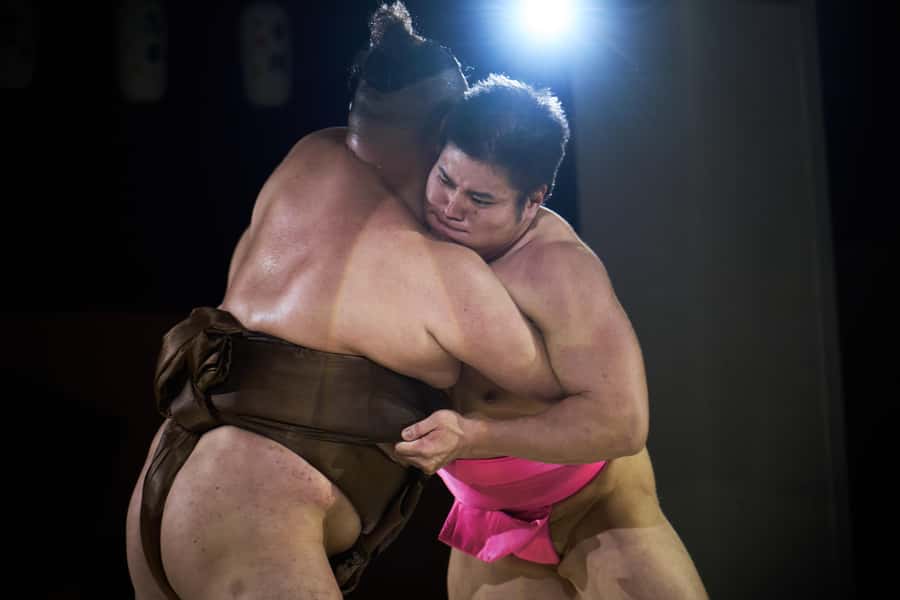
The sumo show is your entry point. You’ll get history and rules explained in a way that fits a short event. The pacing is built to keep you oriented: you’ll learn what’s legal, what’s not, and why sumo techniques look the way they do.
From what I’ve picked up from the vibe of the event, the humor is part of the teaching. That’s one reason people end up smiling right after the first segment. The performance style is meant for a mixed crowd, including people who have never watched sumo before.
You’ll also get a sense of how technique and balance matter, even in brief demonstrations. It’s not meant to be “academic,” and it doesn’t pretend to replace watching a real tournament. It’s meant to get you hooked fast.
The Hands-On Sumo Experience (10–15 Minutes): The Part You’ll Remember
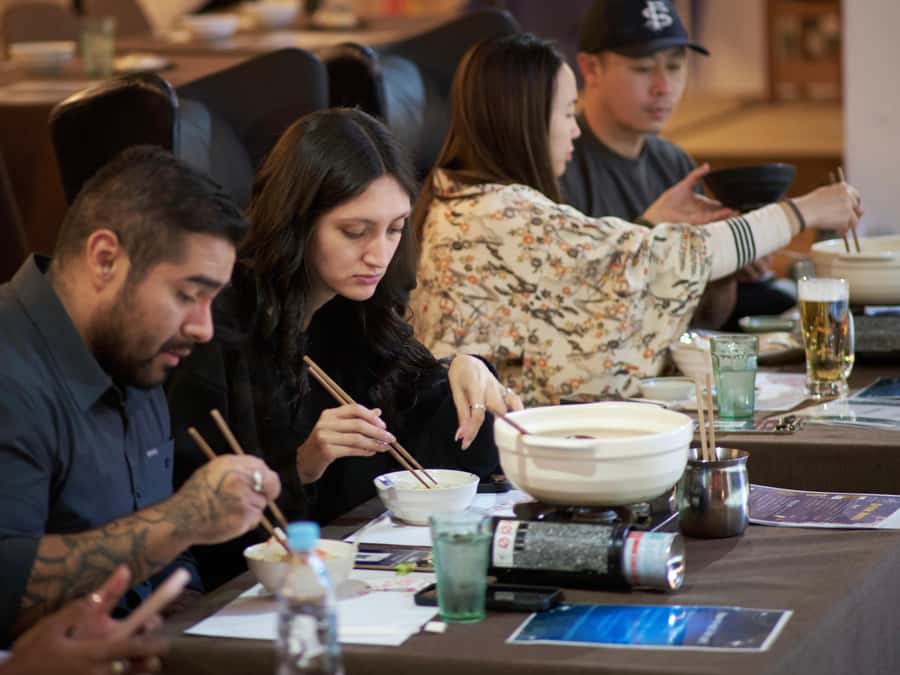
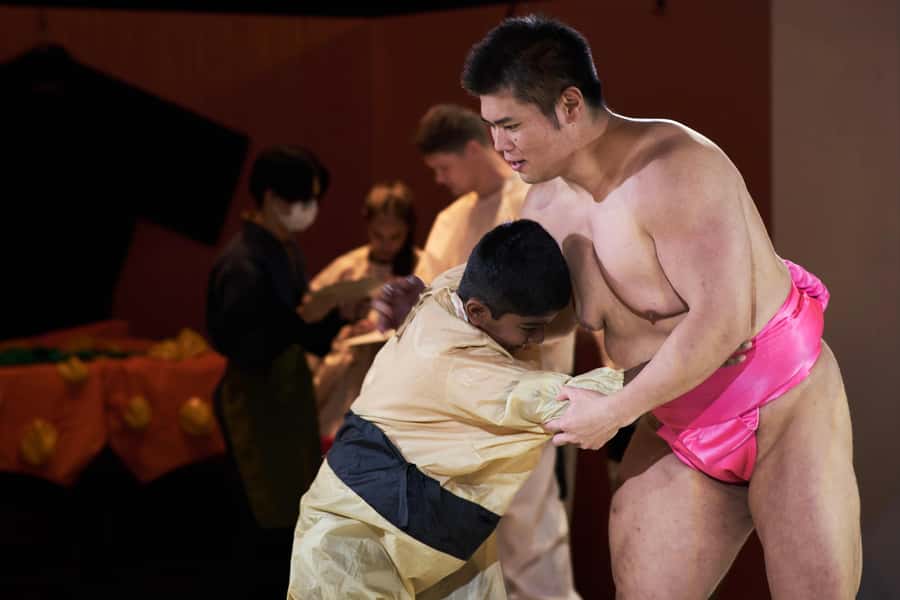
After the show, the event turns into a participation moment. This is where you may get selected for a short sumo try-your-hand experience. It can be lottery-based if too many people want in, and places aren’t guaranteed.
A few practical notes so you can plan your expectations:
- It’s physical. Even if you’re just trying a challenge bout or practice-style movement, there’s real body contact.
- The organizers take safety seriously, but there’s still a possibility of injury because it’s physical activity.
- You should go in with the mindset of fun and safe effort, not “I’m going to win like a pro.”
If you love interactive shows, this is the segment that makes the whole thing feel worth it. Several people highlight the comedic energy of the audience challenge, and that matches the structure: it’s designed to turn spectators into participants for a moment.
Photo Session With Rikishi: Instant Souvenir Value
Once the show-and-try-it portion wraps up, you’ll do a photo session with the wrestlers. This is one of the best practical inclusions because it removes the awkward guessing game of when and where you can get photos.
If you care about souvenirs, this part helps. Instead of hunting for photos later or hoping you catch a moment, you get it built into the experience flow. The closeness of the interaction is also a big theme in how people describe the night, especially when they’re near the action.

Kimono Haori Try-On (And Optional Premium): Wear the Part
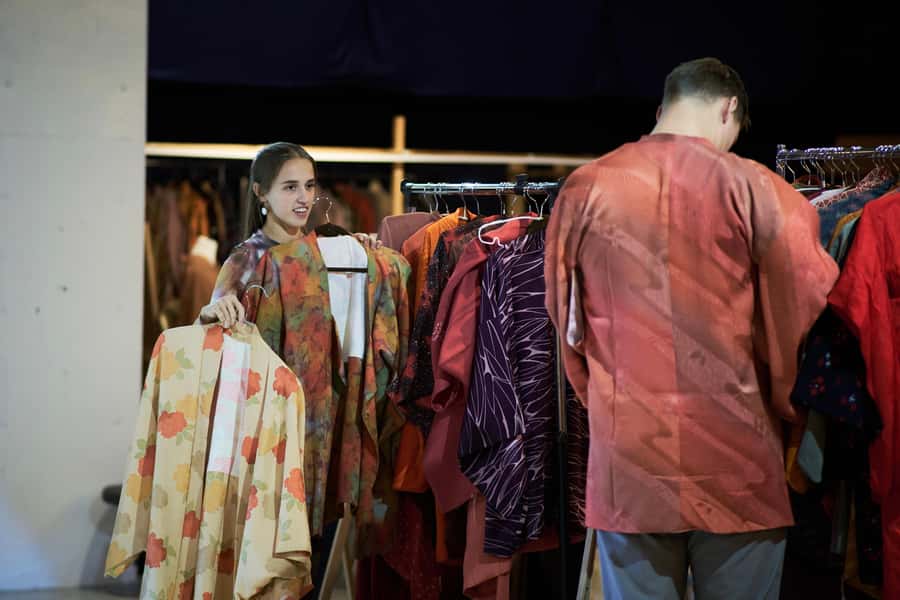
A kimono haori experience is included, meaning you can try on the formal coat style on-site. This is more than costume-trivia. It gives you a visual connection to sumo culture, where formal garments signal status and tradition.
You’ll also find a kimono area where you can buy. That matters because this isn’t limited to “try and leave.” If you want to take a piece of the night home, there’s an option to purchase kimonos directly on site.
There’s also a premium option for a more professional kimono-wearing experience. If you’re the type who likes to look photo-ready without spending your whole trip on outfit logistics, that upgrade can be worth considering.
One small but fun extra: you can buy an Original Can souvenir on the spot. It’s the kind of take-home item that’s easy to grab even if you’re not shopping for clothing.
Chanko Nabe Hot Pot: How to Avoid the Most Common Surprise
Let’s talk food plainly, because this is where people get confused.
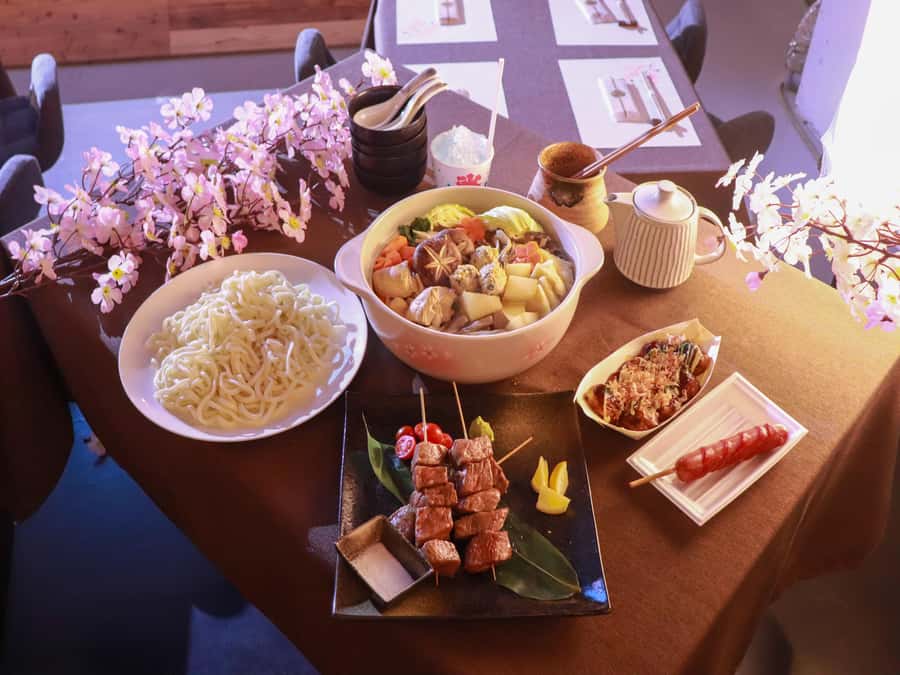
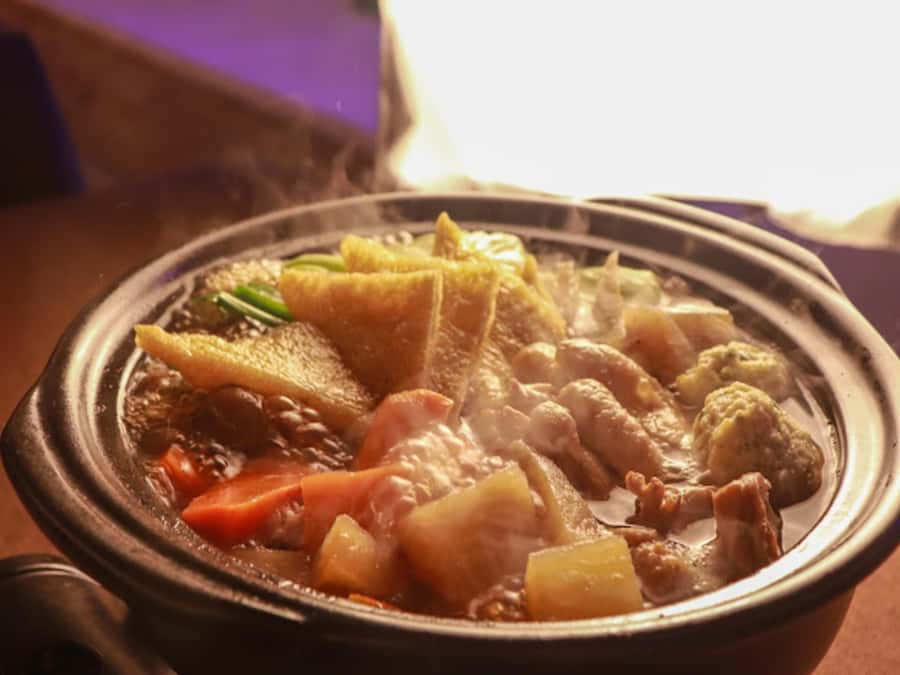
Chanko nabe is the signature hot pot associated with sumo wrestlers’ meals, and it is part of the experience only when you choose the meal option. If you don’t select a food plan, they do not serve chanko nabe.
So if you book expecting food, double-check that your option includes a meal. The good news is the hot pot is described as simple, tasty, and homey-warm—more “Japan comfort bowl” than fancy restaurant spectacle.
If you’re booking with dietary needs:
- You can request gluten-free or vegetarian by selecting the appropriate additional product options (listed as 0 yen in the options).
- If you select a plan that doesn’t include meals, they will suggest a menu on the day based on your info.
Also note the meat policy mentioned: meat is served only with chicken or beef on the optional menus that include meat.
And yes, alcoholic beverages are available. It’s a restaurant setting, so you’re not stuck with only soft drinks.
Food Truck Stops and Drinks: What You Can Add On
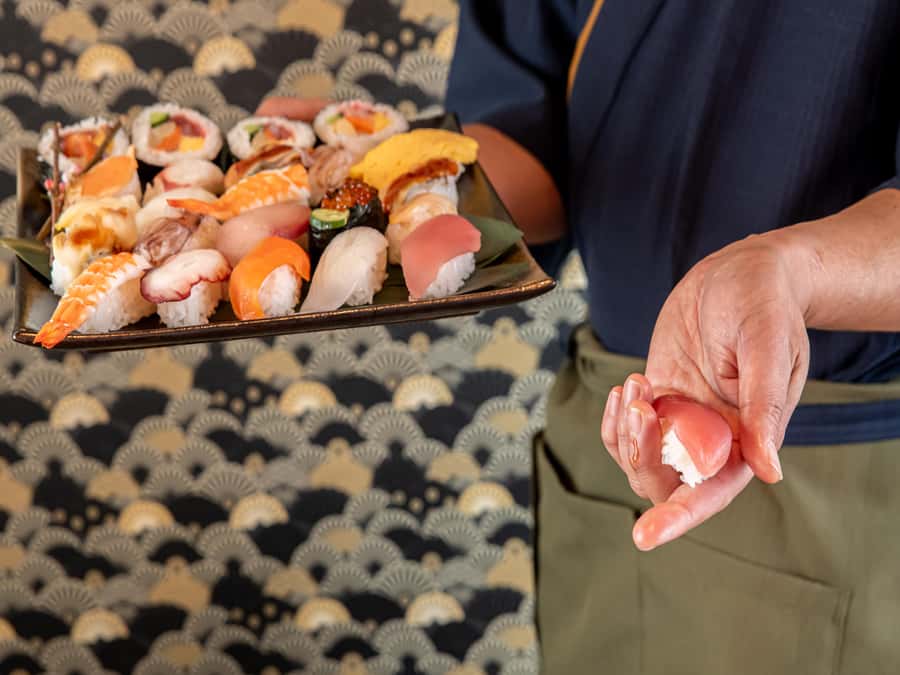
Even if your ticket includes (or doesn’t include) a meal, the venue offers extra snack-and-stroll options. Inside the restaurant area, there’s a food truck selling items like takoyaki, okonomiyaki, and wagyu beef. Drinks are also available at the bar counter inside.
Important for planning: these items aren’t included in your ticket price. You’re buying à la carte.
This is nice if you want to turn the night into a mini Osaka food crawl without leaving the venue.
Value for $77: When It Feels Worth It
At about $77 per person, what you’re buying is not just a 35-minute show. You’re buying a bundle:
- sumo show ticket
- a sumo experience chance after the show
- a photo session with the wrestlers
- a kimono haori experience
- plus optional hot pot depending on your meal plan
That’s why it often feels like good value to people: your evening isn’t one-dimensional. If you only watched a show, it would be fine, but it wouldn’t be a “story to tell.” This one gives you participation and photos, which are the two things that most reliably turn a ticket into a personal memory.
One more value point: the event uses short segments (so 1–1.5 hours stays realistic). You’re not surrendering your whole day.
The main value risk is expecting chanko nabe when you didn’t book the food plan. Fix that before you go, and the price starts to make sense fast.
Getting There From Osaka: A Practical Route You Can Trust
You have multiple transit options depending on where you start.
From Shin-Osaka Station:
- take the Osaka Metro Midosuji Line toward Namba for 7 stops
- then walk about 8 minutes
From JR Osaka Station:
- take a Kansai airport rapid to Rinku Town (about 1h 1min, 14 stops)
From Kansai International Airport:
- take the Nankai line 1 stop to Rinku Town (about 5 minutes)
The main thing: don’t treat this as “walk over after dinner.” It’s doable by public transit, but you’ll want to check the exact route to Rinku Town area and build buffer time.
Who Should Book This Osaka Sumo Experience (And Who Might Not)
This is ideal for you if:
- you want a fun introduction to sumo without needing deep knowledge
- you like audience participation and photos
- you want a Japanese cultural add-on (kimono haori) without booking separate activities
- you’re traveling with family or friends who enjoy interactive shows
It might be less ideal if:
- you’re expecting a full tournament-style match experience with lots of bouts
- you mainly want quiet, serious sports viewing
- you don’t read closely and might assume hot pot is included when it isn’t
Should You Book It?
If your goal is a memorable Osaka evening that mixes sport, culture, and interaction in a tight time window, I’d book it. The format is built for first-timers, and the inclusions (show + try-it moment + photo + kimono haori) are exactly what make the event feel complete.
Just do one thing before you confirm: make sure your ticket choice matches your food expectations. If you want chanko nabe, choose the food plan. If you don’t, plan on exploring snacks like takoyaki and okonomiyaki on-site instead.
FAQ
How long is the Osaka sumo show experience?
The experience runs about 1 to 1.5 hours. Starting times vary, so you’ll want to check availability for the slot you want.
What time does the sumo show start?
Lunch time starts at 1:00 pm and dinner time starts at 6:00 pm.
What’s included in the ticket?
You get a sumo show ticket, a sumo experience chance (seating not guaranteed), a photo session with the rikishi, and a kimono haori experience. If you select the kimono option, that’s included too.
Is chanko nabe hot pot included?
Chanko nabe is not served without the food plan. If you choose a food option, you can have chanko nabe as part of the meal.
Can I try on a kimono haori and buy a kimono?
Yes. There’s a kimono haori area to try on the coat style, and there are kimono areas where you can even purchase kimonos on site.
Is the sumo experience guaranteed?
No. Places for the sumo experience are not guaranteed, and there may be a lottery if too many people want to participate.
Are the food truck items and drinks included?
No. The food truck and drinks are available for purchase onsite, but they are not included.
Is it free for young kids, and is it wheelchair accessible?
Yes. Under 6 years old enter for free, and the activity is listed as wheelchair accessible.