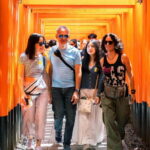
Osaka’s best bites hide in plain sight. This walking tour strings together Namba launch points, local alleys, and Dotonbori night energy with just enough food to get you excited (think takoyaki plus a vending-machine drink). I like how the guides I’ve seen praised here—from Stephane to Josh—bring stories in plain English, not a lecture.
I also love the way it mixes big-name Osaka with smaller streets you’d miss alone. You’ll see the glossy sign-and-river side of Dotonbori, then slip into quiet back paths where the city feels more lived-in than touristy. That mix is what makes the walk feel worth the time.
One drawback: food is light. You’ll get the included takoyaki snack, but you should plan to buy more drinks and meals on your own, especially on longer options.
In This Review
- Key highlights worth planning around
- Why this Osaka walk is a smart first-day plan
- Where to meet at Namba Metro Exit 24 (and avoid confusion)
- The hidden street maze: cobblestones, local haunts, and real stories
- Takoyaki + vending-machine drink by the Dotonbori river
- Kuromon Ichiba Market: seafood shopping energy and tastings
- Off-the-beaten paths and a quiet temple pause
- America-mura: the Japan-that-imagines-America stop
- Shinsekai retro zone: gaming parlors and themed restaurants
- Billboards, alleys, and the Osaka-feels-like-Osaka moments
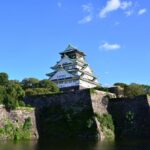
- Optional upgrades: Osaka Castle, Shitennoji, and extra neighborhoods on private tours
- Price and value: what you’re really paying for at about $33
- Who should book this, and who should skip it
- Quick practical tips before you go
- Should you book this Osaka walking tour?
- FAQ
- Where is the meeting point for the tour?
- What is the duration of this walking tour?
- Is this tour available as a group or private experience?
- What food is included?
- Does the tour include Osaka Castle?
- Does the tour run in rain?
- Is hotel pick-up included?
- Are there luggage or bag restrictions?
- Is the tour suitable for people with mobility impairments or pregnancy?
Key highlights worth planning around
- Namba meet-up with a clear starting point so you can get moving fast
- Takoyaki at the Dotonbori area paired with a can drink from a vending machine
- Kuromon Ichiba Market seafood market time plus taste testing
- America-mura and Shinsekai for a pop-culture side of Osaka
- Optional Osaka Castle and Shitennoji only on the longer private tours
- Guide-led alley wandering with entertainment, history, and photo stops
Why this Osaka walk is a smart first-day plan
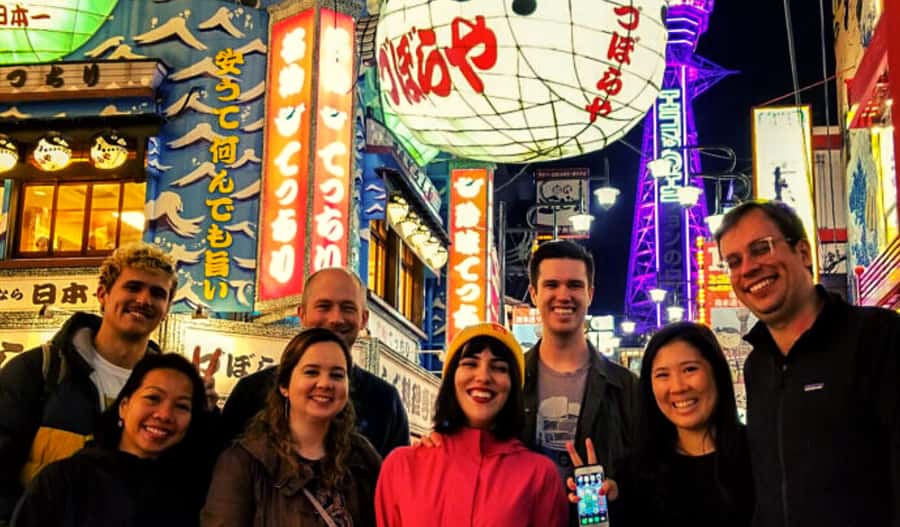
If Osaka is your first big city stop on Honshu, this kind of guided walk helps you get your bearings fast. You’re not just going from one landmark to the next. You’re moving through neighborhoods that have their own vibe—Namba’s chaos, Kuromon’s market intensity, Dotonbori’s neon, and then Shinsekai’s retro feel.
The tour’s biggest value is the structure. In a few hours you’ll cover a lot of ground: river area views, a famous seafood market, and side streets that connect everything. Guides who’ve led people like me through Osaka’s back lanes tend to be the difference-maker, and here the feedback is consistently about energy, humor, and stories you can actually use later.
Also, day vs. night matters. If you have the choice, I’d pick night. The lights and signs in Dotonbori land better after dark, and the walk feels more like Osaka itself instead of a postcard version.
You can also read our reviews of more tours and experiences in Osaka.
Where to meet at Namba Metro Exit 24 (and avoid confusion)
You meet at Namba Metro Station, exit 24, at the top of the stairs. The guide stands there where you can see vehicles, and you can use a simple landmark check: an exit 24 sign and a bicycle stand about 7 meters away should match what you see on the street.
This sounds small, but it saves time. When you’re in Osaka for the first time, transit neighborhoods can feel like a maze. Starting at a single clear meeting point means you’ll lose less time hunting down your group.
For comfort, keep your hands free. The tour doesn’t allow luggage or large bags, so travel light. Comfortable shoes are non-negotiable here because you’ll be walking through busy areas and tight lanes.
The hidden street maze: cobblestones, local haunts, and real stories
Early in the experience, you’ll be guided through a central web of bars and restaurants that sits out of most visitors’ sightlines. Expect turns that feel intentional—cobblestone-like lanes, narrow streets, and little pockets where locals show up for snacks, drinks, and everyday life.
This part works because it teaches you how Osaka spaces itself. You start to notice the rhythm: storefronts stacked close together, alleys that connect bigger roads, and the way signage guides you even when streets look chaotic from the outside.
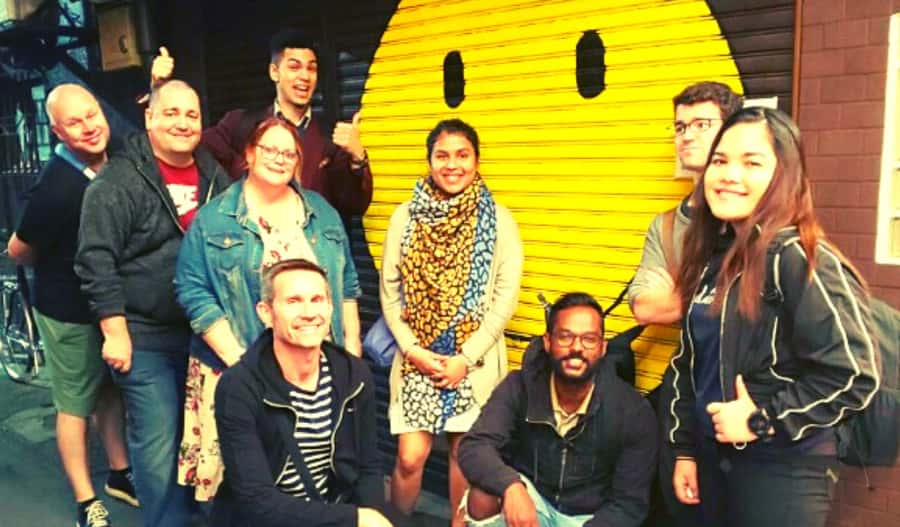
In the feedback for this tour, the guides are repeatedly praised for making it entertaining. Names like Rahat, Harry, Maryem, Taka, Dom, Tommy, and Stephanie pop up in reviews as people who turned quick walks into memorable mini-stories. Even if your guide is different, the vibe you’re paying for is the same: personality plus local context, not just directions.
Takoyaki + vending-machine drink by the Dotonbori river
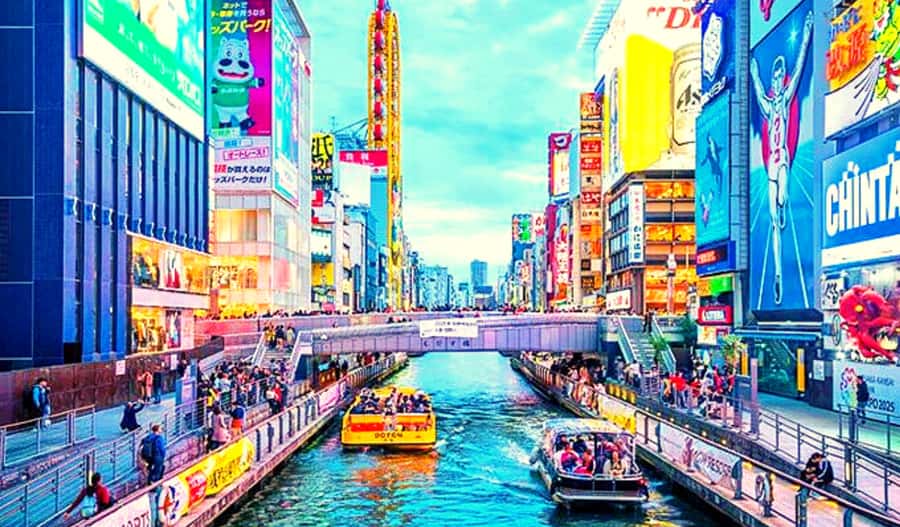
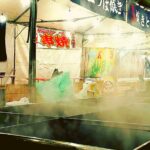
One of the most “only in Osaka” moments is getting takoyaki during the Dotonbori stretch, with a can drink from a vending machine. This is the included food highlight, and it’s timed so you can enjoy the flavors while the river-and-sign area is in view.
Here’s how to think about it: you’re not being fed a full meal. You’re being given a taste of the main character. The point is to let takoyaki and Osaka’s street-drink culture kick off your appetite, then keep walking.
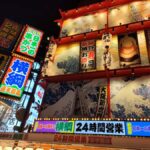
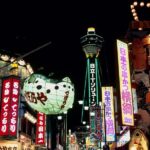
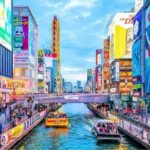
If you’re a photos-first person, this is your moment. Dotonbori’s signs and river scene create instant backgrounds. If you go at night, your takoyaki stop tends to feel more like a scene from a movie than a snack break.
Kuromon Ichiba Market: seafood shopping energy and tastings
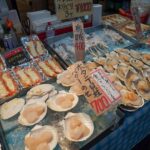
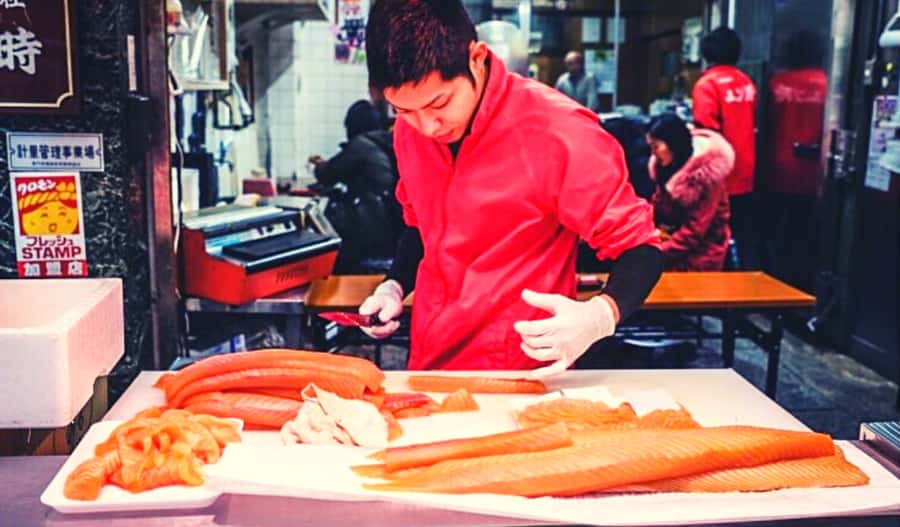
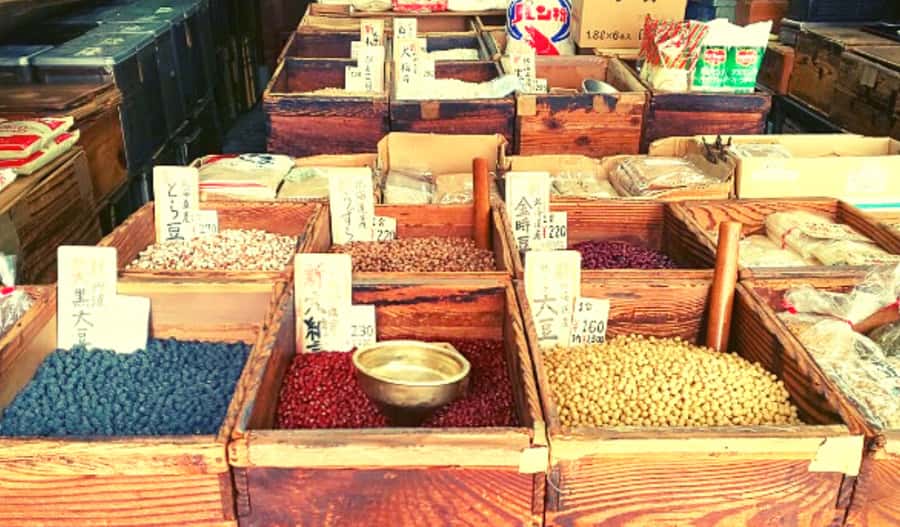
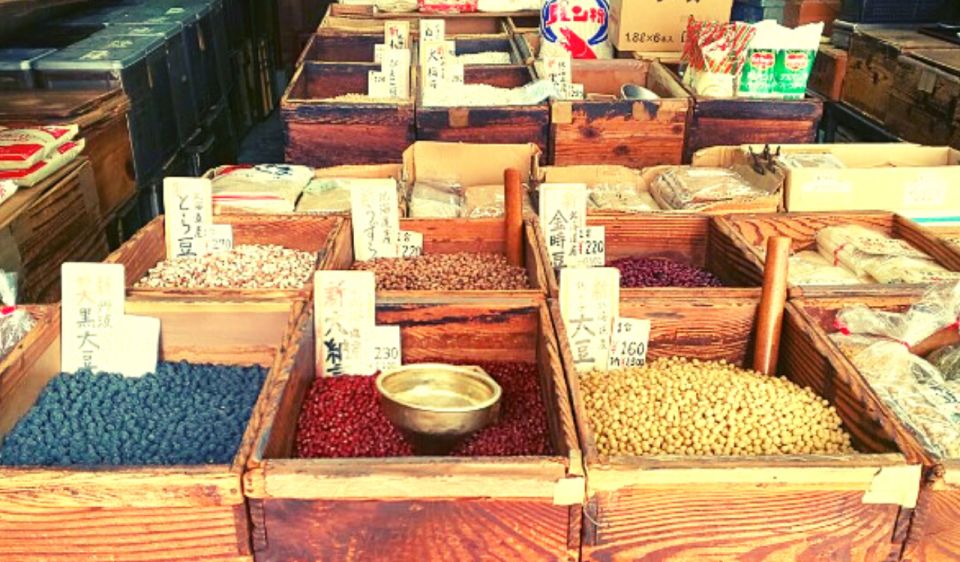
Next comes Kuromon Ichiba Market, Osaka’s famous seafood market where top chefs are said to shop for fresh ingredients daily. The energy here is focused and intense—stalls, seafood displays, and constant movement—so your guide is useful just to keep the walk organized.
What you’ll get is not only viewing. You’ll get explanations about the market’s quirks and do some taste testing of local produce. In the feedback for this tour, people have mentioned trying items like puffa fish and Kobe beef as part of the market experience, though what’s offered can vary by day and stall selection.
A practical tip: market time can make you snack-happy quickly. If you have a sensitive stomach or allergies, tell your guide what to avoid. Since the tour’s included food is limited to specific tastings (not a full meal plan), you’ll likely want to make decisions on the spot rather than waiting for a guaranteed sit-down.

Off-the-beaten paths and a quiet temple pause
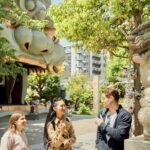
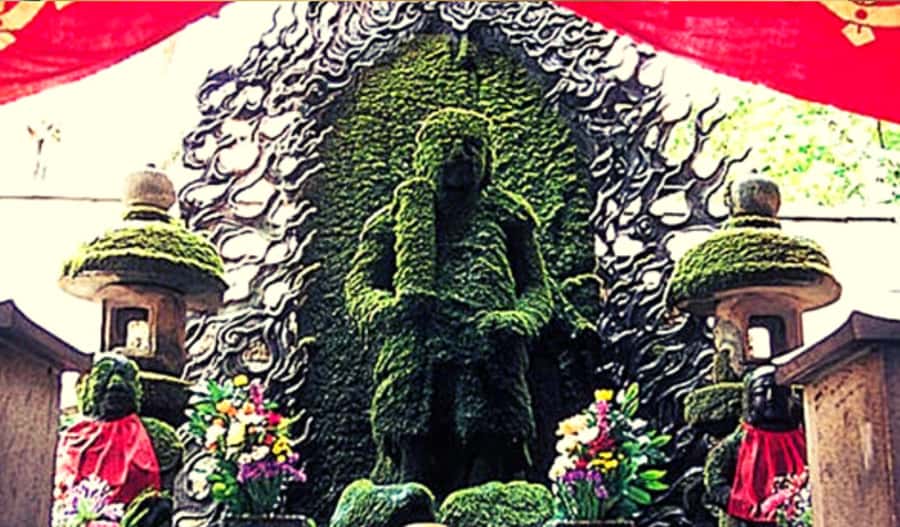
After the market buzz, you’ll shift into calmer streets and quieter stops. The tour includes ducking away from the busiest areas into less obvious paths, with a visit to a mystic temple and centuries-old history.
This break is more valuable than it first sounds. Osaka can feel nonstop. A temple and quieter walking stretch reset your senses so the rest of the day doesn’t blur into one long neon streak.
You’ll also pass boutique eateries and hidden shops. The guide’s job here is to point out what matters—what you can buy, what’s worth a quick peek, and what to ignore. That keeps the walk from turning into random browsing.
If you’re a slower-walker, this section is where you can pause for photos and just breathe for a minute.
America-mura: the Japan-that-imagines-America stop
Then you’ll head to America-mura, sometimes described as what Japan thinks of America. This is an Osaka neighborhood with a pop-culture mood: youth fashion, music-store energy, and street scenes that feel different from the river and market districts.
What I like about including this is contrast. Osaka isn’t only seafood and neon signs. It’s also style, remix culture, and a different kind of urban street life.
Your guide will talk through what you’re seeing as you walk, so you don’t just pass through a themed district. You understand why it looks and feels the way it does, and how it fits into Osaka’s wider identity.
Shinsekai retro zone: gaming parlors and themed restaurants
From there, the tour moves into Shinsekai, an older neighborhood with a more retro feel. Expect a mix of eye-catching elements, including fishing-themed restaurants and old-school gaming parlors.
This part is where Osaka’s personality gets playful. The streets don’t try to be polite. They’re fun, weird, and photogenic. Even if you’re not into arcades, Shinsekai gives you a sense of how Osaka entertainment culture evolved.
If you like history but don’t want museums all day, this neighborhood-style walk can scratch that itch. You see the past in the form of street layouts, shop types, and signage you won’t find in newer districts.
Billboards, alleys, and the Osaka-feels-like-Osaka moments
Throughout the route, you’ll see the “large-than-life” billboard side of modern Japanese culture. Your guide helps translate what you’re looking at: personal stories and local history that add meaning to the signs.
The tour’s rhythm is part of the appeal. It’s never only one style of Osaka. You get alleys that feel old-school, market moments that feel practical and loud, and then neon-heavy river scenery.
One small detail that shows up in feedback: people have mentioned unusual street features like a winding or curved escalator. Those are the kind of moments a guide tends to notice quickly and steer you toward.
Optional upgrades: Osaka Castle, Shitennoji, and extra neighborhoods on private tours
If you choose the longer private options (4, 5, or 7 hours), you get more room to shape the day and add big hitters.
Here are the common upgrade-style inclusions you might see on private 4/5/7 hour tours:
- Osaka Castle (not included on the 3-hour option)
- Shitennoji, noted as Japan’s oldest temple
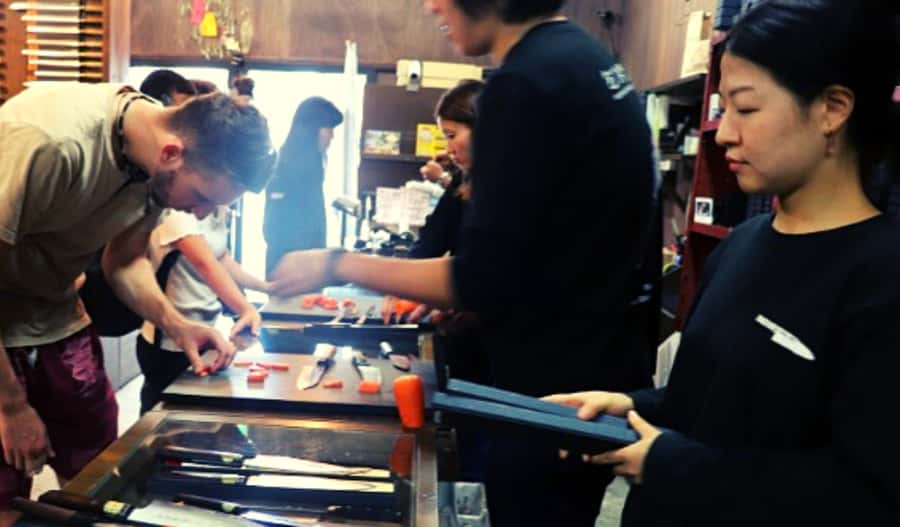
- A knife shop visit with a private demonstration and lesson on Japanese knives
- More alley time plus the East Shinsaibashi foodie zone
- The Museum of Housing and Living to see how locals used to live, from older days to more modern times
Since private tours are personalized, you’re not stuck with a rigid script. If you want more food focus, you can ask for more time in eating areas. If you prefer history, you can steer toward castle-temple time.
One more practical note: only private tours offer hotel pick-up, and only if your hotel is centrally located. If that’s you, message in advance with your hotel details.
Price and value: what you’re really paying for at about $33
At about $33 per person, this tour is a strong value because you’re buying three things at once: guided navigation, cultural context, and included taste testing. Even if you skip the optional add-ons, you still get a local guide plus takoyaki and a can drink.
The key is to understand what’s included vs. what’s not. Food and drinks beyond the takoyaki snack and vending-machine drink are not included. So you should treat this as an orientation plus sampling experience, not an all-you-can-eat day.
For first-time Osaka travelers, the value jumps because you’ll learn where to return later. Guides here tend to end the tour with insider recommendations on local eateries, which can save you money and time in the days that follow.
Who should book this, and who should skip it
This tour fits best if you:
- Want to cover Namba, Dotonbori, Kuromon, America-mura, and Shinsekai in one organized walk
- Like street food culture and want takoyaki as your anchor snack
- Prefer a guide who explains what you’re seeing in everyday language
- Are planning at least part of your Osaka day at night for the signs and river atmosphere
- Want either a quick overview (3 hours) or a deeper, personalized plan (private 4/5/7 hours)
Skip it (or choose another format) if you:
- Need mobility accommodations, since it’s not suitable for mobility impairments
- Are pregnant, since it’s listed as not suitable
- Want a guaranteed full meal included, because you only get a small snack plus a drink
- Hate walking in crowded, fast-moving areas
Quick practical tips before you go
- Bring comfortable shoes. You’ll cover lots of streets.
- Travel light. No luggage or large bags.
- If you have options, go at night for the strongest Osaka-sign atmosphere.
- If you care about a specific experience (like Osaka Castle), book the private 4/5/7 hour length since the 3-hour option doesn’t go there.
- If hotel pick-up matters, confirm centrally located pick-up requirements by messaging with your hotel details ahead of time.
Should you book this Osaka walking tour?
Yes—if you want a guided way to understand Osaka’s mix of markets, neon river drama, and older neighborhoods without building your own route from scratch. This is especially worth booking early, because the guide’s orientation helps you plan your next meals and wandering days.
Book the 3-hour group option if you’re short on time and want a fast sampler of Namba-to-Dotonbori energy. Choose a 4, 5, or 7 hour private tour if you want flexibility and extra stops like Osaka Castle, Shitennoji, and more neighborhood food time.
If you’re looking for a heavy-food day with full meals included, this won’t meet that goal by itself. But for a smart first look at Osaka with a real guide and included tastings, it’s a solid pick.
FAQ
Where is the meeting point for the tour?
You meet your guide at Namba Metro Station, exit 24, at the top of the stairs where you can see the vehicles.
What is the duration of this walking tour?
The tour runs for 3 to 7 hours, depending on which group or private option you choose.
Is this tour available as a group or private experience?
Yes. There’s a 3-hour group option (max of 9 guests) and private tours in the 4, 5, and 7 hour ranges, with your pace and preferences considered.
What food is included?
You get a takoyaki ball (battered octopus snack) and a can of drink from a vending machine.
Does the tour include Osaka Castle?
Only the private 4, 5, and 7 hour tours can go to Osaka Castle. The 3-hour tour does not include it.
Does the tour run in rain?
Yes, it runs rain or shine. It’s only cancelled for very serious weather conditions like a typhoon or earthquake, with a full refund in those cases.
Is hotel pick-up included?
Hotel pick-up is only available for private tours, and only if your hotel is centrally located. You need to message with your hotel details at least the day before.
Are there luggage or bag restrictions?
Yes. Luggage or large bags are not allowed. You should plan to carry only what you can manage comfortably while walking.
Is the tour suitable for people with mobility impairments or pregnancy?
No. It is listed as not suitable for pregnant women and for people with mobility impairments.