REVIEW · OSAKA
Osaka: Tea Ceremony Experience
Book on GetYourGuide →Operated by The Osaka&Tokyo · Bookable on GetYourGuide
Matcha lessons feel oddly calming. In Osaka, this 45-minute tea ceremony gives you the story, the manners, and the hands-on part in a quiet tatami room with English guidance. I like the step-by-step matcha process you actually do yourself, and I like the way the seasonal sweets are treated like part of the ritual, not an afterthought. One drawback: you’ll be seated on the floor, and the rules are strict—no noise, no food, and kids have age limits—so it’s not the best fit if you’re traveling with little ones who need constant movement.
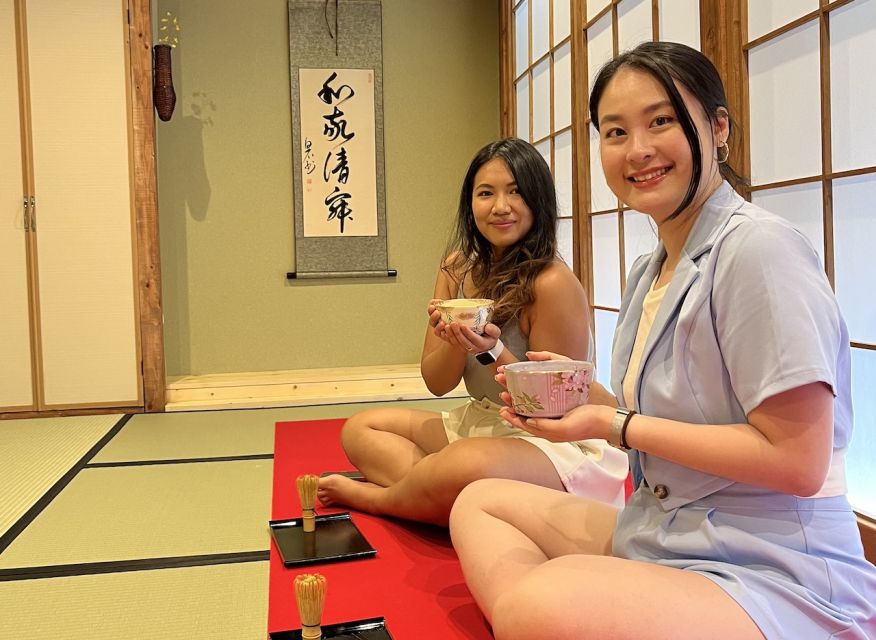
In a good way, this feels like slow travel in the middle of Osaka. The instructors wear traditional kimono, explain the meaning and history behind the ceremony in clear English, and guide you through making your own bowl of matcha with authentic tools. If you’re expecting a long, fancy production, know it’s short and focused, which is great for energy—but you may want more time once you get into it.
In This Review
- Key Moments You’ll Actually Remember
- A 45-Minute Osaka Matcha Lesson in a Tatami Room
- Who You Learn From: Japanese Instructors in Kimono (English Included)
- What Happens During the Ceremony: Welcome, Etiquette, and Live Demo
- Hands-On Matcha Making: Using Traditional Tools, Not Just Watching
- Seasonal Sweets Pairing: The Small Bites That Make It Click
- Where to Go in Dotonbori and How to Arrive Without Stress
- Price and Value: Why $25 Is (Usually) a Fair Deal
- Who This Is For (and Who Should Think Twice)
- Small Rules That Make Sense Once You’re In the Room
- Should You Book? My Practical Recommendation for Osaka
- FAQ
- How long is the Osaka tea ceremony experience?
- What language are the instructors using?
- What will I do during the session?
- Is matcha included?
- Where exactly is the meeting point?
- What is included in the price?
- What are the main restrictions during the experience?
- Can children participate?
- Is free cancellation available?
- Is there a way to reserve without paying right away?
Key Moments You’ll Actually Remember
- English-first instruction from Japanese hosts in kimono, with clear explanations of each step
- Watch, then do: you see the ceremony first, then make your own matcha using traditional tools
- Tatami-room calm that makes a noisy city feel far away for 45 minutes
- Seasonal confections paired with matcha, chosen to match the flavor moment
- Tea culture context beyond the how-to: history, meaning, and serving manners
A 45-Minute Osaka Matcha Lesson in a Tatami Room
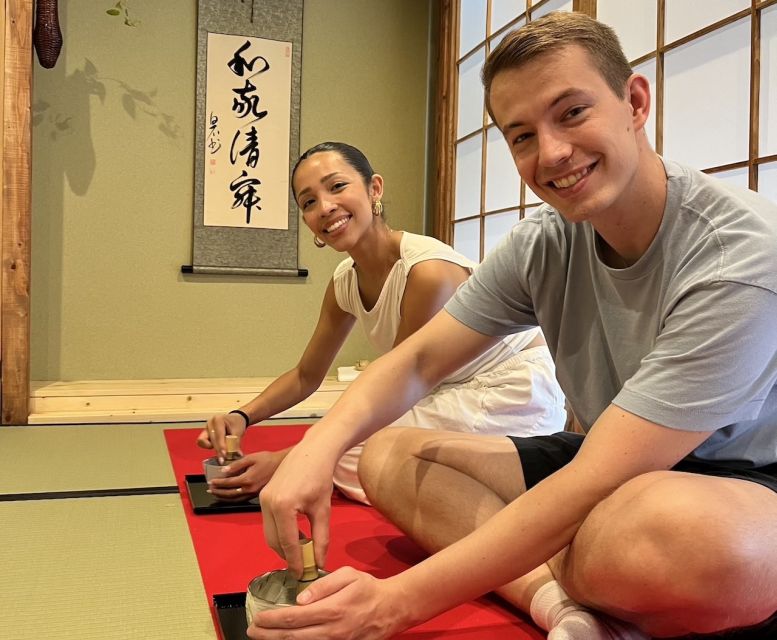
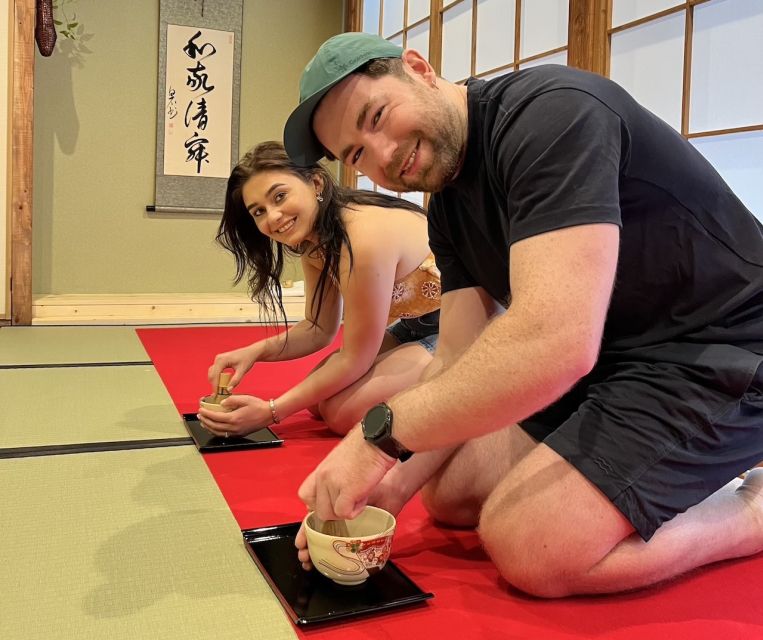
This is built for people who want a real cultural experience without committing an entire morning. The session runs about 45 minutes, and it moves in a tidy sequence: warm welcome, short history and etiquette, a live demonstration, then your turn at matcha.
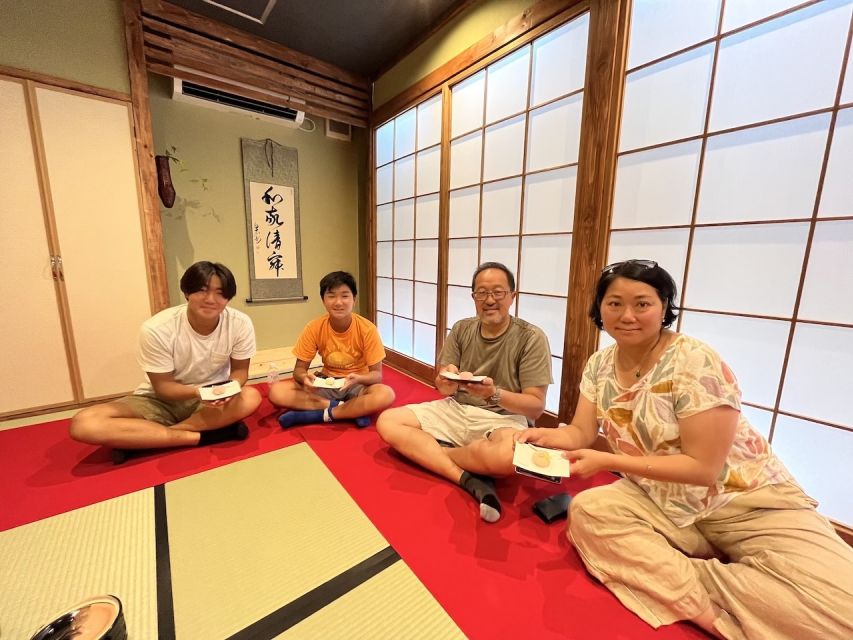
The setting matters. You’re not learning tea basics in a lecture hall. You’re in a traditional room with tatami flooring, which changes the whole vibe. It encourages you to slow down and follow the pace the instructor sets. That’s a big part of why tea ceremony experiences can feel more meaningful than a standard activity.
Practical note: many people find floor seating more challenging than expected, especially if your legs aren’t used to it. Plan to keep your comfort in mind so you can focus on the ceremony instead of wincing your way through it.
You can also read our reviews of more tours and experiences in Osaka.



Who You Learn From: Japanese Instructors in Kimono (English Included)
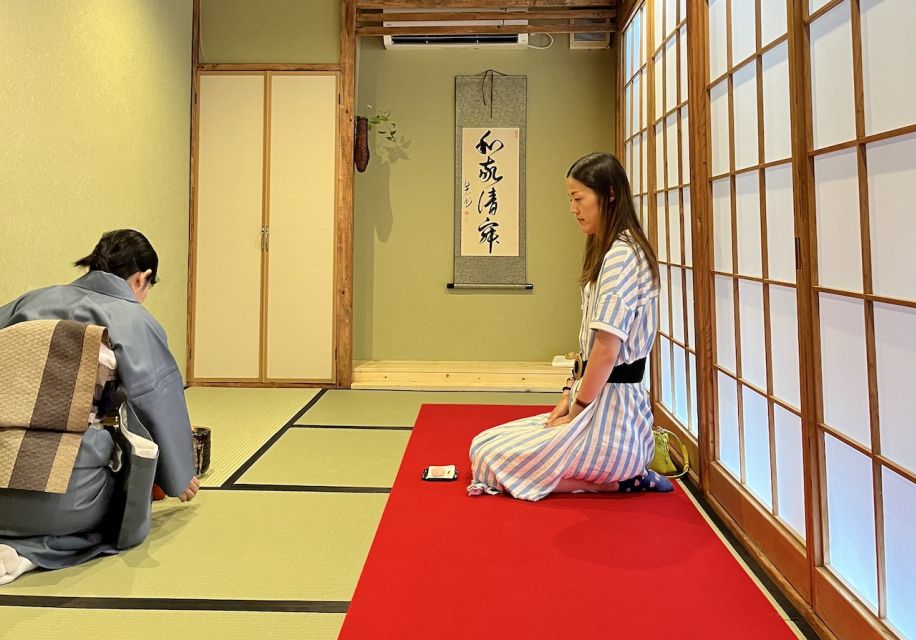
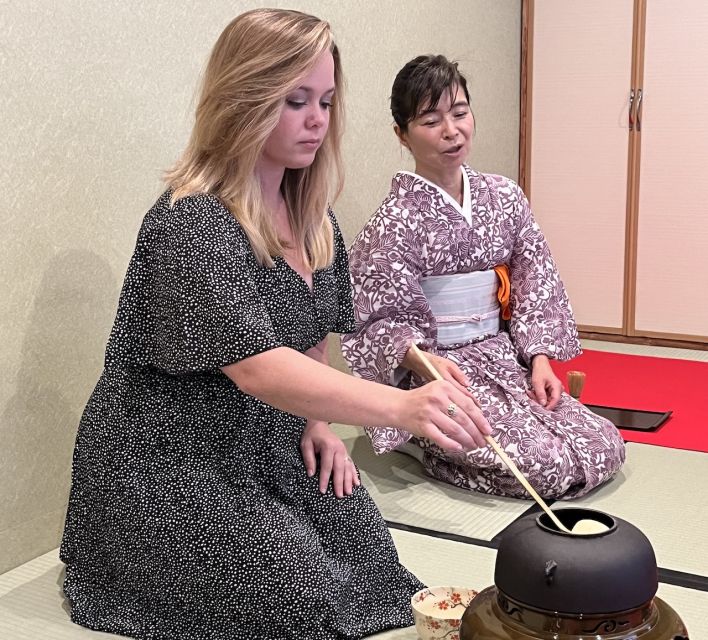
The biggest quality signal here is the instructor team. You learn from Japanese instructors who speak English clearly and have over 10 years of tea ceremony experience. That combination is rare: you get authenticity without losing the plot.
From the experience names you’ll hear in conversations—like hosts such as Yuki, Akiko, Mayumi, Kazu, and Ayaka—it’s clear the teaching style is consistent: patient guidance, gentle corrections, and a focus on meaning, not just steps. You’ll likely feel comfortable asking questions because the whole pace of the room is meant to be calm.
If you’ve studied Japanese a little (or none at all), you can still enjoy it. The ceremony is visual and procedural. English explanations help you connect what you see to why it matters.
What Happens During the Ceremony: Welcome, Etiquette, and Live Demo
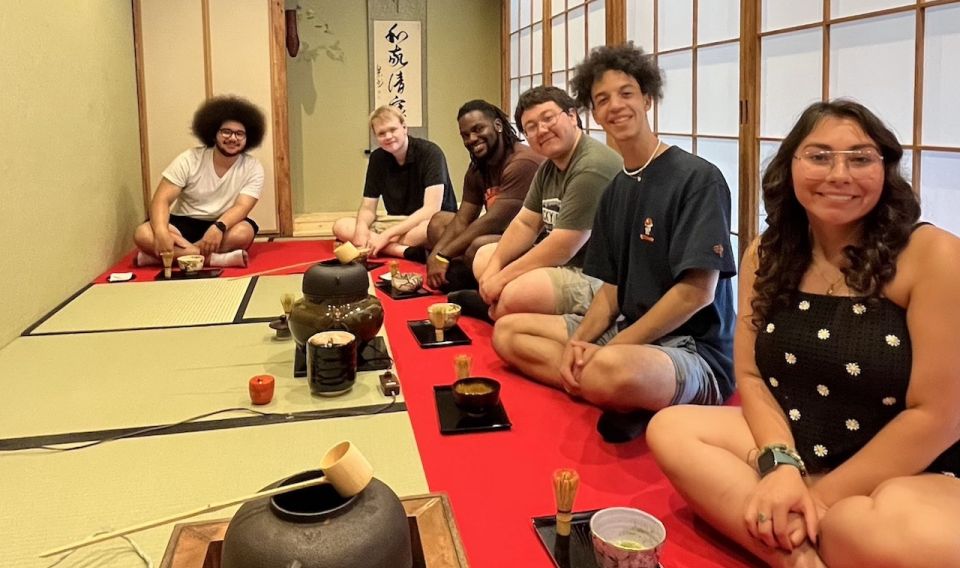
The flow is straightforward, and that’s the point. You start with a welcome and introduction in the traditional room. The instructor explains the meaning and history of the tea ceremony, so the rituals don’t feel random. You also get basic manners for serving tea—how to handle yourself, how to watch, and what respectful behavior looks like in this setting.
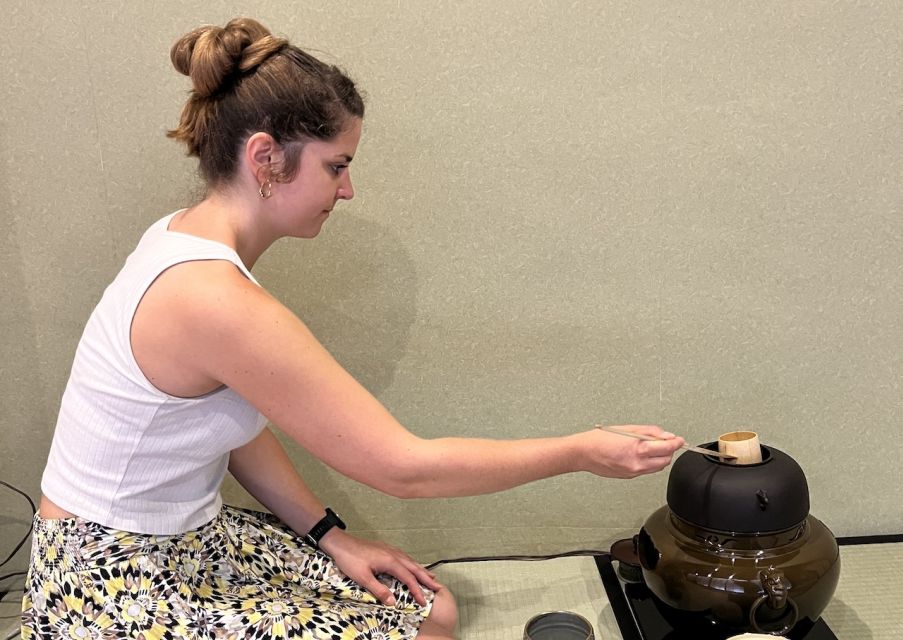
Then comes the demonstration. You’ll watch the instructor perform the sequence live, using the tools properly and explaining what each part represents. This isn’t just performance. It’s “here’s what you’re about to do,” plus the cultural why behind it.
You’ll notice how the room expects quiet and attention. That’s not a tourist rule; it’s part of the tradition. If you’re the type who hates being told to be still, you’ll want to think twice—this experience is built on restraint.
Hands-On Matcha Making: Using Traditional Tools, Not Just Watching
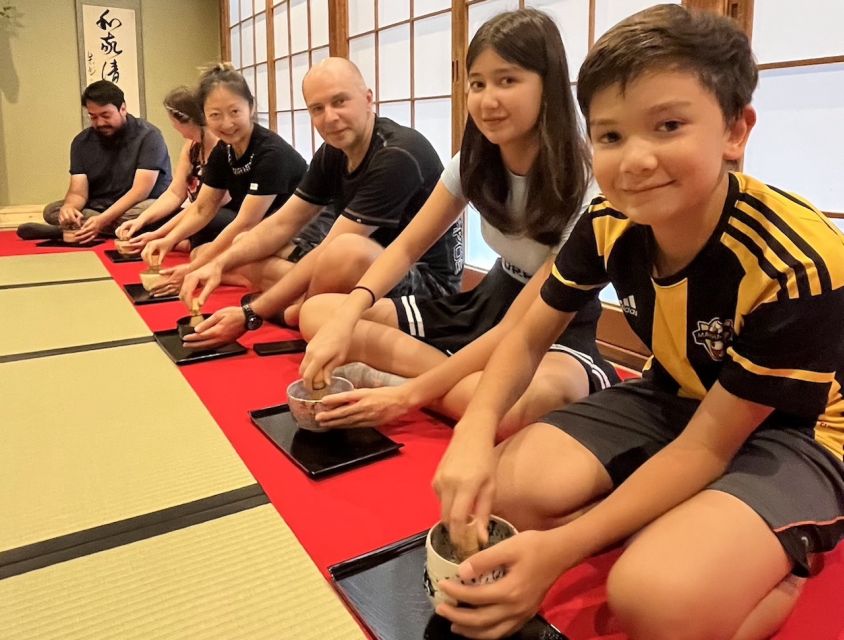
The best part for many people is the moment you make your own bowl. After watching, you’ll get hands-on with matcha using traditional tea tools. You’ll learn how to measure and prepare the tea powder, how the whisking works, and how the final cup should look and feel.
This is where the price starts making sense to me. A tea ceremony that only shows you the motions is entertainment. A tea ceremony that teaches you the process—and lets you practice—becomes a skill you carry home. Even if you never become a matcha regular, you’ll understand what you’re tasting, not just that it’s green.
One small detail to set expectations: the tea ceremony is precise. Your bowl might not look identical to the instructor’s on your first try, and that’s fine. The point is learning the method and the intention behind it.
Also, some sessions may include more than one tasting moment. At least one participant noted drinking matcha twice, so you might get a slightly fuller tasting experience than you expect from a 45-minute slot.
Seasonal Sweets Pairing: The Small Bites That Make It Click
You don’t just drink matcha and leave. You pair it with seasonal Japanese confections chosen for the matcha experience. The sweet is served alongside the tea tasting and is meant to work with the flavor balance—think of it like a course designed for that cup.
In practice, this pairing does something useful: it resets your taste after the matcha preparation and helps you appreciate the bitterness and grassiness typical of quality matcha. It also adds a cultural layer, because in Japan, sweets often reflect the season and the moment.
Expect the confections to be small. That’s normal here. This isn’t a snack stop. It’s a matching ritual: sweet + matcha + quiet attention.





Where to Go in Dotonbori and How to Arrive Without Stress
Meeting point instructions are unusually specific, and you’ll want to follow them. Use Google Maps to search for tea ceremony osaka the osaka, then head to this address:
大阪市中央区道頓堀1丁目東5-26
It’s on the second floor.
The coordinates listed are 34.6688508, 135.5063291. That area is busy, so plan to arrive with a little buffer. The operator notes that very occasionally there are people who cannot come, so you’ll want to give yourself enough time to check in and find the right entrance.
My practical tip: don’t wait until the exact start time to get there. Do your best to be early enough that you’re not rushing upstairs, then use the final minutes to mentally switch modes from Osaka chaos to tea ceremony calm.
Price and Value: Why $25 Is (Usually) a Fair Deal
At $25 per person for about 45 minutes, this sits in the “small splurge, real value” category. Here’s why.
You’re paying for:
- Native Japanese instructors with long experience
- English explanation during a structured cultural ritual
- Authentic tools and hands-on matcha preparation
- Included matcha and confections
In other words, you’re not just paying to watch a show. You’re paying for a guided lesson in etiquette, technique, and taste—plus the ingredients and sweets to make it a full mini-experience.
If you’re budgeting in Osaka, I’d place this alongside other cultural “high signal” activities that teach you something tangible. If you only want a quick photo stop, it probably won’t feel worth it. But if you like learning through doing, it’s priced like it understands that.
Who This Is For (and Who Should Think Twice)
This suits you if:
- you want a calm cultural break from sightseeing
- you like hands-on activities (not just watching)
- you appreciate explanation—history, meaning, and manners
- you’re comfortable sitting on tatami for the duration
It may not suit you if:
- you need to snack or eat during the session (food isn’t allowed)
- you’re bringing a stroller (not allowed)
- you’re the type who struggles with quiet rules (no making noise, no jumping)
- you’re traveling with young children
On the child rules, the guidance is strict and a bit layered. The data says participation is not allowed for children over 5, and it also states that if a child under 5 is with an adult ticket holder, entry may be refused. If kids are part of your plan, confirm the age rules directly before you go—don’t assume you’ll be able to adjust on-site.
Small Rules That Make Sense Once You’re In the Room
This experience has clear “do not” items:
- no baby strollers / baby carriages
- no food during the experience
- no jumping
- no making noise
These rules aren’t there to be difficult. They protect the tatami-room calm and the focus required for correct tea preparation and respectful manners. If you keep that in mind, the whole session will feel smoother, and you’ll enjoy the ritual more.
Should You Book? My Practical Recommendation for Osaka
Book this if you want one structured, meaningful cultural experience that fits into a busy Osaka day. It’s short enough to slot between other plans, but it’s not “tourist-lite.” You’ll learn the story, follow the etiquette, watch the real ritual, and make matcha yourself.
Don’t book it if you’re mainly chasing motion, photos, or a lively group vibe. This is a quiet, hands-on lesson where behavior matters. It’s also best if your body can handle floor seating for around an hour-ish of total time in practice (even though the stated duration is 45 minutes).
If you’re on the fence, here’s the decision shortcut: if you’d be happy slowing down for tea, you’ll probably love it. If you’re hoping for a quick break without rules, look at something else.
FAQ
How long is the Osaka tea ceremony experience?
The experience lasts about 45 minutes.
What language are the instructors using?
The instructors and greeter use English, and an English audio guide is included.
What will I do during the session?
You’ll watch a live tea ceremony demonstration, then make your own matcha using traditional tea tools, and taste seasonal Japanese confections.
Is matcha included?
Yes. Matcha (powdered green tea) is included.
Where exactly is the meeting point?
Use Google Maps to search for tea ceremony osaka the osaka. The address is 大阪市中央区道頓堀1丁目東5-26, and it is on the second floor.
What is included in the price?
The price includes the entrance fee, matcha, and confections.
What are the main restrictions during the experience?
Baby strollers and baby carriages are not allowed, food is not allowed, and you must not jump or make noise.
Can children participate?
The information provided includes strict age rules. It says children over 5-years old cannot participate, and it also says entry may be refused if accompanied by a child under age 5. If you’re traveling with children, confirm details before you go.
Is free cancellation available?
Yes. You can cancel up to 24 hours in advance for a full refund.
Is there a way to reserve without paying right away?
Yes. You can reserve now and pay later, so you can keep your plans flexible.