REVIEW · CHIANG MAI
Chiang Mai: Doi Suthep, Wat Umong, and Pha Lat Sunrise Tour
Book on GetYourGuide →Operated by TripGuru Thailand · Bookable on GetYourGuide
Waking up early can be worth it. This tour strings together Doi Suthep sunrise, Wat Phrat That’s iconic gold pagoda, plus the quieter jungle stops at Wat Pha Lat and the 700-year-old Wat Umong caves. I especially like the chance to see chanting and early temple rhythms before the day crowd arrives, and I like how the route mixes big landmarks with more unusual temple settings. The one drawback: it starts very early and you’ll need to dress properly, because some temple areas won’t allow bare shoulders, knees, or sleeveless tops.
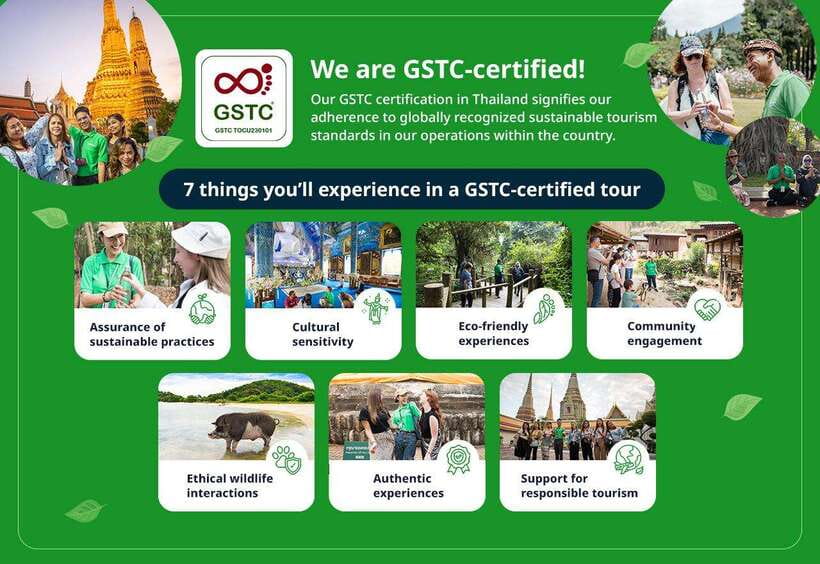
What makes it feel like good value is the package deal: hotel pickup/drop-off, air-conditioned van, entry fees, and even a glass bottle of water, plus carbon offset credits. It’s also run as a small group experience and billed as GSTC-certified responsible touring, which matters when you’re working with temples and living religious spaces. If you’re not into stairs or cold morning starts, this won’t be your relaxing wake-and-go.
In This Review
- Key things I’d plan around
- Sunrise at Doi Suthep: the whole point of the early alarm
- Wat Phra That Doi Suthep: golden pagoda, big views, and temple etiquette
- Kruba Srivichai Monument: a pause that gives context
- Wat Pha Lat sunrise-afterglow: the hidden temple in the jungle
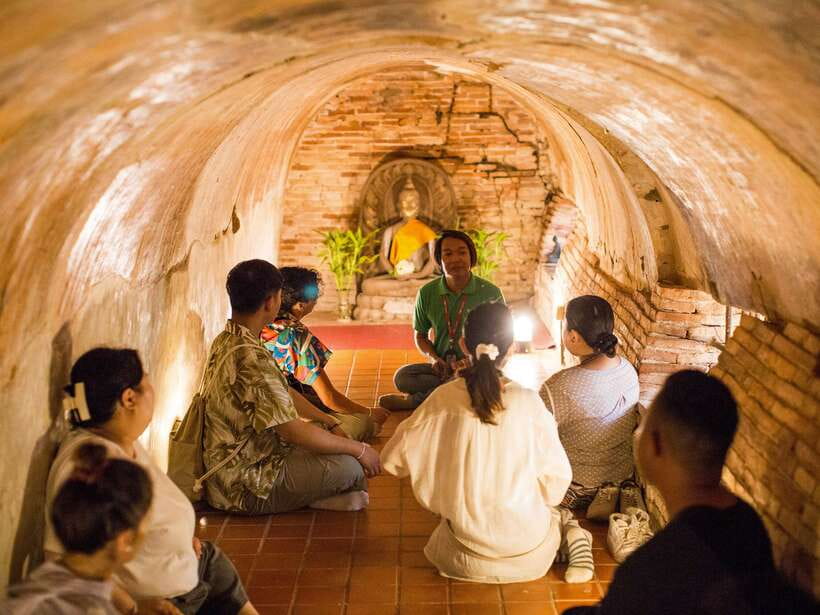
- Wat Umong (1297): forest tunnels and a different kind of awe
- How the pacing actually works (and why it matters)
- Price and value: $32 for three major stops, plus the extras
- Getting picked up: downtown zones and the Tha Pae Gate meeting point
- What to bring (so you don’t regret it at 4–5 a.m.)
- Sustainability and GSTC-certified responsible touring: why you should care
- Guides you might meet: the difference between seeing temples and understanding them
- Should you book this Doi Suthep, Wat Pha Lat, and Wat Umong sunrise tour?
- FAQ
- What temples are included on the tour?
- How long is the tour?
- Do I get hotel pickup, or do I meet somewhere specific?
- What’s included in the ticket price?
- What should I wear to the temples?
- Are temple offerings and meals included?
Key things I’d plan around
- The 309-step climb at Doi Suthep before sunrise light makes the viewpoint feel earned
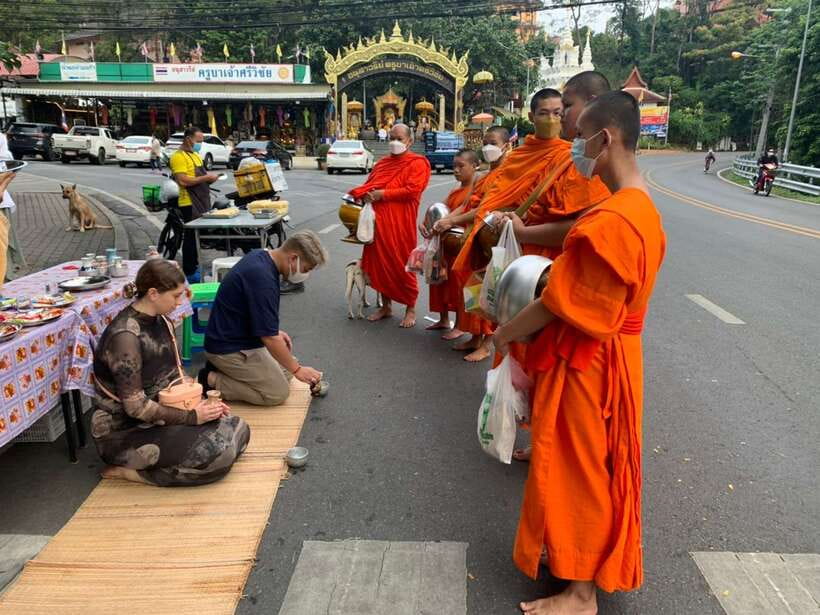
- Early temple atmosphere where monks’ morning routines can be part of the experience
- Wat Pha Lat in the jungle gives you a calmer, more nature-wrapped stop
- Wat Umong’s underground tunnels shift the vibe from golden surfaces to cave quiet
- Small group touring with a guide keeps the pacing human and the explanations clear
- Responsible touches like GSTC-certified operation, glass water, and carbon offset credits
Sunrise at Doi Suthep: the whole point of the early alarm
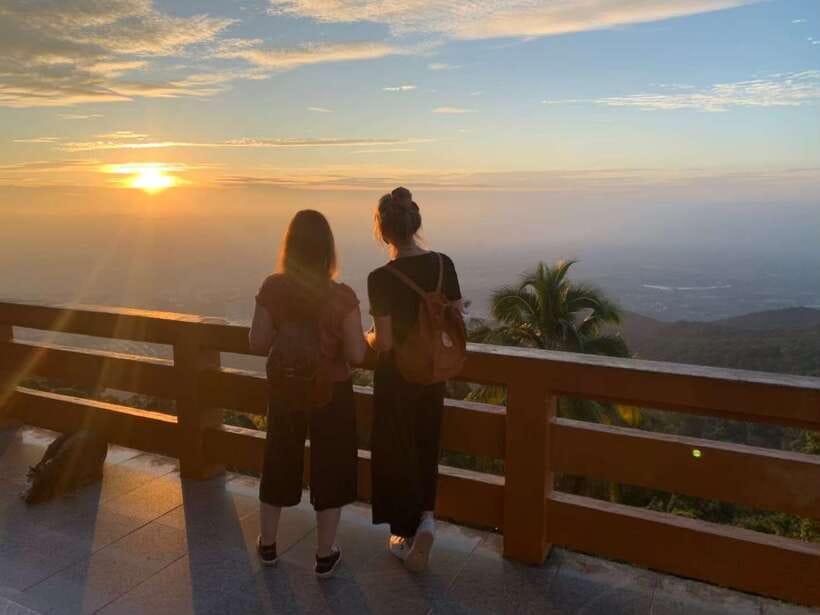
Doi Suthep is one of Chiang Mai’s big-name sights for a reason. But the real magic here is the timing. Going pre-dawn means you’re not just looking at a famous golden pagoda. You’re arriving when the temple still feels like a place where people begin their day, not a backdrop for photos.
You’ll start with transport from downtown areas near Tha Pae Gate (or from your hotel if pickup is offered from approved hotel locations). Then the morning drive brings you up the mountain, and you’ll do the 309 steps to Wat Phra That Doi Suthep Temple with your guide.
The climb itself is straightforward but not trivial—so wear shoes that grip and won’t feel miserable after about an hour of walking, depending on your pace. Once you reach the top, the light show can be quick: sunrise often changes fast, and the best photos come from watching the sky shift rather than trying to pose through it. This is one of those mornings where you’ll want your camera ready, but you’ll also want a moment to look without looking through a lens.
You can also read our reviews of more tours and experiences in Chiang Mai.


Wat Phra That Doi Suthep: golden pagoda, big views, and temple etiquette
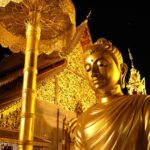
At Wat Phra That Doi Suthep, you’re seeing the temple’s main stage: the famous golden pagoda and the surrounding worship spaces. Even if you’ve seen photos before, there’s a difference when you’re standing in the space at sunrise. Gold looks brighter, shadows look sharper, and the sound feels less like tourism.
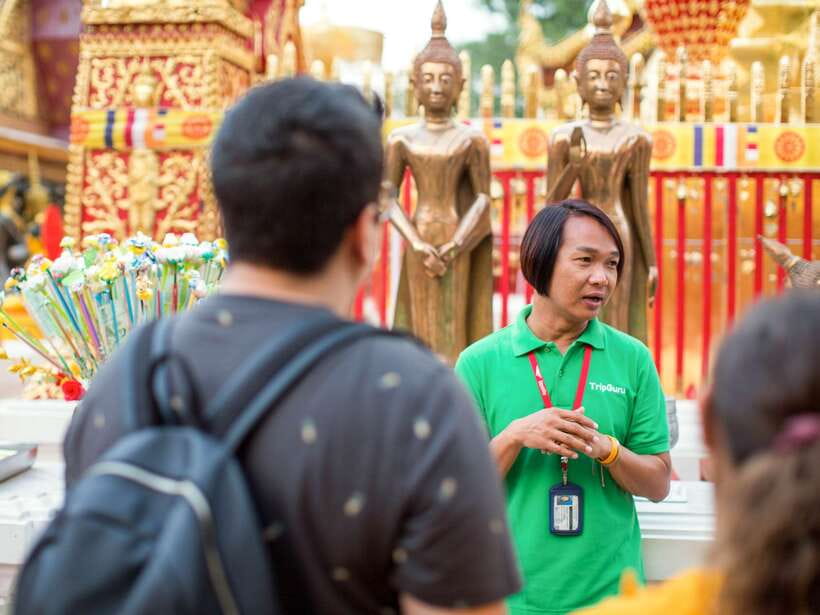
You’ll also notice how your guide shapes your visit. In recent groups, guides like Peter (who shared history and helped spot good sunrise viewpoints) and Happy (who led a small-group sunrise with plenty of personal warmth) have made the experience feel guided instead of rushed. In a few cases, guides with monk experience—such as James Bond, who lived with monks for years—tend to add extra depth about what you’re seeing and why certain parts of the day matter.
Practical note: this temple stop follows the common rule set for Thai religious sites. Dress matters. No shorts, no short skirts, and no sleeveless shirts. For some areas, clothing that exposes shoulders, underarms, back, and knees won’t be allowed even if you think it’s only a quick look. Plan to cover up and you’ll avoid awkward detours at the gate.
Kruba Srivichai Monument: a pause that gives context
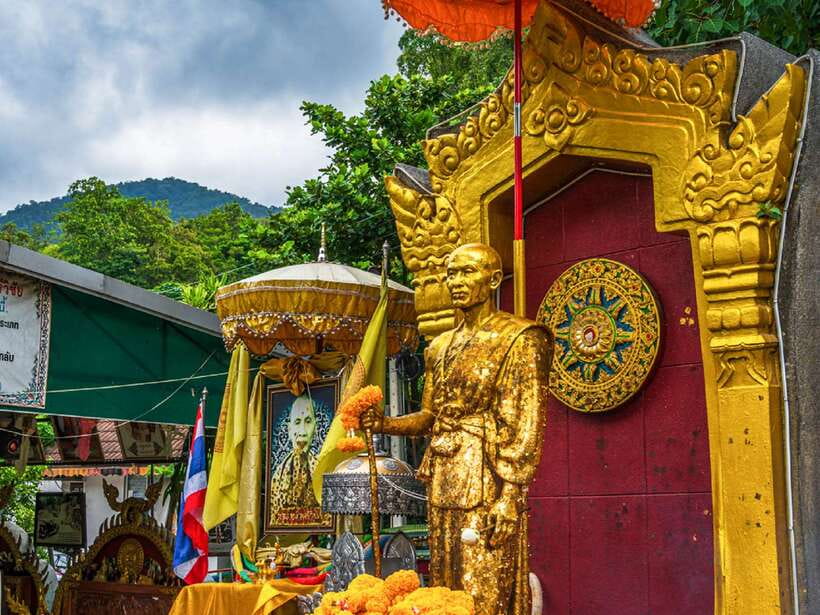
After Doi Suthep, there’s a stop at the Kruba Srivichai Monument. This is the sort of place that can be easy to gloss over if you’re only there for scenery—but it adds context to the broader story of devotion and religious leadership in northern Thailand.
You’ll spend around 30 minutes here, and it’s a good mental reset after the stairs. Your guide connects the monument to the lives of monks and the spiritual culture that keeps these places active. If you’re someone who likes to understand what’s happening on-site (rather than just moving from photo spot to photo spot), this is one of the stops that helps the morning click into place.
It also helps that it’s not a long stop. You get enough time to take in the meaning without losing the momentum of the day.
Wat Pha Lat sunrise-afterglow: the hidden temple in the jungle
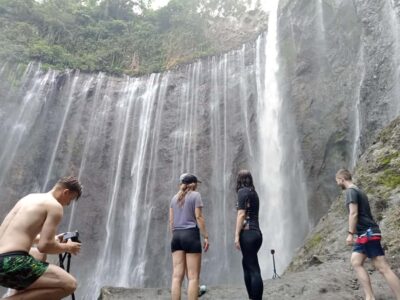
Then you head into the quieter kind of Chiang Mai. Wat Pha Lat sits in lush jungle surroundings, and that change in setting is a big deal. At Doi Suthep, the energy is vertical—stairs, view, big gold surfaces. At Wat Pha Lat, the mood shifts horizontally: trees, calmer paths, and a feeling that you’ve stepped into a more secluded layer of the mountain.
You’ll typically get about an hour here. What you’ll enjoy is the variety of temple spaces—serene statues and shrines—plus the way nature frames the structures. The route doesn’t feel like you’re just ticking boxes. It feels like a slow transition into a different kind of worship space.
There’s one real consideration: access can change. In one case, Wat Pha Lat was closed, and the guide adjusted the plan. That’s not something you should panic about, but it’s good to know that early-morning tours can sometimes face site closures or operational changes. Your best move is to treat the day as a flexible experience guided by your group leader, not a rigid checklist.
Wat Umong (1297): forest tunnels and a different kind of awe
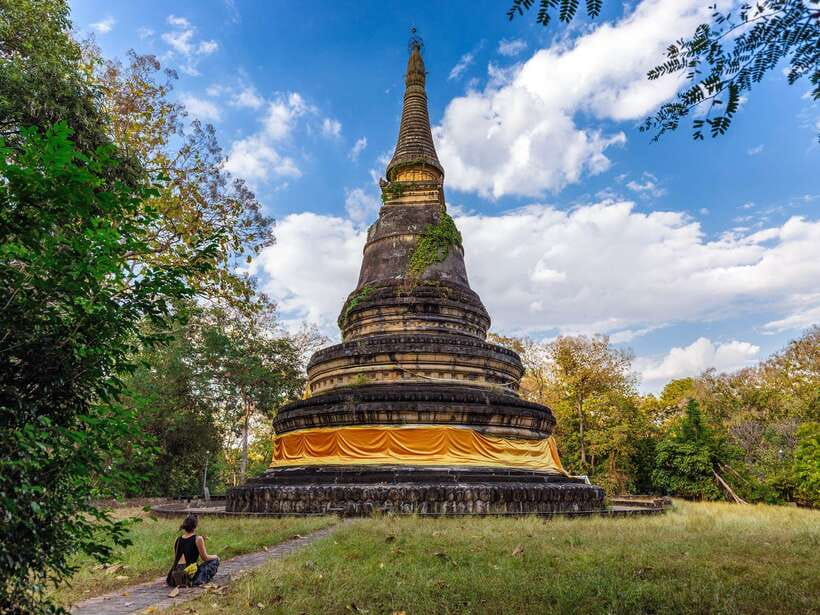
Next comes Wat Umong, built back in 1297, with the signature feature most people remember: underground tunnels. If you’ve done a lot of temples and you’re starting to feel like everything blends together, this stop breaks that pattern fast.
You’ll explore the forest setting and then move toward the tunnels. Walking through these underground features shifts the mood dramatically. Instead of bright open courtyards, you get cooler, darker corridors and the sensation of stepping into a place designed for quiet reflection.
There’s also architectural detail in the chedi area that rewards slow looking. You don’t just see structures—you sense how the site was planned to balance spirituality with nature. One reviewer singled out Wat Umong as their favorite because it felt unique compared to other temples, and I can see why: it’s not just another gold-and-stone stop.
Plan for a bit of uneven ground. Wear shoes that won’t slip and keep insect repellent handy; the jungle setting makes that practical.


How the pacing actually works (and why it matters)
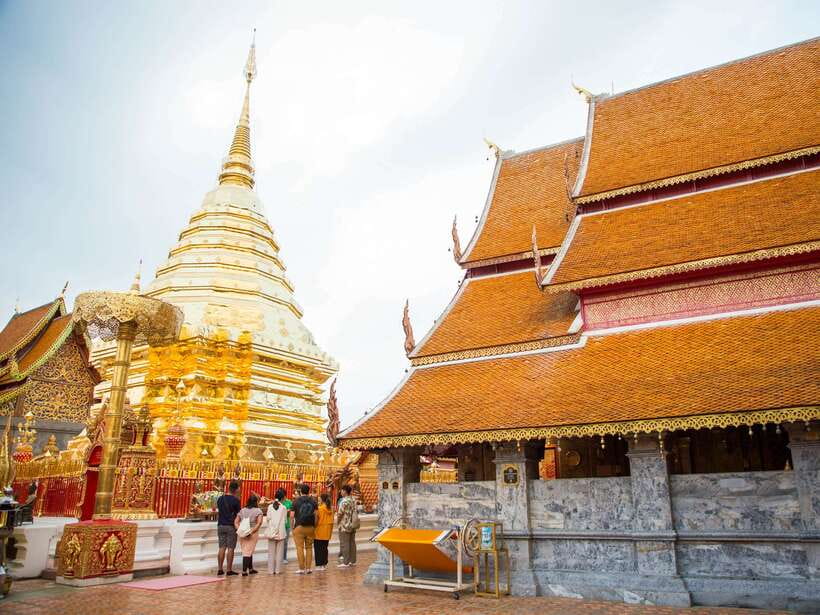
This is about four hours in total, with van time included. You’ll do the morning drive up, spend time across three temple stops (plus the monument), then head back down in time for breakfast or at least a normal breakfast-adjacent schedule.
The schedule matters because it controls your experience. Early arrival at Doi Suthep is the difference between a calm morning and a grid of people. The later jungle and tunnel stops work best when you’re still fresh enough to slow down. That’s why the small-group setup helps. In bigger groups, you tend to rush. Here, you’re more likely to have a little breathing room to look, ask questions, and take photos without sprinting.
It’s also why the “small group” and air-conditioned van details aren’t just perks. They protect the vibe of the morning, so you don’t turn temple time into transportation time.
Price and value: $32 for three major stops, plus the extras
At $32 per person, this tour looks like a bargain compared with what you’d normally pay when you add up the essentials in Thailand: guide time, air-conditioned transport, and temple entry fees.
The value hits hardest because the inclusions reduce friction:
- entry fees are included
- pickup/drop-off is included (for eligible downtown/hotel zones)
- you get a glass bottle of drinking water
- carbon emissions offset credits are provided
Meals aren’t included, so you should expect to eat before or after. But the tour is short enough that you can treat it like a “breakfast plan with temple stops.” In practice, that makes it easier to justify than a half-day that leaves you hungry and stranded.
If you’re budget-minded, this is also a tour that lets you see both the headline attraction (Doi Suthep) and two calmer, less obvious temple experiences (Wat Pha Lat and Wat Umong) without paying for separate private day trips.
Getting picked up: downtown zones and the Tha Pae Gate meeting point
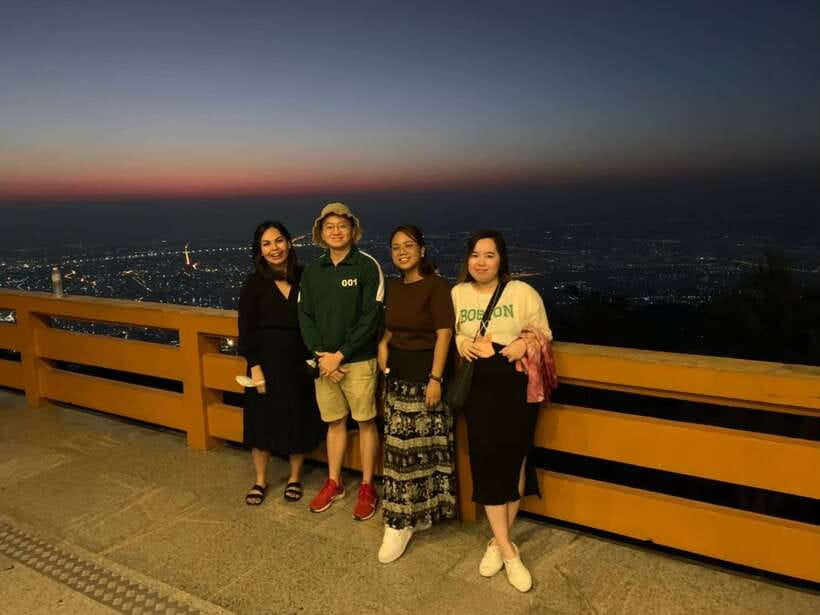
You’ve got two ways to start, depending on what you selected.
Most people in central areas get hotel pickup if their accommodation is within the allowed zones near Tha Pae Gate, the Old City Wall area, and surrounding streets like Chang Klan Road, Thapae Road, Wualai Road, and market zones around Night Bazaar and Warorot Market (Kad Luang). For other participants, there’s a clear meeting point option.
The meeting point is Tha Pae Gate in front of McDonald’s. Your guide holds a TripGuru sign, and the team emails you the evening before to confirm pickup time and where you should meet.
One more practical point: be ready early. The tour asks you to arrive about 10 minutes before pickup so you don’t get left behind in a busy morning.
What to bring (so you don’t regret it at 4–5 a.m.)
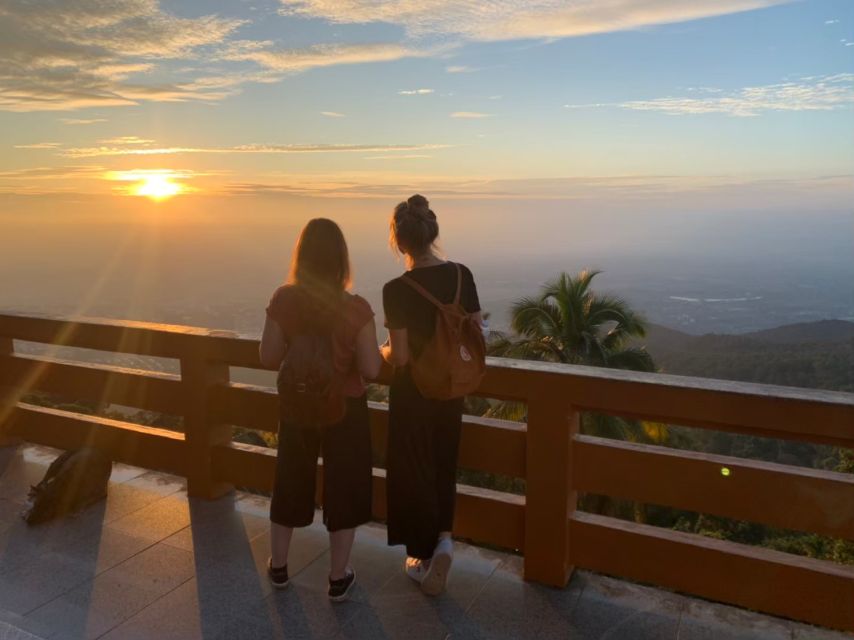
This is an outdoorsy, temple-focused morning. Bring the basics and you’ll feel more comfortable:
- comfortable shoes for stairs and uneven ground
- sunglasses and a hat for sun once the sky clears
- sunscreen
- insect repellent for jungle areas
- cash (useful if you choose optional offerings)
- a camera (the sunrise views are the payoff)
Also, don’t ignore the clothing rules. No shorts, short skirts, or sleeveless shirts. And if you’re unsure whether your outfit will pass, cover more rather than less. It’s not a fashion test. It’s about access to temple areas.
Sustainability and GSTC-certified responsible touring: why you should care
This tour is presented as a GSTC-certified responsible experience, and it includes practical sustainability touches rather than just slogans. You get water in a glass bottle, and the tour includes carbon emissions offset credits.
For you, that translates to fewer waste points in a morning when you’re likely to be tempted by grab-and-go plastic water bottles and quick convenience purchases. It’s also a reminder that temple visits are not just sightseeing. When the tour design helps reduce impact and encourages respectful behavior, your visit feels more aligned with the places you’re entering.
Guides you might meet: the difference between seeing temples and understanding them
One reason this tour scores well is the role of the guide. Many of the highest-rated experiences in recent groups emphasize more than logistics. People talk about guides who explain the spiritual purpose behind what you’re seeing.
Names that have shown up in recent tours include Happy, Peter, James (often described with deep monk-life experience), Tom Tem, Cookie, Chatsuda, Matt, and Nuttaya. A few were singled out for humor, patience, and for answering questions in a way that made Buddhism feel understandable rather than mysterious.
If you care about context—like why monks chant, what offerings mean, or why certain temples were built—you’ll likely enjoy this format a lot.
Should you book this Doi Suthep, Wat Pha Lat, and Wat Umong sunrise tour?
Book it if you want a Chiang Mai morning that mixes the big iconic temple with two quieter, more unusual sites. The Doi Suthep sunrise timing is the star, and the tunnel-and-jungle contrast keeps the experience from feeling repetitive.
You might skip (or at least rethink) if you dislike early mornings, hate stairs, or don’t plan to dress appropriately for temples. This tour is designed for respectful temple access, and it expects you to meet that halfway with clothing and comfortable shoes.
If you do book, treat the morning like a ritual, not a checklist. You’ll get more from watching the sunrise unfold slowly, standing calmly in the temple spaces, and letting the guide’s explanation shape what the sites mean—not just how they look.
FAQ
What temples are included on the tour?
You’ll visit Wat Phra That Doi Suthep, the Kruba Srivichai Monument, Wat Pha Lat, and Wat Umong, with time set aside for each stop.
How long is the tour?
The tour is listed as 4 hours total, though real-world timing can vary depending on conditions and how the day runs.
Do I get hotel pickup, or do I meet somewhere specific?
Hotel pickup is available from major downtown Chiang Mai areas within a set radius around Tha Pae Gate and the Old City Wall area, if your accommodation is eligible. If you choose the meeting point option, you meet at Tha Pae Gate in front of McDonald’s.
What’s included in the ticket price?
Included are hotel pickup and drop-off (where available), air-conditioned transportation, a tour guide, entry fees, a glass bottle of drinking water, and carbon emissions offset credits.
What should I wear to the temples?
Bring comfortable clothing that covers up: shorts and short skirts are not allowed, and sleeveless shirts are not allowed. Some temple locations also restrict bare shoulders, underarms, back, and knees.
Are temple offerings and meals included?
Temple offerings are optional and not included. Meals and other drinks are also not included, so plan for food before or after the tour.