REVIEW · CHIANG MAI
Chiang Mai: Cooking Class with Market Tour and Pickup
Book on GetYourGuide →Operated by Chiang Mai Daddy's Kitchen · Bookable on GetYourGuide
Market-to-wok cooking makes Chiang Mai click. You kick off with a local fresh market tour and learn which herbs and vegetables drive Thai flavor. Then you head to Daddy’s Kitchen for a Thai Lanna home-style cooking class in Chiang Mai’s old city.
I like that everything is practical and hands-on, with an English-speaking chef guiding you through real steps, not just watching. One thing to keep in mind: this is a food-heavy 3.5-hour session, so plan around the big portions and expect humid weather during the market stop.
In This Review
- Key highlights you’ll care about
- From Thapae Gate to the market: where Thai flavor starts
- Daddy’s Kitchen in Chiang Mai old city: your Thai Lanna home base
- Your menu at a Thai family’s table: what you actually cook
- Why the menu choices are a big deal
- Curry paste from scratch: the lesson that sticks
- Learning by doing: the pace, the heat, and the friendly chaos
- The food you end up with (and why you shouldn’t plan dinner)
- Recipes and photos you can use after you go home
- Pickup, timing, and how this fits into your Chiang Mai day
- Price and value: why $25 feels fair here
- Who should book this class, and who should skip it
- Should you book Daddy’s Kitchen for a market-to-curry afternoon?
- FAQ
- How long is the cooking class?
- Is pickup included, and where do I meet?
- What language is the instruction in?
- What dishes will I cook?
- Can I choose the curry paste?
- Is beer or alcohol included?
- Are there recipe materials provided?
- What should I wear or bring?
- Is the class suitable for beginners?
Key highlights you’ll care about
- Market tour first, so you understand ingredients before you cook
- Daddy’s Kitchen home-style setup in Chiang Mai old city
- Hands-on cooking station and wok for everyone
- Build your own menu, including choices for mains, soup, and curry paste
- Curry paste from scratch with multiple paste types to choose from
- PDF recipe book online + activity photos you can use after the class
From Thapae Gate to the market: where Thai flavor starts
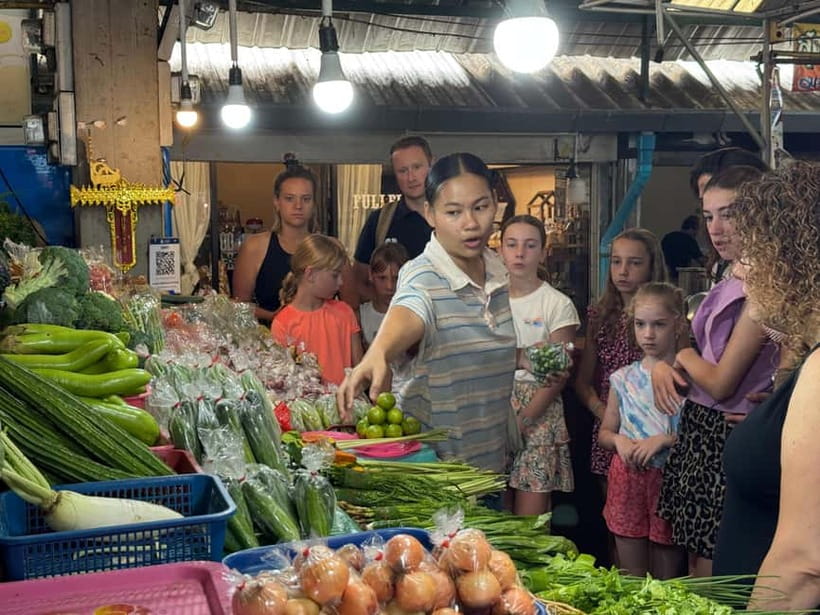
Your experience begins with transport from your hotel, with the operator asking you to wait in the lobby about 30 minutes before the start. You’ll also use Thapae Gate as the meeting point for the market phase. Either way, the goal is simple: get you into the right neighborhood fast, before the cooking part starts.
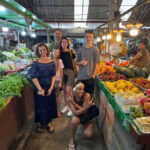
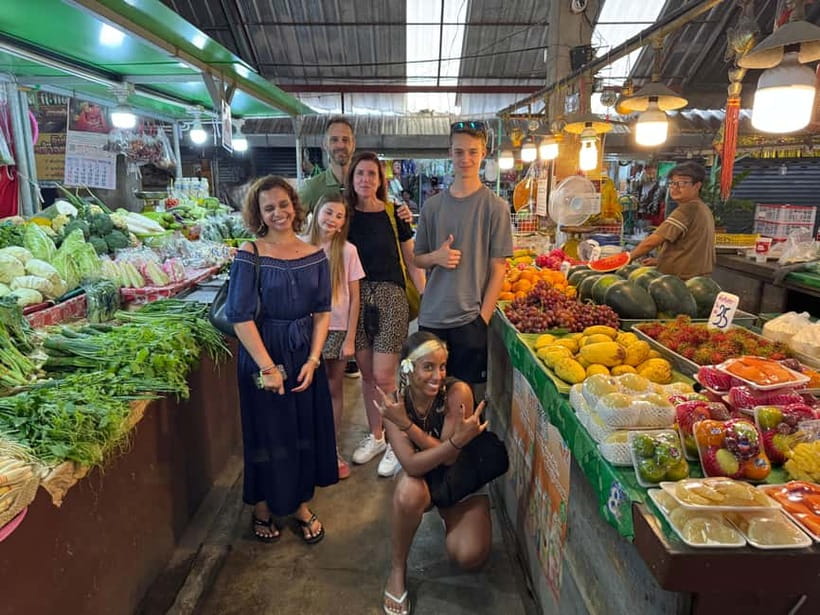
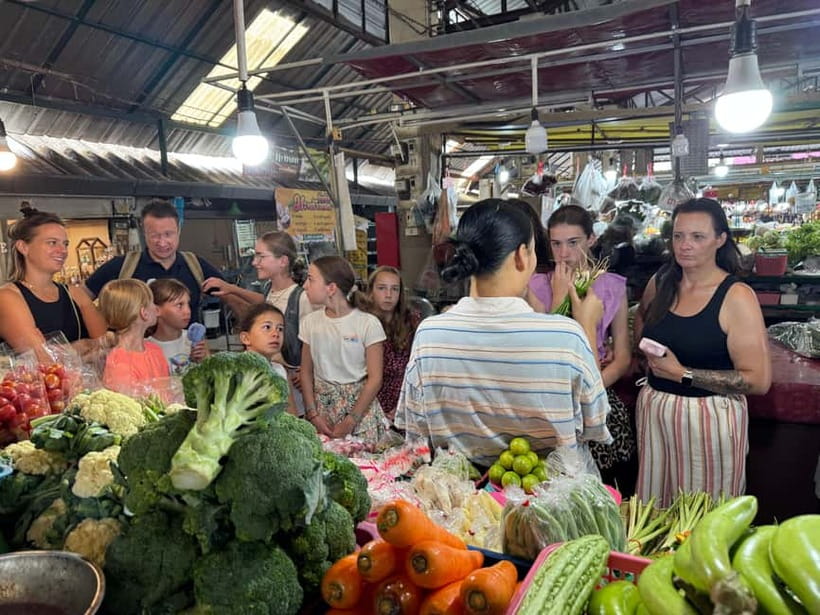
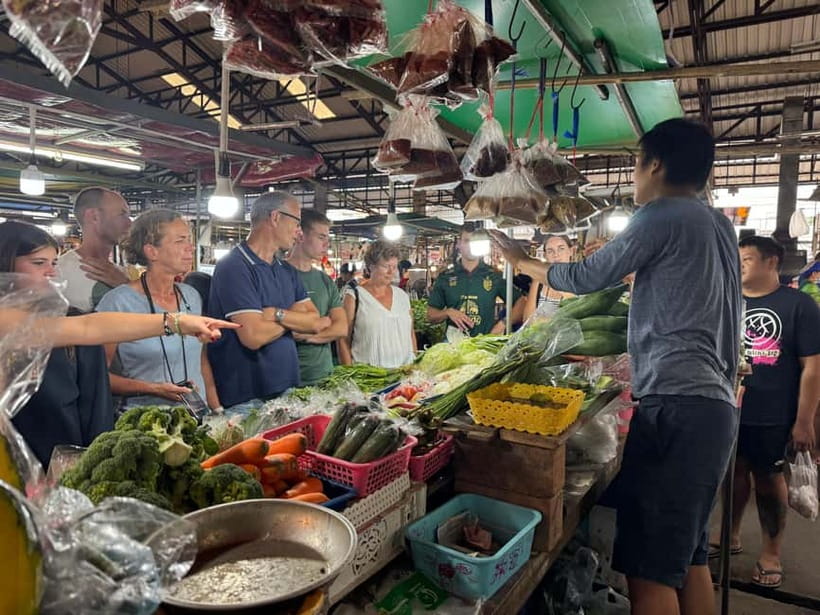
From there, you move into a local fresh market and do more than just browse. The chef or guide helps you spot common Thai aromatics and produce, and you learn what they’re used for. This matters because Thai cooking is ingredient-driven. If you taste cilantro, galangal, lemongrass, or fresh chilies without knowing what role they play, the dish can feel random. With the market context, the recipe starts to make sense.
A practical bonus: you also get to purchase fresh herbs, spices, and ingredients that you’ll use later. That means you’re not guessing what goes where. And if you’re hoping to replicate flavors at home, you’ll leave with a clearer mental map of what to look for.
Good to know: the market portion is part walking, part standing, and part ingredient spotting. Dress for comfort and keep water in mind. Chiang Mai humidity can be real, even when you’re having fun.
You can also read our reviews of more tours and experiences in Chiang Mai.


Daddy’s Kitchen in Chiang Mai old city: your Thai Lanna home base
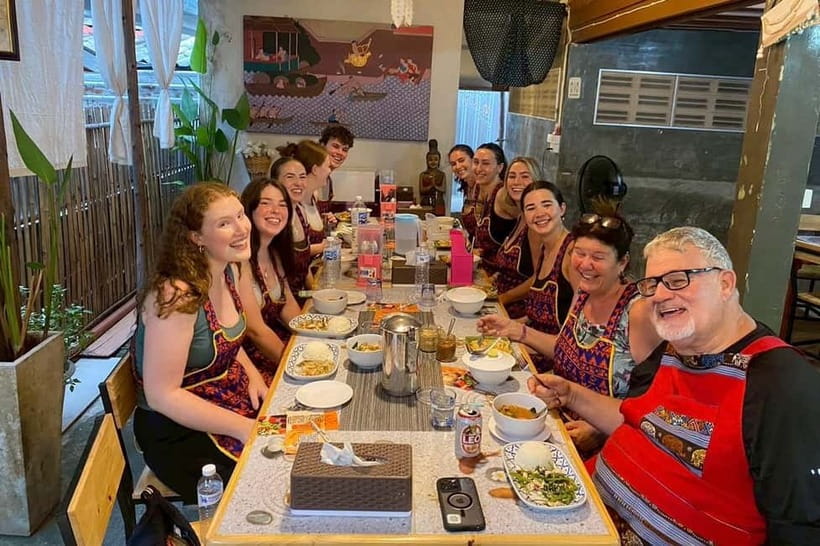
After the market tour, you head back to the cooking school at Daddy’s Kitchen, described as a Thai Lanna home-style setup. This is one of those details that changes the feel of the class. You’re not stuck in a big demo hall. You’re cooking in a lived-in, family-style environment where the focus is on sharing and practice.
Once you arrive, you get a welcome drink and snack, which is a nice reset after the market. Then the class shifts into a rhythm that works for both confident cooks and first-timers.
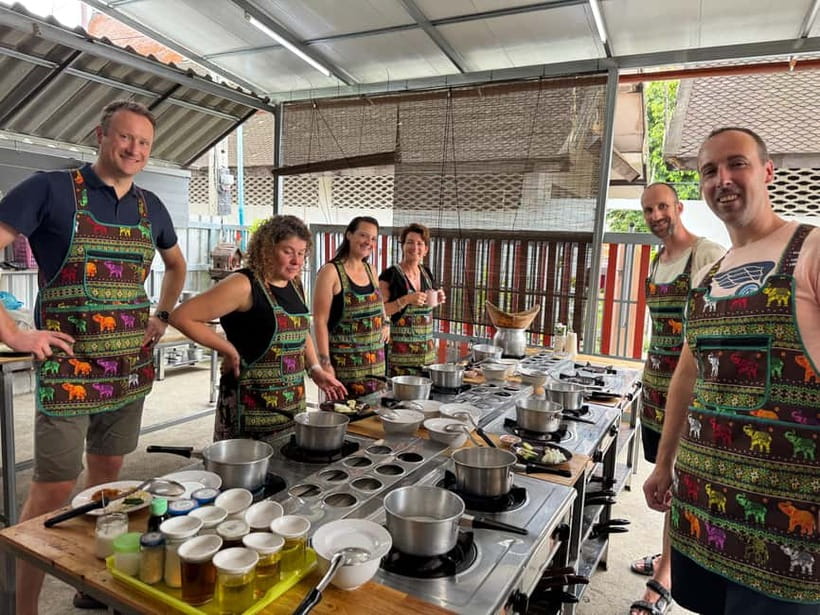
Everyone gets their own cooking station and wok. That means you’re actively doing the work: prepping, frying, mixing, rolling, and tasting as you go. You’re not just learning the theory. You’re building muscle memory for the techniques that make Thai food taste like Thai food.
English instruction is included, so you can ask questions about texture, seasoning, timing, or ingredient swaps. The experience is designed to be fine for non-skilled cooks too, because the method is hands-on and paced.
Your menu at a Thai family’s table: what you actually cook
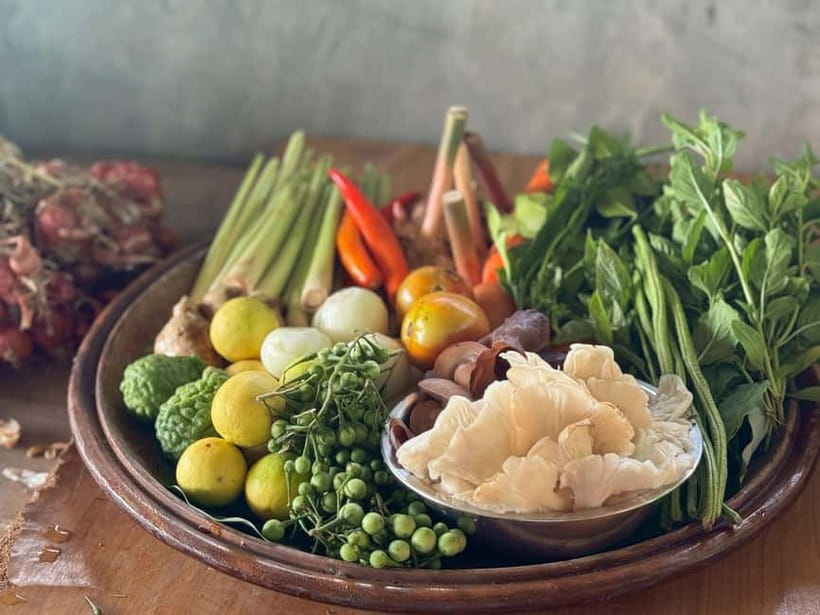
This class is built around a “pick what you want” structure, but within traditional Thai dish categories. The food is substantial, and you can count on making multiple items rather than one small plate.
Here are the core dishes you can expect to work on:
- Spring rolls
- Papaya salad
- Sticky rice
- Sweet sticky rice with mango
Then you choose additional dishes from selected options. Typical choices include Pad Thai, fried chicken with cashew nuts, fried chicken, or tofu with holy basil. For soup, you pick one from Tom-Yam-Koong, Tom Zaep, or chicken in coconut milk.
And yes, you’ll also work on curry paste from scratch (more on that next), using the paste type you choose.
Why the menu choices are a big deal
Most cooking classes give you one path. This one lets you tailor the learning to your tastes. Want something familiar like pad thai? Choose it. Prefer a lighter option? Go with papaya salad. Like bold sour-spicy flavor? Pick a soup such as Tom-Yam-Koong.
One guest even noted the class was accommodating for vegetarian preferences, with tofu showing up as an option like tofu with holy basil. So if you eat vegetarian, you’re not stuck with a bland backup plan.
Curry paste from scratch: the lesson that sticks
The standout skill here is making curry paste from scratch. You choose from several paste types: green, red, yellow, Masmun, or Khao soi curry paste. That paste then becomes the base for the curry you cook.
This is where Thai cooking stops feeling like a recipe book and starts feeling like a system. Curry paste is not just flavor. It’s the structure of the sauce: aroma, heat, body, and depth. When you grind and mix the ingredients yourself, you learn how the paste should look and smell, and you understand why different colors taste different.
It also explains why Thai curry can taste dramatically different from one restaurant to another. The core ingredients shift. The paste type matters. And now you know the difference, because you made it.






Learning by doing: the pace, the heat, and the friendly chaos
One of the most common notes in the experience is how well the class is organized and how supportive the instructor is during the cooking. Several instructors are mentioned by name in guest feedback, including Ally, Ellie, and Tu. In plain terms, you can expect an energetic guide who keeps an eye on your timing and makes sure you’re moving with the group.
The pace is important in a hands-on class. If everyone cooks at their own speed, the kitchen turns into a traffic jam. Here, the structure helps you finish what you start. Guests also mention the instructor kept things moving despite Chiang Mai’s heat and humidity, which tells me the team anticipates that you’ll need breaks and help when the weather hits.
Also, this class feeds you. Many people finish the session stuffed, sometimes with the advice to skip dinner after. So keep your evening open for digestion and a short walk, not a restaurant reservation.
The food you end up with (and why you shouldn’t plan dinner)
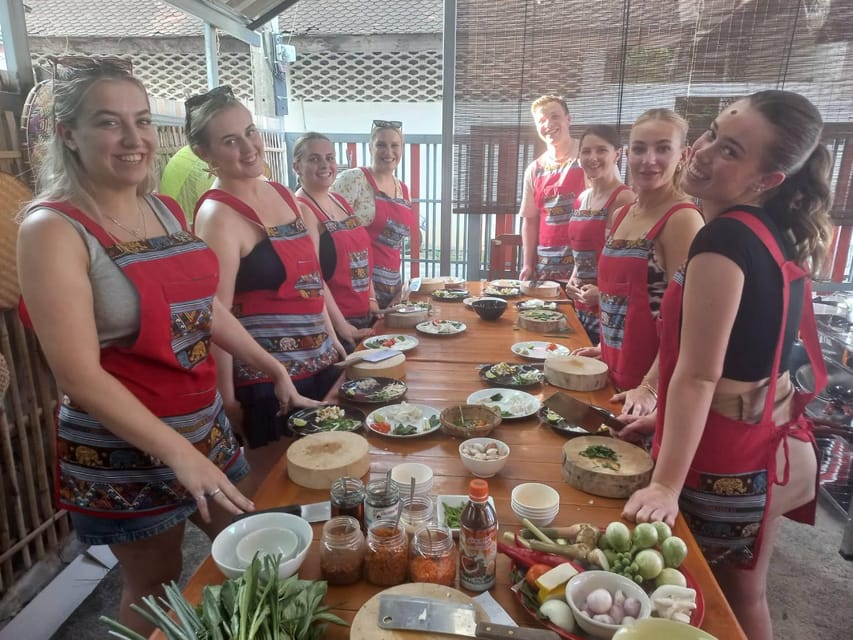
Let’s be honest: a cooking class is one thing, but a Thai cooking class is another because Thai portions are generous and you’re eating what you cooked. You’ll make spring rolls and papaya salad, learn sticky rice techniques, and then add a sweet finale with sticky sticky rice and mango.
Then your chosen mains and soup fill out the table: pad thai or fried chicken/cashew or tofu basil, plus soup like Tom-Yam-Koong or chicken in coconut milk. And because you’re cooking curry using the paste you made, you get the satisfying full-flavor payoff that most people remember weeks later.
If you’re the type who likes to eat slowly and order dessert, this class might ruin your dinner plans in a good way. The practical advice is simple: treat this as your meal, not a snack between sightseeing stops.
Recipes and photos you can use after you go home

Food memory fades, but recipes help. This class includes a free recipe book online plus photos of the activities. Guests also mention receiving PDF recipes for what they cooked, along with additional recipes.
That’s a real value add because it turns a fun afternoon into a repeatable skill. You can recreate the dishes later without trying to remember every exact step.
The recipe delivery matters even more if you’re traveling with limited cooking time in your own kitchen. You’ll already know the menu you made, so you can focus on buying the right ingredients and recreating the flavors you actually cooked.
Pickup, timing, and how this fits into your Chiang Mai day
The class runs about 3.5 hours, and start times vary based on availability. Plan to be flexible. Pickup is included, and you’ll be asked to wait at your hotel lobby about 30 minutes before the class start.
After the class, you’ll be back in Chiang Mai’s old city area and can sightsee around the old city. That’s a big convenience because you don’t need to crisscross the city after cooking. You can turn the rest of the afternoon into a low-effort walk: temples, markets, or just wandering streets while your new dishes settle in your stomach.
What can be tricky? Heat. The market walk is not an indoor experience. Wear comfortable clothes and plan for a sweaty-but-satisfying day.
Price and value: why $25 feels fair here
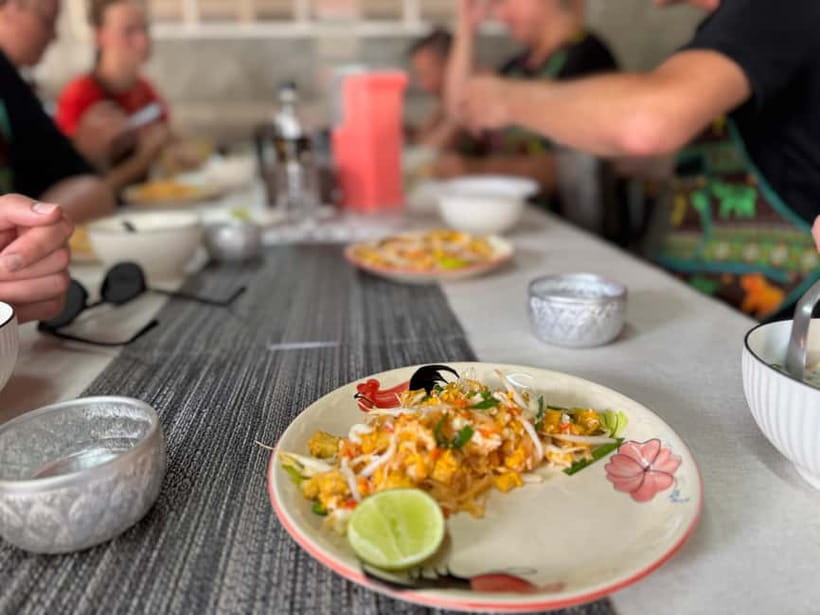
At $25 per person, this cooking class prices itself like a budget-friendly activity. The surprise is what’s included: hotel pickup, a local market tour, instruction in an English-speaking environment, ingredients you buy and cook with, multiple dishes, and recipe materials afterward.
Value isn’t just price. It’s what you get for that money:
- You’re cooking multiple Thai dishes, not just one item
- Everyone has a station and a wok, so participation isn’t passive
- The market tour gives you ingredient knowledge, not just a photo stop
- You leave with recipe PDFs and photos you can use later
The class also does not include beer or other alcohol, and alcohol is not allowed in the activity. That keeps things straightforward and family-friendly, but it also means you shouldn’t expect it to double as a drinks-and-dinner event.
So if you want a hands-on Thai cooking lesson that fills your belly and gives you take-home learning, this price feels well matched.
Who should book this class, and who should skip it
This experience is a great match if you:
- Want a true hands-on Chiang Mai cooking class, not a seated demo
- Like learning by cooking step by step, even if your cooking skills are rusty
- Want ingredient context from a local fresh market
- Care about taking recipes home in a usable format
It’s also a strong option for food-focused travelers who want one afternoon that covers both culture and technique. And because there are choices for mains, soup, and curry paste, you can steer your menu toward what you already like.
You might skip it if:
- You’re very short on time and can’t spare a 3.5-hour block
- You dislike eating a lot. This class is designed to feed you what you make
- You’re traveling with children under 5, since the experience isn’t suitable for that age group
Should you book Daddy’s Kitchen for a market-to-curry afternoon?
Yes, book it if your goal is practical Thai cooking you can actually repeat. The combination of a market tour, cooking in a Thai Lanna home-style setting, and curry paste work from scratch is a strong learning mix for the money.
If you’re choosing between this and a more basic cooking demo, go with this one. The key isn’t just the dishes. It’s the process: you handle ingredients, you cook with guidance, and you take home recipes and photos that help you remember what you did.
Just go in with the right expectations: comfortable clothes, an appetite, and a plan to enjoy the old city afterward with a full stomach.
FAQ
How long is the cooking class?
The class lasts about 3.5 hours.
Is pickup included, and where do I meet?
Pickup is included. You’ll be asked to wait at your hotel lobby about 30 minutes before the class start. The group also meets at Thapae Gate for the market portion.
What language is the instruction in?
The instructor teaches in English.
What dishes will I cook?
You can expect spring rolls and papaya salad, learn sticky rice, and make sweet sticky rice with mango. You’ll also choose additional dishes such as Pad Thai or fried chicken-cashew nuts or fried chicken or tofu with holy basil, plus a soup such as Tom-Yam-Koong, Tom Zaep, or chicken in coconut milk.
Can I choose the curry paste?
Yes. You choose to make curry paste from scratch, with options including green, red, yellow, Masmun, or Khao soi curry paste.
Is beer or alcohol included?
No. Beer or alcohol is not included, and alcohol is not allowed during the activity.
Are there recipe materials provided?
Yes. You receive a free recipe book online, plus photos of the activities. Guests also describe receiving PDF recipes for what they cooked.
What should I wear or bring?
Wear comfortable clothes.
Is the class suitable for beginners?
Yes. It’s suitable for skilled cooks and non-skilled cooks because the class is hands-on and teaches step by step. Children under 5 are not suitable.