REVIEW · CHIANG MAI
Chiang Mai: Authentic Thai Cooking Class and Farm Visit
Book on GetYourGuide →Operated by Grandma's Home Cooking School · Bookable on GetYourGuide
Farm-to-kitchen days are my favorite in Chiang Mai. I love the small group cooking stations and that you begin with real ingredients from a local organic farm. The only watch-out is you will leave properly full, so plan lighter meals the rest of the day.
This is a hands-on Thai cooking class in Chiang Mai Province that mixes a market run, a farm visit, and time in the kitchen under English guidance. You’ll make curry paste from scratch, plus popular dishes like tom yum, pad Thai, and curry, with mango sticky rice as a sweet closer.
If you hate busy schedules, you’ll want to pick the timing that matches your energy. The program runs about 4 to 6 hours (or longer for the full-day version), and it moves from stop to stop with hotel pickup.
In This Review
- Key highlights you’ll actually feel
- How a Chiang Mai cooking class stays authentic (and not touristy)
- Pickup, schedule, and choosing between half-day and full-day
- Market visit: learn the ingredients behind tom yum, pad Thai, and curry
- The organic farm tour: eggs, herbs, and a real farm rhythm
- Cooking in the Lanna pavilions: small group, real technique, and curry paste by hand
- Half-day menu flow vs full-day coconut milk tradition
- Mango sticky rice and the shared meal: you’ll taste what you make
- Price and value: what $33 buys you in Chiang Mai
- Who should book this cooking-and-farm experience
- Notable instructors and the vibe you can expect
- Should you book Grandma’s Home Cooking School in Chiang Mai?
- FAQ
- How long is the Chiang Mai cooking class and farm visit?
- What dishes will I cook?
- Is there a full-day option?
- Do they provide pickup from my hotel?
- Is the class small?
- Is the instructor English-speaking?
- Are vegetarian or halal options available?
- What should I bring?
- Are pets allowed?
- What should I do with meal size expectations?
Key highlights you’ll actually feel
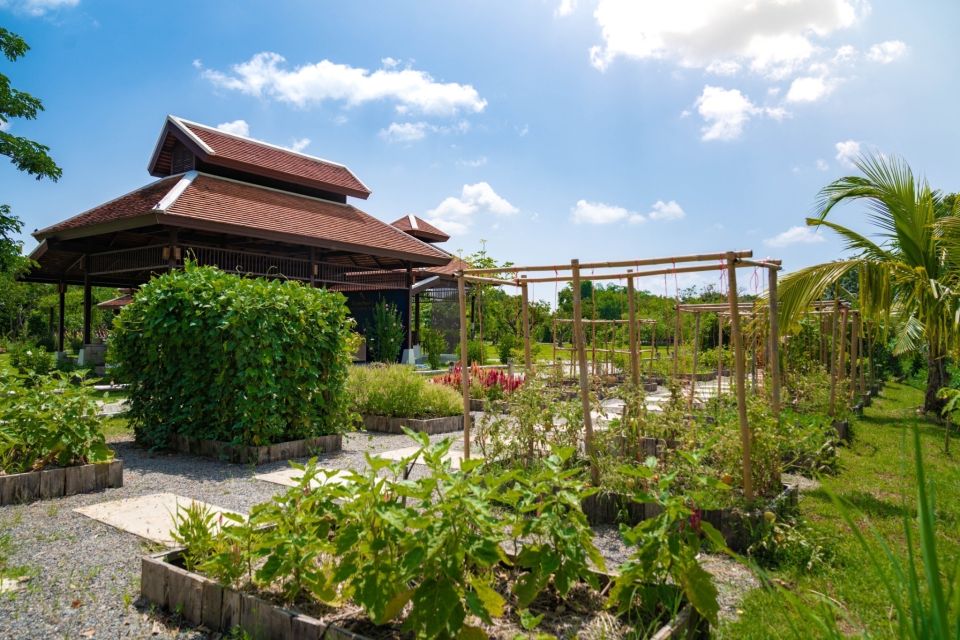
- Organic farm time with herb-watching, veggie picking, and egg collecting
- Your own cooking station in a small group capped at 10
- Curry paste made by hand, with help as you go
- Market visit so you understand what drives Thai flavor
- Full-day coconut milk moment using a coconut grater
- English-speaking instruction plus an e-recipe book for later cooking at home
How a Chiang Mai cooking class stays authentic (and not touristy)
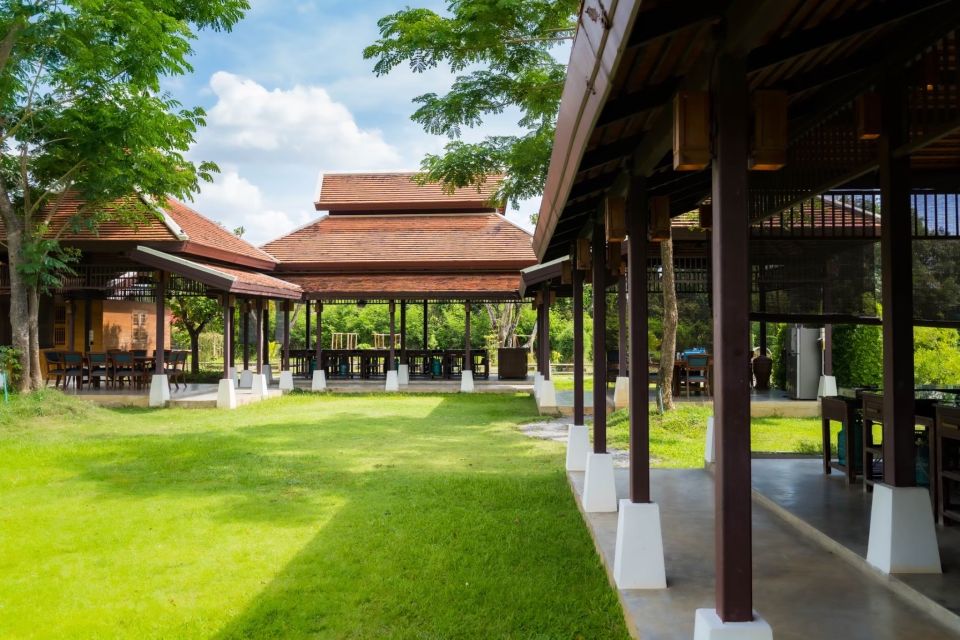
This kind of class works because it starts before the stove. You’re not just following steps; you’re learning why Thai dishes taste the way they do. The market stop helps you connect ingredients to flavor, and the farm visit gives you a real sense of where herbs and vegetables come from.
I also like the pacing: you get a short tour, then you cook. That keeps the experience from turning into a slow sightseeing day where you barely touch anything. Even better, the format includes individual cooking stations, so you’re actively cooking (not waiting for a single shared pot).
One small practical note: you’ll do plenty of tasting and shared meals at the end. This is not a light snack experience, so bring your appetite.
You can also read our reviews of more tours and experiences in Chiang Mai.


Pickup, schedule, and choosing between half-day and full-day
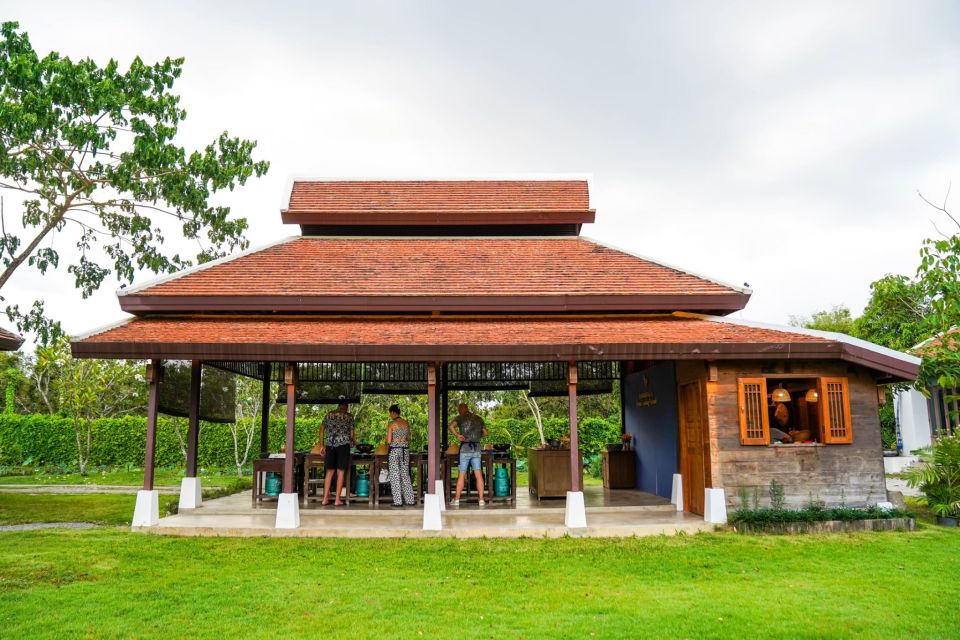
You’ll get hotel pickup in Chiang Mai if your hotel is within 10 kilometers of the city center. Morning pickup is around 8:30–9:00 AM for the morning session, and afternoon pickup is around 11:30 AM–12:00 PM for the later session. From there, you’ll head to the market, then the organic farm, then the cooking area.
The class options matter because they change how many dishes you cook:
- Half-day (morning or evening): typically 3–4 dishes
- Full-day: you cook an extra two courses beyond the half-day menu
In the full-day version, there’s a standout tradition you can experience: making coconut milk using a coconut grater. If you want the closest thing to a Thai kitchen “craft moment,” this is the choice.
Most people should pick based on their travel rhythm. If Chiang Mai already has temples and night markets on your plate, the half-day fits. If you want one memorable day focused on learning and eating, the full-day feels worth it.
Market visit: learn the ingredients behind tom yum, pad Thai, and curry
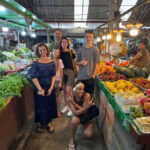
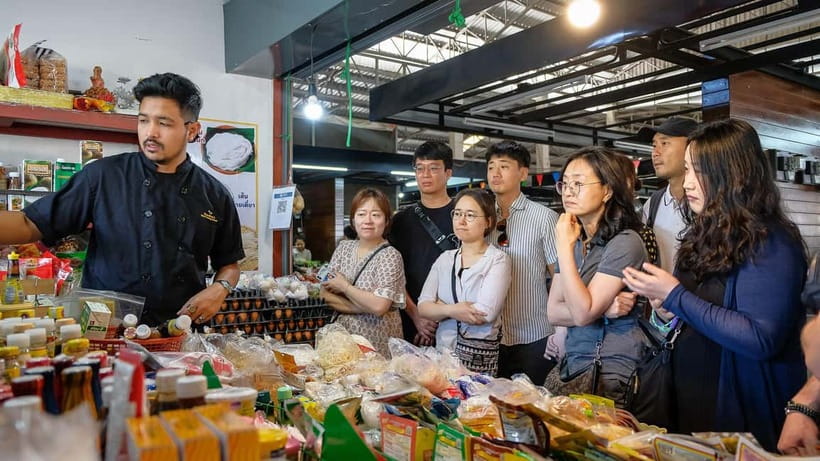
The market stop is where the day becomes more than cooking. You visit to buy the ingredients you’ll actually use, and you get explanations along the way. This is especially helpful if you usually eat Thai food but don’t know what’s essential versus optional.
What you learn here tends to connect directly to what you’ll cook later, like:
- aromatics used for curries
- the herbs and aromatics that show up in dishes like tom yum
- ingredients that balance sweet, sour, salty, and spicy in pad Thai-style flavor profiles
In practice, this market time helps you avoid a common home-cooking problem: using the wrong substitute. Even if you can’t find the exact Thai ingredient later, you’ll have a better sense of what role it plays.
Also, the market portion usually gives you a bit of time to walk around with the group, so you’re not stuck in a classroom mode all morning.
The organic farm tour: eggs, herbs, and a real farm rhythm
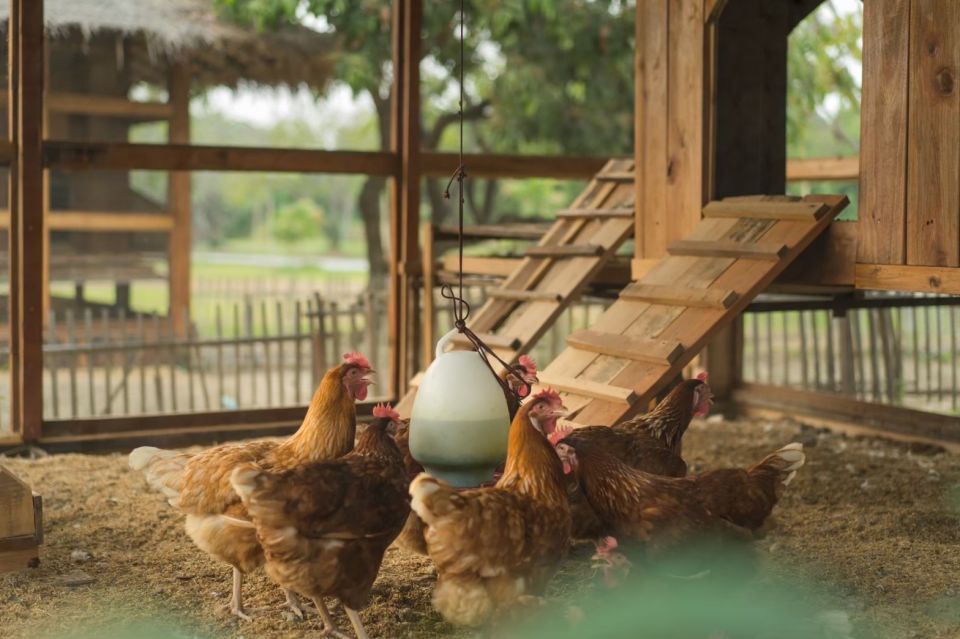
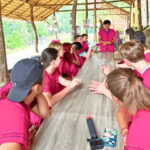
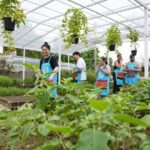
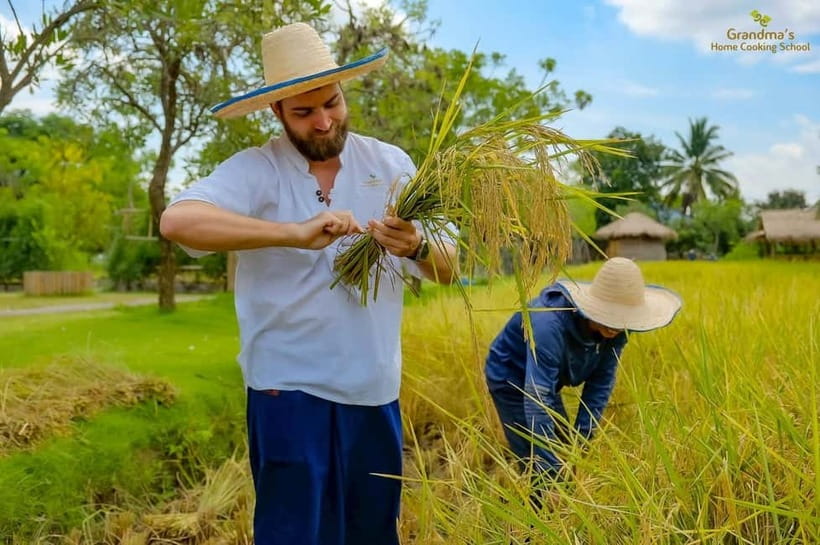
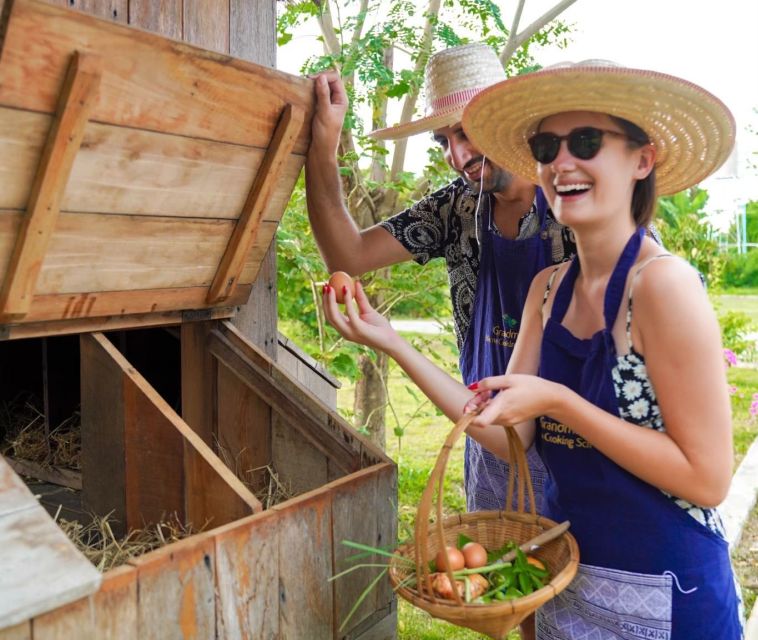
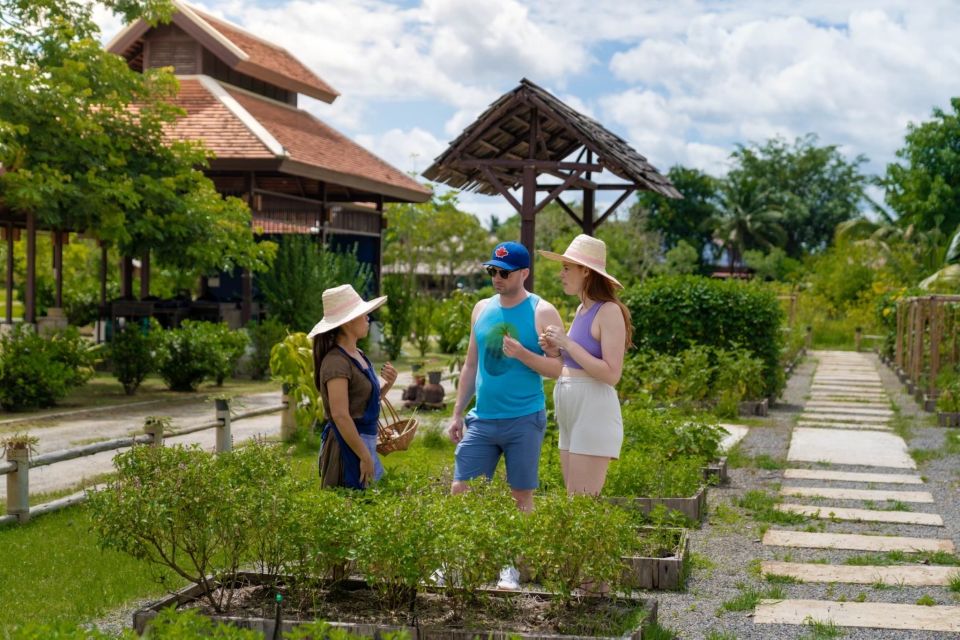
The farm visit is a huge part of the value. You walk through the farm to learn about Thai herbs and vegetables, then you help gather what you’ll use in your dishes. Fresh is the point, but learning is the real payoff.
You’ll likely do a few hands-on things:
- pick fresh vegetables from the organic plots
- collect eggs for your cooking
- feed the chickens as part of the farm routine
The farm visit also makes the cooking feel grounded. When you see herbs growing and then smell them in the kitchen a little later, it clicks. You stop thinking of Thai cooking as just recipes and start thinking about ingredients as living things.
If you’re the type who loves seeing how food is produced, this part is why you should consider paying for a class like this instead of just booking a restaurant meal.
Cooking in the Lanna pavilions: small group, real technique, and curry paste by hand
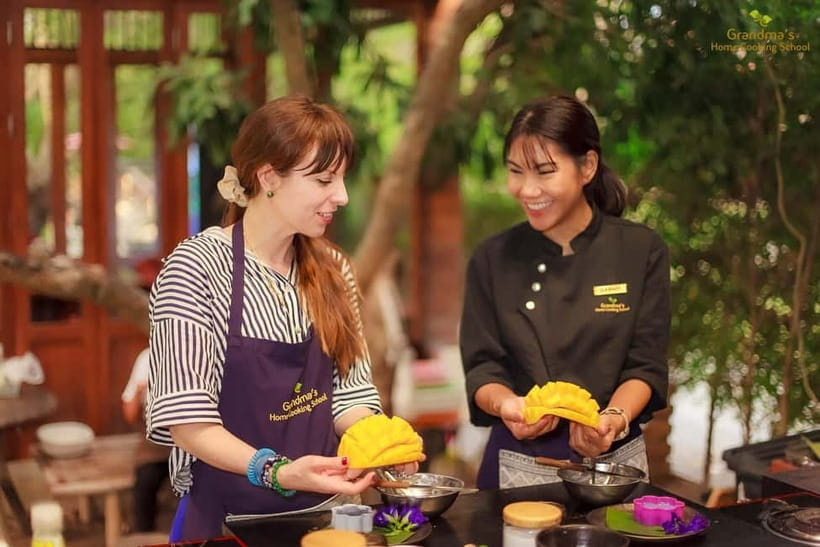
The cooking portion happens in Lanna pavilions, and the setup is built for participation. A small group (limited to 10) means the instructor can keep an eye on what you’re doing at your station.
Your big creative project is making curry paste by hand. This is the kind of step that separates a “good meal” from a genuinely Thai-tasting one. You’re not relying on a jar. You’re learning the process and the texture you’re aiming for, guided by your English-speaking instructor.
From the dishes you can expect, the menu typically includes classics such as:
- Tom Yum Koong
- Pad Thai
- Pad Kra Prao
- a curry option (with multiple curry choices available)
You’ll also learn basic cooking methods that matter for Thai flavor. The instructor’s role isn’t just telling you what to do, but timing and guiding you so the dish stays balanced. In the kitchen, you’ll often find that the smallest adjustment makes a difference: how long you stir, how you handle aromatics, and how you build flavor layers.
Some sessions also work with a straightforward choice structure. For example, you might select from options like a soup choice, pad Thai, and a curry you choose from multiple types, then round it out with a shared sweet finish.




Half-day menu flow vs full-day coconut milk tradition
Half-day cooking usually covers three or four dishes, which is a great mix of variety and depth. You’ll go from market ingredients to farm-picked herbs to a cooking routine that ends with a shared meal. It’s a tight schedule, but the workload feels manageable because your station is set up for you.
Full-day adds more teaching time and more food. The extra courses mean you cook additional dishes beyond the half-day list, so you get more repetition and more chances to learn the “why.”
The full-day highlight is the coconut milk step. You use a coconut grater to make coconut milk for your curry or mango sticky rice. That’s not just a fun activity; it helps you understand coconut milk texture and flavor. When you’ve made it yourself, it becomes much easier to recognize coconut milk quality in restaurants and in your own kitchen later.
If you love food craftsmanship, go full-day. If your goal is maximum impact without a full day commitment, half-day is the smarter pick.
Mango sticky rice and the shared meal: you’ll taste what you make
At the end, you enjoy the meal together. You’ll share what you cooked and sample others’ dishes too, which is a smart way to learn. Thai menus are all about balance, and tasting a partner’s curry or a different soup variation helps you see how tiny recipe choices change the final taste.
There’s also mango sticky rice at the end. It’s the classic sweet closer, and it pairs well with what you learned during the cooking portion.
One practical tip: if your stomach starts sending warning signals, don’t feel like you have to finish everything on the spot. Many people appreciate that there’s enough food that you can take some with you if you’re offered containers.
Also, plan your next meal later. This class is filling, and the schedule is built so you stop eating adventuring-style for the day and settle into cooking-and-tasting mode.
Price and value: what $33 buys you in Chiang Mai
At around $33 per person, this feels like strong value for what you get. You’re paying for several things at once:
- pickup and drop-off service
- a market visit plus ingredient purchasing time
- an organic farm tour with active participation (veg and egg gathering)
- English-speaking instruction
- individual stations and hands-on cooking
- an e-recipe book
A restaurant meal can be cheaper, but it won’t teach you the curry paste process or give you the ingredient context that makes Thai food make sense. This experience is closer to buying a skill-building day that also happens to include a full meal.
One reason it feels fair: the group size. With small groups, you actually get attention at your station, and the day doesn’t drift into “watch the instructor” territory.
Who should book this cooking-and-farm experience
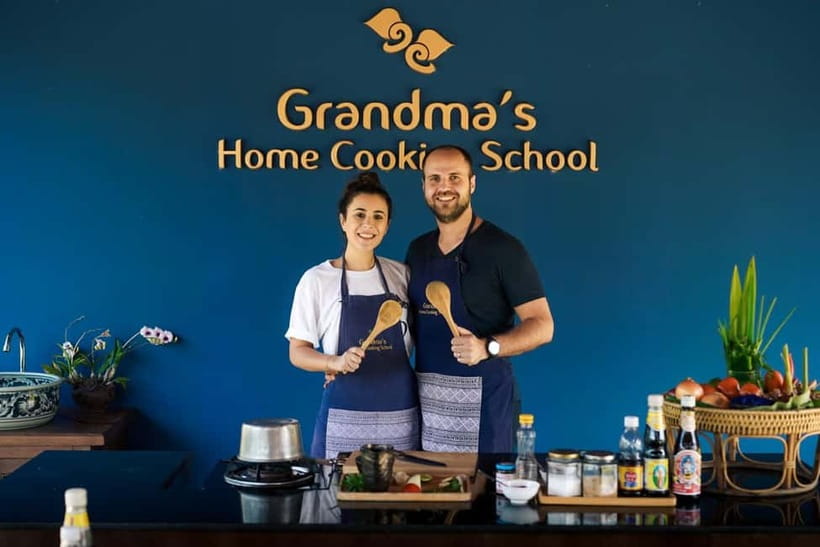
This suits you if:
- you want a hands-on Thai cooking class instead of a lecture
- you care about ingredients (not just the final plate)
- you want an authentic Chiang Mai food day with an organic farm component
- you like small-group interaction and clear instruction
You might skip it if:
- you’re short on time and want a quick, light activity
- you dislike eating lots of dishes in one sitting
- you prefer purely classroom-style cooking with no farm/market segments
It’s also nice that vegetarian and halal options are available, so you can still do the experience with dietary needs. In addition, instruction is in English, which helps you connect the dots while you cook.
Notable instructors and the vibe you can expect
What people often get excited about is the instructor energy. Names that have led classes include Garnet, Tay, Toon, Jimmie, Kiki, Le Vin, and Joy. Even when the instructor differs, the common thread is good English guidance and a friendly, hands-on teaching style.
A few practical things these instructors tend to support:
- clear step-by-step guidance at your station
- patience while you chop, mix, and cook
- humor or light conversation that keeps the day relaxed
If you’re worried about cooking anxiety, the small-group setup and the station-by-station approach helps a lot.
Should you book Grandma’s Home Cooking School in Chiang Mai?
If you want one day in Chiang Mai that combines market knowledge, farm-to-plate ingredients, and real cooking, this class is an easy yes. The standout reason to book is the full loop: market ingredients, organic farm harvesting, and curry paste made by hand—then you eat what you made.
Choose half-day if you want 3–4 dishes without tying up a full day. Choose full-day if coconut milk making is on your list, or if you want more courses and more practice time.
Book it if you like authentic food experiences and you’re hungry enough to enjoy a proper meal afterward. If you’re the type who prefers light snacks and quick stops, pick a different day plan—this one is designed to feed you and teach you.
FAQ
How long is the Chiang Mai cooking class and farm visit?
The experience runs about 4 to 6 hours for the half-day option. A full-day option is also available and adds extra courses.
What dishes will I cook?
You can cook popular Thai dishes such as tom yum koong, pad Thai, pad kra prao, and curry. Depending on the session, you typically cook 3–4 dishes (half-day) or more courses (full-day).
Is there a full-day option?
Yes. The full-day class includes additional courses, plus the chance to make coconut milk using a coconut grater for your curry or mango sticky rice.
Do they provide pickup from my hotel?
Pickup is included if your hotel is within 10 kilometers of the city center of Chiang Mai. Morning pickup is around 8:30–9:00 AM and afternoon pickup is around 11:30 AM–12:00 PM.
Is the class small?
Yes. The group is limited to 10 participants, and you’ll have individual cooking stations.
Is the instructor English-speaking?
Yes. The instructor provides guidance in English.
Are vegetarian or halal options available?
Yes. Vegetarian and halal options are available.
What should I bring?
Wear comfortable shoes and bring a sun hat.
Are pets allowed?
No, pets are not allowed on this tour.
What should I do with meal size expectations?
The class includes a market stop, cooking, and eating the meal you make with your group. It’s more filling than a typical half-day activity, so plan lighter food afterward and consider bringing a plan for leftovers if needed.