REVIEW · CHIANG MAI
Chiang Rai Day Trip from Chiang Mai City with Golden Triangle
Book on Viator →Operated by Touring Center · Bookable on Viator
A White Temple day that really stretches time. This trip pairs Wat Rong Khun with the Golden Triangle and a long-tail boat ride, then adds the House of Opium for context. I like how it’s built for comfort with air-conditioned van transport and a max group size of 18, and I also like the included Thai set lunch that keeps the day from turning into a food scavenger hunt. The big drawback is simple: it’s a long day (often 13–14 hours), with a lot of sitting in the van.
If you’re using Chiang Mai as your base, this is one of the more efficient ways to see Chiang Rai Province without piecing together schedules. Just know the pacing is “full itinerary,” so you’ll want to be okay with tight timing at each stop, including a short hot spring stop and limited time at viewpoints.
In This Review
- Key highlights worth your attention
- From Chiang Mai to Chiang Rai: planning a 13–14 hour day
- Wat Rong Khun (White Temple): why the colors and details hit so hard
- Chiang Saen ruins area and Wat Phra That Chedi Luang: the quieter context stop
- Golden Triangle viewpoints and the Mekong long-tail boat: borders you can almost touch
- House of Opium: understanding the region behind the label
- Lunch, breaks, and the comfort factor in the minivan group
- Price and value at about $81.53: what you actually pay for
- Guides, pacing, and why small-group management matters
- Who should book this Chiang Rai highlights day trip
- Should you book this tour? My practical take
- FAQ
- How long is the Chiang Rai day trip from Chiang Mai?
- What time does the tour start?
- Is hotel pickup included?
- What’s included in the price?
- Is there a vegetarian lunch option?
- How big is the group?
- Is this tour suitable for kids?
Key highlights worth your attention
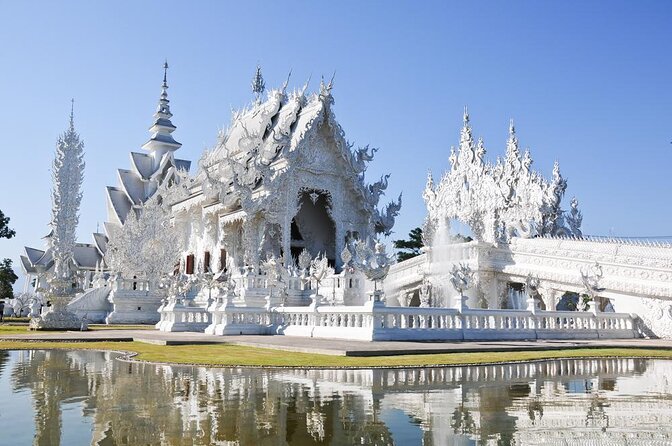
- Wat Rong Khun (White Temple): private-artist style, glassy details, and eye-catching murals
- Golden Triangle + boat ride: you’ll view Thailand, Laos, and Myanmar from the river area and ride the Mekong
- House of Opium: a focused look at the opium trade behind the region’s reputation
- Small-group feel: maximum 18 people, plus an English-speaking guide and bottled water
- Comfort planning: hotel pickup where available, minivan transport, and a lunch stop that’s already handled
From Chiang Mai to Chiang Rai: planning a 13–14 hour day
This is a true day trip, not a quick taste. The start time is 7:00am, and you’ll be traveling from Chiang Mai up into Chiang Rai Province and back the same day. The tour notes a maximum of about 14 hours, and in practice many people experience closer to the low teens. That means an early start, a late return, and a whole lot of “heads up, we’re moving.”
The tradeoff is you cover several major stops in one go: White Temple, Chiang Saen ruins area, Golden Triangle, and the House of Opium. If you only have a couple days in Chiang Mai, this kind of structure saves you time and stress.
Comfort-wise, you’re in an air-conditioned minivan, with bottled water included. Also, the schedule is set up with a few built-in pauses. There’s a short break at Mae Khachan Hot Spring, and the day includes meal time plus bathroom breaks along the route (often timed with roadside stops).
One more practical point: the tour says you should have moderate physical fitness. You won’t be climbing mountains, but there is walking at temples and on uneven surfaces around scenic points, plus the usual “long day legs.”
You can also read our reviews of more tours and experiences in Chiang Mai.


Wat Rong Khun (White Temple): why the colors and details hit so hard
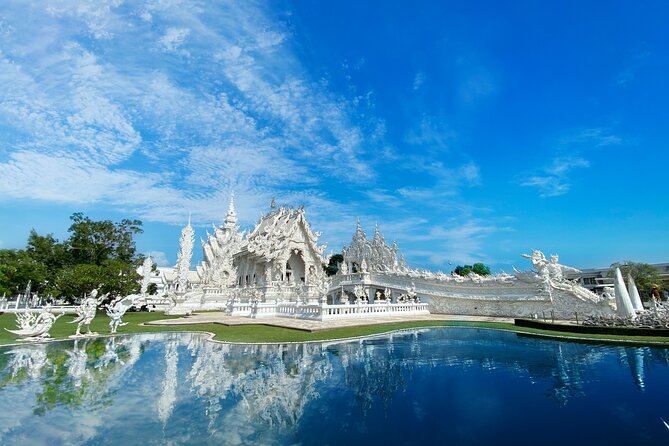
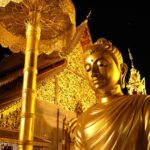
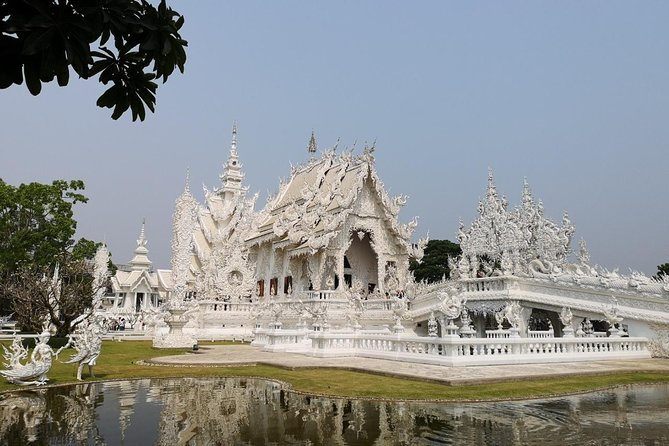
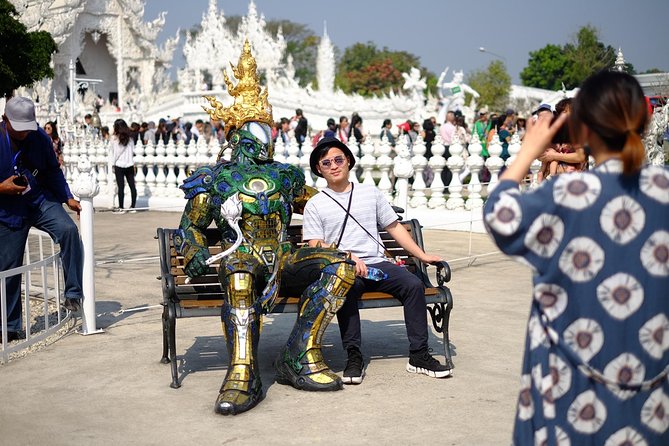
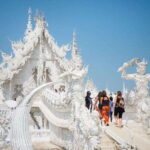
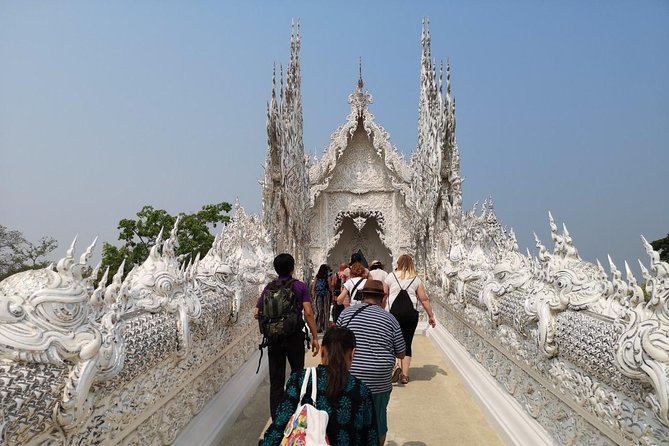
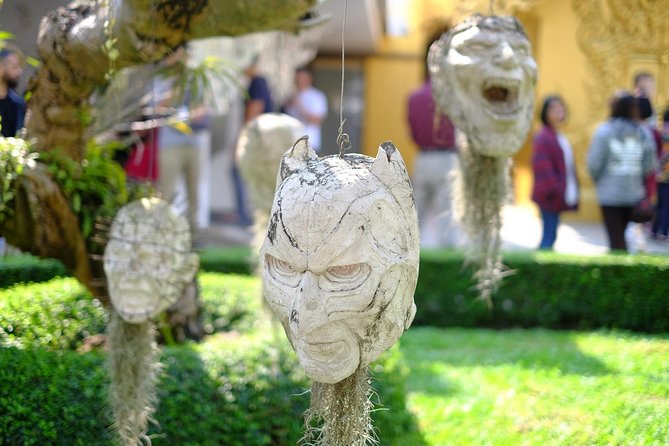
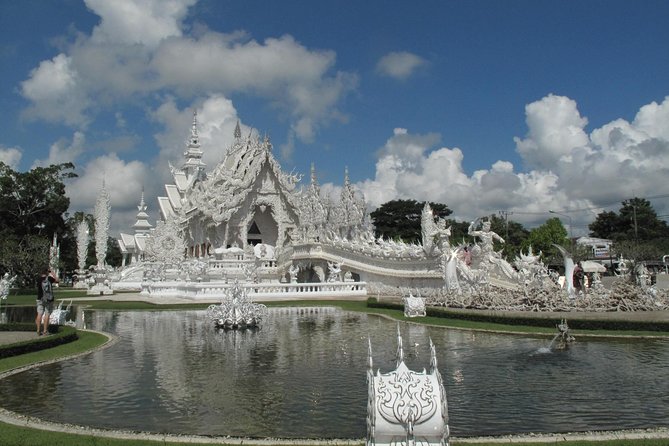
Wat Rong Khun is the headline stop, and it’s easy to see why. You’ll spend about an hour here, and that time is really about quality viewing. The temple is privately owned and known for its white exterior with glass-like decorative elements, sculptural details, and murals. Even if you’ve seen plenty of temple photos online, being there in real light changes the feel—the design reads differently when you can actually walk around it.
What I like about this stop is that it’s not just traditional temple architecture. It’s modern artistic expression built into a religious setting. That makes the visit feel a bit like stepping into a themed art museum, except it’s still very much a place of Buddhist devotion.
Timing tip: plan to spend a few extra minutes just looking at the edges and textures. The bright white surfaces can be visually intense, and the details are where the longer you look, the more you notice.
Time management reality: one hour can go fast if you want lots of photos. If you’re the type who stops at every single viewpoint, you’ll want to keep your pace steady so you don’t feel rushed before you even leave.
Chiang Saen ruins area and Wat Phra That Chedi Luang: the quieter context stop
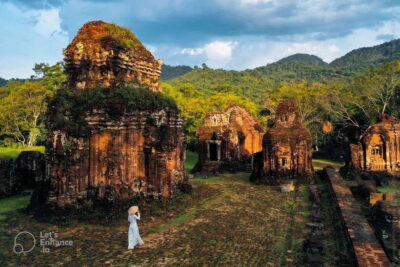
After Wat Rong Khun, the trip heads toward Chiang Saen, a river town with ruins from an older Thai kingdom era. This is where the day shifts gears: from a highly stylized modern temple to a place where history is felt through remnants.
You’ll have a shorter visit at Wat Phra That Chedi Luang, around 20 minutes, and the tour notes that admission for this stop may not be included (while other stops are). It’s still worth it because the stop gives you context, and it helps the rest of the day make more sense—especially when your guide ties the region’s past to what you’re seeing later at the Golden Triangle.
What you’ll get here: a quick cultural bridge. Even if you don’t consider yourself a temple person, this stop helps explain why the Golden Triangle story isn’t just geography—it’s a long-running crossroads.
Possible drawback: the time is tight. If you’re hoping for a deeper temple wander, this isn’t the stop where you’ll get it. Think of it as a “set the stage” moment.
Golden Triangle viewpoints and the Mekong long-tail boat: borders you can almost touch
Next comes the Golden Triangle, and you’ll see it in two ways: from a viewpoint near the river and then by boat. The schedule gives you about 1.5 hours total for this segment, including time at the viewpoint and the long-tail boat ride on the Mekong (the day also references the Khong River area). This is also where the tour’s geography becomes the point.
You’ll be able to look at the meeting zone of Myanmar, Laos, and Thailand. Then you’ll ride in a long-tail boat where the river acts like a moving boundary. The boat ride is often a favorite because it adds motion and perspective—you’re not just looking, you’re traveling along the water that connects these countries.
What makes this valuable: it turns a headline location into something physical. The Golden Triangle can sound like a cliché, but on the river it feels more real: you get the sense of how trade, travel, and conflict routes shaped the area.
A balanced warning: some people find the viewpoint and boat portion less exciting than the White Temple. That’s usually because expectations get high after the first stop. If you’re coming purely for dramatic scenery, you may feel the contrast. Still, the boat ride helps, and the stop works well as a bridge to the opium story that comes right after.
House of Opium: understanding the region behind the label
After the boat and viewpoint, you’ll visit the House of Opium, described as a private museum focused on the former opium trade in the Golden Triangle area. The visit lasts about an hour.
This is one of those stops that makes the day feel more grounded. The Golden Triangle is known worldwide for opium, but the museum helps you understand the human and economic side rather than treating it like a trivia fact. The tour frames it as part of the larger regional history, and your guide typically connects it back to the geography you just saw.
Why this matters for your day: it’s the first time the tour really slows down emotionally. Before this, you’ve been impressed by design (White Temple) and by scenery (river borders). Here, you get a clearer reason why this region has such a heavy reputation.
Photo note: museums usually have rules, and the time is set. Keep your focus on reading and listening rather than only taking pictures.


Lunch, breaks, and the comfort factor in the minivan group
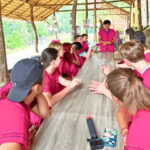
Lunch is included and comes as a Thai set lunch (with an option for vegetarian if you request it). You’ll also have bottled water included, which sounds small until you’re halfway through a long travel day.
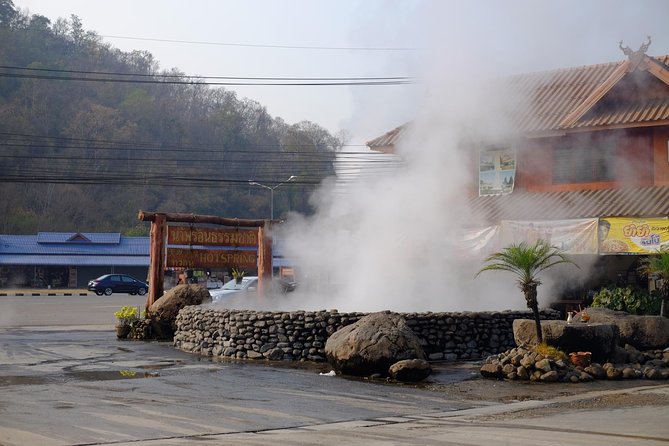
I also like the way the itinerary is structured around keeping you functional. There’s a short hot spring break at Mae Khachan Hot Spring (admission free; about 15 minutes). Even if you don’t plan to do much more than stretch and use the facilities, it helps break the drive into chunks.
Throughout the day, there are also bathroom and rest stops along the route. A few people specifically mention coffee and facilities stops around the midpoint, which is exactly what you want on a long return drive.
One more “small but important” detail: the tour is designed for groups up to 18 people, so you’re not packed like sardines. Several reviews highlight that the small group made the ride feel more spacious and helped the guide manage questions.
Price and value at about $81.53: what you actually pay for
At $81.53 per person, the value here is tied to what’s included.
You’re paying for:
- Hotel pickup and drop-off (selected hotels) and transport by air-conditioned minivan
- A professional English-speaking guide
- Lunch (Thai set lunch) plus bottled water
- A boat trip along the Mekong
- The House of Opium visit
- Admissions and activities listed as included (with one temple stop noting admission may not be included)
- Traveling accident insurance
So you’re not just buying transportation—you’re buying time saved and logistics handled. If you tried to DIY this route, you’d spend real time figuring out drivers, tickets, and timing across several far-apart stops. Here, the schedule does that work for you.
Where the value can wobble: the day is long and packed. If you personally need lots of free time, or you’re hoping for slower temple wandering, you might feel the “included” price buys you movement more than relaxation. Still, for a one-day highlights run, it’s a strong structure.
Guides, pacing, and why small-group management matters
This tour lives or dies on pacing and communication. The itinerary is tight enough that a guide who reads the group well can make the day feel smooth, while a mismatched pace can create confusion—especially for slower walkers.
In the feedback, specific guide names come up often, including Tui, Aom, Nong, Ekky, and Toi (plus others). The common thread is that the best days happen when the guide explains what you’re seeing and keeps everyone oriented.
Practical advice for you: when you’re at the main stops (White Temple and Golden Triangle areas), double-check meeting points and confirm timing before you split to shop or take photos. It only takes one lost moment to turn a fun day into stress.
Who should book this Chiang Rai highlights day trip
This is a great fit if you:
- Want a single full-day route from Chiang Mai that hits the top Chiang Rai sights
- Like both modern temple art and older historical context
- Want the Golden Triangle experience plus the opium trade explanation in one package
- Prefer guided convenience over juggling transport and tickets yourself
It may be less ideal if you:
- Hate long van rides and rigid timing
- Need lots of unstructured free time at each stop
- Expect the Golden Triangle boat portion to feel as mind-blowing as the White Temple (it’s different in style and energy)
Should you book this tour? My practical take
Book it if you’re looking for an efficient “best of Chiang Rai” day with solid logistics and clear order: White Temple → Chiang Saen area → Golden Triangle viewpoint + boat → House of Opium → back to Chiang Mai. The included lunch, water, and admissions reduce decision fatigue, and the small group size helps the day feel less chaotic.
Skip it (or consider a different format) if you know you’ll struggle with long driving and short time windows. In that case, you might be happier with a shorter Chiang Rai route that spends more time at fewer places.
If you do book, pack patience for the ride and bring comfy shoes for temple walking. Then lean into the contrast this tour offers: modern white temple art, ancient ruins context, border river views, and an honest museum stop that explains why the Golden Triangle is so well known.
FAQ
How long is the Chiang Rai day trip from Chiang Mai?
The trip runs about 13 to 14 hours, depending on traffic and road conditions.
What time does the tour start?
Pickup starts early, with a start time of 7:00am. Hotel pickup is described as about 30 minutes and can vary with traffic.
Is hotel pickup included?
Hotel pickup and drop-off are included for selected hotels. There’s also a meeting point at Touring Center 14, and the tour ends back at the meeting point.
What’s included in the price?
The tour includes a professional English-speaking guide, transport by air-conditioned minivan, bottled water, a Thai set lunch, boat trip on the Mekong, House of Opium entry, and admission fees and activities listed as included, plus traveling accident insurance.
Is there a vegetarian lunch option?
Yes. A vegetarian option is available if you request it at booking.
How big is the group?
Maximum group size is 18 travelers.
Is this tour suitable for kids?
A child rate applies only when sharing with 2 paying adults.