REVIEW · GOA
Fontainhas Heritage Walk At Latin Quarters of Goa
Book on Viator →Operated by Soul Travelling · Bookable on Viator
Portuguese Goa, on foot. This heritage walk in Panjim’s Fontainhas lets you follow how Nova Goa grew after Old Goa fell into decline, while you connect the dots between chapels, colonial buildings, and everyday local life in the Latin Quarters.
I love the way the route uses real architecture as the lesson, especially the Portuguese details you can actually see up close. I also love the food part: snacks from a long-running bakery (operational since the 1920s) turn the tour from sightseeing into something you can taste and remember.
One consideration: bottled water isn’t included, so plan ahead if you’re sensitive to heat or you tend to drink a lot while walking.
In This Review
- Key things that make this Fontainhas Heritage Walk worth it
- Why Fontainhas feels special in Goa
- Price and timing: what $11.15 really buys
- Where you start in Panjim (and how the walk stays simple)
- Stop 1: Fontainhas lanes and the Portuguese influence
- Stop 2: St Sebastian Chapel (built in 1880)
- Stop 3: Sao Tome Old Quarter and the Baroque church overlooking Panjim
- Stop 4: Jardim Garcia de Orta and the doctor with hidden roots
- The local house visit: where history turns into everyday life
- The 1920s bakery stop and snack breaks that actually matter
- Guides make the difference (and the guides here get high praise)
- How to pace yourself on a 2.5-hour walking tour
- Who should book this walk (and who might not)
- Should you book this Fontainhas Heritage Walk at Latin Quarters of Goa?
- FAQ
- How long is the Fontainhas Heritage Walk?
- What does the $11.15 per person price include?
- Where does the tour start?
- How big is the group?
- Are there entry fees at the main stops?
- What stops are included on the walking route?
Key things that make this Fontainhas Heritage Walk worth it
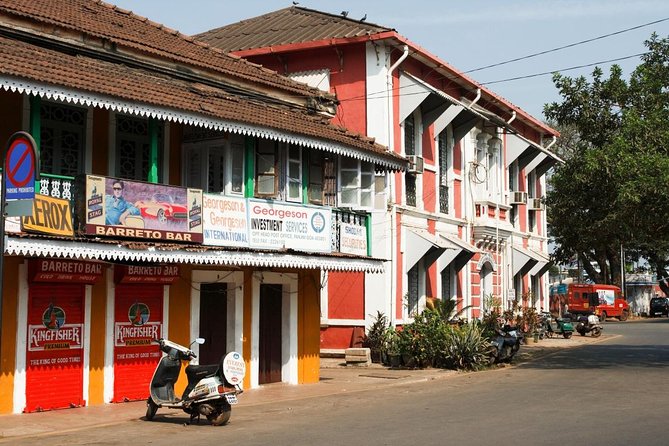
- Portuguese Panjim, explained street by street: You’re not just looking; you’re learning what changed and why.
- St Sebastian Chapel on the southern edge: A clear landmark (built in 1880) that frames the neighborhood’s story.
- Sao Tome Old Quarter views: A Portuguese Baroque-style church with a gaze back toward Panjim.
- A memorial with a hidden-life angle: Jardim Garcia de Orta connects local place to a doctor who kept Jewish roots secret.
- A local house and a 1920s bakery stop: Cultural context plus snacks, not just monuments.
Why Fontainhas feels special in Goa
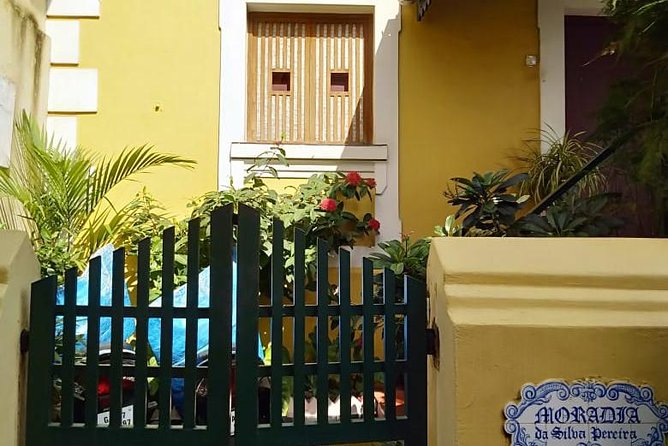
Fontainhas is the kind of place where architecture does half the storytelling. In this part of Panjim, you see the Portuguese influence not as a museum label, but as everyday street texture—colorful lanes, old building forms, and the feel of a neighborhood built over time.
The tour also links that look to a bigger shift: the idea of Nova Goa taking over as the capital after Old Goa suffered a breakdown tied to disease. That context matters because it helps you understand why the city developed the way it did, and why these religious and civic spots ended up where they are.
You’ll also get introduced to the “defining elements” of Fontainhas and the Sao Tome locality. That’s useful if you’ve ever felt like Goa’s history is all beaches and big monuments. Here, it’s smaller scale—street corners, chapels, homes—so it feels more personal.
You can also read our reviews of more tours and experiences in Goa.



Price and timing: what $11.15 really buys
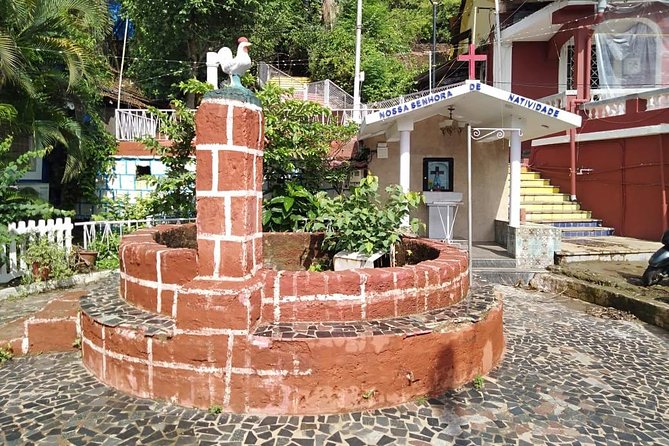
At $11.15 per person, this is one of those smart-value tours that doesn’t ask you to spend a fortune to get a real experience. The duration is about 2 hours 30 minutes, which is long enough to cover multiple stops but short enough that you’re not stuck for half a day.
It’s also small-group style: up to 15 people. That matters because heritage walks are where questions pop up—about building styles, family stories, and why certain features survived. Smaller groups usually mean you get more of that back-and-forth instead of listening from a distance.
You’ll get a guided tour, snacks, and the included Soul Travelling goodies, plus all fees and taxes. Admission is free at the listed stops, which keeps the “what else will I need to pay for?” stress low. The trade-off is that bottled water is not included, so bring a plan for hydration.
Where you start in Panjim (and how the walk stays simple)
You meet at MO’s Cafe & Bistro, H.No E-365, Rua Miguel Vicent, Abreu, Altinho, Panaji, Goa 403001. The tour ends back at the meeting point, so you’re not plotting a complicated transit shuffle afterward.
The route itself is straightforward: it’s a walking trail through Fontainhas and nearby points, with short stops to give you time to look and listen. Each of the heritage stops is time-boxed, so you’re not stuck staring at a building for 45 minutes hoping the story will get to the point.
If you like pacing, this is a good fit. You’ll move often enough to stay awake and engaged, but you still get enough pauses to take in architectural details and connect them to the guide’s explanations.
Stop 1: Fontainhas lanes and the Portuguese influence
The heart of the tour is Fontainhas itself, where Portuguese influence shows up most clearly in architecture. The listed time here is about 30 minutes, and that’s enough time to notice things beyond color—like house shapes, street rhythm, and the way the neighborhood feels designed rather than random.
This is also where the tour’s “why this place looks like this” theme gets established. The idea of Nova Goa taking over after Old Goa’s decline isn’t abstract here. You’re standing in a part of Panjim that reflects that transition through its built environment.
Practical tip: arrive ready to look slowly. In a neighborhood like this, the details are the story. If you rush, you miss the moments where lanes and façades start to make sense.
Stop 2: St Sebastian Chapel (built in 1880)
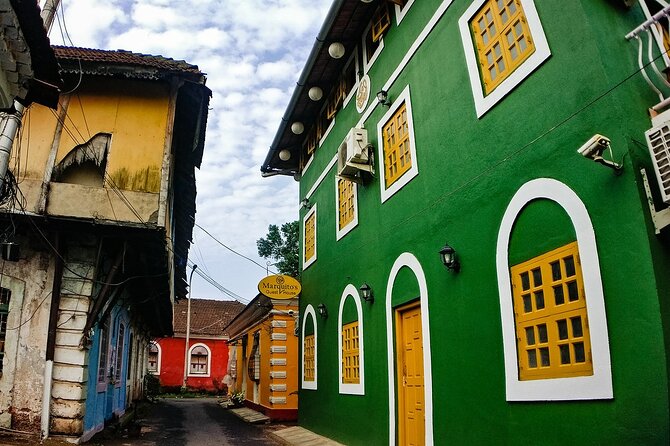
Next up is the St Sebastian Chapel at the southern end of Fontainhas. It’s a shorter stop—around 15 minutes—but it’s focused on a clear landmark that helps you orient the neighborhood.
The chapel was erected in 1880, which gives you a fixed date to anchor the discussion. When the guide talks about architecture and Portuguese influence, having a specific structure and build period makes the explanation easier to remember.
Why this stop works: it’s not just a photo op. A chapel can feel like one more religious building—until someone connects it to the neighborhood layout and the timeline. Here, the story is meant to help you see the chapel as a point in the city’s development, not a standalone artifact.
Stop 3: Sao Tome Old Quarter and the Baroque church overlooking Panjim
You then step into the Sao Tome Old Quarter. The stop is only about 5 minutes, and that short timing can be great or frustrating depending on your style. If you love quick orientation stops, you’ll appreciate it. If you prefer long lingering, you might wish this part lasted longer.
The focal point is a church described as colonial Portuguese Baroque style, with views over the city of Panjim. That “overlooking” angle is the point: it helps you understand how neighborhoods relate to the larger city, and how religious architecture often becomes a visual anchor.
Quick advice: use this stop to get your bearings. Look outward to Panjim, then look back to the façade details. That back-and-forth is where the lesson usually lands.
Stop 4: Jardim Garcia de Orta and the doctor with hidden roots
Jardim Garcia de Orta is about 15 minutes, and it adds a different layer to the tour: not just buildings, but a person-shaped story.
This spot is a memorial to a popular medical doctor who kept his Jewish roots secret in order to save his skin. It’s a grim note, but an important one, because it reminds you that history isn’t only monuments—it’s also identity, risk, and choices made under pressure.
Why I think this stop lands for many people: it breaks the tour’s rhythm of architecture talk. You’ll still see local place and style, but you’ll also hear how cultural identity and survival played out in the region. That makes the neighborhood feel more human.
The local house visit: where history turns into everyday life
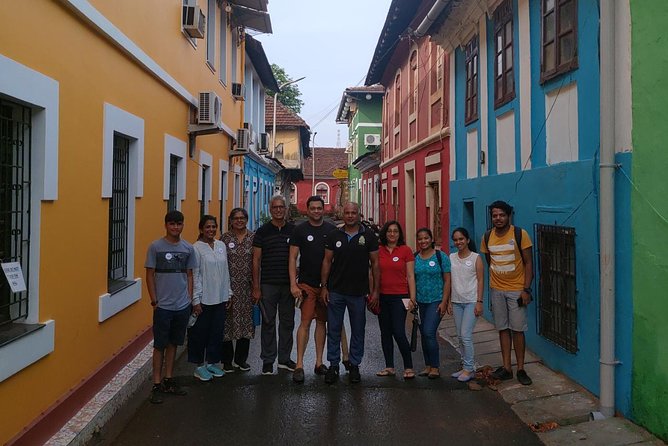
Beyond the listed checkpoints, the tour also includes an Indo-Portuguese house visit. This part is often what separates a heritage walk from a checklist.
The experience includes stories and legends tied to the home, and the format is meant to make the architecture feel lived-in rather than decorative. In a Portuguese-influenced area, house design tells you a lot about climate, social life, and what families valued.
One of the best signals that this stop is worth your time: it’s specifically included as a “local house” visit, not just a street view from outside. That means you get a different kind of access—an understanding of how people relate to the space.
If you enjoy homes and domestic history, this is the part you’ll probably remember most after the photos fade.
The 1920s bakery stop and snack breaks that actually matter
The tour also stops at one of the oldest bakeries in the city, described as operational since the 1920s. This is where snacks aren’t just a token add-on—they’re part of how the tour connects you to daily Goan flavors.
You’ll get to try local delicacies, and the vibe here is casual. It’s a built-in pause in the walk that lets you reset your senses before continuing to the next story point.
I also like that the tour calls out the bakery’s age. When you know a place has been running since the 1920s, you start hearing the food stop differently. It becomes a living thread through generations, not a one-time “treat.”
One practical note: since bottled water isn’t included, you may want to grab water before or early in the tour so snack time doesn’t become your only drinking window.
Guides make the difference (and the guides here get high praise)
A guided walk rises or falls on the person leading it. This one clearly wins on that front.
I saw strong praise for guides including Bob, Priyanka, Royston, Adolfina, and Leroy Fernandez. The common thread in the feedback is energy plus structure: guides are described as attentive to comfort, and their explanations are tied to architecture styles and the history of the area.
If your ideal tour guide is the kind who can connect a chapel date to neighborhood layout, and then pivot smoothly to an old house and a bakery, you’re in the right place. The best part is that the storytelling seems to stay practical—focused on what you can see and what it means.
How to pace yourself on a 2.5-hour walking tour
This is a 2 hour 30 minute experience, and it’s designed around short stops rather than long stand-and-wait segments. Still, you’ll be walking through lanes, looking closely, then moving on.
To make it comfortable, plan around basics: wear supportive shoes and bring something light for sun or sudden shade. Since you’re snacking, you might not need a meal right after, but you’ll likely want an easy dinner plan later.
If you’re the type who likes to linger for photos, remember there are multiple stops, so you’ll get better results if you save your longer photo sessions for the biggest visual moments—Fontainhas lanes, the chapel, and the church stop where you can look across Panjim.
Who should book this walk (and who might not)
You’ll like this tour if you want Portuguese-era context without spending the day in crowded, big-ticket attractions. It’s also a good fit if you enjoy architecture, neighborhood history, and getting taste-based stops that don’t feel random.
It’s especially smart for first-time visitors to Panjim who want to understand what Fontainhas is before they start wandering on their own. Once you know the themes—Nova Goa, Portuguese influence, and how different places connect—you can explore farther with better instincts.
You might reconsider if you hate walking or you prefer attractions where you can stay still for a long time. This experience is made of movement and stories that keep changing every stop, so it’s less about slow sitting and more about steady flow.
Should you book this Fontainhas Heritage Walk at Latin Quarters of Goa?
I’d book it if you want a low-cost, guided neighborhood experience that mixes architecture with real-life stops like a local house and a bakery. The price is friendly, the group size is small, and the time is just right for a heritage lesson without turning into an all-day commitment.
Choose it also if you’re the kind of traveler who likes explanations tied to what you can actually see in front of you. The guide-led structure, plus the snack and house access, makes this one feel practical—not just scenic.
If you’re only looking for beaches or big-ticket sights, you might skip it. But if you want to understand the Goa you can walk through, this is an easy yes.
FAQ
How long is the Fontainhas Heritage Walk?
The tour takes about 2 hours 30 minutes.
What does the $11.15 per person price include?
It includes a guided tour, snacks, Soul Travelling goodies, and all fees and taxes. Bottled water is not included.
Where does the tour start?
The meeting point is MO’s Cafe & Bistro, H.No E-365, Rua Miguel Vicent, Abreu, Altinho, Panaji, Goa 403001, India.
How big is the group?
This tour has a maximum of 15 travelers.
Are there entry fees at the main stops?
The listed admission for the stops shown is free, and the tour includes all fees and taxes overall.
What stops are included on the walking route?
You’ll cover Fontainhas, St Sebastian Chapel, Sao Tome Old Quarter, and Jardim Garcia de Orta, plus the tour also includes a local house visit and a stop at one of the oldest bakeries in the city with local delicacies.