REVIEW · GOA
Fontainhas Heritage Walk by Make It Happen
Book on Viator →Operated by Make It Happen · Bookable on Viator
Fontainhas history hits your feet fast. This walk through Panaji’s Latin Quarter mixes Portuguese-era lanes, live music, and bakery tastes, and I especially love the Portuguese colonial buildings and the Goan sweets you sample on the way.
The group stays small, so the guide’s voice stays in range, and the included entry fees take you past pure viewing and into the neighborhood’s heritage. I also like that the tour is built for a tight 2.5-hour window, so it fits real days.
One thing to plan for: on very hot days, the pace can feel slow, and you may spend moments standing in the sun to hear stories.
Key points worth your attention
- Small group setting helps you hear the guide and ask questions
- Portuguese colonial streets in Fontainhas feel like a living museum
- Traditional Goan sweet tastings plus soda/pop refreshment stops
- Entry to non-residential heritage buildings adds real access value
- Live Goan music performance turns the walk into an evening event
- About 2 hours 30 minutes makes it easy to plug into a busy itinerary
In This Review
- Fontainhas in Panaji: why this neighborhood works so well on foot
- What the walk feels like: small group, 2.5 hours, and a real listening pace
- Your route starts at Panjim Post Office, and that makes navigation easier
- Stop in Fontainhas: Portuguese past you can actually see
- Heritage building entry: what it adds beyond photo stops
- The best part on a stomach level: Goan sweets, biscuits, and soda/pop breaks
- Live music with local musicians: when the neighborhood turns into a performance
- Guides and storytelling style: names you’ll hear and what makes them work
- How much value you’re really getting for $12.27
- Who this walking heritage tour suits best (and who should think twice)
- Should you book the Fontainhas Heritage Walk?
Fontainhas in Panaji: why this neighborhood works so well on foot
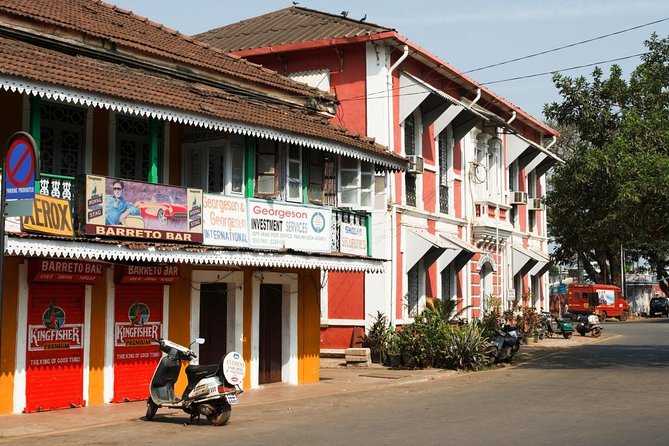
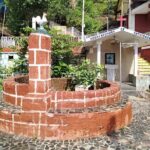
Fontainhas is Panaji’s Latin Quarter, and it’s centered on one big idea: Portuguese influence didn’t just decorate buildings here—it shaped everyday life for generations. As you walk, the place reads like a postcard, but it’s more than pretty. You’ll see the color palette—yellow, green, and blue—plus balconies with wrought iron railings and tiled roofs that make the streets feel older than the rest of the city.
The name itself points to the landscape around it. Fontainhas sits near springs tied to the Altinho hills on the west side, which explains the Portuguese meaning behind “little fountain.” That detail matters because it’s the kind of local context that helps the area make sense, instead of feeling like random architecture you’re taking photos of.
What the walk feels like: small group, 2.5 hours, and a real listening pace
This is a walking tour designed for people who want to get their bearings fast without turning the day into a marathon. Expect it to run about 2 hours 30 minutes and to loop back to the meeting point.
Group size is kept limited—small enough that the guide can keep your attention, and you’re not shouting over a crowd. If you’ve tried larger tours in Goa before, you’ll appreciate this setup. The tone is story-led, with stops that break up the walking and keep the pace from feeling rushed.
The only caution I’d give is about heat and timing. One common complaint is that on hot days, there can be too much standing in the sun while the guide talks. If you’re sensitive to heat, wear light layers, plan shade breaks where you can, and consider booking a later departure when it’s cooler.
You can also read our reviews of more tours and experiences in Goa.



Your route starts at Panjim Post Office, and that makes navigation easier
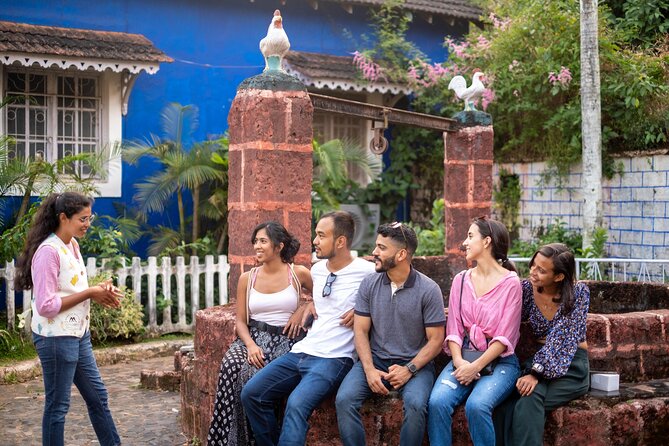
The meeting point is Panjim Post Office, Patto Colony, Panaji, Goa 403001. Ending back at the same spot means you don’t have the hassle of figuring out transport afterward.
Also, it’s described as near public transportation. That matters because it keeps the tour practical: you can arrive on your own schedule, join the walk, and then step back into Panaji without committing to private transport.
A small practical note: your best move is to arrive a bit early and be ready to point out you’re with the Fontainhas Heritage Walk. In old-city areas, addresses can be a little awkward, and it helps to have a buffer.
Stop in Fontainhas: Portuguese past you can actually see
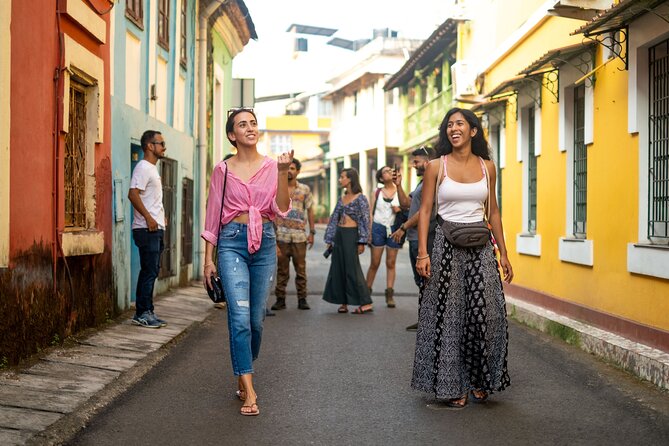
The core of the experience is Fontainhas itself. You’re walking the streets at the foot of the hills, where the Portuguese legacy is still visible in the design language of houses and the rhythm of street life.
You’ll get a guided read on what you’re looking at: the why behind the look. That includes how Portuguese presence shaped the neighborhood and how parts of it survived development that later reshaped Goa. The storytelling is the glue that turns these buildings from scenery into something you understand.
One more thing: this is not just standing on a viewpoint. You’re in the neighborhood, moving through it, which keeps the history from feeling like a lecture from a distance.
Heritage building entry: what it adds beyond photo stops
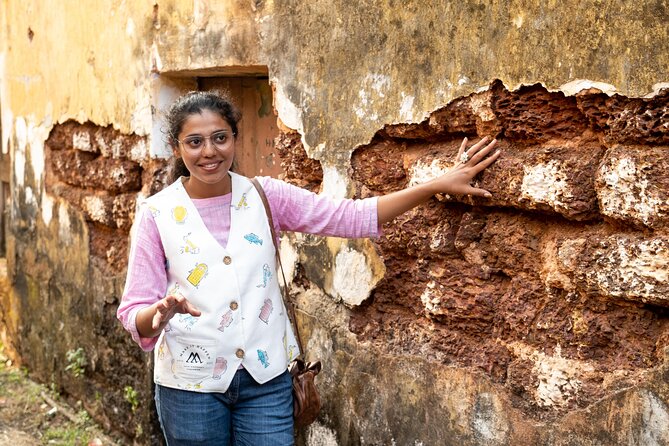
Many walking tours are all street views. This one goes a step further by including entry to non-residential heritage buildings. That changes the value equation.
It’s worth paying attention to that phrase: non-residential. It signals you’re not just looking at exteriors, and you’re not paying extra at each stop. You’re getting access tied to the architecture and heritage narrative, which makes the time feel more purposeful.
You should also expect that there may be rules around photography in heritage spaces. If you see signs or a guide提醒 you to be careful, follow their lead. Old buildings protect details by limiting how people move and shoot.
The best part on a stomach level: Goan sweets, biscuits, and soda/pop breaks
This tour earns goodwill fast because it feeds you. Included stops include tasting of traditional Goan sweets plus soda/pop as a healthy local non-alcoholic beverage. In plain terms: your energy level stays up, and your senses get a real taste of the region.
Goa’s bakery culture shows up in small ways that add up: biscuits, pastries, and other sweet bites that feel like a local ritual, not a tourist snack. One reason this works is timing. You get these breaks while you’re walking and learning, so you’re not waiting for the food moment at the end.
Some people also note tea or café time during the walk. Even if your version doesn’t include tea, the included refreshment and sweets stop are built in, so you’re covered.
If you have a sensitive stomach, still keep it simple: take small bites, drink water on your own, and pace your sweets. The snacks aren’t meant to be a full meal, but they help you avoid that afternoon crash in a warm climate.
Live music with local musicians: when the neighborhood turns into a performance
One of the most memorable parts of the Fontainhas Heritage Walk is the music performance by a renowned local Goan musician. Depending on the evening and the musicians booked for that departure, this can feel like the tour’s emotional payoff.
In particular, some departures are tied to well-known musicians associated with the area, including performances linked to Chico and singers like Francisco. Other guides bring in standout musical moments that make the neighborhood feel alive instead of staged.
Timing matters here. One review highlights the joy of a 6 pm start because it cools down and makes the music stop feel more comfortable. If you can choose a departure time, the later slot can be a smart move.
The practical point: treat this stop as part of the walking experience, not a separate concert plan. Wear comfortable shoes, and keep your schedule flexible enough to enjoy the sound without rushing out.
Guides and storytelling style: names you’ll hear and what makes them work
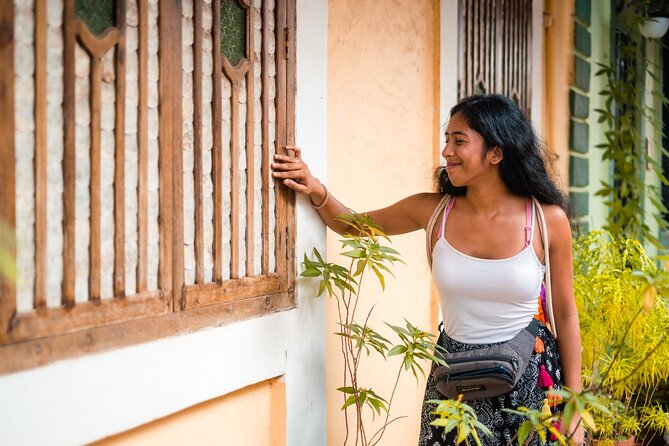
The quality of this tour often comes down to the guide. The names that keep coming up include Calvin, Alita, Shreeya, Hinaz, Trancy, Rachana, and Joan. Each guide brings their own personality, but the common thread is strong narrative structure: history, architecture, and local traditions tied together with a conversational tone.
I like that the best guides on this route do two things at once:
- They explain what you’re seeing on the street.
- They leave space for your questions.
One reason this tour earns such consistent marks is that many guides pay attention to pace and pacing includes how they handle different interests. If you’re into architecture, you get more of that. If you care about religion and community traditions, the story connects those dots too.
That said, there are a couple of downside patterns worth knowing. On some days, pacing can feel slow, and when someone in the group takes over the conversation for too long, the tour narrative can drift. If you’re someone who hates long rambling moments, choosing a cooler time of day and arriving rested helps. And if anything feels off, it’s okay to gently refocus through the guide.
How much value you’re really getting for $12.27
Price matters, but only because it tells you what the tour is packing in. At $12.27 per person, you’re not paying just for someone to walk you through a pretty neighborhood.
You’re getting:
- Entry to non-residential heritage buildings
- Traditional Goan sweets tasting
- Soda/pop refreshment
- A live music performance
- All fees and taxes wrapped into the price
That’s the value story. A typical self-guided walk could get you scenery, but you’d likely miss the access to heritage buildings and the organized tasting + performance. Here, those extras are part of the core experience.
If you only want beaches, this tour isn’t for you. If you want a stronger sense of Panaji beyond churches and sea breezes, it’s priced like a practical cultural add-on.
Who this walking heritage tour suits best (and who should think twice)
This tour is a great fit if you want:
- A small-group walking experience with a guide you can actually hear
- Portuguese-era architecture context in Fontainhas, not a generic Goa history lecture
- Included tasting breaks plus a live musician moment
- A half-day window that won’t wreck your schedule
It’s also a strong choice for first-timers in Panaji who want orientation. The streets in Fontainhas can feel confusing if you’re wandering alone, because the beauty is so concentrated in small details. A guide helps you see what matters and why it matters.
Think twice if:
- You’re very heat-sensitive and can’t handle standing in sun while someone tells stories
- You dislike tours where the pace is relaxed rather than fast
- You want a long-distance walk. Some people feel the route is small, so go in expecting neighborhood time, not countryside mileage
Should you book the Fontainhas Heritage Walk?
I think you should book this tour if you want a well-paced intro to Panaji’s Portuguese-flavored Latin Quarter, with more than just photos. The included heritage building entry, the Goan sweets stop, and the live local music make it feel like you’re buying access and experiences, not just a directionless stroll.
If heat is your main worry, pick a cooler departure time when you can. And if you’re picky about strict pacing, arrive with the right expectations: this is a story-led neighborhood walk, not a sprint through as many landmarks as possible.
If that sounds like your kind of Goa, this is a smart use of a couple of hours.