REVIEW · TULAMBEN
Open Water Course in Tulamben – Get Certified in Bali
Book on Viator →Operated by Dive Concepts Bali · Bookable on Viator
Learning scuba skills in Bali feels unreal. You’ll earn SSI Open Water over two full days, with classroom basics, shallow-water drills, and multiple sea outings built around Tulamben’s famous underwater scenery. Two things I especially like about this setup are the total inclusion of scuba gear plus the chance to train around the USS Liberty Shipwreck, not just generic, forgettable training water.
One thing to consider: this is weather-dependent. If conditions are poor, your course may shift dates, and you’ll want at least a moderate fitness level for the physical effort of learning new buoyancy and safety skills over consecutive sessions.
In This Review
- Key highlights worth your time
- SSI Open Water in Tulamben: what you’re actually paying for
- Day-by-day schedule: classroom time, shallow skills, then the real ocean
- Step 1: knowledge lessons that make the rest easier
- Step 2: shallow-water drills (and yes, you’ll do them more than once)
- Step 3: at least four ocean sessions, including a final check
- USS Liberty Shipwreck: training with drama, not just scenery
- Tulamben Beach and the coral-garden side of Bali
- Your training base at Dive Concepts Tulamben: small comforts that matter
- Gear and instructors: why included equipment is a real value win
- Transfers and timing: how to plan your two days in Bali
- Price and value: is $376.92 worth it?
- Who this course suits (and who should pause)
- What to bring and what to expect when you show up
- Should you book SSI Open Water in Tulamben?
- FAQ
- What certification do I earn?
- How long is the course?
- Is the course private?
- Is scuba equipment included?
- Where do the ocean sessions happen?
- What depth can I reach after certification?
- Do I need my own lodging?
- What if the weather is bad?
- What’s the minimum age?
Key highlights worth your time
- SSI Open Water certification in two days, with theory, shallow drills, and a final exam
- Full equipment provided, from wetsuit to mask—less packing stress
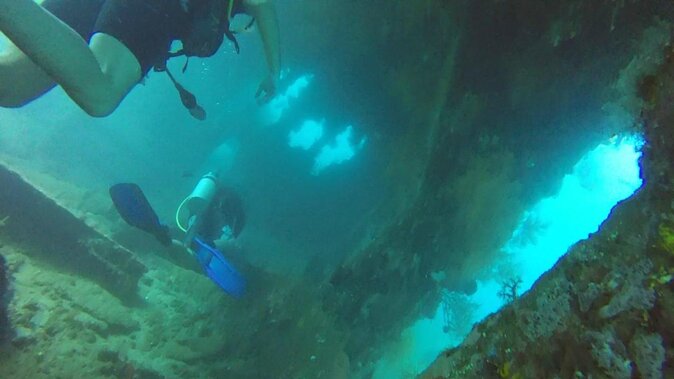
- USS Liberty Shipwreck and local reef scenery, giving you real variety in what you practice
- Private course format, so your instructor can focus tightly on your pace and questions
- Comfortable training base at Dive Concepts, with Wi‑Fi and practical on-site facilities
SSI Open Water in Tulamben: what you’re actually paying for
If you’re hoping for a quick “try scuba once” day, this is not that. This is a real Open Water course designed to get you certified—so you learn what to do, not just what it looks like.
You’re working toward the SSI International Open Water certification. Once you pass, you’re certified to go to 60 feet (18 meters) without an instructor close at hand (that’s the key promise). That matters because the end goal isn’t a fun afternoon underwater. It’s permission, training, and confidence to keep exploring afterward.
You’ll do the course in three main phases: knowledge lessons, shallow-water practice sessions, then deeper ocean sessions to build technique. The course format is built for learning in a sequence. You won’t jump straight into deeper water without first building the basics where you can focus on control and safety.
And based on what I’ve seen others say about this course, the instruction tends to be organized and calm. One review specifically called out instructor Budi, noting that the program was well organized with four ocean sessions focused on the shipwreck and coral areas. That’s the kind of structure that helps new students.
Day-by-day schedule: classroom time, shallow skills, then the real ocean
This course runs for about two days, and the training is split into parts that build on each other.
Step 1: knowledge lessons that make the rest easier
You’ll start with classroom theory—basics of how scuba works and what you need to understand to use it safely. The point here isn’t memorizing facts for the sake of it. It’s to help you predict what you’ll feel underwater: how breathing, buoyancy, and equipment behavior connect.
If you’ve ever been anxious before trying something new, this part can help you get your bearings fast, because you’ll know what you’re about to practice.
Step 2: shallow-water drills (and yes, you’ll do them more than once)
Next comes shallow-water training, at least five sessions. The course notes say this can happen in a beach area or a swimming pool, depending on local conditions. Either way, the goal is the same: learn the core movements and safety checks in water where it’s easier to manage breathing, balance, and movement.
Shallow sessions are where you practice things like staying calm, controlling your position, and following instructor cues without feeling rushed. For a lot of first-timers, this is the moment where scuba stops being scary and starts feeling practical.
Step 3: at least four ocean sessions, including a final check
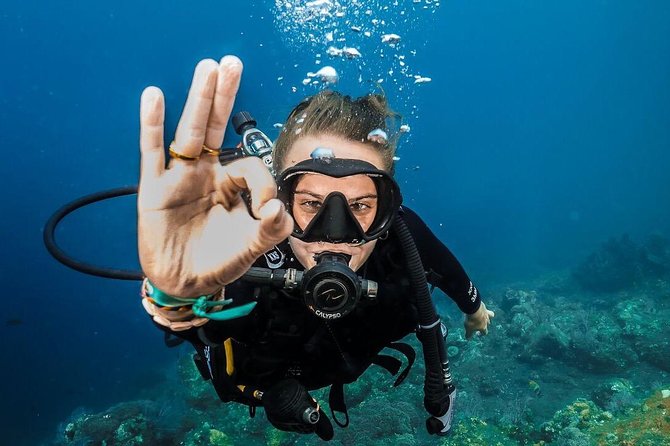
Then you move into the ocean for at least four open-water sessions. This is where Tulamben’s reputation really pays off. You’ll work on technique while also seeing real underwater life and structures, not just training circuits.
The course also includes a final exam. That’s good news for you, even if it sounds intimidating. It means the training is designed to leave you with usable competence, not just “okay, you passed because you showed up.”
One nice detail: this is private, so your group stays tight. Your instructor can adjust pacing and attention in real time instead of trying to manage several students at once.
USS Liberty Shipwreck: training with drama, not just scenery
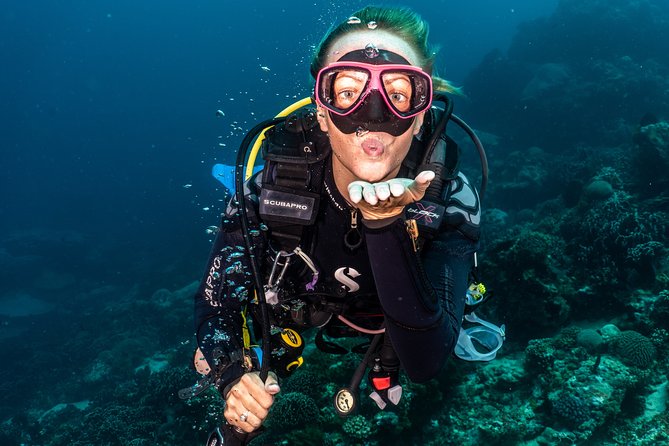
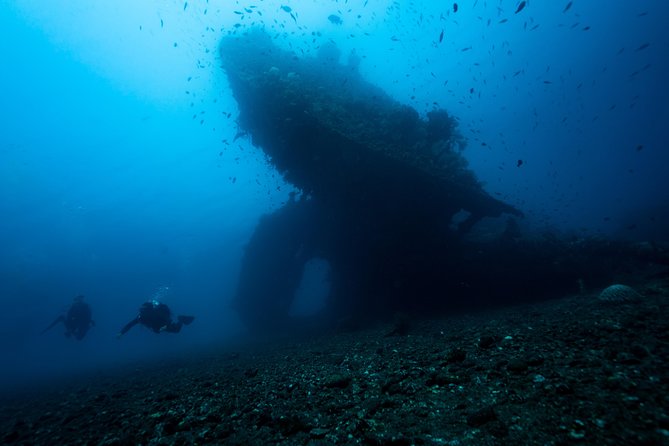
Tulamben’s big draw is the wreck, and your course includes a stop at the USS Liberty Shipwreck.
Why that’s valuable for certification is simple: wrecks create a strong sense of orientation and purpose. Instead of floating around aimlessly, you practice control and awareness while focusing on how you move relative to a landmark. That’s exactly the kind of learning that transfers well to future dives and future sites.
Also, a wreck environment tends to highlight buoyancy and trim. If you’re too heavy or not stable, you’ll notice it quickly. Your instructor can help you correct early, which is the best time to build good habits.
A drawback of wreck training—worth knowing up front—is that it can feel more intense than open reef. You’re new, you’re learning equipment, and you’re also learning underwater navigation cues near a big structure. If you get nervous, that’s normal. The upside is that the instruction is typically very structured, and the learning can feel very rewarding once you settle into it.
Tulamben Beach and the coral-garden side of Bali
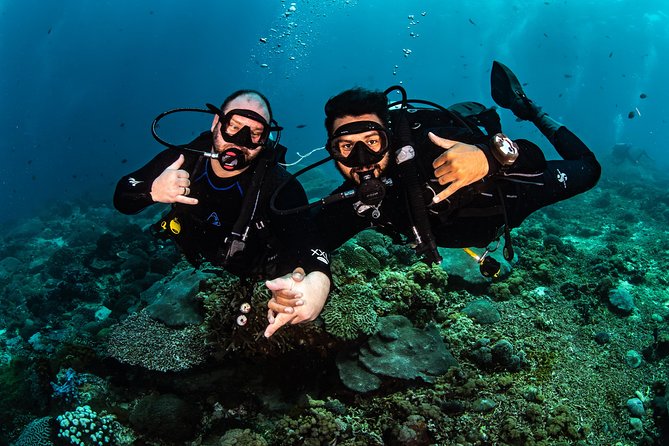
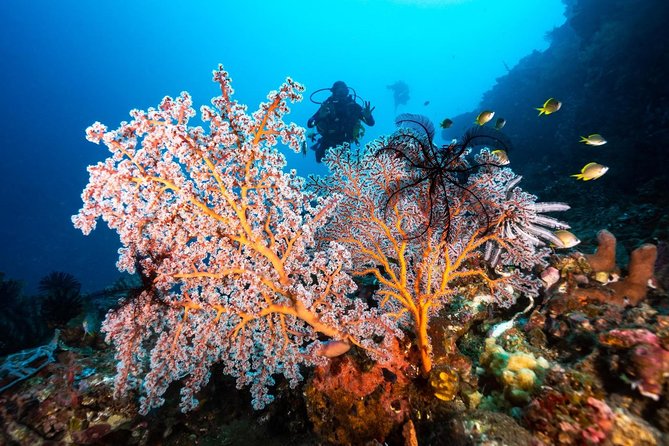
Your second main stop is Tulamben Beach. That’s the part of the course where the ocean feels more “garden-like” than “industrial.”
The course setup here is about balance. You still have to apply the skills you practiced in shallow water—breathing control, stability, and following safety steps—but the scenery tends to make it easier to relax and enjoy the moment once you’re comfortable.
In one of the standout comments about this experience, the student highlighted both the wreck and coral gardens, calling the sites beautiful. That combination is what makes Tulamben so practical for certification: you get to learn with real variety, so your brain doesn’t treat scuba like one single experience.
Your training base at Dive Concepts Tulamben: small comforts that matter
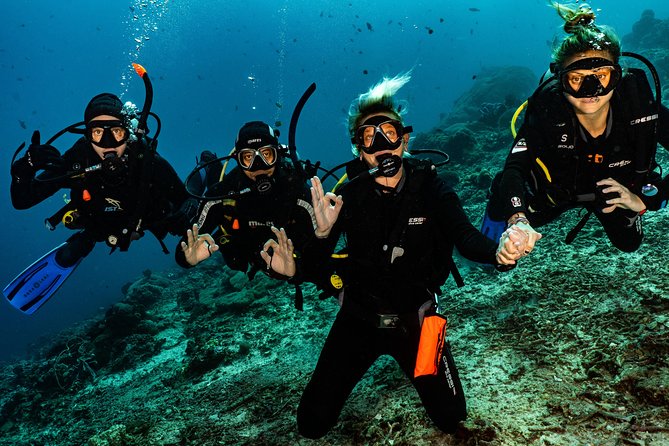
Scuba courses can be logistically annoying. You show up, you wait, you move gear around, and you hope you’re not stuck without a place to rinse.
Here, the training center experience is built to keep things simple. Your course includes access to facilities such as Wi‑Fi, a toilet, a shower, lockers, and change rooms. That sounds minor until you’re dealing with wet gear and saltwater and you just want to feel human again.
There’s also a restaurant/warung on site. The food itself isn’t included, but it’s available, which is a big deal when you don’t want to hunt for dinner after a long training day. One review specifically described a French-style warung inside and mentioned good service and prices, which lines up with what you’d want after being tired and slightly over-caffeinated.
And yes, there are souvenir photo and video options you can buy after the course. That’s helpful if you want a visual record of your certification milestone without trying to handle a camera while you’re still learning control underwater.
Gear and instructors: why included equipment is a real value win
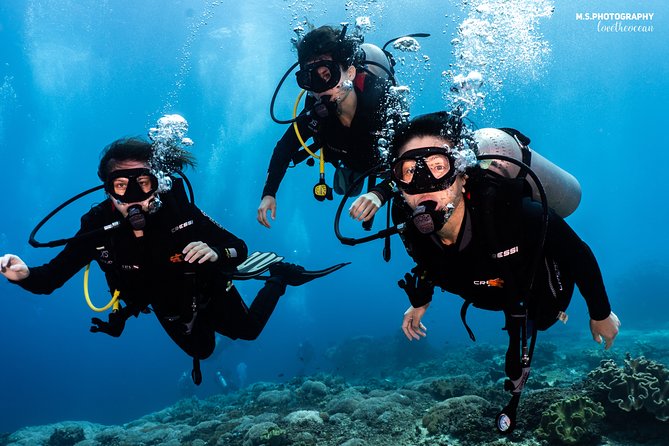
This package includes the scuba equipment you need. That means you don’t have to rent or hunt down compatibility issues for a mask, regulator setup, or wetsuit fit.
Included gear matters because fit affects comfort, and comfort affects learning. A mask that seals well lets you focus on technique. A wetsuit that works for your temperature helps you concentrate instead of shivering or fighting discomfort.
The course is also led by a certified instructor. With a private course format, the instructor can coach more directly. That can speed up how quickly you understand what “good” looks like underwater.
One review named instructor Budi and praised how organized the course was. While I can’t promise every instructor will feel exactly the same, the broader takeaway is clear: you’re not just handed a checklist. You get real supervision.
Transfers and timing: how to plan your two days in Bali
Your course includes pick-up and drop-off for Amed/Tulamben surroundings. That helps if you’re staying in that part of east Bali, because you won’t need to figure out transportation just to get to training.
The course itself is designed to run within a daytime window, with the center’s operating hours listed as 7:00 AM to 8:00 PM. Your exact schedule depends on conditions, but you can plan for a full, active two-day block.
Also note the practical reality: this experience is listed as requiring good weather. That doesn’t mean you’ll always face cancellations; it means the ocean is the boss. If weather is rough, your course may be adjusted or refunded.
Price and value: is $376.92 worth it?
At $376.92 per person, you’re not paying just for an experience. You’re paying for instruction, certification structure, gear, and local logistics.
What you get that often costs extra elsewhere:
- SSI Open Water certification training over about two days
- Scuba equipment included
- Certified instructor
- Dive center facilities (Wi‑Fi, lockers, shower, change room)
- Local pick-up/drop-off for Amed/Tulamben areas
What’s not included:
- Accommodation (dormitory and bungalows are available at the center, but you pay for lodging separately)
- Food and drink at the warung/restaurant
- Digital photo/video souvenirs
So the value math is pretty straightforward. If you’d otherwise pay for gear rental, pay for multiple training sessions, and pay for local transport, the package becomes a lot easier to justify. The biggest “value” detail is that it’s private and structured. You’re not sharing an instructor with a packed classroom of new students.
If you’re trying to keep costs down, you still may want to compare lodging nearby, because your total spend will depend on where you stay and what you choose to add.
Who this course suits (and who should pause)
This is best for you if:
- You want a real certification, not a one-day curiosity trip
- You’re excited by Tulamben’s underwater variety, including the USS Liberty Shipwreck
- You like clear structure: classroom, repeated shallow practice, then a final exam
- You want private attention (only your group participates)
It may not be the best fit if:
- You’re hoping for a totally relaxed, no-skill-exam kind of day
- You’re dealing with health concerns. The course asks for a moderate physical fitness level
- You’re younger than the minimum age (listed as 10 years)
If you’re on the edge with fitness or nerves, focus on training mindset. The shallow sessions are there to build confidence.
What to bring and what to expect when you show up
The course provides the core gear, so you don’t need to bring scuba equipment. But you should plan around typical training-day needs.
Bring:
- Any personal items you need for hygiene after wet sessions (if you have preferences)
- A small day bag for your valuables while you’re changing and storing gear
- Your best attitude. Yes, it sounds cheesy. But it matters when you’re learning breathing control and new routines.
Expect:
- You’ll spend time in both classroom and water practice across two days
- You’ll do multiple sessions in shallow water before going into the ocean
- A final exam will be part of the learning path
- Weather can affect timing, and the ocean conditions matter
One more practical tip: plan to eat. Food isn’t included, so have a plan for meals and water between sessions. Your training day can get long.
Should you book SSI Open Water in Tulamben?
I’d book this course if you want the best kind of first certification: structured training, included equipment, and a chance to work with real underwater landmarks like the USS Liberty Shipwreck. It’s also a strong choice if you appreciate comfort details like lockers, showers, and a place to grab food afterward, instead of scrambling for basic needs.
Skip it if you’re looking for a simple “sit on a boat and take photos” activity. This is a learning course first. If you can handle that, you’ll come away with something concrete: SSI Open Water certification and skills you can use again.
If you’re deciding between “cheap and chaotic” versus “organized and guided,” this one leans organized. That’s the kind of value that pays off long after your two days in Tulamben.
FAQ
What certification do I earn?
You’ll earn SSI International Open Water certification after completing the course, including theory, shallow-water training, ocean sessions, and a final exam.
How long is the course?
The course lasts about 2 days.
Is the course private?
Yes. It’s listed as a private tour/activity, so only your group participates.
Is scuba equipment included?
Yes. The package includes the necessary scuba equipment, from wetsuits to masks.
Where do the ocean sessions happen?
You’ll have course stops that include the USS Liberty Shipwreck and Tulamben Beach. You’ll complete at least four ocean sessions.
What depth can I reach after certification?
After certification, you can dive to 60 feet (18 meters) without an instructor close at hand.
Do I need my own lodging?
Accommodation is not included, though dormitory and bungalows are available at the dive center.
What if the weather is bad?
The experience requires good weather. If it’s canceled due to poor weather, you’ll be offered a different date or a full refund.
What’s the minimum age?
The minimum age is 10 years.