REVIEW · BANGKOK
From Bangkok: Elephant Sanctuary and Kanchanaburi Tour
Book on GetYourGuide →Operated by Bigcountry Experience Co.,Ltd. · Bookable on GetYourGuide
Elephants, mud, and a WWII memorial. That mix is why this full-day tour works so well: you spend real time at ElephantsWorld, then head to Kanchanaburi for the Bridge on the River Kwai and the war cemetery. It’s a day that jumps scales fast—from up-close animal care to one of Thailand’s most sobering WWII chapters.
I love the hands-on care style at the sanctuary. You help with feeding, gather food, and join the bathing and mud-bath routine (with no elephant riding). I also like the logistics: a small bus or minibus setup with an English-speaking driver, plus toilet and refresh stops that make the long drive feel manageable.
One thing to keep in mind is time. The day runs about 10 hours, and once you leave the elephants, the historical stops don’t feel like a slow, deep study. If your top priority is spending hours at the Bridge and cemetery, you might want to plan for a longer standalone day on the River Kwai side.
In This Review
- Key highlights at a glance
- River City Bangkok to ElephantsWorld: what the day feels like
- ElephantsWorld: rescued elephants and real hands-on care
- Feeding, food gathering, and why it feels different
- Mud bath and river wash: the wet part you should plan for
- Women’s swimwear note and Thai cultural respect
- Meet the sanctuary guides you might run into
- Lunch at the sanctuary: fuel for a long, active day
- Kanchanaburi: the Bridge on the River Kwai stop
- Kanchanaburi War Cemetery: 6,982 names and the weight of WWII
- Transport and group style: comfort matters on a 10-hour day
- What to bring (and what to skip)
- Is it worth $79? Value vs what you’re really paying for
- Who this tour suits best
- Quick booking checklist before you commit
- Should you book this tour or not?
- FAQ
- How long is the tour?
- Where do I meet for this tour?
- What’s included in the price?
- Do I ride the elephants?
- What should I bring for the elephant bathing portion?
- What kind of swimwear is requested for women?
- Is lunch included, and what type is it?
- Is the driver English-speaking?
- Can I cancel for a full refund?
- Can I choose hotel pickup?
Key highlights at a glance
- No-riding elephant sanctuary time with feeding, mud baths, and river washing
- Elephant care lessons and safety guidance from the sanctuary team before you get close
- Buffet lunch at the sanctuary before you head to Kanchanaburi sights
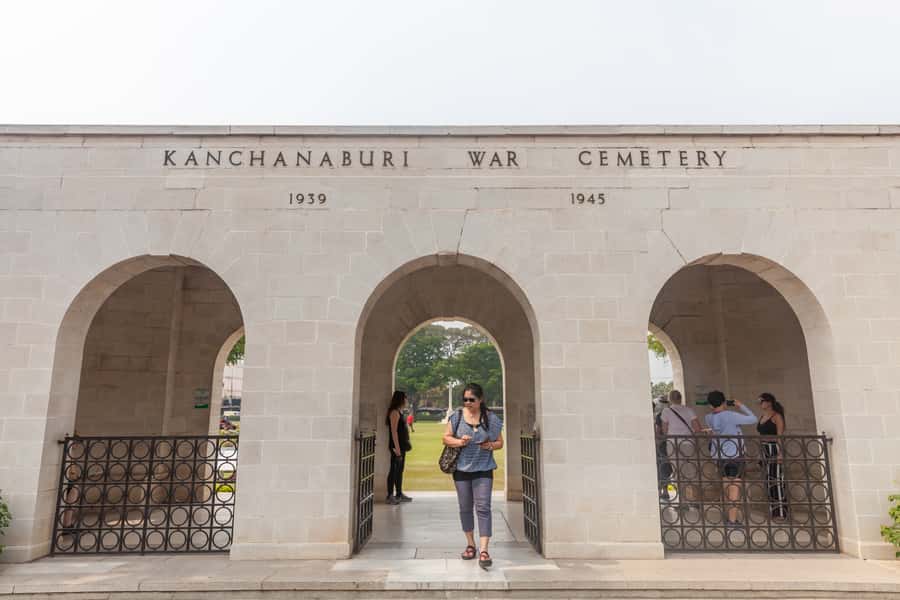
- Bridge on the River Kwai plus the Kanchanaburi War Cemetery for WWII context
- Comfortable round-trip transport from River City Bangkok, with breaks along the way
River City Bangkok to ElephantsWorld: what the day feels like
This is a full-day trip from Bangkok to central Thailand. You meet at River City Bangkok and then transfer out toward Kanchanaburi—roughly a couple hours each way, depending on traffic and stops. The drive is part of the experience in the sense that you get used to switching gears: city energy out, countryside pace in.
On the road, you’re in a small bus/minibus setup with air-conditioning. In practice, that matters because you’re going to be out in heat later at the sanctuary. A couple well-timed breaks also keep the day from feeling like a nonstop shove from A to B. If you get a driver like Tāto or Wat, you’ll likely find the ride is smooth and they’ll help with basic flow like where to go next.
Timing-wise, plan for an early start. One theme that comes up again and again is that you’ll be at ElephantsWorld long enough to do multiple activities—so the morning drive doesn’t feel wasted. You’re just up against Thai traffic, which can be chaotic around Bangkok.
You can also read our reviews of more tours and experiences in Bangkok.


ElephantsWorld: rescued elephants and real hands-on care
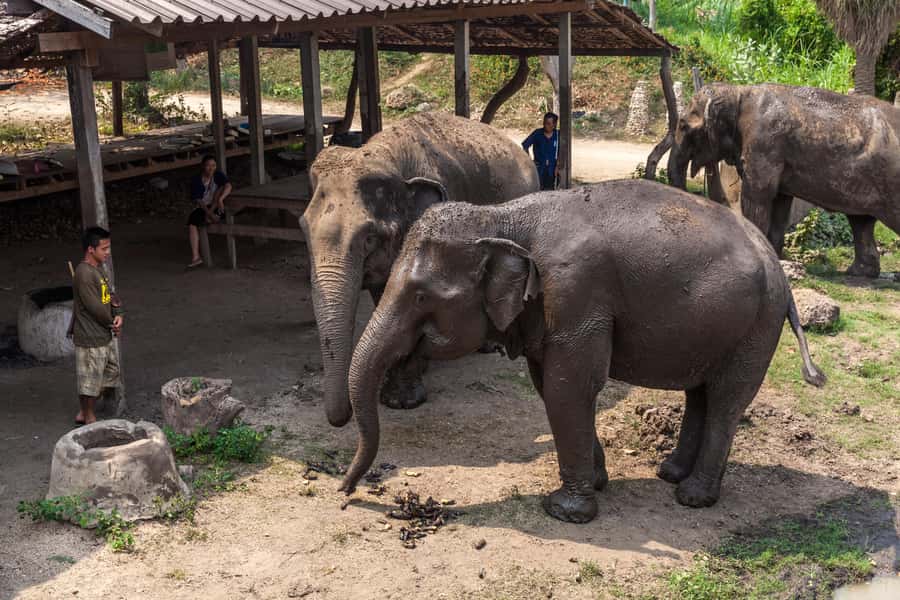
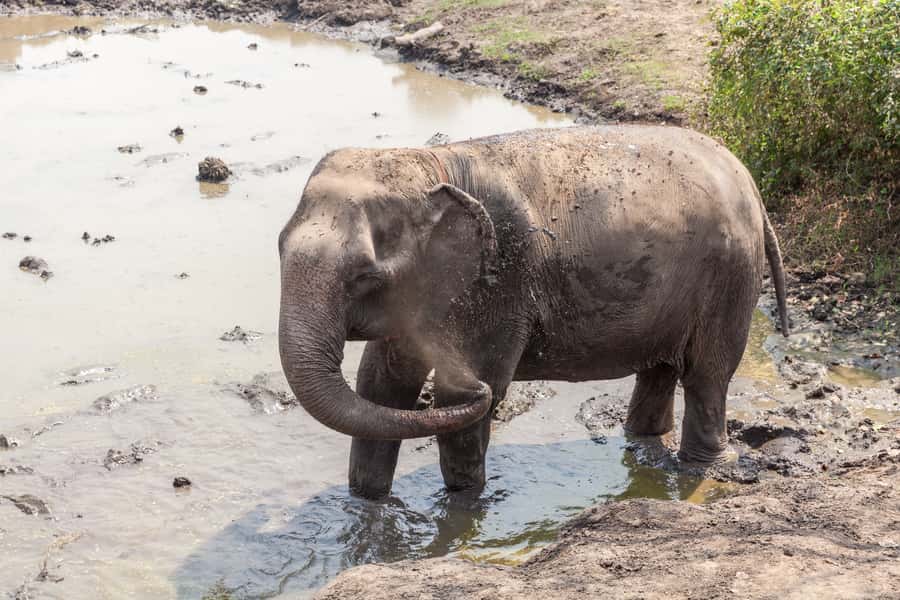
The main event is ElephantsWorld, a sanctuary for elephants that are injured while working or retired from work. The whole point here is care: these elephants spend their later years in a natural environment, with people who know how to handle them safely and respectfully.
Before you get close, you should expect guidance. You’ll get instructions on how to behave around the elephants—how to move, what not to do, and how to stay calm. That matters because elephant encounters go better when you don’t treat it like a photo-shoot contest.
Feeding, food gathering, and why it feels different
Your interaction isn’t limited to standing still. You’ll likely feed elephants items like watermelon and yams, and you may join food-gathering activities. One activity style mentioned includes helping cut tall grass-like food for them to eat, which is a surprisingly satisfying hands-on moment. It’s not glamorous, but it’s meaningful: you’re helping with a daily routine rather than doing a performance.
What I like about this format is that it changes your role. Instead of you being the star, the elephants and their needs stay the center of the day. You’ll still get photos, but the behavior rules and routine help you experience it more like care work than entertainment.
Mud bath and river wash: the wet part you should plan for
You should treat the bathing segment as a real event. You’ll join a mud bath, and then you’ll wash off in the river. This is where your packing choices pay off. Bring swimwear, a change of clothes, and gear that won’t fall apart the moment water hits it.
The sanctuary provides help for the transition—things like towels/showering after the river part, and in some cases water and basic items to manage your wet clothes. Still, the showers aren’t described as spa-level. Go in with the mindset of practicality: you’re getting clean, not lounging.
Also consider footwear. If you’ll be in the river, sandals or water-friendly footwear makes it easier to move safely.
Women’s swimwear note and Thai cultural respect
There’s a specific dress request for women: swim in a shirt and shorts as a sign of respect for Thai culture. Men are generally expected to be similarly modest in swim attire (the details weren’t uniform for everyone, but you should follow the request you’re given). If you show up in typical Western swimwear, you might end up adjusting on the spot, so plan ahead.





Meet the sanctuary guides you might run into
The sanctuary experience seems to hinge on the guide you get there. Names that come up include Go Go, Nick (Niti), and others like Luke. These guides tend to mix safety, elephant knowledge, and humor, and they help you get better photos because they know where the elephants move.
Don’t worry if you’re not an animal expert. The guidance is about helping you understand what’s happening in front of you and how to behave so the elephants stay comfortable.
Lunch at the sanctuary: fuel for a long, active day
Lunch is part of the sanctuary time, typically around midday. You’ll have a buffet lunch, and there’s a recurring mention that it’s tasty and filling, with bottled water also offered/provided.
This is one of those “don’t skip it” moments. You’re about to walk, stand in heat, and get wet. If you’re the type who burns through energy fast, you might also bring a few small snacks for the later part of the day—especially if you know you get hungry again on the drive to Kanchanaburi.
Kanchanaburi: the Bridge on the River Kwai stop
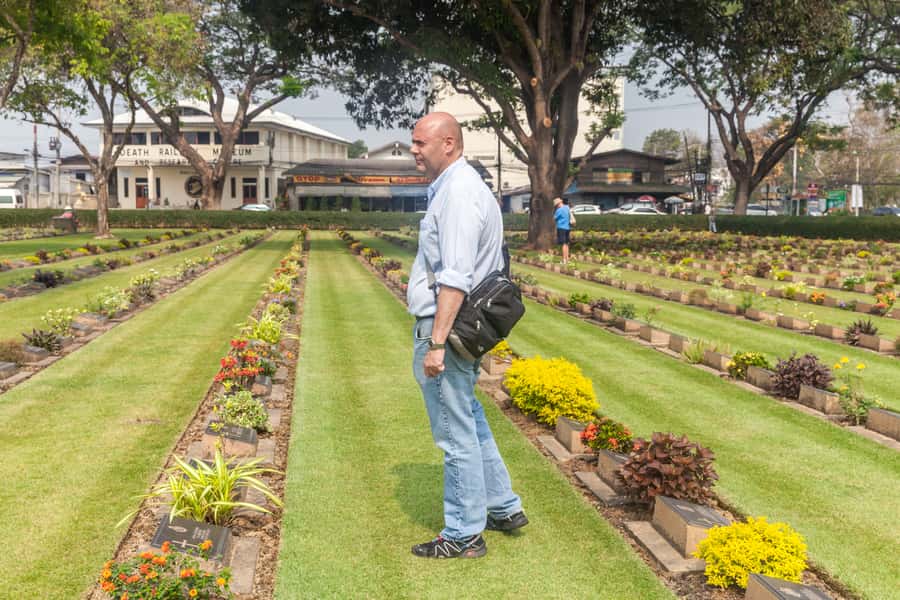
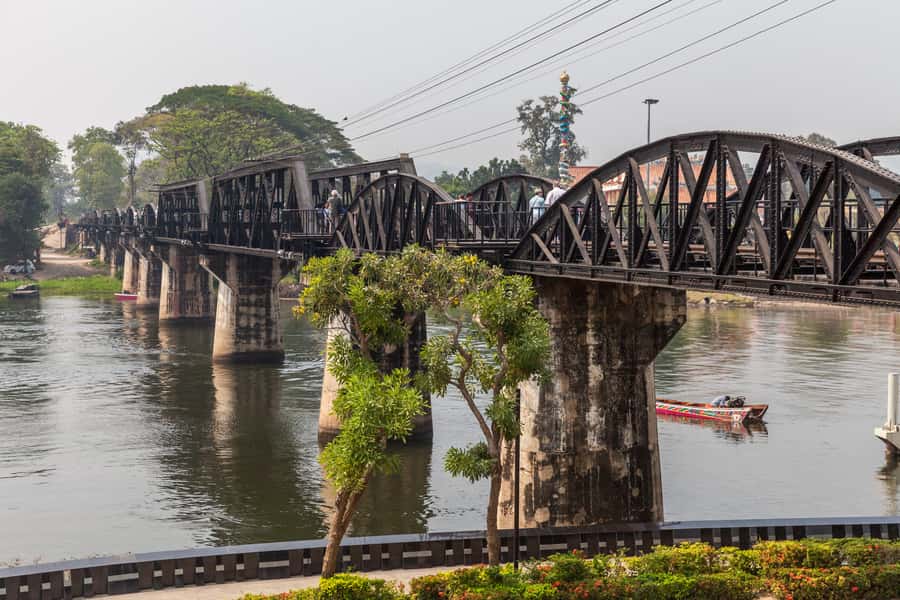
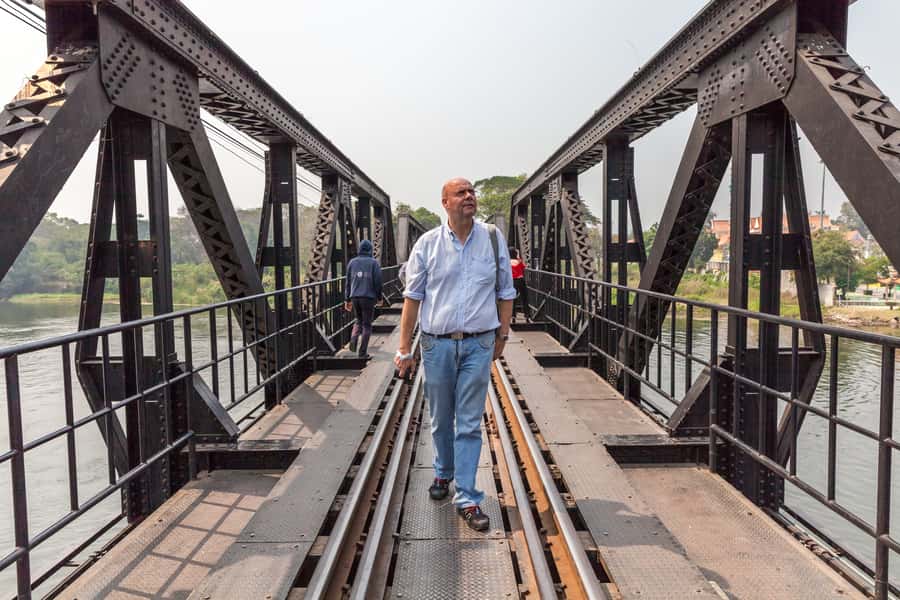
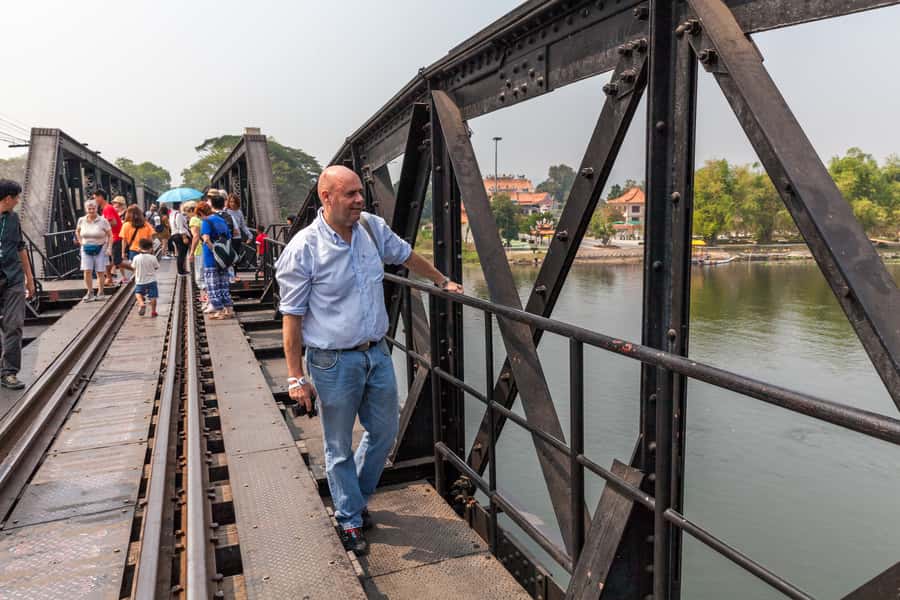
After lunch, you head into Kanchanaburi for the major sights. The Bridge on the River Kwai is the headline. It’s famous because it’s tied to the Death Railway—World War II construction done under brutal conditions, with prisoners involved.
Even if you’ve seen photos before, seeing the bridge in person changes the feeling. The structure is real, and it’s tied to people who didn’t have choices. This is one of those places where your brain starts connecting dates and names, even on a busy schedule.
Just note time. Some people feel the Bridge stop is brief compared with the elephant portion, and that’s a fair expectation for a 10-hour day. If your goal is more history detail, you might want to pair this with a longer River Kwai-focused itinerary later.
Kanchanaburi War Cemetery: 6,982 names and the weight of WWII
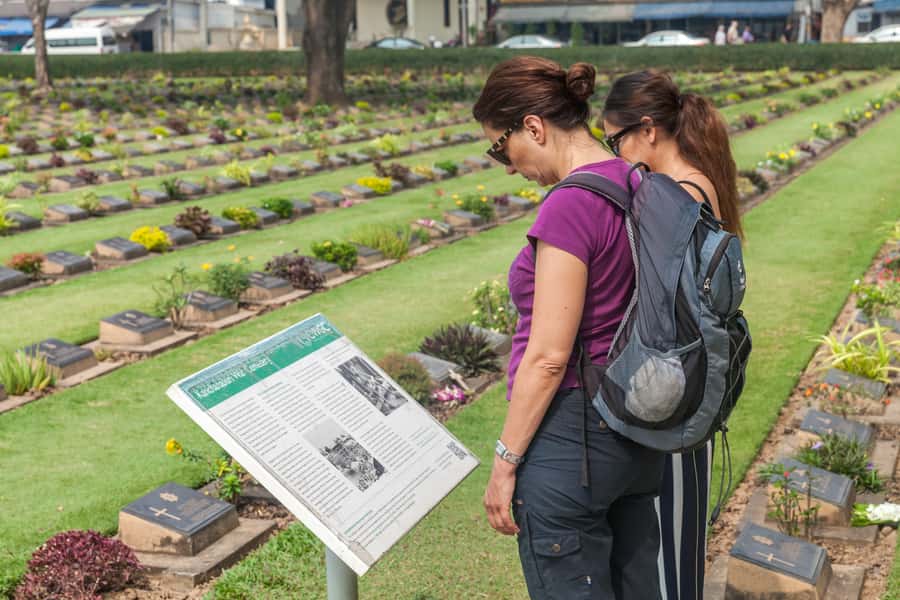
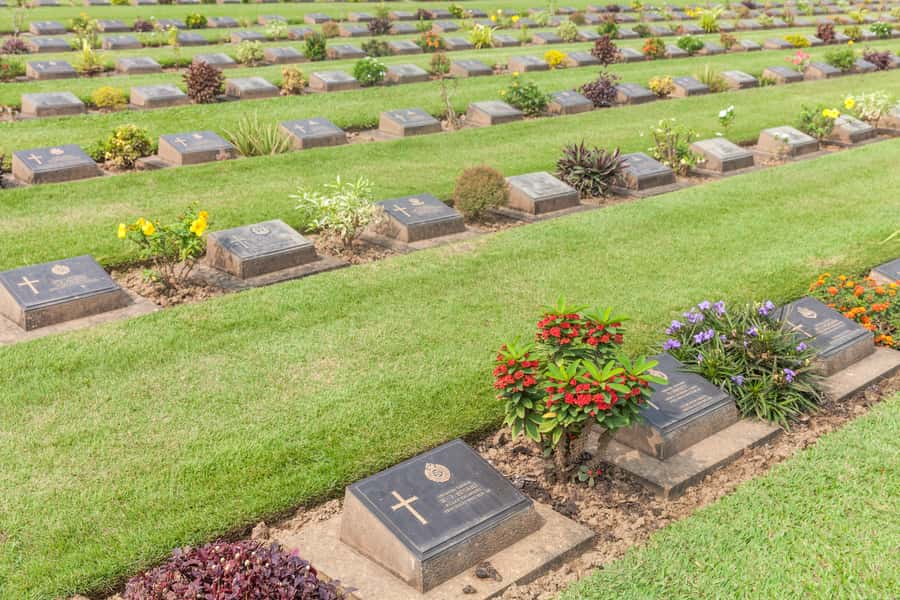
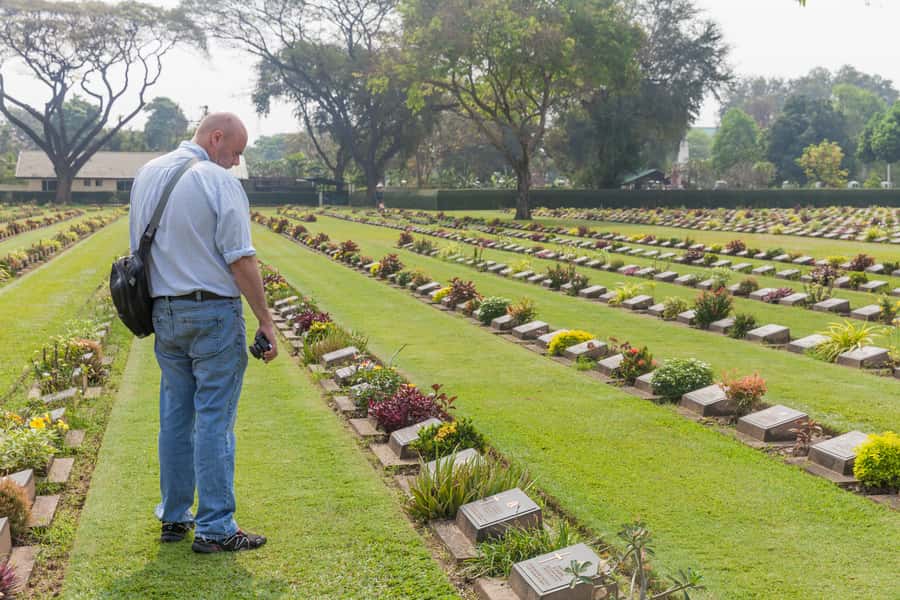
Next comes the Kanchanaburi War Cemetery, where 6,982 allied prisoners who died during the railway construction are buried. If the Bridge hits you with scale, the cemetery hits you with reality.
It’s moving in a quiet way. You’ll likely get time to walk the grounds and take it in. This stop can feel like the most serious part of the day, so consider adjusting your expectations for pace—don’t plan on racing through it for photos.
If you’ve got a history interest, the driving guide may share context along the way, and sometimes even add extra stops depending on the day. But the cemetery itself is the centerpiece you shouldn’t rush.
Transport and group style: comfort matters on a 10-hour day
The day is timed around one main activity plus two historic stops, so transport is important. The trip is round-trip from Bangkok with English-speaking driver. Private group options are also available if you want a quieter schedule or easier communication.
Most participants say the ride is comfortable, with a small group size that avoids the feeling of being packed in. Breaks on the way out and back also matter. Long drives are easier when you’re not forced to hold it in for hours.
There is one practical caveat: pickup might not be exactly at your hotel. The meeting point is River City Bangkok, and hotel pickup can be optional. If you’re staying far from that point or you assumed door-to-door, confirm where you’ll be picked up.
What to bring (and what to skip)
Here’s the packing list that actually matches what happens during the day:
Bring
- Hat (sun gets intense)
- Swimwear
- Change of clothes (you will get wet)
- Camera (you’ll want photos, especially during feeding and mud)
- Insect repellent
- Sunglasses and sun lotion (strongly recommended)
Helpful extras
- Quick-dry towel if you prefer your own, though towels/showering help are available
- Water-friendly sandals for the river
- A small bag to keep your wet stuff separate
Skip (or don’t overpack)
- Anything you can’t tolerate getting muddy or soaked
- Heavy shoes that take forever to dry
Is it worth $79? Value vs what you’re really paying for
At $79 per person, you’re paying for more than transport. You’re paying for sanctuary access, structured elephant care interactions (feeding, food gathering, mud bath, and river washing), plus lunch. The day also includes major transportation over long distance and a guided flow between Kanchanaburi stops.
Is it cheaper than other elephant options? Often, yes. But it’s not trying to be the bargain version of elephant tourism. You’re buying a specific style: a sanctuary where there’s no riding, and where the staff focus on welfare and proper handling.
So the value depends on your priorities:
- If you want a responsible, up-close day where you actively help with care, this price can feel fair.
- If your main goal is simply seeing elephants while staying completely dry and hands-off, you’ll likely feel less satisfied, because the experience is active and wet.
Who this tour suits best
This is a great fit for you if:
- You want elephant time that focuses on care, not rides
- You like a day that mixes nature + history without needing separate tours
- You’re okay with a full schedule and getting wet
It’s less ideal if:
- You want a long, slow deep-dive history day on the River Kwai side
- You expect hotel pickup to be automatic
- You dislike being in the water and outdoors in the sun
Families can do well here too. Several people mention kids enjoying the day because it’s structured and you’re not just watching from afar.
Quick booking checklist before you commit
Before you book, double-check:
- The meeting point is River City Bangkok
- Whether hotel pickup applies to your exact location
- You have swimwear + a full change of clothes
- You’re comfortable with a schedule that prioritizes the elephants first, history second
Should you book this tour or not?
If your heart leans toward animals and you want something more meaningful than a photo-only stop, I think you should book it. The standout strength is the sanctuary format: you’re helping with feeding and bathing routines, and you’re guided so you can interact safely.
If your top priority is maximizing time at the Bridge and war cemetery, then this might feel like the “elephants first” version of the River Kwai area. In that case, consider pairing it with a longer history itinerary later, or booking a separate day focused only on the WWII sites.
FAQ
How long is the tour?
The duration is listed as 10 hours.
Where do I meet for this tour?
The meeting point is River City Bangkok.
What’s included in the price?
Round-trip transportation, activities at ElephantsWorld Sanctuary, and lunch are included.
Do I ride the elephants?
No riding of the elephants is part of this tour.
What should I bring for the elephant bathing portion?
You should bring a hat, swimwear, a change of clothes, a camera, and insect repellent.
What kind of swimwear is requested for women?
Women are asked to swim in a shirt and shorts to respect Thai culture.
Is lunch included, and what type is it?
Lunch is included and is described as a buffet.
Is the driver English-speaking?
Yes, the driver is listed as English.
Can I cancel for a full refund?
Yes. Free cancellation is available up to 24 hours in advance for a full refund.
Can I choose hotel pickup?
Pickup is optional. You can request pick-up at hotels in Bangkok.