REVIEW · CHIANG MAI
Chiang Mai: Ethical Half Day Elephant Sanctuary & Waterfall
Book on GetYourGuide →Operated by Joy Elephant Sanctuary · Bookable on GetYourGuide
Ethical elephant time, no tricks involved. At Joy Elephant Sanctuary, you feed elephants and walk alongside their herd as they forage, then take a break at a waterfall (without bathing the elephants). The main trade-off is simple: it’s a long half-day on the clock, about 7 hours total, and you’ll do some jungle walking.
What makes this experience worth your attention is the focus on behavior over performance. You get to see how elephants move and choose paths on their own, learn how rescued elephants are cared for, and spend the calmer parts of the day with a proper lunch, tea, and a handmade souvenir.
A heads-up on the details: this trip isn’t a quick in-and-out photo stop. You’re in the countryside for a while, and the packing list is real life—comfortable shoes and a change of clothes matter.
In This Review
- Key things to know before you go
- Joy Elephant Sanctuary: what ethical elephant time looks like in practice
- The 7-hour reality behind a half-day label
- Pickup and the van ride out of Chiang Mai’s Old City area
- Feeding, observing, and walking with the herd
- Mae Wang wildlife viewing: what you’ll notice before elephant time fully ramps up
- Lunch, herbal tea, and the waterfall break (no bathing the elephants)
- The Ya Dom souvenir workshop: Thai herbal craft you can actually use
- Price check: is $54 good value for Chiang Mai elephant ethics?
- What to pack (and what to skip) for jungle + waterfall
- Who should book this, and who might not
- Should you book this Joy Elephant Sanctuary half-day program?
- FAQ
- How long is the Chiang Mai ethical elephant observation program?
- Is there a morning and afternoon session?
- Where does hotel pickup happen?
- What’s included in the price?
- Do you bathe or touch the elephants?
- Can I swim at the waterfall?
- What should I bring?
- Is this tour suitable for wheelchair users?
Key things to know before you go
- Ethical rules, not entertainment: no touching and no elephant bathing; you observe and interact in approved ways.
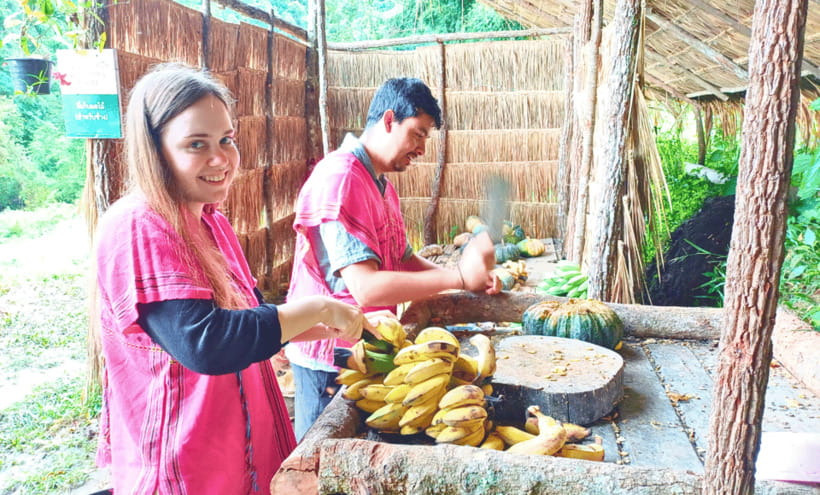
- Hands-on feeding and foraging walks: you’ll prepare food and follow the herd at their pace in the jungle.
- Waterfall time with a reset: you can cool down near the waterfall while elephants stay unbothered.
- Lunch plus drinks included: you get lunch, water, and herbal tea during the day.
- A Thai handmade take-home: you make a Ya Dom-style herbal inhaler souvenir.
- Hotel pickup from the Old City area: round-trip transfer is included within 5 km of Chiang Mai’s Old City.
Joy Elephant Sanctuary: what ethical elephant time looks like in practice
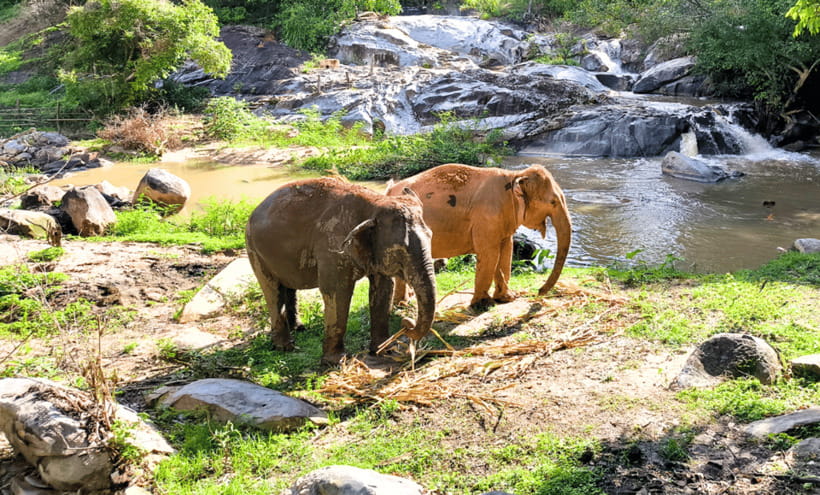
If you’re tired of elephant attractions that feel like a show, Joy Elephant Sanctuary is built around the opposite idea: elephants aren’t there to perform. Your role is observer and caretaker-in-training, with rules that keep things calm for the herd.
The big difference you’ll feel is the pacing. Instead of forcing a route, you walk alongside the elephants as they forage and move naturally. That means you don’t get a strict “everybody move at the same time” rhythm. It’s slower. That’s good. Elephants need space to behave like elephants, not like a schedule.
You also won’t be doing the usual high-impact tourist stuff. This program specifically includes no elephant bathing, and the sanctuary experience is set up around respectful distance and observation. It’s one of the reasons this tour is rated 4.9 out of 5 on 450 verified bookings—people clearly care about the rules being followed, and they notice when an operation takes welfare seriously.
You can also read our reviews of more tours and experiences in Chiang Mai.


The 7-hour reality behind a half-day label
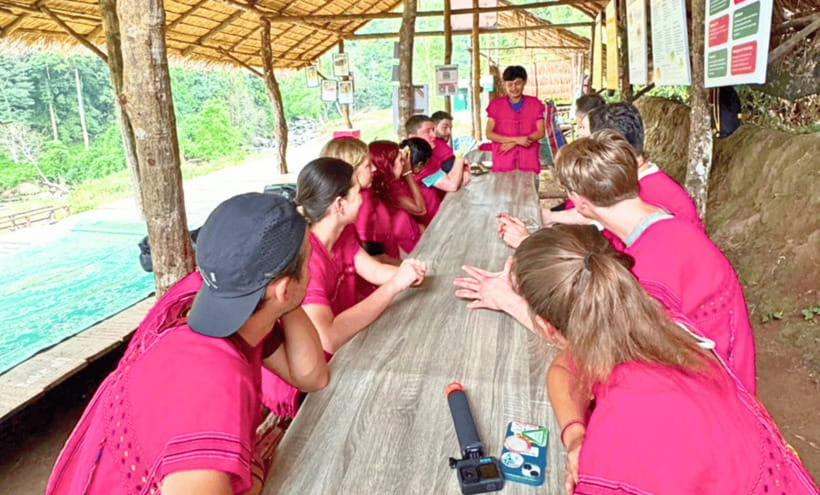
Calling it half-day can trick your brain. The actual day runs about 7 hours, mostly because you’re traveling out of Chiang Mai for a wildlife-focused area and then heading back.
In practical terms, you’ll want to plan your energy. Yes, you’ll do a feeding session, an observation walk, lunch, and waterfall time. But you’ll also spend time on the van (round-trip transfer is included). One travel detail that comes up is that the drive can be part of the day’s experience—it’s how you get out to Mae Wang District, where the elephants’ environment changes the mood fast.
So how do you make it feel “worth the time”? Treat it like a nature day. That means bringing what you need for humidity and steps, and going in expecting a calm, close encounter—not a theme-park sprint.
Pickup and the van ride out of Chiang Mai’s Old City area
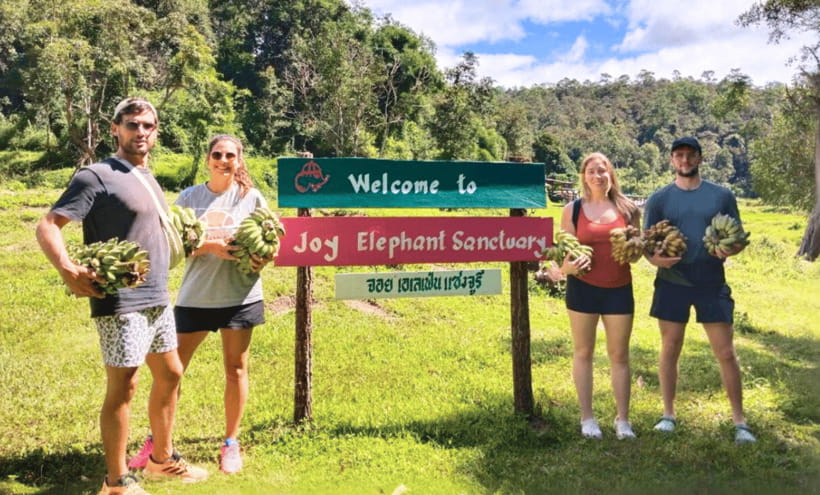
Your day starts with hotel pickup and drop-off. The transfer covers locations within a 5 km radius of Chiang Mai’s Old City, using a minivan. The pickup point lines up with Mueang Chiang Mai District, and then you’re on the road toward Mae Wang District.
This part matters more than it sounds. A smooth pickup means fewer stress minutes in a busy city, and it also keeps the group together before you reach the sanctuary grounds. When you get out of town, the air and the scenery change. Even if you’re not a “bus view” person, you’ll appreciate the shift before you’re walking in the jungle.
You’ll likely spend about 1.5 hours in each direction. Once you’re there, you get a guided period focused on wildlife viewing and the surrounding area before the elephant activities pick up.
Feeding, observing, and walking with the herd
This is the heart of the trip, and it’s where the ethical approach shows up clearly. Early on, you’ll have hands-on time that includes preparing food for the elephants and feeding them according to sanctuary rules.
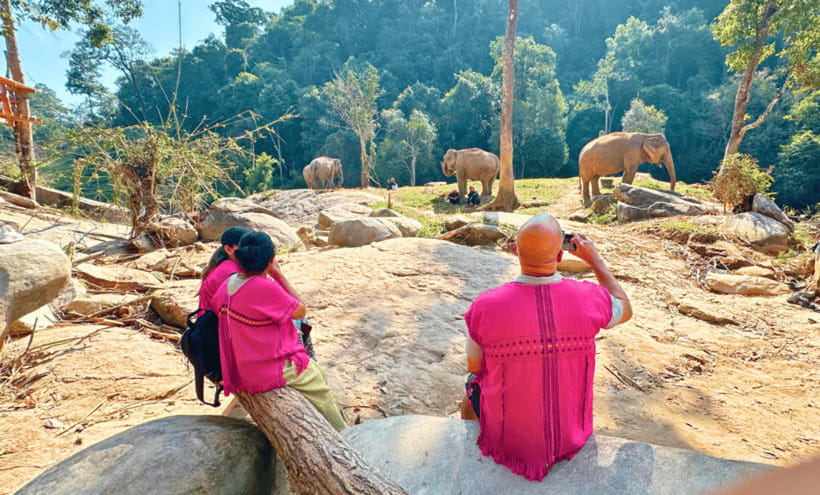
What I like about this setup for you is that it turns a common “elephant photo moment” into an actual learning experience. Instead of grabbing attention with forced tricks, you’re watching gentle behavior, learning what elephants do and why they do it, and seeing them move at their own rhythm.
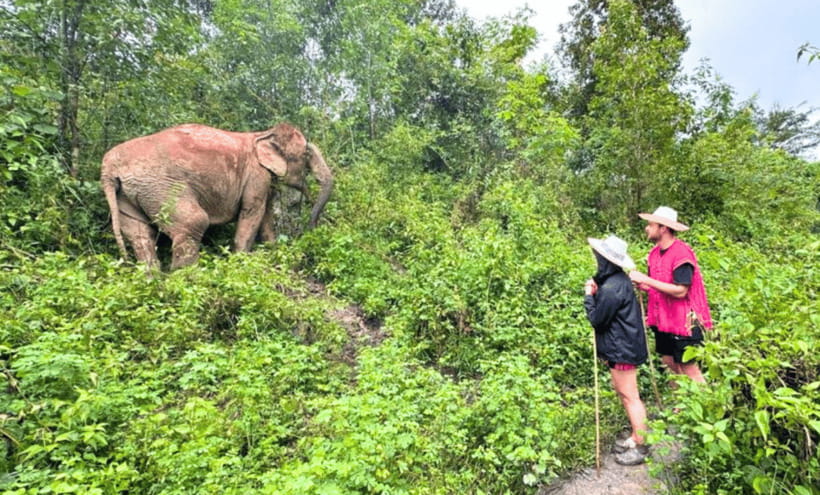
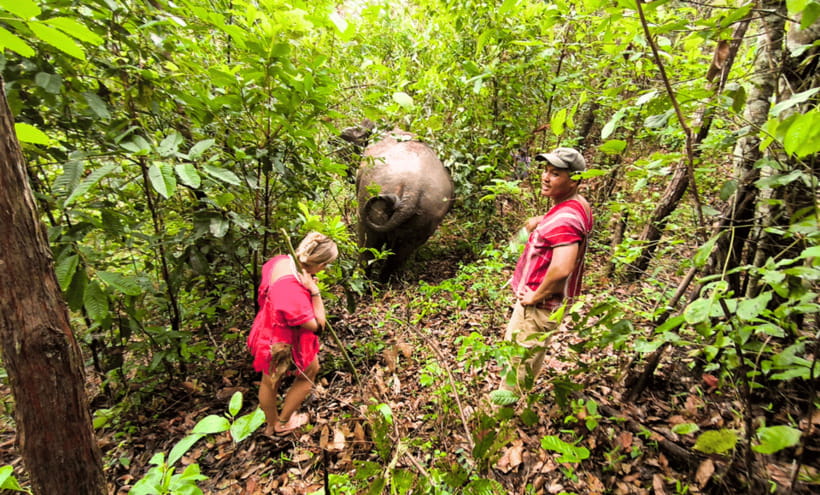
Then comes the foraging walk. You don’t ride, and you’re not chasing elephants down a path. You follow alongside the herd as they forage in the jungle. That means:
- you may walk slowly and stop more than you expect
- you’ll have moments to observe different behaviors
- you’ll stay close enough to understand the animals, but not so close that it becomes intrusive
Several people highlight how the elephants look relaxed and free to choose their pace. That’s exactly what you’re looking for in an ethical sanctuary: the interaction should feel like the elephants deciding, not the humans directing.
One consideration: jungle walking isn’t “gym easy.” Comfortable shoes are not optional. The terrain and humidity can make it more tiring than you plan, especially if you’re short on water or sunscreen.
Mae Wang wildlife viewing: what you’ll notice before elephant time fully ramps up
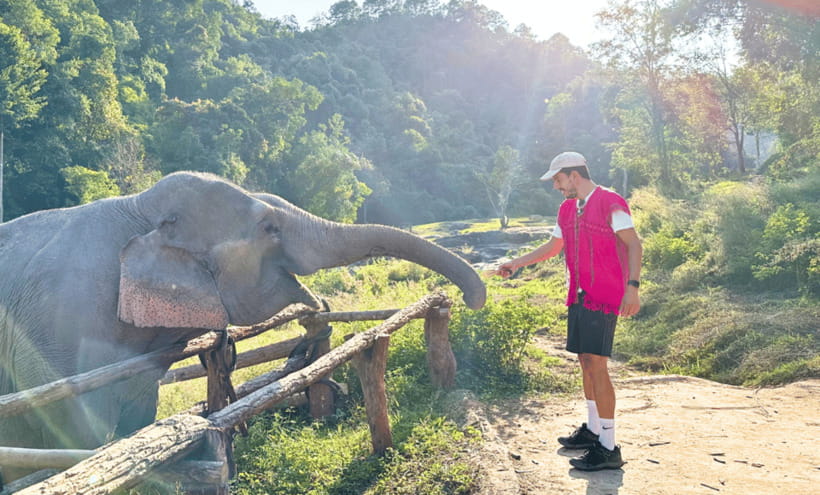
Before you spend the day moving with the herd, you get a guided stretch of wildlife viewing in Mae Wang District. This can be a nice buffer if you’re the type who needs context before getting close to animals.
It also helps you mentally switch from city mode to nature mode. Even a short wildlife viewing block gives you a chance to slow down, understand the environment, and learn how the day is structured around animal behavior rather than tourist convenience.
This section is also one reason the trip feels more meaningful than the “one activity and done” tours. You’re not just arriving for feeding. You’re being guided through the area and the rules that make the encounter respectful.


Lunch, herbal tea, and the waterfall break (no bathing the elephants)
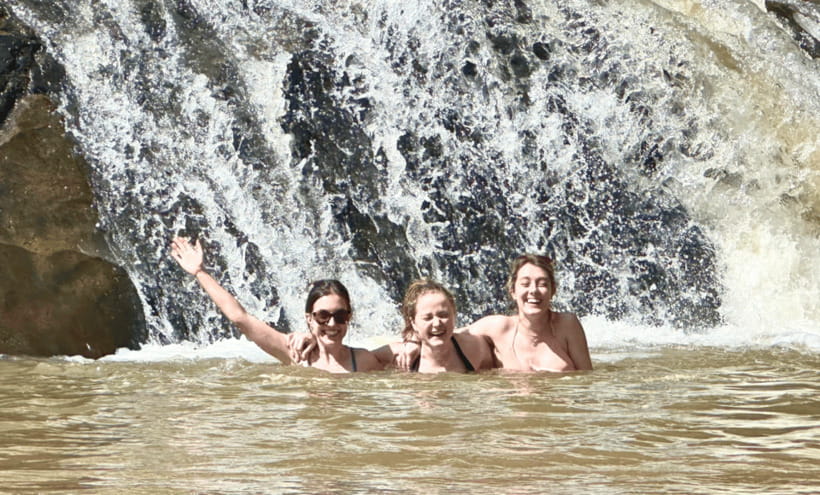
After the elephant-focused chunk of the day, you get a lunch break (included) and some downtime.
What makes this work well is the pacing. You’re not just running from one intense moment to the next. You get time to sit, eat, drink water, and reset. Lunch is included in the program, and people mention Pad Thai and fresh fruit as part of the meal experience.
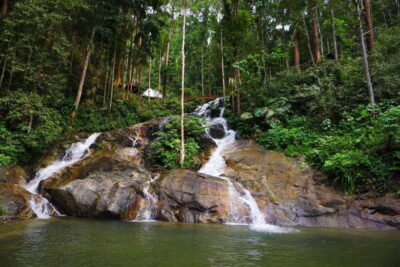
Then you move to the waterfall area. This is your cooling-off moment, paired with observation time. The key point is simple and important: no elephant bathing is part of the program. You’re there to enjoy the water in the environment while the elephants remain undisturbed.
Some people swim in the river/waterfall area, which is why swimwear and a change of clothes are on the packing list. If you’re not a swimmer, sandals and a towel still matter, because you may end up near wet ground and spray.
And yes, herbal tea shows up as part of the break. It’s a small detail, but it fits the rhythm of the day: calm, drink something warm or soothing, and then continue without rushing.
The Ya Dom souvenir workshop: Thai herbal craft you can actually use
One of the most fun “I’ll take this home” moments is the souvenir activity at the end. You’ll craft your own Thai handmade item—often described as a Ya Dom-style herbal inhaler—using local spices.
This works because it’s not a generic shopping stop. It’s hands-on, tied to Thai culture, and it gives you something small that you’ll actually remember. Plus, it gives your day a “closure” feeling after the active part with the elephants.
Think of it as your tangible reminder that this day wasn’t just about animals—it also connected you to local life, materials, and small crafts.
Price check: is $54 good value for Chiang Mai elephant ethics?
At $54 per person, this isn’t the cheapest way to meet elephants in Chiang Mai. But it’s also not trying to be. You’re paying for an experience designed around welfare-focused rules and an all-in program structure.
Here’s where the value comes from in concrete terms:
- Hotel pickup and drop-off within the Old City’s 5 km zone
- An English-speaking guide
- Lunch and water
- Elephant food
- A towel
- Insurance coverage
- Half-day elephant observation activities plus waterfall time and a craft
When you break it down, the cost covers more than admission. It covers guided time, the included meal and drinks, and the logistics that get you out to where the elephants can move naturally.
If ethical interactions and animal welfare rules matter to you more than minimizing cost, this price is easier to justify.
What to pack (and what to skip) for jungle + waterfall
The packing list here is practical. Bring what you’ll need for heat, steps, and getting wet.
Bring:
- Comfortable shoes for jungle walking
- Swimwear if you want to swim
- Change of clothes
- Sandals
- Sunscreen and insect repellent
Also important:
- If you have allergies, bring your own allergy medication. That’s on the “know before you go” list for a reason.
Don’t bring:
- Pets
- Explosive substances
And one more tip: pack with the assumption you’ll be sweaty, then wet, then drying off. A small towel habit (even if one is included) can be nice, but the program already provides a towel.
Who should book this, and who might not
This is a great fit if you:
- want to see elephants with no forced tricks
- like guided learning about animal care and behavior
- enjoy nature walks more than quick photo stops
- want a day that includes a meal, a swim option, and a cultural craft
It’s not a great fit if:
- you use a wheelchair (the program isn’t suitable for wheelchair users)
- you’re hoping for a super short outing
- you dislike jungle walking or uneven terrain
If you’re sensitive to heat and insects, the packing list matters even more. Use sunscreen, use repellent, and pace yourself.
Should you book this Joy Elephant Sanctuary half-day program?
I think you should book it if you’re serious about ethical elephant encounters and you want more than a staged interaction. The blend of feeding, following the herd at their pace, learning how elephants are cared for, and finishing with a Thai herbal craft makes it feel complete—like a real day in the countryside, not just a single activity.
Skip it only if the idea of a full 7-hour day with jungle walking sounds like your personal nightmare, or if mobility needs make the terrain tough. Otherwise, this is a solid value way to do elephants in Chiang Mai with rules that keep the animals first.
FAQ
How long is the Chiang Mai ethical elephant observation program?
The full experience runs about 7 hours from pickup to drop-off.
Is there a morning and afternoon session?
Yes. The half-day program is available in either a morning or afternoon session.
Where does hotel pickup happen?
Pickup and drop-off are included within a 5 km radius of Chiang Mai’s Old City.
What’s included in the price?
The package includes hotel pickup and drop-off, a guide, lunch, water, elephant food, insurance, and a towel.
Do you bathe or touch the elephants?
The program includes no elephant bathing, and it’s set up around respectful observation and approved interaction rules (including not touching).
Can I swim at the waterfall?
Yes, there is waterfall time where you can swim or relax. Swimwear and a change of clothes are recommended.
What should I bring?
Bring comfortable shoes, swimwear, a change of clothes, sandals, sunscreen, and insect repellent. If you have allergies, bring your own allergy medication.
Is this tour suitable for wheelchair users?
No. The activity is not suitable for wheelchair users.