REVIEW · CHIANG MAI
Chiang Mai: Elephant Sanctuary Feeding Program Half-Day Tour
Book on GetYourGuide →Operated by PON ELEPHANT (THAILAND) CO., LTD. · Bookable on GetYourGuide
Elephants and ethics, all in half a day. I love the safe close-up feeding and the clear elephant-care education delivered on the ground, with guides like Pat or Toto showing up as standout explainers. The main trade-off: expect some walking between stations and likely being soaked, so you’ll want clothes that can get dirty and a change.
This tour runs south of Mae Wang into hills, forests, and local farms before you reach Pon Elephant Thailand. Once you arrive, it’s structured in stations, so the day feels active instead of waiting around.
The ethical angle is real in the rules they follow. You don’t ride elephants, and even the river bathing happens only when the elephants choose it.
In This Review
- Key highlights you should care about
- Heading to Pon Elephant Thailand: the drive south of Mae Wang
- The briefing that sets you up for safe, respectful encounters
- Walking the forest path: the real pace is on the ground
- Feeding time: Napier grass, sugarcane, bananas, and herbal treats
- The river visit: swimming, bathing, and why timing can change
- What makes this feel ethical: the rules you can actually see
- Food, photos, and the little “how it works” details
- What to bring: a practical packing list (so you’re not miserable)
- Timing and value: why half a day works here
- Is this tour right for your group?
- Should you book Chiang Mai Elephant Sanctuary Feeding Program?
- FAQ
- How long is the Chiang Mai elephant sanctuary feeding program?
- Is hotel pickup included?
- What do you feed the elephants?
- Can the elephants choose whether to bathe in the river?
- What should I bring for the tour?
- Are towels and a change of clothes included?
- What’s not allowed during the tour?
- Who is this tour not suitable for?
Key highlights you should care about
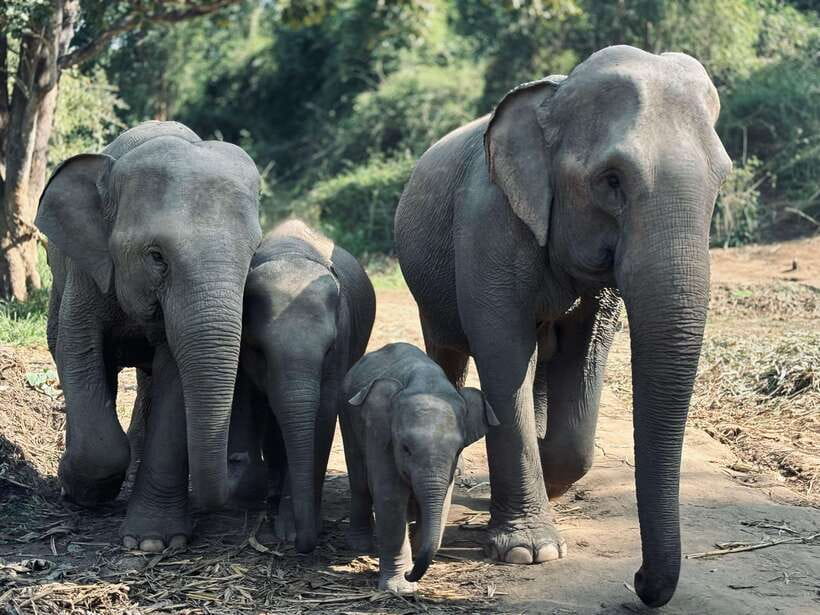
- Four feeding and interaction stations built into a single, half-day flow
- Napier grass, sugarcane, bananas plus the chance to help prepare herbal treats
- River bathing is elephant-controlled, so timing can shift at short notice
- No riding and no forcing: the program emphasizes coexistence and calm handling
- Small details matter, like safe behavior rules and rangers guiding you through each moment
- Family moments and rescued history get explained in a way that makes elephants feel like individuals
Heading to Pon Elephant Thailand: the drive south of Mae Wang
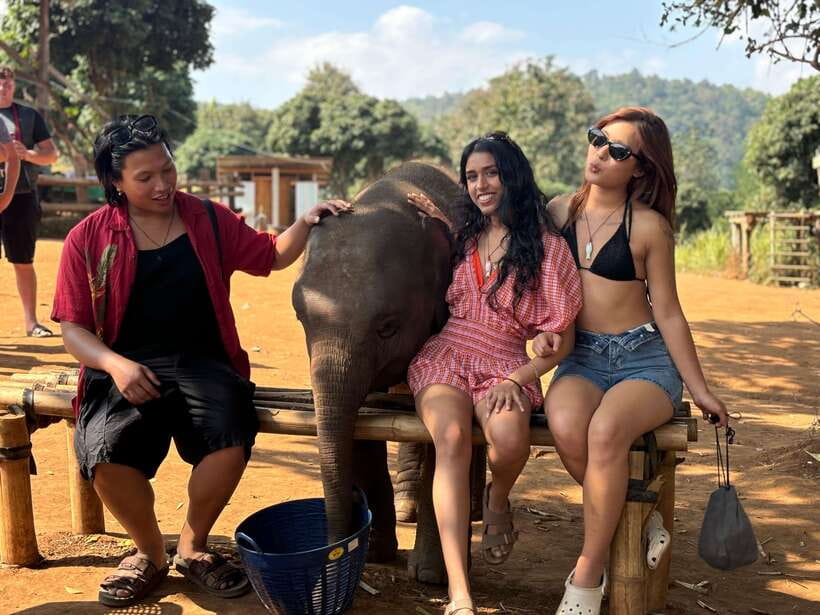
You start by heading about 1.5 hours south of Mae Wang, moving through Chiang Mai Province’s hill-and-forest zone. The drive is part of the experience: it’s your quick reset from city noise into a more rural rhythm, with scenery that changes as you leave farms and roadside life behind.
Pickup is optional, but if you select it, the tour includes round-trip hotel transport. Do the simple thing and be ready early—drivers wait no longer than 5 minutes after the scheduled pickup time. Transport is repeatedly described as clean and comfortable, with most people saying it’s well-run, and a large share giving top marks.
Why this matters: if you’re hoping for an “elephant day” that feels calm instead of rushed, the road time helps. It also sets expectations—this isn’t a quick roadside stop. It’s a proper sanctuary visit that starts before you even meet the elephants.
You can also read our reviews of more tours and experiences in Chiang Mai.


The briefing that sets you up for safe, respectful encounters
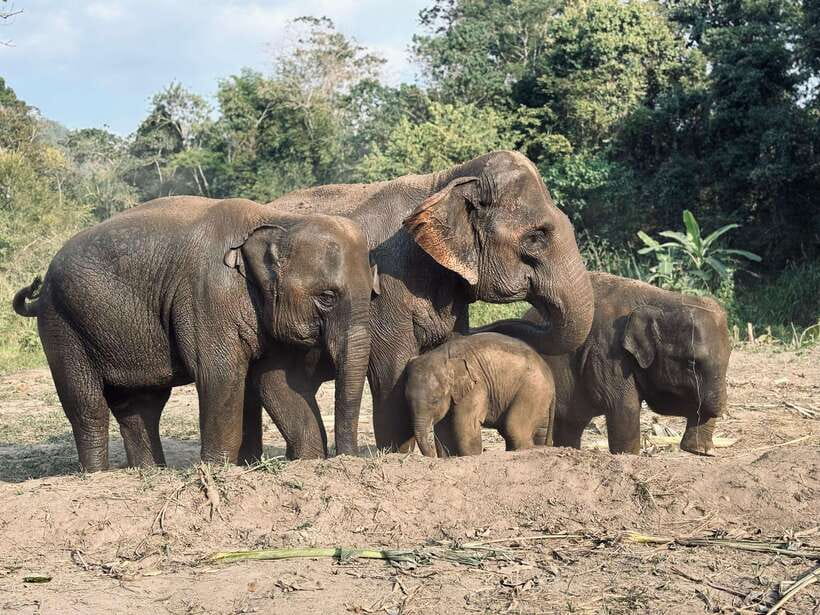
Before you get anywhere near the elephants, you get a briefing on habitat, history, habits, and behavior. Then there’s instruction on how to act around the elephants. It sounds basic, but it’s the difference between a chaotic photo sprint and an experience that stays peaceful for you and the elephants.
Here’s what the briefing is designed to accomplish:
- You learn what the elephants respond to (calm movement, steady behavior)
- You learn what not to do (and why certain actions are banned)
- You understand how the day’s interactions work with the elephants’ choices
You’ll also meet the team. People who run these kinds of programs tend to be proud of their methods, but what you’re looking for here is consistency: the elephants are treated like animals with preferences, not props.
One small but smart note: the tour format uses multiple “stations,” and some guides operate like an MC between moments. That keeps explanations short and focused, and it prevents that awkward long lecture feeling.
Walking the forest path: the real pace is on the ground
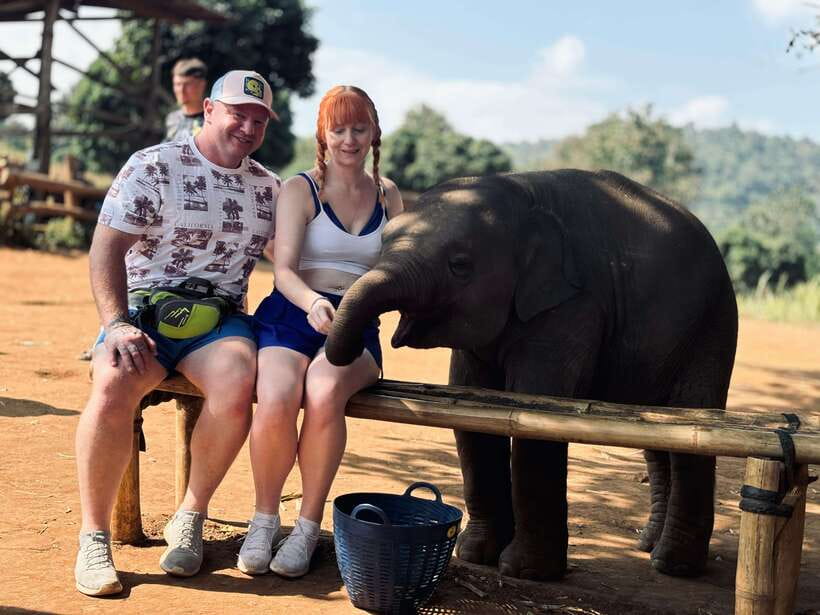
After your briefing, you head out on a nature walk with rangers. This is where you feel the sanctuary’s setting: forest air, uneven ground, and the soft realism of being outdoors with wildlife-friendly boundaries.
A few practical points from the experience format:
- You’ll likely move between stops, not just stand in one place
- There may be a bridge segment (described by some as slightly nerve-racking, but treated as safe and part of the adventure)
- Some walking is required even on a half-day tour
If you have low fitness or mobility concerns, don’t ignore this. The tour isn’t suitable for wheelchair users, and it’s also not suitable for people with back problems, recent surgeries, epilepsy, low fitness, or certain other conditions listed by the operator.
My advice: if you’re unsure, pack your day like you’re going on a nature hike that ends with water. Support your feet. Bring something you can move in and won’t resent if it gets muddy.
Feeding time: Napier grass, sugarcane, bananas, and herbal treats
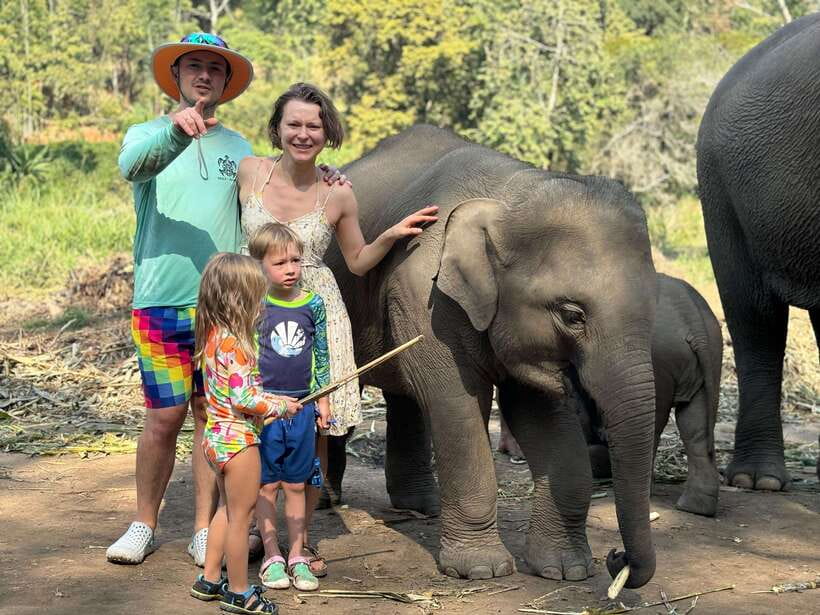
Now for the part most people came for: feeding. The tour is designed around safe, close-up feeding in the sanctuary’s natural environment. You get to offer foods like Napier grass, sugarcane, and bananas, with time to observe how the elephants eat and react.
You’ll also learn how Asian elephants are connected to local caretaking traditions and how to prepare herbal treats for them. Some of this is interactive, including making special food items the elephants receive. It’s not just a feeding moment. It’s a small education module that makes the food feel purposeful, not random.
What I like about the feeding segment is how it teaches you to slow down:
- Watch first, then feed when the guide says it’s time
- Pay attention to individual elephant behavior
- Take photos, but don’t treat the moment like a drive-thru
Also, the rules are clear: you’re not allowed to feed other animals, ride elephants, or do anything that turns this into a carnival. Alcohol and drugs are also prohibited. These boundaries protect both safety and animal welfare.
If you’re thinking about photos, take advantage of short “camera windows” during feeding rather than trying to chase elephants around. The tour is built for calm interaction, not frantic movement.
The river visit: swimming, bathing, and why timing can change
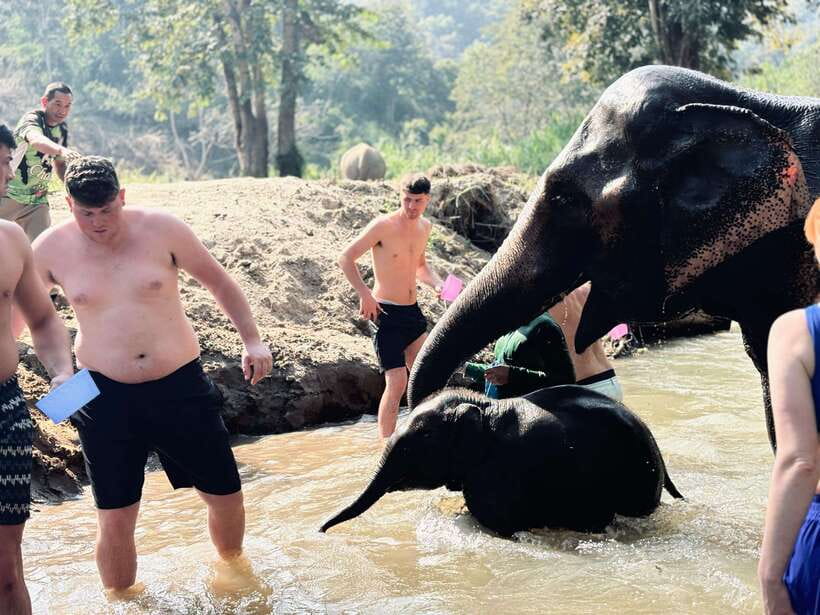
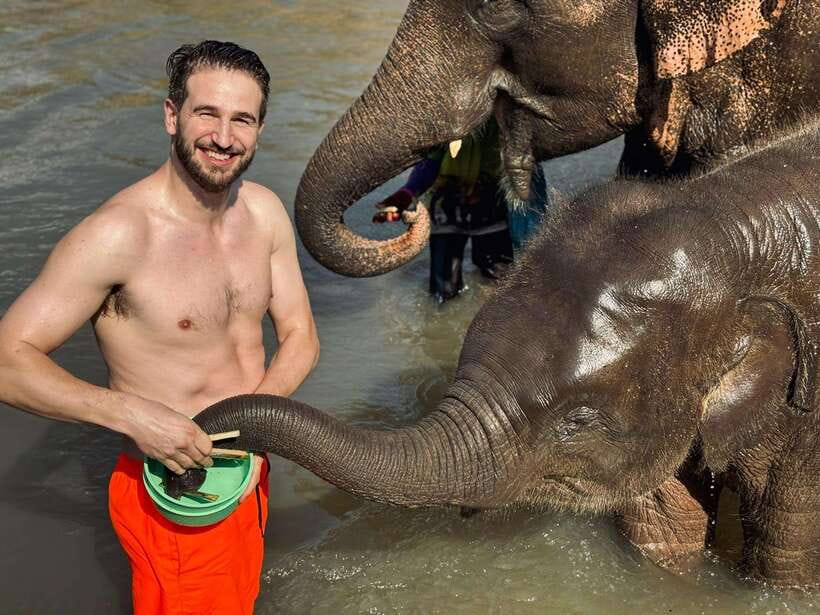
One of the most memorable pieces is the river portion. The program includes taking elephants to the river, and you may get the chance to swim and bathe with them.
Here’s the key detail: the elephants choose whether to bathe. The tour does not force them, so the river activities can change at short notice. That’s not a problem with the tour—it’s the whole point. It keeps the program aligned with elephant comfort and behavior.
Expect a playful, real-feeling water moment:
- You’ll be guided about safe interaction and behavior
- You may end up getting wet, whether it’s a gentle swim or a more energetic water play
- Photos work best when you stay steady and follow guide cues
Pack for water even if you’re hoping it won’t happen. Towels and a change of clothes are not included, and you’ll want both after you’re done.
Why this is valuable: a lot of elephant experiences in Thailand are built around human schedules. Here, the elephant’s schedule shows up. When the timing works, it feels intimate and peaceful—like you’re sharing the moment instead of controlling it.


What makes this feel ethical: the rules you can actually see
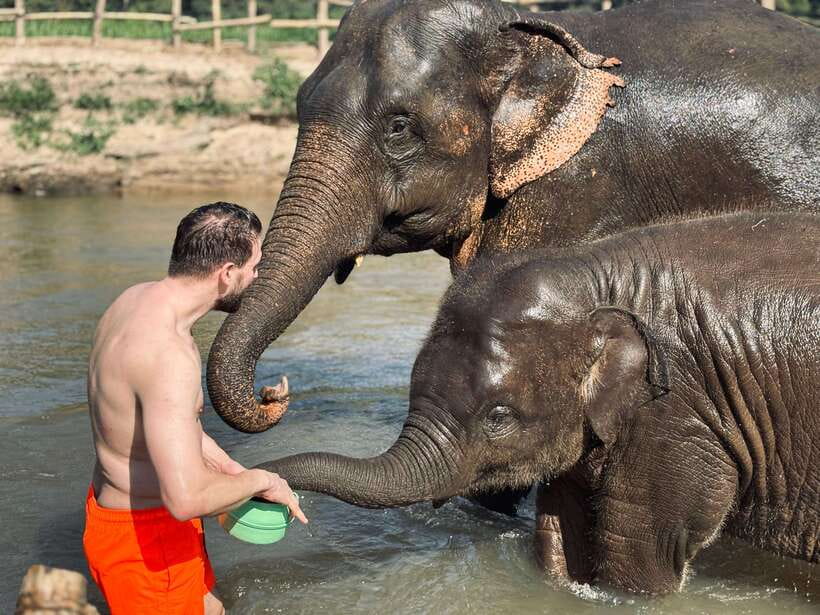
Elephant sanctuaries can be a mixed bag worldwide. This one is built around a clear set of boundaries that you can recognize during the day.
Big ethical markers included in the tour info:
- All activities are based on elephants not being forced to do things
- You do not ride elephants
- You follow behavior rules around the habitat and animals
- Intoxication and disruptive conduct are not allowed
You’ll also hear about Asian elephant history and their place alongside local communities and hill tribes. The tour’s story emphasizes ethical coexistence and how the sanctuary’s work supports conservation and community forest protection over the long term.
In plain terms: this experience is most meaningful when you treat the elephants as the main actors. If you go in wanting only a selfie and a checklist, you’ll miss what makes it special.
Food, photos, and the little “how it works” details
The program includes drinking water and fruit for the elephants. You also get the food interaction elements described above. You’ll want your smartphone charged because you’ll want photos when the elephants are near, not when they decide to walk away.
For photos, a useful mindset is: capture the behavior, not just the pose. If an elephant is eating Napier grass, or there’s a calm family group moment, those are the shots that feel real later.
Some tours also emphasize touching or getting very close. The important part here is closeness with guide-controlled boundaries. The best photos happen when you stay in position and let the elephants choose their proximity.
And yes—you may get photos that look like pure friendliness. Elephants can be curious and relaxed when cared for well, and this sanctuary is set up to allow that kind of calm.
What to bring: a practical packing list (so you’re not miserable)
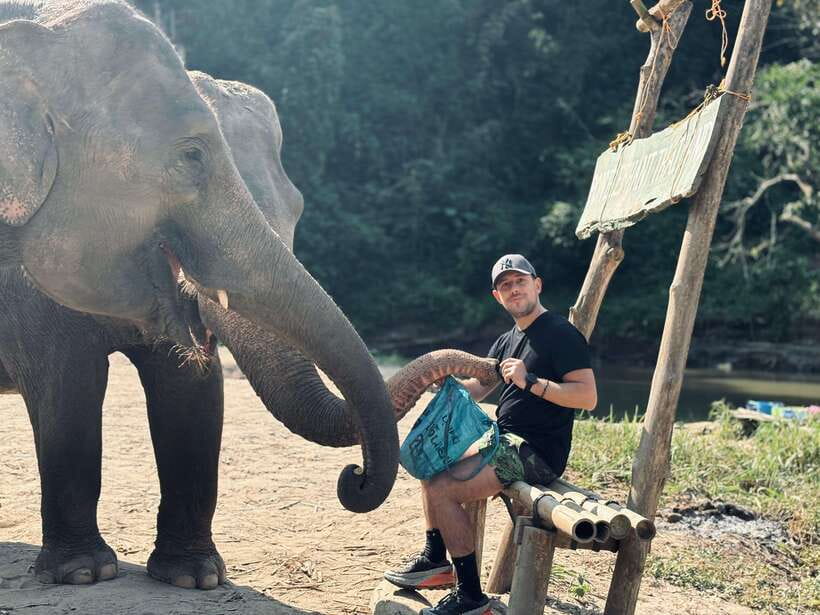
This tour asks you to dress for comfort, dirt, and water. The operator’s recommended items line up with how the day actually plays.
Bring:
- A change of clothes
- Comfortable clothes (things you don’t mind getting dirty)
- Beachwear if you want to be ready for river time
- Camera and/or charged smartphone
- Biodegradable sunscreen
- Biodegradable insect repellent
- Cash (useful for small extras even if not required for the main tour)
- Passport or a copy accepted
Bring also your own towel if you don’t want to improvise. Towels are not included, and you’ll likely end up wet.
Quick style tip: footwear matters. Choose shoes you can walk in and that won’t be tragic if they get soaked or muddy. If you bring delicate gear, the river portion will test your optimism.
Timing and value: why half a day works here
The duration is listed at 5 hours (330 minutes). That’s a sweet spot for most people in Chiang Mai because you still get meaningful elephant time without swallowing your whole day.
Here’s how the half-day format helps:
- You get multiple interaction moments across different stations
- You learn the elephant context before feeding
- You still have time buffer if your schedule includes other Chiang Mai plans later
Price is listed at $27 per person. For that, you’re not just paying for an entrance fee. You’re paying for:
- Hotel pickup and drop-off if selected
- An English-speaking tour guide
- Insurance
- Water and elephant food items
- The structured sanctuary experience with rangers and safety guidance
To me, that’s good value if you want a well-organized sanctuary day rather than a cheaper but chaotic experience. The biggest thing you can’t get back is your time—so spend it on something that’s respectful and organized.
Is this tour right for your group?
This experience is best for people who:
- Want hands-on feeding in a safe, guided setting
- Care about animal welfare rules and elephant-controlled behavior
- Like learning about elephant history and behavior, not just watching
- Can handle short walking segments in a natural environment
It may not be right if you:
- Have mobility impairments, wheelchair needs, or back problems
- Have epilepsy, recent surgery limitations, or low fitness
- Have animal allergies or insect allergies
If you’re traveling with kids, it can work well because the day is structured and interactive, and the guides focus on keeping people safe and comfortable. If you’re traveling with older parents or someone with limited stamina, choose footwear carefully and go slower on the walk portions.
Also, keep in mind the elephant bath timing depends on the elephants. If you have a strict flight schedule later, you’ll still likely be fine because this is a half-day tour—but factor in the natural possibility of short changes due to weather or force majeure events.
Should you book Chiang Mai Elephant Sanctuary Feeding Program?
Book it if you want a responsible elephant experience in a forest sanctuary setting, with real guidance and a clear schedule that still leaves room for the elephants’ choices. The feeding format (Napier grass, sugarcane, bananas) and the river time can be the kind of memory you keep for years, especially because it’s not built on riding or forcing.
Skip or choose something else if you can’t handle light walking, get stressed by water-soaked surprises, or need an experience that never changes even if elephants choose not to bathe.
If you’re on the fence, think about one question: do you want an encounter that follows the elephants’ comfort and a guide’s safety rules? If yes, this one is a strong bet.
FAQ
How long is the Chiang Mai elephant sanctuary feeding program?
The duration is listed as 5 hours (330 minutes). Check availability to see the starting times.
Is hotel pickup included?
Hotel pickup and drop-off are included if you select the pickup option. If not selected, you’ll arrange your own meeting point based on the option booked.
What do you feed the elephants?
You feed Napier grass, sugarcane, and bananas. The tour also includes fruit for elephants and includes time to learn how herbal treats are prepared.
Can the elephants choose whether to bathe in the river?
Yes. The elephants choose to bathe in the river. The tour states that activities may change at short notice because they don’t force the elephants.
What should I bring for the tour?
Bring a change of clothes, comfortable clothes that can get dirty, beachwear, a camera, biodegradable sunscreen, biodegradable insect repellent, and a charged smartphone. The operator also lists bringing cash and a passport (or a copy accepted).
Are towels and a change of clothes included?
No. Towels and a change of clothes are not included.
What’s not allowed during the tour?
The tour lists several prohibited items and actions, including weapons or sharp objects, intoxication, alcohol and drugs, littering, and feeding animals other than the elephants. Riding the animals is also not allowed.
Who is this tour not suitable for?
It is not suitable for people with back problems, mobility impairments, wheelchair users, epilepsy, animal allergies, visually impaired people, people with recent surgeries, people with low level of fitness, and people with insect allergies.