REVIEW · CHIANG MAI
Chiang Mai: Cooking Class, Market & Thai Herbs Garden Tour
Book on GetYourGuide →Operated by Thai Cottage Home Cookery School · Bookable on GetYourGuide
Your spice lessons start in Chiang Mai.
This 210-minute cooking experience mixes a local market walk with an organic Thai herb garden stop, then finishes in a hands-on kitchen where you cook and eat what you make. It’s part shopping, part cooking workshop, part feel-like-a-local meal.
I especially like the structure: you pick dishes, you learn the ingredients, and you get to make your own curry paste from scratch. I also like that the program supports different diets and spice levels, so it’s not one-size-fits-all. One thing to consider: the market time is brief by design, so you’ll come away with good ideas rather than hours of wandering and bargaining.
In This Review
- Key Things I’d Watch For
- How the Chiang Mai 210-Minute Flow Actually Works
- Pickup, Timing, and the Easiest Way to Not Stress Out
- The Market Walk: Herbs and Ingredients You Can Actually Name
- Thai Herb Garden + the Organic Kitchen Garden Setting
- Hands-On Cooking: Grinding Curry Paste in a Mortar and Pestle
- Choosing Your Starters, Mains, and the Mango Sticky Rice Finale
- Starters you can choose from
- Main dishes you can choose from
- Who the English Hosts Are and Why That Matters
- Taking It Home: PDF Recipes and What to Do With Them
- Price and Value: Why This $31 Class Feels Like a Deal
- Who Should Book This Chiang Mai Workshop (and Who Might Skip)
- Should You Book This Chiang Mai Cooking Class?
- FAQ
- How long is the Chiang Mai cooking class?
- Is hotel pickup and drop-off included?
- Do I visit a market during the experience?
- What other site is included besides the market?
- Can I choose what dishes I cook?
- Can I make the food mild instead of spicy?
- Are vegan, vegetarian, gluten-free, or halal options available?
- Will I get recipes to take home?
- What curry pastes can I make from scratch?
- What should I bring and wear?
- FAQ
- Can I cancel for a full refund?
- Is alcohol included?
- Is the class taught in English?
- Is this activity suitable for young children?
- Is it suitable for very elderly participants?
Key Things I’d Watch For
- Market first, kitchen after: you learn ingredients before you start chopping and stirring
- Curry paste from scratch: mortar-and-pestle grinding is the hands-on payoff
- Choose your own dishes: starters and mains are menu-driven, not fixed
- Herb garden + organic setting: you cook and then eat in a garden-style environment
- Spice level is adjustable: you can go hot or keep it mild
- PDF recipes online: you leave with a digital recipe book to recreate dishes later
How the Chiang Mai 210-Minute Flow Actually Works
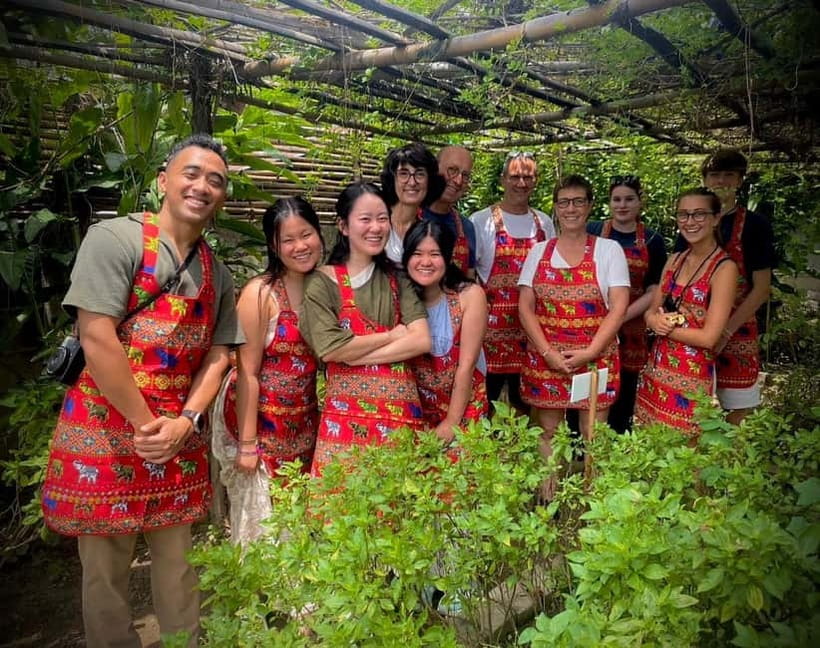
This class is built like a half-day rhythm, not a loose “hang out and cook” event. You start with hotel pickup (included) and head straight into the ingredient side of Thai cooking. Then the itinerary moves in the order that makes sense: see ingredients at the market, learn what they do, and only then use them in the kitchen.
You’ll get time at a local market plus a Thai Herb Garden, and then it’s hands-on cooking in an organic kitchen setting. The point isn’t just to eat good food (though you will). The point is learning by doing: you’ll prepare chosen dishes, customize them with your preferences, and make something Thai cooking is famous for—curry paste.
At the end, you sit down for a Thai-style meal right there at the kitchen/garden space. Finally, you get dropped back at your hotel. With a total duration of about 210 minutes, it feels like a full learning session without swallowing your whole day.
You can also read our reviews of more tours and experiences in Chiang Mai.


Pickup, Timing, and the Easiest Way to Not Stress Out
Hotel transfer is part of the package, with free transfer offered within 3 km of Chiang Mai Old Town. The pickup window is practical but real: you’re picked up 15–30 minutes before the class starts. That buffer helps you avoid being early and wandering.
If your hotel is farther out, you might be asked to meet at a meeting point, so the group doesn’t run late. And yes, traffic can cause delays—this is Chiang Mai, and roads don’t always cooperate.
What I’d do to keep it smooth: plan to be ready when they say you should. Wear something comfortable (light layers are smart), and don’t schedule anything tight right before pickup. If you’re coming from a nearby hostel or hotel, it usually feels painless. If you’re staying farther away, treat the meeting point notice as part of the plan, not as a surprise.
The Market Walk: Herbs and Ingredients You Can Actually Name
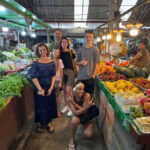
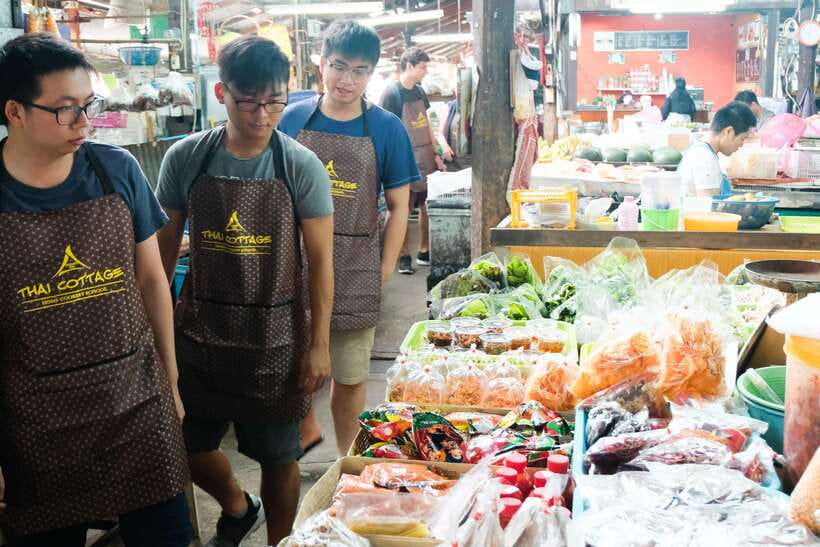
The market stop isn’t just for photos. It’s where the class sets up the “why” behind Thai flavor. You’ll shop for the ingredients you’ll later use in cooking, and you’ll get guided explanations in English.
What stands out in the vibe: it’s local and it’s practical. The best moment is usually when an ingredient clicks—whether it’s an herb, a spice, or something you didn’t expect to use in a curry base. You’ll be learning in the context of real dishes, not generic cooking talk.
You also get to see how people shop and what’s considered normal. That matters because Thai cooking often feels different from Western kitchens. Instead of relying on bottled sauces, much of the flavor comes from fresh aromatics and measured paste-making.
A small consideration: the market time is limited. Think of it as enough to get your bearings and understand what you’re buying, not enough to do an all-day market circuit.
Thai Herb Garden + the Organic Kitchen Garden Setting
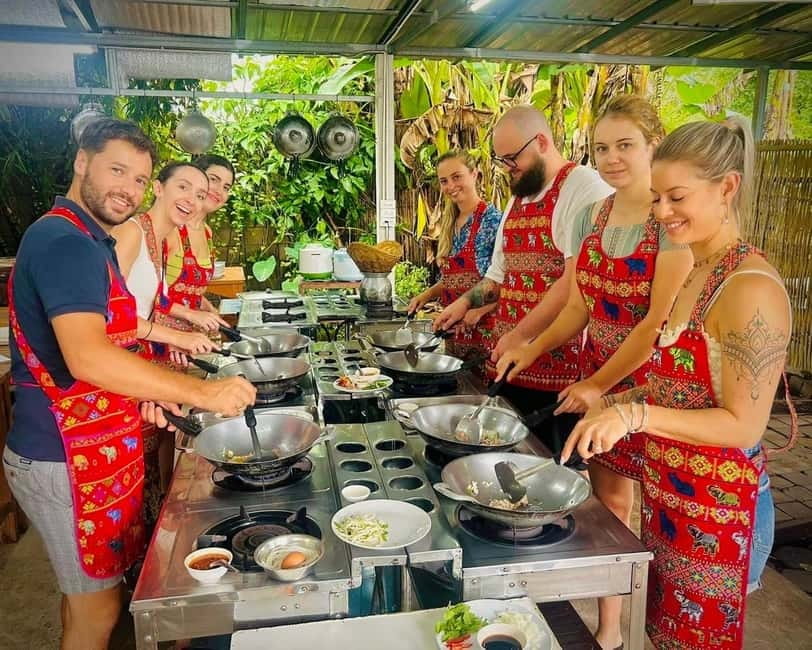
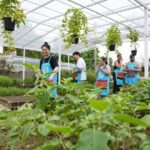
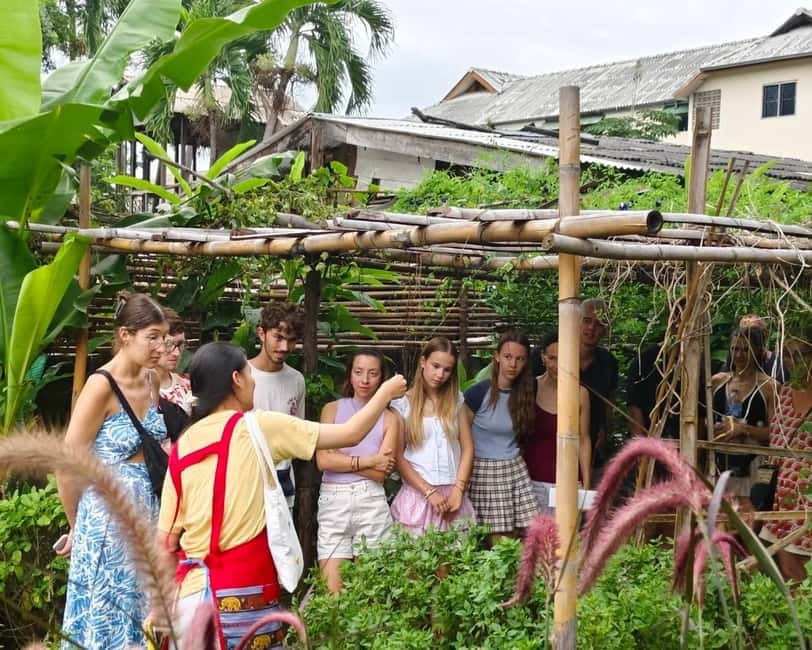
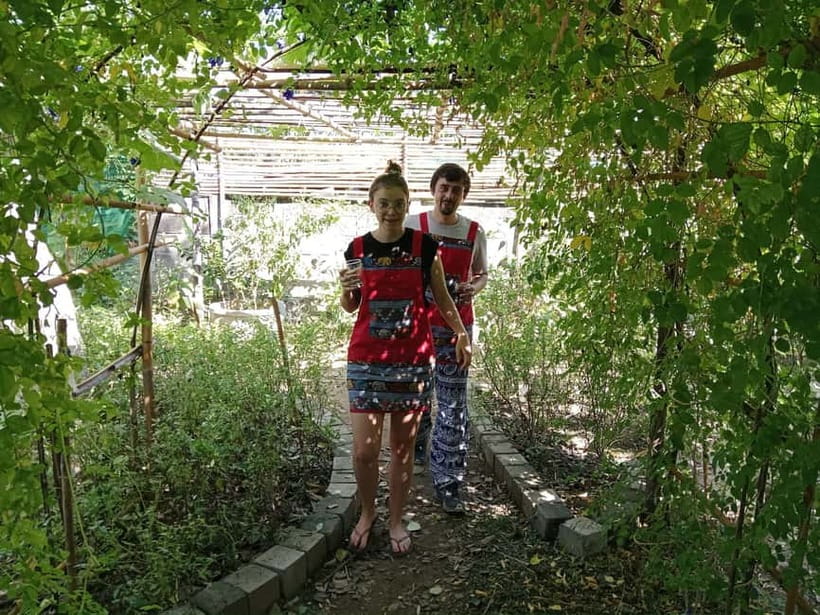
After the market, you move into the herb and garden side of the experience. You’ll visit a Thai Herb Garden, and the cooking takes place in an organic kitchen garden setting.
This is more than scenery. Being surrounded by herbs while you learn ingredient use helps you connect flavor to plant. It also makes the whole class feel less like a showroom demonstration and more like a working food space.
The garden setting affects the meal too. Instead of eating at a classroom table, you’ll dine in the Thai way, in the same environment where the food is prepared. That makes the end of the tour feel like part of the learning arc, not the final stop on a tourist checklist.
If you care about food coming from ingredients and not just from technique, this part is worth paying attention to. It’s one of the reasons the experience rates so high: people enjoy the full loop from herb to plate.
Hands-On Cooking: Grinding Curry Paste in a Mortar and Pestle
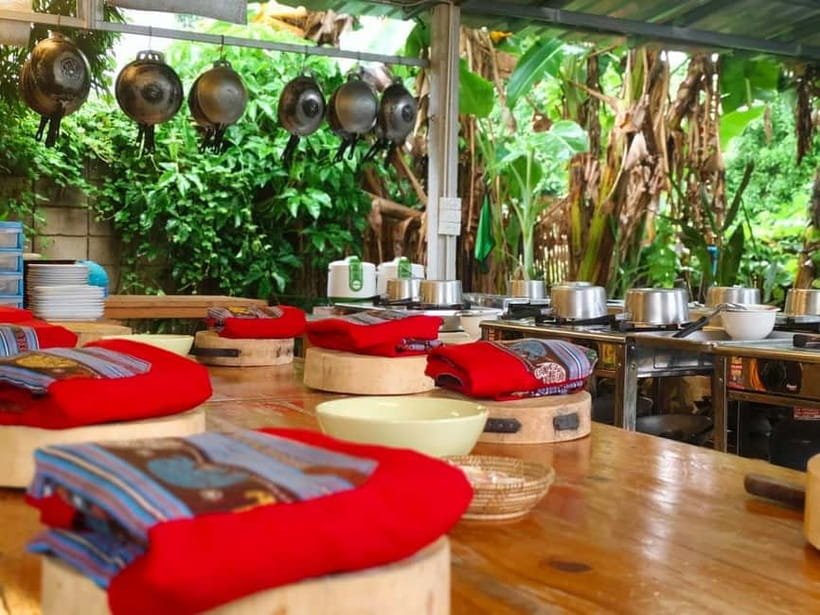
Here’s the signature moment: you make your own curry paste from scratch using a mortar and pestle. This is the step that turns a cooking class into a skill-building workshop.
You choose a curry paste option such as red, green, Phanaeng, Massaman, or Khao Soi, and then you prepare it using the ingredients you picked up earlier. Once the paste is ready, you use it to cook a dish like chicken with coconut milk curry (the class includes a curry option built around that paste base).
You also get choice and control in how you cook. The class explicitly allows you to make the food spicy or non-spicy to match your preference. That matters because Thai cooking can be intense, and you don’t want to spend the whole experience worrying about heat levels.
In practical terms, curry paste making is messy and fun. It also helps you understand why Thai curry tastes the way it does. You stop thinking of curry as a sauce and start seeing it as a blended set of ingredients that you build.






Choosing Your Starters, Mains, and the Mango Sticky Rice Finale
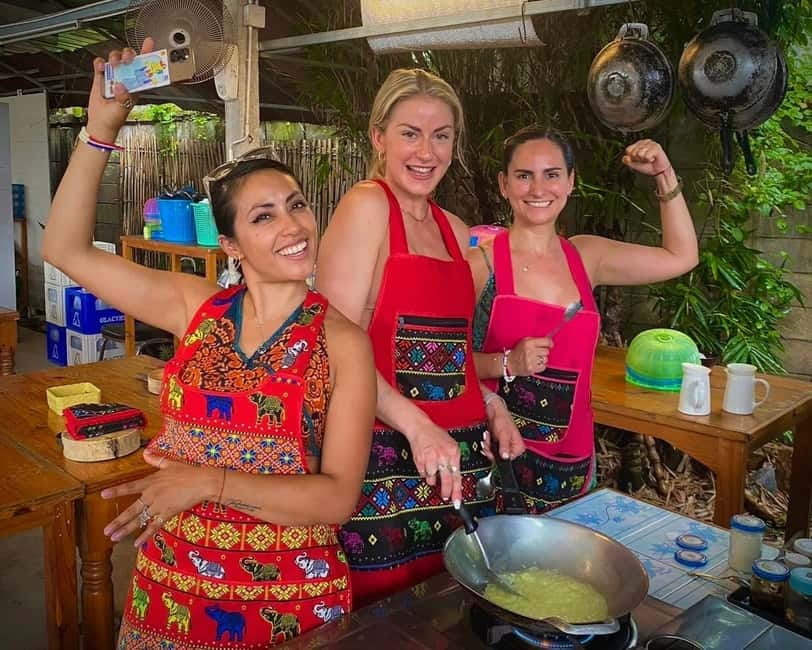
The class uses a menu style where you pick your dishes across categories. That’s a big reason it works for different tastes in one group.
Starters you can choose from
You’ll see options like:
- hot and sour prawn
- local chicken soup
- chicken in coconut milk
- turmeric chicken soup
Main dishes you can choose from
Main course choices include classics like:
- Pad Thai
- chicken fried rice
- fried chicken with cashew nuts
- Pad Kra Pao
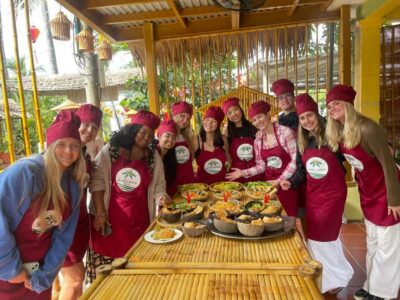
The class is designed so you don’t just watch. You cook your chosen dishes, so everyone leaves with a plate that feels like theirs.
Then comes the sweet finish: you make sticky rice with mango. This is the kind of “Thai dessert you can remember” dish because it’s simple to describe, and it’s tied to Thai ingredients you’ll actually want to buy later.
Across the experience, the high ratings line up with this idea: people like it when the class is hands-on and when the food is varied enough to feel like more than one meal.
Who the English Hosts Are and Why That Matters
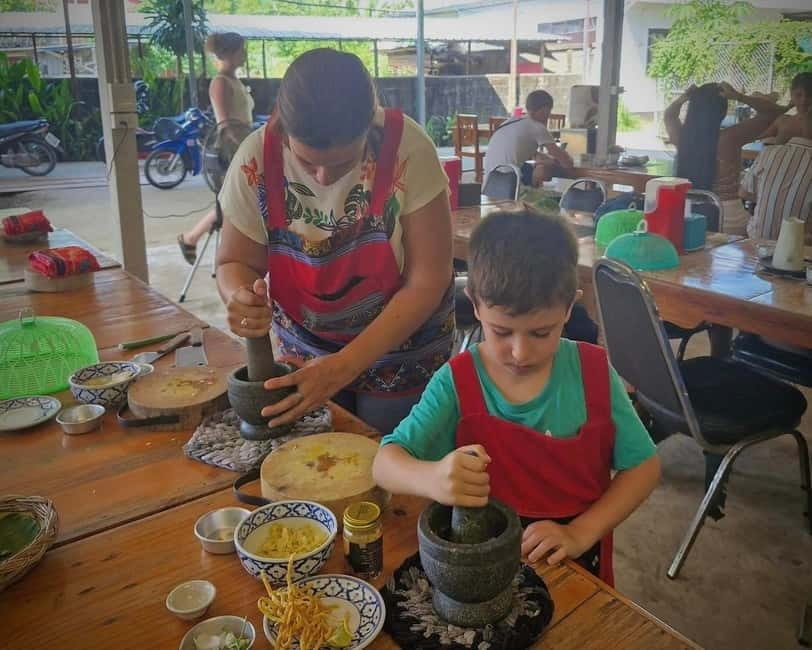
This class runs with an English-speaking instructor, and several guide names show up in the experience quality. You might be guided by instructors such as Wave, Tu, Kat, Flook, Balloon, or Toey.
Why you should care about this: the tone is part of the value. Multiple instructors are described as friendly, funny, and organized, and that combination matters in a cooking class. Clear guidance keeps you safe and on track with chopping, paste-making, and timing. Humor and warmth help you relax enough to enjoy the process.
If you’re booking because you want the learning part to feel easy and not awkward, prioritize classes where the instructor energy is a big selling point. This one leans that way.
Taking It Home: PDF Recipes and What to Do With Them
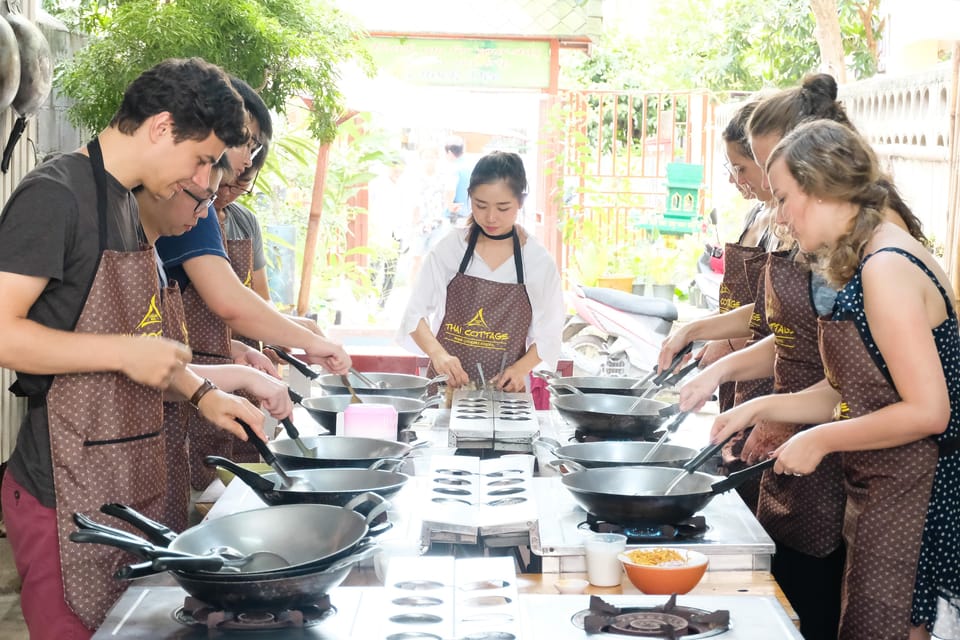
You get a digital recipe book in PDF format online. That means you’re not stuck with the memory of a meal; you have a reference you can use later.
This is especially useful because Thai cooking is often about ratios and ingredient choices. Once you’re back home, you may not recreate every detail from memory, so having a recipe format helps you test your cooking again. It’s one of the reasons the value stays strong even after the class ends.
My practical advice: before your trip ends, take a screenshot or download the PDF to your phone so you can access it offline. Then when you try cooking later, you’ll already know where each dish recipe starts.
Price and Value: Why This $31 Class Feels Like a Deal
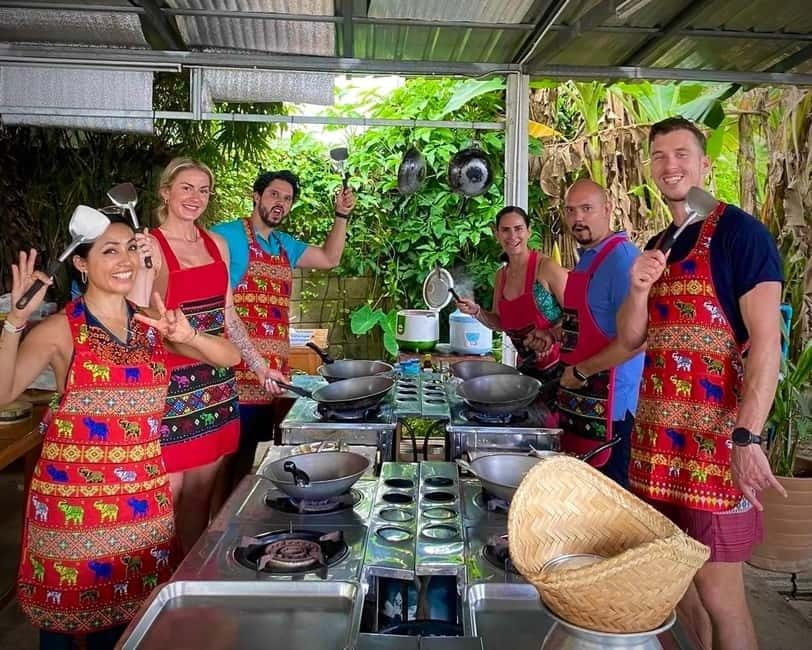
For $31 per person, you’re getting a package that includes:
- hotel pickup and drop-off
- a local market visit
- Thai Herb Garden visit
- hands-on cooking instruction
- all ingredients
- an English-speaking local instructor
- a digital PDF recipe book
The value isn’t only the cooking itself. It’s the logistics included in the price. Getting market time, herb garden time, ingredient sourcing, and all cooking materials rolled into one package saves you planning and makes it easier to commit.
You’re also paying for the core experience that matters most: you’re not just tasting. You’re making curry paste, cooking a full meal, and learning how ingredients connect to dishes.
One more value point: the class supports vegan, vegetarian, gluten-free, halal, and allergy needs with alternative ingredients. That can be rare in casual food experiences.
Alcohol isn’t included, but it’s available to purchase. If you prefer alcohol-free experiences, you won’t miss out.
Who Should Book This Chiang Mai Workshop (and Who Might Skip)
This class is a good fit if you want:
- a hands-on Thai cooking lesson
- market context for ingredients
- the curry paste skill (that’s the standout)
- adjustable spice levels
- options for dietary needs
It may not fit if you need a quieter, low-movement activity. Cooking involves standing, chopping, and coordinating steps. Also, it’s not suitable for children under 5 or for people over 95.
If you’re traveling as a couple, a solo foodie, or a small group, it also works because everyone can choose dishes and build their own plate choices within the menu options.
Should You Book This Chiang Mai Cooking Class?
Yes, I’d book it if you want a compact half-day that actually teaches you Thai cooking basics with real ingredient context. The big reasons: curry paste from scratch, the market-to-kitchen flow, and the fact that you’re cooking and eating your own dishes in a garden-style setting.
I would skip or reconsider if you’re expecting a long, slow market day or a fully private experience. And if you hate uncertainty around spice, just go in planning to ask for a mild version. The class is set up for you to choose spicy vs non-spicy.
If your goal is to leave Chiang Mai with practical cooking skills and a repeatable recipe setup, this is the kind of experience that pays off after your trip ends.
FAQ
How long is the Chiang Mai cooking class?
The total duration is 210 minutes.
Is hotel pickup and drop-off included?
Yes. Hotel pickup and drop-off are included, with free transfer within 3 km of Chiang Mai Old Town.
Do I visit a market during the experience?
Yes. You’ll go to a local market to pick herbs and ingredients before cooking.
What other site is included besides the market?
You’ll also visit a Thai Herb Garden.
Can I choose what dishes I cook?
Yes. You can choose from different options for starters and mains, and you also choose which curry paste you want to make.
Can I make the food mild instead of spicy?
Yes. You can make the dishes spicy or non-spicy based on your preference.
Are vegan, vegetarian, gluten-free, or halal options available?
Yes. The class welcomes vegan, vegetarian, gluten free, halal, and can accommodate allergies with alternative ingredients.
Will I get recipes to take home?
Yes. You receive a digital PDF recipe book online.
What curry pastes can I make from scratch?
You can make curry paste options such as red, green, Phanaeng, Massaman, or Khao Soi.
What should I bring and wear?
Wear comfortable clothes.
FAQ
Can I cancel for a full refund?
Yes. You can cancel up to 24 hours in advance for a full refund.
Is alcohol included?
Alcoholic beverages are not included, but they are available for purchase.
Is the class taught in English?
Yes, the instructor speaks English.
Is this activity suitable for young children?
No. It’s not suitable for children under 5 years.
Is it suitable for very elderly participants?
No. It’s not suitable for people over 95 years.