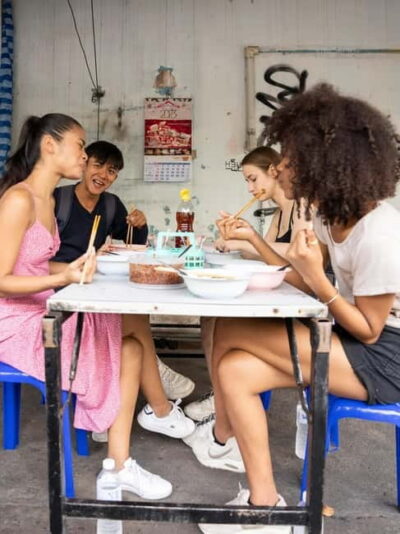
Hands-on Thai cooking can be practical fast. The Rice Barn Thai Cooking Farm Chiangmai blends a market stroll with a real hands-on kitchen setup so you learn how Thai flavors get built, not just how to follow a recipe. You get to work at your own station, and the class is designed so the same ingredients become consistently delicious through technique and timing.
I especially like the small-group feel (maximum 20) and the fact that it’s truly interactive, not a sit-and-watch demo. One possible drawback: the class doesn’t include alcohol, so if you want drinks you’ll need to buy them on site, and it’s smart to have some cash for extras.
In This Review
- Key things worth knowing before you go
- Thai food that tastes different, and why this class makes it consistent
- Price and Logistics: what you’re really paying for
- The market walk: spotting ingredients before the wok heats up
- Back at the kitchen: hands-on stations and the five-course structure
- What you’ll cook: classic Thai dishes built around timing and freshness
- The people part: instructors who teach without intimidating you
- Group size, pacing, and the “outdoor” factor
- What’s included vs not included: plan for the little extras
- Should you book The Rice Barn Thai Cooking Farm in Chiang Mai?
- FAQ
- How long is the Rice Barn Thai Cooking Farm class?
- Is pickup offered from Chiang Mai hotels?
- Where does the experience start?
- How many people are in the group?
- What’s included in the price?
- What’s not included?
- Do I need cooking experience?
- Is the class hands-on?
- Will I receive confirmation after booking?
- What is the cancellation policy?
Key things worth knowing before you go
- Market-to-kitchen flow: you’ll see key ingredients at the market first, then use them soon after back at the kitchen.
- Your own cooking station: hands-on learning means you actively cook rather than just observing.
- Five courses/menus format: you’ll cook multiple classic Thai dishes across the session.
- Maximum 20 people: smaller groups generally mean more attention and smoother kitchen pacing.
- Pickup and air-conditioned transport: an AC vehicle helps a lot in Chiang Mai heat.
Thai food that tastes different, and why this class makes it consistent
Thai food can be frustrating in a good way. You’ll eat a dish you love in one place, then get something totally different somewhere else using the same basic ingredients. The big difference usually isn’t the “secret ingredient” thing people joke about. It’s how fresh items are handled, when they go into the pan, and how balance is adjusted in the moment.
This cooking course is built around that idea. Instead of treating Thai cooking like a list of steps, the class focuses on traditional Thai-style cooking where ingredient freshness and timing do the heavy lifting. That’s what makes it valuable if your goal is to recreate flavors at home, not just to eat well in Chiang Mai for one afternoon.
Also, the format helps you learn without needing a culinary background. The course is hands-on and each person commands their own cooking station. That matters because Thai cooking can be precise, but you don’t learn precision by watching one person do it repeatedly.
You can also read our reviews of more tours and experiences in Chiang Mai.


Price and Logistics: what you’re really paying for
At about $29.35 per person for roughly 6 hours, you’re buying more than “a cooking class.” You’re getting:
- coffee and/or tea included
- food and cooking materials provided
- an air-conditioned vehicle (pickup offered)
- a market visit component plus guided cooking time
If you compare that to typical Chiang Mai paid activities, you’re getting a full half-day experience with both instruction and ingredients. And since the group max is 20, it’s not the kind of class where you feel lost in the crowd.
Logistically, it’s also straightforward: the activity starts at The Rice Barn Thai Cooking Farm Chiangmai and ends back at the meeting point. You’ll also receive a mobile ticket, so you’re not hunting for paper confirmations. For most visitors, that adds up to a low-stress morning or evening plan.
The market walk: spotting ingredients before the wok heats up
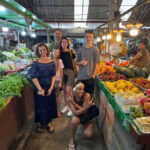
A market visit can either be a nice add-on or a waste of time. Here, it works because it’s directly tied to what you’ll cook next. You’ll learn as your teacher takes you through the market and back to the kitchen.
What’s useful about this part is the “why” behind ingredients. Instead of memorizing names, you’re seeing the real raw materials Thai cooks start with. That includes the practical stuff like freshness and how ingredients are used in Thai cooking. In Thai food, small changes can shift the whole flavor balance, so it helps to understand ingredients while they still feel familiar and close at hand.
This also tends to make the entire cooking section feel less like following instructions and more like making informed decisions. When you later reach for an ingredient, you already have a mental picture of what it should look and smell like.
Back at the kitchen: hands-on stations and the five-course structure
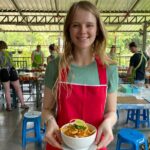
The cooking portion is the heart of the day, and it’s hands-on in the most literal way. Each person has their own station. There’s no “your group watches and one person cooks” setup. You’ll prepare multiple varieties of authentic Thai dishes with the instructor guiding you as you go.
The class structure includes five different and varied menus, and the reviews consistently point out that this is a multi-meal experience (not one dish and done). That makes the session feel efficient: you’re getting enough variety to keep things interesting, while still staying inside one consistent teaching flow.
A key benefit of a multi-dish class is that you start recognizing Thai cooking patterns:
- how herbs and aromatics set the base
- how sauces and seasoning create balance
- how heat and timing affect texture
Even if you don’t cook much at home, you’ll likely finish with a clearer sense of how Thai flavor is built step by step.
And the teaching style matters. The instructors are described as funny, engaging, and positive, which keeps the learning atmosphere relaxed. That matters in kitchens, because confidence grows faster when you’re not stressed about getting it wrong.
What you’ll cook: classic Thai dishes built around timing and freshness
You won’t just be told that Thai food tastes different. You’ll work with the same ingredients and then learn what changes the result. The class emphasizes the idea that great Thai food depends on fresh ingredients used at the right time.
That’s not just a slogan. In practice, it means your course will focus on cooking decisions, like when to add something, how to handle aromatics, and when to adjust seasoning. Since the food and materials are included, you’re not scrambling for supplies or trying to guess substitutions midway.
One thing to keep in mind: because it’s hands-on, you’ll be actively cooking multiple dishes over several hours. That’s part of the value. You’re learning the process, not just collecting photos of finished plates.






The people part: instructors who teach without intimidating you
In cooking classes, instructors can make or break the experience. Here, the teaching style is a big reason people rate this so highly. The instructors are described as hilarious, fun, and engaging, with a strong focus on teaching you how to do it yourself.
That teaching tone isn’t just about laughs. It helps you stay present while the instructor moves through the market-to-kitchen idea and shows you how Thai cooking works. And because you cook at your own station, you’re not waiting for your turn to touch the ingredients.
Another benefit: the class is built for confidence at home. The goal isn’t only to enjoy Chiang Mai cuisine that day. It’s to leave with the ability to treat friends and family to an authentic Thai meal later.
Group size, pacing, and the “outdoor” factor
The maximum group size is 20 travelers, which is a practical detail. Smaller groups usually mean fewer bottlenecks when you’re cooking, and more chance to get help if something doesn’t go the way you expected.
One review also calls out an outdoor experience. That can mean different things depending on how the farm kitchen and grounds are set up, but the takeaway for you is simple: come ready for farm-style conditions. Light layers can help, and comfortable shoes matter because you may be moving between areas during the market and cooking flow.
At around 6 hours, it’s also long enough to need steady energy. Coffee and/or tea are included, but plan to eat well during the class so you’re not running on fumes at the end.
What’s included vs not included: plan for the little extras
The included items are solid and cover the essentials:
- coffee and/or tea
- food and materials
- air-conditioned vehicle
Alcoholic beverages are not included. The good news is that you can buy alcohol at the cooking school. Since the class is practical, you’ll want to plan around that rather than assume you’ll be sipping beer or cocktails during the meal.
Also, bring baht in cash for a few extra things. That’s not a small detail. It’s one of the easiest ways to avoid awkward “we can’t buy it” moments if there are additional purchases you want to make on site.
Should you book The Rice Barn Thai Cooking Farm in Chiang Mai?
Book it if you want a hands-on Thai cooking experience that teaches you how Thai flavor is built. The market walk plus multiple course cooking format is a strong combo for learning, and the small-group size (up to 20) makes the class feel more personal than the mass-tour style.
Skip it or rethink it if you specifically want a wine-and-dining style evening. Alcohol isn’t included, and part of the value here is food and instruction, not drinks. Also, if you dislike getting actively involved in cooking tasks, this format may feel like work instead of relaxation.
If your goal is to leave Chiang Mai knowing how to make classic Thai dishes with more confidence, this is a great match.
FAQ
How long is the Rice Barn Thai Cooking Farm class?
The course runs for about 6 hours.
Is pickup offered from Chiang Mai hotels?
Pickup is offered, and transportation is included via an air-conditioned vehicle.
Where does the experience start?
It starts at The Rice Barn Thai Cooking Farm Chiangmai, 3 100 Tambon San Phi Suea, อ.เมือง Chang Wat Chiang Mai 50300, Thailand.
How many people are in the group?
The maximum group size is 20 travelers.
What’s included in the price?
Coffee and/or tea, food and materials, and air-conditioned vehicle transportation are included.
What’s not included?
Alcoholic beverages are not included, though they can be bought at the cooking school.
Do I need cooking experience?
No cooking experience is needed.
Is the class hands-on?
Yes. It’s hands-on, with each person working at their own cooking station.
Will I receive confirmation after booking?
Confirmation will be received at the time of booking.
What is the cancellation policy?
Free cancellation is available up to 24 hours in advance for a full refund, based on local time.