REVIEW · CHIANG MAI
Chiang Mai: Elephant Dream Project Sanctuary – Half-Day
Book on GetYourGuide →Operated by Elephantdreamproject · Bookable on GetYourGuide
A real sanctuary beats the usual elephant circus. This half-day in Chiang Mai Province focuses on elephants behaving naturally, with you tagging along for gentle, consent-based care. You’ll meet the team behind the Elephant Dream Project and see how locals build a humane routine around native elephants in their own jungle setting.
What I like most is the chance to get close without crossing lines, especially the feeding and guided jungle walking that follow the elephants’ pace. I also like the human part: you’re not only watching animals, you’re spending time around the people who live with them. The main drawback to plan for is that the day includes morning pickup and some uneven jungle walking, so it’s not a great fit if your mobility is limited or you’re on a strict schedule.
In This Review
- Key highlights at a glance
- The vibe: ethical elephants, not an amusement park
- The half-day timing: early pickup, scenic drive, and jungle time
- What that timing means for you
- Arrival briefing: meet the team and understand the elephant rules
- Feeding and walking in the jungle: the close-up part that stays ethical
- Feeding: powerful, but it should feel gentle
- Walking: follow their pace, not yours
- Lunch in between: Thai food and a chance to reset
- What you might see: bathing and river moments (without the “swim” angle)
- Who runs this, and why it matters for the ethics check
- Price and value: what $51 buys you in real experience time
- Packing and walking tips so the day feels easy
- Who should book (and who should skip)
- Should you book Elephant Dream Project Sanctuary Half-Day?
- FAQ
- How long is the half-day Elephant Dream Project Sanctuary tour?
- What time is hotel pickup in Chiang Mai?
- How long is the drive to the sanctuary from Chiang Mai?
- Is lunch included?
- What elephant activities are included?
- Do I get to feed the elephants?
- What should I bring for the day?
- Are soft drinks included?
- What language is the tour guide?
- Can I cancel for a full refund?
- Is the tour suitable for wheelchair users or elderly guests?
Key highlights at a glance
- Ethical approach first: activities run around the elephants’ natural comfort, not tourist entertainment
- Expert English guidance: you learn about Asian elephants from a local guide (often JJ)
- Up-close, but respectful: feed and walk alongside them without riding or forcing
- Jungle setting: you’re in the mountains and forest, not a fenced showground
- Thai lunch included: Thai food plus seasonal fruit to recharge
- Smart packing needs: bring shoes, sun protection, and insect repellent for outdoor time
The vibe: ethical elephants, not an amusement park
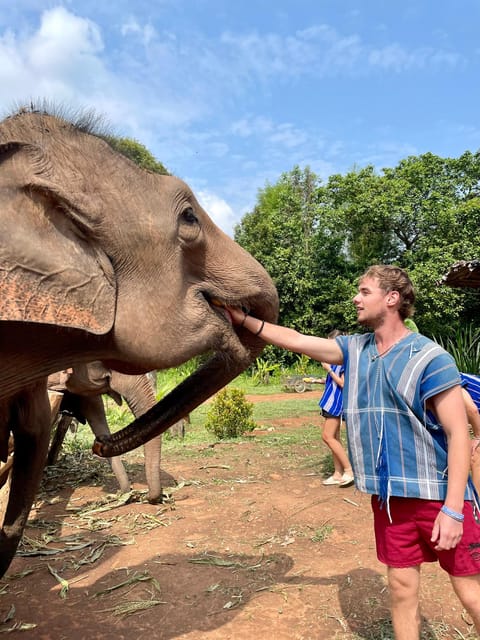
If you’re tired of the standard Chiang Mai elephant pitch, this one has a different feel. The Elephant Dream Project is built around the idea that elephants should move on their own terms. In practice, that means you’re not there to watch them perform tricks or “power through” activities that aren’t their preference. The whole rhythm of the morning follows elephant behavior and comfort.
The second big difference is the people. This sanctuary is locally run, and many guests talk about a family-style bond between staff and elephants. In the on-the-ground experience, that shows up as calm handling, lots of quiet observation time, and explanations that connect elephants to daily care rather than spectacle.
One more honest note: you should expect this to feel more like helping with a real routine than like a theme-park ride. That’s a win for ethics-minded visitors, but it also means the pace can’t be forced to fit your photo list.
You can also read our reviews of more tours and experiences in Chiang Mai.


The half-day timing: early pickup, scenic drive, and jungle time
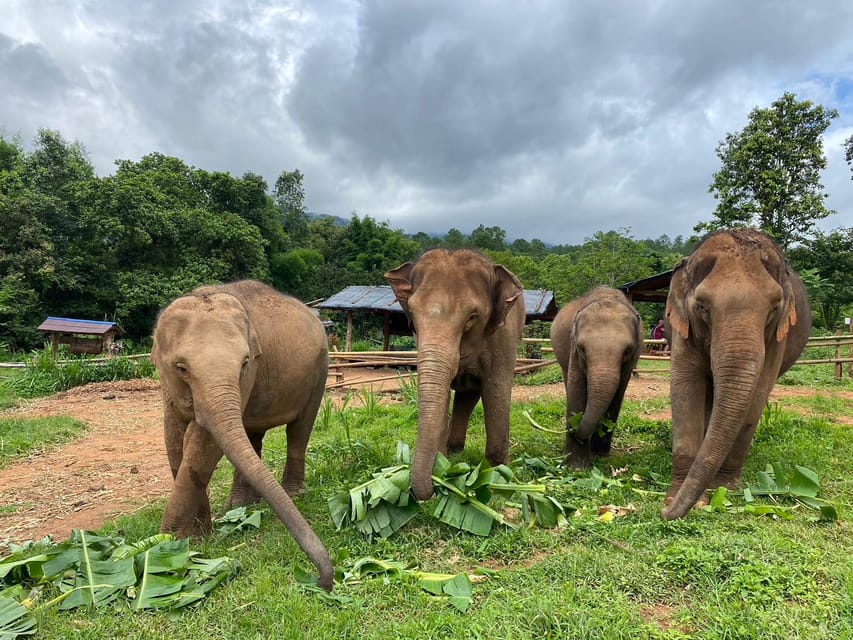
Your day starts with hotel pickup in Chiang Mai city around 7:00–7:30 AM. Then you head out toward the sanctuary, with a drive time of about 1.45 hours. The route is part of the experience because it transitions you from city life into hills and forest country. There’s also typically a photo stop on the way, which breaks up the drive.
Once you arrive (around 9:30 AM), you get an introduction from an expert local English guide. This is where you get the rules of how the day works: what you’ll do, what you won’t do, and why the team avoids pushing elephants into anything they don’t want. Many people find this briefing genuinely helpful because it sets expectations for how close you’ll get and how the interaction stays respectful.
After the morning elephant time, lunch comes in at noon. Then you’re back on the road for your return to Chiang Mai, with drop-off around 2:30–3:00 PM. Even though it’s labeled half-day, you’re still committing to an early start. If you love sleeping in, you’ll probably feel that tradeoff.
What that timing means for you
- You get a full morning of elephant contact and learning, not a rushed “5-minute photo and out” visit.
- You’re done by mid-afternoon, so you can still enjoy Chiang Mai later the same day.
- The tradeoff is the early pickup and a couple hours in transit each way.
Arrival briefing: meet the team and understand the elephant rules
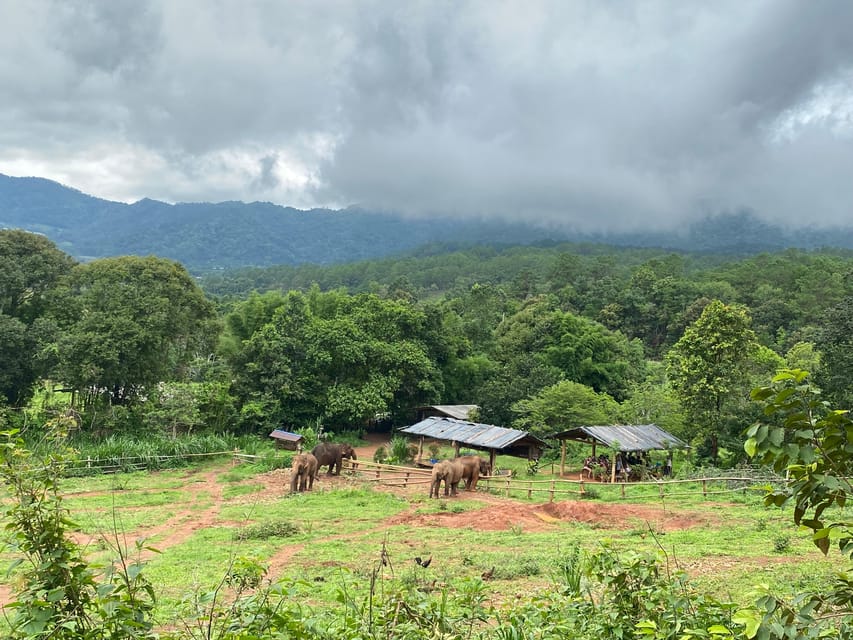
When you reach the sanctuary, the intro matters more than you’d think. This is where the guide explains the Asian elephant and the purpose behind the Elephant Dream Project, so you’re not just collecting pictures. You learn how care is structured and why the team focuses on what makes elephants feel calm.
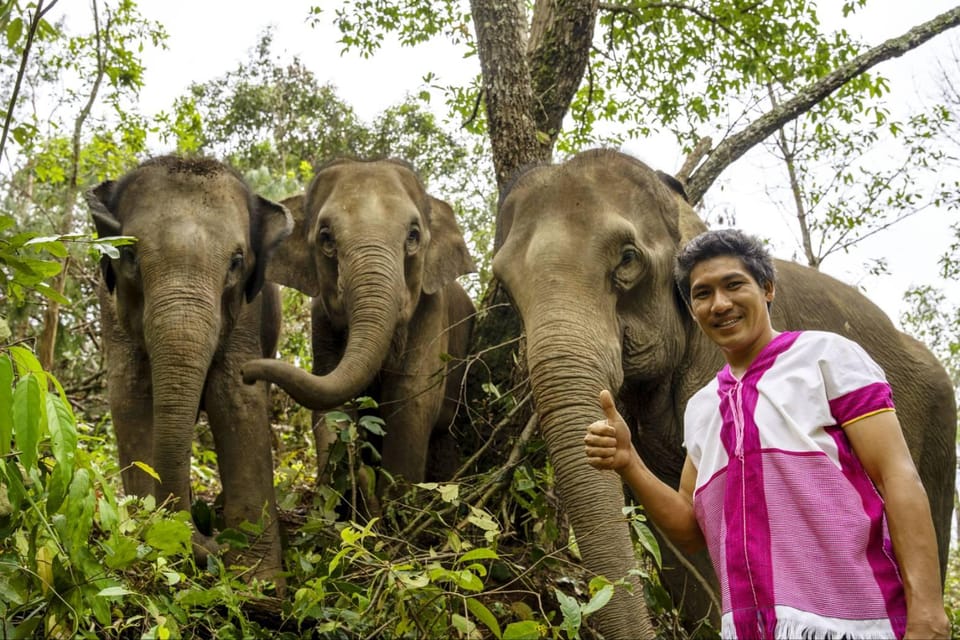
In many experiences with this sanctuary, the guide you’ll meet is JJ. You’ll hear his upbeat, practical explanations about elephant behavior and how staff guide the day around the elephants’ comfort. The key message: elephants don’t stay happy by being forced into human routines. They stay calm because the people around them respect boundaries and timing.
This is also where you’ll get a quick “how to be a good guest” mindset. That includes behaving calmly, understanding that elephants can choose to participate or not, and following the staff’s lead during feeding and walking.
Feeding and walking in the jungle: the close-up part that stays ethical
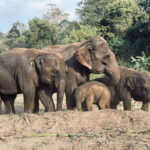
The main event is simple: feed the elephants and walk with them in their natural habitat. In many sanctuaries, “walking” can mean you follow behind a few staged interactions. Here, the point is closer to being around them while they do what elephants do.


Feeding: powerful, but it should feel gentle
Feeding is one of the most memorable parts because you see how food motivates elephants and how staff manage the process. You’ll be given elephant food (included), and you’ll feed them as part of the guided routine. The best part is that this doesn’t require riding, trick training, or handling them in ways that feel unnatural.
You should also expect elephants to eat a lot. That’s not a “cute moment” so much as a reality check: when elephants are comfortable, their appetite is a normal daily priority.
Walking: follow their pace, not yours
Walking happens in the jungle environment, with a guided experience that keeps you close enough to learn and observe. Reviews consistently describe the walking as gentle and respectful, with elephants deciding how much to engage. If you’ve ever seen elephants “perform” on a schedule, the difference is obvious: here, you’re not driving the interaction.
A practical thing: ground can be uneven. One guest even noted help with slipping underfoot, so sturdy shoes and good grip matter.
Lunch in between: Thai food and a chance to reset
At noon, you get lunch with Thai food and seasonal fruits. It’s included, along with water. This isn’t just a pause; it’s part of the day’s comfort. After time in the sun and jungle paths, food helps you recover quickly and makes the morning feel complete instead of exhausting.
The way the lunch fits the schedule also matters for your experience. You’re not pushed onward immediately after elephant time. You get a breather before heading back toward Chiang Mai.
If you’re the kind of person who worries about food on tours, keep it simple: treat lunch as one of your main meals and hydrate before elephant time if the morning is hot.
What you might see: bathing and river moments (without the “swim” angle)
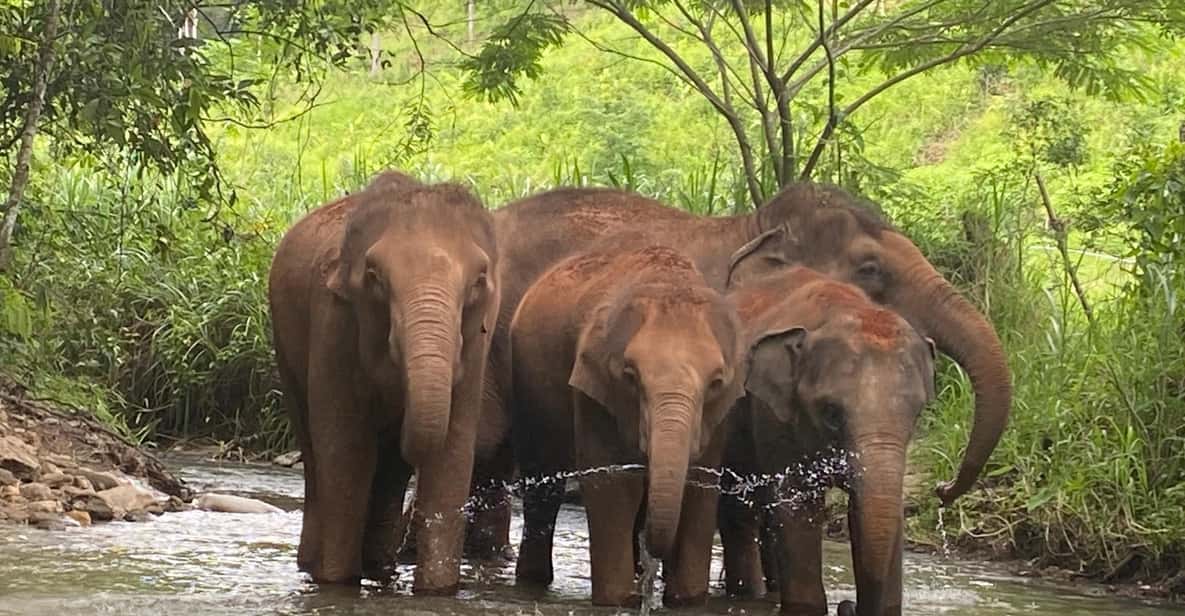
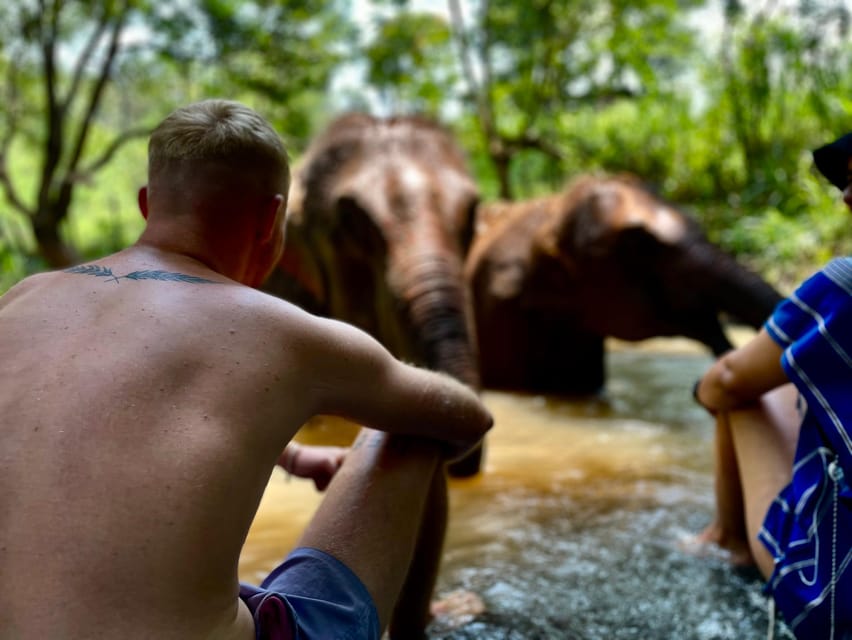
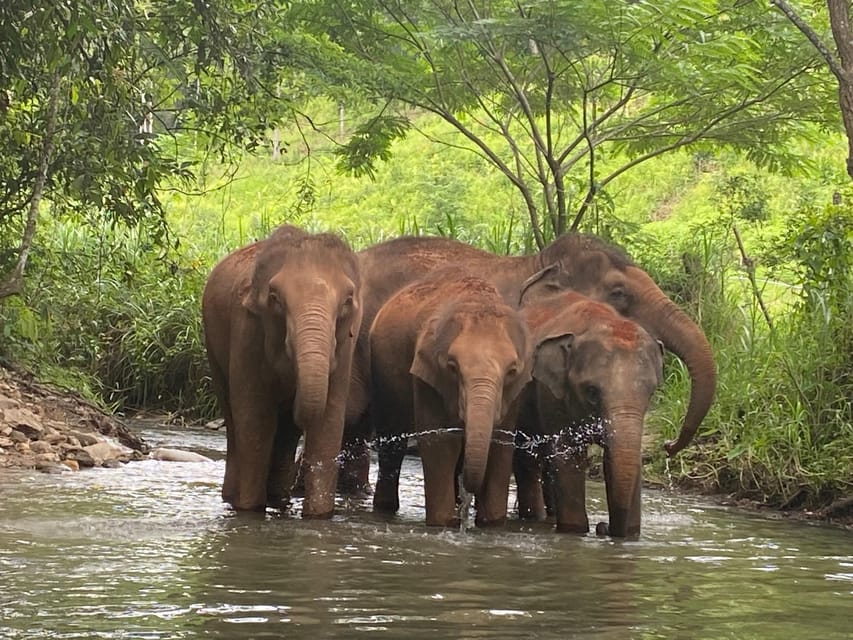
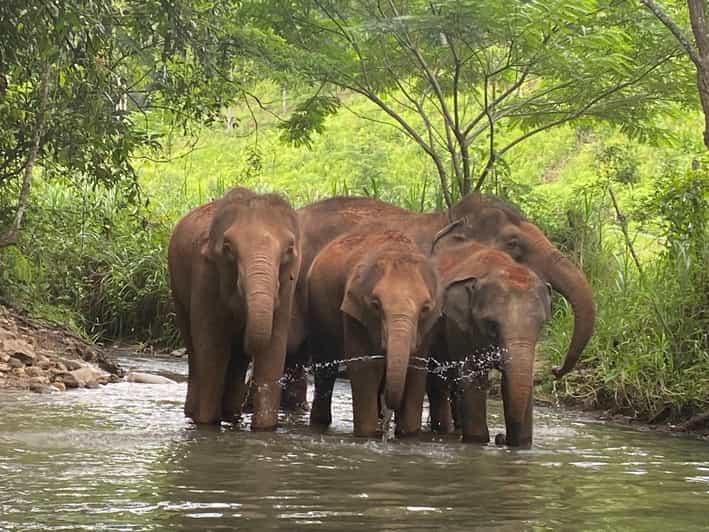
Even though the core promise is about walking and feeding, many guests mention watching elephants bathe or wash in water during the visit. That can be a moving moment because it’s natural behavior, not a show.
Important practical point: bathing should not mean you’re getting into the water. The experience is designed so you observe and stay out of the elephants’ space. When you see them wash and drink, you get that rare feeling of witnessing real life rather than manufactured entertainment.
Who runs this, and why it matters for the ethics check
Elephant Dream Project is described as locally run, with a family connection to the elephants. Some accounts point to elephants coming from local areas and a long-term relationship between owners and the animals. The owner you might hear about is often referred to as Mr Dee, and JJ is commonly mentioned as the guide.
Here’s the ethics value for you: when the people running the sanctuary treat it like a long-term home, the goal shifts from getting more tourists in and out to keeping elephants comfortable and healthy. That’s why guests repeatedly highlight that elephants aren’t forced to participate. If an elephant doesn’t want to engage, the routine adjusts.
Still, no sanctuary can be judged from marketing alone. The best practical approach is what this sanctuary seems to encourage: look for calm interactions, staff who stay close and attentive, and a program that doesn’t require riding or tricks.
Price and value: what $51 buys you in real experience time
At about $51 per person for a roughly half-day visit, the price can sound mid-range compared with other elephant tours in Chiang Mai. What makes it feel like good value is what’s included: roundtrip transfers in Chiang Mai, entry tickets, lunch, water, and elephant feeding food.
More importantly, you’re paying for time and behavior, not stunts. Many paid elephant experiences are built around quick, photo-heavy interactions plus extra “optional upgrades.” Here, your day centers on guided proximity with feeding and walking, then a proper meal. If your top priority is respecting elephants while still getting a close connection, this structure makes economic sense.
Also consider your total cost of “bad fit.” If you book a higher-cost option that turns out to be trick-based or ride-focused, you end up paying for something you don’t want. With Elephant Dream Project, the whole approach is more aligned with ethics-first visitors, so the money goes toward the experience you actually came for.
Packing and walking tips so the day feels easy
This tour is outdoors and involves jungle walking, so pack for traction and comfort. The essentials include:
- Hiking shoes with good grip
- Sunscreen and insect repellent
- A towel and a change of clothes
- Light gear you won’t mind getting dusty
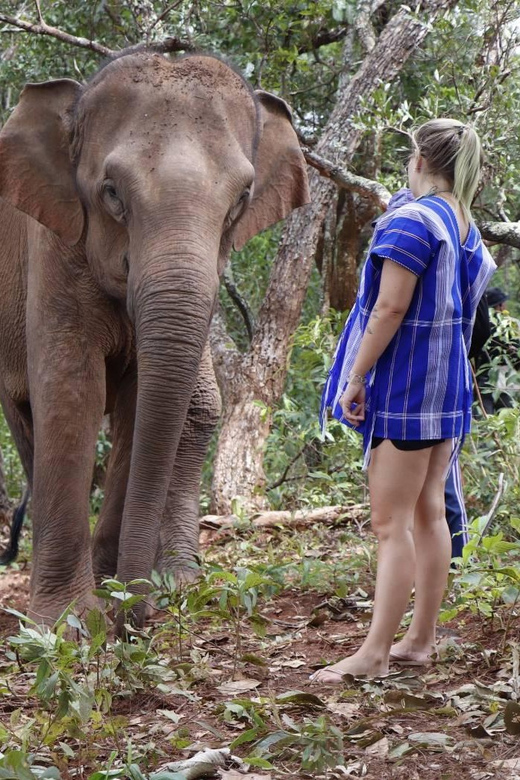
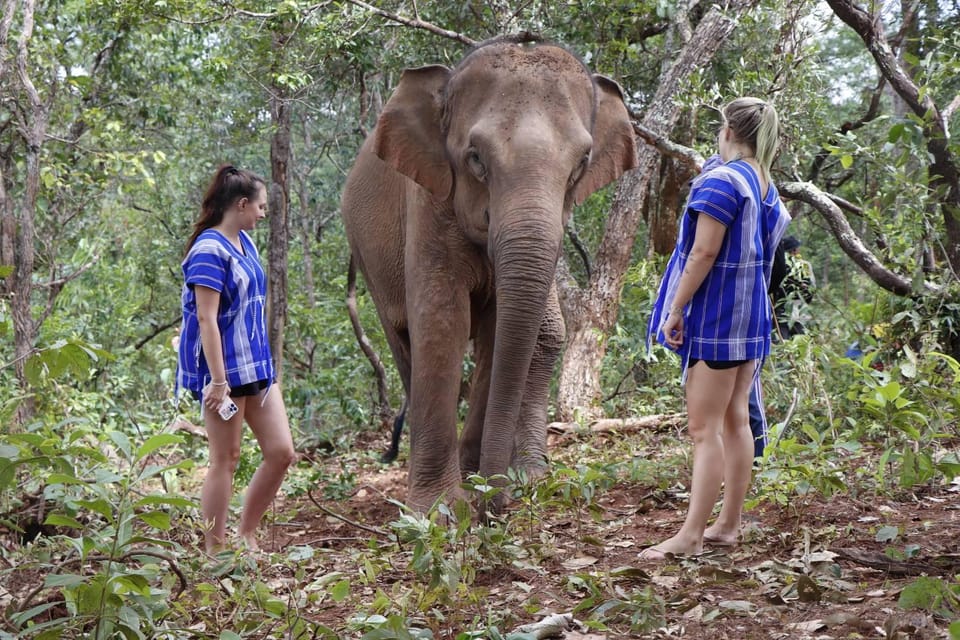
Many guests also mention getting a smock-type cover to stay clean during the day. Even if that’s not guaranteed for everyone, it’s smart to assume you’ll want at least one changeable layer.
If you’re sensitive to heat, plan to treat morning hydration seriously. You’ll be outside before lunch, and you’ll be around large animals in a hot environment where elephants are naturally active.
Who should book (and who should skip)
This experience is best for you if:
- You want feed-and-walk time with elephants in a natural setting
- You care about ethical practices and avoiding forced participation
- You like learning from a local guide in plain, practical terms
- You want to be back in Chiang Mai by mid-afternoon
It may not be the right fit if:
- You need wheelchair accessibility (this tour is not suitable for wheelchair users)
- You’re older and worried about balance or outdoor walking (it’s noted as not suitable for people over 80 years, and not suitable for people over 95 years)
- You expect a leisurely, fully flat stroll. The terrain can be uneven, and slipping can happen.
In other words: this is an animal-care experience, not a comfort-first nature walk.
Should you book Elephant Dream Project Sanctuary Half-Day?
I’d book it if your goal is to see Asian elephants up close while supporting a locally run sanctuary approach that centers elephant comfort. The biggest reason is the way the day is structured: you feed, you walk, you learn, and you’re not there to force elephants into entertainment. If you’re choosing one sanctuary-style visit in Chiang Mai, this is one of the clearer options for ethics-minded travelers.
I wouldn’t book it if your priority is maximum “activity volume” or total comfort. You’re trading a few conveniences for a calmer, more respectful interaction and a real jungle setting.
If you’re on the fence, do this quick test: ask yourself whether you’d enjoy following the elephants’ pace for a few hours, learning from a local guide, and packing for outdoor walking. If yes, this half-day is likely the right call.
FAQ
How long is the half-day Elephant Dream Project Sanctuary tour?
The tour lasts about 4 hours.
What time is hotel pickup in Chiang Mai?
Pickup is typically between 7:00 and 7:30 AM.
How long is the drive to the sanctuary from Chiang Mai?
The drive to the sanctuary is about 1.45 hours.
Is lunch included?
Yes. Lunch with Thai food and seasonal fruits is included, along with water.
What elephant activities are included?
You’ll get an introduction, feed the elephants, and walk with them in the jungle with an English-speaking local guide.
Do I get to feed the elephants?
Yes. Food for feeding the elephants is included.
What should I bring for the day?
Bring change of clothes, a towel, hiking shoes, sunscreen, and insect repellent.
Are soft drinks included?
Soft drinks are not included.
What language is the tour guide?
The live tour guide is English.
Can I cancel for a full refund?
Yes. You can cancel up to 24 hours in advance for a full refund.
Is the tour suitable for wheelchair users or elderly guests?
It is not suitable for wheelchair users. It also notes limits for people over 80 years and over 95 years.