REVIEW · NEW DELHI
Alluring North India and Rajasthan Tour
Book on Viator →Operated by Travel To India · Bookable on Viator
Long drives, big sights, zero hassle. This 21-day private loop through Delhi and Rajasthan (plus Varanasi, Khajuraho, and more) is built for people who want variety without the stress of figuring out transport day after day. You’ll move in a private vehicle, with guides to explain what you’re seeing as you go.
I especially like the customization option and the fact that you get guided sightseeing with an English-speaking driver. The planned extras stand out too: light-and-sound shows, a themed dinner at Chokhi Ki Dhani, and even a cycle rickshaw hour in Jaipur’s market area.
The main drawback to plan for is cost creep. Monument entry fees and most meals are not included, and the route is busy enough that you’ll want to keep your budget for add-ons under control.
In This Review
- Key things I’d pay attention to
- Why this Delhi to Rajasthan loop fits first-time North India visits
- Price and value: what the $2,400 covers, and what it doesn’t
- The private car advantage in India traffic (and what to look for)
- The route from Delhi to Varanasi to Khajuraho: spiritual India, temple art, and travel days
- Delhi
- Varanasi
- Khajuraho
- Orchha, Gwalior, Agra, and Fatehpur Sikri: forts, palaces, and the wow-factor of Taj-area sights
- Orchha
- Gwalior
- Agra
- Fatehpur Sikri
- Jaipur, Ajmer, Pushkar, and Chittorgarh: markets, forts, and spiritual stops
- Jaipur (including cycle rickshaw hour + light and sound)
- Ajmer and Pushkar
- Chittorgarh
- Udaipur, Ranakpur, and Jodhpur: palaces, Jain marble, and viewpoints
- Udaipur
- Ranakpur
- Jodhpur
- Jaisalmer, Pokhran, and Bikaner: desert forts and slower edges of Rajasthan
- Jaisalmer
- Pokhran
- Bikaner
- Mandawa for the final Rajasthan flavor: havelis and your included stay meals
- Guides, flexibility, and why the extras feel like money well spent
- Who should book this tour, and who should skip it
- Should you book Alluring North India and Rajasthan?
- FAQ
- How long is the Alluring North India and Rajasthan Tour?
- Where does the tour start and end?
- What time does the tour start?
- What transportation and guiding are included?
- Are light and sound show tickets included?
- Is monument entry or sightseeing charges included in the price?
Key things I’d pay attention to
- Private car comfort for long city-to-city days, including airport pick-up and drop-off
- English-speaking driver plus English/Multilingual guides during sightseeing
- Light and Sound Show tickets in Delhi, Jaipur, and Khajuraho
- Chokhi Ki Dhani dinner plus a 1-hour cycle rickshaw ride in Jaipur’s markets
- A wide route that strings together Varanasi, Khajuraho, Agra, and Rajasthan’s forts and deserts
Why this Delhi to Rajasthan loop fits first-time North India visits
This kind of itinerary works because it mixes the big-name sights with places that feel different from each other. You’ll get the classic highlights around Agra and Jaipur, then push into Rajasthan’s forts and desert energy, and you’ll also spend time in cultural anchors like Varanasi and the temples of Khajuraho. The best part for me is that the pace is “relaxed but full.” You’re not hopping cities every hour, but you are still getting a real cross-section of North India.
The tour is also built for control. It’s private, so you aren’t stuck with a fixed group rhythm. If you want to slow down for photos or spend extra time in a market lane, you can usually ask for it rather than endure a hard schedule.
One more thing: the company offers a choice of hotel level (from 2-star up to 5-star). That matters because you can tune the comfort level to your budget without changing the core route and private logistics.
You can also read our reviews of more tours and experiences in New Delhi.


Price and value: what the $2,400 covers, and what it doesn’t
At $2,400 per person for about 21 days, this isn’t a “cheap and cheerful” deal. The value comes from what’s included in your daily movement: a private vehicle with an English-speaking driver for transfers and sightseeing, plus the driver’s food and stay, plus tolls, entry permits, and parking charges.
You’re also getting guided time. There’s English/Multilingual guiding during sightseeing, not just a driver who drops you at the gates and waves.
Then there are the paid add-ons that many self-planners forget:
- Light-and-sound show tickets in Delhi, Jaipur, and Khajuraho
- One dinner at Chokhi Ki Dhani, a 5-star village theme resort
- A 1-hour cycle rickshaw ride in Jaipur to explore the colorful market area
What’s not included is where your final total can jump:
- International/domestic flights or train fare
- Monument and sightseeing entry charges
- GST (5% on the tour package)
- Personal expenses like tips, laundry, and drinks not specified
My practical budgeting advice: treat the headline price as your “transport + guiding + selected ticketed experiences” cost, then set aside extra for monument entry fees and meals that aren’t explicitly included. That keeps surprises away.
The private car advantage in India traffic (and what to look for)
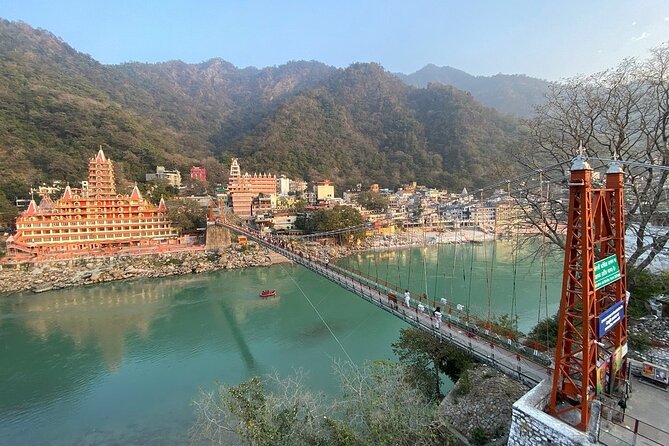
In big cities, traffic can eat your day. A private vehicle helps because you’re not fighting with schedules, crowd flow, or getting stuck waiting for the next connection. This tour specifically aims to avoid the uncomfortable experience of public transport by handling your transfers with a dedicated car and an English-speaking driver.
In the feedback I saw, the driver skill mattered a lot. Names like Jay, Hukum, Ankush, and Rahul came up in positive notes for safe driving, staying punctual, and knowing how to handle chaotic traffic. People also praised practical details like finding good toilet stops and keeping water available. Vehicle quality was mentioned too (clean, equipped vans), which matters more than you’d think when you’re spending lots of hours on the road.
Before you go, do one simple thing: confirm your pickup time and where you’ll meet. There was at least one reported hiccup where transportation didn’t match expectations right away, and it was fixed by adjusting quickly. That’s not something you want to gamble on, so get your details in writing and re-check them close to departure.
The route from Delhi to Varanasi to Khajuraho: spiritual India, temple art, and travel days
Your trip starts in New Delhi with a stated start time of 6:00 am. From there, the route takes you into a very different India compared to the capital’s modern pace.
Delhi
Delhi is a good opener because it sets context fast: you can expect a mix of old-and-new scenes, food, and history you can connect to later stops. The tour includes a light and sound show ticket in Delhi, which is handy if you want an evening option that doesn’t require extra planning.
Tip: after a long arrival or early start, you’ll likely want one “buffer” moment for shopping or resting before the sights pile on. Delhi can be intense.





Varanasi
Then comes Varanasi, the spiritual pull of the route. It’s the kind of place where the city itself feels like the attraction. Even if you don’t do a formal program, you’ll be surrounded by everyday religious life along the river and in the lanes.
Consideration: Varanasi can be tiring, especially if you’re also doing long road transfers. Build in slower moments and don’t assume you’ll bounce back quickly.
Khajuraho
Khajuraho is a standout for first-time North India visits. The famous temple carvings are the reason most people remember this stop, and you’ll also get a light and sound show ticket here. The evening show can be a good way to connect the art to the broader cultural story of the temples after daytime viewing.
Practical note: comfortable shoes help. Temple areas involve walking, and evenings can cool off.
Orchha, Gwalior, Agra, and Fatehpur Sikri: forts, palaces, and the wow-factor of Taj-area sights
This midsection shifts from temple artistry into fort culture and Mughal-era grandeur.
Orchha
Orchha is often less crowded than some headline cities, which can make it feel more personal. You’ll likely see palace and fort architecture that tells you how rulers used water, walls, and elevated views to control their world.
If you like photography, Orchha is usually the kind of place where small details pay off—arches, facades, and river-adjacent scenery.
Gwalior
Gwalior adds a strong fort-and-view element. From a travel perspective, it’s a great break from constant temple interiors because you get open spaces and skyline perspectives.
The main consideration is heat and walking stamina, depending on the season.
Agra
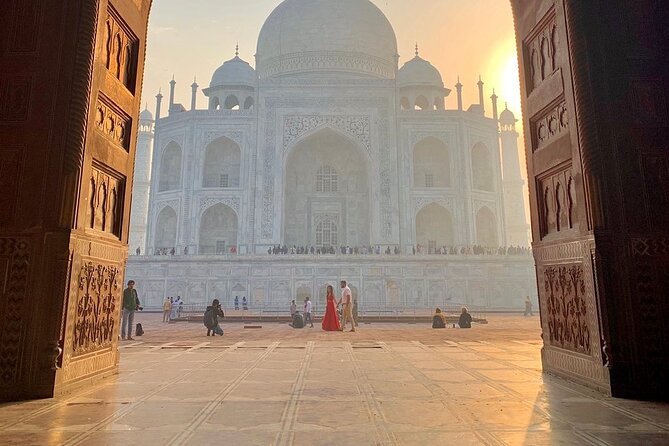
Agra is your big-name stop: the Taj Mahal is the headline, and the whole city is organized around it. Even if you’ve seen photos before, seeing it in person changes the scale and atmosphere.
Plan for timing: morning and late-afternoon tend to feel more comfortable for people who don’t want to fight midday crowds.
Fatehpur Sikri
Fatehpur Sikri is the “how did this work here?” stop: an architectural complex that feels like a time capsule of an ambitious city plan. It’s a good place to slow down and appreciate layout.
Drawback: this is another walking-heavy area. If you’re doing lots of days like this back-to-back, pace matters.
Jaipur, Ajmer, Pushkar, and Chittorgarh: markets, forts, and spiritual stops
Rajasthan really starts to feel like Rajasthan once you hit Jaipur. This portion of the route gives you both city energy and deep fort culture.
Jaipur (including cycle rickshaw hour + light and sound)
Jaipur is where the tour includes two memorable extras:
- A 1-hour cycle rickshaw ride to explore the colorful market area
- A light and sound show ticket in Jaipur
That rickshaw hour is the kind of add-on that can turn a sightseeing day into something more lived-in. It’s also a smart way to experience market streets without committing yourself to constant foot travel.
Ajmer and Pushkar
Ajmer and Pushkar bring a different rhythm—more devotional atmosphere and local movement. These stops work well if you enjoy mixing architectural sights with everyday spiritual life.
Consideration: these cities can have crowds, and the best way to enjoy them is to stay flexible on timing rather than sprint from point to point.
Chittorgarh
Chittorgarh adds the big-fort experience. It’s the kind of place where the scale hits you: walls, towers, and an architectural story tied to the region’s past.
Practical note: fort sites can be long-walking days. If you’re sensitive to heat or distance, you’ll want to plan breaks.
Udaipur, Ranakpur, and Jodhpur: palaces, Jain marble, and viewpoints
This stretch turns more scenic and varied.
Udaipur
Udaipur is known for palaces and lakeside grandeur, and it’s usually a highlight for people who want “Rajasthan glamour” after fort-heavy days. You’re likely to spend time seeing palace-style architecture and dramatic city views from higher viewpoints.
Tip: if you get motion-sick or tired in traffic, Udaipur’s hill-and-road layout makes it even more important to stay hydrated and take breaks.
Ranakpur
Ranakpur is a different kind of stop. The major draw is the famous Jain temple architecture, where the interior and detailing are the point. It’s worth slowing down here rather than treating it like a quick photo stop.
Jodhpur
Jodhpur rounds out the fort-and-city feel. Even if your day is packed, Jodhpur’s atmosphere tends to deliver that classic Rajasthan sense of walls, viewpoints, and old-city lanes.
Jaisalmer, Pokhran, and Bikaner: desert forts and slower edges of Rajasthan
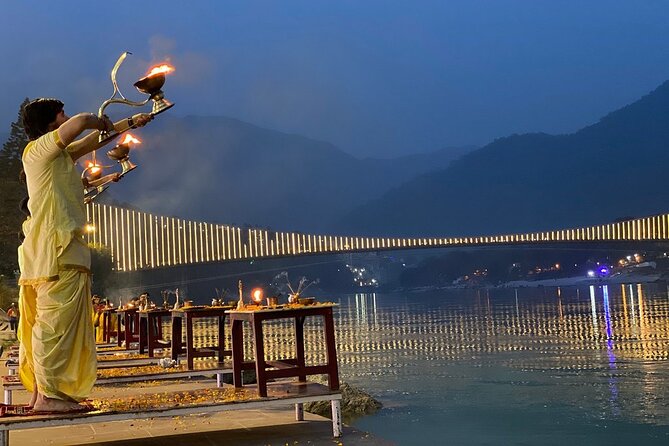
Now you move deeper into the desert belt of Rajasthan.
Jaisalmer
Jaisalmer is the desert-city moment. The fort area and the surrounding city feel like a world built from sandstone tones and heat shimmer. It’s often one of the strongest “wow” stops on this type of route because the visuals are so distinct from earlier cities.
Consideration: you’ll want to handle sun exposure well. This part of the trip is where you’ll feel the climate most.
Pokhran
Pokhran is included as a route stop, and it can function as a quieter bridge between desert-adjacent areas. Even if it’s less famous than Jaisalmer or Bikaner, it keeps the route feeling like more than just a checklist.
Bikaner
Bikaner continues the “fort cities” theme. The key is to keep your expectations balanced: it’s not just another fort stop, but part of the larger Rajasthan story of courts, trade, and defense.
Mandawa for the final Rajasthan flavor: havelis and your included stay meals
The tour brings you to Mandawa before returning to Delhi. Mandawa is often remembered for haveli-style architecture—ornate private mansions that show what trade wealth looked like.
One clear included detail here: your hotel stay includes breakfast and dinner at Manvar, Mandawa. That’s useful because it gives you at least one fully supported meal rhythm near the end of the trip.
Travel-day tip: by the time you reach Mandawa, you’ll likely be tired from earlier big-city intensity. Treat this as the place to slow down a bit, do some relaxed walking, and pack for the final return.
Guides, flexibility, and why the extras feel like money well spent
This tour’s “private” claim isn’t just about avoiding crowds. You also get real human support:
- An English-speaking driver throughout transfers and sightseeing
- English/Multilingual guides during sightseeing
- Customization so you can shape your priorities
In the feedback I saw, the guides and drivers were repeatedly praised for explaining history and traditions in a way that made sights click. That’s a big deal on a route with so many different cultural layers. Without that layer, India travel can feel like a blur of monuments. With it, each stop becomes easier to place in context.
The extras aren’t gimmicks either:
- Light and sound shows in Delhi, Jaipur, and Khajuraho give you an evening plan that’s already solved
- Chokhi Ki Dhani is a structured cultural dinner option (useful on days when you don’t want to guess where to eat)
- The Jaipur cycle rickshaw hour is hands-on and low-pressure
Just keep expectations realistic: monument entry charges are not included, so you’ll still need to budget for gates, museums, and other fees as you go.
Who should book this tour, and who should skip it
This works best for:
- First-time North India visitors who want a big route without independent transport stress
- People who value private car comfort and guided explanations
- Anyone who likes a mix: Delhi energy, Varanasi spirituality, Khajuraho temple art, Agra’s iconic monument, and Rajasthan forts and desert city vibes
You might want to consider another option if:
- You hate long road days and prefer a slower, smaller-region itinerary
- You’re on a tight budget where extra monument entry fees and additional meals would be hard
- You want total independence with no structured ticketed experiences
Should you book Alluring North India and Rajasthan?
If your goal is to see a lot of North India highlights in one trip—without sorting cars, drivers, and day-by-day logistics—this package is a solid choice. The included mix of private transfers, guided sightseeing, light-and-sound tickets, and the Jaipur rickshaw hour helps it feel more complete than a basic transport-only deal.
My call: book it if you’re comfortable budgeting for monument entry charges and you’re okay with a busy route. Skip it if you want lots of free time to wander without road movement planning.
FAQ
How long is the Alluring North India and Rajasthan Tour?
It’s approximately 21 days (20 nights).
Where does the tour start and end?
It starts in New Delhi, Delhi, India, and ends back at the meeting point.
What time does the tour start?
The start time is listed as 6:00 am.
What transportation and guiding are included?
You get an English-speaking driver throughout the tour for transfers and sightseeing, plus car services with pick-up and departure. English/Multilingual guides are provided during sightseeing.
Are light and sound show tickets included?
Yes. Tickets are included for light and sound shows in Delhi, Jaipur, and Khajuraho.
Is monument entry or sightseeing charges included in the price?
No. Monument and sightseeing entry charges are not included.