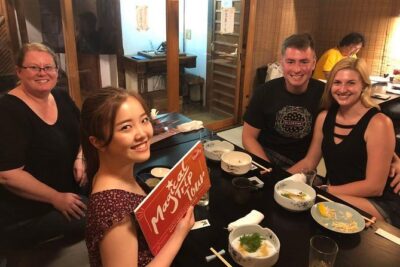
REVIEW · HO CHI MINH CITY
Ho Chi Minh City Motorbike Tour with Student | Saigon Adventure
Book on Viator →Operated by Saigon Adventure · Bookable on Viator
Saigon on the back of a scooter is the fastest wow. This half-day Ho Chi Minh City motorbike tour gives you the big-photo sights and then turns toward quieter, more local corners like the Thich Quang Duc Monument, apartment-life streets, and the flower and Cambodian markets, with an English-speaking guide along the way. I really like the safety focus (helmet plus scooter accident insurance up to $5,000) and the way the route blends classic landmarks with real neighborhood stops. The one thing to consider is that riding pillion means you’re sharing close space with heavy scooter traffic, so if you’re anxious about motion or noise, plan to take deep breaths and let the driver do their job.
You’ll typically meet near Trung học cơ sở Nguyễn Du in District 1, ride for about 3 to 4 hours, and finish back at the same meeting point. Pickup is free only for hotels in District 1 and District 3; for other areas, plan an extra $3–$5. People also point out the heat, so time it well and stay hydrated during the ride.
In This Review
- Key takeaways before you ride
- Why start Saigon with a motorbike ride
- Safety and insurance: the part I take seriously
- Price and what $23 buys you in real terms
- The tour design: highlights plus the “unseen” Saigon
- Stop-by landmarks: Cathedral, Post Office, Opera House, and City Hall
- Passing the War Museum and Reunification Palace from the streets
- Thich Quang Duc Monument and the story behind the stop
- Local markets, apartment-life streets, and Chinatown edges
- Flower market and Cambodian Market: snack, cold drink, and a reset
- The pagoda stop: a calmer ending off the main path
- If you add street food: how the food option changes the day
- Choosing a time: when it feels less chaotic
- Who will love this tour most
- Who should think twice
- FAQ
- Is the tour 3 or 4 hours?
- How much does the Ho Chi Minh City motorbike tour cost?
- What is included in the tour?
- Is lunch included?
- Do you offer a street food tasting option?
- Where does the tour start and end?
- Can I get a full refund if I cancel?
- Should you book this Saigon Adventure motorbike tour?
Key takeaways before you ride

- Safety insurance plus a helmet: scooter accident insurance up to $5,000 is built into the experience, not just marketing.
- English-speaking guide, local-feeling pacing: you get explanations as you move, not a rushed walk-and-go.
- Big landmarks and the quieter stuff: Saigon Cathedral, Central Post Office, Opera House, and City Hall sit alongside monuments and markets.
- Market break with a cold drink and snack: the Cambodian Market stop is included.
- Food option focuses on the unseen route: if you pick street food, it swaps to local-area stops rather than the main highlight circuit.
- Student-driver teamwork is a real theme: many groups rave about the student riders and the way the team manages safety and confidence.
Why start Saigon with a motorbike ride
Ho Chi Minh City (Saigon) moves like a living organism. It’s scooters everywhere, lanes that don’t always behave like you expect, and crossings where you learn quickly that timing matters more than courage. A guided motorbike tour makes this less stressful because you’re not trying to interpret traffic rules from the sidelines. You’re riding with someone who does it every day.
This tour is designed to give you a “first grip” on the city. You’re not just seeing buildings. You’re seeing the streets in between—alley life, storefront rhythms, and the way people actually travel across the city. If you only did museum hours and taxi rides, you’d miss that daily texture.
And yes, it can feel intense at first. One reason people keep recommending it for first-timers is simple: the drivers and guides focus on making you comfortable before the ride gets going, and they keep you moving at a pace that works with traffic.
You can also read our reviews of more tours and experiences in Ho Chi Minh City.



Safety and insurance: the part I take seriously
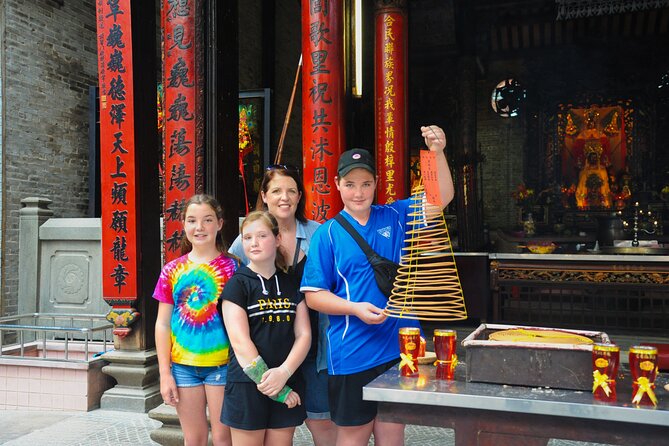
Safety is the headline here, and it’s not vague. You get a helmet, and the experience includes scooter accident insurance up to $5,000. That matters because scooter riding in Saigon isn’t “a little bumpy” traffic—it’s constant action. When something goes wrong, you want more than wishful thinking.
In the feedback I’m seeing, the recurring praise isn’t just that drivers are friendly. It’s that they’re calm, competent, and good at threading through chaos. Guides and riders named in groups include Anna and Doris, plus leaders like Finn, Thi, Helen, and Ellie, with multiple comments that the team made first-time riders feel safe. One parent even described the ride as perfectly manageable after initial nerves.
What you can do to help: wear comfortable clothing that won’t flap, use closed-toe shoes, and keep your hands secure where you’re told. You’re not “driving,” but you are part of the system.
Price and what $23 buys you in real terms

At $23 per person for 3 to 4 hours, this isn’t expensive for what you get: an English-speaking guide, English-speaking drivers, helmet, pickup in District 1 and 3 (with extra charges outside those areas), and a snack stop with a cold drink at the Cambodian Market.
It also helps that the group size can be up to 100 people, which sounds big on paper but usually means you’re not doing a tiny, private loop. In practice, the tour is set up to move smoothly, hit key photo landmarks, and still leave time for short explanations and stop-and-look moments.
Food is the main “choose-your-own” piece. Lunch is not included. If you want more than snacks, you can add the street food tasting option. Just note an important nuance: the food option is tied to the unseen areas, not the highlight list, so you’re trading landmark time for more local bites.
The tour design: highlights plus the “unseen” Saigon
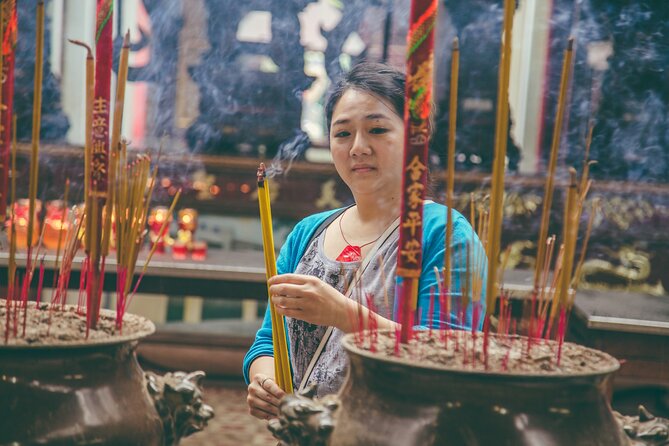
The route is built around two tracks:
1) Highlights: famous sights you can’t easily skip if it’s your first visit.
2) Unseen: the stories, markets, and neighborhoods that don’t fit neatly into a guidebook postcard.
That balance is why the tour works so well as an intro. You leave with both recognition and surprise.
Here’s how those parts play out.
Stop-by landmarks: Cathedral, Post Office, Opera House, and City Hall
You’ll start by getting a proper hit of Central Saigon architecture. The Notre-Dame basilica area (often the first visual anchor) sets the tone: French-era lines and the feeling of a city that has layered eras on top of each other.
Next up is the Central Post Office. People love it for the geometry and the sheer “stop and stare” quality of the building. With a guide in your ear, it’s easier to connect what you see to why it mattered—especially when you move through the building’s surroundings and then get back onto the scooter.
The Opera House and City Hall round out the classic circuit. Even when you’re only passing by, it helps you build a mental map. You start to see how the city’s older civic core sits next to modern traffic flow.
Small consideration: you’re seeing these in motion and with quick stop moments, not doing a slow interior tour of every building. If you want deep time inside each site, this is more of a “quick overview with context” than a museum day.






Passing the War Museum and Reunification Palace from the streets
The tour includes a drive-by of major history sites like the War Museum and Reunification Palace. The value here isn’t the photo only—it’s the framing. When you’re riding through the city, it’s easier to understand the scale and location of these landmarks than if you’d just arrived by taxi and walked in cold.
You also get the sense of how the city’s present lives beside its past. That’s one of the less obvious benefits of doing this by motorbike: you experience the city as it is now, not in a fenced-off, one-direction museum bubble.
Thich Quang Duc Monument and the story behind the stop
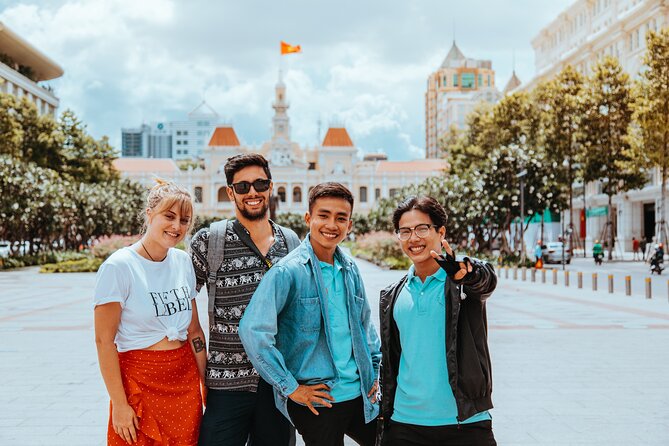
One of the emotional anchors is the Thich Quang Duc Monument. It’s tied to the monk who set himself on fire during the Vietnam War, and the stop is described as touching and story-driven.
This is one of those moments where you’ll appreciate having a guide rather than reading captions alone. The monument is powerful even if you already know the basics, but the guide’s explanation helps connect it to what it meant then and how people remember it now.
If you prefer lighter sightseeing all the time, this stop may feel heavy compared with the cathedral-and-post-office vibe. But it also makes the tour feel real and grounded, not just scenic.
Local markets, apartment-life streets, and Chinatown edges
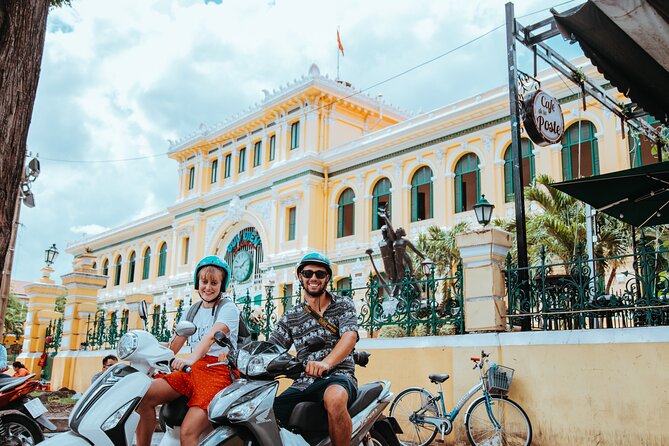
This is where the tour shifts from “famous” to “you-can’t-find-this-on-your-own-quickly.”
You’ll visit local markets and also see Nguyen Thien Thuat Oldest Apartment, which helps you understand daily living—how people work and live in dense housing blocks, and how old structures fit into modern street life. You’re not just looking at a landmark. You’re seeing how a neighborhood breathes.
Then the route takes you through China Town. It’s a visual change: different signage, different crowd flow, and lots of small sights you’d miss if you stayed inside air-conditioned taxis. One of the best parts of Chinatown in this kind of tour is that you’re getting “micro-stops”—short pauses to look and a quick explanation—without losing time waiting around.
Flower market and Cambodian Market: snack, cold drink, and a reset
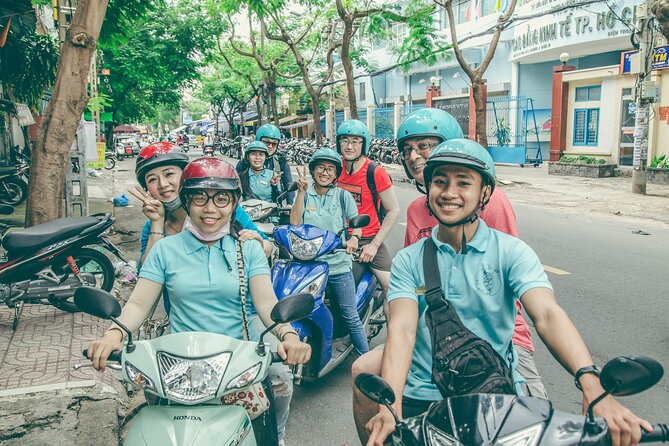
Later in the ride, you’ll reach a colorful flower market and Cambodian Market. This stop includes a cold drink and snacks, and it’s specifically called out as a favorite.
Why I like this part: it breaks the sensory overload. After hours of traffic noise and constant motion, a proper pause with something cool gives you a moment to reset your brain. It also gives you a chance to look around the market without worrying about where the next landmark is.
This is also a practical stop for photos, people-watching, and just grabbing your breath before the tour’s final calmer moments.
The pagoda stop: a calmer ending off the main path
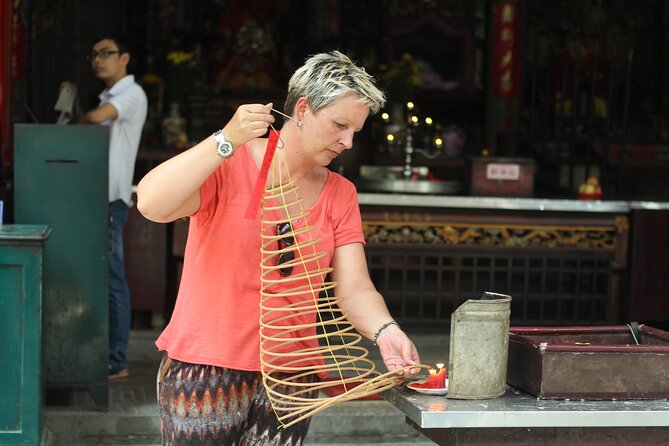
The tour finishes with a hidden pagoda stop described as breathtaking and tucked away. Even without long, quiet time for sightseeing, the mood shift usually hits you. You go from scooters and street markets to a more still, religious space.
It’s a nice final chapter because it changes your pace and gives your eyes a different kind of focus—less signage, fewer fast-moving crowds, more architecture and atmosphere.
If you add street food: how the food option changes the day
There’s an option for food and sightseeing, and it’s important to understand what it does to your route.
The street food tasting option is described as visiting the unseen part only, not the highlight part. So you’re choosing between:
- more landmark variety, or
- more local food and market time.
One group mentioned a food option that included 8+ different local foods, but that’s still tied to the food add-on and the specific day’s pacing. So plan your expectations around more bites and less landmark-hopping.
Also, lunch isn’t included in the base tour. If you take the food add-on, it often makes sense to skip a heavy meal beforehand. One review explicitly suggested arriving without lunch for best results.
Choosing a time: when it feels less chaotic
You can’t control the traffic, but you can control your timing. Saigon gets hot, and one group called out how hot the day was. If you’re choosing between time slots, afternoon tours can work well because you still get daylight for photos and you’re not starting at the earliest heat peak.
If you’re sensitive to heat, bring a water plan. There are cold drinks built into at least one market stop, but you’ll still want water with you.
Who will love this tour most
This is a strong match if you:
- are a first-time visitor and want a quick overview of central Saigon
- want to feel the city’s everyday rhythm instead of only seeing monuments on foot
- like history with context, especially around the war-era story stop
- want a guided route through markets and apartment-life streets
It’s also a great pick for people who want to try motorbike riding without having to figure out the traffic system themselves. Many comments emphasize how safe and professional the drivers felt, even for people who were nervous before they got on.
Who should think twice
Consider a different plan if you:
- have trouble with motion, crowds, or noise
- don’t feel comfortable sitting pillion for several hours in traffic
- want slow, in-depth museum time rather than short explanation stops
The tour is meant to move. Even the calmer moments are still part of an active ride schedule.
FAQ
Is the tour 3 or 4 hours?
It runs about 3 to 4 hours.
How much does the Ho Chi Minh City motorbike tour cost?
The price is $23 per person.
What is included in the tour?
Included are an English-speaking guide, English-speaking drivers, helmet, free pickup and drop-off for hotels in District 1 and District 3, and a snack at the Cambodian Market (with a cold drink stop as part of that market area).
Is lunch included?
Lunch is not included.
Do you offer a street food tasting option?
Yes. A food and sightseeing option is available, but it’s described as visiting the unseen parts only, not the highlight parts.
Where does the tour start and end?
It starts at Trung học cơ sở Nguyễn Du, 139 Nguyễn Du, Phường Bến Thành, Quận 1, Thành phố Hồ Chí Minh, Vietnam, and ends back at the meeting point.
Can I get a full refund if I cancel?
Free cancellation is available up to 24 hours in advance of the experience start time for a full refund.
Should you book this Saigon Adventure motorbike tour?
If you want the best blend of city landmarks and real street-life texture, I’d book it. The value is strong for the price because you’re getting more than sightseeing stops—you’re getting guided context, a built-in snack break, and a safety-first setup with helmet plus scooter accident insurance up to $5,000.
Book it especially if it’s your first trip to Ho Chi Minh City and you want to get your bearings fast. Just go in with the right mindset: you’re riding in traffic, so wear comfortable clothes, hydrate, and let the driver handle the chaos.