REVIEW · HO CHI MINH CITY
Afternoon Cu Chi Tunnels – Small Group Half-Day Tour
Book on Viator →Operated by TNK Travel · Bookable on Viator
Underground Vietnam hits fast and stays with you. This small-group Cu Chi Tunnels tour takes you about 60–70km northwest of Ho Chi Minh City to see how the Viet Cong survived in a sprawling tunnel network. You get an English-speaking guide, clear explanations, and a focused afternoon pace that doesn’t swallow your whole day.
I especially like two things: the visit is well-organized (intro video first, then exploration), and the Ben Dinh area shows more than war stories—it shows the day-to-day buildouts underground. One possible drawback to keep in mind: there’s a stop at a handicapped people’s art shop, and it can feel like extra time in the heat if you’re hoping for more tunnel time.
In This Review
- Key Highlights You’ll Actually Care About
- Why Cu Chi Tunnels Make More Sense in the Afternoon
- Getting There From Ho Chi Minh City: Pickup, Meeting Point, and Travel Time
- Ben Dinh Tunnels: What You’ll See and Why the Intro Matters
- Underground Living and War Work: Kitchens, Hospitals, Factories, and Command Centers
- The Trap Door Reality Check (Yes, Security Was Part of Everyday Life)
- The Heat Factor: A Handicapped People’s Art Shop Stop
- Price and What You’re Actually Getting for $25
- What to Bring (So the Afternoon Feels Easy)
- Tour Group Size: Why It Matters for Your Questions
- Who Should Book This Tour (And Who Might Skip It)
- Should You Book Afternoon Cu Chi Tunnels?
- FAQ
- FAQ
- What time does the afternoon Cu Chi Tunnels tour start?
- How long is the tour?
- Is pickup included?
- Where is the meeting point?
- What’s included in the price?
- Is an admission ticket included for the tunnels?
- Is there free cancellation?
- What if the weather is bad?
Key Highlights You’ll Actually Care About
- Small group size (2–12 pax) keeps the tour feeling controlled and easier to ask questions.
- Afternoon departure at 13:00 lets you sleep in or do a morning plan in Ho Chi Minh City.
- Ben Dinh Tunnels include an intro video so you understand what you’re looking at before you go underground.
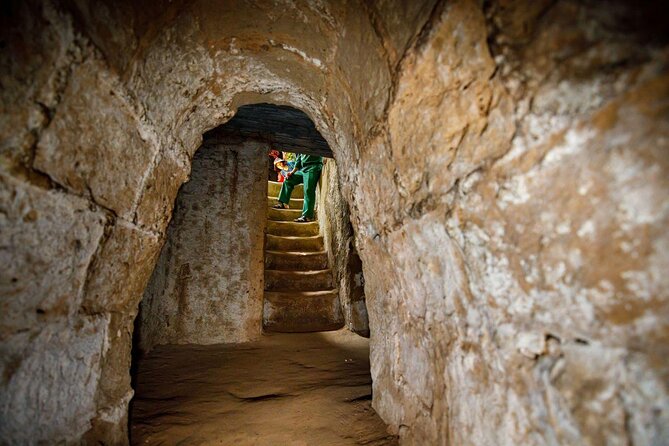
- Long tunnel life-support details are shown: living areas, kitchens, bedrooms, storage, field hospitals, and command centers.
- Traps and hidden doors are part of the story, not an afterthought.
- Included hotel pickup in District 1 (if selected) makes getting started less stressful.
Why Cu Chi Tunnels Make More Sense in the Afternoon
Cu Chi is one of those places where distance makes the history feel even more extreme. It’s called a heroic district for its role during the American war in Vietnam, and the tunnels stretch a huge distance—over 135 miles (220km) in total network length. When you arrive in the afternoon, you’re still getting the full story, but the schedule is lighter than a full-day outing.
What works for me is the tone and pacing. The tour doesn’t feel like a rushed slideshow of facts. You get time to look closely at how people built an underground village meant to keep going under constant pressure. And because this is a smaller group, you tend to hear the guide’s explanations clearly rather than shouting over a crowd.
You’ll also notice how the story shifts from big battle headlines to practical survival. The Cu Chi tunnels aren’t just “tunnels.” They’re organized spaces: places for living, storing, making weapons, and running operations. That kind of structure changes how you interpret everything you see.
You can also read our reviews of more tours and experiences in Ho Chi Minh City.



Getting There From Ho Chi Minh City: Pickup, Meeting Point, and Travel Time
This is a half-day tour that runs about 6 hours 30 minutes total, with departure at 13:00. For many people, that timing is the biggest advantage. You can plan a morning activity in Ho Chi Minh City—then head out for a strong historical stop without losing the entire day.
If you choose it, pickup is available at centrally located hotels in District 1 (Ho Chi Minh City). If your hotel is outside District 1, expect a possible extra surcharge because transfers are more complicated. If pickup can’t be done due to traffic rules, you’ll be asked to contact the local supplier for help.
If you’re not doing pickup, your start point is clearly listed: 112 Đ. Trần Hưng Đạo, Phường Phạm Ngũ Lão, Quận 1. It’s also described as near public transportation, which matters if you like options. Either way, you’re riding in an air-conditioned vehicle, and you get bottled water.
One more practical note: your return time depends on traffic, and the operator isn’t responsible for delays. So if you have a dinner reservation, aim for something with flexibility.
Ben Dinh Tunnels: What You’ll See and Why the Intro Matters
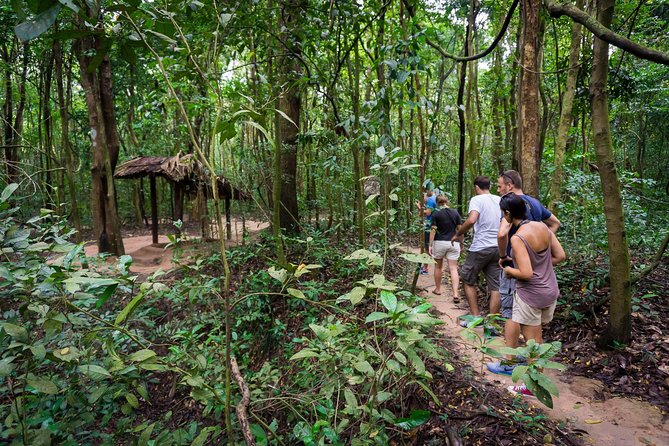
Ben Dinh is the main tunnel area on this tour, and it’s the one you’ll remember. After arriving, you start with a short introduction and an introductory video about how the tunnels were constructed and how people survived in harsh conditions.
That warm-up is more than a formality. It helps you understand what you’re about to see—especially when the underground layout can look like a maze at first glance. Once you watch the video, the tour time starts to feel more like guided observation instead of walking around trying to guess the purpose of each space.
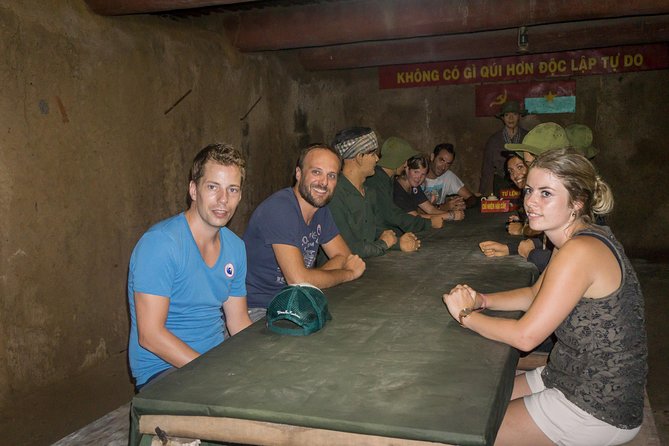
You then spend about 3 hours exploring the Ben Dinh area and tunnel systems. You’ll see specially constructed living spaces like kitchens and bedrooms, placed alongside other facilities built for survival and support.
This is also where the tour adds details that many history stops skip. You’re not only told that people lived underground. You’re shown the types of rooms and functions that were needed to keep a community running when surface life was too dangerous.
Underground Living and War Work: Kitchens, Hospitals, Factories, and Command Centers
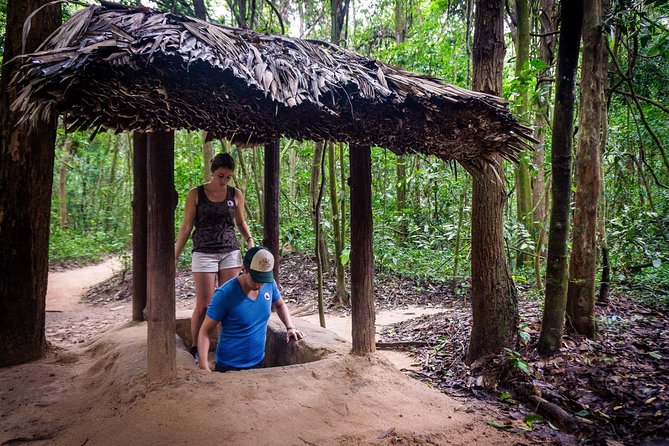
The best part of the Ben Dinh visit is that it’s practical, not purely dramatic. The tour focuses on the underground village concept—how people could meet basic needs and continue operations while staying hidden.
Here’s what you can expect to learn and see:
- Living areas (including kitchens and bedrooms) that supported daily life underground
- Storage areas for supplies
- Weapons factories and facilities needed for production
- Field hospitals for medical care
- Command centers for planning and coordination
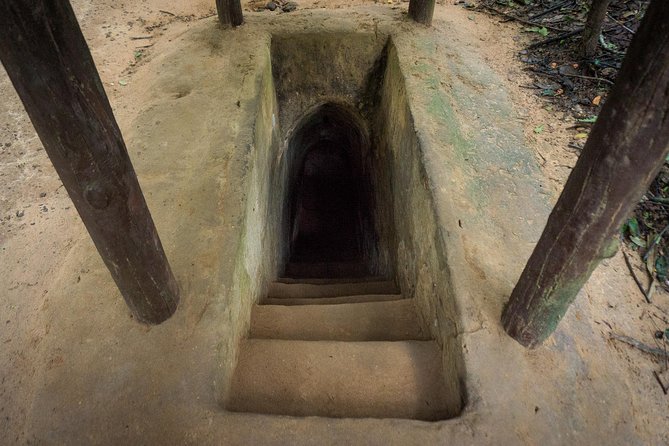
- Trap doors and dangerous traps designed to protect the tunnel system
The “area of steel” description helps set the tone. Cu Chi is often described in terms like this because the tunnel system was meant to be extremely hard to disrupt—an underground village that kept functioning. Even without focusing on numbers, you can feel the logic: if you’re going to hide, you need movement control, supply access, and communication inside the system.
If you like history that explains how people solved real problems, you’ll probably enjoy this section the most. It doesn’t treat survival as magic. It treats survival as engineering—space planning, hidden access points, and operational support.
The Trap Door Reality Check (Yes, Security Was Part of Everyday Life)

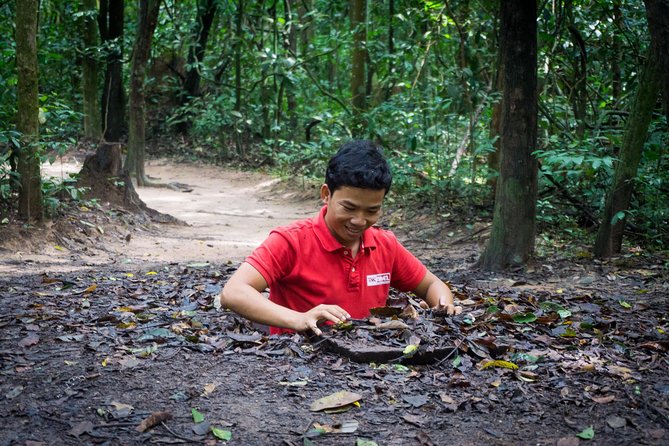
One reason Cu Chi leaves a lasting impression is that security wasn’t separate from daily life. It was part of it. The tour specifically highlights hidden trap doors and dangerous traps throughout the maze-like tunnel systems.
You don’t just hear that “traps existed.” You’re shown how the layout supported protection. That means your brain starts connecting the tunnel map to security needs: controlling who enters, slowing threats, and making escape and pursuit difficult.
For me, this is where a guide adds real value. Without guidance, you might walk past features and miss the purpose. With the guide, you’re encouraged to connect the physical design to the wartime mission. It’s a small shift, but it makes the place feel more understandable.
Do keep in mind that the tour is not advertised as accessible for everyone. It’s listed as not available for the handicapped and not suitable for anyone with heart problems. Even if you’re physically able, if your medical situation limits your tolerance for cramped spaces or exertion, you should think twice.






The Heat Factor: A Handicapped People’s Art Shop Stop
There is an additional stop that can affect how you feel about the afternoon. Based on feedback tied to this tour, you may visit a handicapped people’s art shop. In at least one case, the concern wasn’t the cause—it was the comfort level.
If it’s hot outside, an outdoor or non-air-conditioned viewing experience can feel like a weak point when you signed up for tunnels. I’d treat this as a “might happen” caution: if your priority is maximum time in the tunnel area, be mentally prepared that not every minute is focused underground.
That said, a workshop can still be worthwhile if you go in with the right mindset. The key is to avoid expecting it to feel as central as Ben Dinh.
Price and What You’re Actually Getting for $25
At $25 per person, this is priced as an easy add-on to a Ho Chi Minh City stay—especially because the essentials are bundled. You’re getting:
- English-speaking tour guide
- Entrance fee included
- Air-conditioned vehicle
- Bottled water
- Pickup and drop-off at centrally located District 1 hotels if selected
You are not getting travel insurance, tips/tax, or personal expenses like snacks and phone use. That’s normal, but it matters for your budget planning.
Here’s the value logic: with tours like this, the biggest cost drivers are usually transport plus guide time plus attraction entry. Since entrance and the guide are included, you’re paying mostly for the transportation and on-the-ground interpretation. That’s the part you want for Cu Chi, because understanding the spaces is the difference between “I saw tunnels” and “I understood how people lived.”
For $25, you’re also getting a schedule that fits around the rest of your trip. That can be just as valuable as any single included item.
What to Bring (So the Afternoon Feels Easy)
Because this is an afternoon departure and the experience involves walking around an underground site, treat comfort like part of the itinerary.
I’d pack:
- Sun protection (hat or cap, sunglasses, sunscreen)
- Comfortable shoes you don’t mind getting dusty
- Light layers, since vehicles are air-conditioned but outdoor time can be warm
- A small cash reserve for personal needs (the tour doesn’t include snacks or personal expenses)
Also, hydration matters even though bottled water is included. It’s smart to pace yourself, especially if you’re sensitive to heat. You’ll have a better time if you don’t start the afternoon already behind on comfort.
Tour Group Size: Why It Matters for Your Questions
This is a small group tour, listed as 2–12 travelers, with a maximum of 12. In practical terms, that means you’re less likely to get “lost in the crowd” while the guide explains how spaces connect.
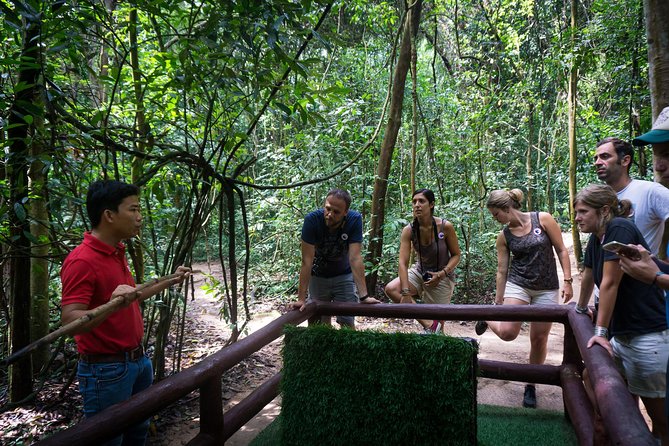
Cu Chi is detailed: living areas, factories, hospitals, command centers, and trap features. A small group helps you hear the guide’s explanations and ask follow-up questions without waiting for the end of a long line.
If you’re the type who likes to understand the why behind what you see, this group size helps a lot.
Who Should Book This Tour (And Who Might Skip It)
I’d point you toward this tour if you want:
- A structured, English-guided visit to Ben Dinh
- A schedule that stays compact (about half a day)
- A focus on underground living systems rather than just general war talk
This tour may not fit if you have:
- Heart problems (not available)
- handicapped accessibility needs as listed by the operator (not available)
- A strong need for a fully air-conditioned, comfort-first experience (there can be an additional shop stop and outdoor time)
Also, if you dislike any chance of traffic-related return delays, don’t schedule something tight right after pickup time. The operator warns that return time depends on road conditions.
Should You Book Afternoon Cu Chi Tunnels?
If your goal is a high-impact historical experience without committing to a full day, I think this one is a solid choice. The 3-hour Ben Dinh focus, guided intro video, and included entrance fee give you a lot of value for the money.
I’d book it especially if you like seeing how survival was built into the physical design—kitchens, bedrooms, hospitals, command centers, and security traps. That’s the part that turns Cu Chi from a scary concept into a understandable system.
The main reason to hesitate is the heat and the extra stop at the handicapped people’s art shop, which may not feel like tunnel time. If that bothers you, mentally plan for it and prioritize your expectations: the tunnels are the real event here.
FAQ
FAQ
What time does the afternoon Cu Chi Tunnels tour start?
It departs at 13:00.
How long is the tour?
The tour duration is about 6 hours 30 minutes.
Is pickup included?
Pickup is included only for centrally located hotels in District 1 if you select the pickup option. If you’re outside District 1, an extra surcharge may apply. If pickup can’t be done due to traffic rules, you’ll need help from the local supplier.
Where is the meeting point?
The listed meeting point is 112 Đ. Trần Hưng Đạo, Phường Phạm Ngũ Lão, Quận 1, Hồ Chí Minh, Vietnam.
What’s included in the price?
Included items are an English-speaking tour guide, entrance fee, air-conditioned vehicle, pick-up and drop-off (District 1 hotels if selected), and bottled water.
Is an admission ticket included for the tunnels?
Yes. Entrance fee/admission ticket is included.
Is there free cancellation?
Yes. You can cancel up to 24 hours in advance for a full refund. If you cancel less than 24 hours before, the amount paid is not refunded.
What if the weather is bad?
This experience requires good weather. If it’s canceled due to poor weather, you’ll be offered a different date or a full refund.