Saigon moves fast, and this tour lets you see why. You ride pillion like the locals while a guide strings together Saigon history and food stops across several districts, from French-era landmarks to places tied to the Vietnam War. I especially liked how the route feels practical, not just sightseeing, and how the tour includes a stop at the former weapons cellar without you needing to plan anything. One thing to consider: this is a scooter tour, so you should feel comfortable riding in city traffic, even with helmets provided.
I also like the pacing: about 4 hours, with short stops that keep you from burning out, plus hotel pickup so you’re not stuck figuring out transit. If you’re nervous about your first scooter ride, the tone of the experience tends to be reassuring and safety-focused. And while the stops include coffee/snacks and a lunch moment, you pay for what you choose to eat and drink.
In This Review
- Quick Take: Why This Scooter Tour Works in Saigon
- A Four-Hour Scooter Route That Links Districts 1, 3, 10, and 5
- Hotel Pickup and Scooter Setup: What to Expect Before You Ride
- District 1 Landmarks: French-Colonial Architecture and Fast Photo Windows
- Burning Monk Memorial in District 3: The Story Behind an Iconic Photograph
- A Former VC Hideout and Weapons Cellar: War-Era Details You Can Actually Picture
- Coffee Break in District 3: Sweet, Strong, and Very Vietnam
- District 10 Wet Market: Local Life, Not a Food-Court Version
- Flower Market and Lunch Stop: Color, Smells, and What to Expect
- Chinatown and an Ancient Temple in District 5: Older Beliefs, Real Presence
- The Final Saigon River Drive and Drop-Off
- Price and Value: Is $33 Really a Good Deal?
- What I Think You’ll Get Most From This Tour
- Should You Book This Saigon Unseen Scooter Tour?
- FAQ
- How long is the Saigon motorbike sightseeing tour?
- Is this tour private?
- Does the tour include hotel pickup and drop-off?
- What’s included in the price?
- What do I pay for myself?
- Where does the tour start?
- What happens if weather is bad?
Quick Take: Why This Scooter Tour Works in Saigon
- Private scooter experience: just your group, so questions and pace stay flexible
- War-era stops that make history concrete: from a Burning Monk memorial to a former VC weapons/tunnel site
- Food is built into the route: sweet coffee, market treats, and a lunch stop, with guidance on what to order
- Multiple districts in one morning/afternoon: District 1 to District 5 without wasting time
- Included basics that matter: helmets, fuel, bottled water, and English-speaking guide support
A Four-Hour Scooter Route That Links Districts 1, 3, 10, and 5
Saigon is big, spread out, and sometimes confusing on foot. This tour solves that with a simple idea: let your guide move you across the city on a scooter so you can spend your time looking, not navigating. In about 4 hours, you cover neighborhoods that feel worlds apart, including District 1’s French-colonial feel, District 3’s war-era references, District 10’s local markets, and District 5’s Chinatown temple area.
The itinerary is also designed around contrast. You’ll get landmark architecture, then turn quickly to memorials and less-expected wartime stories, and then end with everyday local life—markets, flowers, and temple streets. That mix is the point. It helps you understand why Saigon feels the way it does today: layered, practical, and shaped by major events.
You can also read our reviews of more tours and experiences in Ho Chi Minh City.



Hotel Pickup and Scooter Setup: What to Expect Before You Ride

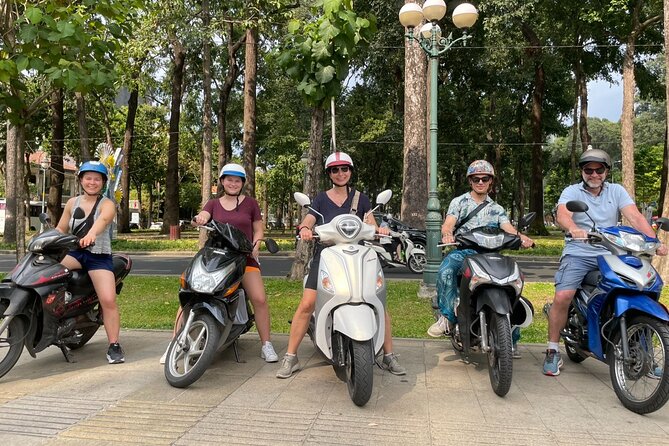
This is a private tour, and pickup is part of the package. You start at the Saigon Opera House area (in District 1), and the plan includes hotel pickup and drop-off tied to your route. Once you meet your driver-guide team, you hop on, get helmets, and get moving.
Here’s what that means for you in real terms:
- You don’t have to arrange scooters or worry about finding locations yourself.
- You’ll be guided through traffic and turns by a driver who’s operating in Saigon every day.
- You get a bottled water during the tour, which is a small inclusion that actually helps in Vietnam’s heat.
If you’ve never ridden a scooter in a million-bike city, that’s normal. The tour’s reviews consistently mention that drivers make people feel safe, and that first-timers often appreciate the reassurance and careful driving. Still, I’d only book if you’re physically able to sit comfortably in a pillion position for a few hours.
District 1 Landmarks: French-Colonial Architecture and Fast Photo Windows
District 1 is where Saigon shows off its older, more formal side. The tour’s early stops put you right in the zone where you can see major French colonial-style architecture and understand why the city’s early “big buildings” look the way they do.
You’ll have a 30-minute window for the landmark portion, and it’s a practical length: long enough to take photos and get oriented, short enough that you’re not stuck in one spot while the day passes you by. The guide will help you connect details—what you’re seeing, why it was built, and what it represents in the city’s history.
A tip for making this stop work: pick one or two buildings to photograph well instead of trying to shoot everything. With a scooter tour you’re always on the move, so your best photos will come from the places you pause for and frame with intention.
Burning Monk Memorial in District 3: The Story Behind an Iconic Photograph
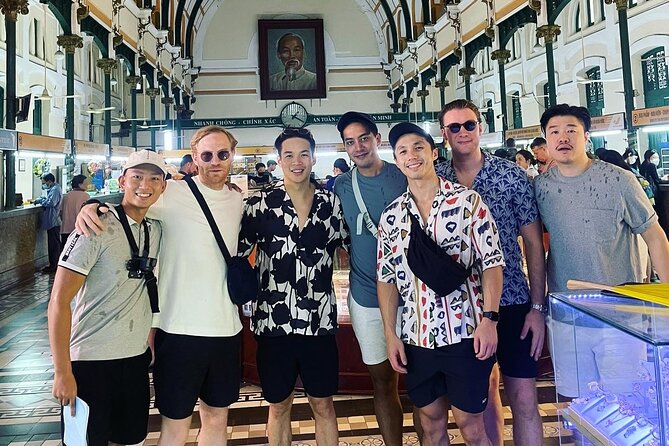
Then the tone changes. In District 3, you’ll spend time at the Burning Monk memorial, which is tied to a world-changing photograph. This is one of those stops where the value isn’t the “site,” it’s what you learn while you’re standing there.
You’ll get a 30-minute explanation and context, and the emotional weight is real. If you’re trying to keep the trip light and purely scenic, this portion may feel heavy. But if you want history that connects to real images and real human choices, it’s powerful.
Practical note: keep your expectations flexible. At memorials like this, the best way to honor it is to slow down—listen, look around, and don’t treat it like just another photo stop.
A Former VC Hideout and Weapons Cellar: War-Era Details You Can Actually Picture

One of the most distinctive parts of this tour is the stop where you play secret agent—a former VC hideout tied to weapons and tunnels. The tour includes the entrance to the weapons cellar, and you’ll get around 30 minutes here.
Why this works so well: written history about the Vietnam War can stay abstract. But when you see a space designed for concealment—passage-like structure, storage, and the idea of living and moving under threat—you understand how survival and strategy shaped daily reality. It’s less about sensational drama and more about logistics: where people hid, how they prepared, and what they needed to keep going.
If you’re sensitive to war content, it’s worth knowing this stop leans into it directly. It’s still handled in a tour format, with explanation, but it’s not a casual stroll.






Coffee Break in District 3: Sweet, Strong, and Very Vietnam
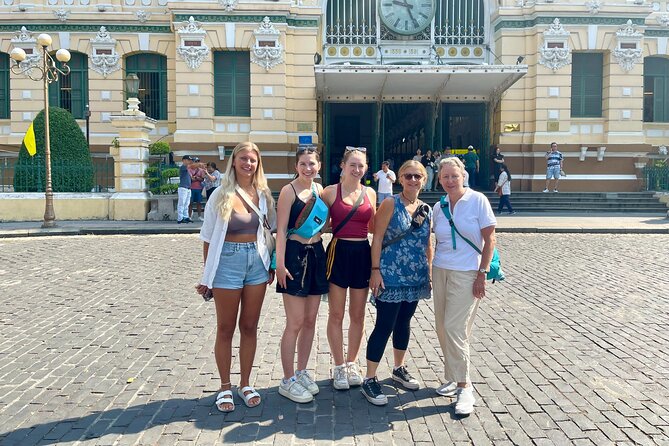
After the darker wartime stop, you get a reset: Vietnamese coffee in District 3. You’ll spend about 10 minutes here, and the focus is on learning how to make Vietnam’s sweet, highly caffeinated treat.
Even if you don’t become a coffee “expert,” you’ll leave with a clearer sense of why Vietnamese coffee tastes the way it does. You’ll also learn how it’s typically served and how sweetness and caffeine get balanced.
One important budgeting note: the tour includes the coffee and snack moment as part of the experience, but coffee/tea and food you order are not included. That means you can try something and still control spending—just don’t assume it’s all included.
If you’re ordering your first cup of Vietnamese coffee, ask the guide what they recommend first. That one question can turn a confusing menu into a quick win.
District 10 Wet Market: Local Life, Not a Food-Court Version
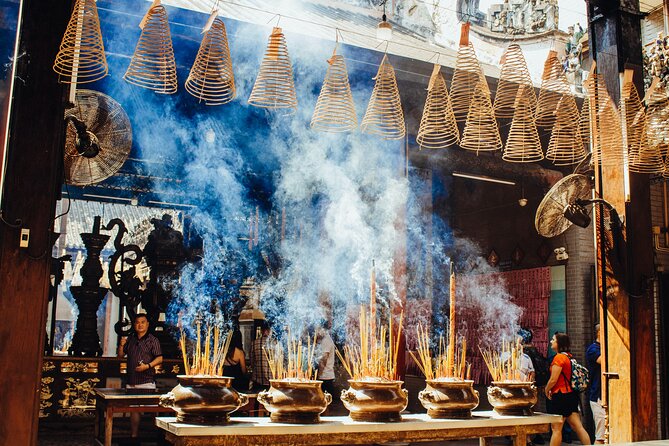
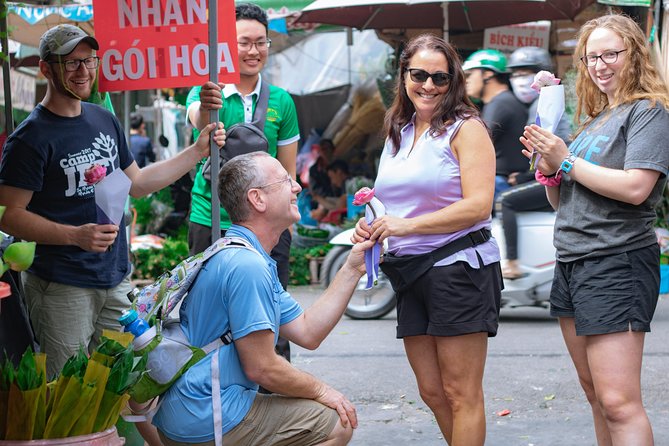
District 10 is where you shift from landmark history to everyday commerce. You’ll spend around 15 minutes exploring a local wet market, with time to sample treats from the area.
This stop is valuable for two reasons:
- Markets are where you see what people actually eat and buy, right now.
- A guide helps you navigate what might be unfamiliar, including how food is prepared and what to try first.
Keep it practical. Markets can be crowded and busy even at short visit times. Wear comfortable shoes and expect a quick walkthrough rather than a slow, romantic stroll.
Also, bring a little cash mindset. The tour doesn’t include food purchases at the market, so your best plan is to treat sampling as a choose-your-own-adventure.
Flower Market and Lunch Stop: Color, Smells, and What to Expect
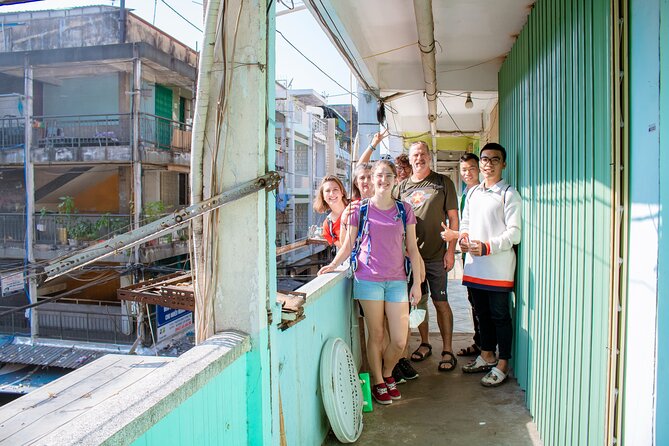
Next comes the flower market and a lunch stop in District 10, again with about 15 minutes allotted. Flowers in Saigon aren’t just décor here—they’re part of daily life, celebrations, and neighborhood rhythms. Walking through that area gives you a different view of the city’s energy than the war memorial stops.
Then you’ll have the lunch moment. As with other food stops, meals aren’t included, but you’re guided to try food. The practical benefit is that you’re not left standing in front of choices wondering what’s safe and good.
How to make the most of this time:
- Ask your guide what dish is easiest for a first-timer.
- If you’re unsure, pick a smaller portion item and save your big lunch appetite for later.
Chinatown and an Ancient Temple in District 5: Older Beliefs, Real Presence
District 5 adds another layer: Chinatown and an ancient temple. You’ll get about 30 minutes here, and it’s one of the stops that tends to feel more grounded because temples aren’t staged for tourists—they’re part of how people live.
A temple visit on a short tour is always a balancing act: you want enough time to learn and notice details, but you also have to respect that you’re visiting an active place. The guide’s role matters here. They can point out what to look for and how to understand the setting without turning it into a checklist.
If you’re planning photos, be mindful of worship and people’s pace. The best pictures often come after you’ve watched quietly for a moment.
The Final Saigon River Drive and Drop-Off
At the end, you get a scenic drive along the Saigon River before you’re dropped back near where you started. This is a nice closing move because it gives you breathing room after the denser stops. You get to see the city’s shape from the road, and it helps your brain connect the districts you just visited.
In a scooter tour, the ending matters too. A smooth drop-off keeps the day from turning into last-minute logistics stress, and it also helps if you’re heading straight to another plan afterward.
Price and Value: Is $33 Really a Good Deal?
At $33 per person for about 4 hours, you’re paying for more than “a ride.” Your money goes toward:
- Private scooter(s) for your group
- Helmets (plus fuel)
- An English-speaking guide and driver support
- Bottled water
- The weapons cellar entrance
Those included items add up quickly. The weapons cellar entrance isn’t always standard on casual city tours, and in a place like Saigon, a driver who can handle traffic safely is part of the value, not a minor bonus.
What’s not included is also clear: coffee/tea and food you want to try are paid by you, and meals aren’t included. That’s actually reasonable. It means you’re not paying for a fixed lunch you might not want. You can sample what looks good and keep control over spending.
Timing matters too. This is typically booked about 5 days in advance, so if you have firm plans, don’t wait until the last minute.
What I Think You’ll Get Most From This Tour
This tour isn’t only for history lovers or only for food people. It’s built for the traveler who wants both, and who likes the idea of moving fast between parts of a city that usually feel disconnected.
You’ll likely appreciate it most if you:
- Want a scooter-based way to cover multiple districts without wasting time
- Enjoy guided context, especially for war-era stories
- Like markets and street food, and want help knowing what to try
- Plan to spend the rest of your day exploring on your own afterward
You might not love it as much if you:
- Strongly prefer walking-only tours
- Want long, unhurried time at each site
- Don’t want war-related stops in your itinerary
Should You Book This Saigon Unseen Scooter Tour?
Yes, I think you should book it if you’re trying to see a real cross-section of Ho Chi Minh City in one go. The private format, the inclusion of scooter setup, and the guided stops—especially the weapons cellar and the memorial context—make the tour feel like real local learning, not just random photo stops.
But if you’re uncomfortable on scooters or you’d rather avoid war-related topics, consider another type of tour and keep your day lighter.
If you do book, I’d come ready to ride, bring flexible expectations at memorial and cellar stops, and budget a little extra for coffee and market/lunch choices.
FAQ
How long is the Saigon motorbike sightseeing tour?
It runs for about 4 hours (approx.).
Is this tour private?
Yes. It’s listed as a private tour, so only your group participates.
Does the tour include hotel pickup and drop-off?
Yes. The itinerary includes hotel pickup and hotel drop-off.
What’s included in the price?
Included items are the private scooter, helmets, fuel, a face mask if you like to wear it, the weapons cellar entrance, an English-speaking guide, bottled water, and guide driver support.
What do I pay for myself?
Coffee/tea and food you want to try are paid by you, and meals are not included.
Where does the tour start?
The meeting point is Saigon Opera House at 07 Công trường Lam Sơn, Bến Nghé, Quận 1, Thành phố Hồ Chí Minh 710212, Vietnam.
What happens if weather is bad?
This experience requires good weather. If it’s canceled due to poor weather, you’ll be offered a different date or a full refund.