REVIEW · YALA NATIONAL PARK
Yala National Park: Morning or Afternoon Golden Hour Safari
Book on GetYourGuide →Operated by Shehan Safari Jeep Tours · Bookable on GetYourGuide
Yala works like a clock. You time your drive to match the animals’ most active hours, then chase sightings in the same light that makes photos look unreal. This safari uses golden hour as a strategy, not just a vibe, with English guidance and 4WD time focused on leopards, elephants, sloth bears, and more. I also like that the team’s hunting style is practical: spot fast, reposition, and watch patiently from the right angles with a guide such as Dilan or Ishan leading the way.
Two things I really like. First is the mix of habitats you pass through in Yala—light forests, scrubs, grasslands, and lagoons—so you’re not just waiting in one place. Second is the way the guides work the clock: the morning option targets the park’s early opening window, while the afternoon option aims for sightings as the light drops.
One consideration before you book: Yala’s top sightings are never guaranteed. Even in good conditions, you may end up with crocodiles, elephants, birds, monkeys, deer, and water buffalo instead of a leopard, and rain can make visibility harder.
In This Review
- Key highlights worth getting excited about
- Yala’s golden-hour timing: why 5am and sunset actually matter
- Pickup and the 4WD jeep: practical comfort for bumpy roads
- Entering Yala: where the animals actually show up
- The leopard game plan: first two hours or last two hours
- Big animals you can realistically hope to see
- Who makes the difference: guides and driving style inside Yala
- Lunch and supplies: what you should bring for comfort and photos
- Price and entrance fees: what $10 really becomes
- Who should book this safari (and who should skip it)
- Should you book the morning or afternoon golden-hour safari?
- FAQ
- What time does the morning golden hour safari start?
- What time does the afternoon golden hour safari run?
- How long is the safari?
- What is included in the price?
- How much are Yala National Park entrance and service fees?
- How do I pay the entrance fee at the park?
- Can I bring snacks or buy food during the safari?
- Is this safari suitable for pregnant women?
- What animals does this safari focus on?
Key highlights worth getting excited about
- Golden hour timing: either the first 2 hours after opening or the last 2 hours before closing
- Small-group 4WD: safari jeep with up to 6 passengers for easier spotting and positioning
- Serious habitat coverage: light forests, scrubs, grasslands, lagoons, and waterholes
- Leopard, sloth bear, elephant focus: the route planning is built around these animals
- Guides who spot quickly: names you may get include Dilan, Ishan, Muthu, Tikiri, Wishwa, and Sasanka
- Pay attention to the entrance fee: park entry and service charges are separate and cash-only
Yala’s golden-hour timing: why 5am and sunset actually matter
This safari is designed around a simple idea: wildlife moves more noticeably when the sun is low. Yala opens at 6am, so the morning option starts around 5am pickup so you’re in position as soon as gates open. The afternoon option runs from about 2pm until sunset, when animals often shift their activity into the softer light, and the park closes at 6pm.
You’re not just “going for a safari.” You’re putting most of your luck-time into the most productive hours. That’s why the tour structure is built around focusing leopard spotting either early in the day or late in the day—your guide and driver use the best light window to steer your chances.
If you care about photos, this timing also helps. Warm light makes animal coats and faces look better, and it’s easier for you to see details like eye shine, whiskers, and fur texture when the sun is lower.
You can also read our reviews of more tours and experiences in Yala National Park.
Pickup and the 4WD jeep: practical comfort for bumpy roads
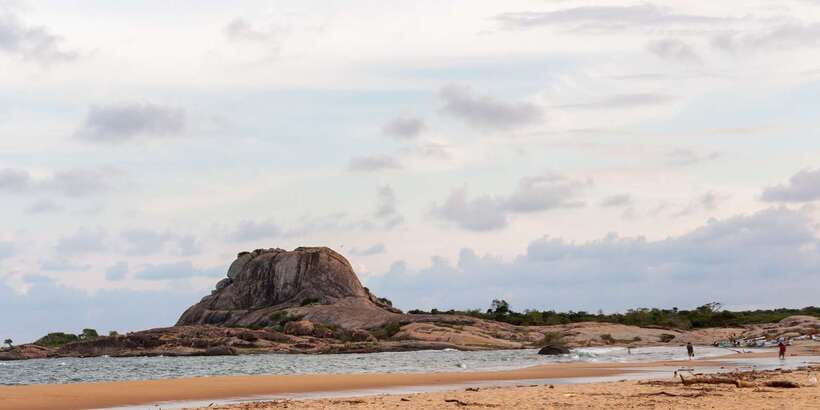
You’ll get pickup from the Yala-area locations listed for this operator, including Kirinda, Palatupana, Tissamaharama, Weerawila, and Kataragama (plus the Kotapola area). From there, you head into the park in a safari jeep.
The jeep seats up to 6 passengers. That matters. In a smaller group, your driver can stop where spotting lines are best, and you can rotate your view without fighting for a seat. The tradeoff is that safari vehicles still move on uneven ground. Many people find the roads dusty or bumpy, and rain can make sections muddy, so plan for real safari conditions rather than smooth highways.
A small tip that comes up again and again: bring a simple face mask if you’re sensitive to dust. It can make the ride much more comfortable during dry stretches and dusty tracks.
Entering Yala: where the animals actually show up
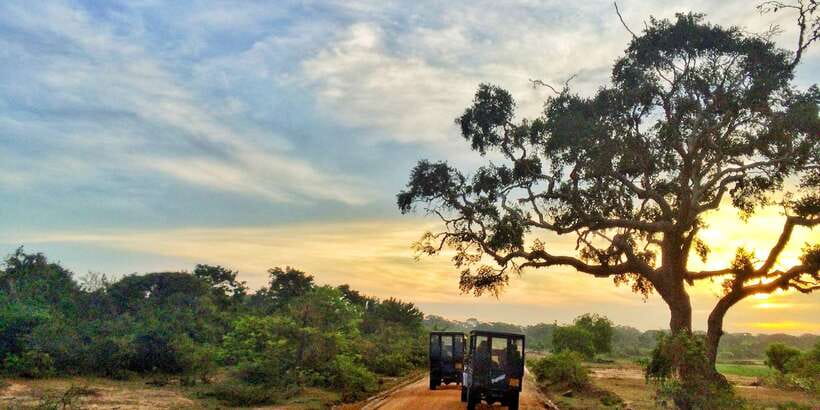
Yala sits in Sri Lanka’s south-east, running near the Indian Ocean. The park supports 44 mammal types and 215 bird species, so it’s not only about the headline predators. You’ll move through different habitat zones as your driver follows signs of animal movement.
What you’ll likely see from the vehicle window and during stops:
- light forests and scrubs (great for cover-loving animals)
- open grasslands (better sightlines for elephants, deer, and larger mammals)
- lagoons and water areas (where animals gather for water and hunting)
This variety is why leopard spotting can work here. Leopards use a mix of cover and open space to hunt. If your route only hits one kind of terrain, you lose chances. By moving across multiple habitat types, your guide keeps you in the most realistic places for different species.
And yes, Yala can feel a bit “alive” in small ways: insects, birds calling, and the constant sense that something could appear at the next bend. It’s not a zoo. It’s a living system.
The leopard game plan: first two hours or last two hours
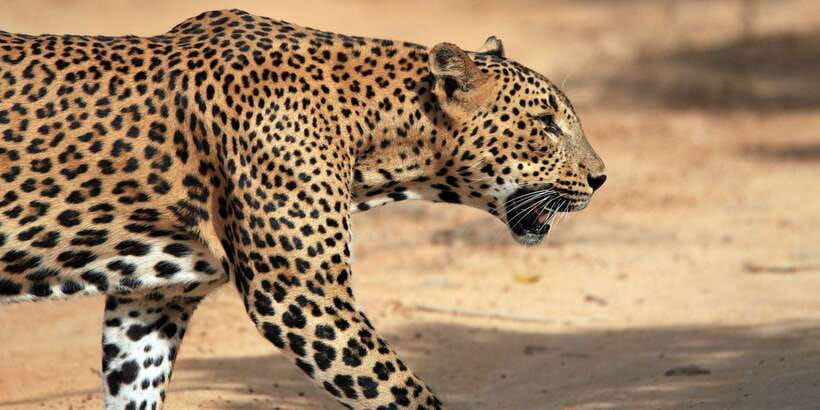
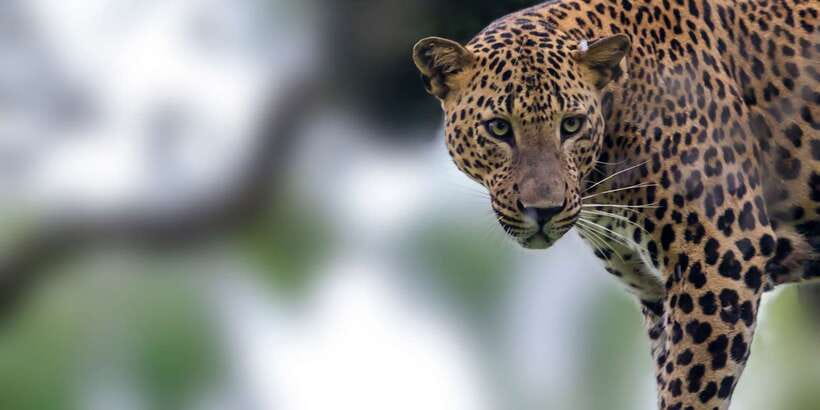
This safari is built around leopard spotting focus, using either the first 2 hours of the day’s park time or the last 2 hours. The logic is straightforward: you’re not trying to catch everything at once. You’re maximizing your attention when leopards are most likely to be active, visible, or moving between cover and hunting spots.
In practice, what this looks like is a lot of searching and repositioning. Guides like Dilan and Ishan are praised for spotting animals quickly and getting you to the right area fast. One guide, Sasanka, was specifically described as pushing to reach a leopard sighting quickly when there was a report.
That means two things for you:
- You should be ready to sit still and scan, because sometimes the animal is already close.
- You shouldn’t get locked into one expectation. If a leopard doesn’t appear in your first stop, the guide’s job is to keep the hunt moving without wasting your best light.
Also, remember that Yala doesn’t operate on your schedule. If it’s raining heavily, leopard sightings can drop. The best guides still put in full effort to show you wildlife, but the conditions do matter.
Big animals you can realistically hope to see
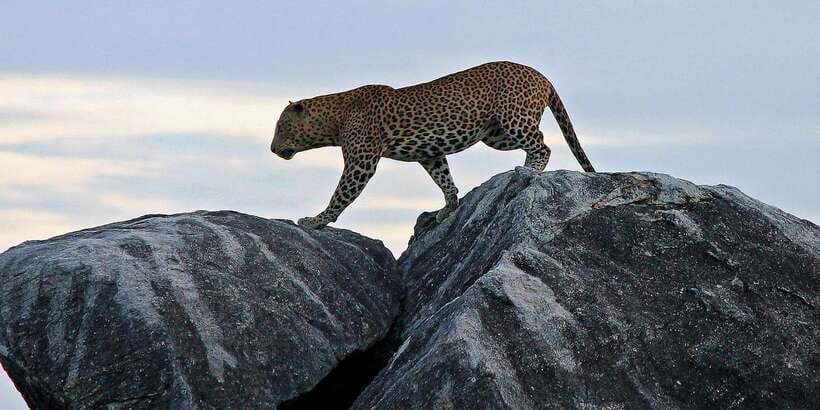
Leopards are the headline, but this park delivers plenty of other wildlife opportunities. The experience is positioned as a search for leopards, sloth bears, and elephants, and the habitat mix helps you broaden beyond one species.
Here are the animals specifically mentioned as possible sightings in Yala:
- elephants
- sloth bears
- water buffalo
- sambars
- jackals
- spotted deer
- crocodiles
- peacocks
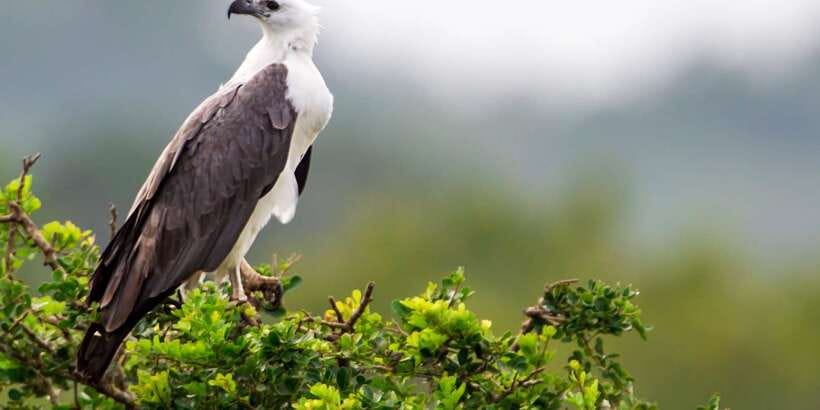
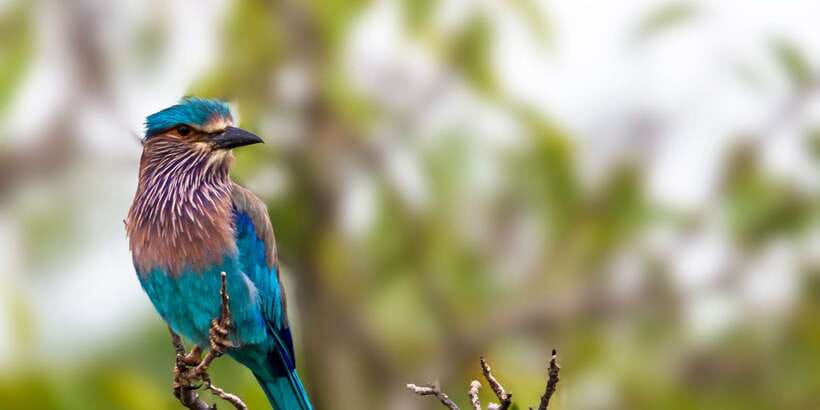
- plus many birds and other mammals
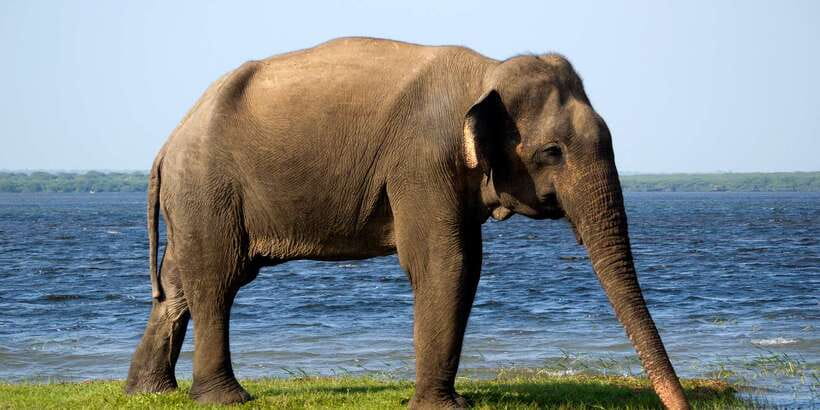
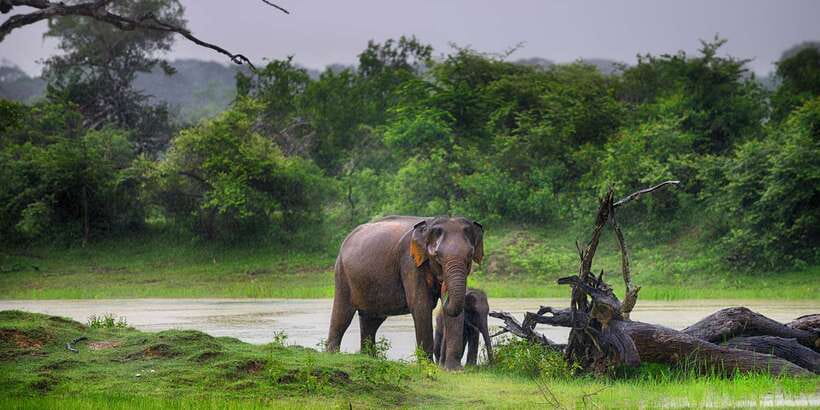
From the way guides have handled different sightings, you can also expect the safari to include the kind of moments that make your camera work overtime. People have described crocodiles basking near waterholes early in the day, monkeys moving through trees, and elephants walking slowly across areas where the light and water create dramatic backgrounds.
One neat example: Ishan’s spotting was described as leading to a private viewpoint by a beach/lagoon area with an elephant in view against an ocean backdrop. That’s not something you can demand, but it shows what “good route choices” can unlock.
And sloth bears? Those are often trickier. One person noted they almost missed it, even while seeing many other animals. So if sloth bears are your top goal, you’ll want a guide who works hard and doesn’t stop scanning just because the first hour didn’t deliver the main prize.
Who makes the difference: guides and driving style inside Yala
In Yala, a good guide changes the day. You’re relying on their eyes, their experience reading the terrain, and their willingness to move when the signs say move.
Names that came up in strong ways include Dilan, Ishan, Muthu, Tikiri, Wishwa, Vishwa, Sasanka, and Modhu. Across the different people, the common theme is the same: quick spotting, patient explanations, and steady driving over rough ground.
A few practical things you can take from their approach:
- They’re attentive about pointing out animals you’d easily miss from a moving vehicle.
- They explain what you’re seeing in plain language, including birds and animal behavior.
- They work with local knowledge to position you where sightlines are better.
Driving matters too. Muddy sections during rain can slow things down. One guide was praised for handling muddy parts with skill, and another described as professional in heavy rain tried to show as much wildlife as possible despite reduced chances for certain sightings.
If you’re the type who gets frustrated when the drive is bumpy, plan for that reality. If you enjoy the chase, you’ll probably love how your guide keeps the day moving.
Lunch and supplies: what you should bring for comfort and photos

Your safari includes food only if you select the option with lunch. A picnic lunch is included if you choose the full-day format. If you’re on a half-day option, you should plan to handle snacks and drinks on your own since food and drinks are not included in the package.
For supplies, you’ll want to think like this:
- Bring a hat and sunscreen for early morning or late afternoon sun.
- Wear clothes you don’t mind getting dusty.
- If you’re sensitive to dust, use a mask during drives.
- Bring water for your time in the park, especially if you’re doing an afternoon session where you’re in the vehicle through sunset.
Restrooms can be hit-or-miss. One person specifically noted that ablution facilities were poorly maintained. That doesn’t mean your day will be the same, but it’s a fair warning: use the time you’re given and don’t assume facilities will be perfect.
Price and entrance fees: what $10 really becomes
The listed price is $10 per person, but it’s important to treat that as the safari vehicle + guide value, not the full Yala cost. The park entrance and service fee is separate and not included.
You’ll need to budget an additional fee of about Sri Lankan Rupees 13,000 (around USD 37–40 per person). Payment is required in cash at the entrance in Sri Lankan Rupees. There are no facilities at the entrances to pay in foreign currency.
So what’s the value here? You’re paying for:
- hotel pickup in the Yala area
- a safari jeep with a small group limit
- guided wildlife searching during the best daylight window
- English live guide support
- optional picnic lunch for the full-day option
When you add the entrance fee, the effective total spend is still in the “worth it” category for many people, especially if you’re serious about leopard odds and you don’t want to manage multiple logistics yourself. If you’re already planning to pay entrance anyway, the $10 is the part that covers the effort: driving, searching, and positioning.
One more small pricing tip: if you can, choose the option that matches your energy. Morning safaris start earlier, but they give you park time at opening. Afternoon gives you a lighter day pace, but you’re working toward sunset before the park closes.
Who should book this safari (and who should skip it)
This tour makes the most sense if:
- you want guided help spotting animals you wouldn’t find on your own
- you like a structured plan focused on golden-hour timing
- you prefer a smaller group in a 4WD jeep
- you’re traveling in the Yala area and want pickup included
It may not fit if:
- you’re pregnant, because it’s marked as not suitable for pregnant women
- you dislike long periods of scanning and waiting from the vehicle (wildlife hunting has downtime)
If you’re going with kids, keep expectations clear: the day can include long searching stretches, but it can also deliver huge excitement if an elephant or leopard appears close by.
If you’re going solo, small group size is a plus, and you’ll get the same guide attention as everyone else in the jeep.
Should you book the morning or afternoon golden-hour safari?
Book it if you want a practical, time-smart way to hunt Yala’s top animals. I’d lean toward the morning option if you like getting early into the action, especially because the park opens at 6am and the 5am pickup timing is designed to put you in place right away. I’d lean toward afternoon if you prefer a more relaxed start and you’re hoping for late-day movement and dramatic light.
If you’re flexible on goals, pick based on your tolerance for early starts versus waiting until later. If leopards are your number-one target, remember the safari is built to focus on leopard spotting in the best two-hour window of either session, but conditions can still affect visibility. Go in with a wildlife-first mindset, and you’ll likely enjoy the day either way.
In short: this is a solid value safari when you factor in pickup, small-group 4WD, a guide who works hard, and the golden-hour focus. Just budget the entrance fee and bring dust-proof comfort.
FAQ
What time does the morning golden hour safari start?
The morning option starts with pickup around 5am so you can catch sunrise and the park opening at 6am.
What time does the afternoon golden hour safari run?
The afternoon option starts around 2pm and continues until sunset, with the park closing at 6pm.
How long is the safari?
The experience duration is listed as 4 to 12 hours, depending on the option you select. Check available starting times to confirm your exact schedule.
What is included in the price?
The package includes hotel pickup from the Yala area (listed locations), transportation in a safari jeep (up to 6 passengers), and an English live tour guide. Picnic lunch is included only if you select the option that includes it.
How much are Yala National Park entrance and service fees?
The entrance and service fees are listed as Sri Lankan Rupees 13,000 (about USD 37–40) per person, and they are not included in the package price.
How do I pay the entrance fee at the park?
You must pay in cash in Sri Lankan Rupees at the entrance. There are no facilities at the entrances to pay in foreign currencies.
Can I bring snacks or buy food during the safari?
Food and drinks are not included in the package. If your selected option includes lunch, it comes as a picnic lunch.
Is this safari suitable for pregnant women?
No. This activity is marked as not suitable for pregnant women.
What animals does this safari focus on?
The safari focuses on spotting leopards, sloth bears, and elephants, and the region is also home to water buffalo, sambars, jackals, spotted deer, peacocks, crocodiles, and many birds.