REVIEW · HO CHI MINH CITY
HCM: Cu Chi Tunnels-Tapioca Small Group Tour Morning or Afternoon
Book on Viator →Operated by KIM TRAVEL · Bookable on Viator
The tunnels make war feel painfully real; this small-group trip includes hotel pickup and ends with cassava tasting. You’ll also get a guided look at bunkers, guns, and traps, plus the maze of underground passages if you want the crawl. The main consideration: the tunnels are tight, and the option to crawl is not for anyone who hates enclosed spaces.
I like that it’s priced for real budget travel at $14.90 while still covering transport and key entry items. With morning or afternoon departures and a group capped at 25, it’s designed to fit neatly into one Saigon day. One more thing to watch: the exact tunnel time can vary by pace, and some groups end up spending less time underground than they expected.
In This Review
- Key Highlights You’ll Care About
- Cu Chi Tunnels from Ho Chi Minh City: Worth the Time and Price
- Pickup, Ride, and Group Size in a 25-Person Minivan
- Setting the Scene: Film, War Relics, and Exhibits Area
- Walking the Tunnel Maze: Hiding Entrances, Traps, and the Crawl
- Cassava, Tapioca, and Wartime Snacks That Make It Real
- The Guide Makes the Day: What You Can Learn from Past Tours
- Agent Orange Workshop Stop: A Meaningful Detour or a Speed Bump
- Who This Tour Fits Best (and Who Should Skip the Crawl)
- Should You Book This Cu Chi Tour from HCMC?
- FAQ
- How long is the Cu Chi Tunnels tour?
- Do you get picked up from hotels in Ho Chi Minh City?
- Where is the tour dropped off at the end?
- Is the entrance fee included?
- Is an English-speaking guide provided?
- Is crawling through the tunnels included?
- What food and drinks are included?
- How big is the group?
- Is there a mobile ticket?
- What happens if the weather is bad?
Key Highlights You’ll Care About
- Hotel pickup from Districts 1, 3, and 4 so you start without a mini-adventure
- War exhibits plus a filmscreening to help the tunnel walk make sense
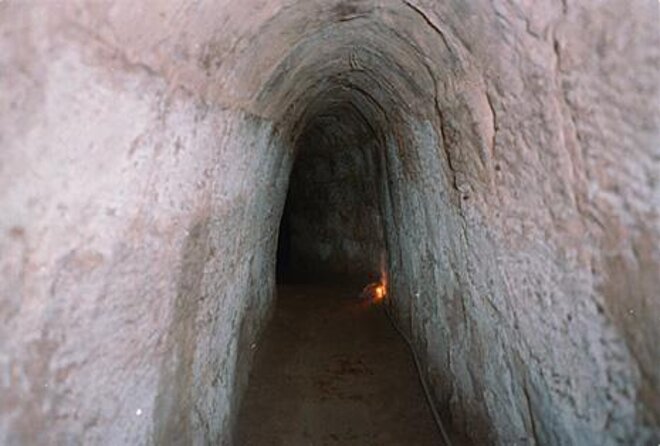
- Crawl options and low, narrow passage reality (some sections are about 4 feet high)
- Cassava tasting as a direct link to how fighters ate and survived
- A guide-led flow that can turn a history site into a story you follow end to end
Cu Chi Tunnels from Ho Chi Minh City: Worth the Time and Price
Cu Chi is one of those Vietnam War stops that’s hard to fake. On a map, it’s just outside Ho Chi Minh City, but on the ground you feel the whole idea of living and fighting underground. The tour gives you a guided path through the story, not just a ticket and a warning sign.
The price is a big part of the appeal. At $14.90, you’re not only paying for a site entry. You’re also getting pickup/drop-off, an English-speaking guide, air-conditioned transport, and on-site inclusions like bottled water and snacks. For many people, that math beats piecing it together yourself.
The tour runs about 7 hours total, so it’s a full “one-day” commitment. A fair chunk of that is travel time, since Cu Chi is roughly 60 km from the center of HCMC and road conditions can stretch the drive to around 1.5 to 2.5 hours one way. If you hate long car rides, pick the departure time that lets you rest afterward.
You can also read our reviews of more tours and experiences in Ho Chi Minh City.



Pickup, Ride, and Group Size in a 25-Person Minivan
This is set up as a small-group experience with a maximum of 25 people. That matters because Cu Chi is a fast-moving site: you want a guide to keep the group together and explain what you’re seeing before it turns into random tunnel openings and dusty signage.
Pickup is offered from hotels in District 1, District 3, and District 4, and the tour ends with drop-off back in District 1. If you’re staying in those districts, you’ll save time and stress, which is worth something in Ho Chi Minh City.
You’ll ride in a minivan with air-conditioning. Most of the time, that’s comfortable enough for the drive. A few people have flagged older vehicles or cramped seating, so if you’re tall or sensitive to seat comfort, bring a small pillow or just set expectations ahead of time.
Also, the tour uses a mobile ticket, which is a practical touch. It reduces the need to hunt for paper tickets on a day that already includes transfers and waiting.
Setting the Scene: Film, War Relics, and Exhibits Area
The experience starts with context, and that’s where a good tour earns its money. You’ll watch a movie screening at the Cu Chi Tunnels area, described as a 3D film about a major American ground operation. In practice, you’ll get an official documentary-style film screening too, so expect something that frames what you’re about to see.
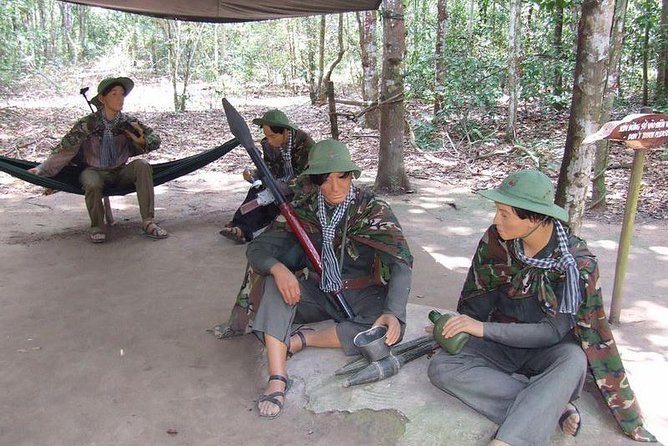
Then comes the exhibits area, where you’ll see real-world relics and models tied to how the fighting worked. The tour specifically points you toward war relics like bunkers, guns, and traps. These aren’t just props. They’re there to show you how cramped, clever design helped fighters compensate for firepower.
One reason I’m a fan of this portion: it prevents the tunnel visit from becoming purely physical. When you understand the purpose of a trap or a storage area, the tunnels stop being just “interesting holes” and start feeling like a living system.
A couple of caveats to keep you grounded. Some departures may not follow the exact film format described in the overview, and a few people felt the exhibits-and-film portion was doing more work than the underground part. If you’re going specifically for a lot of crawling time, you’ll want to readjust expectations and focus on the overall guided understanding instead of counting on a long tunnel session.
Walking the Tunnel Maze: Hiding Entrances, Traps, and the Crawl
This is the core of the tour. You’ll spend time learning how the tunnel network worked and how fighters used it for movement, shelter, and strategy. The experience is described as covering the system from 1961 to 1972, and you’ll hear how the network supported both life inside and the fight outside.
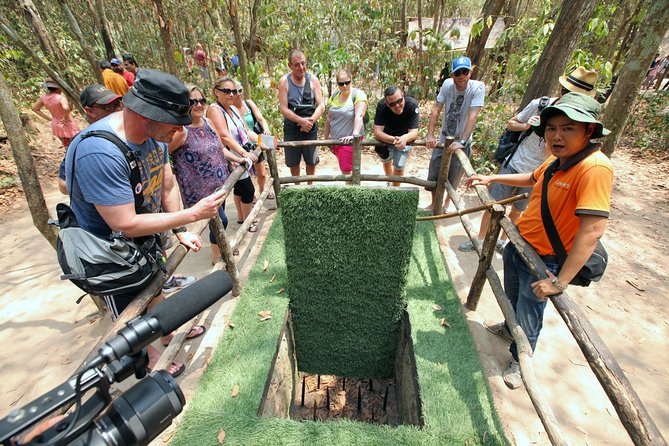
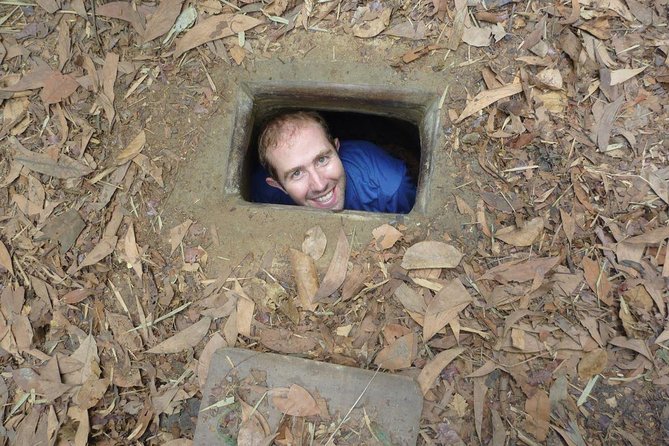
Before you go far underground, you’ll try a tiny hiding entrance. That’s the kind of moment that makes the site click fast. Your body instantly understands why these tunnels were built for a certain kind of movement and a certain kind of survival.
Inside, the tour route is framed as a maze: storage spaces, factories, field hospitals, command centers, and trap doors are all part of what you’re guided through. There’s also time in a forest area where you’ll watch a documentary about the strategic system of Cu Chi.
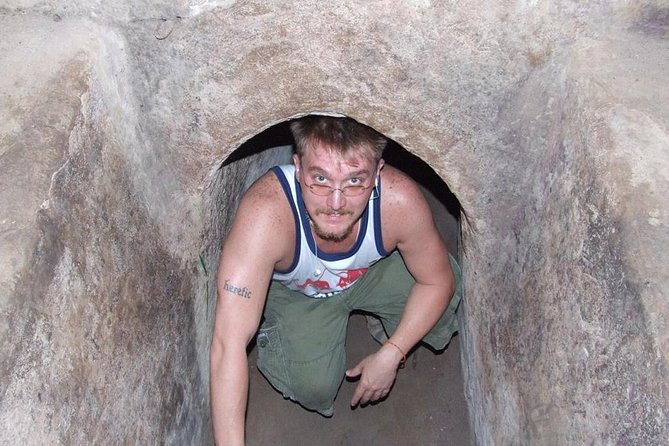
Then you reach the crawl option. The tour makes crawling through the tunnels optional, but it’s heavily tied to the main experience. The tunnels are low. One very specific note from people who did the crawl: it can involve a short section about 60 meters long with a ceiling around 4 feet. If you’re claustrophobic, have mobility limits, or can’t handle crouching for a sustained stretch, you may prefer to skip that part and focus on the visible route and exhibits.
A practical tip: wear breathable clothes you don’t mind getting dusty. Even with a guided pace, you’re moving through areas that weren’t made for modern body types and modern comfort.
Cassava, Tapioca, and Wartime Snacks That Make It Real
Between the heat, the history, and the physical experience, the food stop is part of why this tour feels complete. The tour includes tapioca/cassava, plus Vietnamese hot tea. People often remember cassava most because it’s simple, filling, and tied directly to wartime survival.
You’ll also get wheat cake and wet tissues, plus bottled water. This is small stuff, but in real terms it matters. When you’re outside and potentially crawling, small comforts prevent the day from turning into a dehydration and crankiness contest.
I also like that cassava isn’t treated as a random snack. It’s presented as the most popular food for fighters during war days at Cu Chi, which makes the meal part of the story instead of an afterthought.
If you’re sensitive to dietary needs, the provided items aren’t described as customizable in the tour info you have here. I’d plan on what’s included and carry a simple backup snack if that makes you feel safer.





The Guide Makes the Day: What You Can Learn from Past Tours
At Cu Chi, a guide is not optional. The site is packed with details, and without someone translating why something exists, you can miss the point. The strongest pattern across experiences is that the best guides keep things organized, funny in a light way, and anchored in clear explanations.
Names that show up with high praise include Bao, Khanh, Phong, Luna, Tommy, Martin, Lee, and Xem. People specifically liked how they explained items step-by-step and added context during the drive so the history didn’t feel like random facts dropped at the tunnels.
There’s also an important balance to keep in mind. A few people reported guide distractions, including heavy phone use, and one person felt the guide skipped key parts of the described program. That doesn’t mean it happens on every departure, but it does mean you should pick the right expectation level: this tour is guided, and you should get explanations, yet the pacing can vary by group dynamics.
Bottom line: if you land with a strong guide, this becomes a story of daily life and strategy, not just a sightseeing walk. The tour’s structure is built to help, but the guide is the human engine.
Agent Orange Workshop Stop: A Meaningful Detour or a Speed Bump
There can be a stop connected to an Agent Orange handicraft workshop—an awareness-focused stop tied to victims of Agent Orange. One account described it as a rest stop plus awareness, and another mentioned it felt like a shopping detour when they wanted more tunnel time.
So treat it as a possible “added stop” depending on that day’s schedule. If you’re someone who wants to stay focused on tunnels only, plan mentally for a short detour. If you care about how war impacts people long after the guns stop, this is the kind of stop that can add human weight to what you just saw underground.
Purchasing souvenirs, in the way it was described, is voluntary. If you don’t want to shop, you can still use it as a break with bathrooms and a chance to reset.
Who This Tour Fits Best (and Who Should Skip the Crawl)
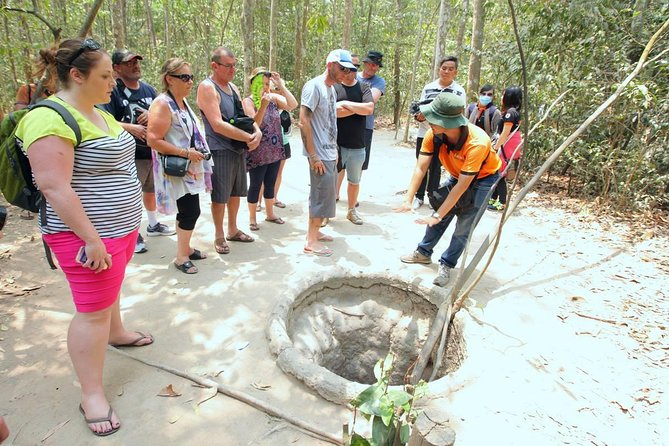
This tour suits you if you want an organized, guided look at how the Vietnam War played out in the tunnels—both survival details and strategy. It’s also a great pick if you’re short on time in Ho Chi Minh City and want one focused day outside the city.
You’ll probably enjoy it most if:
- You like history that explains daily life, not just dates and battles
- You’re okay with guided group pacing
- You can handle tight spaces if you choose the crawl
The big “maybe” is the tunnel crawl. Even when it’s optional, it’s the part where your body sets the limit. If you’re very claustrophobic or physically uncomfortable in low spaces, you may choose not to go in and still get value from the exhibits, explanations, and visible areas.
Families with kids can participate, but the tour info states children must be accompanied by an adult. If you’re traveling with younger kids, you’ll want to decide ahead of time whether they’re comfortable with the narrow environment and the war-focused content.
If your travel style is all comfort and zero rough edges, you might also want to consider whether a different day trip fits you better. Some people found the transport older or the overall time distribution not worth it for their expectations, especially compared with other half-day options.
Should You Book This Cu Chi Tour from HCMC?
I’d book it if you want strong value and a guided structure. For $14.90, you get pickup, air-conditioned transport, an English-speaking guide, entrance items, and hands-on experiences like the hiding entrance and the optional crawl. The cassava tasting and tea add a tangible wartime link that’s easy to remember.
Skip or downshift expectations if your top priority is a long, uninterrupted tunnel crawl. Some departures may feel more surface-level, and you can’t control traffic or group pacing. Also, if you know you hate tight spaces, plan to focus on the visible underground route and exhibits instead of the crawl.
If you care about how the tour runs, focus on timing: morning or afternoon gives you flexibility, and choosing the departure that matches your energy level can make the full day feel less stressful.
In short: this is a practical, affordable way to see Cu Chi with context. Book it if you want meaning with your sightseeing, and choose your tunnel crawl decision based on comfort, not bravery.
FAQ
How long is the Cu Chi Tunnels tour?
The tour duration is listed as about 7 hours.
Do you get picked up from hotels in Ho Chi Minh City?
Yes. Pickup is included from hotels in District 1, District 3, and District 4.
Where is the tour dropped off at the end?
The tour drop-off is in District 1.
Is the entrance fee included?
Yes. Entrance fees are included, and watching the Cu Chi Tunnels documentary film is also included.
Is an English-speaking guide provided?
Yes. The tour includes an experienced English-speaking guide.
Is crawling through the tunnels included?
Crawling through the tunnels is listed as an optional experience.
What food and drinks are included?
You’ll get tapioca/cassava, Vietnamese hot tea, wheat cake, bottled water, and wet tissues.
How big is the group?
The tour has a maximum group size of 25 people.
Is there a mobile ticket?
Yes, the tour includes a mobile ticket.
What happens if the weather is bad?
The tour requires good weather. If it’s canceled due to poor weather, you’ll be offered a different date or a full refund.