REVIEW · TOKYO
Tokyo Sumo Wrestling Tournament Experience
Book on Viator →Operated by Japan Wonder Travel · Bookable on Viator
Sumo is louder than you expect. I like this tour because it gets you into the heart of Tokyo’s tournament season at Ryogoku Kokugikan, with a guide to translate what you’re seeing before you’re stuck guessing in the stands. The reserved chair/box seating is a real quality-of-life upgrade, especially on a long afternoon of matches.
What I also like is how the schedule builds context without turning into a history lecture. You get a quick walk around Ryogoku and a stop at the sumo museum before the crowd energy takes over. One thing to plan for: the seating is on cushions without a backrest, and you’ll need to remove your shoes when sitting.
In This Review
- Key things that make this sumo day work
- First steps: meeting Ryogoku and getting your bearings
- Ryogoku Kokugikan: the tournament stadium feeling in your bones
- The sumo museum stop: small time, big context (when it fits)
- Watching the bouts: the crowd roar, the ring strategy, and the basics that matter
- The seating reality: chair comfort, shoe rules, and view expectations
- Optional hot pot lunch: a solid pre-match fuel plan
- What the full schedule feels like (and why it keeps you on track)
- Price and value: what you’re really paying for
- Who this tour suits best
- Practical tips so your sumo day goes smoothly
- Should you book this sumo tournament experience?
- FAQ
- FAQ
- What event is this tour for?
- Where do I meet for Chair S, A, and B?
- Where do I meet for Chair C seats?
- Is the sumo museum visit guaranteed?
- Are my stadium seats reserved?
- Do I need to remove my shoes when sitting?
- Is lunch included?
- How big is the group?
- When does the tour finish?
Key things that make this sumo day work
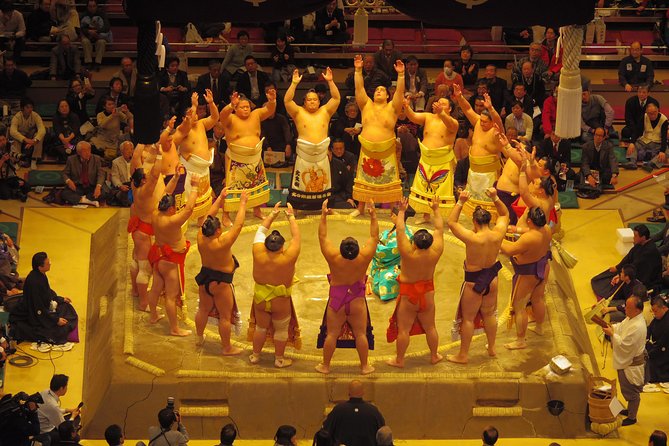
- Reserved chair or box seats mean you can watch full bouts without standing for hours
- Ryogoku Kokugikan is the place to be for Tokyo’s tournament atmosphere
- A professional English-speaking guide helps you spot what matters in each bout
- Short museum time gives you names, terms, and traditions to hang your experience on
- Optional Japanese hot pot lunch adds a proper meal window before the ring action
First steps: meeting Ryogoku and getting your bearings
Tokyo’s sumo world is centered in one busy pocket, and this tour uses that advantage. You start in the Ryogoku area, with the meet-up set up based on your seat choice. If you booked Chair S, A, or B, you meet at JR Ryogoku Station West gate. If you’re in Chair C, the meet-up shifts to Ryogoku River Center. Either way, your guide is there to keep you from wandering the station like a lost rikishi.
The key benefit here is timing. You’re guided into the stadium area early enough to settle in and understand how the day flows. That matters because sumo isn’t just one long fight; there’s pageantry, routine, and crowd rhythm. When you know what’s happening next, the whole afternoon feels smoother.
Also, you’re not dealing with a giant, chaotic group. The tour caps at 15 travelers, which keeps the experience manageable. It’s a small enough group size that your guide can actually answer questions, not just give the standard spiel.
You can also read our reviews of more tours and experiences in Tokyo.

Ryogoku Kokugikan: the tournament stadium feeling in your bones
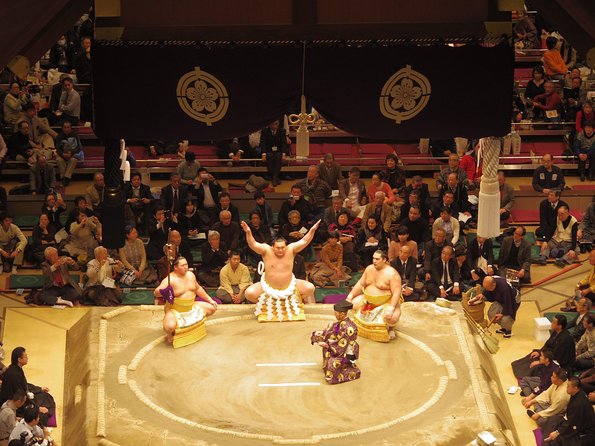
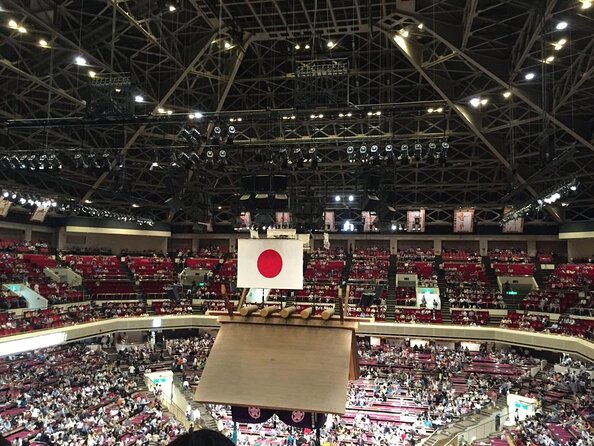
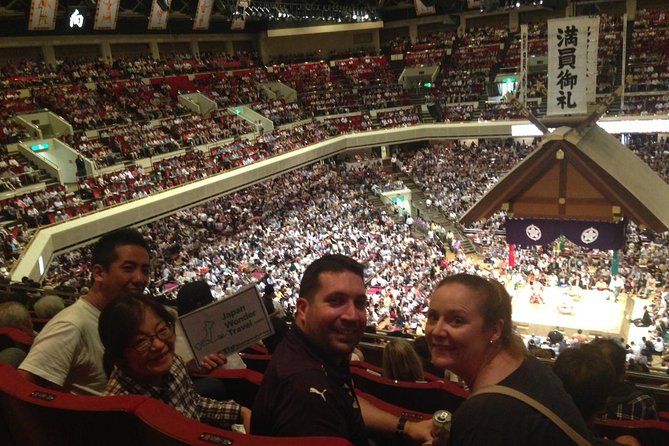
Once you’re at the stadium, you’re not just seeing sumo—you’re catching the tone of it. Ryogoku Kokugikan is built for spectacle, and even before the main bouts start, you feel that shift from city noise to arena focus.
The tour walk to the arena is brief, then you’re through and into the venue environment. You’ll notice how the seating is set up, and here’s a practical point: you’ll typically be placed in the 2nd-floor chair seats. On the 1st floor, the setup is different—those options are box seats, and you’ll have a private seating space without sharing.
You also get one underrated value: you spend less mental energy managing logistics. With reserved seating, you avoid the usual traveler stress of trying to find the best view in a crowded building. That lets you focus on the matches, where the real show is.
The sumo museum stop: small time, big context (when it fits)
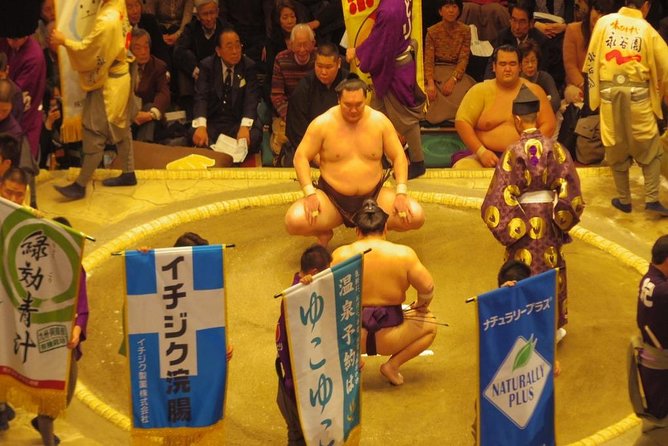
Before the arena takes over, the tour includes a quick museum visit. The museum stop can be skipped if things get congested, so I treat it like a bonus rather than a guarantee. If you do get in, it’s a fast way to translate what you’re about to watch.
Why does this help? Because sumo has a lot of structure: ceremonial steps, ranking context, wrestler styles, and the logic behind how bouts are judged. Even if you only catch a handful of terms, the museum gives you “hooks” so you’re not just watching two huge athletes collide and hope for the best.
This is also where the guide’s role really earns its keep. If you want to feel that you’re understanding the sport—not just watching it—this is the time that makes the rest of the afternoon click.
Watching the bouts: the crowd roar, the ring strategy, and the basics that matter
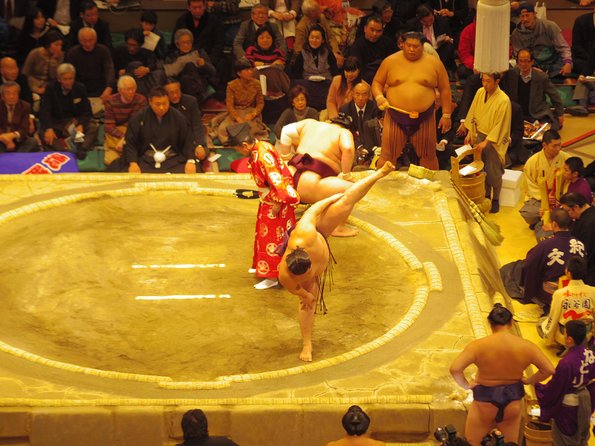
Now you’re in the tournament. This is where sumo stops being a novelty and becomes gripping.
During the matches, the whole goal is simple to say and hard to execute: a wrestler tries to force their opponent out of the ring. The flip side is just as important—your opponent is trying to keep balance, avoid being pushed, and win the next moment. You’ll see momentum swing back and forth, and you’ll hear the crowd react like a living metronome.
Here’s what I’d focus on, so you don’t get overwhelmed:
- Watch feet and grip first. In sumo, small changes in hand position and balance show up early.
- Listen to the crowd. When you hear the reaction spike, it usually matches a turning point.
- Pay attention to how wrestlers reset. The ring action isn’t only the final shove; it’s the setup too.
The guide should be helping you connect the dots. From what I’ve seen in how guides describe the sport, the best ones point out the “why” behind each movement, not just recite facts. Guides have been named like Taka, Tetsu, Yuko, Mia, and Kenichi in past experiences, and the common thread is their energy—explaining the rules, the traditions, and why certain matchups feel tense from the first second.
One more note: this portion is long enough that comfort matters. Wear something you can sit in for hours and stay cool in. You won’t be dressing up for a formal ceremony—think practical.
The seating reality: chair comfort, shoe rules, and view expectations
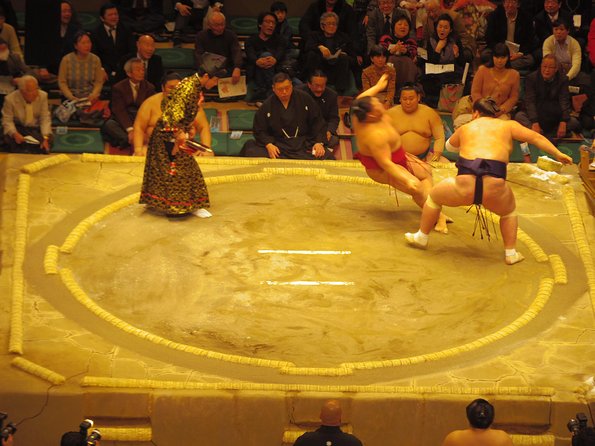
Sumo’s beauty includes the fact that the ring is right there. The tradeoff is comfort. This tour uses cushion seating without a backrest, and you’ll need to remove your shoes when you sit. That’s not a deal-breaker, but it is something you should plan for.
A few tips that help:
- Wear slip-on shoes you can handle quickly.
- Bring socks you’re happy wearing indoors for a while.
- If you’re short or the crowd blocks parts of your view, consider bringing binoculars. People have specifically suggested this for a better look at the wrestlers.
If you choose box seats (1F), the good news is you get a private seating space without sharing. That can feel calmer if you’re traveling with family or you just want a stable personal area. If you choose chair seats (2F), expect a more open setup and a standard stadium feel.



Optional hot pot lunch: a solid pre-match fuel plan
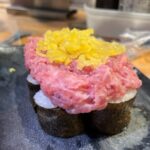
If you select the lunch option, you add a Japanese hot pot meal before the tournament session. You meet at Ryogoku Hanano-mai Restaurant for that lunch plan.
I like the inclusion because it solves a common Tokyo problem: timing. Sumo days can be long, and you don’t want to burn your energy hunting for food while the afternoon slips away. A structured lunch window helps you arrive at the arena feeling human, not snack-hypnotized.
For anyone with dietary needs, the instruction is clear: if you have allergies or restrictions, you should inform the provider when booking or after reserving. That’s especially important with hot pot dishes, where ingredients can be varied.
What the full schedule feels like (and why it keeps you on track)
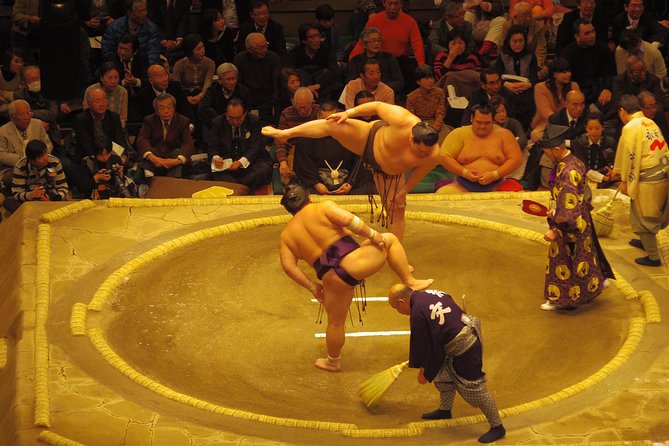
The tour runs about 3 hours 30 minutes. It starts early afternoon, with a stadium visit and then the tournament watch, finishing around 6:00 pm.
Here’s the pacing in plain terms:
- Meet at Ryogoku (your seat choice determines where)
- Short stadium walk-in
- Optional/brief museum stop (may be skipped if crowded)
- Long stadium focus: watching the tournament bouts
- End around early evening
The biggest value of this pacing is that you’re not wasting time. It’s built to fit tournament realities: venues get busy, things happen on a tight clock, and matches can be intense back-to-back. The group leaves on time, so show up promptly at your meet-up point.
Price and value: what you’re really paying for
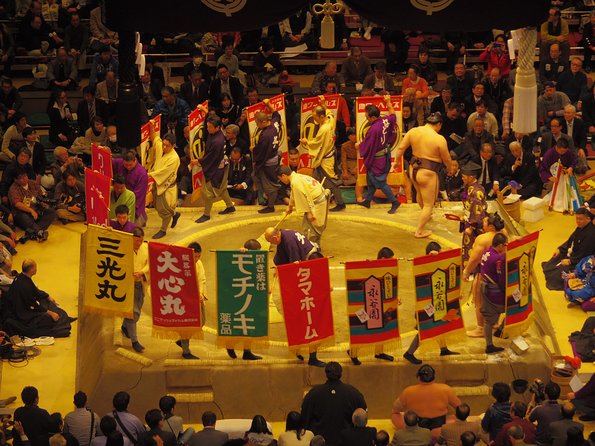
The listed price is $124, and the experience is sold as a guided package with tournament seating. That means you’re not just buying entry—you’re paying for:
- a reserved seat (chair/box)
- a professional English-speaking guide
- a guided rhythm that gets you from Ryogoku to the stadium and into the museum/area visit
- and, if you chose it, a Japanese hot pot lunch
Is it cheaper if you buy on your own? Sometimes, yes. But sumo tickets are not always easy, and tournament seating can sell out. That’s why guided packages exist. The guide reduces your stress, and the reserved seating reduces your uncertainty.
Still, a reality check: one comment raised a concern about the difference between the in-venue ticket price and what they ultimately paid. That’s a reminder to be alert about service fees. If you’re very price-sensitive and you’re confident handling ticketing yourself, you may prefer to compare options. If you’re prioritizing ease, language support, and seat certainty, the package can be worth it.
Who this tour suits best
This is a strong fit if you:
- want a first-time-friendly introduction to sumo
- care about traditions and rules, not just the final moments
- prefer reserved seating over seat-searching
- like having a guide explain what you’re seeing, especially when crowd noise makes details hard to catch
It may be less ideal if you:
- hate shoe-removal rules and cushion-only seating
- want a super flexible “wander at your own pace” day
- expect a low-cost ticket-only experience
Practical tips so your sumo day goes smoothly
- Wear comfortable clothing for several hours in the arena.
- Plan socks and easy-to-remove shoes.
- Consider binoculars if you’re the type who likes a close look.
- Show up on time at your meet-up point—this tour is run with tight timing.
- If you want the museum experience, keep a flexible mindset since it can be skipped for congestion.
Should you book this sumo tournament experience?
If you want an easy, guided way to enjoy a Tokyo sumo tournament day, I’d say yes. The mix of reserved seating, a guide who helps you understand what matters, and a schedule that doesn’t leave you scrambling in a busy stadium makes it a reliable choice for first-time sumo fans.
Book it if you value comfort, clarity, and the chance to enjoy the ceremony-and-bout flow instead of just watching from the sidelines. Hold off only if you’re very strict about cost and you’re confident you can secure tickets on your own without extra hassle.
FAQ
FAQ
What event is this tour for?
It’s for one of the three annual sumo tournaments held in Tokyo.
Where do I meet for Chair S, A, and B?
You meet at the JR Ryogoku Station West gate.
Where do I meet for Chair C seats?
For Chair C, the meet-up is at Ryogoku River Center.
Is the sumo museum visit guaranteed?
It may be skipped due to congestion.
Are my stadium seats reserved?
Yes. You’ll get chair seats (2nd floor) or box seats depending on the option you choose.
Do I need to remove my shoes when sitting?
Yes. Seating uses cushions without a backrest, and you need to remove your shoes when sitting.
Is lunch included?
Lunch is included only if you select the lunch plan, which features a Japanese hot pot meal.
How big is the group?
The tour has a maximum of 15 travelers.
When does the tour finish?
The tour finishes at the stadium around 6:00 pm.